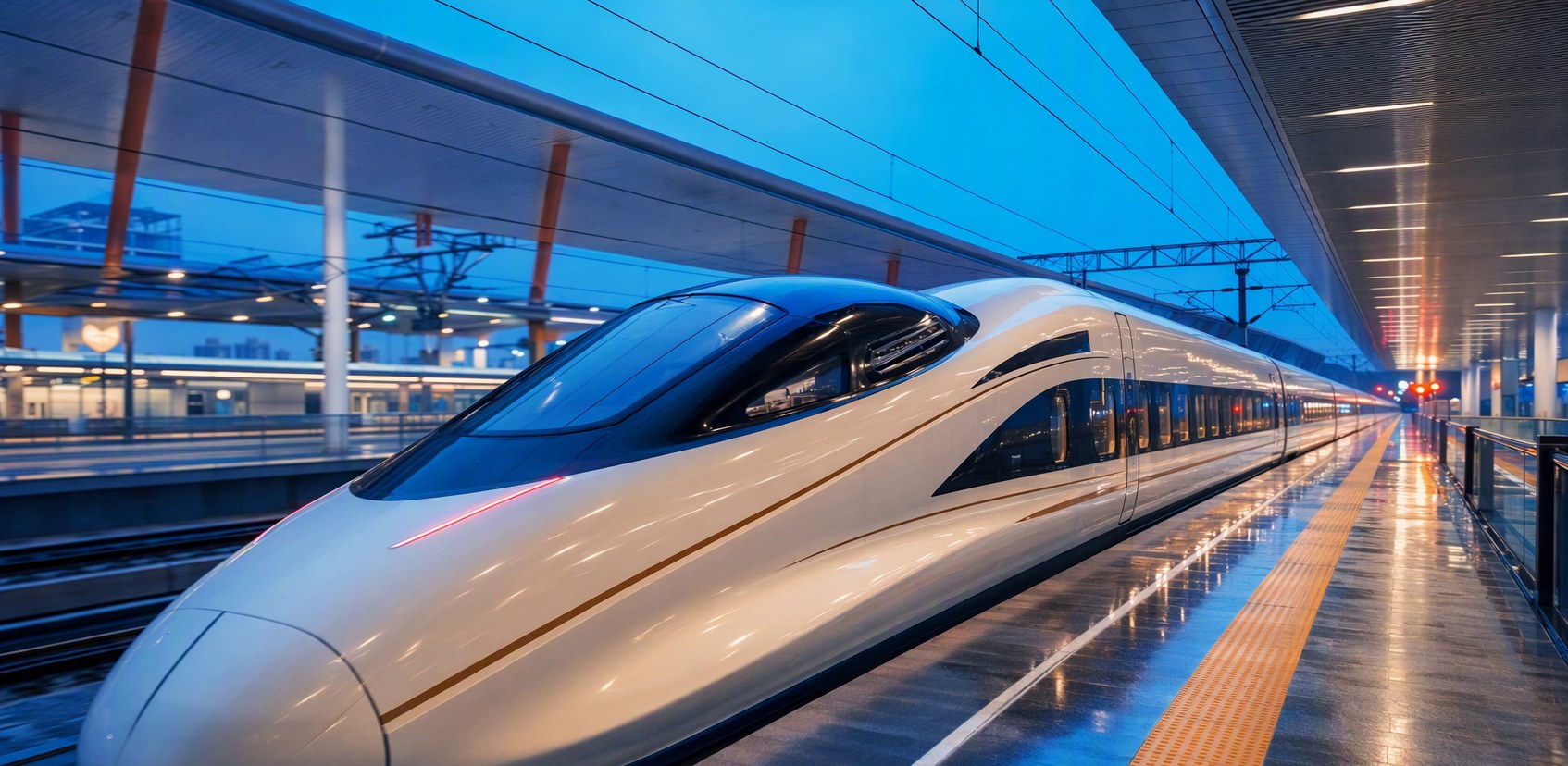
Why the Metro Is Your Best Friend in China
For foreign travelers in 2026, China’s metro systems are the fastest, safest, and most reliable way to move across cities—from Beijing’s sprawling 27-line network to Chengdu’s newly expanded Line 30 (launched May 2026). Unlike taxis or ride-hailing apps—which can suffer from GPS drift, language barriers, or limited coverage in older districts—the metro runs on time, costs under ¥8 per trip, and connects directly to high-speed rail stations, airports, and top attractions. With over 11,000 km of track operational nationwide—and 400+ new stations opened since 2024—you’ll spend less time navigating and more time experiencing.
How to Pay & What Works in 2026
Cash is obsolete for metro access. As of early 2026, all Tier-1 and Tier-2 cities accept contactless payments via:
- WeChat Pay or Alipay (linked to international cards like Visa/Mastercard—no Chinese bank account needed)
- UnionPay QuickPass (tap-to-pay with physical card or Apple/Google Wallet)
- eSIM-enabled QR codes (scanned at gates using WingPhoenix’s integrated eSIM + transit pass bundle)
- Physical metro cards (sold at service counters in Beijing, Shanghai, Guangzhou; ¥20 deposit, refundable only at original station)
Note: WeChat Pay now supports English-language QR code generation for metro gates in 12 cities—including Xi’an (since March 2026) and Hangzhou (post-2025 Asian Games upgrade). If your phone lacks NFC or you’re offline, purchase a single-journey token (¥2–¥10 depending on distance) at any gate kiosk—English menus available in all major hubs.
City-by-City Metro Essentials (2026 Edition)
Not all metros are equal. Here’s what you need to know before boarding:
| City | Lines Operational | Key Transfer Hubs | English Support Level | Special Notes |
|---|---|---|---|---|
| Beijing | 27 lines (incl. new Yanfang Line extension) | Xi Zhi Men, Guomao, Beijing South Railway Station | Full bilingual signage & announcements | Free 240h visa-free transit travelers get discounted ¥1 “Welcome Pass” at airport metro kiosks (valid 72h) |
| Shanghai | 20 lines (incl. Airport Link Line to PVG) | Century Avenue, Hongqiao Railway Station, People’s Square | English signage; announcements in Mandarin/English/Japanese/Korean | “Metro Plus” app (iOS/Android) offers real-time crowd heatmaps & elevator status—critical during Golden Week |
| Guangzhou | 16 lines (Line 11 fully opened Jan 2026) | Zhujiang New Town, Guangzhou South Railway Station | Bilingual signage; English announcements on core lines only | Tap-and-go with foreign credit cards accepted at all gates—no app required |
| Chengdu | 14 lines (plus 3 new suburban routes launched Q2 2026) | South Railway Station, Tianfu Square, Century City | English signage in central zones; minimal announcements | Free Wi-Fi on trains & platforms (login via email verification); QR code maps updated monthly |
Pro Tips for Stress-Free Rides
Even with great infrastructure, small oversights can derail your day. Here’s how to avoid them:
Boarding etiquette matters. Let passengers exit first—gates close fast (average 12 sec dwell time). Stand behind the yellow line, and never block doors. On peak-hour trains (7:30–9:00 & 17:30–19:00), priority seating (marked in blue) is reserved for elderly, pregnant, or disabled riders—even if empty.
Transfers are fast—but not always intuitive. In Shanghai, Line 2 ↔ Line 10 at Hongqiao Railway Station requires a 4-minute walk underground (follow purple signs). In Beijing, transferring between Line 13 and Line 15 at Wangjing West takes just 90 seconds via dedicated corridor—but the exit-only gate resets your QR scan, so keep your phone ready.
Avoid rush hour—or embrace it smartly. While crowded, metro rides are safe and efficient. If you prefer calm: travel between 10:30–15:30 or after 20:00. Bonus: Many stations (e.g., Suzhou’s Line 3, Nanjing’s Line 4) feature cultural art walls, local history displays, or even rotating tea-tasting pop-ups—worth lingering for.
Lost? Use the “Metro Helper” function in WingPhoenix’s AI trip planning tool. It detects your location via eSIM-assisted geofencing and delivers turn-by-turn metro guidance—including real-time gate numbers, platform-level escalator status, and live crowd density—before you even reach the station. One traveler used it to navigate Xi’an’s newly opened Line 8 during National Day weekend—saving 22 minutes versus walking.
What Doesn’t Work (and Why)
Despite rapid modernization, some assumptions still backfire:
Google Maps is unreliable. Offline maps lack real-time train frequency data, and station names often misrender (e.g., “Xidan” appears as “Xi Dan”). Use Baidu Maps (with English toggle) or the official city metro apps—both preloaded in WingPhoenix’s eSIM bundle.
“One card for all cities” doesn’t exist. A Beijing Yikatong card won’t work in Shenzhen. However, UnionPay QuickPass and Alipay’s “Metro Code” are interoperable across 19 cities—including Qingdao, Xiamen, and Kunming—as of July 2026.
Free Wi-Fi ≠ internet access. Most networks require SMS verification via Chinese number or WeChat login. Foreign SIMs and eSIMs (like WingPhoenix’s 2026-certified plan) bypass this—enabling instant QR code refreshes and live service alerts.
Don’t rely on verbal directions. Staff at service counters rarely speak English beyond “next train in 2 min.” Save time: screenshot your route using the official app, then point and nod. Or better yet—let WingPhoenix’s AI trip planner generate a printable, multilingual metro map with highlighted exits and photo landmarks.
Final Checklist Before You Go
✔️ Enable international roaming or install a verified eSIM (WingPhoenix’s 2026 plan includes metro QR activation + offline Baidu Maps)
✔️ Link WeChat Pay or Alipay to your Visa/Mastercard (test with ¥1 transaction before arrival)
✔️ Download the official metro app for your destination city (e.g., “Shanghai Metro Official App”, “Beijing Subway”)
✔️ For 240h visa-free transit travelers: collect your complimentary transit metro voucher at Pudong, Capital, or Shenzhen Bao’an airports—valid for 3 days and redeemable at any station kiosk
✔️ Pack earplugs—some older lines (e.g., Chongqing’s Line 2) have high ambient noise; newer ones (Hangzhou Line 19) are whisper-quiet
With these tools and tactics, China’s metro isn’t just transport—it’s your backstage pass to rhythm, scale, and daily life in one of the world’s most dynamic urban landscapes. Whether you’re hopping from West Lake to Lingyin Temple in Hangzhou or weaving through Guangzhou’s Canton Tower district, every ride deepens your connection to the city.
Ready to build your seamless, metro-optimized China itinerary? Start planning with WingPhoenix’s AI trip planner now.