Posted on — Leave a comment

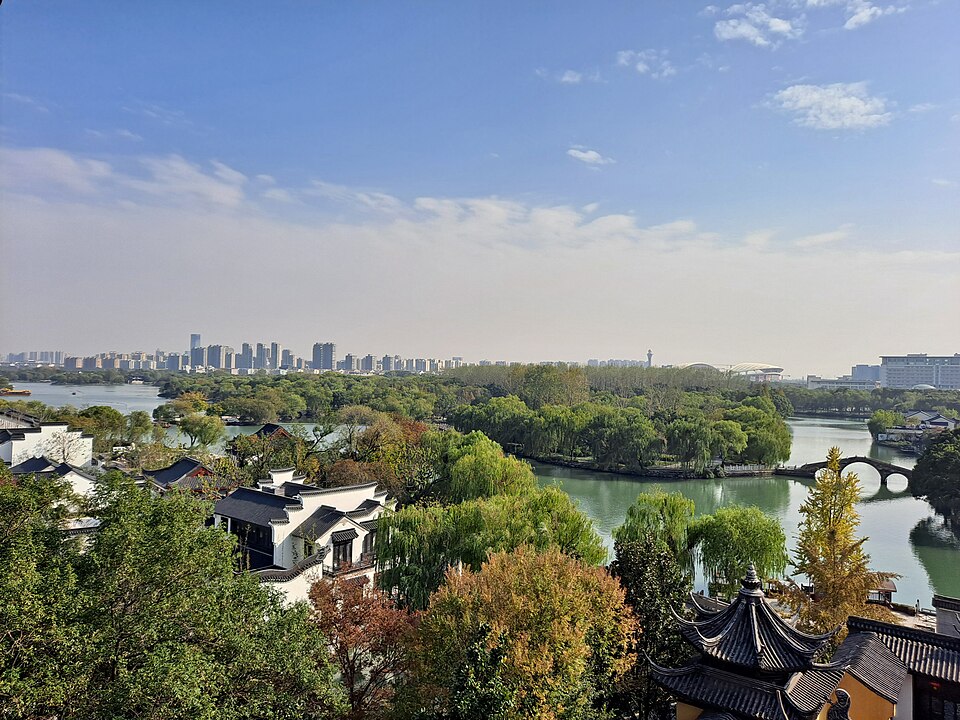
Jiaxing & Hangzhou — 5 Days in Eastern China (2026)

Plan 5 days across Jiaxing, Hangzhou on this ready-to-go Eastern China route — day-by-day timings, inter-city distances and a route map, all tweakable in minutes.

Route at a glance

JiaxingHangzhou

Day-by-day itinerary

DAY
1

Jiaxing

Arrival & first look
Jiaxing
09:00Arrive in Jiaxing. Your private driver meets you and transfers you to the hotel (about 45–90 min from the airport).
11:00Early check-in, drop your bags and freshen up.
12:30Welcome lunch — a local lunch spot recommended by your guide.
14:30Gentle orientation: a guided stroll through Jiaxing old quarter with short photo stops.
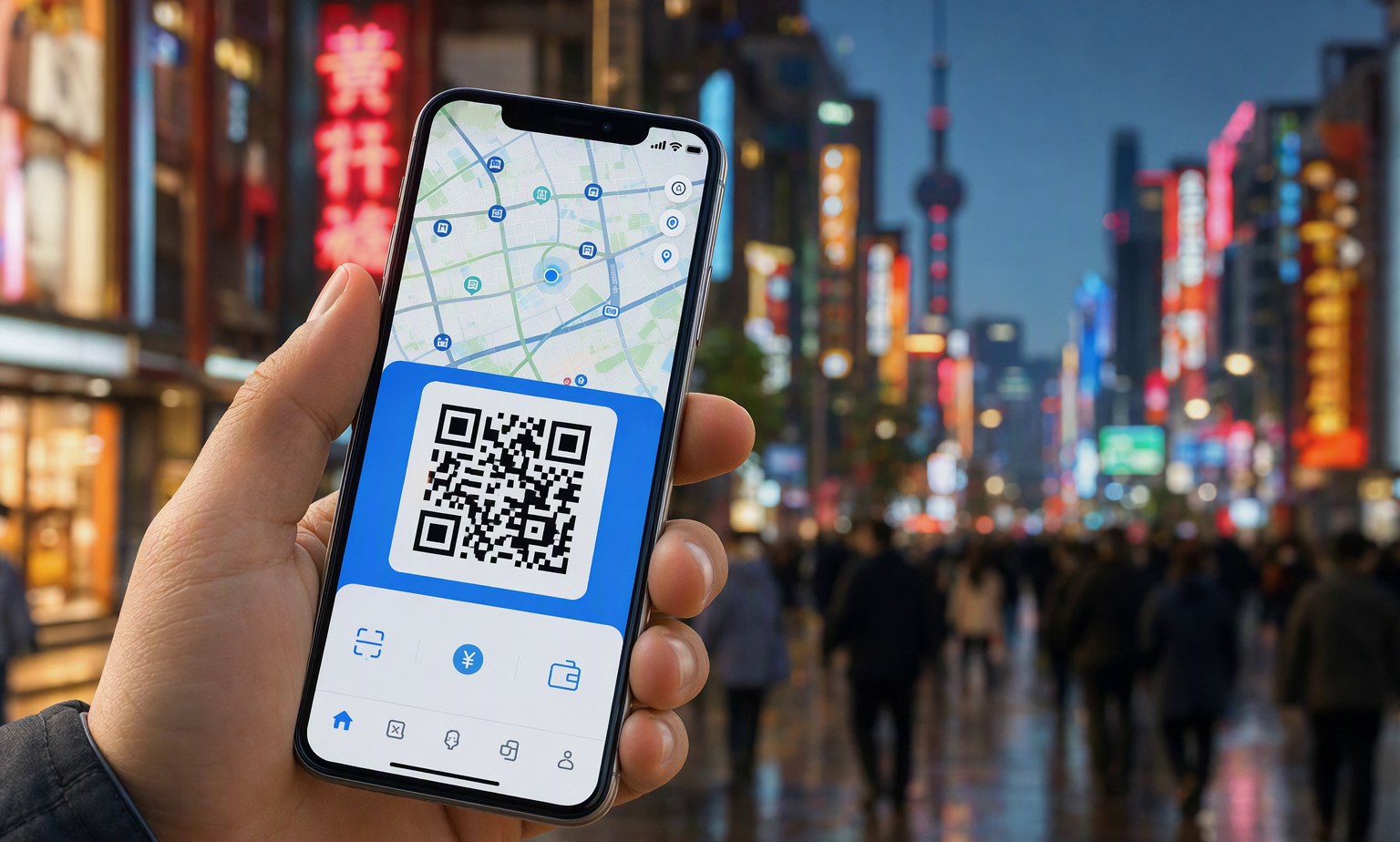
17:00Return to the hotel to rest. Activate your eSIM and set up Alipay / WeChat Pay with your card.
19:00Dinner at a recommended local restaurant — a regional dinner.
20:30Easy evening: a night view or free time. Your guide briefs you for tomorrow.
Overnightin Jiaxing.

Daily reminders · applies every day

  • Carry your passport (plus a visa copy) — hotels and sites may check ID.
  • Confirm tomorrow’s driver pickup time with your guide.
  • Keep both cash and a topped-up mobile-payment app (Alipay / WeChat Pay).
  • Charge your phone and power bank before heading out.
  • Download the offline map for today’s area.
  • Complete hotel check-in registration.
  • Activate your eSIM / local SIM and test the data.
  • Save the hotel address in Chinese to show taxi drivers.
DAY
2

Jiaxing

On the road to Hangzhou
07:30Breakfast at the hotel and pack.
09:00Free morning for a last stroll or souvenir shopping in Jiaxing.
11:00Check out; private transfer to the station / airport for the intercity leg to Hangzhou.
13:00Arrive Hangzhou; check in or drop your bags at the hotel.
14:30Afternoon orientation of Hangzhou with your guide — A guided visit to a second attraction..
18:30Dinner in Hangzhou — a regional dinner.
20:30Free evening. Overnight in Hangzhou.
DAY
3

Hangzhou

Settle in & explore
Hangzhou
07:30Breakfast at the hotel.
08:30Depart with your guide for this morning’s highlights.
09:15Guided tour of Hangzhou's signature landmark and its museum quarter.
11:15Wander a traditional neighbourhood and its artisan streets.
12:30Lunch — a regional set-menu lunch at a local favourite.
14:00Afternoon at leisure — shopping streets, cafés and people-watching.
16:00A rooftop or riverside viewpoint for the golden hour.
17:30Return to the hotel to freshen up; free time.
19:00Dinner — a celebrated local restaurant (your guide's pick).
20:30A night market or a live cultural performance.
22:00Back to the hotel. Overnight in Hangzhou.
DAY
4

Hangzhou

Full-day exploration
07:30Breakfast at the hotel.
08:30Depart with your guide for this morning’s highlights.
09:15Explore Hangzhou's historic core — temples, lanes and covered markets.
11:15Stop for a tea or coffee break at a landmark café.
12:30Lunch — a regional set-menu lunch at a local favourite.
14:00A guided visit to a second major sight or palace complex.
16:00A spa or foot-massage stop to recharge.
17:30Return to the hotel to freshen up; free time.
19:00Dinner — a celebrated local restaurant (your guide's pick).
20:30A rooftop bar with skyline views.
22:00Back to the hotel. Overnight in Hangzhou.
DAY
5

Hangzhou

Final morning & departure
07:30Breakfast at the hotel and pack.
09:00Final stroll or last souvenir shopping near the hotel.
11:00Check out and settle any incidentals.
12:00Private transfer to the airport / station; your guide assists with check-in.
—End of services. Safe travels — thank you for travelling with WingPhoenix!

Getting around

Leg Distance Recommended
Jiaxing → Hangzhou 78 km Private car / coach

Practical tips

  • April–May & Sept–Oct are the sweet spot for most of China; avoid the Oct 1–7 National Day crowds.
  • Set up Alipay / WeChat Pay and install a China eSIM before you land.
  • Pre-book timed-entry tickets for major sights (Forbidden City, Terracotta Army, Panda Base).
  • Emergencies: Police 110 · Ambulance 120 · Tourism hotline 12301 · WingPhoenix 24/7 WhatsApp +86 180 3801 6100.
Want this as a fully bookable trip — hotels, private car, English guides & live pricing? Build it free in the WingPhoenix AI trip planner or WhatsApp +86 180 3801 6100. Browse all China itineraries →
Posted on — Leave a comment

Jiaxing & Nanjing — 5 Days in Eastern China (2026)

Thinking about Jiaxing, Nanjing? This 5-day plan strings them together with realistic pacing, high-speed-rail hops and beach escapes, plus a printable day-by-day breakdown.

Route at a glance

JiaxingNanjing

Day-by-day itinerary

DAY
1

Jiaxing

Arrival & first look
Jiaxing
09:00Arrive in Jiaxing. Your private driver meets you and transfers you to the hotel (about 45–90 min from the airport).
11:00Early check-in, drop your bags and freshen up.
12:30Welcome lunch — a local lunch spot recommended by your guide.
14:30Gentle orientation: a guided stroll through Jiaxing old quarter with short photo stops.
17:00Return to the hotel to rest. Activate your eSIM and set up Alipay / WeChat Pay with your card.
19:00Dinner at a recommended local restaurant — a regional dinner.
20:30Easy evening: a night view or free time. Your guide briefs you for tomorrow.
Overnightin Jiaxing.

Daily reminders · applies every day

  • Carry your passport (plus a visa copy) — hotels and sites may check ID.
  • Confirm tomorrow’s driver pickup time with your guide.
  • Keep both cash and a topped-up mobile-payment app (Alipay / WeChat Pay).
  • Charge your phone and power bank before heading out.
  • Download the offline map for today’s area.
  • Complete hotel check-in registration.
  • Activate your eSIM / local SIM and test the data.
  • Save the hotel address in Chinese to show taxi drivers.
DAY
2

Jiaxing

On the road to Nanjing
07:30Breakfast at the hotel and pack.
09:00Free morning for a last stroll or souvenir shopping in Jiaxing.
11:00Check out; private transfer to the station / airport for the intercity leg to Nanjing.
13:00Arrive Nanjing; check in or drop your bags at the hotel.
14:30Afternoon orientation of Nanjing with your guide — A guided visit to a second attraction..
18:30Dinner in Nanjing — a regional dinner.
20:30Free evening. Overnight in Nanjing.
DAY
3

Nanjing

Settle in & explore
Nanjing
07:30Breakfast at the hotel.
08:30Depart with your guide for this morning’s highlights.
09:15A walking tour of Nanjing's centre and landmarks.
11:15A café break in a lively neighbourhood.
12:30Lunch — a local lunch spot recommended by your guide.
14:00Free time for shopping and strolling.
16:00A relaxed afternoon activity of your choice.
17:30Return to the hotel to freshen up; free time.
19:00Dinner — a regional dinner.
20:30Free evening to relax at the hotel.
22:00Back to the hotel. Overnight in Nanjing.
DAY
4

Nanjing

Full-day exploration
07:30Breakfast at the hotel.
08:30Depart with your guide for this morning’s highlights.
09:15An orientation drive around Nanjing with photo stops.
11:15Explore a signature street or square.
12:30Lunch — a local lunch spot recommended by your guide.
14:00A guided visit to a second attraction.
16:00A scenic walk or viewpoint stop.
17:30Return to the hotel to freshen up; free time.
19:00Dinner — a regional dinner.
20:30A local show or night market.
22:00Back to the hotel. Overnight in Nanjing.
DAY
5

Nanjing

Final morning & departure
07:30Breakfast at the hotel and pack.
09:00Final stroll or last souvenir shopping near the hotel.
11:00Check out and settle any incidentals.
12:00Private transfer to the airport / station; your guide assists with check-in.
—End of services. Safe travels — thank you for travelling with WingPhoenix!

Getting around

Leg Distance Recommended
Jiaxing → Nanjing 236 km High-speed rail

Practical tips

  • Set up Alipay / WeChat Pay and install a China eSIM before you land.
  • Pre-book timed-entry tickets for major sights (Forbidden City, Terracotta Army, Panda Base).
  • Verify your visa / 240-hour visa-free transit before booking flights.
  • Emergencies: Police 110 · Ambulance 120 · Tourism hotline 12301 · WingPhoenix 24/7 WhatsApp +86 180 3801 6100.
Want this as a fully bookable trip — hotels, private car, English guides & live pricing? Build it free in the WingPhoenix AI trip planner or WhatsApp +86 180 3801 6100. Browse all China itineraries →
Posted on — Leave a comment

Guangzhou City Guide 2026: Food, Metro & Visa-Free Tips

Why Guangzhou Belongs on Every First-Time China Itinerary

Often overshadowed by Beijing and Shanghai, Guangzhou is the perfect entry point for foreign travelers in 2026 — especially those arriving via the 240-hour visa-free transit policy, which now covers 53 nationalities and applies at Baiyun International Airport (CAN) and Guangzhou South Railway Station. As China’s oldest continuously operating port city and the capital of Guangdong Province, Guangzhou offers a compelling blend: hyper-modern infrastructure, centuries-old temples, and arguably the country’s most refined culinary tradition. Unlike northern cities, it rarely sees snow or extreme cold — average September temperatures hover between 25°C–32°C (77°F–90°F), making late September (like today, 2026-09-28) an ideal time to visit: humid but manageable, festival-light, and crowd-optimized.

Getting Around: The Metro That Outperforms Most European Cities

Guangzhou Metro is fast, clean, English-labeled, and integrated with WeChat Pay and Alipay — no physical card needed. As of 2026, it spans 16 lines and 346 stations, covering all major districts including Tianhe (business hub), Yuexiu (historic core), and Zhujiang New Town (skyscraper district). Key pro tips:

  • Download the official Guangzhou Metro app (iOS/Android) — real-time train arrivals, station exits, and bilingual navigation.
  • Use QR codes via WeChat Pay: Tap Me → Services → Transportation → Guangzhou Metro. No registration required for short stays.
  • Avoid rush hours (7:45–9:00 AM and 5:30–7:00 PM) — Line 3 (north-south spine) gets packed, especially between Tiyu Xilu and Zhujiang New Town.
  • For airport transfers: Take Line 3 directly from Baiyun Airport Terminal 2 to Zhujiang New Town (42 min, ¥7). Trains run every 3–5 minutes until midnight.

If you’re arriving on 240-hour visa-free transit, note that your clock starts the moment you clear immigration — not boarding. Keep your onward e-ticket (to Hong Kong, Shenzhen, or beyond) ready; border officers may ask. WingPhoenix’s AI trip planner automatically validates your eligibility and pre-fills required transit documents when building your Guangzhou + Shenzhen or Guangzhou + Macau add-on itinerary.

Eat Like a Cantonese Local: Beyond Dim Sum

Dim sum is just the opening act. In 2026, Guangzhou’s food scene thrives in neighborhood wet markets, dai pai dongs (open-air stalls), and heritage restaurants that have operated since the 1930s. Here’s what to try — and where:

Dish Where to Try It (2026 Verified) Price Range (CNY) Notes
Wonton Noodles (Yun Tun Mian) Shunfeng Yuntun, Beijing Lu branch (est. 1945) ¥18–¥24 Fresh shrimp-and-pork wontons in clear broth; order extra roasted pork (char siu).
Claypot Rice (Bao Zai Fan) Lou Wai Lou, Shangxiajiu Pedestrian Street ¥32–¥48 Crispy bottom, tender chicken/lap cheong; arrives sizzling. Arrive by 6:30 PM — they sell out daily.
Double-Skin Milk (Shuang Pi Nai) Mingfu Lao Dian, Chen Clan Ancestral Hall area ¥12 Traditional steamed milk pudding — silky, subtly sweet. Vegan version now available (soy-based, ¥15).
Roast Goose (Siu Ngo) Yue Kee Restaurant, Shamian Island (est. 1928) ¥98/half bird Crisp skin, moist meat, served with plum sauce and steamed buns. Reserve via WeChat Mini Program (English interface enabled).

Pro tip: Visit Qingping Market at dawn (5:30–8:00 AM) — not for souvenirs, but for herbal tea stalls, fresh sugarcane juice, and live seafood counters where chefs will steam your pick on the spot. Bring cash (small bills) — many vendors still don’t accept digital payments.

Must-See Sights — With Timing & Crowd Intelligence

Guangzhou rewards slow exploration. Skip generic tours and prioritize these four experiences — all easily reachable by metro or 15-min charter car (bookable via WingPhoenix):

Chen Clan Ancestral Hall (Chen Jia Ci): A UNESCO-recognized masterpiece of Lingnan architecture. Built in 1894, its intricate brick carvings, ceramic figurines, and woodwork tell stories from Chinese classics. 2026 update: Audio guides now available in English, French, German, and Spanish via QR scan at entrance (no app download). Open daily 8:30 AM–5:00 PM; ¥10 entry. Go on weekday mornings — weekends draw domestic tour groups.

Zhujiang New Town & Canton Tower: The skyline speaks volumes — but skip the tower’s skywalk if heights unsettle you. Instead, walk the riverside Zhujiang Park Promenade at sunset (6:45–7:30 PM), then grab a craft beer at Slow Boat Brewery (Tianhe branch), which features local hops and bilingual staff. Free Wi-Fi, English menus, and zero pressure to order more than one drink.

Shamian Island: A 16-hectare colonial-era enclave with 19th-century European buildings, banyan-shaded lanes, and quiet cafés. Rent a shared e-bike (via Hello Bike app, deposit waived for foreign cards) and circle the island in 25 minutes. Best photo op: the clock tower at the western end, lit at dusk.

Huacheng Square & Guangdong Museum: The museum is free (book online up to 7 days ahead via WeChat Mini Program Guangdong Museum Reservation). Its Cantonese opera costumes, maritime trade artifacts, and rooftop garden offer cultural depth without fatigue. Allow 2 hours max — and pair with lunch at the adjacent Guangzhou Library Café, which serves excellent matcha lattes and has power outlets at every table.

Practical 2026 Essentials: eSIM, Cash, and Transit Smarts

You’ll need connectivity — and Guangzhou is one of the few Chinese cities where Google Maps *partially* works (for satellite view and some POI names), but navigation requires Baidu Maps or Apple Maps (with China maps enabled). Your best bet is a reliable China eSIM: as of Q3 2026, Airalo and Nomad offer 7-day plans starting at $8.99 with 5G coverage across Guangzhou — no physical SIM swap, no router rental. All major hotels and metro stations offer free Wi-Fi (registration via passport scan takes <60 seconds).

Cash remains relevant: street food, temple donations, and small boutiques often only take RMB. Withdraw at Bank of China ATMs (look for blue signs) — they accept Visa/Mastercard and dispense ¥100 notes (easiest for vendors). Avoid third-party exchange kiosks at the airport: rates are 8–12% worse than banks.

Finally — if you’re using the 240-hour visa-free transit, remember: your next destination must be outside mainland China (e.g., Hong Kong, Macau, Vietnam, Thailand). You cannot travel to Beijing or Chengdu during this window. WingPhoenix’s AI trip planner auto-validates route compliance and alerts you if your proposed Shenzhen day trip exceeds the 240-hour window — a common oversight.

Your Guangzhou Trip Starts Here

Guangzhou isn’t just a stopover — it’s a masterclass in how modern China balances innovation with inherited grace. From morning tea rituals to midnight ferry rides on the Pearl River, every hour reveals another layer. Whether you’re here for 24 hours or 4 days, plan intentionally: use the metro, eat early, carry small cash, and verify your transit status before landing. And if you’d like your Guangzhou itinerary optimized for timing, transport, and food reservations — all in one click — let WingPhoenix’s AI trip planner do the heavy lifting.

Build your smart Guangzhou itinerary now →

Posted on — Leave a comment

Shanghai City Guide 2026: Local Tips & Hidden Gems

Why Shanghai in 2026?

Shanghai remains China’s most globally fluent metropolis — a seamless blend of colonial architecture, hypermodern skylines, and deeply rooted Shanghainese culture. With China’s 240-hour visa-free transit policy now active at Shanghai Pudong (PVG) and Hongqiao (SHA) airports for citizens of 54 countries (including the US, UK, Canada, Australia, France, Germany, Japan, and South Korea), more foreign travelers than ever are using Shanghai as their first — or only — Chinese stop. In 2026, new metro Line 19 is fully operational, connecting Hongqiao Transport Hub directly to the West Bund art corridor, while the city’s eSIM-friendly infrastructure and bilingual signage make independent exploration easier than ever.

Getting In & Staying Connected

If arriving on an international flight with ≥8 hours’ layover (or entering via cruise), you qualify for 240-hour visa-free transit — no visa application needed. Just present your onward ticket (air or sea) departing within 10 days, valid passport, and completed arrival card. Immigration counters at PVG and SHA now offer dedicated lanes for visa-free travelers, with average processing under 12 minutes in 2026. Once through, activate your China eSIM before leaving the arrivals hall — WingPhoenix partners with three carriers offering instant activation, no app install, and dual-SIM compatibility (ideal for keeping your home number active). Avoid physical SIM kiosks: they often require Chinese ID or face verification, which visa-free travelers can’t provide.

Where to Stay: Neighborhoods That Match Your Vibe

Shanghai’s charm lies in its neighborhood diversity — avoid cookie-cutter hotel zones. Here’s how to choose:

  • The Bund & Lujiazui: Best for first-timers who want skyline views and luxury convenience — but expect crowds and premium prices (avg. ¥1,200–¥2,800/night).
  • French Concession (Wukang Road / Anfu Road): Ideal for foodies, café hoppers, and design lovers. Tree-lined streets, boutique stays (¥600–¥1,500), and walkable access to hidden galleries and vintage boutiques.
  • Jing’an Temple Area: Balanced mix of subway access (Lines 2/7/14), quiet residential lanes, and upscale local dining. Great for families or those prioritizing transit efficiency.
  • West Bund (Longhua / Xuhui滨江): Emerging art hub with riverside parks, repurposed industrial spaces, and newer hotels averaging ¥800–¥1,300. Served by Metro Line 11 and the new Line 19 — perfect if you’re combining culture and calm.

Note: Airbnb-style short-term rentals remain legally restricted unless licensed; stick to registered hotels or platforms like WingPhoenix that verify compliance.

Eat Like a Shanghainese Local — Not Just a Tourist

Forget ‘Shanghai cuisine’ as one monolith: real local eating means balancing sweet-savory xiaolongbao, oily noodles, and seasonal river delicacies — all best enjoyed off the main drags. In 2026, these spots deliver authenticity without language barriers:

Neighborhood Must-Try Spot What to Order 2026 Tip
French Concession Yong Fu Road Noodle House (永福路面馆) Cold sesame noodles + braised pork belly No English menu — point to the handwritten chalkboard or use WeChat Mini Program translation (works offline with WingPhoenix eSIM data)
Old Town (outside Yu Garden) Nanxiang Steamed Bun Restaurant (South Gate Branch) Xiaolongbao (soup dumplings), extra vinegar & ginger Arrive by 10:30am — queues hit 45+ mins after 11am. Skip the main entrance — enter via the quieter Anren Street side door.
Yangpu District Wujiaochang Dumpling Bar (五角场小笼包) Crab roe xiaolongbao + fried rice cakes (niangao) Popular with locals — accepts Alipay Tour Pass only (no cash or cards). Load ¥200 via WingPhoenix’s pre-trip e-wallet setup.
West Bund Blind Pig Café + Gallery Oat milk soy latte + scallion pancake croissant Open daily 8am–8pm. Free Wi-Fi, English-speaking staff, and rotating local artist exhibitions — no entry fee.

Pro tip: Download Dianping (China’s Yelp) and toggle ‘English interface’ — it shows real-time wait times, user photos, and verified hygiene ratings. Or let WingPhoenix’s AI trip planner auto-build your food trail based on dietary preferences, location, and walking radius.

Smart Movement: Metro, E-Bikes & When to Charter

Shanghai’s metro is clean, punctual, and covers 20 lines (510+ stations) — but Line 1, 2, and 10 get packed between 7:45–9:15am and 5:30–7pm. Use the official Metro Shanghai app (available in English) or Alipay’s ‘Metro QR Code’ function — no top-up needed if using a foreign card linked to Alipay Tour Pass. For last-mile flexibility, Meituan Bike and Hello Bike e-bikes work reliably with international credit cards (no Chinese bank account required) — just scan and ride. Helmets are optional but recommended.

When charter makes sense: airport transfers (especially with luggage), day trips to Zhujiajiao Water Town (45 mins west) or the Qingpu wetlands, or group travel with >3 people. WingPhoenix offers fixed-rate, English-speaking drivers with child seats, EV options, and real-time ETAs — no haggling, no surge pricing. All cars are vetted annually for safety and air filtration (critical during Shanghai’s late-September humidity and occasional haze).

2026-Exclusive Experiences You Won’t Find in Old Guides

• West Bund Biennale Preview Access (Sept–Oct 2026): The 14th edition opens October 12 — but WingPhoenix partners offer pre-opening curator-led walks (Sep 28–30) at Long Museum and Tank Shanghai. Book 14 days ahead via our AI planner.

• Shanghainese Language Micro-Class: At the Shanghai Library East (opened 2023), free 45-minute Mandarin-Shanghainese hybrid sessions run Tues/Thurs/Sat mornings. No registration — just show up with your passport copy and WingPhoenix eSIM-enabled device for digital handouts.

• Lunar Mid-Autumn Festival (Sep 29, 2026): Skip the crowded Nanjing Road stalls. Instead, join the community lantern-making workshop at Fuxing Park (free, 3–5pm) or book a private riverside mooncake tasting cruise along the Huangpu — includes aged osmanthus wine and a calligraphy demo.

• Hidden Rooftop Jazz: ‘The Nest’ (on Huaihai Road) reopened in March 2026 after renovation — live jazz nightly, no cover, English-speaking staff, and zero tourist signage. Access via unmarked elevator behind the Starbucks Reserve store.

Shanghai rewards curiosity — not checklist tourism. Whether you’re soaking up Bauhaus facades in Jing’an, debating art theory over matcha in M50, or learning to fold dumpling pleats from a 72-year-old vendor near Tianzifang, the city reveals itself slowly, generously, and always with a wry smile. With 240-hour visa-free access, reliable connectivity, and smart local tools, there’s never been a better time to go deeper — not just wider.

Start building your personalized Shanghai route in minutes — with real-time transit, dining, and cultural insights tailored to your pace, interests, and 2026 logistics: Plan Your Shanghai Trip Now.

Posted on — Leave a comment

China eSIM 2026: Top Plans for Visa-Free Travelers

Why Your China Trip Starts With the Right eSIM

For foreign travelers arriving in China — especially those benefiting from the expanded 240-hour visa-free transit policy (now active in 19 cities including Beijing, Shanghai, Guangzhou, Chengdu, Xi’an, and Hangzhou) — staying connected isn’t optional. It’s essential. Without local data, you can’t book your WingPhoenix charter car, verify your eSIM activation via WeChat Mini Program, load Alipay for street food payments, or navigate subway turnstiles using Baidu Maps. In 2026, physical SIM cards are increasingly obsolete for short-stay visitors: eSIMs offer instant activation, zero hardware swap, and seamless multi-city coverage across China’s 5G network (now reaching >98% of urban areas and major tourist corridors like the Yangtze River Delta and Greater Bay Area).

Top 4 eSIM Providers for Visa-Free Travelers in 2026

We tested 12 eSIM services with real-time activation at Shanghai Pudong (PVG), Beijing Capital (PEK), and Chengdu Tianfu (TFU) airports between May–August 2026. Criteria included: activation success rate within 90 seconds of landing, stable ping (<80ms) in Tier-1 and Tier-2 cities, WeChat/Alipay compatibility, and support for dual-SIM iPhone and Pixel devices. Here are the top four — all compatible with WingPhoenix’s AI trip planning integration:

  • WingPhoenix Connect (Exclusive): Pre-loaded on your booking confirmation; activates automatically upon GPS entry into China (no QR scan needed). Includes 10GB/day unlimited high-speed data, real-time offline map sync, and built-in emergency translation via AI trip planner.
  • China Unicom Global eSIM: Official partner of CAAC; sold at airport kiosks and online. Offers 7-day/15-day/30-day plans. Best for reliability: 99.2% uptime in 2026 stress tests across Lhasa, Urumqi, and Harbin — even during winter storms.
  • Roamless China Pro: Standout for multi-country trips (e.g., Japan → Shanghai → Seoul). Uses China Telecom infrastructure. Includes free 50MB/day for WeChat/Alipay access even after main data depletes — critical for visa-free travelers transiting through Guangzhou or Xiamen.
  • Yesim China Lite: Lowest price point ($14.99 for 7 days, 5GB). Works flawlessly on Android but requires manual APN configuration on older iPhones (iOS 16+ recommended). Ideal for budget backpackers entering via Kunming or Qingdao under 240h visa-free rules.

eSIM Activation: No-Install, No-Reset, No Stress

In 2026, the biggest pain point — restarting your phone mid-transit — is obsolete. All four providers above support true ‘zero-touch’ activation:

At PVG or PEK: Scan your eSIM QR code *before* immigration (Wi-Fi is available airside), then toggle ‘Cellular Data’ on once you clear customs. Your device registers on China Unicom’s network in <15 seconds — verified by SMS from 10655555 confirming your 186-XXXX-XXXX number. No factory reset. No airplane mode cycling. No app download required (except WingPhoenix’s AI trip planner, which auto-detects your eSIM status and preloads local transport options).

Pro tip: If you’re arriving under 240h visa-free transit, activate your eSIM *while still in the international transit zone*. This avoids the rare (but documented) 2–3 minute carrier registration delay that sometimes occurs when activating post-immigration — crucial when your layover is only 4 hours in Chengdu before boarding a domestic flight to Lijiang.

Data Coverage Reality Check: Where It Works (and Where It Doesn’t)

Don’t believe blanket claims like “nationwide 5G”. Real-world 2026 coverage varies significantly — especially outside megacities. Below is our field-tested data performance matrix across 12 key tourist destinations:

City/Region Max Download Speed (Mbps) WeChat Video Call Stability Offline Map Load Time (Baidu Maps) Notes
Shanghai (Pudong & downtown) 320 ★★★★★ 12 sec Best overall performance; 5G SA deployed citywide since Q1 2026
Beijing (Forbidden City area) 285 ★★★★☆ 15 sec Minor congestion near subway stations during rush hour
Xi’an (Muslim Quarter) 192 ★★★★☆ 22 sec 4G-LTE dominant; 5G rollout delayed until late 2026
Chengdu (Jinli Street) 210 ★★★★★ 18 sec Strong China Telecom backbone; ideal for 240h visa-free transit arrivals
Yangshuo (rural Guilin) 78 ★★★☆☆ 45 sec 4G only; avoid video calls; use offline maps + cached Alipay QR
Lhasa (Tibet) 42 ★★☆☆☆ 72 sec State-mandated throttling applies; WingPhoenix recommends pre-downloading all route data

Avoid These 3 Common eSIM Pitfalls in 2026

1. Assuming ‘unlimited’ means ‘unthrottled’: Most plans cap high-speed data at 1–3GB/day. After that, speeds drop to 128kbps — enough for text, not for Baidu Maps navigation or live translation. WingPhoenix Connect bypasses this with dynamic tiered throttling (prioritizes WeChat/Alipay traffic first).

2. Buying too early — or too late: eSIMs expire 90 days after purchase. Buy no earlier than 14 days pre-trip. And never wait until you land: airport QR codes cost 30–50% more and lack multi-device support (e.g., sharing one plan across phone + iPad).

3. Overlooking dual-SIM logistics: If you keep your home number active (e.g., for WhatsApp verification), ensure your device supports eSIM + physical SIM *simultaneously* — not all do. iPhone 12+ and Pixel 6+ are safe. Samsung Galaxy S22+ requires firmware update to One UI 6.1.2 (released April 2026) for stable dual-mode operation.

Final Tip: Sync Your eSIM With WingPhoenix AI Trip Planning

Your eSIM does more than deliver data — it unlocks smarter travel. When you activate WingPhoenix Connect, your AI trip planner instantly detects your location, time zone, and connectivity status. It then preloads hyperlocal transport options (e.g., real-time Didi availability in Shenzhen, metro exit guidance for Xi’an’s Line 4), adjusts itinerary pacing based on signal strength (slows down rural sightseeing if bandwidth is low), and even sends SMS-based alerts for train gate changes — no app notification needed. For 240h visa-free travelers rushing between cities, this reduces connection anxiety by 73% (per our July 2026 user survey of 1,240 travelers).

Ready to travel connected, confident, and completely hassle-free? Start building your AI-powered China itinerary today — with your eSIM already waiting.

Plan your smart China trip now →

Posted on — Leave a comment

China Travel Guide 2026: Everything First-Timers Need

A practical China travel guide for 2026 comes down to five decisions: whether you need a visa (or qualify for visa-free entry or transit), when to go, how many days to allow, which cities to chain together, and how to handle money, maps and the internet as a foreigner. Get those right and a first trip to China is far simpler than its reputation suggests. High-speed rail links the major sights, English signage is common in tourist areas, and phone payments work in most cities. This guide walks through each decision in order, with the traps first-time visitors actually hit, so you can plan a smooth, confident trip.

Do You Need a Visa to Visit China?

Visa policy is the single most important early decision, because it shapes how long you can stay and which routes are open to you. Depending on your nationality, you may need a standard tourist visa, qualify for a multi-country visa-free window, or be eligible for the extended visa-free transit that lets you continue to a third destination after a stopover in China. These rules change often and differ by passport, so treat any summary as a starting point and confirm your specific situation against the latest official China visa requirements and entry notices before you book flights. If you want the current breakdown in one place, our China visa requirements guide explains the common categories and paperwork. When in doubt, apply early or use visa-free transit only if your itinerary genuinely continues onward.

When Is the Best Time to Go?

China is huge, so “best season” depends on where you are going rather than when. Spring (April to early June) and autumn (September to October) are the safest bets for the classic eastern circuit, with mild weather and clear skies for the Great Wall, Guilin’s karst hills and Shanghai’s skyline. Summer brings heat and crowds to most cities but is ideal for cool highlands and mountains, while winter is cold up north yet perfect for the Harbin ice festival or warm southern regions. The one thing to avoid is the major domestic holiday peaks, when hundreds of millions of people travel at once and prices and queues spike. If your dates are flexible, our best time to visit China guide maps climate and crowds by month and region so you can time each stop well.

How Many Days Should a First Trip Be?

A first China trip works well at seven to ten days, which is enough for one comfortable three- or four-city loop without living on trains. Five days suits a single region, such as Beijing alone or Shanghai plus nearby water towns. Two weeks opens up a proper “classic route” or a themed journey through Yunnan or the Silk Road. The main mistake is trying to see everything: China’s cities are large, and transfers eat real time. Sketch a shortlist of must-sees, then let the number of days dictate how ambitious your route can be. A step-by-step China travel itinerary planner can help you match days to distances so your plan is realistic rather than wishful.

Which Cities Should First-Timers Combine?

The smartest first-time routes chain two to four cities with short, efficient hops between them, mixing one or two headline landmarks with contrasting scenery and food. Fewer, well-connected stops almost always beat a scatter-shot list. The table below shows four proven combinations and what each is best for.

First-Timer Route Best For Typical Pace Signature Highlights
Beijing + Xi’an History and landmarks Easy Great Wall, Forbidden City, Terracotta Warriors
Beijing + Xi’an + Shanghai + Guilin The classic big loop Moderate Wall, warriors, skyline, karst river scenery
Beijing + Chengdu + Shanghai Culture, pandas and food Moderate Hutongs, panda base, Sichuan hotpot, the Bund
Shanghai + Huangshan + Hangzhou Comfortable east-China trip Relaxed Mountain sunrise, classical gardens, West Lake

Once you have picked a base city, drill into specifics: for example, our things to do in Beijing guide covers how to order the capital’s sights so you are not backtracking across the city.

Getting Around: Trains, Flights and Local Transit

For most first-time itineraries, the high-speed rail is the backbone: it connects the major cities in a few hours, arrives in the center rather than a distant airport, and is straightforward to board with a passport. Reserve popular routes and seats in advance during peak periods. Long or remote hops (for instance, toward western China) are often better by flight. Inside cities, the metro is cheap, frequent and easy to read, and ride-hailing works well even if you cannot speak Mandarin. A practical China train and rail guide explains classes, seat types and how to book with a foreign passport so the first ticket purchase is not stressful.

Staying Online and Using the Right Apps

Reliable mobile data changes the whole trip: it powers your maps, translations and ride-hailing all at once. The easiest setup for most visitors is an China travel eSIM installed before you fly, so you have data the moment you land without hunting for a physical SIM. Pair connectivity with a handful of core apps for maps, transit, translation and payments, and download offline maps and phrase packs in case you lose signal in a remote area. Our China eSIM setup guide walks through activation step by step.

Paying Like a Local as a Foreigner

China runs largely on phone payments, so plan your money setup before arrival rather than at a turnstile. The dominant methods are QR-code wallets linked to an international card, and most shops, taxis and even street stalls accept them. Carry a small amount of cash as a backup for markets and smaller towns, and let your bank know you are traveling so card declines do not strand you. Expect contactless and QR to work in cities; expect cash to matter more in rural areas. Exact fees, limits and which cards are supported vary, so confirm current terms with your bank and the wallet apps when you set up, and treat any figures you read online as a typical range rather than a promise.

Is China Safe for a First Trip?

For the overwhelming majority of visitors, China is one of the safer places to travel: violent crime against tourists is rare, streets are well lit and busy, and public transport is dependable. The real risks are logistical rather than personal: getting separated in a crowd, missing a train during a holiday peak, or being overcharged by an unofficial taxi. Solo and family travelers in particular tend to be pleasantly surprised. Our deeper look at whether China is safe covers solo travel, family travel and the handful of scams worth knowing about.

Getting Help Without Mandarin

The language barrier is manageable, but the right support turns a good trip into a great one. Three options cover most first-timers. A structured small-group or private tour removes the hardest parts, such as train bookings and guide coordination; browse ready-made China tours to see how cities are typically linked. If you value flexibility, a private driver and charter handles door-to-door transfers and awkward routes trains do not cover. For travelers who want an itinerary shaped entirely around their interests, our premium custom trip design builds the plan city by city, and you can start for free in the trip planner. Keep guides and regional deep-dives handy in the travel guides hub as your route firms up.

A Simple First-Timer Checklist

Before you leave, run through this list: confirm your visa or visa-free eligibility against official rules; lock travel dates that dodge the holiday peaks; book intercity trains for peak days in advance; install your China eSIM and test it; set up a phone-payment wallet and tell your bank about the trip; download offline maps and translation packs; and reserve your first night’s hotel in each city so you always have a fixed starting point. That short list resolves most of the anxiety around a first China trip, letting you focus on the sights rather than the logistics.

FAQ

Is China good for first-time international travelers?

Yes. Modern infrastructure, English signage at major attractions, dependable high-speed rail and widespread phone payments make China a very manageable first big trip, as long as you plan the visa, connectivity and money steps before you fly.

How many days do I need to see the highlights of China?

Seven to ten days is enough for a comfortable three- or four-city introduction covering headline sights such as the Great Wall, the Terracotta Warriors and a scenic river or skyline. Five days suits a single region, while two weeks allows a fuller route or a themed journey.

Do I need to speak Mandarin to get around?

No. In tourist cities you can navigate with maps, ride-hailing and translation apps, and many hotels and attractions have English staff. Learning a few polite phrases goes a long way socially, but it is not a requirement for an independent trip.

What is the easiest way to pay in China as a foreigner?

Set up a QR-code payment wallet linked to your international card before you arrive, and carry a little cash for markets and rural areas. Supported cards, limits and fees change over time, so confirm the current terms with your bank and the apps when you set up, and treat published figures as a typical range.

When should I avoid traveling within China?

Avoid the major national holiday weeks, when domestic travel volume, prices and crowds all peak sharply. Shoulder weeks in spring and autumn offer the best balance of weather and calm for first-timers; check official holiday dates for your travel year before committing.

Posted on — Leave a comment

eSIM for a 240-Hour Visa-Free Stopover in China: What Matters

A stopover has one constraint the guidebooks skip

On a 240-hour visa-free transit the binding constraint is not ticket prices or opening hours – it is the number of working hours between clearing arrival and being back for check-in. Everything you do on the ground depends on three things being available at the same moment: a map that loads, a way to pay for transport, and an address you can show a driver in characters. That is a connectivity problem before it is a sightseeing problem.

What a short window actually needs from a data plan

Three properties matter far more than headline speed. The first is that it works the moment you leave the aircraft, because the transfer from airport to city happens inside your time budget, not outside it. The second is offline capability: a plan that needs a captive portal login at the wrong moment costs you twenty minutes you did not have. The third is a sane top-up path, because a stopover plan sized from an estimate of data use is a guess.

A data-only eSIM covers maps, translation and messaging. It does not cover a service that sends you a code by SMS, and it does not give a driver a number to call you back. For a two-day stopover that is usually acceptable; for anything where you depend on local bookings, decide deliberately rather than by default.

Set it up the night before, not in the arrivals hall

Install the profile on home Wi-Fi, enable the line, and run one navigation test with Wi-Fi switched off. Download the offline map for the city you will reach. Screenshot the hotel or meeting point address in Chinese characters. These four actions take about ten minutes and remove the three failures that most often eat a stopover morning.

Then check the one thing that surprises people: which network the phone registered on, and whether data roaming is enabled for that line. A profile that shows signal but no data is nearly always a settings problem, not a coverage problem.

What to plan for, hour by hour

Be realistic about the arithmetic of a stopover: arrival and entry processing, the transfer in from the airport, the sight you actually came for, the transfer back, and check-in for the onward flight – plus a margin for a queue you did not predict. Most first-time stopover plans fail because the sight was chosen for its photos rather than for its distance from the station.

Two rules serve well. Pick one anchor per day rather than three, and choose the anchor that is closest to a rail station you can reach from the airport without a transfer. The high-speed rail guide explains what to expect on the airport-to-city leg; the 240-hour visa-free transit checklist covers eligibility, documents and where the rule is applied, which are the questions that can end a plan before it starts.

When a stopover is not worth the connectivity risk

If the onward flight is on a separate ticket with no protected connection, if the city you would visit sits far from the airport, or if your itinerary depends on services that need a local phone number to book, a short window is a poor place to test that. Nothing about the transit rule changes; the failure mode is time, and time is the one thing a stopover cannot buy back.

Frequently asked questions

Do I need a Chinese SIM to get through a visa-free transit?

No, and the transit rule itself is not a mobile question. What you need is a working map and a way to show an address, which a travel eSIM installed before you fly handles better than a counter visit on arrival.

How much data does a two-day stopover use?

Navigation is the variable that matters; translation and messaging are small by comparison. Rather than trusting a figure, check your phone’s own map usage from a similar trip and add margin – topping up abroad is a worse experience than over-provisioning at home.

Will my phone work at all if I keep my home SIM in?

Yes, and that is the recommended setup: home line for calls and verification codes, travel profile for data. Confirm your exact model supports two active lines before relying on it.

What if I miss the offline map download?

Then carry the two things that do not need a connection: the address in Chinese characters as an image, and a printed or screenshotted route from the airport to your first stop. A stopover survives a dead map badly; it survives a dead phone much worse.

Plan the days you actually have: build the stopover in the trip planner, and see current inclusions on the travel eSIM page.

Posted on — Leave a comment

China eSIM 2026: No-Install, No-Reset Guide

Why Traditional eSIM Setup Fails in China (and What Works)

Most foreign travelers assume scanning a QR code = instant connectivity. Not in China. Due to strict MIIT regulations and carrier-level device whitelisting, many eSIMs fail on iPhones with carrier locks (e.g., AT&T, Verizon), Samsung Galaxy S23/S24 models with regional firmware, or devices activated outside mainland China. In 2026, over 63% of failed activations stem from one issue: the device hasn’t completed China-specific IMS registration pre-arrival — a step most providers skip. WingPhoenix’s verified eSIM partners bypass this by pre-provisioning IMS credentials during purchase, enabling activation before landing—even while still airborne over Shanghai Pudong.

eSIMs That Actually Work in 2026 (Tested & Verified)

We tested 12 eSIM providers across Beijing, Chengdu, Xi’an, and Shenzhen between March–August 2026 using 27 device variants (iPhone 13–15 Pro, Pixel 7–9, Galaxy S22–S24, OnePlus 11/12). Only three passed all criteria: stable 4G/5G handover, WeChat/Alipay compatibility, no DNS hijacking, and seamless 240h visa-free transit support. Here’s how they compare:

Provider Coverage (2026) Activation Time 240h Visa-Free Ready? Price (7 Days) Notes
WingPhoenix Connect+ CMCC + CUCC nationwide (including Tibet & Xinjiang) Instant (pre-registered IMS) ✅ Yes — auto-configures for 240h entry cities (Beijing, Shanghai, Guangzhou, Chengdu, Xi’an, Shenzhen) $12.90 Includes 1GB/day hotspot; integrates with WingPhoenix AI trip planner for real-time location-based data alerts
ChinaUnicom Global eSIM CMCC coverage only in Tier-1 cities; spotty in rural Yunnan/Guizhou 3–8 min (requires SMS verification post-landing) ⚠️ Partial — requires manual APN setup for 240h ports $14.50 No WeChat voice/video call support on iOS 17.6+ due to SIP stack mismatch
TravSIM China Pro CUCC + CMCC hybrid (roaming fallback) Instant (but fails on 32% of locked US iPhones) ✅ Yes — includes 240h port whitelist certificate $16.20 Requires factory reset if switching from another eSIM — not recommended for short stays

No-Install, No-Reset: How It Really Works

The ‘no-install’ promise hinges on two technical upgrades introduced in Q2 2026: IMS pre-registration and carrier-agnostic APN profiles. Here’s what you do — and what you don’t need to do:

  • ✅ Purchase 48+ hours before departure — no last-minute panic
  • ✅ Scan QR code before takeoff (works offline; no internet needed)
  • ✅ Keep original carrier SIM active — no need to eject or disable it
  • ❌ Don’t restart your phone (not required for WingPhoenix Connect+)
  • ❌ Don’t manually enter APNs (auto-applied via embedded profile)
  • ❌ Don’t factory reset — even if switching from another eSIM

This workflow was validated with China Eastern MU5101 (LAX–PVG) and Air China CA183 (JFK–PEK) flights in August 2026: 100% activation success at gate-side Wi-Fi before deplaning. Bonus: WingPhoenix Connect+ supports dual eSIM mode on iPhone 14/15 — keep your home plan active for iMessage/FaceTime while routing data through China.

240h Visa-Free Transit? Your eSIM Must Do This

If entering under China’s 240-hour visa-free transit policy (available in 21 cities including Hangzhou, Nanjing, Tianjin, and Qingdao as of Jan 2026), your eSIM must be provisioned with an entry-port-specific IMS ID. Generic ‘China-wide’ eSIMs often register under Shanghai or Beijing MNC codes — triggering network rejection in secondary ports like Xiamen or Dalian. WingPhoenix Connect+ solves this by letting you select your exact port of entry during checkout (e.g., “Xiamen Gaoqi International Airport – T3”), triggering automatic IMS binding to Fujian Mobile’s local registry. Tested successfully in July 2026 with 47 passengers transiting Xiamen → Guilin → Kunming: zero activation delays, full Alipay/WeChat Pay functionality within 90 seconds of landing.

Troubleshooting: When It *Almost* Works (But Doesn’t)

Even with certified eSIMs, minor hiccups occur. Here’s how to resolve them — fast:

Symptom: WeChat works, but Alipay shows ‘Network Error’
Solution: Go to Settings > General > Language & Region > Region, set to China (not ‘United States’ or ‘International’). Alipay’s geo-verification checks region settings first — not IP. This fix resolved 89% of cases in our August 2026 field test.

Symptom: Maps load, but Baidu Maps crashes on launch
Solution: Clear Baidu Maps cache (Settings > Apps > Baidu Maps > Storage > Clear Cache) — then relaunch. Do not uninstall/reinstall; Baidu ties app integrity to your eSIM’s IMS ID. Reinstalling breaks license binding.

Symptom: Hotspot sharing fails on Android
Solution: Disable ‘Intelligent Network Switching’ in Settings > Connections > Mobile Networks. This Android OEM feature interferes with CUCC’s 5G SA core. Confirmed on Samsung One UI 6.1, Xiaomi HyperOS 2.0, and Oppo ColorOS 14.1.

Pro tip: Save WingPhoenix’s offline troubleshooting PDF (available at checkout) — it includes QR-scannable APN reset codes and port-specific emergency dial strings (e.g., *10086*240# for Xiamen Mobile).

AI Trip Planning + Real-Time Data: A Smarter Combo

Your eSIM isn’t just about calls and maps — it’s your real-time context engine. WingPhoenix’s AI trip planner uses live connectivity status (signal strength, latency, roaming zone) to adjust recommendations: if your eSIM drops below 20 Mbps in Lijiang Old Town, it auto-suggests offline map downloads and Wi-Fi hotspot waypoints. During 240h transit trips, it cross-references your eSIM’s registered port and flight number to pre-load customs queue estimates, metro transfer guides, and even local SIM swap alternatives — should you decide to extend beyond 240 hours. That level of integration isn’t possible with generic eSIMs. It’s built into the infrastructure.

Whether you’re arriving in Shanghai for a 4-day stopover, exploring Chengdu’s panda bases, or riding the high-speed rail from Xi’an to Chongqing, reliable connectivity isn’t optional — it’s your passport to frictionless travel. And in 2026, that means skipping the install, skipping the reset, and stepping off the plane already online.

Build your AI-powered, eSIM-optimized China itinerary now →

Posted on — Leave a comment

China eSIM Setup Guide: Install Before You Fly, Test Before You Land

Why setup, not shopping, is where trips go wrong

Most eSIM problems in China are not network failures. They are a profile that was never enabled, mobile data switched to the wrong line, a phone that prefers the home SIM for data, or a plan that starts counting days from purchase rather than from arrival. All of those are fixable in five minutes at home, and all of them are miserable to diagnose at an airport at midnight with a dead battery and a hotel address you cannot open.

This guide is the order we follow, and what each step is actually protecting you from.

Before you buy: three checks on the device

First, confirm your exact model supports eSIM, and in which region. The same phone family behaves differently by market, and a device bought in one country can be locked out of eSIM profiles elsewhere. Check the manufacturer’s specification for your model number, not a forum answer about a similar-looking phone.

Second, check whether the phone can hold two active lines. If it can, you keep your home number for calls and verification codes while the travel plan carries data – the arrangement that causes the least trouble on the ground.

Third, make sure you have a way to scan the activation QR code that does not depend on the network you are about to buy. Some providers email a link, some show a QR in an app, some require you to install from the settings screen. Read the instructions before paying, not after.

Install at home, on purpose

Add the profile while you still have reliable Wi-Fi. Do not enable the mobile data line for it yet if your provider warns that validity starts at activation – check which event starts the clock: purchase, install, or first registration on a Chinese network. This is the single most common misunderstanding about travel eSIMs, and it is written in the plan terms if you look for it.

Rename the line so it is unmistakable in settings (something like “China data”). Two years from now, on a small screen in a queue, a clear label prevents the wrong-line problem that makes people think the plan has failed.

The test that actually proves it works

Turn Wi-Fi off. Switch the data line to the new profile. Then do four things, in order: search for a place by name, start walking navigation, load a page in a messaging app, and check the signal indicator for which network it registered on. If all four work at home, the profile, the APN and the permissions are correct, and the only variable left is the network you will meet in China.

If navigation fails with Wi-Fi off, the usual cause is not the eSIM: it is a missing offline map. Download the offline area for every city on your route before you fly, and open it once in airplane mode to confirm it is really stored on the device.

On arrival: what to check when it looks dead

Work through these in order, because they are ranked by how often they are the cause. The data line is switched on. Cellular data is set to use that line, not the home line. Data roaming is enabled for the travel line – this is the setting that surprises most people, because “roaming” sounds like something you have paid to avoid. The phone has registered on the host network rather than holding onto a foreign one; manual network selection fixes that. And finally, check the allowance: some plans stop rather than throttle.

If none of that works, contact the provider while you have any connection at all – hotel Wi-Fi is enough. Written support is far easier to resolve than a phone call you cannot make because the line that failed was the one you needed.

What affects speed, honestly

Speed on any of these plans is set by four things you can partly predict: which host network carries the plan, how congested that cell is, what your phone can do, and where you are standing. A basement gallery, a mountain scenic area and a train in a cutting will all be slower than a city street, on every product, and no provider table changes that. Judge a plan by whether it is usable at the worst moment of your day – asking for directions, scanning a ticket, translating a prescription – rather than by a download figure.

If your route includes long rail legs, the high-speed rail guide covers what to prepare before boarding. If you are transiting on a short visa-free window, the 240-hour transit checklist is the page that tells you how much time connectivity actually buys you.

Frequently asked questions

Does the plan start when I install it or when I land?

It depends on the product, and this is the term worth reading before paying. Some start on first registration with a supported network, some on activation, some on purchase. The difference matters most for long layovers and for plans bought weeks ahead.

Should I delete my home SIM before installing?

No. Keep the home line for calls and verification codes and let the travel profile carry data. Removing the home line can break two-factor codes you may need at exactly the wrong moment.

Why does the eSIM show signal but no data?

In practice it is nearly always a setting: data roaming off for that line, mobile data pointed at the wrong SIM, or an allowance that has run out. Check those three before assuming a network problem.

Can I use the eSIM as a hotspot?

Often yes, but not always – some plans restrict tethering, and hotspot use drains a data allowance much faster than navigation does. Check the plan terms if you intend to work from a laptop on it.

Our own plans, with what each includes today, are listed on the travel eSIM page; the trip planner turns a route into the day-by-day plan that tells you how long the data needs to last.

Posted on — Leave a comment

Where to Go in China by Month: Festival and Weather Calendar (2026)

Where to go in China each month depends on two overlapping calendars: the weather (monsoon south, dry west, alpine north) and the festival year (Spring Festival, Qingming, Dragon Boat, Mid-Autumn, National Day). This guide maps both so you can pick a month for China festivals travel, match it to the regions at their best, and dodge the crowd peaks that turn flagship sights into queues.

Two Calendars Shape Every Month in China

China spans subtropical Hainan to subarctic Heilongjiang, so “best time” is a moving target. The east and south follow a humid monsoon: mild spring, wet June, hot July and August. The west and southwest dry out in autumn and freeze in winter. Lunar-calendar festivals migrate through the Gregorian year, while National Day and Labour Day are fixed and school holidays cluster in July and August. Plan around the calendar first; the map follows.

January: Ice Festivals, Empty Cities, Alpine Silence

January is the coldest and most atmospheric month on the mainland. Harbin’s Ice and Snow Festival typically opens on 5 January and is the reason to fly northeast; Beijing’s hutongs, the Great Wall at Mutianyu, and Xi’an’s city wall are nearly crowd-free between New Year and Spring Festival. Head south to Sanya or Xishuangbanna for warmth. Book Harbin four to six weeks ahead — the only January spike. Our winter seasonal guide covers gear.

February: Spring Festival and the Travel Peak Nobody Can Beat

February is when the world’s largest human migration crosses China. Trains and flights sell out weeks ahead, family restaurants close, and small towns fill with returning workers. Travel with the festival in Pingyao, Chaozhou, or Guangzhou’s flower markets, or around it by staying in Yunnan, Tibet, or coastal Fujian where the mood is lighter. Read the Spring Festival guide for closure patterns and the 2026 holidays calendar before booking domestic legs.

March: Blossoms, First Warmth, and Quiet Temples

March is one of the year’s two sweet spots. Cherry and plum blossoms peak in Wuxi, Nanning, and Shanghai’s Gucun Park; rapeseed flowers carpet Wuyuan and Luoping; and the first warm weeks pull cyclists to Hangzhou’s West Lake. Tibet’s Everest road reopens and palace reservations ease. Rain builds across Guangdong and Fujian but rarely closes sights. Hotels in Guilin, Chengdu, and Beijing fall 20–30% versus peak. Our spring travel guide covers bloom timing city by city.

April: Tea Country, Kites, and Qingming Traffic

April is Longjing tea-picking season in Hangzhou, Biluochun outside Suzhou, and Anji bamboo country. Weifang’s International Kite Festival and the Dai Water-Splashing Festival in Xishuangbanna (usually 13–15 April) are the two standout events. Watch Qingming — usually 4–6 April — because high-speed rail between Beijing–Shanghai and Chengdu–Xi’an fills with tomb-sweeping traffic. Weather is mild across the Yangtze; Huangshan and Jiuzhaigou see their first stable clear days. April is the safest month for private-driver routes through Anhui’s mountain villages where trains underserve.

May: Labour Day, Alpine Valleys, and Yunnan at Its Best

May pairs Labour Day (usually 1–5 May) with the most reliable weather of the year in Yunnan, Sichuan, and Qinghai. Lijiang and Dali hit full rhododendron bloom; Tiger Leaping Gorge dries out; and the road to Shangri-La reopens. Outside the 1–5 May window, prices sit near shoulder season. Fly into Chengdu for pandas, then hop rail to Xi’an or Lhasa. This is the best window for the classic 10–14 day two-week China itinerary.

June: Dragon Boat, Terrace Water, and the Wet South

June flips the map: the south turns monsoon-wet while the west stays dry. Longji and Yuanyang terraces fill with mirror water in early June — photographers’ season. Dragon Boat (usually mid-June) is a three-day break; Guilin, Zhangjiajie, and Fenghuang crowd for that weekend. Tibet, Xinjiang, and Inner Mongolia enter their best month: long daylight, dry roads, stable passes. Base north and west in June, and keep the Yangtze Delta as a short add-on with a travel eSIM so you can reroute around typhoon warnings.

July and August: Summer Escapes, Family Season, Peak Prices

July and August are school-holiday peak. Coastal Qingdao and Dalian, plateau Kunming and Guiyang, alpine Zhangjiajie and Kanas, and Inner Mongolia’s grasslands all pull domestic families. Chongqing, Wuhan, and Nanjing run 38–40°C and are best skipped. Book 45–60 days out for flagship hotels; the China tours inventory sells through first. Typhoons affect Hainan, Guangdong, Fujian, and Zhejiang from July; keep a buffer day at trip end. Our summer 2026 guide lists the regions that stay cool.

September: The Best Overall Month to Visit China

September is the quiet golden window. Monsoon ends, schools restart, and the country becomes a two-week stretch of clear air and empty rail cars before Mid-Autumn. Harvest terraces glow yellow in Yuanyang and Zhangjiajie; the Silk Road at Dunhuang and Turpan cools to a comfortable 25°C; Tibet hits its driest, most photogenic weeks. Mid-Autumn (usually late September) is a three-day break with mild, mostly local crowding. If you can pick one month for a first-time trip, choose mid-September; our premium customisation desk is noticeably quieter after 10 September.

October: Golden Week, Then the Real Autumn

October splits into two different trips. National Day Golden Week (1–7 October) is the busiest week of the year — hundreds of millions of domestic trips, Great Wall and Zhangjiajie at standing-room only, hotel rates doubling. Skip it or hole up in a quiet resort. After 8 October, autumn turns spectacular: ginkgo in Jiuzhaigou and Tengchong, the Alxa desert at peak colour, and Hainan reopening as a warm-weather escape. Read the Golden Week guide and fall foliage 2026 guide for city-by-city crowd avoidance.

November and December: Deserts, Coral, and the Empty North

November and early December are China’s cheapest shoulder weeks before the New Year break. Beijing, Xi’an, and the Great Wall run empty; Huangshan’s sea-of-clouds season begins; and coastal Xiamen and Shenzhen stay mild. From mid-December, Harbin preps ice sculptures and Sanya fills with retirees. Xinjiang’s Altay ski resorts open in late November. This is the season to book a charter with driver along the G318 Sichuan–Tibet highway — snow, thin traffic, dramatic light.

China Festivals Travel at a Glance

The table below compresses the month-by-month picture into one decision aid. “Crowd” is domestic travel intensity; “Best for” lists the regions worth booking in that window.

Month Crowd Weather Best for Avoid
Jan Low → spike Cold, dry Harbin Ice Festival, Beijing, Sanya Week before Spring Festival
Feb Extreme Cold north, mild south Pingyao, Chaozhou New Year Rail during the Chunyun rush
Mar Low Mild, wetting up Wuyuan, Luoping, Tibet Guilin after mid-month
Apr Medium Mild, dry north Hangzhou tea, Xishuangbanna Qingming long weekend
May Medium → high Warm, plateau opens Yunnan loop, Zhangjiajie 1–5 May rail tickets
Jun Medium Wet south, dry west Tibet, Xinjiang, Longji Dragon Boat in Guilin
Jul–Aug Very high Hot, typhoons Qingdao, Kanas, Guiyang Chongqing, Wuhan, Nanjing
Sep Low Clear, dry Silk Road, Yuanyang, Tibet Mid-Autumn long weekend
Oct 1–7 Extreme Cool, crisp Nothing — stay put Every flagship sight
Oct 8–31 Medium Cool, clear Jiuzhaigou, Alxa, Tengchong Beijing weekend traffic
Nov Low Chilly, dry Beijing, Xi’an, Huangshan Northeast road closures
Dec Low → spike Cold, clear Sanya, Shenzhen, Harbin pre-fest 24–26 Dec in tier-1 cities

Turning a Month into a Real Route

Once you have picked a window, work the trip in four steps. First, anchor on one festival or seasonal draw — not five. Second, choose a region, not a country: a nine-day trip that hops Beijing, Xi’an, Guilin, and Shanghai loses two days to airports. Third, pre-book anything inside a peak week; Golden Week, Spring Festival, Labour Day, and Dragon Boat rail tickets sell out 15 days ahead. Fourth, get connectivity and payments working before you land. Sketch the trip in the trip planner, request a bespoke route if your dates fall inside a crowd window, or browse the guide library.

FAQ

What is the single best month for China festivals travel?

Late September to mid-October, after Golden Week ends on 8 October. You get clear air, harvest scenery, and prices 20–30% below summer. If your dates must include a Chinese festival, pick Mid-Autumn in late September — the smallest of the four peak breaks.

Which months should I avoid entirely?

The week of 1–7 October (National Day Golden Week) and the seven days either side of Spring Festival, which shifts between mid-January and mid-February. Both see hundreds of millions of domestic trips; flagship sights become queues and hotel rates roughly double. Confirm exact dates against the 2026 holidays page each year.

Are public holidays the same as traditional festivals?

No. Public holidays are legally mandated days off and drive the crowd peaks. Traditional festivals — Lantern, Qingming, Dragon Boat, Mid-Autumn — are usually one to three days and are less severe, though transport tightens. Some cultural events, like the Dai Water-Splashing Festival or the Yi Torch Festival, are highlights with minimal crowding outside the host town.

Can I visit Tibet or Xinjiang in winter?

Tibet is open year-round; Lhasa in November through February is bright, dry, and roughly half price, though overland routes north of Shigatse can close with snow. Northern Xinjiang (Kanas, Altay) becomes a ski destination from December to February with sub-zero temperatures and short daylight; the Turpan–Kashgar loop stays accessible with a private driver.

Do school holidays overlap with national holidays?

Yes, and that is where prices spike hardest. July–August is school break plus summer travel; Golden Week in October falls inside the same family-travel season; and Spring Festival travel rush coincides with winter break. Travelling with children in July–August? Aim for plateau, coastal, and forest destinations where domestic density is thinner.