中国で月ごとにどこへ行くかは、2つの重なるカレンダーに左右されます1つは天候(南部のモンスーン、西部の乾燥地帯、北部の高山地帯)、もう1つは旧暦に基づく祭りの年(春節、清明節、端午節、中秋節、国慶節)です。このガイドでは両方をマッピングし、中国の祭りを楽しむ最適な時期を選び、その時期に最も魅力的な地域を訪れ、人混みがひどくて名所が行列になるピークを回避できるようお手伝いします。
中国の毎月を形作る2つのカレンダー
China spans subtropical Hainan to subarctic Heilongjiang, so “best time” is a moving target. The east and south follow a humid monsoon: mild spring, wet June, hot July and August. The west and southwest dry out in autumn and freeze in winter. Lunar-calendar festivals migrate through the Gregorian year, while National Day and Labour Day are fixed and school holidays cluster in July and August. Plan around the calendar first; the map follows.
1月:氷祭り、空いた街、高山の静寂
January is the coldest and most atmospheric month on the mainland. Harbin’s Ice and Snow Festival typically opens on 5 January and is the reason to fly northeast; Beijing’s hutongs, the Great Wall at Mutianyu, and Xi’an’s city wall are nearly crowd-free between New Year and Spring Festival. Head south to Sanya or Xishuangbanna for warmth. Book Harbin four to six weeks ahead — the only January spike. Our 冬期限定旅行ガイド では装備についても解説しています。
2月:春節と、誰も避けられない旅行ピーク
February is when the world’s largest human migration crosses China. Trains and flights sell out weeks ahead, family restaurants close, and small towns fill with returning workers. Travel 祭りを the festival in Pingyao, Chaozhou, or Guangzhou’s flower markets, or それを 避けて雲南、チベット、沿岸部の福建省で、より軽やかな雰囲気を楽しみましょう。 春節ガイド で営業休止の傾向や、国内線を予約する前に確認すべき 2026年祝日カレンダー をぜひご覧ください。
3月:桜・梅、初めの暖かさ、静かな寺院
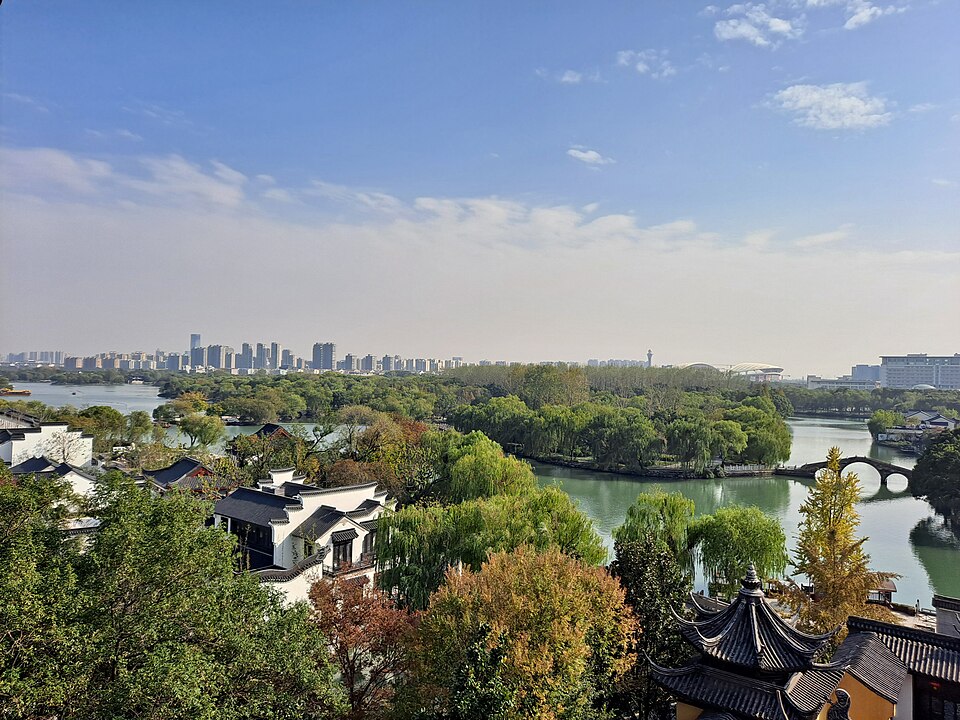
March is one of the year’s two sweet spots. Cherry and plum blossoms peak in Wuxi, Nanning, and Shanghai’s Gucun Park; rapeseed flowers carpet Wuyuan and Luoping; and the first warm weeks pull cyclists to Hangzhou’s West Lake. Tibet’s Everest road reopens and palace reservations ease. Rain builds across Guangdong and Fujian but rarely closes sights. Hotels in Guilin, Chengdu, and Beijing fall 20–30% versus peak. Our 春の旅行ガイド では、都市ごとの開花時期を詳しく紹介しています。
4月:茶産地、凧揚げ、清明節の交通渋滞
April is Longjing tea-picking season in Hangzhou, Biluochun outside Suzhou, and Anji bamboo country. Weifang’s International Kite Festival and the Dai Water-Splashing Festival in Xishuangbanna (usually 13–15 April) are the two standout events. Watch Qingming — usually 4–6 April — because high-speed rail between Beijing–Shanghai and Chengdu–Xi’an fills with tomb-sweeping traffic. Weather is mild across the Yangtze; Huangshan and Jiuzhaigou see their first stable clear days. April is the safest month for プライベートドライバールート through Anhui’s mountain villages where trains underserve.
5月:労働節、高山の谷、雲南省の絶頂期
May pairs Labour Day (usually 1–5 May) with the most reliable weather of the year in Yunnan, Sichuan, and Qinghai. Lijiang and Dali hit full rhododendron bloom; Tiger Leaping Gorge dries out; and the road to Shangri-La reopens. Outside the 1–5 May window, prices sit near shoulder season. Fly into Chengdu for pandas, then hop rail to Xi’an or Lhasa. This is the best window for the classic 10–14 day 2週間中国ツアー.
に最も適した時期です。
June flips the map: the south turns monsoon-wet while the west stays dry. Longji and Yuanyang terraces fill with mirror water in early June — photographers’ season. Dragon Boat (usually mid-June) is a three-day break; Guilin, Zhangjiajie, and Fenghuang crowd for that weekend. Tibet, Xinjiang, and Inner Mongolia enter their best month: long daylight, dry roads, stable passes. Base north and west in June, and keep the Yangtze Delta as a short add-on with その週末の混雑を避けるため、チベット、新疆ウイグル自治区、内モンゴルは1年で最も過ごしやすい時期に入ります:日照時間が長く、道路は乾燥、山岳通過も安定しています。6月は北部・西部を拠点とし、長江デルタは短時間の追加訪問として、 旅行用eSIM
を活用して台風警報に応じてルート変更ができるようにしましょう。
July and August are school-holiday peak. Coastal Qingdao and Dalian, plateau Kunming and Guiyang, alpine Zhangjiajie and Kanas, and Inner Mongolia’s grasslands all pull domestic families. Chongqing, Wuhan, and Nanjing run 38–40°C and are best skipped. Book 45–60 days out for flagship hotels; the 中国ツアー 7月・8月は学校の夏休みによる需要ピークです。沿岸の青島・大連、高原の昆明・貴陽、高山の張家界・カナス、内モンゴルの草原などは、国内の家族客で賑わいます。重慶、武漢、南京は気温38~40℃で、訪問は避けた方が無難です。人気ホテルは45~60日前から予約が必要で、 在庫はすぐに完売します。台風の影響は7月から海南島・広東・福建・浙江で顕著になります。旅程終了時に1日の余裕を持たせておくと安心です。当社の 2026年夏ガイド
では、涼しい地域を一覧でご紹介しています。
9月:中国訪問に最もおすすめの総合的ベストシーズン プレミアムカスタマイゼーション 9月10日以降、デスク周りは明らかに静かになります。
10月:ゴールデンウィークから本格的な秋へ
10月は2つの異なる旅に分かれます。国慶節のゴールデンウィーク(10月1日~7日)は年間で最も混雑する週——国内旅行者が数億人、万里の長城や張家界は立ち見状態、ホテル料金は倍増します。この時期は避け、静かなリゾートで過ごすのがおすすめです。10月8日以降、秋が本格的に輝き始めます:九寨溝や騰衝のイチョウ、アルシャ砂漠の絶景の紅葉、そして暖かい気候を求めて再開される海南島。詳しくは
こちらの ゴールデンウィークガイド および 2026年紅葉ガイド 都市ごとの混雑回避アドバイスをご覧ください。
11月・12月:砂漠、サンゴ礁、そして人のいない中国北部
November and early December are China’s cheapest shoulder weeks before the New Year break. Beijing, Xi’an, and the Great Wall run empty; Huangshan’s sea-of-clouds season begins; and coastal Xiamen and Shenzhen stay mild. From mid-December, Harbin preps ice sculptures and Sanya fills with retirees. Xinjiang’s Altay ski resorts open in late November. This is the season to book a ドライバー付きチャーター車 G318号線(四川省~チベット自治区)沿いのツアー——雪景色、交通量の少ない道、ドラマチックな光の演出。
中国の主な祭りと旅行の概要
The table below compresses the month-by-month picture into one decision aid. “Crowd” is domestic travel intensity; “Best for” lists the regions worth booking in that window.
| 月 |
混雑度 |
天気 |
最適な用途 |
避けるべきもの |
| 1月 |
低→急上昇 |
寒く乾燥 |
ハルビン氷祭り、北京、三亜 |
春節直前週 |
| 2月 |
極端 |
北部は寒く、南部は穏やか |
平遥、潮州の旧正月 |
春運(春節帰省ラッシュ)中の鉄道利用 |
| 3月 |
低 |
穏やかで徐々に湿潤 |
婺源、羅平、チベット |
中旬以降の桂林 |
| 4月 |
中程度 |
北部は穏やかで乾燥 |
杭州の新茶、西双版納 |
清明節ロングウィークエンド |
| 5月 |
中程度→高 |
暖かく、高原が開放 |
雲南省周遊、張家界 |
5月1日~5日の鉄道チケット |
| 6月 |
中程度 |
南部は多雨、西部は乾燥 |
チベット、新疆ウイグル自治区、龍脊 |
桂林での端午節(ドラゴンボート) |
| 7月~8月 |
雨季和山体滑坡;需提前预订 |
暑く、台風の影響あり |
青島、カナス、貴陽 |
重慶、武漢、南京 |
| 9月 |
低 |
晴れて乾燥 |
シルクロード、元陽、チベット |
中秋節の長期休暇 |
| 10月1日~7日 |
極端 |
涼しくさっぱり |
何もしない — その場にとどまる |
すべての主要観光地 |
| 10月8日~31日 |
中程度 |
涼しくて澄んだ空気 |
九寨溝、アラシャ、騰衝 |
北京の週末交通渋滞 |
| 11月 |
低 |
肌寒く乾燥 |
Beijing, Xi’an, Huangshan |
東北地方の道路閉鎖 |
| 12月 |
低→急上昇 |
寒く澄んだ空気 |
三亜、深セン、ハルビン(祝祭前) |
1級都市での12月24~26日 |
1か月を本格的なルートへと変える
Once you have picked a window, work the trip in four steps. First, anchor on one festival or seasonal draw — not five. Second, choose a region, not a country: a nine-day trip that hops Beijing, Xi’an, Guilin, and Shanghai loses two days to airports. Third, pre-book anything inside a peak week; Golden Week, Spring Festival, Labour Day, and Dragon Boat rail tickets sell out 15 days ahead. Fourth, get connectivity and payments working before you land. Sketch the trip in the 行程规划器、カスタマイズされた オーダーメイドルートを依頼 ご希望の日程が混雑期に該当する場合、または ガイドライブラリーを閲覧.
FAQ
中国の祭り旅行に最も適した月はいつですか?
10月8日のゴールデンウィーク終了後、9月下旬から10月中旬までが最適です。澄んだ空気、収穫の風景が楽しめるうえ、夏休みと比べて価格は20~30%割安になります。どうしても中国の祭りを含めたい場合は、9月下旬の中秋節をお選びください。これは4つのピーク休暇のうち最も混雑が少ない時期です。
完全に避けるべき月はいつですか?
10月1日~7日(国慶節ゴールデンウィーク)および、1月中旬~2月中旬のいずれかに移動する春節の前後7日間です。この時期には数億人の国内旅行者が発生し、主要観光地は行列だらけになり、ホテル料金はおよそ2倍になります。正確な日程は毎年 2026年の祝日一覧 ページでご確認ください。
祝日と伝統的祭りは同じですか?
いいえ。祝日は法律で定められた公休日であり、混雑ピークの主因となります。一方、ランタン祭り、清明節、端午節、中秋節などの伝統的祭りは通常1~3日間で、混雑は比較的軽微ですが、交通機関の予約は厳しくなります。タイ族の水かけ祭りやイ族のトーチ祭りなど、一部の文化的イベントは開催地の町以外では混雑が少なく、見どころの一つです。
冬にチベットや新疆ウイグル自治区を訪問できますか?
Tibet is open year-round; Lhasa in November through February is bright, dry, and roughly half price, though overland routes north of Shigatse can close with snow. Northern Xinjiang (Kanas, Altay) becomes a ski destination from December to February with sub-zero temperatures and short daylight; the Turpan–Kashgar loop stays accessible with a private driver.
学校の休暇は国家祝日と重なりますか?
はい。これが価格高騰の最大要因です。7~8月は夏休み+夏の旅行シーズン、10月のゴールデンウィークは家族旅行シーズンと重なり、春節の移動ラッシュも冬休みと一致します。7~8月に子どもと一緒に旅行される場合は、国内の混雑が比較的薄い高原・沿岸・森林エリアをご検討ください。