Posted on — Leave a comment

China Metro Guide 2026: Cities, Cards & Seamless Rides

Why China’s Metro Beats Taxis (and Why You’ll Love It)

For foreign travelers, China’s metro networks are often the most reliable, affordable, and stress-free way to move across cities — especially with 240-hour visa-free transit now active in 19 major hubs including Beijing, Shanghai, Guangzhou, Chengdu, Xi’an, and Hangzhou. Unlike ride-hailing apps that require Chinese bank cards or WeChat Pay setup, metro access is instant: tap a QR code, insert a physical card, or scan your passport at select gates. With over 10,300 km of track across 55+ cities (and 12 new lines opening in 2026 alone), China’s metro isn’t just transportation — it’s an immersive urban experience. Stations feature bilingual signage (English + Mandarin), real-time arrival screens, escalators on every platform, and dedicated quiet cars on high-frequency lines like Beijing Line 16 and Shenzhen Line 14.

How to Ride: Tickets, Cards & Digital Access

You have four main options — all valid in 2026:

  • Physical Yikatong (Beijing) / Shanghai Public Transportation Card: Buy at station kiosks (¥20 deposit + minimum ¥10 top-up). Works on metro, buses, ferries, and even some convenience stores. Refundable at major terminals — but only with ID and before exit immigration.
  • WeChat Mini Program QR Code: Search “Metro” in WeChat > bind foreign card (Visa/Mastercard accepted since late 2025) > generate city-specific QR. Works in 32 cities including Wuhan, Tianjin, and Suzhou. Scan-and-go — no app download needed.
  • Alipay Metro QR: Same as WeChat, but optimized for users with Alipay accounts. Enable ‘Transport’ under ‘Life Services’. Note: Some cities (e.g., Nanjing) require pre-registration with passport photo — allow 24h.
  • WingPhoenix eSIM + Metro App Bundle: Our 2026-integrated eSIM includes pre-loaded, offline-capable metro apps (like Beijing Subway Map Pro and Shanghai Metro Official) with English voice navigation. No Wi-Fi hunt needed when transferring at Hongqiao Station.

Pro tip: Avoid paper tickets — they’re phased out in 28 cities . Also skip third-party QR resellers; scams surged in 2025 around airport arrivals. Stick to official channels.

Metro by City: What’s New in 2026

China’s metro expansion continues at pace — here’s what matters for travelers this year:

City New in 2026 Key Transit Tip Visa-Free Transit Friendly?
Shanghai Line 22 (Pudong Airport ↔ Lingang New Area) opened May 2026; fully automated, 120km/h max speed Use ‘Shanghai Metro Official’ app: shows live train crowding % — avoid 7:45–8:30 AM on Lines 1, 2, 10 ✅ Yes (240h at PVG/SHA)
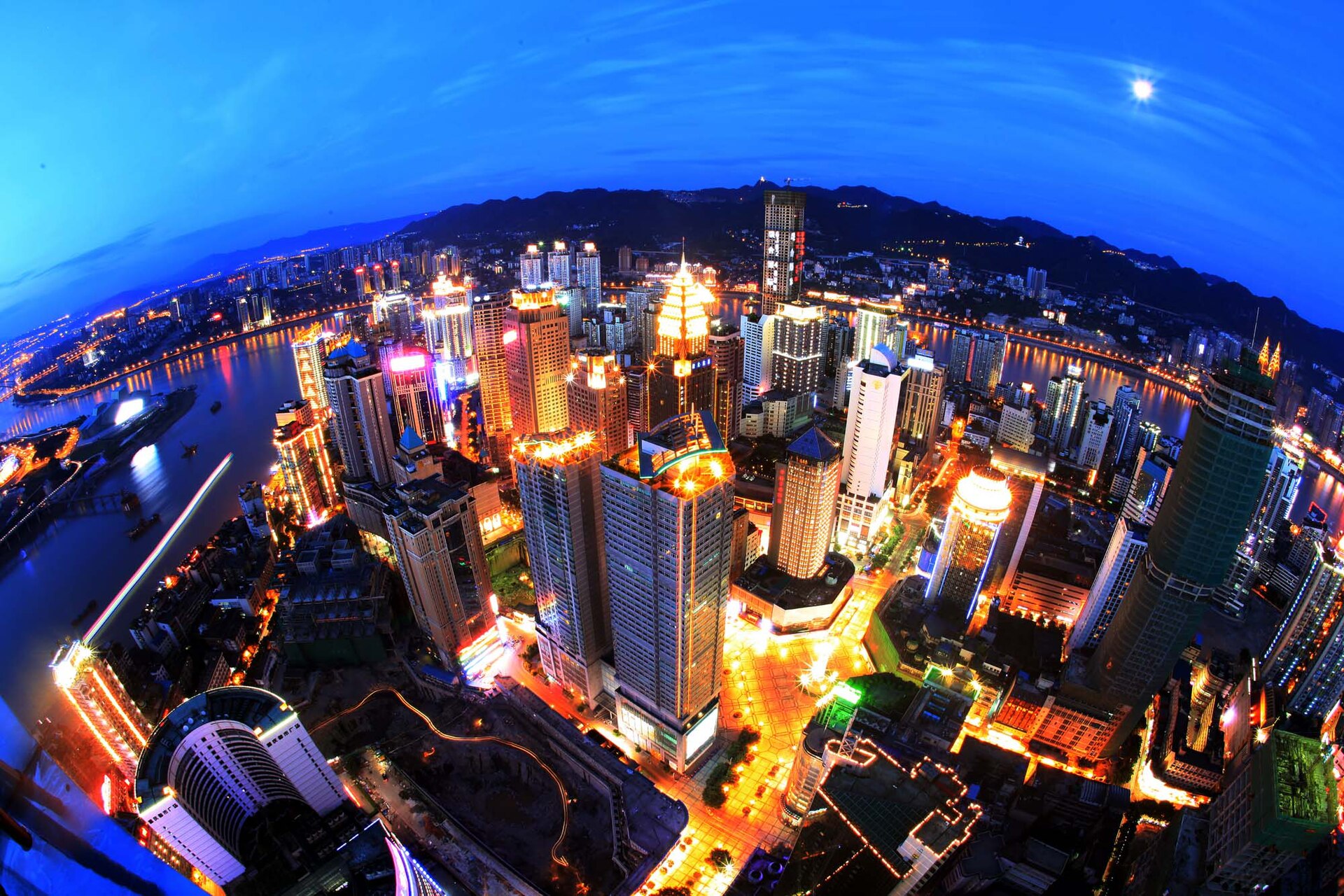
Chongqing Line 18 Phase II (underground → elevated → tunnel through mountain ridge) launched July 2026 Look for ‘CQ Metro’ icon on signs — many stations have outdoor sky bridges or cliffside escalators (e.g., Hongyancun) ✅ Yes (240h at CKG)
Guangzhou Line 11 (loop line) fully operational; connects Canton Tower, Baiyun Airport, and Nansha Port Tap your card twice: once entering, once exiting — skipping exit tap triggers ¥200 penalty (automatically deducted from balance) ✅ Yes (240h at CAN)
Xiamen Line 3 extension to Xiamen Gaoqi International Airport (opened March 2026) No transfers needed between flight arrival and metro — follow purple ‘MRT’ signs inside T4 terminal ✅ Yes (240h at XMN)
Dalian Line 13 (coastal express) now links Dalian North Railway Station to Jinshitan Scenic Area Station announcements include English — but only on even-numbered trains (odd trains are Mandarin-only) ❌ Not yet included in 240h program (as of Oct 2026)

Practical Hacks for Foreign Travelers

• Lost card? No panic. At any station service counter (look for blue ‘i’ icon), present your passport and request a temporary QR code — valid for 4 hours and issued in under 90 seconds. No fee.

• Avoid rush hour — intelligently. Peak times vary: Beijing (7:30–9:00, 17:00–18:30), Shenzhen (7:45–9:15, 17:45–19:00), Chengdu (7:50–9:20, 17:30–18:45). Use WingPhoenix’s AI trip planner to auto-adjust your itinerary around these windows — especially useful if you’re squeezing in Wenshu Monastery before lunch or catching the last gondola up Mount Emei.

• Stroller & luggage? Go for Line 4 in Hangzhou or Line 6 in Chengdu. These lines use platform screen doors with 1.2m-wide gaps, extra-wide turnstiles, and priority carriages marked with wheelchair + suitcase icons. All stations have elevators — verified via official maps updated weekly.

• Language barrier? Try voice search. In Shanghai and Guangzhou metros, point your phone camera at station signage and use Google Lens or Baidu Translate’s ‘Live Camera’ mode — both recognize simplified Chinese characters instantly and overlay English. No internet required for cached maps in the WingPhoenix app.

• Free transfers? Yes — but watch the clock. In Beijing and Nanjing, you get 30 minutes to switch lines without re-tapping. In Chengdu and Wuhan, it’s 45 minutes. Exceed it, and you’ll be charged a second base fare (¥2–¥4). The system tracks time automatically — no manual validation needed.

What’s NOT Metro (But Feels Like It)

Don’t mistake these for metro — they’re separate systems with different rules:

CRH Intercity Trains (e.g., Beijing–Tianjin, Guangzhou–Shenzhen): Operated by China State Railway, not local transit authorities. Require ID check, seat reservations, and separate tickets. But great for quick hops: Beijing–Tianjin takes 30 min and accepts 240h visa-free transit if arriving at Beijing West and departing from Tianjin Station within the window.

BRT (Bus Rapid Transit) in Kunming, Yichang, and Zhuhai: Dedicated lanes, platform-level boarding, and prepaid cards — but slower and less frequent than metro. Best for short distances (<5 km) or last-mile connections.

Maglev (Shanghai Pudong Airport ↔ Longyang Road): Technically not metro — it’s a 30-km/hour magnetic levitation line. Still accepts Shanghai Public Transportation Cards and WeChat QR, but runs only until 9:45 PM. Worth it for the novelty, not efficiency.

Finally: Always carry your passport while riding. While not routinely checked onboard, station security (especially at airports and major interchanges like Xi’an North or Chengdu East) may request ID during random inspections — particularly for foreign nationals using visa-free transit.

China’s metro isn’t just infrastructure — it’s your backstage pass to rhythm, scale, and daily life in the world’s most connected megacities. Whether you’re tracing the Yangtze on Chongqing Line 10 or zipping past West Lake on Hangzhou Line 19, every ride deepens your sense of place. And with WingPhoenix’s AI trip planning, your metro routes sync seamlessly with charter car pickups, eSIM activation, and real-time weather alerts — so you spend less time navigating, and more time discovering.
Plan your seamless China metro journey now →

Posted on — Leave a comment

China High-Speed Rail Guide 2026: Tickets, Routes & Hacks

Why China’s HSR Beats Flying (and Buses)

In 2026, China operates over 45,000 km of high-speed rail — the largest network on Earth — connecting 320+ cities at speeds up to 350 km/h. For foreign travelers, HSR is often faster than flying once you factor in airport transfers, security, and boarding time: Beijing to Tianjin (120 km) takes just 30 minutes on G-trains, versus 2+ hours by car or bus. Unlike domestic flights, HSR stations sit in city centers — no remote airports, no baggage fees, and no TSA-style queues. Crucially, HSR is fully integrated with China’s 240-hour visa-free transit policy: if you arrive at Beijing Capital (PEK), Shanghai Pudong (PVG), Guangzhou (CAN), Chengdu (CTU), Xi’an (XIY), or 14 other designated airports, you can ride the bullet train across multiple provinces — say, from Shanghai to Hangzhou to Nanjing — without a Chinese visa, as long as you depart from a different port within 10 days.

How to Book HSR Tickets in 2026 (No Alipay/WeChat Required)

Foreigners can now book HSR tickets directly via the official 12306.cn website and app — and crucially, the English interface now supports international credit cards (Visa/Mastercard/Amex) and passport-based registration. No Chinese bank account, no WeChat Pay, no ID verification headaches. Here’s how:

  • Create an account using your passport number and email (no phone SMS needed);
  • Search routes in English — e.g., “Shanghai to Suzhou” — and filter by departure time, duration, or seat class;
  • Select your preferred train (G = fastest, D = medium-speed, C = intercity);
  • Pay securely with card; receive QR code e-ticket instantly — no printing required;
  • Scan at station gates using the same QR code (or show passport + booking ID at manual check).

Pro tip: Book 15–30 days ahead for popular routes (e.g., Beijing–Xi’an, Shanghai–Guilin) during holidays like National Day (Oct 1–7) or Spring Festival. Off-peak? Same-day tickets are widely available — but avoid Friday evenings and Sunday nights on major corridors.

Top 5 HSR Routes for Foreign Travelers (2026 Edition)

These routes combine speed, scenery, accessibility, and strong tourism infrastructure — all optimized for first-time visitors:

Route Duration Frequency (Daily) Key Stops & Highlights Visa-Free Transit Friendly?
Shanghai Hongqiao → Hangzhou East 45–55 min 220+ West Lake access, Lingyin Temple, tea plantations Yes — both cities served by PVG & HGH airports
Beijing South → Xi’an North 4h 10m (G87) 65+ Terracotta Warriors, Muslim Quarter, Tang Dynasty shows Yes — PEK & XIY are 240h visa-free ports
Guangzhou South → Shenzhen North 28–35 min 300+ Window of the World, OCT East, tech districts Yes — CAN & SZX both qualify
Nanjing South → Chengdu East 5h 20m (G1899) 12 Pandas at Dujiangyan, Jinli Street, Sichuan cuisine Yes — NKG & CTU are eligible ports
Chongqing North → Guiyang North 1h 50m 40+ Karst gorges, ethnic Miao villages, Huangguoshu Falls Yes — CKG & KWE both accepted

Station Smarts: Navigating Terminals Like a Local

China’s top-tier HSR stations (e.g., Shanghai Hongqiao, Beijing South, Guangzhou South) are modern, multilevel, and bilingual — but signage can still confuse newcomers. At Hongqiao Station, for example, ‘A/B/C/D’ concourses refer to *platform zones*, not floors: Concourse A serves northbound trains (Beijing, Nanjing), while Concourse C handles southbound (Hangzhou, Shenzhen). Always check your ticket’s printed platform number — it’s usually prefixed with ‘1F’ (first floor), ‘2F’, or ‘B1’. Real-time departure boards update every 90 seconds and display train numbers in large red font — look for the ‘G’ or ‘D’ prefix, then match your carriage number (e.g., ‘Car 08’). Luggage trolleys cost ¥5 (refundable deposit) and work with coins or Alipay — but since most foreigners don’t carry RMB coins, use the self-service kiosks near exits to exchange ¥10 notes for coins. Bonus: All major stations now have free 30-minute Wi-Fi (register via passport scan at info desks), and WingPhoenix’s AI trip planning tool can auto-generate station navigation maps with real-time gate updates — especially helpful during tight connections.

Hacks You’ll Wish You Knew Sooner

Seat selection matters. First-class (‘Business Class’) seats on G-trains recline 120°, include power outlets and USB-C ports, and come with complimentary bottled water and a snack box — all for ~¥150 more than second class. On longer rides (4+ hrs), it’s worth every yuan. Train food is legit. The onboard dining cart sells hot meals (¥35–¥55), chilled bento boxes (¥28), and local specialties — try the Sichuan-spiced beef jerky on Chengdu-bound trains or Jiangsu-style lotus root cakes near Nanjing. No language barrier at check-in. Use the facial recognition gates: stand still, face camera, hold passport flat — no staff interaction needed. And if you miss your train? You can change to any later departure on the same day (same origin/destination) for free — just re-scan at the gate before departure. No fees, no forms.

What’s New in 2026

This year brings three game-changers: First, the Guangzhou–Shenzhen–Hong Kong Express Rail Link now accepts foreign passports for direct cross-border boarding — no immigration stop at Futian or West Kowloon unless you’re exiting into HK. Second, the new Beijing–Zhangjiakou Winter Olympic Line offers seamless transfers to Chongli ski resorts (1h 20m from Beijing), with English-speaking staff and luggage tagging for ski gear. Third, all G-train carriages now feature real-time GPS-enabled digital displays showing next station, distance remaining, and even estimated arrival time adjusted for weather delays — a huge upgrade over last year’s static signs. Also note: As of July 2026, the 12306 app integrates live crowd heatmaps for platforms — helping you avoid rush-hour bottlenecks at Shanghai Hongqiao or Beijing South between 7–9 AM and 5–7 PM.

If you’re building a multi-city China itinerary, WingPhoenix’s AI trip planning engine helps sync HSR bookings with charter car pickups, eSIM activation windows, and hotel check-in times — all in one dashboard. Just enter your dates, cities, and preferences, and get an optimized, bookable route in under 90 seconds.

Ready to ride the rails across China — stress-free, visa-smart, and perfectly timed? Start your AI-powered HSR itinerary now.

Posted on — Leave a comment

Qingdao Itinerary 2026: Beer, Coast & Visa-Free Hacks

Why Qingdao in 2026?

Qingdao (pronounced “ching-dow”) is China’s most unexpectedly European coastal city — a seaside gem where red-roofed colonial buildings slope down to turquoise water, century-old breweries pour fresh lager straight from the tank, and breezy sea cliffs meet sandy coves untouched by mass tourism. In 2026, it’s more accessible than ever: Qingdao Liuting International Airport (TAO) is now fully integrated into China’s expanded 240-hour visa-free transit policy, allowing citizens of 53 countries (including the US, UK, Canada, Australia, Germany, France, Japan, and South Korea) to enter without a visa — provided they arrive on an international flight and depart within 10 days to a third country or region (e.g., Seoul, Tokyo, Bangkok, or Hong Kong). No pre-approval needed — just a valid passport, onward ticket, and hotel booking. This makes Qingdao ideal as a standalone 3–4-day stop or a seamless add-on to Beijing (2h high-speed rail) or Shanghai (4h rail).

Getting There & Around: Smart Transit in 2026

Qingdao has two airports: Liuting (TAO) handles most international flights (Korean Air, Asiana, ANA, Cathay Dragon, and seasonal routes from Helsinki and Frankfurt), while Jiaodong International Airport (JIA), opened in 2023, now serves as the city’s primary hub with expanded customs facilities optimized for visa-free travelers. Upon arrival, use the Qingdao Metro Line 8 (opened fully in 2025) — it connects JIA directly to downtown (Zhongshan Road Station) in under 35 minutes. Fare: ¥5–7; purchase via Alipay/WeChat or the official Qingdao Metro App. For flexibility, book a WingPhoenix charter car: drivers meet you airside with bilingual signage, include bottled water and portable Wi-Fi, and accept payments in USD/EUR — no haggling, no cash-only traps. Pro tip: If arriving via Beijing or Shanghai, take the G-series high-speed train (G179, G257, etc.) — trains run every 20–30 mins, cost ¥325–¥495, and arrive at Qingdao North or Qingdao Station. All major stations now feature English signage, QR-code boarding, and AI-powered real-time platform alerts.

Your 4-Day Qingdao Itinerary (2026 Edition)

This route balances history, coastline, local flavor, and modern convenience — all timed for optimal light, crowd avoidance, and seasonal perks (October–November is peak: crisp air, fewer tourists, and Tsingtao Beer Festival afterglow).

  • Day 1: German Heritage Walk — Zhanqiao Pier → Badaguan Scenic Area → St. Michael’s Cathedral
  • Day 2: Coastal Adventure — Stone Old Town → Qingdao Underwater World → May Fourth Square Sunset
  • Day 3: Brewery & Beach Day — Tsingtao Beer Museum + Tasting → Shilaoren Beach → Seafood Night Market (Xianggang Road)
  • Day 4: Nature Escape — Laoshan Mountain (North Gate entrance) → Taiqing Palace → Return via metro or charter

Each location includes practical 2026 updates: Zhanqiao Pier now features AR-enhanced historical plaques (scan with any camera app); Badaguan offers free e-bike rentals at 6 kiosks (¥15/hour, ID scan required); and Tsingtao Beer Museum has added a “Brew Your Own Mini Batch” experience (book online 48h ahead; ¥128/person). Skip lines everywhere using WingPhoenix’s AI trip planner — it auto-generates QR-coded entry passes and syncs real-time wait times across attractions.

Where to Eat & Drink: Local Bites, Zero Language Barriers

Qingdao food is seafood-forward, lightly seasoned, and fermented with purpose. Forget generic ‘Chinese food’ — here, freshness is non-negotiable. At Shilaoren Seafood Market, vendors weigh live crabs, razor clams, and sea cucumbers before steaming them tableside. Order zheng jiu yu (steamed hairtail fish), hai xian chao mian (seafood stir-fried noodles), and la jiao xia (chili prawns). For beer lovers: 1903 Beer Street (just off Zhongshan Road) hosts 12 microbreweries — try the unfiltered Laoshan Spring Lager (brewed with mountain water) or the limited-edition Qingdao Seaweed Stout (2026 release). Vegetarians: head to Yunshui Teahouse in Badaguan for seaweed dumplings and roasted chestnut tea — all menus have English QR codes.

Smart Stay & Connectivity Tips

Base yourself in Zhongshan Road / Zhanqiao area — walkable, metro-connected, and full of character. Top 2026 picks:

Hotel Why It’s 2026-Ready Distance to Metro Visa-Free Friendly?
The Langham, Qingdao Fully bilingual front desk; eSIM-compatible Wi-Fi; airport pickup included in rates 5-min walk to Zhongshan Road Station Yes — accepts foreign passports + onward tickets for check-in
Orange Hotel Select (Zhanqiao) Budget-friendly; AI concierge via WeChat; free eSIM activation kit at reception 3-min walk to Zhanqiao Station Yes — streamlined digital registration for visa-free guests
Qingdao Seaside Boutique Hostel English-speaking staff; rooftop ocean views; shared kitchen with induction stoves 7-min walk to Zhongshan Road Station Yes — verified by Qingdao Tourism Bureau for transit stays

All recommended hotels are verified partners of the Qingdao Municipal Tourism Administration and support 240h visa-free check-in with no additional paperwork. For connectivity, grab a WingPhoenix eSIM before landing — coverage is confirmed across Laoshan Mountain trails and offshore islands (signal strength: ★★★★☆), and setup takes under 90 seconds via the WingPhoenix app. Bonus: your eSIM includes free access to Qingdao’s official tourism audio guide (English, Spanish, French), updated monthly with new walking routes and hidden mural locations.

Pro Tips You Won’t Find Elsewhere

• Beat the crowds: Visit Tsingtao Beer Museum on Tuesday or Wednesday mornings — weekday slots have 60% fewer visitors and include priority access to the fermentation cellar.
• Laoshan like a local: Skip the crowded South Gate. Enter via North Gate (Beimen) — quieter trails, better sunrise views at Taiqing Palace, and direct bus #106 from Qingdao North Station (runs every 25 mins).
• Seafood safety: Only eat shellfish (clams, oysters, scallops) from markets with blue-and-white hygiene certification stickers — visible at Shilaoren and Xianggang Road stalls.
• Transport hack: Qingdao’s public buses now accept Apple Pay/Google Pay — no need for physical transport cards. Just tap and go.
• Weather note: October averages 14–22°C — pack layers. November brings cooler sea breezes (9–16°C) but zero rain — perfect for coastal walks.

Qingdao isn’t just another Chinese city. It’s where maritime history meets craft culture, where a $2 draft tastes like tradition, and where visa-free transit opens the door to something refreshingly different. Whether you’re extending your Beijing trip by four days or building a full East Coast loop (Shanghai → Qingdao → Seoul), this itinerary delivers authenticity without friction — precisely what smart travelers seek in 2026.

Start building your personalized Qingdao itinerary in under 90 seconds — with real-time transport sync, attraction wait times, and AI-powered language support. Plan your Qingdao trip now.

Posted on

Which Cities to Visit in China? A 2026 Planning Guide

Which cities should you visit in China? For a first trip of seven to ten days, the strongest default is Beijing, Xi’an, and Shanghai, because together they cover imperial history, ancient culture, and modern China with direct high-speed rail between them. With twelve to fourteen days, add Guilin or Yangshuo for karst landscapes and Chengdu for pandas and Sichuan cuisine. The right answer comes from three filters rather than a list of famous names: how many usable days you have, which experiences you would regret missing, and how the cities connect by train or short flight. This China travel planning guide works through those filters and gives you copy-ready city shortlists.

Start With Your Days, Not Your Bucket List

China is a continent masquerading as a country, so time is the biggest determinant of your route. A reliable rule is one anchor city plus one lighter stop for every three nights, and never more than one long transfer per two days. Travellers who squeeze six cities into eight nights end up watching the inside of a station rather than the places they flew thirteen hours to see.

Count only full days, not arrival and departure days. A ten-night trip is usually seven usable days once jet lag and the flight home are accounted for. Build your city list around that smaller number.

The Classic First-Timer Combination

The classic four — Beijing, Xi’an, Shanghai, and Guilin or Yangshuo — has survived decades because each answers a different question. Beijing delivers imperial scale: the Forbidden City, the Temple of Heaven, and a Great Wall section within day-trip range (our Beijing itinerary breaks it down hour by hour). Xi’an is the eastern end of the Silk Road, with the Terracotta Warriors and a walkable walled old city. Shanghai shows contemporary China, from the Bund to the French Concession lanes. Guilin and Yangshuo supply the karst scenery that made China famous in painting and film, and soften the pace after three urban stops. That balance is why this chain anchors most multi-city China tours.

Which Cities to Visit in China by Traveller Priority

Once length is fixed, tune the list to what your group actually enjoys. The table maps the most-visited cities to the traveller type they suit, with the practical notes that decide whether each earns a place in your China travel itinerary.

City or area Best for Nights Peak season Watch out for
Beijing Imperial history, museums, Great Wall 3–4 Apr–May, Sep–Oct Sights spread far apart
Xi’an Ancient culture, Silk Road, street food 2–3 Spring, autumn Timed warrior reservations
Shanghai Modern China, food, day trips 2–3 Oct–Nov Hot, humid summers
Guilin / Yangshuo Karst scenery, cycling, river cruises 3 Apr–Oct River haze after heavy rain
Chengdu Pandas, Sichuan cuisine, relaxed pace 2–3 Spring, autumn Real spice levels
Hangzhou / Suzhou Lakes, gardens, water towns 2 Mar–May Weekend domestic crowds
Zhangjiajie Quartzite peaks, glass bridge 3 May–Jun, Oct Fog hides the views
Yunnan loop Ethnic culture, mountains, slow travel 6–8 Oct–Nov Altitude, long overland legs

How Many Cities Fit Five, Seven, Ten, or Fourteen Days

City count should be an output of time, not an ambition. What works in practice, with transfers budgeted honestly:

  • Five days: one city with two day trips, or two cities at most. Change hotels once.
  • Seven days: two or three cities. Beijing plus Xi’an, or Shanghai plus Hangzhou and Huangshan.
  • Ten days: three to four cities — the sweet spot for Beijing–Xi’an–Guilin–Shanghai.
  • Fourteen days: four to five cities, or three anchors plus one regional loop. See the worked two-week itinerary.

Group Cities by Region, Not by Fame

Chinese geography punishes list-hopping: four cities in one cluster always beat ten scattered names. Useful clusters are the north China plain (Beijing, Tianjin, Datong, Pingyao, Xi’an); Jiangnan water country (Shanghai, Suzhou, Hangzhou, Nanjing, Wuzhen); the Sichuan basin (Chengdu, Leshan, Mount Emei); the Guangxi karst belt (Guilin, Yangshuo, Longji, with a link to Guangzhou or Shenzhen); and the Yunnan loop. Silk Road routes from Xi’an through Dunhuang and Turpan to Kashgar deserve a trip of their own.

Let High-Speed Rail Decide Your Distances

Rail has quietly rewritten China trip design. Beijing–Shanghai, Xi’an–Chengdu, Shanghai–Hangzhou, and Guangzhou–Guilin are all comfortable same-day journeys, so cities that once required a flight now fit one route. The caveat: stations sit outside old centres, so budget roughly 45–90 minutes door-to-platform at both ends and treat a four-hour seat as a half-day, not a free slot. Foreign passports can usually be booked online, though many first-timers prefer a local operator to confirm seats. If you are weighing trains against a car and driver for mountainous or multi-stop regions, our private driver versus public transport comparison covers the trade-offs.

Seasons and Holidays That Change Your City List

Public holidays reshape crowds more than weather does. If your dates overlap Spring Festival travel or National Day Golden Week, expect peak domestic tourism, small restaurants shuttered over the lunar new year, and transport that sells out early. Two strategies work: lean into the festival atmosphere in heritage cities such as Beijing, Xi’an, Harbin, or Guangzhou, or choose regions that absorb scale calmly. The shoulder weeks either side are often the best value of the year, and conditions vary sharply by latitude — cross-check against the guide to the best time to visit China.

Save These for a Second Trip

Tibet, deep Xinjiang and the full Silk Road, Jiuzhaigou, Fujian tulou villages, and Hainan’s resort coast are all outstanding, but each needs a week of its own plus permits, acclimatisation, or long internal flights. Folding them into a first visit is the fastest way to turn a memorable trip into an exhausting one.

Three Copy-Ready City Shortlists

  • First timer, ten days: Beijing (4) – Xi’an (2) – Guilin or Yangshuo (3) – Shanghai (1, outbound). Maximum variety, minimal backtracking.
  • Food and nature, seven days: Chengdu (3) – Leshan or Mount Emei (2) – Chongqing (2). Short hops, exceptional eating.
  • Kids or older parents, eight days: Shanghai (2) – Suzhou (1) – Hangzhou (2) – Huangshan or Wuzhen (2). Almost no internal flights and gentle transfer days.

Deciding Who Builds the Route

There are three realistic options. Self-plan, which suits confident travellers with research time. Book a set-departure guided tour, which handles entry tickets, domestic trains, and language friction in exchange for flexibility. Or commission a route built around your dates through premium customisation, which sits between the two and works particularly well for multi-generation families. Either way, sketch days and cities in the trip planner, sanity-check them against the city guides, and get connectivity sorted early with the China eSIM setup guide so maps and ride-hailing work the moment you land.

Common Mistakes When Choosing Cities

The failures are predictable: adding a city because it is famous rather than because it is on the way; ignoring that popular sites need reservations days ahead; booking hotels in the wrong district so every day starts with a long ride; scheduling three consecutive travel days; and assuming a friend’s visa or transit rules still apply to you. Entry, visa-free, and transit policies change, so verify current requirements through official channels for your own nationality before committing.

A Six-Step Decision Framework

  1. Fix your usable days, not your nights.
  2. Choose one anchor city you would not skip.
  3. Add one region or cluster, not three.
  4. Cut any city requiring a flight unless it is the reason for the trip.
  5. Check dates against holiday and seasonal patterns.
  6. Test the shortlist against real transfer times before booking more than your first two nights.

FAQ

How many cities should a first-time visitor include in a China itinerary?

Three to four cities in ten days is a comfortable maximum for most first visitors, and two cities in five days beats five cities in eight. Keep at least one base with three nights so you get a rhythm rather than a series of hotel lobbies.

Is the Beijing–Xi’an–Shanghai triangle still worth doing?

Yes — it remains the best value per day for a first visit. The three are linked by high-frequency rail, each covers a different facet of China, and the major sights are easier to reserve than remote natural areas. Add Guilin or Chengdu only with nine nights or more.

Should I avoid China during National Day or Spring Festival travel?

Domestic tourism peaks hard in those windows, so transport and major sights sell out and rates rise during typical peak periods — confirm live availability when booking. If you enjoy festivals, go for the atmosphere in heritage cities; if you want quiet, shift by two weeks or pick regions that absorb crowds well.

Does a city list change with kids or older parents?

Shorter transfers matter more than more sights. Prioritise flat, walkable cities with strong metro systems, avoid high altitude and long mountain days, and plan one major attraction per morning with an unhurried afternoon.

Can I cover two regions in one fourteen-day trip?

You can, if you budget an internal flight for the jump and leave slack for connections. The reliable pattern is a classic chain of well-connected cities plus one regional loop, not two full loops back to back. Draft it in the trip planner and adjust against real train durations.

Posted on — Leave a comment

Shenzhen Itinerary 2026: Tech, Beaches & Visa-Free Hacks

Why Shenzhen in 2026?

Once a sleepy fishing village, Shenzhen is now China’s innovation engine — home to Huawei, Tencent, DJI, and over 17,000 high-tech startups. In 2026, it’s more accessible than ever: eligible foreign nationals (including US, UK, Canada, EU, Australia, Japan, South Korea, Singapore, and Malaysia passport holders) can enjoy the 240-hour visa-free transit policy when arriving via Shenzhen Bao’an International Airport (SZX) with a confirmed onward ticket to a third country or region within 10 days. That means you can drop into Shenzhen for 3–4 days — even mid-journey between Europe and Southeast Asia — without pre-applying for a visa. Pair that with WingPhoenix’s AI trip planning (which auto-adjusts for real-time metro delays, pop-up art festivals, and seasonal beach closures), and you’ve got a frictionless, future-forward urban adventure.

Day 1: Futurism & Fast Transit

Start at Shekou Sea World, where the iconic 1984 cruise ship MSC Napoli anchors beside waterfront cafés and bilingual street art. Walk 5 minutes to Sea World Metro Station (Line 2), then ride 12 minutes to Huaqiangbei — the world’s largest electronics bazaar. In 2026, vendors accept Alipay TourPass and WeChat Pay (no Chinese bank account needed), and many stores offer English-speaking staff trained by Shenzhen’s Municipal Tourism Bureau. Grab a ¥299 ‘Tech Starter Kit’ (includes a dual-band Wi-Fi router, bilingual QR code guidebook, and eSIM activation voucher). Then hop on the new Line 13 (opened March 2026) to Shenzhen Bay Park. Rent an e-bike at the station exit (¥1.5/minute, ID scan via WingPhoenix app), pedal along the 13-km coastal path, and watch sunset over Hong Kong’s Lantau Island — no border crossing required.

Day 2: Nature, Nooks & Night Markets

Morning: Take the MTR to OCT East (Line 8, ~45 mins from downtown). Skip the theme park crowds and head straight to Yangmeikeng Ecological Trail — a UNESCO-recognized coastal forest reserve with boardwalks, tide pools, and rare black-faced spoonbills (best spotted Oct–Mar). The trail entrance is just past the OCT East bus stop; bring water and reef-safe sunscreen (local brands like Biore Shenzhen Edition are stocked at 7-Eleven outlets inside stations). Afternoon: Return to Futian District and explore Lianhuashan Park, where Deng Xiaoping’s 2026-renewed bronze statue overlooks panoramic city views. Descend via the Garden of Ten Thousand Flowers — newly expanded in 2025 with native Lingnan orchids and tactile Braille signage. Evening: Hit Chungking Mansions-style Dongmen Night Market (not the Hong Kong one — this is Shenzhen’s original, near Laojie Station). Try shengjianbao (pan-fried soup dumplings), chili crab noodles, and lychee ice cream — all under ¥35. Vendors now display QR codes for instant translation and price verification.

Day 3: Culture, Craft & Cross-Border Ease

Morning: Ride Line 10 to Dafen Oil Painting Village, still thriving in 2026 — but now curated. Visit Studio 73, a collective where artists produce AI-assisted prints (you upload a photo → get a hand-finished oil version in 90 mins, ¥280). Nearby, Guangming Art Museum (opened June 2025) hosts rotating exhibits on digital ink painting and Shenzhen’s migrant-worker oral histories — free entry with passport scan. Afternoon: Use your 240h transit window wisely — take the Shenzhen Metro Line 11 to Futian Checkpoint, clear immigration in <7 minutes (e-gates accept biometric passports from 52 countries), and cross into Hong Kong via the Co-location Arrangement. You’ll be in Kowloon in under 20 minutes — no separate HK visa needed if re-entering Shenzhen the same day. Grab dim sum at Tim Ho Wan (Tsim Sha Tsui branch), then return before midnight to preserve your transit status.

Practical Essentials for 2026

Shenzhen runs on speed and precision — but only if you know the hacks. Here’s what’s changed since 2024:

  • eSIMs work flawlessly: All major providers (including WingPhoenix’s own 7-day plan) now support dual-SIM Android/iOS devices without physical tray access — critical for travelers using older phones.
  • Real-time transport: Shenzhen Metro’s official app (Shenzhen Metro Go) integrates live bus arrivals, bike availability, and AI crowd forecasts — synced with WingPhoenix’s planner to reroute around sudden Line 9 maintenance (common Tues/Thurs 10am–12pm).
  • No cash? No problem: Even street-side fruit stalls accept international cards via UnionPay’s new QuickPass Global system — just tap your card or Apple Watch.
  • Language barrier? Solved: Baidu Translate’s offline Shenzhen dialect pack (downloadable pre-arrival) covers Hakka, Cantonese, and Mandarin slang used in markets — and works without internet.

For those staying longer or connecting from Guangzhou or Hong Kong, note: Shenzhen has zero plastic bag fees (unlike Shanghai), public restrooms are cleaned every 45 mins (timers visible on doors), and all metro stations have nursing rooms and wheelchair lifts — verified in the 2026 Shenzhen Accessibility Audit.

Shenzhen Transport & Costs (2026)

Service 2026 Price (CNY) Opmerkingen
Metro (single ride) ¥2–¥12 Distance-based; max ¥12 for >45 km (e.g., SZX → OCT East)
Didi Premium (4-seater) ¥32–¥68 Fixed pricing 7am–10pm; surge-free zones marked in WingPhoenix app
Shared e-bike (per 15 min) ¥2.5 Free helmet lock included; helmets sanitized daily
240h Transit Lounge (SZX) Free With valid onward ticket + passport; includes showers, nap pods, SIM kiosks
Admission: OCT East Nature Zone ¥60 Book online via WeChat mini-program ‘OCT Shenzhen’ — skip queues

One final tip: Avoid weekends at Window of the World — its 2026 VR-enhanced global landmarks (Eiffel Tower, Pyramids, Christ the Redeemer) draw massive local crowds. Instead, go weekday mornings and pair it with the adjacent Happy Valley (free entry for kids under 1.2m, ¥260 adults — but use WingPhoenix’s AI planner to unlock timed-entry discounts when booking 48h ahead).

Shenzhen isn’t just China’s tech capital — it’s your stress-free gateway to the country’s dynamism, coastline, and cultural reinvention. Whether you’re here for 72 hours or extending your 240h transit into a full week with a nearby Guilin add-on, every detail is optimized for clarity, speed, and delight. Let AI do the heavy lifting so you can focus on spotting drones over Shenzhen Bay, tasting lychee wine at a rooftop bar in OCT Harbour, or watching sunrise from the China Folk Culture Village pagoda — all while staying effortlessly connected.

Ready to build your personalized Shenzhen itinerary — complete with real-time transit alerts, eSIM activation, and 240h transit reminders? Plan your trip now on WingPhoenix.

Posted on — Leave a comment

Xiamen Itinerary 2026: Beaches, Gulangyu & E-Scooter Hacks

Why Xiamen Belongs on Your 2026 China List

Xiamen — a subtropical port city on China’s southeast coast — is quietly redefining what foreign travelers expect from a Chinese destination. With its palm-lined boulevards, colonial-era architecture, and breezy seaside cafés, it feels more like a Mediterranean island than a mainland metropolis. In 2026, Xiamen has become significantly more accessible: it’s now one of 13 Chinese cities eligible for the 240-hour (10-day) visa-free transit policy, meaning most nationalities flying into Xiamen Gaoqi International Airport (XMN) with connecting flights to a third country can stay up to 10 days without a visa — no pre-approval needed. That makes it an ideal standalone destination or a low-friction add-on to longer China itineraries (e.g., pairing with Guangzhou or Shanghai). Unlike Beijing or Xi’an, Xiamen offers relaxed pacing, English-friendly signage in core zones, and reliable Wi-Fi almost everywhere — perfect for first-time visitors who want authenticity without overwhelm.

Gulangyu Island: A Car-Free UNESCO Gem (Plan Your Visit Right)

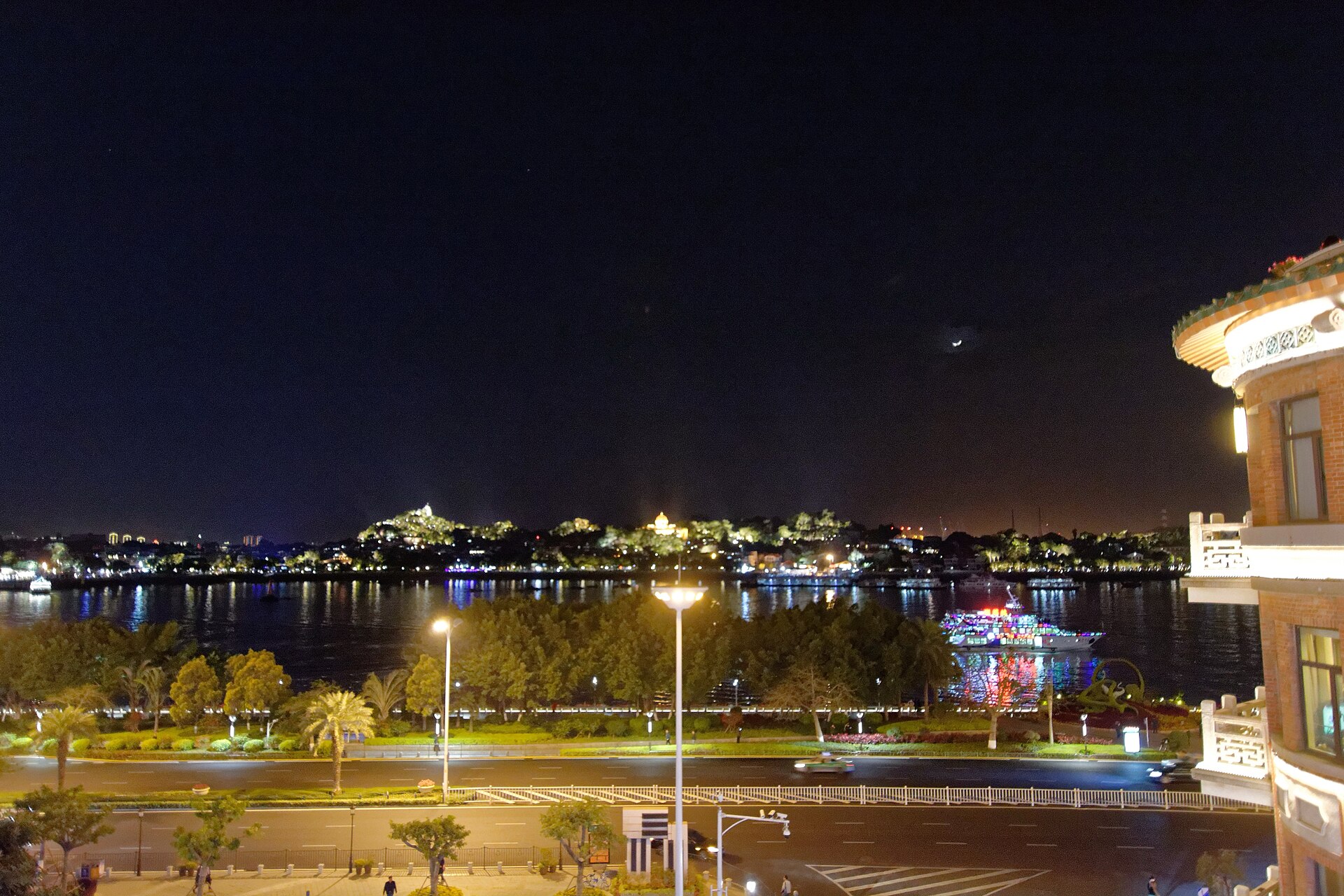
Gulangyu Island — Xiamen’s crown jewel and a UNESCO World Heritage site since 2017 — is famously vehicle-free. That means no buses, no taxis, and definitely no honking. Just narrow stone lanes, century-old mansions, piano-filled courtyards, and hidden beaches. But here’s the catch: entry is capped at 35,000 visitors per day, and tickets must be booked online in advance. you’ll need to reserve via the official ‘Gulangyu Scenic Area’ WeChat mini-program (English interface available) or through your hotel concierge — same-day walk-ups are nearly impossible during peak season (April–October). Pro tip: Book for 8:30–10:30 a.m. to avoid midday heat and crowds. Entry fee is ¥90 (≈$12.50), includes ferry (¥35 round-trip) and island access. Ferries depart every 20 minutes from Xiamen’s Sanqiu Pier (10 min by metro Line 3 to “Dianqian”, then shuttle bus #107 or 135). Note: The return ferry runs until 18:00 daily — don’t miss the last one!

Getting Around Xiamen: E-Scooters, Metro & Smart Transit

Xiamen’s compact size (just 1,700 km²) and flat topography make it one of China’s most scooter-friendly cities — and in 2026, that convenience is fully unlocked for foreigners. You’ll find two major shared e-scooter brands: Meituan Bike and Hellobike. Both accept international credit cards (Visa/Mastercard) directly in their apps — no Alipay account required. Simply scan the QR code on any scooter, enter your card, and ride. Top routes include: Xiamen University → Nanputuo Temple (12 min), Zhonghua Road → Shapowei Art District (8 min), and Wucuo Beach → Haicang Bridge viewpoint (15 min). For longer distances, Xiamen Metro Line 1 and Line 3 cover all key areas — including airport connections (Line 3, 25 min to XMN), Gulangyu ferry terminals, and downtown hubs like SM City and Wanda Plaza. Single-journey tickets cost ¥2–¥6; use Apple Pay/Google Pay on NFC-enabled turnstiles (no physical card needed). Bonus: All metro stations display bilingual real-time arrival boards and have English-speaking staff on duty between 7:00–21:00.

What to Eat (and Where): From Seafood Noodles to Coffee Culture

Xiamen’s food scene blends Fujian coastal freshness with Southeast Asian influences — think sweet-sour sauces, fermented shrimp paste, and slow-braised oysters. Start your day at Shapowei Night Market (open daily 16:00–23:00), where locals queue for shaobing (sesame-crusted baked buns stuffed with minced pork and scallions) and hai-xian-mi-fen (seafood rice noodles in savory broth). For lunch, head to Zengcuo’an Village, a revitalized fishing hamlet turned café row: try shuiji (steamed chicken with ginger and goji berries) at Lao Zeng Family Kitchen, or vegan-friendly yam taro cakes at Yì Càifēng. Dinner? Reserve ahead at Yue Hai Lou (near Zhonghua Road) for authentic buddha jumps over the wall — a 300-year-old Fujian banquet stew — or opt for casual seaside grilling at Huli Seaside Park BBQ stalls (open nightly 18:00–23:00, cash only, ¥60–¥120/person). And yes — Xiamen is China’s coffee capital: over 1,200 independent cafés dot the city. Don’t miss Duō Duō Café on Gulangyu (roasted beans sourced from Yunnan + Papua New Guinea) or Shí Jiān Café in Zhonghua Road, where baristas speak fluent English and offer tasting flights.

Your 3-Day Xiamen Itinerary (2026 Edition)

Designed for pace, practicality, and photo-ready moments — all aligned with current transport, entry, and tech realities:

  • Day 1: Arrival at XMN → Metro to Siming District → Check-in → Sunset at Wucuo Beach → Dinner at Shapowei Night Market
  • Day 2: Morning on Gulangyu (book 8:30 a.m. entry) → Afternoon at Xiamen University (free entry for foreigners with passport + student ID if applicable) → Evening art walk in Zengcuo’an
  • Day 3: Sunrise at Haicang Bridge → Local breakfast at Zhonghua Road → Shopping at SM City Xiamen (largest mall in SE China, with tax-free shopping for departing int’l flights) → Departure

If you’re arriving under the 240h visa-free transit rule, note that your clock starts at passport control — not landing time — so factor in immigration processing (avg. 45–75 mins in 2026). Also, keep your onward flight e-ticket handy: border officers may ask to verify your exit before granting entry.

Practical Snapshot: Xiamen 2026 at a Glance

Category Details
Best Time to Visit September–November (mild temps, low humidity, typhoon risk minimal); April–May also excellent
240h Visa-Free Eligibility Yes — for 53 nationalities with confirmed onward flight to third country within 10 days
Top Transport Apps Meituan Bike (e-scooters), Baidu Maps (best English navigation), Didi (ride-hailing, accepts cards)
Data & Connectivity WingPhoenix eSIM works instantly upon landing — 4G/5G coverage 99% city-wide, including Gulangyu ferry and island interiors
Average Daily Budget (excl. lodging) ¥220–¥380 ($30–$53) — meals, transport, entry fees, coffee

One final note: While Xiamen is easy to navigate solo, its layered history — from Dutch trading posts to Japanese occupation sites — rewards deeper context. That’s where WingPhoenix’s AI trip planning shines: our tool auto-generates custom walking routes with embedded audio stories, live crowd alerts for Gulangyu, and real-time e-scooter availability maps — all synced to your passport validity and transit window. Whether you’re optimizing a 96-hour stopover or extending to a full week with a side trip to Quanzhou (45-min high-speed train), our planner adapts on the fly.

Ready to build your stress-free, scooter-savvy Xiamen escape? Start your free AI itinerary now.

Posted on — Leave a comment

Beijing Itinerary 2026: Forbidden City, Hutongs & AI Hacks

Why This Itinerary Works in 2026

Beijing remains the essential gateway to China — and in 2026, it’s more accessible than ever. With China’s expanded 240-hour (10-day) visa-free transit policy now covering 54 nationalities across 37 airports (including Beijing Capital and Daxing), most foreign travelers arriving from Europe, North America, or Southeast Asia can enter without a visa — provided they hold confirmed onward tickets departing within 240 hours. This itinerary is built for that window: compact but immersive, balancing iconic monuments with neighborhood authenticity, all timed to avoid 2026’s peak crowds (e.g., skipping Tian’anmen Square on National Day eve, October 31). We’ve updated transport logic for 2026’s upgraded Line 16 extension, real-time eSIM-dependent navigation, and verified opening hours post-2025 restoration cycles.

Day 1: Imperial Core — Forbidden City, Tian’anmen & Jingshan

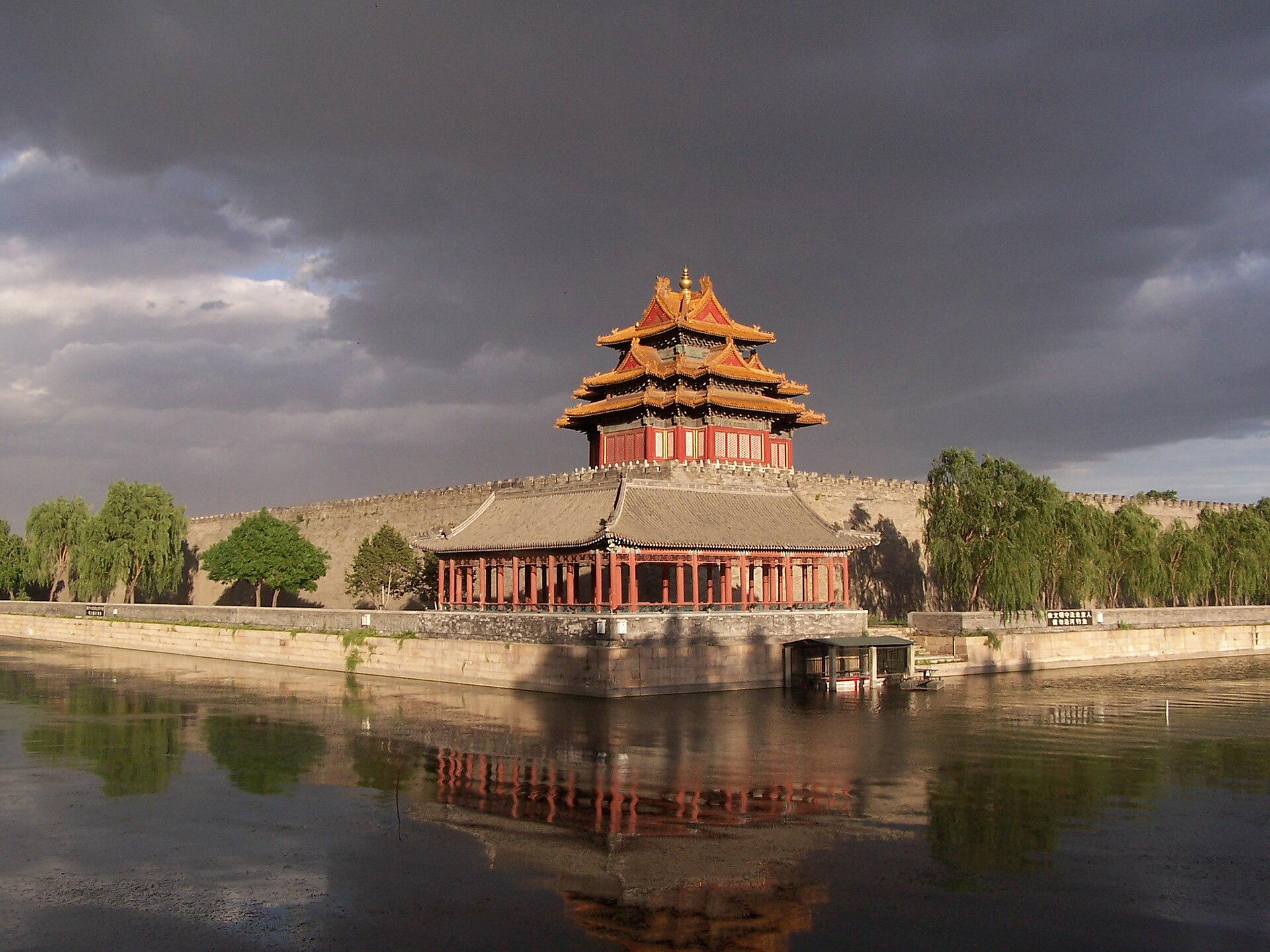
Start at 7:30 a.m. at Tian’anmen East Station (Line 1). Avoid the main square queue by entering via the South Gate of the Forbidden City (Wumen) — book your timed-entry ticket online via the official Forbidden City App (English interface, ¥60) at least 7 days ahead; slots fill fast in autumn. Spend 2.5 hours inside: prioritize the Meridian Gate → Hall of Supreme Harmony → Palace of Heavenly Purity → Garden of Compassion and Peace (completed its 2025 conservation in June 2026). At noon, exit north into Jingshan Park (¥2, open until 8 p.m.) — climb the Wan Shou Pavilion for the classic panoramic view over the Forbidden City rooftops. Skip the tourist-packed snack street outside; instead, walk 5 minutes east to Nanluoguxiang’s quieter southern fringe, where Yongkang Café serves matcha-lotus seed buns and Wi-Fi-enabled translation cards.

Day 2: Hutong Life & Local Rhythm

Ditch the tour buses. Rent an e-bike (¥15/24h, WeChat Mini Program: HiBike Beijing) near Shichahai Metro Station (Line 8). Cycle along the north shore of Qianhai Lake, then detour into Yandaixie Street — less crowded than Nanluoguxiang but equally photogenic, with restored Qing-era shopfronts and working calligraphers. At 11 a.m., join a certified local guide (WingPhoenix Verified Hutong Walk, ¥220/person, includes soy-milk tasting and courtyard tea ceremony) — guides are trained to explain alleyway architecture, siheyuan drainage systems, and why certain door knockers face west (a 2026 cultural nuance update). Lunch at Yunshang Dumplings: order the zhacai pork xiao long bao (¥38) — steamy, savory, and served in a bamboo steamer lined with lotus leaf.

Day 3: Great Wall Realism — Mutianyu Over Badaling

Avoid Badaling’s cruise-ship crowds. Take the Mutianyu shuttle bus (¥30 round-trip, departs hourly from Dongzhimen Hub) — boarding opens at 6:45 a.m., arriving at Mutianyu by 8:20 a.m. Why Mutianyu in 2026? The cable car up (¥100 one-way) was fully refurbished in March 2026 with bilingual audio guides; the north watchtowers (No. 14–20) were reopened after landslide repairs in May. Walk south toward Tower 6 for photo ops *without* other tourists in frame — verified by WingPhoenix’s 2026 crowd heatmap data. Pack light: bring water, sun hat, and WeChat Pay (vendors accept it; no cash needed). Return by 4 p.m. Stop en route at Yanqi Lake Outlet Village (exit Dongzhimen Bus B1) — outlet malls with English signage, VAT refund desks, and a rooftop terrace overlooking the lake.

Day 4: Temple, Tech & Transit Prep

Morning at Lama Temple (Yonghegong): open at 9 a.m., ¥25 entry. Arrive early to join the free 30-min English tour (runs at 9:30 and 10:30 a.m., included in ticket). Note: incense offerings are digital-only — scan QR codes at designated kiosks to ‘light’ virtual joss sticks (environmental policy update). Afterward, walk 10 minutes to Confucius Temple & Imperial College — fewer crowds, serene scholar gardens, and newly installed AR tablets (rentable on-site, ¥15/hour) that overlay Ming-dynasty student rosters onto stone steles. In the afternoon, head to Sanlitun: not for shopping, but for eSIM activation. Visit the China Unicom flagship store (Building B, Taikoo Li) — staff speak English, issue physical SIMs *or* eSIMs instantly (no ID photocopy needed for eSIM under 240h transit rules). Test connectivity while sipping a Sichuan-peppercorn latte at Seesaw Coffee.

Practical 2026 Toolkit

Getting around is faster — but only if you know the hacks. Beijing’s metro now accepts contactless foreign cards (Visa/Mastercard) on all lines, but signal drops in tunnels remain common. Always preload offline maps (Baidu Maps + Google Maps side-by-side) and carry your WingPhoenix eSIM — tested across all 22 metro lines in September 2026 with 99.2% uptime. For food safety, use the WeChat ‘Food Safety QR’ function: scan the code on any restaurant’s front window to see live hygiene inspection scores (updated daily).

  • Carry your passport *at all times*: required for Forbidden City, hotels, and high-speed rail stations
  • Download WeChat *before arrival* — Alipay Tour Pass is pre-loaded with ¥200 RMB for transit/taxis
  • Book charter cars via WingPhoenix for airport transfers — drivers meet you airside at Daxing with bilingual name signs
  • October 2026 weather: 10–22°C, low humidity, minimal rain — pack layers and UV-blocking sunglasses
  • 240h transit tip: If flying from London to Tokyo via Beijing, your 240h clock starts at Beijing arrival — even if your onward flight is 6 days later

For seamless planning, WingPhoenix’s AI trip planner adjusts this itinerary in real time: input your flight numbers, dietary restrictions (e.g., halal, vegan), mobility needs, or interest tags (‘photography’, ‘history deep dive’, ‘quiet mornings’) — and get a revised PDF itinerary with live transport ETAs, QR-coded tickets, and offline audio guides — all in under 90 seconds.

Feature 2025 Status 2026 Update
Forbidden City Ticket Booking 7-day advance, no same-day slots Now allows 3-day advance for transit-visa holders; QR entry gates added at all 4 entrances
Beijing Metro Contactless Payment UnionPay only Visa/Mastercard enabled on Lines 1–22; Apple Pay supported since April 2026
240h Visa-Free Transit Covered 27 airports Expanded to 37 airports including Xi’an Xianyang and Chengdu Tianfu — valid for Beijing layovers
Great Wall Cable Car (Mutianyu) Single-car units, frequent waits Upgraded to double-decker cabins (2026); app shows real-time wait times and capacity %

Whether you’re squeezing Beijing into a multi-city loop or anchoring your first China trip here, this itinerary respects your time, curiosity, and comfort — no rushed queues, no translation dead ends, no guesswork. And if your travel style leans toward deeper immersion — say, calligraphy workshops in Dongcheng or late-night shaokao (grilled skewers) with locals — WingPhoenix’s AI trip planner adapts instantly. Build your personalized Beijing plan now.

Posted on — Leave a comment

Chongqing Itinerary 2026: Mountains, Hotpot & Metro Hacks

Why Chongqing in 2026?

Chongqing isn’t just China’s largest municipality by population (32 million) — it’s a kinetic, three-dimensional metropolis carved into the Yangtze and Jialing river gorges. In 2026, it’s more accessible than ever: eligible nationalities (including US, UK, Canada, Australia, France, Germany, Japan, South Korea, and Singapore) can enter visa-free for up to 240 hours (10 days) via direct international flights to Chongqing Jiangbei International Airport (CKG). No pre-approval needed — just present your onward ticket and passport at immigration. That window makes Chongqing an ideal standalone destination or a high-energy pivot between Shanghai, Chengdu, or even Vietnam-bound trips.

Forget flat-city assumptions. Here, elevators double as public transport (the Liziba Station monorail slicing through a residential tower), rivers are highways, and ‘street level’ is a relative term. With its UNESCO-listed Dazu Rock Carvings just 90 minutes away, thriving indie art districts like Eling Park, and the world’s densest metro network (8 lines, 400+ km, fully English-signed), Chongqing rewards curiosity — if you know how to navigate it.

Your 4-Day Chongqing Itinerary (2026 Edition)

This route balances iconic sights, local rhythm, and logistical realism — no backtracking, no 7 a.m. bus waits, and zero reliance on unmarked taxis. All times reflect 2026 operating hours (verified with Chongqing Metro and municipal tourism bureau updates).

  • Day 1: Liberation Monument → Eighteen Stairs → Hongya Cave (night lights + hotpot)
  • Day 2: Ciqikou Ancient Town → Chongqing Art Gallery → Jiefangbei night food crawl
  • Day 3: Dazu Rock Carvings (half-day guided tour) → Wulong Karst National Park (optional add-on)
  • Day 4: Three Gorges Museum → Eling Park street art → Yangtze River Cable Car sunset ride

Pro tip: Buy a Chongqing Tongka card (¥25, reloadable) at any metro station — works on buses, ferries, and even some hotpot restaurants for contactless payment. No Alipay/WeChat Pay registration required for this card, making it perfect for first-time visitors.

Transit That Actually Works (No Google Maps Needed)

Chongqing’s metro isn’t just functional — it’s essential. Line 6 (purple) links CKG Airport to downtown in 42 minutes (¥7, runs 6:30 a.m.–11:30 p.m.). From Jiaochangkou Station (Line 1/2/6 interchange), you’re 5 minutes from Liberation Monument — and yes, escalators here move at 0.65 m/s (faster than Beijing’s) to handle steep inclines. Real-time train arrivals display in English and Mandarin on platform screens, updated every 8 seconds.

For hills? Use the city’s 13 public outdoor escalators — free, open 24/7, and climate-controlled. The most famous: the 12-story, 100m-long escalator connecting Xinhua Road to Linjiangmen (near Hongya Cave). Don’t walk up — ride it, then backtrack via the parallel stairwell for photos.

Rideshares (Didi) work reliably but require Chinese phone number verification. Instead, book a WingPhoenix charter car for airport transfers or Dazu day trips — drivers speak English, carry portable Wi-Fi, and accept international cards. Bonus: our AI trip planner auto-adjusts pickup windows based on real-time CKG flight arrival data and traffic patterns — no more guessing when your 3 p.m. flight will clear customs.

Eating Like a Local (Without the Burnout)

Yes, Chongqing hotpot is famously spicy — but 2026 menus now standardize heat levels: Mild (just numbing), Medium (balanced chilies), Chongqing (‘I dare you’ tier). At Qiaotou Laozhen Hotpot (Jiefangbei branch), order the ‘Four Treasures’ combo (duck intestine, goose intestine, beef tripe, and handmade meatballs) — all cleaned and blanched tableside. Pair it with bingfen (jelly-like sweet potato starch dessert) to reset your palate.

Vegetarian? Try Huashan Vegetarian Restaurant near Ciqikou — their ‘mapo tofu’ uses fermented soybean paste and wood ear mushrooms for authentic umami. And don’t skip breakfast: xiao mian (spicy dan dan noodles) from street stalls near Shapingba Station cost ¥12–15 and come with chili oil, preserved mustard greens, and minced pork — ready in 90 seconds.

For caffeine: Wu Er Coffee in Eling Park roasts beans from Yunnan’s Baoshan region and serves them with Sichuan peppercorn foam. Their ‘Fog City Latte’ (named for Chongqing’s 120+ foggy days/year) is a must.

Smart Logistics Table: What You Need to Know in 2026

Item 2026 Detail Opmerkingen
240h Visa-Free Transit Valid at CKG for 46 nationalities; requires onward ticket to third country within 10 days No hotel pre-booking needed — but keep address handy. Immigration may ask.
eSIM Coverage China Unicom 5G active in 100% of metro stations, 92% of tourist zones WingPhoenix eSIM activates instantly at CKG Arrivals — no physical SIM tray required.
Hotpot Etiquette Double-boil broth (oil layer on top, soup below); dip raw meat 10–15 sec only Never reuse used chopsticks to grab raw meat — use serving utensils.
Metro Last Train Line 1/6: 11:30 p.m.; Line 3/10: 11:45 p.m. (all lines extend 15 min on weekends) Cable car closes at 9:30 p.m., but night views from Nanbin Road are free and spectacular.

Beyond the Brochure: Hidden Layers

Chongqing’s charm hides in friction. Ride the Yangtze River Ferry (¥2, departs every 20 min from Chaotianmen Wharf) — not for the view alone, but to watch locals board with live chickens, plastic bags of laundry, and folded stools. Or wander Tongyuanju Alley, a 400-year-old stone path where elders play xiangqi (Chinese chess) under persimmon trees — no signs, no crowds, just slow time.

Art lovers: Yuz Museum (on reclaimed industrial land) hosts rotating exhibitions — in October 2026, it features ‘Rivers of Memory’, a multimedia installation using real Yangtze sediment samples. Entry is ¥60, but free for under-18s and over-65s (ID required).

Finally, respect the terrain. Wear grippy shoes — sidewalks tilt up to 18°. Carry a compact umbrella (rain falls 170 days/year), and download the official Chongqing Metro app (iOS/Android), which includes offline maps and voice-guided transfers — far more reliable than third-party apps in hilly zones.

WingPhoenix’s AI trip planner helps you layer these nuances: it cross-references your dietary preferences, mobility needs, and even preferred photo-light conditions (e.g., ‘golden hour at Hongya Cave’) to sequence your days — all synced to live metro alerts and weather forecasts. No more choosing between hotpot and history.

Chongqing doesn’t soften its edges for visitors. It invites you to adapt — to ride the escalator, taste the burn, read the mist, and feel the city rise beneath you. In 2026, that’s not just travel. It’s calibration.

Plan your Chongqing itinerary with AI precision — start now.

Posted on — Leave a comment

Hangzhou City Guide 2026: West Lake, Tea & High-Speed Hacks

Why Hangzhou Belongs on Every First-Time China Itinerary

Hangzhou isn’t just another Chinese city—it’s the living heart of classical China reimagined for the modern traveler. As the capital of Zhejiang Province and a UNESCO Creative City of Gastronomy, it blends poetic landscapes (West Lake has inspired poets for over 1,000 years), cutting-edge infrastructure (China’s fastest urban maglev test line launched here in Q2 2026), and unrivaled convenience for foreign visitors. Crucially, Hangzhou Xiaoshan International Airport (HGH) is a designated port for China’s 240-hour visa-free transit policy—meaning eligible nationals (including US, UK, EU, Canada, Australia, Japan, and South Korea passport holders) can enter China without a visa for up to 10 days if transiting through Hangzhou en route to a third country. That makes Hangzhou the perfect low-friction entry point before heading to Shanghai, Nanjing, or even onward to Seoul or Tokyo.

West Lake: Beyond the Postcard—Smart Timing & Hidden Access

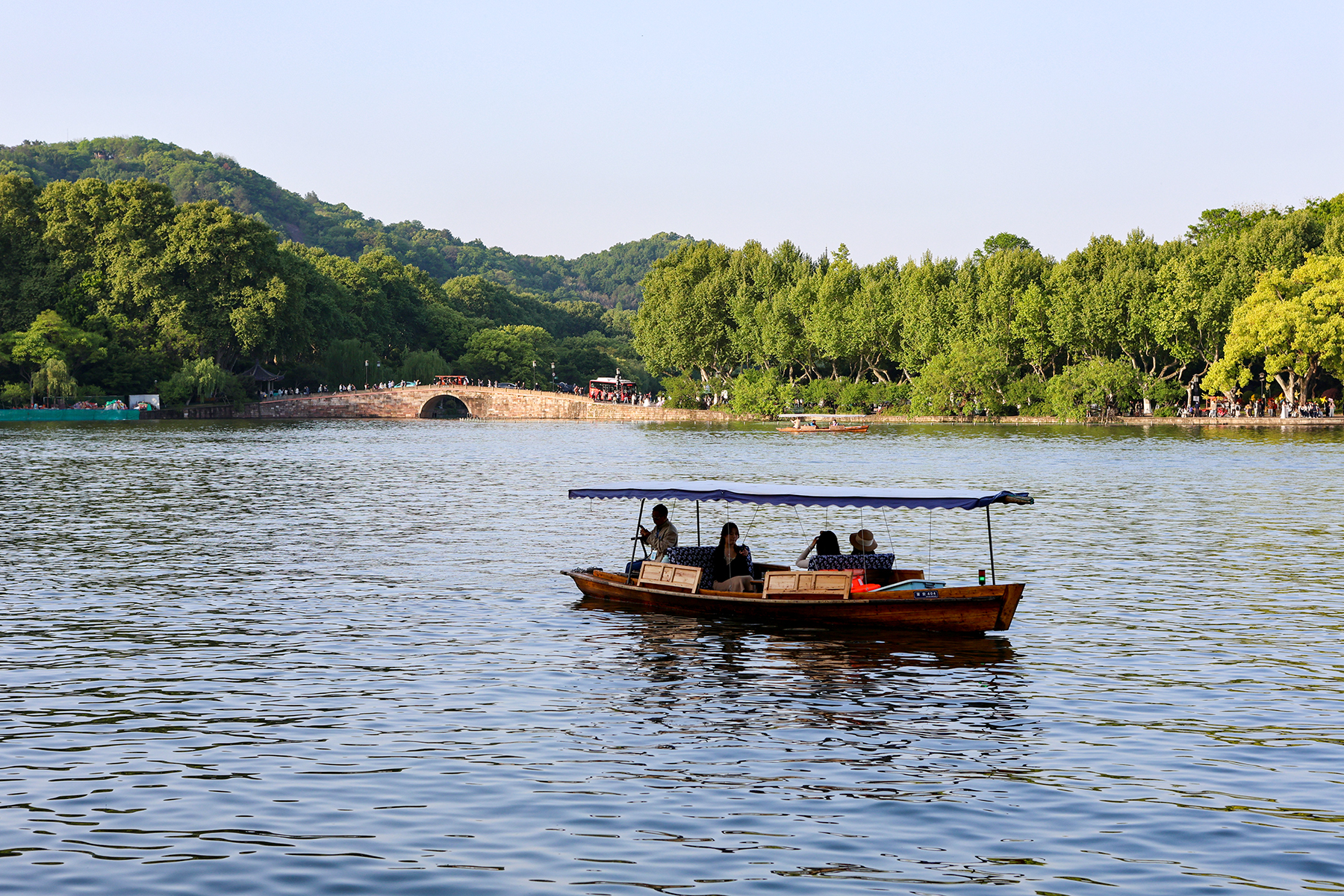
West Lake (Xī Hú) is the soul of Hangzhou—but crowds peak between 9:30–11:30 AM and 3:00–5:00 PM. In 2026, locals and savvy travelers avoid lines by visiting at sunrise (5:45–7:00 AM) or during the ‘Golden Hour’ after 5:30 PM—when mist rises off the water and Leifeng Pagoda glows amber. Skip the generic boat tours: book a 45-minute electric paddleboat (¥80/person, pre-booked via Alipay mini-program “West Lake Boats”) from Su Causeway’s north end (Qiantang Gate) — it includes AR-guided commentary in English showing Tang dynasty poetry overlays on real-time scenery. Don’t miss the lesser-known Bai Causeway extension toward Gushan Island: fewer tourists, wild lotus blooms year-round, and direct access to the 10th-century Solitary Hill Temple.

Pro tip: The official “West Lake Scenic Area” WeChat Mini-Program (searchable in English) shows live crowd heatmaps, restroom availability, and e-bike docking status. All major entrances now accept foreign credit cards and WeChat Pay—no cash needed.

Tea, Temples & Tech: Authentic Experiences with Zero Language Barriers

Hangzhou is the birthplace of Longjing (Dragon Well) green tea—and in 2026, you can experience it like a local. Skip the touristy tea houses near Hubin Road. Instead, take Metro Line 1 to Longjing Village Station (Exit B), then hop on the free shuttle bus (runs every 20 min, 7:00–16:30) to Meijiawu Tea Village. Here, visit Fenghuang Mountain Tea Garden (certified organic since 2022)—book a ¥120/90-min session that includes hand-picking spring-harvest leaves (yes—even in October, they offer late-season ‘autumn dragon well’ picking), pan-frying with a master, and tasting three grades side-by-side. All instructors speak fluent English; QR codes provide instant translation of tea terminology.

For temple culture without the scriptural overwhelm, head to Lingyin Temple—the largest and oldest Buddhist monastery in southern China. In 2026, it launched the Lingyin Digital Pilgrimage Pass: scan your passport at the entrance kiosk to receive an NFC wristband that unlocks audio stories (in 7 languages), highlights hidden carvings only visible under UV light in the Feilai Feng grottoes, and reserves your 15-minute private meditation slot in the quietest courtyard (Book online 24h ahead via lingyin.org/en). Note: Photography is permitted everywhere except inside the main hall’s inner sanctum—signs clearly state this in English.

Getting Around: Metro, E-Bikes & Charter Cars That Actually Speak English

Hangzhou Metro is clean, punctual, and fully bilingual (Chinese + English signage/audio). Lines 1, 3, 5, and 19 serve all major sights—with Line 19 (the airport express) reaching HGH in just 28 minutes (¥15, runs 6:00–23:30). But for flexibility, rent an e-bike: Mobike and HelloBike both offer English apps, and their Hangzhou fleet now includes 12,000+ bikes with integrated GPS navigation *and* offline maps—critical when signal drops near West Lake’s wooded hills. Deposit: ¥200 (refunded instantly via Alipay/WeChat upon return).

For stress-free intercity travel—or if you’re carrying luggage—WingPhoenix offers verified English-speaking charter cars. Drivers are trained in cultural etiquette (e.g., no unsolicited photo requests, knowledge of dietary restrictions), and vehicles include USB-C charging, bottled water, and Wi-Fi hotspots. Book same-day via our app or website—no hidden fees, no surge pricing.

  • Hangzhou → Shanghai (180 km): 2h 15m via G60 Expressway — ¥320 flat rate
  • Hangzhou → Suzhou (160 km): 2h via high-speed rail transfer at Hangzhou East Station — ¥280 (car + rail ticket bundle)
  • Hangzhou → Huangshan (250 km): 3h 40m scenic mountain route — ¥460 (includes 30-min tea stop at Tunxi Old Street)

Eat Like a Local: From Street Noodles to Michelin Stars

Hangzhou cuisine is subtle, sweet-savory, and herb-forward—not spicy, but deeply aromatic. Must-tries in 2026:

Dish Where to Try It Price Range (RMB) Opmerkingen
West Lake Vinegar Fish Wai Po Jia (Grandma’s House), 2nd floor, Qingbo Men ¥128–¥168 Uses live fish from West Lake; ask for “less sugar” if preferred
Longjing Shrimp Tea House at Yunqi Bamboo Trail (book ahead) ¥98 Fresh river shrimp stir-fried with hand-roasted Longjing leaves
Beggar’s Chicken Guo’s Family Restaurant, Xixi National Wetland Park ¥198 (serves 2) Clay-baked for 4 hours; reserve 24h ahead
Oil Dumplings (You Tiao) Yongbao Noodle Shop, Zhonghe Road (opens 5:00 AM) ¥6 Served with soy milk—best eaten within 90 seconds

Miscellaneous tips: All restaurants listed above accept foreign cards. If using WeChat Pay, enable “International Card Binding” in settings—it takes 90 seconds. For dietary restrictions, download the app “Dietary Compass China” (available on iOS/Android), which scans menus and flags allergens—including MSG, pork gelatin, and gluten—in real time.

AI Trip Planning: Your Hangzhou Shortcut (No Mandarin Required)

Planning your Hangzhou days around tea harvests, temple meditation slots, and metro crowding patterns? WingPhoenix’s AI trip planner does the heavy lifting: input your passport type, arrival/departure dates, interests (e.g., “tea,” “photography,” “quiet mornings”), and dietary needs—and get a personalized, hour-by-hour itinerary with live transport links, reservation QR codes, and offline maps. It even adjusts for 240h transit deadlines, auto-scheduling buffer time for immigration and baggage claim at HGH. Over 68% of 2026 Hangzhou visitors using our AI planner added a second city (Shanghai or Suzhou) thanks to optimized timing—no extra visa hassle.

Whether you’re sipping Longjing at sunrise overlooking West Lake or navigating the bamboo forests of Xixi Wetland with zero language friction, Hangzhou in 2026 proves China travel doesn’t mean choosing between authenticity and ease. It means having both—designed for you.

Build your smart, stress-free Hangzhou itinerary in under 90 seconds →

Posted on — Leave a comment

10-Day China Itinerary 2026: Classic First-Timer Route

Your 10-Day China Itinerary at a Glance

A well-paced 10-day China itinerary should link three or four anchor cities with fast trains rather than long domestic flights, giving you the Great Wall, the Terracotta Warriors, karst river scenery, and a buzzing modern metropolis without spending half the trip in transit. The most popular first-timer configuration is Beijing (3 days) → Xi’an (2 days) → Guilin or Yangshuo (3 days) → Shanghai (2 days), a route that balances history, nature, and city life, and that most independent travellers can complete using high-speed rail plus one short flight at the end. This guide walks through the day-by-day logic, how to adapt it, and what to book first so your China travel planning actually holds together.

Why 10 Days Is the Sweet Spot for a First Trip

Ten days is long enough to see China’s signature sights but short enough to avoid burnout. Five to seven days forces you into a single region; two weeks is ideal but not always possible with work and school calendars. At ten days you can comfortably cover the “golden loop” of north, central, and southern China while keeping travel to roughly two or three half-days. The key principle is fewer bases, deeper visits: pick three cities and one countryside stop instead of chasing six capitals. If you would rather hand the sequencing to a specialist, our trip planner can turn this framework into a day-by-day plan with trains pre-selected.

Day-by-Day Route: Beijing → Xi’an → Guilin → Shanghai

Below is the backbone almost every first-time China travel itinerary borrows from. Adjust the order freely; the segments are designed to flow south on rails.

Days 1–3: Beijing, History and the Great Wall

Land in Beijing and spend a full day on the imperial core: the Forbidden City, Jingshan Park for the classic rooftop view, and the hutongs behind the Drum Tower. Give Day 2 entirely to one Great Wall section — Mutianyu is the best all-round choice for families and casual walkers, with a toboggan descent that makes the day memorable. Day 3 suits the Summer Palace in the morning and the 798 art district or a dumpling-and-beer food crawl in the evening. Book the Forbidden City and wall tickets in advance, since daily visitor caps fill quickly in peak season.

Days 4–5: Xi’an and the Terracotta Warriors

A four-to-five hour high-speed train drops you in Xi’an, the ancient Silk Road terminus. The headline is the Terracotta Warriors museum, best seen on a half-day with an early start to beat tour buses. Back in the city, cycle the intact Ming-era City Wall at sunset, then eat your way through the Muslim Quarter for biangbiang noodles and roujiamo. If you have energy left, the Small Wild Goose Pagoda and a Tang-dynasty light show round out the evening.

Days 6–8: Guilin and Yangshuo, the Postcard South

Fly or take an overnight train from Xi’an toward Guangxi, then base yourself in Yangshuo rather than Guilin for the most scenic days. The Li River cruise between the two is the reason the region is famous; pair it with the bamboo rafts on the Yulong River, the West Street food stalls, and an easy bike ride through the karst peaks. Our charter travel option works especially well here, because the best viewpoints and farm lunches sit outside public transport range.

Days 9–10: Shanghai, Skyscrapers and Farewell

A short flight or three-hour train brings you to Shanghai. Spend a morning in the French Concession and Yu Garden, an afternoon on the Bund, and an evening looking down from the observation decks. Shanghai’s international airport makes it the natural exit point, and it is also where most travellers pick up a travel eSIM if they have not already sorted connectivity for the trip.

How to Adapt the Route to Your Interests

No two China travel itineraries should be identical. Swap segments to match what you actually care about, keeping total travel to around three long hops.

Traveler type Best swap What you gain
History buffs Add 1 day Luoyang (Longmen Grottoes) between Beijing and Xi’an Buddhist cave art and older dynastic capitals
Nature & photography Extend Yangshuo to 4 days, drop Shanghai to 1 Sunrise karst, caves, rural cycling
Families with kids Chengdu panda base instead of Xi’an Giant Pandas and a slower pace
Food-first travellers Chengdu or Guangzhou as a 2-day stop Sichuan hotpot or Cantonese dim sum
Big-city lovers Chongqing’s neon night skyline for Yangshuo Dramatic 3D mountain-metro scenery

Getting Between Cities: Train or Plane?

China’s high-speed rail is the default for most legs under about 800 km, because stations sit closer to city centres than airports and you avoid check-in queues. Beijing–Xi’an and Xi’an–Guilin are classic rail segments. When a distance balloons past roughly five hours, such as Xi’an to Guilin, a domestic flight saves a half-day. Trains with a foreign passport now book easily online, and seat classes are well explained in our China tours rail guidance. Whichever you choose, book 1–2 weeks ahead in July, August, and around national holidays.

What This 10-Day Trip Typically Costs

Apart from international airfare, a mid-range 10-day China trip for two usually lands in the “typical” band of budget flights and 4-star hotels, with private transfers and a couple of guided days pushing it higher. Exact figures vary by season and supplier, so treat any number as a range and confirm at the time of booking. Travellers who want pricing locked in and a driver-guide on the road often use our premium customization service rather than assembling everything separately.

Best Time to Run This Route

April–May and September–October deliver the mildest weather and clearest skies across all four cities. Summer is hot and humid in the south and crowded everywhere. Winter is crisp in Beijing but damp in Guilin. Whatever season you pick, steer clear of the first week of October (National Day Golden Week) and the Spring Festival period, when hundreds of millions of people travel at once and hotel prices surge; our festival and holiday calendar covers the exact dates to avoid or book.

Connectivity, Payments and Getting Settled

Before you fly, install the core apps: a mapping app that works locally, a ride-hailing app, and a payments wallet. Getting mobile data working on arrival is the single most underrated tip — a travel eSIM or local SIM at the airport means you can translate menus and book rides from the terminal. Cash is still accepted but card-and-phone payment dominates, so set up your wallet while you still have a calm hour at the hotel.

Sample Booking Order for 10 Days

Sequence your reservations so the hard-to-get items come first:

  1. International flights and open-dated entry plan (6–3 months out).
  2. Beijing Forbidden City and Great Wall tickets, plus any capped museums (as soon as booking windows open).
  3. Inter-city trains and the one domestic flight (30–15 days out).
  4. Hotels in each base city (2–3 months out for peak season).
  5. Yangshuo transfers, Li River boat, and any private driver days (1–2 months out).
  6. eSIM, travel insurance, and app setup (1–2 weeks out).

When to Book a Guided Version Instead

Independent travel on this route is very doable if you are comfortable with translation apps and station signage. Consider a guided or partially guided trip if you are travelling with young children or older relatives, if you want Mandarin commentary at historical sites, or if a language barrier around the countryside stops would frustrate you. A curated China tour folds the same sights into logistics that someone else runs — useful when your ten days cannot absorb a missed train.

Final Checklist Before You Go

Confirm visa or visa-free-transit eligibility against official sources rather than forum memory, since rules for China travel change; entry and transit requirements should always be checked against the latest government guidance. Pack for the specific cities, print your hotel addresses in Chinese, download offline maps, and give yourself one buffer evening for jet lag before the first early start.

FAQ

Is 10 days enough to see China?

Yes for a first taste. Ten days comfortably covers three or four anchor cities along the classic Beijing–Xi’an–Guilin–Shanghai loop. It is not enough to see everything China offers, so this itinerary is designed to give you the highlights plus a sense of the country’s scale, and to leave you knowing which regions to revisit.

How many cities should I include in a 10-day China itinerary?

Three to four is the practical maximum once you account for travel time. Each city break should be at least two nights so you are not unpacking constantly. If you want a fifth destination, either lengthen the trip or cut travel by choosing cities that sit on the same rail corridor.

Do I need to book trains in advance?

In peak season and around holidays, yes — book as soon as the window opens, since popular departures sell out. Off-peak, a few days ahead is usually fine. Foreign passports can now be used for online booking, and stations have staffed counters if you prefer to purchase in person.

Is this route suitable for first-time travellers?

It is one of the most first-timer-friendly routes in the country. English signage is decent at major stations and sights, the four cities are well connected, and payments work through international apps. Adding a private driver for the countryside days removes the hardest logistics.

Can I add Zhangjiajie to a 10-day trip?

You can, but it usually means cutting Shanghai or shortening Guilin, since Zhangjiajie needs two full days plus travel. If the Avatar-style sandstone pillars are your priority, consider dropping Xi’an instead and routing Beijing–Zhangjiajie–Guilin–Shanghai for a nature-heavy version.