Posted on — Leave a comment

Chongqing City Guide: Hotpot, Hills & 2026 Travel Tips

Why Visit Chongqing in 2026?

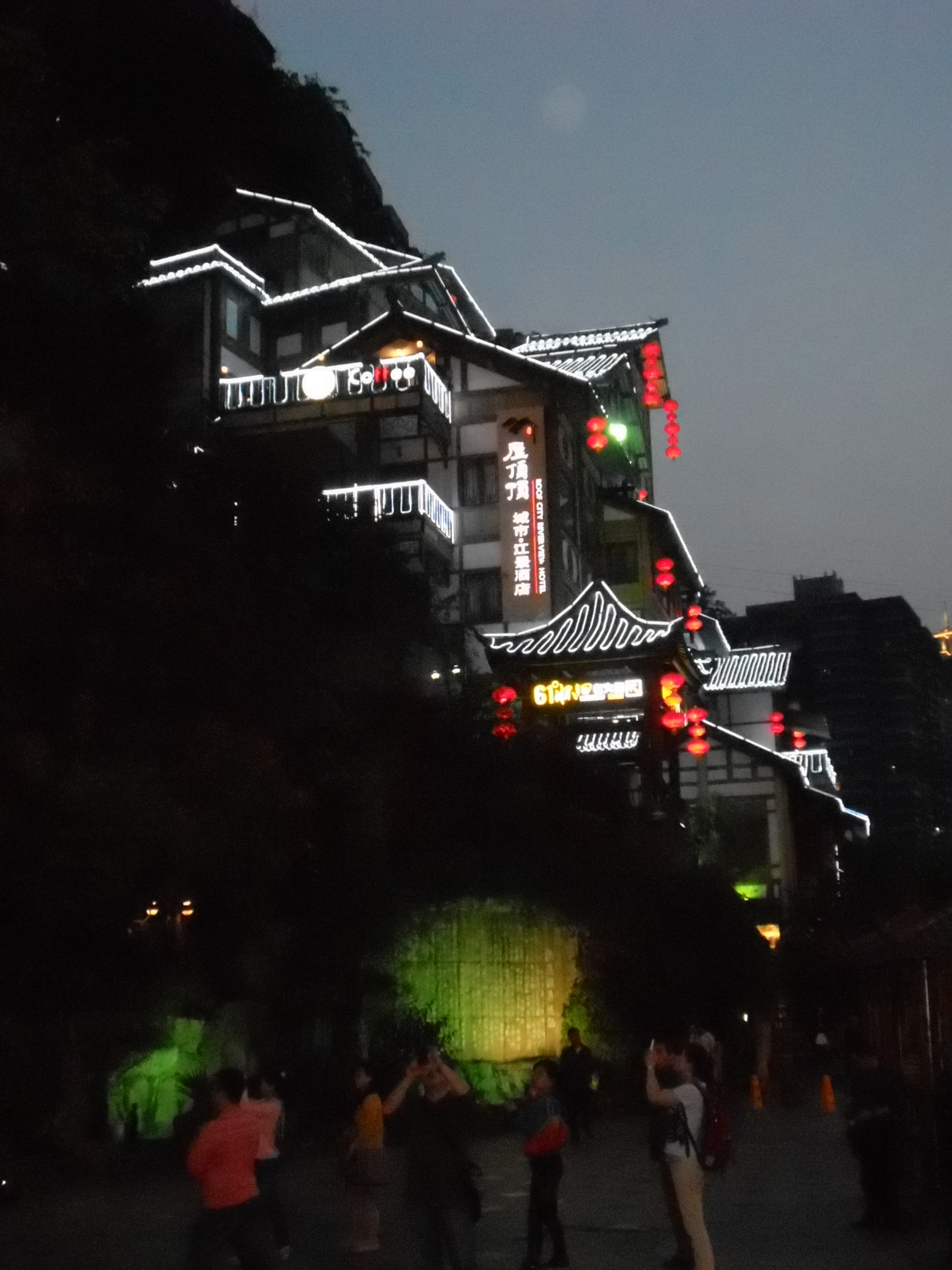
Chongqing isn’t just another Chinese metropolis — it’s a vertically layered, fog-draped megacity of 32 million people built across steep gorges and Yangtze tributaries. In 2026, it remains one of the most photogenic, flavorful, and logistically accessible destinations for foreign travelers — especially those entering under China’s 240-hour visa-free transit policy. With direct international flights from Frankfurt, Seoul, Tokyo, Bangkok, Singapore, and Dubai (and growing connections from Istanbul and Doha), Chongqing is now a top-tier stopover city — not just a domestic transfer hub. Its compact core (Yuzhong District) packs ancient temples, neon-lit cliffside streets, world-famous hotpot, and metro lines that plunge 100 meters underground — all within walking distance of the main transit hotels near Lianglukou or Jiefangbei.

Getting In & Around: Transport That Works in 2026

Chongqing’s airport — Chongqing Jiangbei International Airport (CKG) — has two terminals connected by a free automated people mover (5 min). Immigration queues for 240-hour transit are consistently under 25 minutes during weekday mornings (7–10 a.m.), thanks to dedicated lanes for eligible nationalities (including U.S., UK, Canada, Australia, Schengen, Japan, South Korea, Singapore, UAE, and more). Be sure your onward flight departs from any mainland China airport (e.g., Chengdu, Kunming, Xi’an, or even Chongqing itself) — no need to exit China first.

Once inside, skip ride-hailing apps like Didi that require Chinese bank cards or WeChat Pay registration. Instead, use WingPhoenix’s pre-booked charter car service: English-speaking drivers meet you at arrivals with name signs, fixed pricing (no surge), and real-time GPS tracking. For inner-city travel, Chongqing Metro is clean, punctual, and fully English-signposted — Line 6 (blue) and Line 2 (red) cover 90% of tourist needs. Note: Avoid rush hour (7:30–9:00 a.m. and 5:00–7:00 p.m.) — escalators on Line 2’s ‘staircase stations’ (like Liziba) get crowded fast.

Eating Like a Local: Beyond the Hype of Hotpot

Yes — you’ll eat hotpot. But Chongqing hotpot in 2026 isn’t just spice theater: it’s ritual. Authentic spots like Qiaokou Lao Ba Hotpot (Jiefangbei branch) use 18-hour-simmered bone broth, hand-cut beef tripe, and fermented chili paste (la jiao jiang) made in-house. Order mala (numbing-spicy) base, then add duck blood curd, lotus root, and fresh goose intestine — but pace yourself: the heat builds. Vegetarians can try su hotpot (vegetable-only broth) at Shanxiang Su Shi near Ciqikou Old Town.

Don’t miss street eats: Chongqing Xiao Mian (spicy dan dan noodles) at Laomendong Night Market, grilled squid skewers on Nanbin Road at sunset, and bingfen (jelly-like sweet dessert) sold from retro tricycles near Hongyadong. All cost ¥12–¥28 (USD $1.70–$4). Tap water is non-potable; buy sealed mineral water (Nongfu Spring or Evian) — available everywhere.

Where to Stay: 3 Zones for Different Travel Styles

Your hotel choice shapes your Chongqing experience — literally. The city’s elevation shifts up to 400 meters between districts. Here’s how to pick:

  • Jiefangbei/Lianglukou: Best for first-timers. Central, walkable, metro-connected. Try The Langham Chongqing (luxury, river views) or Yunzhi Hostel (budget, rooftop terrace, English staff).
  • Ciqikou: Historic charm, quieter, hillier. Ideal for culture-focused stays. Book Chongqing Ancient Town Guesthouse — family-run, courtyard rooms, free tea service.
  • Nanbin Road: Riverside serenity with skyline views. Fewer crowds, easy taxi access. Hilton Chongqing South offers panoramic balconies and shuttle to Jiefangbei.

Avoid hotels outside these three zones unless you have a private driver — public transit becomes sparse after 10 p.m., and night walks on unlit slopes aren’t advised.

What to Do: A Realistic 3-Day Itinerary (2026 Edition)

You don’t need 5 days in Chongqing — 3 well-paced days deliver depth. This route avoids over-touristed photo traps and respects local rhythms (e.g., temples close early; markets wind down by 6 p.m.). All locations are within 30 minutes of each other via metro or short charter car.

Day Morning (9–12) Afternoon (2–5) Evening (7–9)
Day 1 Jiefangbei Pedestrian Zone + People’s Liberation Monument Chongqing Art Museum (free entry, English audio guide) Dinner at Qiaokou Lao Ba Hotpot + night walk through Hongyadong
Day 2 Ciqikou Old Town (arrive before 10 a.m. to avoid crowds) Three Gorges Museum (book free timed entry online via WeChat mini-program “Chongqing Culture” — English interface available) Sunset drinks at Lantern Bar (rooftop, river view, no cover)
Day 3 Wulong Karst National Park day trip (book via WingPhoenix charter car — includes English guide, packed lunch, and priority entrance) Return by 5 p.m.; rest or explore Nanbin Road park Farewell dinner at Xiao Long Kan (famous for spicy crayfish & craft beer)

Pro tip: Skip the ‘Ghost City’ Fengdu side trip — it’s 3 hours each way and rarely worth the time unless you’re deeply into Taoist folklore. Wulong offers better geology, fewer crowds, and qualifies as a ‘real’ China experience — not theme-park reenactment.

Safety, Connectivity & Smart Planning for 2026

Chongqing is exceptionally safe: petty theft is rare, police presence is visible but unobtrusive, and emergency numbers (110 for police, 120 for medical) work reliably — call from any phone, even without SIM registration. Wi-Fi is widely available in hotels, malls, and metro stations, but don’t rely on it for navigation. Use an eSIM from WingPhoenix — all 2026 plans include 5G coverage across Chongqing’s urban core and major attractions (Wulong included). Avoid local SIMs unless you speak Mandarin — activation requires ID verification in person at China Unicom stores, often with long waits.

For itinerary building, our AI trip planner lets you input arrival/departure times, dietary preferences (e.g., “no pork,” “vegetarian-friendly”), mobility needs (“no stairs”), and preferred pace (“leisurely” or “active”). It cross-checks 2026 opening hours, metro disruptions, and weather forecasts — then outputs a printable PDF with maps, contact numbers, and QR codes for museum bookings. You can also use AI to plan a photography-focused variant — e.g., “golden hour shots at Liziba Station + foggy river panoramas.”

One final note: Chongqing’s humidity averages 78% year-round. Pack quick-dry clothing, waterproof shoes (cobblestones get slick), and a compact umbrella — even in October. And yes — it rains sideways sometimes. That’s part of the charm.

Ready to build your Chongqing itinerary — optimized for 2026 logistics, 240-hour transit rules, and real-world pacing? Start planning with WingPhoenix’s free AI trip planner now.


Posted on — Leave a comment

Wuyuan in Spring: Planning a Huizhou Village Route

Wuyuan sits in Jiangxi province, where Huizhou architecture meets rolling hills and seasonal fields. Its spring appeal centres on the rapeseed flowers — bright yellow blooms that carpet terraced slopes between late March and mid-April. A well-planned Wuyuan itinerary treats it not as a single stop but as part of a broader Huizhou cultural loop, often paired with Huangshan (Yellow Mountain) in neighbouring Anhui. This requires attention to seasonal timing, road conditions, local transport options and how much time to allocate across villages like Likeng, Sizhou and Huangling. It also means checking connectivity: mobile data is essential for navigation and ticketing, especially outside major towns.

When to go: the rapeseed flower window

The peak bloom for rapeseed flowers in Wuyuan typically runs from late March to mid-April. Exact timing varies yearly depending on temperature and rainfall. Early March may show only scattered patches; by late April, most fields have been harvested. For 2026, monitor local weather forecasts and agricultural reports in early March — some village tourism offices post weekly bloom updates online. Do not rely on fixed calendar dates. If your trip falls outside this window, Wuyuan remains worth visiting for its preserved Huizhou villages and tea plantations, but the visual impact changes significantly. The Where to Go in China by Month guide includes regional bloom calendars that help cross-reference other spring destinations.

Selecting villages: Likeng, Sizhou and Huangling

Wuyuan’s core villages differ in scale, access and character. Likeng is compact and walkable, with stone bridges and narrow lanes ideal for photography at dawn. Sizhou offers more open views and less foot traffic, though fewer restored dwellings. Huangling is the most developed for visitors: its “sky terrace” rice-drying racks double as vantage points over flower fields, but it charges an entrance fee and sees heavy coach traffic during peak weeks. None are open 24/7 — opening hours shift seasonally and are rarely published in English. Always verify current access via official WeChat accounts or local guesthouse operators before arrival. Avoid assuming all villages operate on identical schedules.

Getting there: trains, buses and private cars

There is no direct high-speed rail station in Wuyuan county. Most travellers reach it via transfer: take a G-train to Jiujiang or Huangshan North, then switch to a local bus or hire a car. The China Bus Travel Guide 2026 outlines intercity bus frequencies and ticketing methods, including use of the ‘Bus365’ app — though foreign cards are rarely accepted. For flexibility across villages, a private car with driver is common. The Private car & driver service covers Wuyuan–Huangshan routes and includes English-speaking drivers familiar with rural roads. Trains require advance booking: check How to Book Train Tickets in China for passport-based reservations and ID verification steps.

Linking to Huangshan: timing and logistics

Huangshan is 2–3 hours away by road from central Wuyuan villages. Many combine them into a 3–4 day loop: Huangshan summit (1–2 days), then descend to Tangkou town, drive to Wuyuan (2 hours), spend one full day cycling or walking between villages, and exit via Huangshan North station. This avoids backtracking through Jiujiang. Note that Huangshan’s cable cars and hiking trails have separate operating windows — they close in high winds or fog, which occur frequently in spring. Check real-time conditions via the official Huangshan scenic area WeChat account before departure. Do not assume fixed daily opening hours apply year-round.

Staying connected and paying locally

Mobile coverage in Wuyuan’s rural areas is patchy. Even if your home carrier offers roaming, signal drops near mountain passes or inside older village lanes. A local eSIM is strongly advised. The China eSIM data plan works offline after activation and supports map downloads — critical when Google Maps is unavailable. Also confirm whether your chosen eSIM includes mainland-only or Greater China coverage, especially if continuing to Hong Kong or Macau. For payments, WeChat Pay and Alipay dominate. Cash is accepted in small guesthouses but rarely in ticket booths or tour services. See the China Cashless Travel Guide for setup steps using foreign bank cards.

Building your route: AI tools and manual checks

An AI-generated Wuyuan itinerary can outline a logical sequence of villages, estimated travel times and meal stops — but it cannot confirm whether a specific temple courtyard is closed for renovation or whether a shuttle bus runs on Tuesdays. Use the AI trip planner to draft a base route, then cross-check each segment against recent traveller reports on Chinese platforms like Xiaohongshu or Dianping. For deeper customisation — such as arranging a tea-picking activity in Jiangwan or securing a homestay with breakfast included — the Premium customised trips service connects you with local coordinators who verify availability in real time. Never treat AI output as final without independent verification.

Frequently asked questions

Is Wuyuan accessible by high-speed train?

No. The nearest high-speed rail stations are Huangshan North (in Anhui) and Jiujiang (in Jiangxi). Both require onward transport by bus or private car. Check current connections via the China High-Speed Rail Guide 2026.

Do I need a visa to visit Wuyuan if arriving via Huangshan North station?

Yes, unless you qualify for the 240-hour visa-free transit policy. Eligibility depends on your nationality, port of entry and connecting flight details. Review the 240-Hour Visa-Free Guide 2026 to confirm requirements.

Can I use my foreign credit card for transport or tickets in Wuyuan?

Rarely. Most bus counters, village entrances and private drivers accept only WeChat Pay, Alipay or cash. Set up digital wallets before arrival using the China Cashless Travel Guide.

Are English signs or guides available in Wuyuan villages?

Limited. Some major sites like Huangling have basic bilingual signage, but smaller villages like Sizhou do not. Hiring a local guide via the China tours & packages service improves understanding of architectural features and seasonal farming practices.

What food options exist for vegetarians or halal diets?

Basic vegetarian dishes (tofu, greens, steamed buns) appear on most menus, but dedicated halal or vegan meals are uncommon. The Halal and Vegetarian Food in China guide lists strategies for communicating dietary needs and identifying suitable ingredients.

Is April a good time to visit Huangshan too?

Yes — April brings milder temperatures and fewer crowds than May, though mist and rain are frequent. Combine it with Wuyuan’s rapeseed bloom, but allow flexibility: poor visibility may force cable car closures. Monitor forecasts daily using apps covered in the China Spring Travel Guide 2026.

A Wuyuan itinerary works best when treated as a seasonal, ground-level experience — not a checklist. Prioritise flexibility over fixed timings, verify transport and access before committing, and use local tools rather than assumptions.

Posted on — Leave a comment

AI Travel Assistant and the 240-Hour Transit Window: Planning a Stopover

An AI travel assistant is useful for a transit stopover for one narrow reason: it can hold a clock. Ask a chatbot to plan three days in Shanghai and it will happily fill them. Ask it to plan a city visit that starts when you clear immigration and ends when you must be back at the airport, and it has to work with a fixed, unforgiving total. That constraint is where the tool earns its place, and where it can also mislead you. This piece is about using an assistant to draft a stopover plan without committing to anything you cannot undo.

Start with the window, not the city

The 240-hour visa-free transit arrangement is a policy, not a promise, and its conditions change. Do not let an assistant tell you whether you qualify. Check the current wording on the official immigration or embassy page for your nationality, and read our 240-hour rules explained alongside it. What matters for planning is the number the policy gives you, and then the much smaller number you actually control.

Your usable window is not 240 hours. It is the gap between the moment you are landside with your bag and the moment you must be back at the correct terminal, minus a buffer you set yourself. For a first visit to an unfamiliar city, a two-to-three-hour buffer before the check-in cut-off is reasonable. For a tight connection, more.

Give the assistant a time budget, not a wish list

Feed it the constraint first. Something like: arriving at a named airport, cleared and out by an assumed time, must be back at the terminal by another assumed time, travelling on the metro and on foot, no taxis. Then ask for a plan. You will get something far more honest than “visit the Bund, the museum and the old town”.

Two rules make the output usable. First, ask it to state the travel time between each pair of stops, not just the stops. Second, ask it to name what it is cutting and why. An assistant that admits it dropped a museum because the round trip ate ninety minutes is doing its job.

Airport to city is the part that decides everything

Most stopover plans fail on the transfer, not the sightseeing. Airport rail links, metro lines and bus routes differ by city, and the fast option is not always the one that drops you where you want to be. Ask the assistant to compare the airport express, the metro and a taxi on total door-to-door time, including walking and waiting, rather than on the headline journey time.

Then verify the specifics yourself. Whether a given line runs at the hour you land, where the last train sits, and whether the station has luggage storage are all things you should confirm on the operator’s own page or at the station. Our metro guide covers how to pay and ride, which is the part most first-timers get wrong.

Pick one district and defend it

The temptation with a long window is to treat it as a short holiday. Resist that. A stopover plan works best when it commits to a single district and lets you walk it properly. Ask the assistant to cluster everything within one metro stop or one walkable area, and to suggest a fallback for the same area in case of rain or a delayed flight.

Food is the easiest win inside a short window, because eating is something you have to do anyway. Ask for a cluster of small places rather than one destination restaurant, and check the city-specific lists for what is actually near you: Shanghai, Guangzhou, Xi’an and others are covered on this site.

What the assistant cannot check for you

Treat every operational detail as unverified until you have confirmed it. That includes opening days, last entry times, whether a site needs a reservation, and whether a museum closes on a weekday you assumed was fine. Ask the assistant to flag which of its claims are the kind that change, then look those up yourself.

Connectivity is the other gap. An assistant on your phone is only useful if your phone works. Decide before you fly whether you are using an eSIM or a physical SIM, and confirm the plan covers the cities on your route rather than just the arrival airport. Our eSIM versus physical SIM comparison sets out the trade-offs.

Keep the plan reversible

Book nothing that cannot be cancelled or changed inside the window. That means no prepaid attraction tickets tied to a time slot, no non-refundable hotel for a single night if a same-day plan will do, and no onward train that leaves less than a comfortable margin after your flight lands. If the plan involves rail, buy through the official channel and understand the passport requirements first, as covered in our guide to buying train tickets with a foreign passport.

Write the plan down in two versions: the full one and a stripped-back one with a single stop. If the flight is late or immigration is slow, you switch to the second without renegotiating anything.

Frequently asked questions

Can an AI assistant tell me if I qualify for visa-free transit?

No, and you should not rely on it for that. Eligibility depends on your nationality, your route and current policy wording. Check the official immigration or embassy source for your passport, and treat any chatbot answer as a prompt to go and read the real rules.

How long a city visit is realistic in a 240-hour window?

That depends entirely on your flight times, the airport-to-city transfer and how much buffer you want. Many travellers find a single district visited properly beats three rushed stops. Work backwards from your check-in cut-off rather than forwards from arrival.

Should I use taxis or public transport?

Public transport is usually more predictable in traffic, but it stops running at some hours and may not reach your terminal directly. Compare total door-to-door time, including walking and waiting, and confirm the last service on the operator’s own page before you commit.

What if my flight is delayed?

Have a stripped-back version of the plan ready and decide in advance the point at which you abandon the city visit and stay at the airport. Setting that trigger before you land removes the temptation to gamble on a tight return.

Do I need a working phone plan for this?

You need data if you intend to navigate, translate or re-plan on the move. Sort out your SIM or eSIM before departure and confirm it covers every city on your route, not just where you land.

An AI travel assistant is a drafting tool for a stopover, not an authority on it. Use it to build the shape of a day, then verify every time, price and opening detail against the operator or the official page, and keep enough slack that a delay costs you a museum rather than a flight.

Posted on — Leave a comment

Using an AI Trip Planner for a Multi-City China Route

Using an AI trip planner for a multi-city China route can speed up early-stage planning, especially when juggling four to six cities across different provinces. It helps test combinations of base cities, estimate transit legs between them, and flag obvious mismatches—like trying to fit Xi’an’s Terracotta Army, Chengdu’s panda base and Jiuzhaigou Valley into three days without overnight travel. But AI does not know real-time train availability, airport slot constraints, or whether a museum closes on Mondays. Its value lies in structure, not authority. You still need to cross-check every leg manually—and that starts with understanding where the tool works, and where it overreaches.

How AI handles multi-city China itinerary sequencing

AI trip planners group destinations by geography and transport links, then suggest logical sequences—for example, Shanghai → Hangzhou → Huangshan → Nanjing, because high-speed rail connects them in under two hours each. It may propose Guangzhou → Shenzhen → Zhuhai as a Pearl River Delta loop, or Chengdu → Lijiang → Kunming for a Yunnan–Sichuan arc. But it rarely accounts for visa-free transit windows, altitude adjustments (e.g., flying straight into Lhasa), or seasonal closures like Jiuzhaigou Valley, which shuts for winter maintenance. Always verify the suggested order against actual rail timetables using the official 12306 app or third-party tools, and confirm whether your passport qualifies for 240-hour visa-free transit.

Rail versus flight: what AI gets right (and wrong)

For distances under 800 km—say, Beijing to Tianjin, or Xi’an to Chengdu—AI usually defaults to high-speed rail, which is accurate. It knows G-trains run hourly and take under four hours. But for longer legs, such as Chongqing to Urumqi (over 3,000 km), some tools wrongly prioritise flights while ignoring sleeper trains or regional airfare volatility. AI also overlooks baggage logistics: checked luggage on domestic flights adds 90 minutes minimum at Chinese airports; rail requires no check-in. Cross-reference flight times via CAAC or airline sites, and compare against China train travel guidelines. If your AI planner suggests a 7 a.m. flight from Kunming to Lhasa, remember Tibet entry requires permits—and those take weeks. That leg needs manual override.

Base cities: why AI picks them—and when to ignore it

An AI trip planner often selects “base cities” to minimise backtracking: Shanghai for Jiangsu/Zhejiang, Chengdu for Sichuan/Yunnan, Guangzhou for Guangdong/Guangxi. This makes sense for ground transport efficiency. But it fails where infrastructure is thin—like using Kunming as a base for both Dali and Shangri-La, when road conditions or bus frequency make day trips impractical. Also, base city logic assumes you’ll stay multiple nights. If your AI plan puts you in Xi’an for one night before heading to Pingyao, ask: is that enough time to see the city wall *and* the Muslim Quarter? Check Xi’an street food guide for realistic pacing. Base cities should serve your rhythm—not just the algorithm’s shortest path.

Where AI over-stuffs days—and how to fix it

Multi-city AI outputs commonly compress sightseeing into unrealistic windows: “Morning at Chengdu Panda Base, afternoon flight to Guilin, evening Li River cruise.” In practice, that ignores permit processing for pandas, airport transfer time, and the fact that most Li River cruises depart only once daily at 9 a.m. AI doesn’t factor in lunch breaks, queue times, or the 30-minute walk from Guilin station to the dock. Use Li River cruise guidance to confirm departure slots, and Chengdu Panda Base details to understand timed-entry booking. When AI suggests more than two major activities per day outside metro areas, cut one—or add a half-day buffer.

Internet access: why AI plans assume connectivity—and you shouldn’t

Most AI trip planners assume real-time navigation, QR code payments and live map updates. But in rural Gansu or western Yunnan, mobile data drops out. Even in cities, WeChat Pay and Alipay require verified Chinese bank accounts or linked foreign cards—which many tourists don’t set up until arrival. An offline-capable eSIM is essential. Compare plans using China eSIM data plan coverage maps, and read Internet Access in China for Wi-Fi reliability notes. Never rely on AI-suggested apps unless you’ve tested their offline functions first.

Verification steps after generating your AI plan

Start with the AI trip planner to draft a skeleton. Then:
– Book train tickets using 12306 step-by-step instructions, especially if holding a foreign passport.
– Confirm flight times directly with airlines—not through aggregators—since Chinese domestic carriers change schedules without notice.
– Check museum and attraction opening days: many close Mondays, including the Shanghai Museum and Shaanxi History Museum.
– For complex routes involving Tibet or Xinjiang, consult Tibet Travel Guide or local agencies—AI cannot process permit rules.
– If your plan includes private transfers, consider private car & driver services to avoid missed connections.

Frequently asked questions

Can AI handle China’s 240-hour visa-free transit rules?

No. Visa-free transit eligibility depends on nationality, entry port, and connecting flight documentation—not itinerary logic. Verify your status using the official 240-Hour Checklist.

Does the AI trip planner include metro directions inside cities?

It may list stations but won’t reflect real-time line closures or transfer walking times. Use the China Metro Guide for up-to-date signage tips and app recommendations.

Can I use AI to plan halal or vegetarian meals across cities?

AI identifies generic restaurant types but cannot verify current menus, ingredient sourcing or kitchen segregation. Refer to the Halal and Vegetarian Food in China guide for verified listings by city.

Will AI suggest cashless payment options like WeChat Pay?

It may mention them, but won’t explain setup barriers for foreigners. See the China Cashless Travel Guide for working alternatives and fallback methods.

Does the AI account for China’s October weather patterns?

It does not adjust for regional variation—e.g., crisp dry air in Beijing versus lingering humidity in Guangzhou. Consult the China in October guide for packing and activity advice.

Can AI generate a fully customised private tour with guides and drivers?

No—it produces templates only. For tailored service, use Premium customised trips or China tours & packages with human itinerary support.

AI trip planning is a starting point, not a finish line. It helps sketch the shape of a multi-city China itinerary—but only your own checks on transit legs, base city viability and daily pacing turn that sketch into a workable route.

Posted on — Leave a comment

Guilin & Yangshuo: Karst Peaks, Bamboo Rafts & 2026 Tips

Why Guilin & Yangshuo Belong on Your 2026 China Itinerary

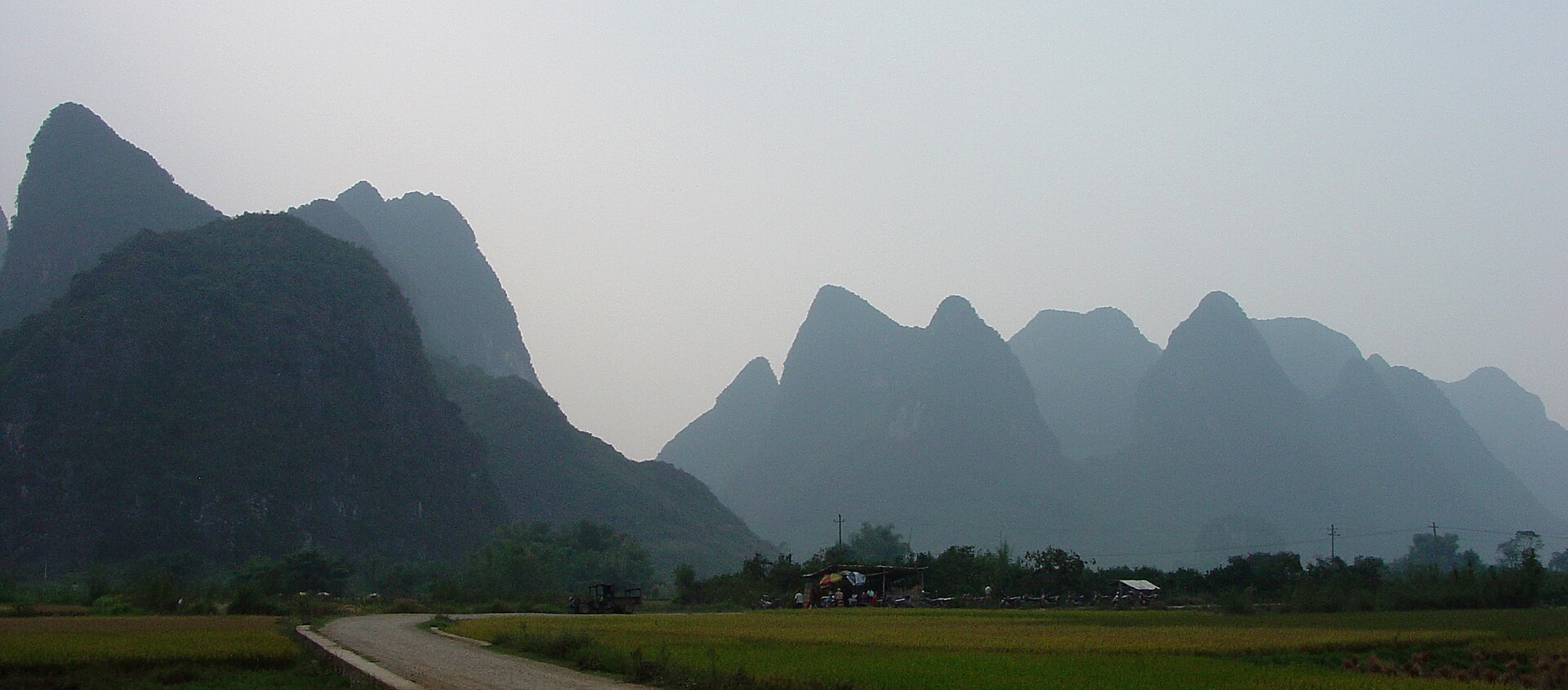
Guilin and Yangshuo remain among the most visually arresting destinations in China — and for good reason. Towering karst peaks rise like ancient sentinels from mist-wrapped rice paddies; the Li River glides past bamboo forests and centuries-old fishing villages; and Yangshuo’s West Street hums with indie cafés, artisan workshops, and sunset bike rides along quiet country lanes. Unlike megacities where pace and scale can overwhelm, this Guangxi region delivers intimacy, authenticity, and photographic magic — without sacrificing modern travel conveniences. In 2026, accessibility has improved significantly: high-speed rail now connects Guilin to Guangzhou (2h 15m), Nanning (1h 40m), and Changsha (3h 20m); new electric ferry routes operate on the Li River with real-time English signage; and all major attractions accept UnionPay, Alipay Tour Pass, and international cards at dedicated counters.

Visa-Free Transit & Entry Logistics (2026 Updates)

Most nationalities qualify for China’s 240-hour visa-free transit policy — valid if entering via Guilin Liangjiang International Airport (KWL) and departing within 10 days to a third country or region (e.g., Vietnam, Thailand, South Korea, or Hong Kong). Note: KWL is one of only 17 airports approved for this program as of 2026, and unlike Shanghai or Beijing, it sees far fewer transit travelers — meaning faster immigration queues and smoother e-gate processing. You’ll need a confirmed onward flight ticket, passport valid for at least 6 months, and proof of accommodation (a hotel booking or WingPhoenix charter confirmation suffices). No pre-approval is required — just present documents at immigration. For longer stays or land-border entries (e.g., from Vietnam), apply for the 10-year multiple-entry L visa online via China’s official visa portal before departure.

Getting Around: From High-Speed Rail to Bamboo Rafts

Guilin and Yangshuo are compact but topographically diverse — making transport choices critical. Here’s what works best in 2026:

  • Guilin ↔ Yangshuo: Take the G-train (departing hourly from Guilin Railway Station or Guilin North) — 28 minutes, ¥49, with English announcements and luggage racks. Avoid unlicensed minivans at the station — they charge ¥120–¥180 and lack insurance.
  • Within Yangshuo: Rent an e-bike (¥35–¥50/day, widely available near Xijie and the Bus Terminal) — ideal for cycling to Moon Hill, Silver Cave, or the Yulong River. All rentals include helmets, maps, and basic Mandarin phrase cards.
  • River transport: The official Li River Cruise (Guilin → Yangshuo, 4h) runs daily year-round in 2026 with enhanced safety protocols: life vests mandatory, bilingual guides (English + Mandarin), and onboard Wi-Fi. Book directly via the Guilin Tourism Bureau website or through WingPhoenix’s AI trip planner to auto-schedule boarding windows and avoid weekend crowds.
  • Charter cars: Pre-booked WingPhoenix chauffeur services (Toyota Camry or BYD Seal 07 EV) start at ¥320/4h, include tolls, parking, and driver English proficiency verified by HSK-4 certification — ideal for families or photography groups visiting remote spots like Caoping Village or the Nine Horse Painting Hill viewpoint.

What to Do & When (2026 Seasonal Notes)

October — when you’re reading this — is arguably the best month to visit. Temperatures hover between 18°C–26°C, humidity drops below 65%, and autumn mist returns to the river valleys — creating that iconic ‘ink-wash painting’ atmosphere. Avoid late July–early September: monsoon rains increase landslide risk on mountain trails and cause frequent cruise cancellations.

Here’s how locals and seasoned travelers structure their time:

Day Morning Afternoon Evening
Day 1 (Guilin) Reed Flute Cave (opens 7:30 AM; book first slot to skip lines) Elephant Trunk Hill Park + Two Rivers & Four Lakes night cruise (starts 7:30 PM) Dinner at Zhuo Yi Café (vegetarian-friendly, English menu)
Day 2 (Guilin → Yangshuo) G-train to Yangshuo; check-in at Riverside Guesthouse Bamboo rafting on Yulong River (from Jima to Wuzhou Bridge, 1.5h) Sunset climb up Moon Hill (last entry 6:00 PM)
Day 3 (Yangshuo) Cycling to Caoping Village (22km round-trip, guided optional) Calligraphy workshop at Yangshuo Art Center (book ahead; includes ink-making demo) Impromptu street performance at West Street (free, nightly 7:30–9:30)

Note: As of May 2026, the Li River Cruise no longer stops at Huangyao Ancient Town due to ecological protection regulations — instead, it includes a 45-minute cultural stop at Xingping Old Town (with free shuttle to the 20-Yuan note viewpoint). Also, all cave sites now require advance reservation via WeChat Mini Program “Guangxi Scenic Booking” — no walk-ins accepted after 9:00 AM.

Food, Connectivity & Practical 2026 Essentials

Yangshuo’s food scene has matured beyond tourist traps. Try beer fish at Tongcheng Restaurant (family-run since 1982, English-speaking owner), or oil tea with glutinous rice balls at local breakfast stalls near the bus terminal (look for blue awnings and steaming copper pots). Vegetarian and halal options are clearly marked: over 60% of Yangshuo’s registered restaurants now display bilingual dietary icons per Guangxi Tourism Board mandate (2025).

For connectivity: China eSIMs work reliably here — especially the WingPhoenix Travel eSIM (4G/LTE, 10GB/30 days, instant activation, covers Guilin/Yangshuo rural hotspots including Yulong River banks and Moon Hill trailheads). Avoid legacy physical SIMs — many rural vendors still sell outdated 2G-only cards.

Other essentials:

  • Cash is rarely needed: Alipay Tour Pass (linked to Visa/Mastercard) works at 98% of vendors, including bamboo raft operators and cave ticket booths.
  • Tap water is not drinkable — but all hotels provide filtered dispensers, and bottled water costs ¥2–¥3 at convenience stores (FamilyMart, Today’s). Carry a reusable bottle — refill stations are now installed at 12 trailheads and 3 piers.
  • No tipping expected — but small gifts (e.g., local honey or postcards) are warmly received by homestay hosts and raft captains.

One final tip: Download the Guilin Tourism Official App (iOS/Android, updated Sept 2026) — it offers offline maps, real-time ferry status, QR-code entry to all state-run attractions, and voice-guided walking tours in English, French, German, and Spanish. And if your schedule shifts last-minute? Our AI trip planner on WingPhoenix instantly recalculates transport links, adjusts booking confirmations, and re-sends updated PDF itineraries — no manual rebooking required.

Ready to explore mist-shrouded peaks and slow-paced riverside life? Build your personalized Guilin–Yangshuo itinerary in under 90 seconds.

Posted on — Leave a comment

Shanghai City Guide: Modern Skyscrapers & Ancient Water Towns

Why Visit Shanghai in 2026?

Shanghai remains China’s most globally familiar city—and for good reason. In 2026, it offers seamless infrastructure for foreign visitors: English signage at all major transport hubs, widespread contactless payments (Alipay Tourist Pass now supports Visa/Mastercard without Chinese bank accounts), and expanded 240-hour visa-free transit eligibility for nationals of 54 countries—including the US, UK, Canada, Australia, and all Schengen states—provided you enter and exit via Shanghai Hongqiao or Pudong International Airports and stay within Jiangsu, Zhejiang, or Shanghai itself. Unlike earlier years, border officers now routinely stamp the 240h permit on arrival without requiring printed hotel bookings or onward tickets—though WingPhoenix recommends keeping your AI-generated itinerary handy as a courtesy.

Getting Around: Metro, Taxi & Charter Cars

Shanghai’s metro is clean, punctual, and covers 20 lines with over 500 stations—more than any other city in the world. Download the official Shanghai Metro Metro+ App (available in English) for real-time maps, QR-coded entry, and live transfer alerts. A single ride costs ¥3–¥10; use Alipay’s ‘Transport’ tab or WeChat Pay’s ‘Transport Code’ to scan in—no physical card needed. For groups or late-night travel, Didi (China’s Uber) works reliably, but note: drivers rarely speak English beyond basic phrases. That’s where WingPhoenix’s charter car service shines: licensed bilingual drivers, fixed pricing, and real-time GPS tracking—all bookable instantly via our platform. Tip: Avoid rush hour (7:30–9:30 am and 5–7 pm) on Line 2 or Line 10—the busiest corridors linking People’s Square, Lujiazui, and Hongqiao.

Must-See Neighborhoods & How to Experience Them

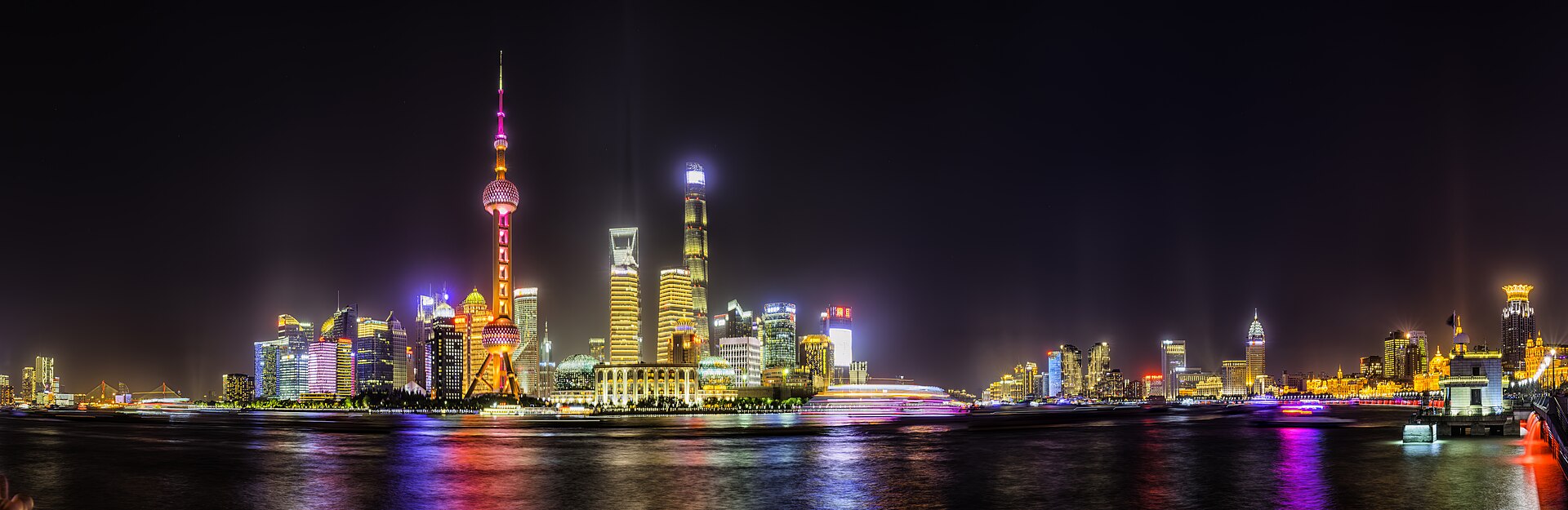
The Bund (Waitan) is non-negotiable. Arrive at sunset (around 5:45 pm in October 2026) to watch neon ignite across Pudong’s skyline. Skip the overpriced river cruises—instead, walk east along Zhonghua Road to find free viewing platforms near the Waibaidu Bridge. From there, cross into Pudong: visit the Shanghai Tower’s observation deck (book online via WeChat Mini Program ‘Shanghai Tower Official’ for ¥180; same-day tickets often sell out by noon). Don’t miss the Cloud Nine Café on the 118th floor—reservations required 48 hours ahead.

For contrast, head west to French Concession. Wander tree-lined Wukang Road and Anfu Road, where 1920s Shikumen architecture houses indie cafés, vintage boutiques, and quiet art studios. The best time? Weekday mornings before 11 am—when local residents stroll and crowds haven’t arrived. End at Yongkang Lu: try Café del Volcán for single-origin Yunnan pour-over and matcha croissants.

Then go ancient—without leaving the municipality. Zhujiajiao Water Town, 1 hour west by metro (Line 17 + shuttle bus), is far less commercialized than nearby Tongli or Zhouzhuang. Enter via the 16th-century Fangsheng Bridge, rent a wooden boat (¥80 for 30 min, negotiable off-season), and stop at Kezhi Garden—a Ming-dynasty scholar’s retreat with koi ponds and moon gates. Pro tip: Buy your ¥60 entrance ticket online via ‘Zhujiajiao Scenic Area’ WeChat Mini Program to skip the line—and bring cash for vendors who don’t accept foreign cards.

Eating Well: From Street Bites to Michelin Stars

Shanghai cuisine (Benbang cai) is sweet, oily, and slow-braised—think drunken chicken, hairy crab (in season Oct–Dec), and xiaolongbao (soup dumplings). For authenticity, avoid Nanjing Road food stalls. Instead:

  • Yi Pin Xiang (Jing’an): ¥35–¥60/person, family-run since 1948—order the braised pork belly with soy egg and pickled mustard greens.
  • Din Tai Fung (Super Brand Mall, Pudong): Reliable xiaolongbao (¥48/10 pcs); English menu, no wait if booked via their app.
  • Jia Jia Tang Bao (Huangpu): Cash-only, open 6 am–3 pm—arrive by 7 am for shortest queue.
  • Ultraviolet by Paul Pairet: 22-course multisensory dining (¥4,200/person); book 3 months ahead via ultravioletbypp.com.

Vegans and halal travelers: Shanghai has grown significantly more inclusive. Green & Safe (multiple locations) offers certified organic vegetarian meals; Halal House (Xuhui) serves Xinjiang lamb skewers and hand-pulled noodles with halal certification visibly posted. All major supermarkets (Ole’, City’Super) label allergens and halal status clearly in English.

Practical 2026 Logistics Table

Item 2026 Detail Notes
eSIM Coverage CMCC 5G nationwide; 10GB plans start at ¥99 (7 days) WingPhoenix eSIM activates instantly upon landing—no SIM swap needed.
High-Speed Rail Access Shanghai Hongqiao Station: 4.5 hrs to Beijing, 2.5 hrs to Hangzhou, 1 hr to Nanjing Book via 12306 app using passport ID—English interface available.
Visa-Free Transit 240 hours (10 days) for 54 nationalities Valid only if entering/exiting Shanghai airports AND staying within Yangtze River Delta.
Public Restrooms Free, clean, and well-signed in metro stations & scenic areas Look for blue-and-white “WC” icons; toilet paper provided in 90% of locations.
AI Trip Planning WingPhoenix AI builds day-by-day Shanghai itineraries in <5 mins Includes real-time metro wait times, vendor opening hours, and rain-adjusted routes.

When to Go & Final Tips

October 2026 is ideal: average highs of 22°C, low humidity, and minimal rain. Avoid National Day Golden Week (Oct 1–7)—even though Shanghai sees fewer domestic crowds than Beijing or Xi’an, metro platforms still enforce timed entry at The Bund and Yu Garden. Pack layers: mornings are cool, afternoons warm, evenings breezy by the Huangpu River.

Carry your passport at all times—it’s required for hotel check-in, high-speed rail boarding, and museum entry (even for foreigners). While facial recognition is used at airports and some hotels, manual ID checks remain standard elsewhere. And remember: Shanghai doesn’t close early. Many bars in Jing’an and Xintiandi serve until 2 am; night markets like Yuyuan Bazaar Night Market (open daily 5–11 pm) offer fresh scallion pancakes, fermented beancurd, and pearl milk tea—just show your Alipay QR code to pay.

Whether you’re photographing neon reflections on the Huangpu, sipping craft beer beside Suzhou Creek, or navigating narrow alleyways in Zhujiajiao, Shanghai rewards curiosity—and preparation. Let WingPhoenix’s AI trip planner help you balance must-sees with hidden gems, then lock in transport, data, and experiences in one tap.

Build your personalized Shanghai itinerary now →

Posted on — Leave a comment

AI Travel Apps in China: Which Ones Work When Google Services Do Not

Most AI travel apps are built and tested in places where Google services load normally. That assumption is the problem. On a China trip, the practical question is not how clever the itinerary suggestions are, but whether the app’s core features still function when its underlying map tiles, geocoding, sign-in and cloud calls are unreachable. This article is about compatibility, not rankings. It covers what to check before you fly, how offline maps and translation apps behave on the ground, and why a paper backup still earns its place in your bag.

Why Google services matter to an app that is not Google

Many travel apps quietly depend on Google for pieces you never see: map rendering, place search, routing, push notifications, account sign-in, crash reporting and payment. When those calls fail, the app may open but show blank maps, spin on a search box, or refuse to log in. Some apps degrade gracefully and fall back to cached data. Others simply break.

Before you rely on any app, read its help pages or release notes for a note on mainland China availability, and look for an explicit offline mode. If the developer does not mention it, assume nothing. You can test the app yourself before departure: turn on aeroplane mode, disable Wi-Fi, and see what still works. That single test tells you more than any feature list. For the wider setup picture, our China travel guide for first-timers covers the basics of getting connected.

Offline maps: the feature that decides everything

An AI itinerary is only useful if you can follow it on the street. Offline maps are therefore the first thing to verify. Check three things: whether you can download a named city or region in advance, whether search works without a connection, and whether walking directions survive in aeroplane mode.

Do the download at home on reliable Wi-Fi, not at the airport. City packs are large, and a failed download mid-transfer is a common and avoidable annoyance. Once downloaded, open the map in aeroplane mode and try to route between two points you know. If it fails, the app is a planning tool, not a navigation tool, and you should treat it that way.

Keep a second, independent map source. Two apps that fail for different reasons are better than two that share the same underlying map provider.

Translation apps and the connection question

Translation is where travellers feel the gap most. Downloadable language packs let a translation app work offline for typed text and, on many phones, for camera text recognition. Spoken conversation is less predictable: speech recognition often needs a live connection, and quality varies by language pair and accent.

A workable routine is to download the Chinese language pack before you travel, test camera translation on a printed menu at home, and keep a small set of screenshots or written phrases for the situations where you cannot afford a failed translation, such as a pharmacy or a ticket counter. Offline translation is good enough for menus and signs; it is not a substitute for a human when the stakes are high.

What to verify before you book anything

Compatibility checks belong in the same list as your visa and your SIM. Work through these in order:

First, confirm your entry paperwork. Rules change, and you should read the current requirements on the official immigration page rather than a summary. Our China visa rules overview explains which official source to check.

Second, decide how you will get data. A local SIM, an eSIM or roaming each behaves differently, and that choice affects which apps can reach their servers. Compare the options in our eSIM versus physical SIM guide before you commit.

Third, test every app in aeroplane mode. Note which features fail, and write down the fallback for each.

Fourth, screenshot the essentials: hotel address in Chinese characters, your booking reference, and the name and address of your first destination. Screenshots work when nothing else does.

Planning tools versus on-the-ground tools

Split your apps into two groups and treat them differently. Planning tools, including most AI itinerary builders, are used at home on a stable connection. They can be excellent there, and their weaknesses only appear later. On-the-ground tools, meaning maps, translation, ride-hailing and ticketing, must work with poor or no connectivity.

For transport, check whether the app you intend to use actually supports foreign passports and foreign cards, and whether it needs a live connection at the moment of boarding. Our guides to train travel and ticketing apps and to the metro systems explain what to confirm with the operator, because policies and app behaviour change and no third-party summary can promise otherwise.

A realistic fallback plan

Assume at least one app will fail on the day you need it. Carry a paper or offline copy of your route between cities, your first hotel’s address in Chinese, and the phone number of your accommodation. Learn to say the name of your hotel and show the written characters to a driver. Keep some cash for the situations where a payment app will not cooperate.

None of this is a reason to skip AI planning tools. It is a reason to stop treating them as infrastructure. Use them to shape the trip, then verify each function they promise against a connection you will not have.

Frequently asked questions

Will my AI travel app work in mainland China?

It depends entirely on which services the app calls and whether it has an offline mode. Open the app in aeroplane mode before you travel and see which features still respond. If maps, search or sign-in fail, plan around them rather than hoping for the best.

Do I need a VPN to use travel apps?

Do not assume any app or service is available or blocked. Rules and technical behaviour change, and using unauthorised tools carries legal risk in some jurisdictions. Check the current position with official sources and your own government’s travel advice before you rely on anything.

Can offline maps really replace a live map?

For walking between known points and for reading street names, usually yes, if you downloaded the right region in advance and tested search offline. For live traffic, real-time transit and last-minute changes, no. Treat offline maps as a backup that often becomes the primary tool.

Is an offline translation app enough for conversations?

For short, simple exchanges it can be. For anything with consequences, such as medical or ticketing discussions, use it to prepare written questions and answers, and ask a staff member or your hotel to help. Typed translation is more reliable than live speech.

What should I check first, the app or my data plan?

The data plan, because it determines what the app can reach. Decide between a local SIM, an eSIM and roaming first, then test your apps under that setup. Testing apps on fast home Wi-Fi tells you very little about how they behave on a Chinese mobile network.

Treat every app as a convenience rather than a guarantee, verify each critical function before you fly, and carry a low-tech copy of the information you cannot afford to lose. That approach survives bad connections, changed policies and the occasional app that simply stops working.

Posted on — Leave a comment

Using AI to Plan Day Trips Around a China Base City

Using AI to plan day trips around a China base city means starting with realism, not fantasy. Many online tools suggest destinations that look close on a map but ignore how long transport actually takes, or whether the last train or bus back leaves before dark. This guide explains how to use AI as a starting point — then verify timing, check transport modes, and build a feasible return window. It covers what matters for day trips: distance by road or rail, typical journey lengths, and how to choose a base city that gives you flexibility without wasting hours in transit.

What makes a good base city for day trips?

A strong base city has frequent, direct transport links to nearby destinations and a metro or bus network that connects easily to stations. Cities like Chengdu, Xi’an, Shanghai, Guangzhou and Hangzhou work well because they sit at hubs of high-speed rail lines and have multiple departure points per hour to common day-trip zones. For example, Chengdu’s East Railway Station sends trains to Leshan (1 hour) and Dujiangyan (45 minutes); Xi’an North Station serves Huashan Mountain (1 hour 10 minutes) and the Terracotta Warriors (35 minutes by express bus). The key is not just proximity, but frequency and reliability — not every small town within 200 km is reachable in a day. Always cross-check against the 12306 booking guide to confirm service patterns.

Transport time: rail, road and river

High-speed rail dominates day-trip planning in eastern and central China. Most journeys under 300 km take between 45 minutes and 1 hour 30 minutes — but add 30–45 minutes for station access, security and boarding. Buses are slower and less predictable: a 120 km trip by coach may take 2.5 hours due to traffic or mountain roads. Ferries matter near coastal or river cities: a Li River cruise from Guilin to Yangshuo takes 4 hours one-way, making it impractical as a true day trip unless you board early and return via bus or train from Yangshuo station. Always allow at least 1.5 hours for return leg buffer — especially if relying on infrequent local buses or rural ferries. For clarity on options, refer to the China ferry travel guide, bus travel guide and high-speed rail guide.

The return window: why it defines feasibility

The return window is the latest time you can leave your destination and still get back to your base city comfortably before midnight. It depends on the last reliable service — not just the timetable, but whether it runs daily, whether connections exist, and how late the metro or night bus runs from the station. In Xi’an, the last metro from the North Station departs at 23:30; in Chongqing, some suburban bus routes stop running after 21:00. If your destination only has one bus back at 18:00, your ‘day trip’ becomes a 10:00–17:30 outing — not a full day. Use the AI trip planner to generate options, then manually verify the final return leg on 12306 or local transport apps.

How AI helps — and where it falls short

AI tools like our AI trip planner can list destinations within a radius, group them by transport mode, and estimate total travel time. But they cannot know if a mountain road is closed for landslides in July, or whether a ferry operator cancels sailings during low-water season on the Li River. They also do not reflect real-world waiting times — for instance, queuing for security at Chengdu East Station can take 20 minutes on weekends. That is why the guide on using AI for itineraries stresses verification: always treat AI output as a hypothesis, not a schedule. Cross-reference with recent traveller reports, official railway updates and local transport maps.

Choosing the right connectivity tool

You need working data to check timetables, translate station names and navigate apps like 12306 or Didi. A reliable eSIM is non-negotiable. Without stable internet, checking live bus departures or scanning QR codes for metro entry becomes impossible. The China eSIM data plan page lists providers tested for consistent coverage in second-tier cities and rural stations. Note that coverage varies: some plans work well in Hangzhou but drop out near Jiuzhaigou Valley — see the Jiuzhaigou Valley guide for context. Also, remember that offline maps rarely update station layouts or exit numbers — so mobile data isn’t just convenient, it’s functional.

When to skip AI and book support instead

AI works best when you’re confident reading timetables, handling language gaps and adapting to delays. If your priority is certainty — especially with tight return windows, complex transfers or destinations requiring permits (e.g., Tibet or certain border zones) — consider verified support. The private car & driver service includes pre-vetted drivers who know local road conditions and alternative routes. Similarly, the China tours & packages section lists small-group day trips with fixed return times and English-speaking guides — useful if you want to visit Huashan or Zhangjiajie without calculating cable car queues or last-bus timing.

Frequently asked questions

Can I use AI to plan a day trip from Beijing to the Great Wall?

Yes, but only as a first step. AI may suggest Mutianyu (70 minutes by car) or Badaling (1 hour by train + shuttle), but it won’t tell you that weekend traffic adds 40 minutes to road time, or that the last S2 train from Badaling departs at 21:00. Verify using the China metro guide and official Beijing Transport app.

Do all high-speed trains run daily?

No. Some G-series trains between smaller cities operate only on weekdays or during peak season. Check the exact date on 12306 before assuming frequency — the 12306 step-by-step guide shows how to filter by date and train type.

Is it possible to do a day trip to Lhasa from Chengdu?

No. The train takes over 30 hours; flights require permits and have limited slots. Lhasa is not a day-trip destination — see the Tibet Travel Guide for realistic planning.

How much time should I allow between arriving at a station and catching a local bus?

At least 25 minutes in major cities (e.g., Xi’an North, Shanghai Hongqiao), 40 minutes in less-connected hubs (e.g., Kunming South). Stations vary widely in size and signage — the China metro guide explains wayfinding tactics.

Does the AI trip planner include ferry or bus options?

It lists them, but does not rank by reliability or seasonal availability. For ferries, consult the China ferry travel guide; for buses, use the bus travel guide.

Can I use WeChat Pay to buy bus tickets in smaller cities?

Not consistently. Many county-level bus stations only accept cash or Alipay — and even then, only via local accounts. The cashless travel guide details where digital payments work reliably.

Plan day trips by transport reality, not geography alone. Start with your base city, map its rail and road connections, fix your return window first, then fill in the middle — and always verify timing before committing.

Posted on — Leave a comment

AI Travel Planners in Chinese: Do They Understand China?

AI travel planners are increasingly used for China trips, but their handling of Chinese language support remains inconsistent. They often misread local naming conventions, fail to recognise metro station variants or confuse transport modes — especially when users rely on English translations instead of Mandarin prompts. This is not a problem of translation quality alone, but of contextual understanding: whether the AI grasps that “Beijing South” refers to a high-speed rail hub, not a district; that “Xizhimen” may appear as “Xi Zhi Men”, “Xizhi Men”, or “Xizhimen Station” across maps and signage; or that “Dongzhimen” and “Dongzhimen Bus Hub” serve different functions despite identical base names. The gap widens when planning beyond Tier-1 cities — think Jiuzhaigou Valley or Lhasa — where transliterations vary, infrastructure is less digitised, and official sources use tightly controlled terminology. Relying solely on AI output without verification risks misaligned transport connections, missed entry points, or even invalid itinerary segments.

Chinese place names: romanisation vs. local usage

Most AI tools accept English input and return English output, but this creates friction at the point of execution. For example, “Guilin Railway Station” is correct in English, but the official name used on 12306, station signs and ticket kiosks is “桂林站” (Guìlín Zhàn). Similarly, “Yangshuo West Street” appears as “西街” (Xī Jiē) locally — and many navigation apps will only find it if searched using that exact term. Tools like the AI trip planner can generate routes using either input, but accuracy improves markedly when users enter pinyin without spaces or tone marks — e.g., “guilin zhan”, not “Guilin Railway Station”. That matches how Chinese-language interfaces parse queries. It also avoids confusion with similarly named stations: “Guilin North” (桂林北站) and “Guilin West” (桂林西站) serve different lines and destinations, and mixing them up breaks onward connections. Always cross-check station names against the 12306 step-by-step guide.

Metro systems: inconsistent naming across cities

China’s metro networks use overlapping naming logic — but inconsistently. In Shanghai, stations are typically “Line X + Name”, e.g., “Line 2 East Nanjing Road”; in Beijing, it’s “Name + Line X”, e.g., “Xizhimen Line 2”. Some cities add directional qualifiers (“North”, “South”) only in certain contexts. An AI planner might list “Shanghai Metro Line 10 Hongqiao Railway Station” as a transfer point — but the actual station sign reads “Hongqiao Railway Station (Lines 2, 10, 17)”. If the tool treats “Hongqiao Railway Station” as exclusive to Line 10, it misleads users about platform access. The China Metro Guide 2026 documents these variations city by city. When prompting an AI, use full compound names where possible — e.g., “Shanghai Hongqiao Railway Station” rather than “Hongqiao Station” — and always verify transfer logic against that guide.

Transport terminology: “bus”, “coach”, “shuttle”, “intercity”

AI models trained on global data often flatten Chinese transport categories. A “long-distance bus” from Chengdu to Leshan may be labelled “coach” or “shuttle” in output, though neither term reflects how tickets are sold or how schedules are published. On official platforms like the China Bus Travel Guide, departures are listed under “intercity buses” (市际班车), with terminals named precisely — e.g., “Chengdu Xinnanmen Bus Station”, not “Chengdu South Bus Terminal”. Likewise, “airport shuttle” may refer to metro Line 19 in Guangzhou, a dedicated bus service in Hangzhou, or a WeChat Pay–booked minibus in Xi’an. Without specifying city and mode, AI-generated advice lacks operational value. Use Mandarin prompts like “guangzhou baiyun airport metro line 19” to narrow scope — then check against local transit maps.

Local naming in rural and ethnic regions

The challenge intensifies outside major urban centres. In Tibet, “Lhasa” is standard, but “Nyingchi” may appear as “Linzhi” in older PRC transliteration, and road signs sometimes mix Tibetan script with pinyin. In Yunnan, “Dali Ancient Town” is universally understood, but its official administrative name is “Dali Town, Dali City”, and nearby transport hubs carry names like “Dali Coach Station” or “Dali West Bus Station” — with no consistent logic. The Tibet Travel Guide 2026 notes that even government-issued permits use formal nomenclature that differs from colloquial usage. AI tools rarely reflect this layering. When planning multi-stop routes — say, Chengdu → Lijiang → Kunming — avoid relying on AI-suggested stop names. Instead, pull station and terminal names directly from the 7-Day Yunnan Sichuan Route itinerary, which cites verified local sources.

How to prompt effectively in Mandarin

Start simple: use pinyin without tone marks or spaces, and include functional terms. Instead of “how do I get from Beijing airport to Forbidden City?”, try “beijing capital airport to tiananmen guangchang by subway”. Avoid English modifiers like “near”, “close to”, or “next to” — AI may interpret them literally and suggest irrelevant stops. For metro transfers, name both lines: “shanghai metro line 2 to line 10 at nanjing dong lu”. Where possible, add the Chinese character if you know it — e.g., “guilin zhan (桂林站)”. Tools such as the AI trip planner accept mixed input, and character inclusion often improves parsing. But never assume the output is final: always validate station codes, line numbers and operating hours against official channels like 12306 or city metro apps.

Why verification matters more than language fluency

An AI may produce grammatically sound Mandarin prompts and even cite correct station names — yet still recommend a route that no longer exists. Line 16 in Hangzhou opened in 2022, but some models still treat it as under construction. The 5 Days in Hangzhou guide lists current metro coverage, including interchange points added after 2023. Similarly, ferry services on the Li River were suspended during 2023 floods and reinstated only in mid-2024 — the Li River Cruise Guide reflects that update. Language support alone does not guarantee temporal accuracy. Use AI for structure and initial suggestions, then replace every transport leg, opening time and access point with data from verified, up-to-date pages — especially those covering using AI for a China travel itinerary without invented opening hours.

Frequently asked questions

Do AI travel planners understand Chinese characters?

Some do, but reliability varies. Inputting “北京南站” may yield better results than “Beijing South Station”, but output formatting — e.g., mixing simplified and traditional characters, or omitting tone marks in pinyin — remains inconsistent. Always check station names against official signage or 12306.

Can I use Mandarin prompts with English-language AI tools?

Yes, most accept mixed input. However, avoid switching languages mid-sentence. Use full pinyin phrases like “shanghai hongqiao huochezhan” rather than “Shanghai Hongqiao Railway Station”, and verify outputs against local sources.

Why do AI planners get metro transfers wrong in Chinese cities?

Because station names and line structures differ by city, and AI models often apply generic logic. Beijing’s “Xizhimen” serves Lines 2, 4 and 13, but some tools list only Line 2. Cross-reference with the China Metro Guide 2026.

Does Chinese language support help with train ticket booking?

Not directly. Booking requires the official 12306 platform or authorised agents. Language support helps interpret station names, but actual purchase must follow the 12306 step-by-step guide.

Are there AI tools built specifically for Chinese transport data?

No widely available public tools integrate live 12306 or metro API feeds. Most rely on static training data. For real-time accuracy, use official apps — or consider private car & driver or China tours & packages with on-the-ground coordination.

What should I use for internet access while verifying AI outputs on the ground?

A reliable China eSIM data plan ensures constant access to 12306, metro maps and station announcements. Physical SIMs often lack seamless activation; eSIMs avoid airport counter delays — see the China eSIM Setup Guide.

AI travel planners are useful starting points, but their Chinese language support does not eliminate the need for verification. Local naming, metro logic and transport terminology require human-level contextual awareness — something no current model replicates fully. Use Mandarin prompts to improve input precision, then replace every AI-suggested detail with information from authoritative, updated sources.

Posted on — Leave a comment

Using AI to Build a Photography Route in China

Building a China photography route with AI is possible, but it is only the first step. Tools like the AI trip planner can suggest sequences of locations, estimate travel times between them, and even flag approximate golden hour windows based on latitude and season. What they cannot do—and must not be asked to do—is confirm whether a viewpoint is open, whether a permit is required, or whether local weather patterns will clear by 5:42 a.m. on 12 October. This gap between suggestion and reality is where most photographers misstep. The aim here is not to replace field knowledge with automation, but to use AI as a scaffold for verification—starting from shot timing, then checking access, then adjusting.

Start with seasons—not scenery

China’s visual character shifts sharply across seasons. A mist-laced Li River in April looks nothing like the same stretch under autumn’s low sun in late October. If your goal is golden hour light over karst peaks, late September to early November offers the clearest skies and longest shadows in Guilin and Yangshuo. For fall foliage, mid-October is often optimal in Jiuzhaigou Valley—but that overlaps with China’s National Day holiday crowds, which can block key viewpoints. Check the China Fall Foliage Guide 2026 for regional timing, and cross-reference with the Festival and Weather Calendar to avoid closures or congestion. Never assume “best time” means “open time”: some mountain trails in Zhangjiajie close for maintenance each November, regardless of leaf colour.

Golden hour isn’t fixed—it’s local and conditional

Sunrise and sunset times shift daily, and cloud cover or haze can erase golden hour entirely. In Lhasa, altitude extends twilight, but air quality may mute warm tones. In Shanghai, river reflections at dawn are strong in March but often obscured by fog in December. Use apps like PhotoPills or Sun Surveyor to calculate exact azimuth and elevation for your target date—but test those calculations against real-time forecasts two days before departure. Also note that many protected areas (e.g., Jiuzhaigou Valley) enforce strict entry windows; arriving at 5:50 a.m. for sunrise may mean you’re turned away if gates open at 6:30 a.m. Always verify opening hours on the official park website, not AI outputs.

Viewpoints need access—not just coordinates

An AI may output “viewpoint at Tiger Leaping Gorge, 28°15’N, 100°05’E”. That tells you nothing about road access. The upper trail to the gorge is closed to independent hikers without a licensed guide—and the lower trail requires a separate entrance ticket purchased in advance. Similarly, the viewing platform near the Chengdu Panda Base’s outdoor enclosures is accessible only during specific morning hours, and queues form early. Check the Chengdu & the Giant Panda Base page for current access rules, and always assume infrastructure changes: roads get rerouted, platforms get renovated, and new restrictions appear without global notice. When in doubt, contact the site directly—or book through a service like private car & driver, where local operators confirm access daily.

Permits aren’t optional—they’re gatekeepers

Tibet remains the clearest example: no foreign passport holder enters Lhasa without both a Tibet Travel Permit and a valid Chinese visa, plus coordination through a registered agency. But permits apply elsewhere too. Jiuzhaigou Valley requires online reservation for all visitors, including domestic tourists—and foreign nationals must register their passports with the provincial tourism bureau before entry. Even parts of Xinjiang and Inner Mongolia have temporary access controls tied to security assessments. The Tibet Travel Guide 2026 outlines the process, but remember: permit lead times vary, and approvals depend on itinerary consistency. An AI-generated route jumping from Lhasa to Kashgar in three days will likely fail scrutiny. Use premium customised trips if your photography plan includes sensitive zones—you’ll get permit support baked in.

Connectivity determines what you can verify on-site

You’ll need mobile data to check real-time gate status, load updated maps, or message local guides. Relying on hotel Wi-Fi or airport SIMs rarely works once you leave urban centres. A reliable eSIM is non-negotiable—not for social media, but for operational verification. Compare plans using the China eSIM data plan guide, paying attention to coverage maps for remote regions like western Sichuan or northern Yunnan. Note that some eSIMs work in Guangzhou but drop out near the Tibetan border—even if the map says otherwise. Test signal strength at least once before committing to a location-dependent shoot. Also see Internet Access in China: Wi-Fi, eSIM and Roaming Explained for fallback options.

Build the route, then rebuild it around constraints

Begin with an AI tool like the AI Travel Itinerary Generator, specifying “photography”, “golden hour priority”, and your target dates. Export the draft, then go line by line: for each location, ask: Is this open on my date? Do I need a permit? Can I reach it at that hour? Is transport available? Does the site allow tripods or drones? Cross-check each answer against official sources—not blogs or forums. If discrepancies arise, adjust timing or substitute locations. Yangshuo’s Xingping Pier may be ideal for Li River reflections, but if rain is forecast, pivot to the covered studios in nearby Fuli village—where light is controllable and permits aren’t needed. Flexibility built into the plan saves more time than any algorithm.

Frequently asked questions

Can AI tell me the exact golden hour time for a specific spot in Zhangjiajie?

No. AI tools can estimate sunrise/sunset based on coordinates, but they cannot account for micro-topography—valley depth, cliff orientation or seasonal haze. Use dedicated sun calculator apps, then verify visibility forecasts via China Meteorological Administration websites or local guides.

Do I need a permit to photograph in Chengdu’s Jinli Ancient Street?

No permit is required for personal photography in public areas like Jinli Ancient Street. However, commercial shoots—including tripod use or models—require prior approval from the management office. Check the Chengdu City Guide 2026 for current signage and enforcement patterns.

Is it safe to rely on AI-generated transport times between Guilin and Yangshuo?

Not without verification. AI may suggest a 45-minute bus ride, but roadworks or holiday traffic can double that. Confirm current schedules via the official 12306 train booking guide or local bus station boards—and allow at least 90 minutes buffer for rural routes.

Can I use my home-country VPN to check permit status while in China?

Most consumer VPNs fail reliably inside China. Instead, use verified alternatives: the Internet Access in China guide lists tested options, and some eSIM providers include built-in secure tunnels. Never assume your usual service will function.

Does the AI itinerary generator include metro or bus access details for photography spots?

It may list station names, but not real-time frequency, last-train times or exit numbers leading to viewpoints. For accurate transit logistics, consult the China Metro Guide 2026 and cross-reference with local maps updated within the past month.

Are drone permits handled the same way across all provinces?

No. Drone use is regulated at provincial level. In Yunnan, you must file flight plans 24 hours ahead via the civil aviation authority portal. In Beijing, drones are banned within 5 km of Tian’anmen—no exceptions. Always check the local civil aviation bureau site, not national policy summaries.

Photography in China rewards preparation more than gear. An AI can draft the skeleton of a route, but only ground-level verification—of permits, access, light and connectivity—turns it into something usable. Start with the Destination guides, anchor your plan in confirmed logistics, and treat every AI suggestion as a hypothesis to test—not a promise to follow.