投稿日: — コメントを残す

Chongqing City Guide: Hotpot, Hills & 2026 Travel Tips

Why Visit Chongqing in 2026?

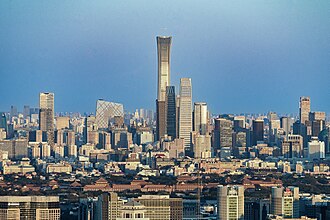
Chongqing isn’t just another Chinese metropolis — it’s a vertically layered, fog-draped megacity of 32 million people built across steep gorges and Yangtze tributaries. In 2026, it remains one of the most photogenic, flavorful, and logistically accessible destinations for foreign travelers — especially those entering under China’s 240-hour visa-free transit policy. With direct international flights from Frankfurt, Seoul, Tokyo, Bangkok, Singapore, and Dubai (and growing connections from Istanbul and Doha), Chongqing is now a top-tier stopover city — not just a domestic transfer hub. Its compact core (Yuzhong District) packs ancient temples, neon-lit cliffside streets, world-famous hotpot, and metro lines that plunge 100 meters underground — all within walking distance of the main transit hotels near Lianglukou or Jiefangbei.

Getting In & Around: Transport That Works in 2026

Chongqing’s airport — Chongqing Jiangbei International Airport (CKG) — has two terminals connected by a free automated people mover (5 min). Immigration queues for 240-hour transit are consistently under 25 minutes during weekday mornings (7–10 a.m.), thanks to dedicated lanes for eligible nationalities (including U.S., UK, Canada, Australia, Schengen, Japan, South Korea, Singapore, UAE, and more). Be sure your onward flight departs from any mainland China airport (e.g., Chengdu, Kunming, Xi’an, or even Chongqing itself) — no need to exit China first.

Once inside, skip ride-hailing apps like Didi that require Chinese bank cards or WeChat Pay registration. Instead, use WingPhoenix’s pre-booked charter car service: English-speaking drivers meet you at arrivals with name signs, fixed pricing (no surge), and real-time GPS tracking. For inner-city travel, Chongqing Metro is clean, punctual, and fully English-signposted — Line 6 (blue) and Line 2 (red) cover 90% of tourist needs. Note: Avoid rush hour (7:30–9:00 a.m. and 5:00–7:00 p.m.) — escalators on Line 2’s ‘staircase stations’ (like Liziba) get crowded fast.

Eating Like a Local: Beyond the Hype of Hotpot

Yes — you’ll eat hotpot. But Chongqing hotpot in 2026 isn’t just spice theater: it’s ritual. Authentic spots like Qiaokou Lao Ba Hotpot (Jiefangbei branch) use 18-hour-simmered bone broth, hand-cut beef tripe, and fermented chili paste (la jiao jiang) made in-house. Order mala (numbing-spicy) base, then add duck blood curd, lotus root, and fresh goose intestine — but pace yourself: the heat builds. Vegetarians can try su hotpot (vegetable-only broth) at Shanxiang Su Shi near Ciqikou Old Town.

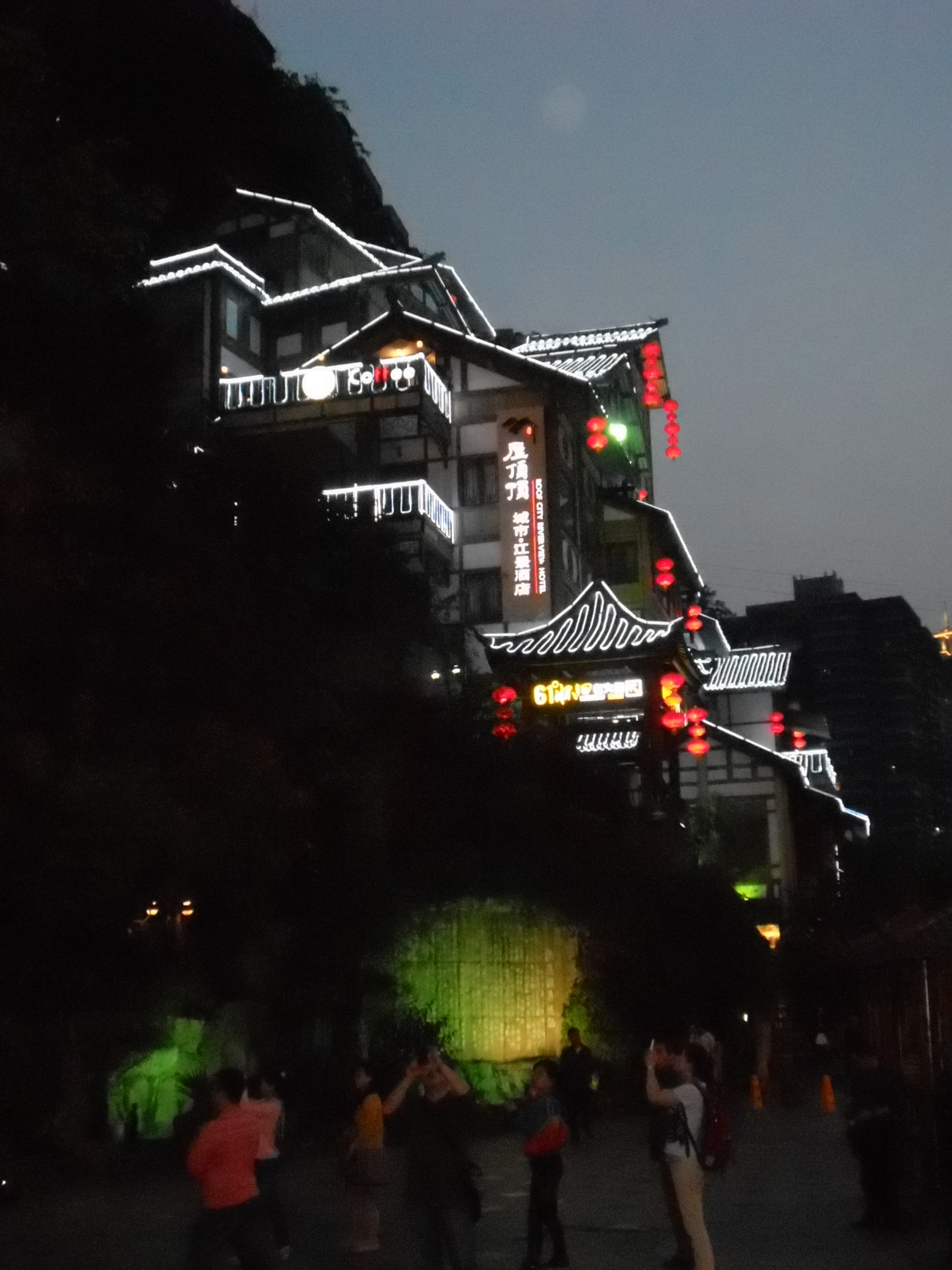
Don’t miss street eats: Chongqing Xiao Mian (spicy dan dan noodles) at Laomendong Night Market, grilled squid skewers on Nanbin Road at sunset, and 冰粉(ビンフェン) (jelly-like sweet dessert) sold from retro tricycles near Hongyadong. All cost ¥12–¥28 (USD $1.70–$4). Tap water is non-potable; buy sealed mineral water (Nongfu Spring or Evian) — available everywhere.

Where to Stay: 3 Zones for Different Travel Styles

Your hotel choice shapes your Chongqing experience — literally. The city’s elevation shifts up to 400 meters between districts. Here’s how to pick:

  • Jiefangbei/Lianglukou: Best for first-timers. Central, walkable, metro-connected. Try The Langham Chongqing (luxury, river views) or Yunzhi Hostel (budget, rooftop terrace, English staff).
  • Ciqikou: Historic charm, quieter, hillier. Ideal for culture-focused stays. Book Chongqing Ancient Town Guesthouse — family-run, courtyard rooms, free tea service.
  • Nanbin Road: Riverside serenity with skyline views. Fewer crowds, easy taxi access. Hilton Chongqing South offers panoramic balconies and shuttle to Jiefangbei.

Avoid hotels outside these three zones unless you have a private driver — public transit becomes sparse after 10 p.m., and night walks on unlit slopes aren’t advised.

What to Do: A Realistic 3-Day Itinerary (2026 Edition)

You don’t need 5 days in Chongqing — 3 well-paced days deliver depth. This route avoids over-touristed photo traps and respects local rhythms (e.g., temples close early; markets wind down by 6 p.m.). All locations are within 30 minutes of each other via metro or short charter car.

日目 Morning (9–12) Afternoon (2–5) Evening (7–9)
1日目 Jiefangbei Pedestrian Zone + People’s Liberation Monument Chongqing Art Museum (free entry, English audio guide) Dinner at Qiaokou Lao Ba Hotpot + night walk through Hongyadong
2日目 Ciqikou Old Town (arrive before 10 a.m. to avoid crowds) Three Gorges Museum (book free timed entry online via WeChat mini-program “Chongqing Culture” — English interface available) Sunset drinks at Lantern Bar (rooftop, river view, no cover)
3日目 Wulong Karst National Park day trip (book via WingPhoenix charter car — includes English guide, packed lunch, and priority entrance) Return by 5 p.m.; rest or explore Nanbin Road park Farewell dinner at Xiao Long Kan (famous for spicy crayfish & craft beer)

Pro tip: Skip the ‘Ghost City’ Fengdu side trip — it’s 3 hours each way and rarely worth the time unless you’re deeply into Taoist folklore. Wulong offers better geology, fewer crowds, and qualifies as a ‘real’ China experience — not theme-park reenactment.

Safety, Connectivity & Smart Planning for 2026

Chongqing is exceptionally safe: petty theft is rare, police presence is visible but unobtrusive, and emergency numbers (110 for police, 120 for medical) work reliably — call from any phone, even without SIM registration. Wi-Fi is widely available in hotels, malls, and metro stations, but don’t rely on it for navigation. Use an eSIM from WingPhoenix — all 2026 plans include 5G coverage across Chongqing’s urban core and major attractions (Wulong included). Avoid local SIMs unless you speak Mandarin — activation requires ID verification in person at China Unicom stores, often with long waits.

For itinerary building, our AIトリッププランナー lets you input arrival/departure times, dietary preferences (e.g., “no pork,” “vegetarian-friendly”), mobility needs (“no stairs”), and preferred pace (“leisurely” or “active”). It cross-checks 2026 opening hours, metro disruptions, and weather forecasts — then outputs a printable PDF with maps, contact numbers, and QR codes for museum bookings. You can also use AI to plan a photography-focused variant — e.g., “golden hour shots at Liziba Station + foggy river panoramas.”

One final note: Chongqing’s humidity averages 78% year-round. Pack quick-dry clothing, waterproof shoes (cobblestones get slick), and a compact umbrella — even in October. And yes — it rains sideways sometimes. That’s part of the charm.

Ready to build your Chongqing itinerary — optimized for 2026 logistics, 240-hour transit rules, and real-world pacing? Start planning with WingPhoenix’s free AI trip planner now.

投稿日: — コメントを残す

AI旅行プランナーを活用した中国複数都市間ルートの作成

Using an AI trip planner for a multi-city China route can speed up early-stage planning, especially when juggling four to six cities across different provinces. It helps test combinations of base cities, estimate transit legs between them, and flag obvious mismatches—like trying to fit Xi’an’s Terracotta Army, Chengdu’s panda base and Jiuzhaigou Valley into three days without overnight travel. But AI does not know real-time train availability, airport slot constraints, or whether a museum closes on Mondays. Its value lies in structure, not authority. You still need to cross-check every leg manually—and that starts with understanding where the tool works, and where it overreaches.

How AI handles multi-city China itinerary sequencing

AI trip planners group destinations by geography and transport links, then suggest logical sequences—for example, Shanghai → Hangzhou → Huangshan → Nanjing, because high-speed rail connects them in under two hours each. It may propose Guangzhou → Shenzhen → Zhuhai as a Pearl River Delta loop, or Chengdu → Lijiang → Kunming for a Yunnan–Sichuan arc. But it rarely accounts for visa-free transit windows, altitude adjustments (e.g., flying straight into Lhasa), or seasonal closures like Jiuzhaigou Valley, which shuts for winter maintenance. Always verify the suggested order against actual rail timetables using the official 12306 app or third-party tools, and confirm whether your passport qualifies for 240-hour visa-free transit.

Rail versus flight: what AI gets right (and wrong)

For distances under 800 km—say, Beijing to Tianjin, or Xi’an to Chengdu—AI usually defaults to high-speed rail, which is accurate. It knows G-trains run hourly and take under four hours. But for longer legs, such as Chongqing to Urumqi (over 3,000 km), some tools wrongly prioritise flights while ignoring sleeper trains or regional airfare volatility. AI also overlooks baggage logistics: checked luggage on domestic flights adds 90 minutes minimum at Chinese airports; rail requires no check-in. Cross-reference flight times via CAAC or airline sites, and compare against China train travel guidelines. If your AI planner suggests a 7 a.m. flight from Kunming to Lhasa, remember Tibet entry requires permits—and those take weeks. That leg needs manual override.

Base cities: why AI picks them—and when to ignore it

An AI trip planner often selects “base cities” to minimise backtracking: Shanghai for Jiangsu/Zhejiang, Chengdu for Sichuan/Yunnan, Guangzhou for Guangdong/Guangxi. This makes sense for ground transport efficiency. But it fails where infrastructure is thin—like using Kunming as a base for both Dali and Shangri-La, when road conditions or bus frequency make day trips impractical. Also, base city logic assumes you’ll stay multiple nights. If your AI plan puts you in Xi’an for one night before heading to Pingyao, ask: is that enough time to see the city wall *and* the Muslim Quarter? Check 西安の屋台グルメガイド for realistic pacing. Base cities should serve your rhythm—not just the algorithm’s shortest path.

Where AI over-stuffs days—and how to fix it

Multi-city AI outputs commonly compress sightseeing into unrealistic windows: “Morning at Chengdu Panda Base, afternoon flight to Guilin, evening Li River cruise.” In practice, that ignores permit processing for pandas, airport transfer time, and the fact that most Li River cruises depart only once daily at 9 a.m. AI doesn’t factor in lunch breaks, queue times, or the 30-minute walk from Guilin station to the dock. Use Li River cruise guidance to confirm departure slots, and Chengdu Panda Base details to understand timed-entry booking. When AI suggests more than two major activities per day outside metro areas, cut one—or add a half-day buffer.

Internet access: why AI plans assume connectivity—and you shouldn’t

Most AI trip planners assume real-time navigation, QR code payments and live map updates. But in rural Gansu or western Yunnan, mobile data drops out. Even in cities, WeChat Pay and Alipay require verified Chinese bank accounts or linked foreign cards—which many tourists don’t set up until arrival. An offline-capable eSIM is essential. Compare plans using 中国eSIMデータプラン coverage maps, and read インターネット接続ガイド for Wi-Fi reliability notes. Never rely on AI-suggested apps unless you’ve tested their offline functions first.

Verification steps after generating your AI plan

まずは AIトリッププランナー to draft a skeleton. Then:
– Book train tickets using 12306 step-by-step instructions, especially if holding a foreign passport.
– Confirm flight times directly with airlines—not through aggregators—since Chinese domestic carriers change schedules without notice.
– Check museum and attraction opening days: many close Mondays, including the Shanghai Museum and Shaanxi History Museum.
– For complex routes involving Tibet or Xinjiang, consult チベット旅行ガイド or local agencies—AI cannot process permit rules.
– If your plan includes private transfers, consider private car & driver services to avoid missed connections.

よくある質問

Can AI handle China’s 240-hour visa-free transit rules?

No. Visa-free transit eligibility depends on nationality, entry port, and connecting flight documentation—not itinerary logic. Verify your status using the official 240-Hour Checklist.

Does the AI trip planner include metro directions inside cities?

It may list stations but won’t reflect real-time line closures or transfer walking times. Use the 中国地下鉄ガイド for up-to-date signage tips and app recommendations.

Can I use AI to plan halal or vegetarian meals across cities?

AI identifies generic restaurant types but cannot verify current menus, ingredient sourcing or kitchen segregation. Refer to the Halal and Vegetarian Food in China guide for verified listings by city.

Will AI suggest cashless payment options like WeChat Pay?

It may mention them, but won’t explain setup barriers for foreigners. See the 中国キャッシュレス旅行ガイド for working alternatives and fallback methods.

Does the AI account for China’s October weather patterns?

It does not adjust for regional variation—e.g., crisp dry air in Beijing versus lingering humidity in Guangzhou. Consult the 10月の中国ガイド for packing and activity advice.

Can AI generate a fully customised private tour with guides and drivers?

No—it produces templates only. For tailored service, use Premium customised trips または China tours & packages with human itinerary support.

AI trip planning is a starting point, not a finish line. It helps sketch the shape of a multi-city China itinerary—but only your own checks on transit legs, base city viability and daily pacing turn that sketch into a workable route.

投稿日: — コメントを残す

春の婺源:徽州の村々を巡るルートの計画

Wuyuan sits in Jiangxi province, where Huizhou architecture meets rolling hills and seasonal fields. Its spring appeal centres on the rapeseed flowers — bright yellow blooms that carpet terraced slopes between late March and mid-April. A well-planned Wuyuan itinerary treats it not as a single stop but as part of a broader Huizhou cultural loop, often paired with Huangshan (Yellow Mountain) in neighbouring Anhui. This requires attention to seasonal timing, road conditions, local transport options and how much time to allocate across villages like Likeng, Sizhou and Huangling. It also means checking connectivity: mobile data is essential for navigation and ticketing, especially outside major towns.

When to go: the rapeseed flower window

The peak bloom for rapeseed flowers in Wuyuan typically runs from late March to mid-April. Exact timing varies yearly depending on temperature and rainfall. Early March may show only scattered patches; by late April, most fields have been harvested. For 2026, monitor local weather forecasts and agricultural reports in early March — some village tourism offices post weekly bloom updates online. Do not rely on fixed calendar dates. If your trip falls outside this window, Wuyuan remains worth visiting for its preserved Huizhou villages and tea plantations, but the visual impact changes significantly. The Where to Go in China by Month guide includes regional bloom calendars that help cross-reference other spring destinations.

Selecting villages: Likeng, Sizhou and Huangling

Wuyuan’s core villages differ in scale, access and character. Likeng is compact and walkable, with stone bridges and narrow lanes ideal for photography at dawn. Sizhou offers more open views and less foot traffic, though fewer restored dwellings. Huangling is the most developed for visitors: its “sky terrace” rice-drying racks double as vantage points over flower fields, but it charges an entrance fee and sees heavy coach traffic during peak weeks. None are open 24/7 — opening hours shift seasonally and are rarely published in English. Always verify current access via official WeChat accounts or local guesthouse operators before arrival. Avoid assuming all villages operate on identical schedules.

Getting there: trains, buses and private cars

There is no direct high-speed rail station in Wuyuan county. Most travellers reach it via transfer: take a G-train to Jiujiang or Huangshan North, then switch to a local bus or hire a car. The 中国バス旅行ガイド2026年版 outlines intercity bus frequencies and ticketing methods, including use of the ‘Bus365’ app — though foreign cards are rarely accepted. For flexibility across villages, a private car with driver is common. The Private car & driver service covers Wuyuan–Huangshan routes and includes English-speaking drivers familiar with rural roads. Trains require advance booking: check How to Book Train Tickets in China for passport-based reservations and ID verification steps.

Linking to Huangshan: timing and logistics

Huangshan is 2–3 hours away by road from central Wuyuan villages. Many combine them into a 3–4 day loop: Huangshan summit (1–2 days), then descend to Tangkou town, drive to Wuyuan (2 hours), spend one full day cycling or walking between villages, and exit via Huangshan North station. This avoids backtracking through Jiujiang. Note that Huangshan’s cable cars and hiking trails have separate operating windows — they close in high winds or fog, which occur frequently in spring. Check real-time conditions via the official Huangshan scenic area WeChat account before departure. Do not assume fixed daily opening hours apply year-round.

Staying connected and paying locally

Mobile coverage in Wuyuan’s rural areas is patchy. Even if your home carrier offers roaming, signal drops near mountain passes or inside older village lanes. A local eSIM is strongly advised. The 中国eSIMデータプラン works offline after activation and supports map downloads — critical when Google Maps is unavailable. Also confirm whether your chosen eSIM includes mainland-only or Greater China coverage, especially if continuing to Hong Kong or Macau. For payments, WeChat Pay and Alipay dominate. Cash is accepted in small guesthouses but rarely in ticket booths or tour services. See the 中国キャッシュレス旅行ガイド for setup steps using foreign bank cards.

Building your route: AI tools and manual checks

An AI-generated Wuyuan itinerary can outline a logical sequence of villages, estimated travel times and meal stops — but it cannot confirm whether a specific temple courtyard is closed for renovation or whether a shuttle bus runs on Tuesdays. Use the AIトリッププランナー to draft a base route, then cross-check each segment against recent traveller reports on Chinese platforms like Xiaohongshu or Dianping. For deeper customisation — such as arranging a tea-picking activity in Jiangwan or securing a homestay with breakfast included — the Premium customised trips service connects you with local coordinators who verify availability in real time. Never treat AI output as final without independent verification.

よくある質問

Is Wuyuan accessible by high-speed train?

No. The nearest high-speed rail stations are Huangshan North (in Anhui) and Jiujiang (in Jiangxi). Both require onward transport by bus or private car. Check current connections via the 『2026年中国高速鉄道ガイド』.

Do I need a visa to visit Wuyuan if arriving via Huangshan North station?

Yes, unless you qualify for the 240-hour visa-free transit policy. Eligibility depends on your nationality, port of entry and connecting flight details. Review the 240-Hour Visa-Free Guide 2026 to confirm requirements.

Can I use my foreign credit card for transport or tickets in Wuyuan?

Rarely. Most bus counters, village entrances and private drivers accept only WeChat Pay, Alipay or cash. Set up digital wallets before arrival using the 中国キャッシュレス旅行ガイド.

Are English signs or guides available in Wuyuan villages?

Limited. Some major sites like Huangling have basic bilingual signage, but smaller villages like Sizhou do not. Hiring a local guide via the China tours & packages service improves understanding of architectural features and seasonal farming practices.

What food options exist for vegetarians or halal diets?

Basic vegetarian dishes (tofu, greens, steamed buns) appear on most menus, but dedicated halal or vegan meals are uncommon. The Halal and Vegetarian Food in China guide lists strategies for communicating dietary needs and identifying suitable ingredients.

Is April a good time to visit Huangshan too?

Yes — April brings milder temperatures and fewer crowds than May, though mist and rain are frequent. Combine it with Wuyuan’s rapeseed bloom, but allow flexibility: poor visibility may force cable car closures. Monitor forecasts daily using apps covered in the China Spring Travel Guide 2026.

A Wuyuan itinerary works best when treated as a seasonal, ground-level experience — not a checklist. Prioritise flexibility over fixed timings, verify transport and access before committing, and use local tools rather than assumptions.

投稿日: — コメントを残す

AI旅行アシスタントと240時間のトランジット滞在枠:ストップオーバーの計画

An AI travel assistant is useful for a transit stopover for one narrow reason: it can hold a clock. Ask a chatbot to plan three days in Shanghai and it will happily fill them. Ask it to plan a city visit that starts when you clear immigration and ends when you must be back at the airport, and it has to work with a fixed, unforgiving total. That constraint is where the tool earns its place, and where it can also mislead you. This piece is about using an assistant to draft a stopover plan without committing to anything you cannot undo.

Start with the window, not the city

The 240-hour visa-free transit arrangement is a policy, not a promise, and its conditions change. Do not let an assistant tell you whether you qualify. Check the current wording on the official immigration or embassy page for your nationality, and read our 240-hour rules explained alongside it. What matters for planning is the number the policy gives you, and then the much smaller number you actually control.

Your usable window is not 240 hours. It is the gap between the moment you are landside with your bag and the moment you must be back at the correct terminal, minus a buffer you set yourself. For a first visit to an unfamiliar city, a two-to-three-hour buffer before the check-in cut-off is reasonable. For a tight connection, more.

Give the assistant a time budget, not a wish list

Feed it the constraint first. Something like: arriving at a named airport, cleared and out by an assumed time, must be back at the terminal by another assumed time, travelling on the metro and on foot, no taxis. Then ask for a plan. You will get something far more honest than “visit the Bund, the museum and the old town”.

Two rules make the output usable. First, ask it to state the travel time between each pair of stops, not just the stops. Second, ask it to name what it is cutting and why. An assistant that admits it dropped a museum because the round trip ate ninety minutes is doing its job.

Airport to city is the part that decides everything

Most stopover plans fail on the transfer, not the sightseeing. Airport rail links, metro lines and bus routes differ by city, and the fast option is not always the one that drops you where you want to be. Ask the assistant to compare the airport express, the metro and a taxi on total door-to-door time, including walking and waiting, rather than on the headline journey time.

Then verify the specifics yourself. Whether a given line runs at the hour you land, where the last train sits, and whether the station has luggage storage are all things you should confirm on the operator’s own page or at the station. Our 地下鉄ガイド covers how to pay and ride, which is the part most first-timers get wrong.

Pick one district and defend it

The temptation with a long window is to treat it as a short holiday. Resist that. A stopover plan works best when it commits to a single district and lets you walk it properly. Ask the assistant to cluster everything within one metro stop or one walkable area, and to suggest a fallback for the same area in case of rain or a delayed flight.

Food is the easiest win inside a short window, because eating is something you have to do anyway. Ask for a cluster of small places rather than one destination restaurant, and check the city-specific lists for what is actually near you: 上海, 広州, 西安 and others are covered on this site.

What the assistant cannot check for you

Treat every operational detail as unverified until you have confirmed it. That includes opening days, last entry times, whether a site needs a reservation, and whether a museum closes on a weekday you assumed was fine. Ask the assistant to flag which of its claims are the kind that change, then look those up yourself.

Connectivity is the other gap. An assistant on your phone is only useful if your phone works. Decide before you fly whether you are using an eSIM or a physical SIM, and confirm the plan covers the cities on your route rather than just the arrival airport. Our eSIM vs 物理SIM比較記事をご覧ください。 sets out the trade-offs.

Keep the plan reversible

Book nothing that cannot be cancelled or changed inside the window. That means no prepaid attraction tickets tied to a time slot, no non-refundable hotel for a single night if a same-day plan will do, and no onward train that leaves less than a comfortable margin after your flight lands. If the plan involves rail, buy through the official channel and understand the passport requirements first, as covered in our 『外国人パスポートでの中国鉄道チケット購入ガイド』.

Write the plan down in two versions: the full one and a stripped-back one with a single stop. If the flight is late or immigration is slow, you switch to the second without renegotiating anything.

よくある質問

Can an AI assistant tell me if I qualify for visa-free transit?

No, and you should not rely on it for that. Eligibility depends on your nationality, your route and current policy wording. Check the official immigration or embassy source for your passport, and treat any chatbot answer as a prompt to go and read the real rules.

How long a city visit is realistic in a 240-hour window?

That depends entirely on your flight times, the airport-to-city transfer and how much buffer you want. Many travellers find a single district visited properly beats three rushed stops. Work backwards from your check-in cut-off rather than forwards from arrival.

Should I use taxis or public transport?

Public transport is usually more predictable in traffic, but it stops running at some hours and may not reach your terminal directly. Compare total door-to-door time, including walking and waiting, and confirm the last service on the operator’s own page before you commit.

フライトが遅延した場合は?

Have a stripped-back version of the plan ready and decide in advance the point at which you abandon the city visit and stay at the airport. Setting that trigger before you land removes the temptation to gamble on a tight return.

Do I need a working phone plan for this?

You need data if you intend to navigate, translate or re-plan on the move. Sort out your SIM or eSIM before departure and confirm it covers every city on your route, not just where you land.

An AI travel assistant is a drafting tool for a stopover, not an authority on it. Use it to build the shape of a day, then verify every time, price and opening detail against the operator or the official page, and keep enough slack that a delay costs you a museum rather than a flight.

投稿日: — コメントを残す

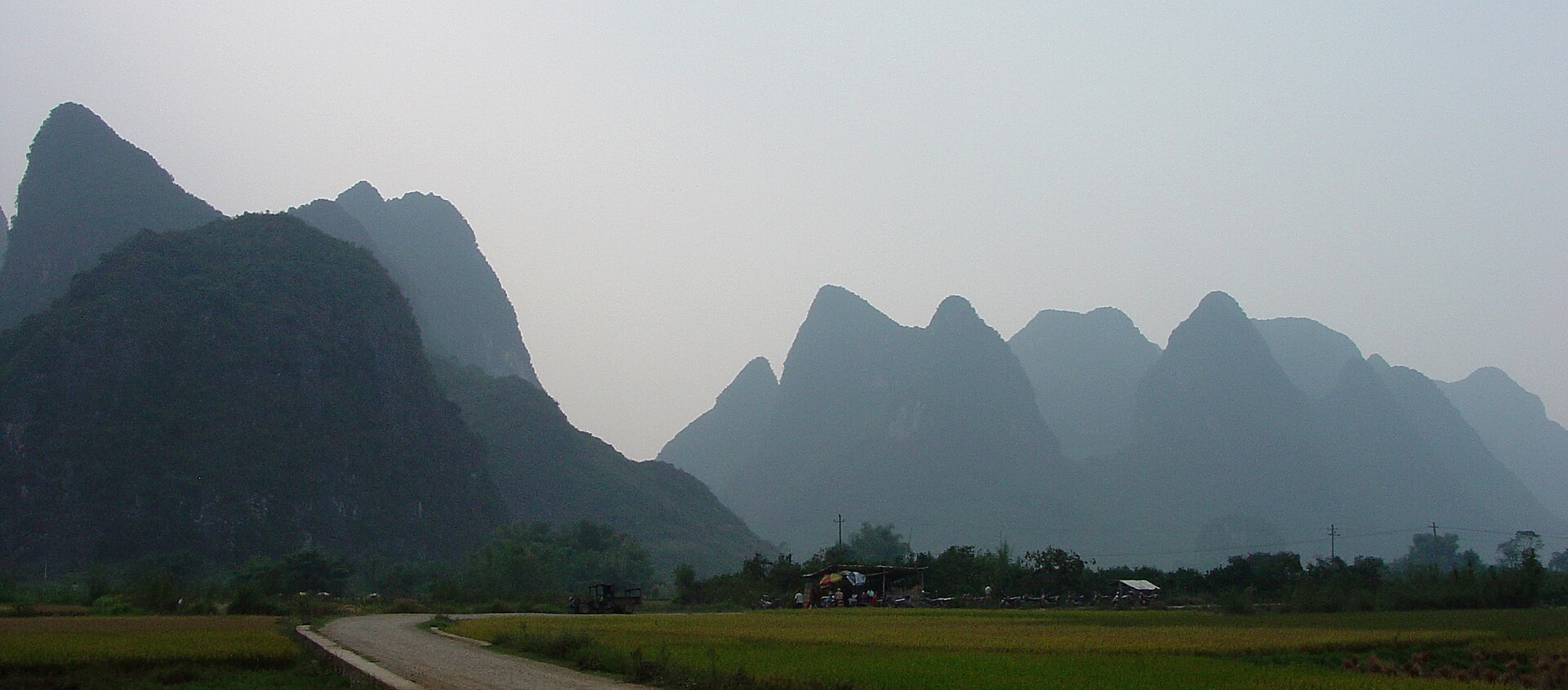
Guilin & Yangshuo: Karst Peaks, Bamboo Rafts & 2026 Tips

Why Guilin & Yangshuo Belong on Your 2026 China Itinerary

Guilin and Yangshuo remain among the most visually arresting destinations in China — and for good reason. Towering karst peaks rise like ancient sentinels from mist-wrapped rice paddies; the Li River glides past bamboo forests and centuries-old fishing villages; and Yangshuo’s West Street hums with indie cafés, artisan workshops, and sunset bike rides along quiet country lanes. Unlike megacities where pace and scale can overwhelm, this Guangxi region delivers intimacy, authenticity, and photographic magic — without sacrificing modern travel conveniences. In 2026, accessibility has improved significantly: high-speed rail now connects Guilin to Guangzhou (2h 15m), Nanning (1h 40m), and Changsha (3h 20m); new electric ferry routes operate on the Li River with real-time English signage; and all major attractions accept UnionPay, Alipay Tour Pass, and international cards at dedicated counters.

Visa-Free Transit & Entry Logistics (2026 Updates)

Most nationalities qualify for China’s 240-hour visa-free transit policy — valid if entering via Guilin Liangjiang International Airport (KWL) and departing within 10 days to a third country or region (e.g., Vietnam, Thailand, South Korea, or Hong Kong). Note: KWL is one of only 17 airports approved for this program as of 2026, and unlike Shanghai or Beijing, it sees far fewer transit travelers — meaning faster immigration queues and smoother e-gate processing. You’ll need a confirmed onward flight ticket, passport valid for at least 6 months, and proof of accommodation (a hotel booking or WingPhoenix charter confirmation suffices). No pre-approval is required — just present documents at immigration. For longer stays or land-border entries (e.g., from Vietnam), apply for the 10-year multiple-entry L visa online via China’s official visa portal before departure.

Getting Around: From High-Speed Rail to Bamboo Rafts

Guilin and Yangshuo are compact but topographically diverse — making transport choices critical. Here’s what works best in 2026:

  • Guilin ↔ Yangshuo: Take the G-train (departing hourly from Guilin Railway Station or Guilin North) — 28 minutes, ¥49, with English announcements and luggage racks. Avoid unlicensed minivans at the station — they charge ¥120–¥180 and lack insurance.
  • Within Yangshuo: Rent an e-bike (¥35–¥50/day, widely available near Xijie and the Bus Terminal) — ideal for cycling to Moon Hill, Silver Cave, or the Yulong River. All rentals include helmets, maps, and basic Mandarin phrase cards.
  • River transport: The official Li River Cruise (Guilin → Yangshuo, 4h) runs daily year-round in 2026 with enhanced safety protocols: life vests mandatory, bilingual guides (English + Mandarin), and onboard Wi-Fi. Book directly via the Guilin Tourism Bureau website or through WingPhoenix’s AI trip planner to auto-schedule boarding windows and avoid weekend crowds.
  • Charter cars: Pre-booked WingPhoenix chauffeur services (Toyota Camry or BYD Seal 07 EV) start at ¥320/4h, include tolls, parking, and driver English proficiency verified by HSK-4 certification — ideal for families or photography groups visiting remote spots like Caoping Village or the Nine Horse Painting Hill viewpoint.

What to Do & When (2026 Seasonal Notes)

October — when you’re reading this — is arguably the best month to visit. Temperatures hover between 18°C–26°C, humidity drops below 65%, and autumn mist returns to the river valleys — creating that iconic ‘ink-wash painting’ atmosphere. Avoid late July–early September: monsoon rains increase landslide risk on mountain trails and cause frequent cruise cancellations.

Here’s how locals and seasoned travelers structure their time:

日目 Morning Afternoon Evening
Day 1 (Guilin) Reed Flute Cave (opens 7:30 AM; book first slot to skip lines) Elephant Trunk Hill Park + Two Rivers & Four Lakes night cruise (starts 7:30 PM) Dinner at Zhuo Yi Café (vegetarian-friendly, English menu)
Day 2 (Guilin → Yangshuo) G-train to Yangshuo; check-in at Riverside Guesthouse Bamboo rafting on Yulong River (from Jima to Wuzhou Bridge, 1.5h) Sunset climb up Moon Hill (last entry 6:00 PM)
Day 3 (Yangshuo) Cycling to Caoping Village (22km round-trip, guided optional) Calligraphy workshop at Yangshuo Art Center (book ahead; includes ink-making demo) Impromptu street performance at West Street (free, nightly 7:30–9:30)

Note: As of May 2026, the Li River Cruise no longer stops at Huangyao Ancient Town due to ecological protection regulations — instead, it includes a 45-minute cultural stop at Xingping Old Town (with free shuttle to the 20-Yuan note viewpoint). Also, all cave sites now require advance reservation via WeChat Mini Program “Guangxi Scenic Booking” — no walk-ins accepted after 9:00 AM.

Food, Connectivity & Practical 2026 Essentials

Yangshuo’s food scene has matured beyond tourist traps. Try beer fish at Tongcheng Restaurant (family-run since 1982, English-speaking owner), or oil tea with glutinous rice balls at local breakfast stalls near the bus terminal (look for blue awnings and steaming copper pots). Vegetarian and halal options are clearly marked: over 60% of Yangshuo’s registered restaurants now display bilingual dietary icons per Guangxi Tourism Board mandate (2025).

For connectivity: China eSIMs work reliably here — especially the WingPhoenix Travel eSIM (4G/LTE, 10GB/30 days, instant activation, covers Guilin/Yangshuo rural hotspots including Yulong River banks and Moon Hill trailheads). Avoid legacy physical SIMs — many rural vendors still sell outdated 2G-only cards.

Other essentials:

  • Cash is rarely needed: Alipay Tour Pass (linked to Visa/Mastercard) works at 98% of vendors, including bamboo raft operators and cave ticket booths.
  • Tap water is not drinkable — but all hotels provide filtered dispensers, and bottled water costs ¥2–¥3 at convenience stores (FamilyMart, Today’s). Carry a reusable bottle — refill stations are now installed at 12 trailheads and 3 piers.
  • No tipping expected — but small gifts (e.g., local honey or postcards) are warmly received by homestay hosts and raft captains.

One final tip: Download the Guilin Tourism Official App (iOS/Android, updated Sept 2026) — it offers offline maps, real-time ferry status, QR-code entry to all state-run attractions, and voice-guided walking tours in English, French, German, and Spanish. And if your schedule shifts last-minute? Our AI trip planner on WingPhoenix instantly recalculates transport links, adjusts booking confirmations, and re-sends updated PDF itineraries — no manual rebooking required.

Ready to explore mist-shrouded peaks and slow-paced riverside life? Build your personalized Guilin–Yangshuo itinerary in under 90 seconds.

投稿日: — コメントを残す

上海観光ガイド:モダンな高層ビル&古代の水郷町

2026年に上海を訪れるべき理由とは?

Shanghai remains China’s most globally familiar city—and for good reason. In 2026, it offers seamless infrastructure for foreign visitors: English signage at all major transport hubs, widespread contactless payments (Alipay Tourist Pass now supports Visa/Mastercard without Chinese bank accounts), and expanded 240-hour visa-free transit eligibility for nationals of 54 countries—including the US, UK, Canada, Australia, and all Schengen states—provided you enter and exit via Shanghai Hongqiao or Pudong International Airports and stay within Jiangsu, Zhejiang, or Shanghai itself. Unlike earlier years, border officers now routinely stamp the 240h permit on arrival without requiring printed hotel bookings or onward tickets—though WingPhoenix recommends keeping your AI-generated itinerary handy as a courtesy.

Getting Around: Metro, Taxi & Charter Cars

上海の地下鉄は清潔で正確、20路線・500駅以上を網羅——世界最多の規模です。公式アプリ「 Shanghai Metro Metro+ App (available in English) for real-time maps, QR-coded entry, and live transfer alerts. A single ride costs ¥3–¥10; use Alipay’s ‘Transport’ tab or WeChat Pay’s ‘Transport Code’ to scan in—no physical card needed. For groups or late-night travel, Didi (China’s Uber) works reliably, but note: drivers rarely speak English beyond basic phrases. That’s where WingPhoenix’s charter car service shines: licensed bilingual drivers, fixed pricing, and real-time GPS tracking—all bookable instantly via our platform. Tip: Avoid rush hour (7:30–9:30 am and 5–7 pm) on Line 2 or Line 10—the busiest corridors linking People’s Square, Lujiazui, and Hongqiao.

Must-See Neighborhoods & How to Experience Them

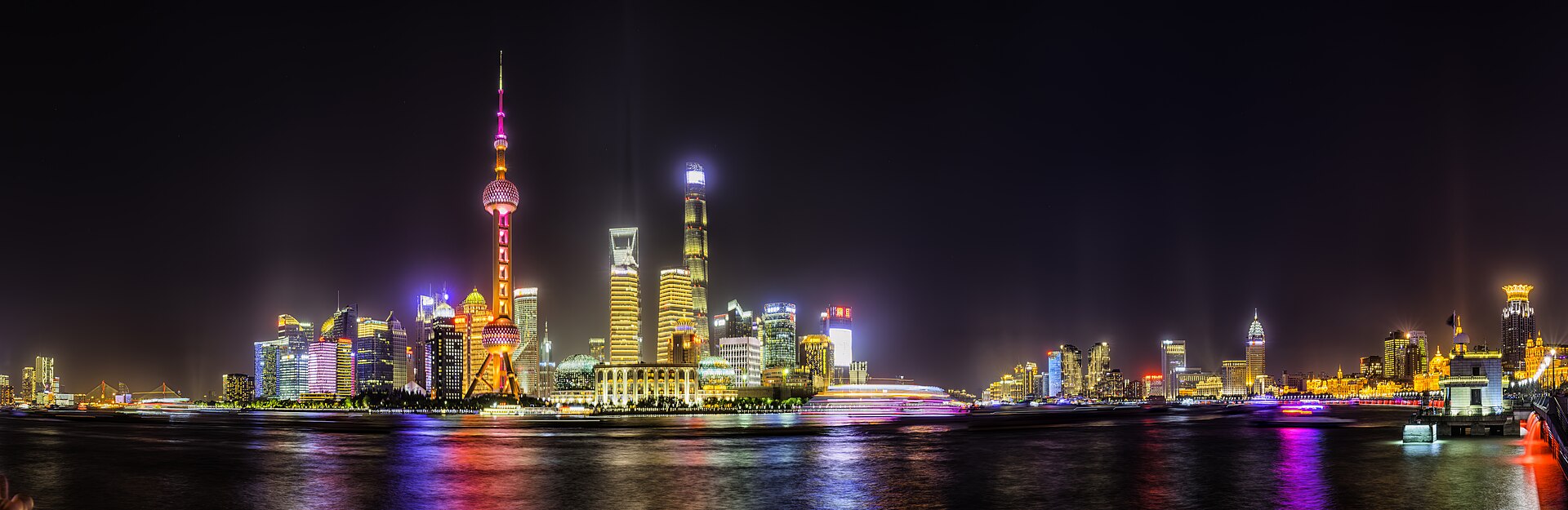
外灘 外灘(ウェイタン)は必須観光スポットです。2026年10月の日没は約17:45なので、そのタイミングで訪れ、浦東のスカイラインに次々と灯るネオンを堪能しましょう。高額な川下りクルーズは避け、中華路を東へ歩き、外白渡橋近くの無料展望デッキを探してください。そこから対岸の 浦東へ渡りましょう。上海中心大厦(シャンハイタワー)の展望台(WeChatミニプログラム『Shanghai Tower Official』でオンライン予約可、料金¥180。当日券は正午までに売り切れることも)を訪問。見逃せないのは、 Cloud Nine Café (118階)——48時間前の予約必須です。

対照的な体験を求めるなら、西へ向かいましょう。 フランス租界武康路・安福路は並木道が美しく、1920年代の石庫門建築が並び、インディーカフェ・ヴィンテージブティック・静かなアートスタジオが点在します。ベストタイムは平日の午前11時まで——地元住民が散歩する穏やかなひとときです。最後は永康路で、 Café del Volcán で雲南省産単一原産地のペーパードリップコーヒーと抹茶クロワッサンをどうぞ。

古代の趣を味わう——市内から出る必要はありません。 朱家角水郷は、メトロ17号線+シャトルバスで約1時間西へ。同様の水郷町(同里・周荘)と比べて商業化が少なく、本格的な風情が残っています。16世紀建造の 放生橋放生橋 から入場し、木製ボートをレンタル(30分¥80、オフシーズンは交渉可能)。その後、課植園

グルメ:屋台からミシュラン星付きまで

上海料理(本幫菜)は甘め・油多め・じっくり煮込んだ味わいが特徴です。代表的なメニューは酔鶏(アルコール漬けの鶏肉)、毛蟹(旬は10~12月)、小籠包(スープ入り餃子)。本格的な味を求めるなら、南京路の屋台は避けましょう。代わりに:

  • 一品香 (静安区):1人¥35~¥60。1948年創業の家族経営店——醤油卵と漬けカラシナと一緒に煮込んだ豚バラ肉をぜひ。
  • 鼎泰豐 (スーパーブランドモール・浦東):信頼の小籠包(10個¥48)。英語メニューあり、アプリ予約で待ち時間ゼロ。
  • 佳家湯包 (黄浦区):現金のみ、午前6時~午後3時営業——最短列に並ぶなら、午前7時までに到着を。
  • Ultraviolet by Paul Pairet:22コースのマルチセンソリー・ダイニング(1人¥4,200)。3か月前から ultravioletbypp.com.

ベジタリアン・ハラール対応も大幅に充実しました。 Green & Safe Green & Safe Halal House (徐匯区)は新疆産ラム串焼きと手延べ麺を提供。ハラール認証は店内に明示されています。Ole’・City’Superなど主要スーパーでは、アレルゲン情報とハラール表示が英語で明確に記載されています。

2026年実用情報一覧表

項目 2026年最新情報 備考
eSIMカバレッジ CMCC 5G全国網;10GBプラン ¥99(7日間) WingPhoenix eSIMは到着直後に即時有効化——SIM交換不要。
High-Speed Rail Access 上海虹橋駅:北京まで4.5時間、杭州まで2.5時間、南京まで1時間 パスポート番号で12306アプリから予約可能(英語インターフェース対応)
ビザ免除トランジット対応 54カ国・地域の国籍の方に限り、240時間(10日間)滞在可 上海の空港から入国・出国し、長江デルタ地域内に滞在する場合のみ有効
公共トイレ Free, clean, and well-signed in metro stations & scenic areas 青と白の「WC」マークを探してください。90%の場所でトイレットペーパーが備えられています
AI旅行プランニング WingPhoenix AI builds day-by-day Shanghai itineraries in <5 mins リアルタイムの地下鉄待ち時間、店舗営業時間、雨天対応ルートを自動反映

When to Go & Final Tips

2026年10月が最適です:平均最高気温22℃、湿度低め、降雨もほとんどありません。ただし、国庆節(10月1日~7日)のゴールデンウィークは避けてください。上海は北京や西安と比べて国内観光客が少ないものの、外灘や豫園の地下鉄ホームでは時間帯指定入場が実施されます。重ね着をおすすめします:朝は肌寒く、昼は暖かく、黄浦江沿いの夜は風が吹きます

常にパスポートを携帯してください。ホテルチェックイン、新幹線乗車、博物館入場(外国人も含む)に必須です。空港や一部ホテルでは顔認証が導入されていますが、その他の場所では依然として手動による本人確認が標準です。また、上海は早閉めしません。静安や新天地の多くのバーは深夜2時まで営業。夜市(例: 豫園バザール夜市 毎日17:00~23:00営業)では、ネギパンケーキ、発酵豆腐、パールミルクティーなどが味わえます。支払いはAlipayのQRコードを提示するだけです。

Whether you’re photographing neon reflections on the Huangpu, sipping craft beer beside Suzhou Creek, or navigating narrow alleyways in Zhujiajiao, Shanghai rewards curiosity—and preparation. Let WingPhoenix’s AI trip planner help you balance must-sees with hidden gems, then lock in transport, data, and experiences in one tap.

今すぐ、あなただけの上海旅行プランを作成 →

投稿日: — コメントを残す

AIを活用した中国の拠点都市周辺への日帰り旅行プランニング

中国の拠点都市をベースにAIで日帰り旅行を計画する際は、現実的な出発点から始めましょう——空想ではなく。多くのオンラインツールは地図上で近いように見える目的地を提案しますが、実際の交通所要時間や、最終列車・バスが日没前に出発してしまうかどうかは無視しがちです。本ガイドでは、AIを「出発点」として活用した後、運行時刻を確認し、交通手段を検証し、現実的な帰宅時間帯(リターン・ウィンドウ)を確保する方法を解説します。日帰り旅行で本当に重要な要素——道路・鉄道距離、典型的な所要時間、そして移動時間を浪費せず柔軟性を保てる拠点都市の選び方——を網羅しています。

日帰り旅行に適した拠点都市とは?

A strong base city has frequent, direct transport links to nearby destinations and a metro or bus network that connects easily to stations. Cities like Chengdu, Xi’an, Shanghai, Guangzhou and Hangzhou work well because they sit at hubs of high-speed rail lines and have multiple departure points per hour to common day-trip zones. For example, Chengdu’s East Railway Station sends trains to Leshan (1 hour) and Dujiangyan (45 minutes); Xi’an North Station serves Huashan Mountain (1 hour 10 minutes) and the Terracotta Warriors (35 minutes by express bus). The key is not just proximity, but frequency and reliability — not every small town within 200 km is reachable in a day. Always cross-check against the 12306予約ガイド 公式時刻表やアプリで運行状況を再確認してください。

交通手段別の所要時間:鉄道・道路・川

中国東部・中部では、日帰り旅行の計画において高速鉄道(HSR)が主流です。300km未満の区間は、多くが45分~1時間30分で到着しますが、駅へのアクセス・セキュリティチェック・乗車手続きにさらに30~45分を加算してください。長距離バスは速度・予測性ともに劣り、120kmの移動でも渋滞や山岳道路の影響で2.5時間かかることも。沿岸・河川都市ではフェリーも重要:桂林から陽朔への漓江クルーズは片道4時間のため、早朝出発+陽朔駅からのバス/列車での帰路を組み合わせない限り、実質的な日帰りは困難です。特に地方のバスや農村フェリーなど運行間隔の長い交通機関を利用する場合は、帰路に最低1.5時間の余裕を持たせてください。選択肢の明確化には、 中国フェリー旅行ガイド, バス旅行ガイド および 高速鉄道ガイド.

『帰宅可能時間帯(リターン・ウィンドウ)』——これが日帰りの可否を決める

リターン・ウィンドウとは、目的地を出発しても、深夜0時までに拠点都市へ快適に帰宅できる最遅出発時刻のことです。これは単なる時刻表だけでなく、その交通機関が毎日運行しているか、乗り換えが可能か、駅から出る地下鉄や夜行バスの最終便が何時か——といった実情に依存します。西安では北駅発の最終地下鉄は23:30、重慶では一部の郊外バスは21:00以降運休します。もし目的地から戻るバスが18:00のみなら、あなたの『日帰り』は実質10:00~17:30の短縮版になります。 AIトリッププランナー AIプランナーで候補を生成した後は、必ず12306や地域の交通アプリで最終帰路を手動で確認してください。

AIの強みと限界

当社の AIトリッププランナー AIツールは、指定半径内の目的地をリストアップし、交通手段別に分類、総所要時間を推定できます。しかし、7月の土砂災害で山岳道路が通行止めになるか、漓江の低水位期にフェリー会社が運航中止するか——こうしたリアルタイムの状況は把握できません。また、実際の待ち時間(例:週末の成都東駅でのセキュリティ検査待ち20分)も反映されません。だからこそ、 AIを活用した旅程作成ガイド では、AI出力を「仮説」として扱い、常に現地旅行者の最新レポート・鉄道当局の公式更新・地域交通マップで検証することを強く推奨しています。

信頼できる接続ツールの選び方

時刻表の確認・駅名の翻訳・12306やDiDiなどのアプリ操作には、安定したデータ通信が不可欠です。信頼性の高いeSIMは必須条件です。ネット接続が不安定だと、バスのリアルタイム発車情報の確認や地下鉄入場用QRコードの読み取りができなくなります。 中国eSIMデータプラン ページでは、2級都市や地方の駅でも安定カバレッジを実証済みのプロバイダーを紹介しています。ただし、カバレッジは地域によって異なります——例えば杭州では良好でも、九寨溝谷付近では途絶えるプランもあります。詳細は 九寨溝谷ガイド をご参照ください。また、オフライン地図は駅構内のレイアウトや出口番号の更新が遅れるため、モバイルデータは単なる利便性ではなく、機能面でも必要不可欠です。

AIをスキップし、専門サポートを手配すべきタイミング

AIは、時刻表の読み取りに自信があり、言語の壁や遅延への臨機応変な対応ができる方に最も有効です。一方、帰宅時間帯が厳しい場合、複雑な乗り換えが必要な場合、あるいはチベットや特定の国境地帯など許可が必要な目的地へ行く場合は、確実性が最優先です。そのような場合は、検証済みのサポートをご検討ください。 private car & driver サービスでは、地元の道路状況や代替ルートを熟知した事前審査済みドライバーがご案内します。同様に、 China tours & packages ページでは、固定の帰宅時刻と英語対応ガイド付きの少人数制日帰りツアーを紹介しています——華山や張家界へ行きたいが、ロープウェイの待ち時間や最終バスのタイミングを自分で計算したくない方に最適です。

よくある質問

北京から万里の長城への日帰りをAIで計画できますか?

はい、ただし最初のステップとしてのみ有効です。AIは車で約70分の慕田峪や、列車+シャトルバスで約1時間の八達嶺を提案するかもしれませんが、週末の渋滞で道路所要時間が40分延びることや、八達嶺発の最終S2列車が21:00であることは教えてくれません。必ず 中国の地下鉄ガイド 北京交通アプリおよび公式アプリで再確認してください。

すべての高速列車は毎日運行されますか?

いいえ。中小都市間を結ぶG字頭列車のうち、平日のみまたは繁忙期のみ運行されるものもあります。運行頻度を安易に判断せず、必ず12306で希望日付を指定して確認してください。 12306利用ステップ・バイ・ステップガイド ページでは、日付や列車種別による絞り込み方法を解説しています。

成都からラサへの日帰りは可能ですか?

いいえ。列車で30時間以上、飛行機は許可証が必要で座席数も限られています。ラサは日帰り可能な目的地ではありません——現実的な計画については、 チベット旅行ガイド をご覧ください。

駅に到着してから市内バスに乗るまで、どのくらいの時間を確保すべきですか?

大都市(例:西安北駅、上海虹橋駅)では最低25分、接続が弱いハブ(例:昆明南駅)では40分を目安にしてください。駅の規模や案内表示は千差万別—— 中国の地下鉄ガイド ページでは、迷わず目的地へ向かうためのナビゲーション戦略を解説しています。

AI旅行プランナーはフェリー・バスの選択肢も含めますか?

リストには表示されますが、信頼性や季節ごとの運航可否は反映されません。フェリーについては、 中国フェリー旅行ガイド漓江クルーズガイド バス旅行ガイド.

小さな都市のバスチケットをWeChat Payで購入できますか?

一貫して利用できるわけではありません。多くの県レベルのバスターミナルでは現金またはAlipayのみ対応しており、しかも地元アカウントのみ有効です。 キャッシュレス旅行ガイド デジタル決済が確実に使える場所の詳細はこちらをご覧ください。

地理だけではなく、実際に利用可能な交通手段を基準に日帰り旅行を計画しましょう。まず拠点となる都市から始め、その鉄道・道路網を確認し、帰路の時間帯を優先的に決定したうえで、中間の行程を埋めていきましょう。必ず出発前に時刻を再確認してください。

投稿日: — コメントを残す

中国語対応のAI旅行プランナー:本当に中国を理解していますか?

AI travel planners are increasingly used for China trips, but their handling of Chinese language support remains inconsistent. They often misread local naming conventions, fail to recognise metro station variants or confuse transport modes — especially when users rely on English translations instead of Mandarin prompts. This is not a problem of translation quality alone, but of contextual understanding: whether the AI grasps that “Beijing South” refers to a high-speed rail hub, not a district; that “Xizhimen” may appear as “Xi Zhi Men”, “Xizhi Men”, or “Xizhimen Station” across maps and signage; or that “Dongzhimen” and “Dongzhimen Bus Hub” serve different functions despite identical base names. The gap widens when planning beyond Tier-1 cities — think Jiuzhaigou Valley or Lhasa — where transliterations vary, infrastructure is less digitised, and official sources use tightly controlled terminology. Relying solely on AI output without verification risks misaligned transport connections, missed entry points, or even invalid itinerary segments.

中国の地名:ローマ字表記 vs. 実際の現地使用形

ほとんどのAIツールは英語入力を受け付け、英語出力を返しますが、実際の行動段階で齟齬が生じます。たとえば「Guilin Railway Station」は英語としては正しいですが、12306や駅の看板・券売機で使われている正式名称は「桂林站」(Guìlín Zhàn)です。同様に「Yangshuo West Street」は現地では「西街」(Xī Jiē)と表示され、多くのナビアプリはこの正確な表記で検索しないと場所を特定できません。 AIトリッププランナー WingPhoenixなどのツールはどちらの入力でもルート生成が可能ですが、正確性は大幅に向上します——ユーザーが声調記号やスペースなしのピンイン(例:「guilin zhan」)で入力した場合です。これは中国語インターフェースがクエリを解析する方法に合致しており、「桂林北站」(桂林北駅)や「桂林西站」(桂林西駅)といった類似駅名との混同を防ぎ、乗り換え先の路線や目的地を間違えるリスクを回避します。駅名は常に12306や各都市の地下鉄アプリで確認してください。 12306利用ステップ・バイ・ステップガイド.

地下鉄システム:都市ごとの不統一な命名規則

中国の地下鉄網は共通の命名ロジックを採用していますが、都市ごとに inconsistently(不統一に)適用されています。上海では「ラインX+駅名」(例:「Line 2 East Nanjing Road」)、北京では「駅名+ラインX」(例:「Xizhimen Line 2」)が一般的です。一部の都市では「北」「南」などの方向指示語を特定の文脈でのみ使用します。AIプランナーが「Shanghai Metro Line 10 Hongqiao Railway Station」を乗り換え地点として提示しても、実際の駅看板には「Hongqiao Railway Station (Lines 2, 10, 17)」と表示されています。もしツールが「Hongqiao Railway Station」をライン10専用と誤認すれば、ホームへのアクセスについてユーザーを誤導します。 2026年中国地下鉄ガイド WingPhoenixの『中国都市別地下鉄命名ガイド』はこうした変化を都市ごとに詳細に記録しています。AIにプロンプトを与える際は、可能な限り完全な複合名称(例:「Shanghai Hongqiao Railway Station」)を用い、「Hongqiao Station」のような省略形は避けましょう。また、必ずこのガイドで乗り換えロジックを再確認してください。

交通用語:「バス」「長距離バス」「シャトル」「市際バス」

グローバルデータで学習されたAIモデルは、中国の交通カテゴリーをしばしば単純化・平準化します。成都から楽山への「長距離バス」は、AI出力では「coach」や「shuttle」とラベル付けされることがありますが、これらはチケット販売方法や時刻表の掲載形式を正確に反映していません。 China Bus Travel Guide公式プラットフォームでは、出発便は「市際班车(市際バス)」の下にリストされ、ターミナル名も正確に記載されています——例:「成都新南門汽車站」(Chengdu Xinnanmen Bus Station)であり、「成都南バスターミナル」などという曖昧な表現ではありません。同様に、「空港シャトル」は広州では地下鉄19号線、杭州では専用バス、西安ではWeChat Payで予約できるミニバスを指すことがあります。都市名と交通手段を明示しなければ、AIが生成したアドバイスは実務上無意味になります。「guangzhou baiyun airport metro line 19」のように中国語プロンプトを用いて範囲を絞り、その後、現地の交通マップで確認しましょう。

地方・民族地区における現地名称の使い方

主要都市圏を離れると課題はさらに深刻化します。チベット自治区では「ラサ」が標準的ですが、「林芝(Linzhi)」という旧式のPRCローマ字表記が使われることもあり、道路標識ではチベット文字とピンインが混在することもあります。雲南省では「大理古城」が広く通じますが、行政上の正式名称は「大理鎮・大理市」であり、近隣の交通拠点には「大理汽車站(大理バスターミナル)」や「大理西汽車站(大理西バスターミナル)」など、一貫性のない名称が並びます。 チベット自治区はその典型例です。外国人は、有効な中国ビザに加えて「チベット旅行許可証(TTP)」を取得し、登録旅行会社を通じた手配が必須です。しかし、許可証制度は他地域にも及びます。九寨溝渓谷では、国内観光客を含む全訪問者に対しオンライン予約が義務付けられています。さらに外国人の場合は、入園前に省観光局へのパスポート登録も必要です。新疆ウイグル自治区や内モンゴル自治区の一部地域でも、治安評価に基づく一時的な立ち入り制限が設けられています。「 WingPhoenixの『中国地方交通命名ガイド』によれば、政府発行の許可証ですら、日常会話とは異なる正式な呼称が使われています。AIツールはこうした多層的な命名構造をほとんど反映していません。成都→麗江→昆明といった複数停留地のルートを計画する際は、AIが提案する停留地名に頼らず、現地の信頼できる情報源から直接駅名・ターミナル名を取得しましょう。 7-Day Yunnan Sichuan Route この行程は、現地で検証済みの信頼できる情報源を引用しています。

中国語で効果的にプロンプトを与える方法

シンプルに始めましょう:声調記号やスペースなしのピンインを使い、機能的な語(例:「subway」「by bus」)を含めます。「北京空港から故宮へどう行く?」ではなく、「beijing capital airport to tiananmen guangchang by subway」のように入力します。「near」「close to」「next to」などの英語修飾語は避けてください——AIが文字通り解釈し、関係のない停留所を提案する可能性があります。地下鉄の乗り換えでは、両方のライン名を明記:「shanghai metro line 2 to line 10 at nanjing dong lu」。可能であれば、知っている漢字を併記(例:「guilin zhan (桂林站)」)。WingPhoenixなどのツールは混合入力をサポートし、漢字の追加は解析精度を高めることが多いです。ただし、出力結果を最終的なものと見なさないでください:駅コード、路線番号、営業時間は、必ず12306や各都市の地下鉄アプリなどの公式チャネルで確認しましょう。 AIトリッププランナー WingPhoenix

なぜ言語能力より検証が重要なのか

AIは文法的に正しい中国語プロンプトを生成し、正確な駅名を引用することさえできますが、すでに廃止されたルートを推奨してしまうこともあります。杭州地下鉄16号線は2022年に開業しましたが、一部のAIモデルは今も建設中と誤認しています。 5 Days in Hangzhou このガイドには、2023年以降に追加された乗換駅を含む、最新の地下鉄網カバレッジが記載されています。同様に、漓江フェリーは2023年の洪水で一時運休し、2024年半ばにようやく再開されました——この更新は Li River Cruise Guide に反映されています。言語対応だけでは、時系列的な正確性は保証されません。AIは構成と初期提案に活用し、すべての交通手段、開館時間、アクセスポイントは、信頼性・最新性が確認されたページ(特に AIを活用した中国旅行プラン作成(営業時間の誤りなし).

よくある質問

AI旅行プランナーは漢字を理解できますか?

一部は理解できますが、信頼性はまちまちです。「北京南站」を入力した方が「Beijing South Station」より良い結果を得られることもありますが、出力の書式(例:簡体字と繁体字の混在、ピンインの声調記号の欠落)は依然として不統一です。駅名は必ず公式看板や12306で確認してください。

英語版AIツールで中国語プロンプトは使えますか?

はい、ほとんどのツールが混合入力を受け付けます。ただし、1文の中で言語を切り替えないでください。「Shanghai Hongqiao Railway Station」ではなく、「shanghai hongqiao huochezhan」のような完全なピンインフレーズを用い、出力は必ず現地の情報源で検証してください。

なぜAIプランナーは中国都市の地下鉄乗り換えを間違えるのですか?

駅名や路線構造が都市ごとに異なり、AIモデルが汎用的なロジックを適用してしまうためです。北京の「西直門」は2号線・4号線・13号線が乗り入れていますが、一部のツールは2号線のみを表示します。WingPhoenixの『中国都市別地下鉄命名ガイド』で照合してください。 2026年中国地下鉄ガイド.

中国語対応は列車チケット予約に役立ちますか?

直接的には役立ちません。予約は公式12306プラットフォームまたは公認代理店を通じて行う必要があります。中国語対応は駅名の解釈を助けるものの、実際の購入はWingPhoenixの『12306予約ガイド』に従って行ってください。 12306利用ステップ・バイ・ステップガイド.

中国の交通データに特化したAIツールはありますか?

現在、12306や各都市地下鉄APIのリアルタイムフィードを統合した、広く利用可能なパブリックツールはありません。ほとんどのツールは静的な学習データに依存しています。リアルタイムの正確性を求めるなら、公式アプリをご利用ください——あるいは、現地での調整を含む private car & driver または China tours & packages WingPhoenixの現地サポートサービス

AI出力を現地で検証する際のインターネット接続には何を使えばよいですか?

信頼性の高い 中国eSIMデータプラン eSIM China eSIM Setup Guide.

AI旅行プランナーは優れた出発点ですが、中国語対応があるからといって検証の必要がなくなるわけではありません。現地の名称、地下鉄の論理、交通用語は、人間レベルの文脈的理解を要します——これは現行のどのAIモデルも完全には再現できていません。入力精度を高めるために中国語プロンプトを活用し、AIが提案したすべての詳細を、権威ある最新情報源から得た情報に置き換えてください。

投稿日: — コメントを残す

AIを使って中国のフォトジェニックスポットを巡るルートを作成する

AIを活用して中国の写真撮影ルートを作成することは可能ですが、それはあくまで第一歩にすぎません。例えば AIトリッププランナー などのツールは、撮影地の順序を提案したり、移動時間を推定したり、緯度と季節に基づいてゴールデンアワーの概算時間帯を提示することもできます。しかし、これらが絶対にできないこと――そして決して頼んではいけないことは、展望ポイントが実際に開放されているか、許可証が必要かどうか、あるいは10月12日の午前5時42分に当地の天候が回復して晴れるかどうかを保証することです。この「提案」と「現実」のギャップこそ、多くの写真家が失敗する最大の原因です。本ガイドの目的は、現場の知識を自動化で置き換えることではなく、AIを検証のための足場(サcaffold)として活用することです。まず撮影タイミングから始め、次にアクセス可否を確認し、最後に計画を調整しましょう。

風景ではなく、季節から始める

中国のビジュアル・キャラクターは季節ごとに大きく変化します。4月の霧に包まれた漓江と、10月下旬の秋の低角度の太陽に照らされた同じ区間は、まったく異なる表情を見せます。もし鍾乳洞地形の峰々をゴールデンアワーの光で撮影したいなら、桂林・陽朔では9月下旬から11月上旬が空の澄み具合と影の長さのバランスが最も良い時期です。紅葉撮影の場合は、九寨溝渓谷では10月中旬が最適なことが多いですが、これは中国の国慶節(国庆节)の連休とも重なり、人混みで主要な展望ポイントが塞がれてしまうことがあります。「 2026年中国紅葉ガイド 地域別の紅葉時期を確認するには、こちらをご覧ください。また、 祝祭日&天気カレンダー と照合して、施設の休館や混雑を避けましょう。「ベストシーズン」といっても、必ずしも「開園期間」とは限りません。例えば張家界の山岳トレイルの一部は、毎年11月に点検・整備のため閉鎖され、紅葉の色合いに関係なく利用できません。

ゴールデンアワーは固定されていません――それは現地の状況と条件に左右されます

日の出・日の入り時刻は日々変化し、雲や黄砂(ヘイズ)によってゴールデンアワーそのものが消えてしまうこともあります。ラサでは標高の高さにより薄明時間が延長されますが、大気汚染で暖色系の色調が鈍くなる可能性があります。上海では3月の川面の朝焼け反射は鮮やかですが、12月は霧でほとんど見えなくなることが多いです。PhotoPillsやSun Surveyorなどのアプリで、撮影予定日の正確な方位角・仰角を計算できますが、出発の2日前にはリアルタイムの天気予報と照らし合わせて再確認してください。また、九寨溝渓谷など多くの保護区域では入園時間が厳格に制限されています。日の出に合わせて午前5時50分に到着しても、ゲートの開門時間が午前6時30分であれば入場を断られる可能性があります。必ず公式公園ウェブサイトで開園時間を確認し、AIが出力した情報は信用しないでください。

展望ポイントには、単なる座標だけでなく「アクセス」が必要です

An AI may output “viewpoint at Tiger Leaping Gorge, 28°15’N, 100°05’E”. That tells you nothing about road access. The upper trail to the gorge is closed to independent hikers without a licensed guide—and the lower trail requires a separate entrance ticket purchased in advance. Similarly, the viewing platform near the Chengdu Panda Base’s outdoor enclosures is accessible only during specific morning hours, and queues form early. Check the Chengdu & the Giant Panda Base ページで最新のアクセス規則を確認してください。また、インフラは常に変化していることを前提にしましょう:道路は迂回させられ、展望台は改修され、新たな規制が全世界に知らされずに導入されることもあります。不安な場合は、直接現地施設に問い合わせるか、または private car & driverWingPhoenix

のようなサービスを通じて予約してください。現地の運営者が毎日アクセス状況を確認してくれます。

許可証は任意ではなく、まさに「ゲートキーパー」です チベット自治区はその典型例です。外国人は、有効な中国ビザに加えて「チベット旅行許可証(TTP)」を取得し、登録旅行会社を通じた手配が必須です。しかし、許可証制度は他地域にも及びます。九寨溝渓谷では、国内観光客を含む全訪問者に対しオンライン予約が義務付けられています。さらに外国人の場合は、入園前に省観光局へのパスポート登録も必要です。新疆ウイグル自治区や内モンゴル自治区の一部地域でも、治安評価に基づく一時的な立ち入り制限が設けられています。「 2026年チベット旅行ガイド プレミアム・カスタマイズド・トリップ 敏感地域を含む写真撮影プランをお考えなら、ぜひご利用ください。許可証取得のサポートがパッケージに含まれています。

通信環境が、現地で何を確認できるかを決定します

You’ll need mobile data to check real-time gate status, load updated maps, or message local guides. Relying on hotel Wi-Fi or airport SIMs rarely works once you leave urban centres. A reliable eSIM is non-negotiable—not for social media, but for operational verification. Compare plans using the 中国eSIMデータプラン のメッセージ送信には、モバイルデータ通信が必要です。ホテルのWi-Fiや空港で購入したSIMカードだけに頼るのは、都市部を離れるとほぼ機能しません。eSIMは必須アイテムです――SNSのためではなく、運用上の検証のためです。「 中国でのインターネット接続:Wi-Fi/eSIM/ローミング徹底解説 通信環境ガイド

ルートを構築した後、制約条件に合わせて再構築する

まず、「 AI旅行スケジュールジェネレーター」などのAIツールを使い、「写真撮影」「ゴールデンアワー優先」「希望日程」を指定して初期案を作成します。その草案をエクスポートし、1地点ずつ丁寧に検証しましょう:その日は開園していますか? 許可証は必要ですか? その時間に到着できますか? 交通手段は確保されていますか? 三脚やドローンの使用は認められていますか? すべての答えは、ブログやフォーラムではなく、必ず公式サイトで確認してください。矛盾があれば、撮影時間を調整するか、代替スポットに切り替えましょう。陽朔の興坪埠頭は漓江の水面反射撮影に最適ですが、雨予報の場合は、近くの福林村にある屋内スタジオへ変更するのが賢明です。そこでなら光量を自由にコントロールでき、許可証も不要です。柔軟性を組み込んだ計画は、どんなアルゴリズムよりも時間を節約します。

よくある質問

張家界の特定スポットにおける正確なゴールデンアワー時刻をAIは教えてくれますか?

いいえ。AIツールは座標に基づいて日の出・日の入り時刻を推定できますが、微細な地形(谷の深さ、崖の向き、季節による黄砂の影響など)は考慮できません。専用の太陽位置計算アプリを活用し、その後、中国気象局のウェブサイトや現地ガイドによる視界予報で再確認してください。

成都の錦里古街で写真を撮影するのに許可証は必要ですか?

錦里古街などの公共エリアでの個人的撮影には許可証は不要です。ただし、三脚の使用やモデルを起用する商業撮影の場合は、管理事務所からの事前承認が必要です。「 成都2026年市内ガイド 錦里古街ページ

桂林から陽朔までのAI生成交通時間を信用しても大丈夫ですか?

検証なしでは危険です。AIがバス乗車時間45分と表示しても、道路工事や連休中の渋滞で倍以上になることもあります。最新の時刻表は、公式の 12306列車予約ガイド 桂林・陽朔交通情報サイト

または現地バスターミナルの掲示板で必ず確認し、地方路線では最低90分の余裕を持ったスケジュールを組んでください。

中国国内で自国のVPNを使って許可証の申請状況を確認できますか? インターネット接続ガイド ほとんどの一般向けVPNは中国国内では安定して動作しません。代わりに、検証済みの代替手段をご利用ください。「」には実績のあるサービスがリストアップされています。また、一部のeSIMプロバイダーは、内蔵の安全なトンネル機能を提供しています。普段使っているサービスがそのまま使えると安易に考えないでください。

AIスケジュールジェネレーターは、写真撮影スポットへの地下鉄・バスアクセス詳細を含んでいますか?

駅名は表示されるかもしれませんが、リアルタイムの運行頻度、最終列車時刻、展望ポイントへつながる出口番号などは含まれません。正確な公共交通機関のルート情報を得るには、「 2026年中国地下鉄ガイド 中国都市交通マップガイド

ドローンの許可証は、すべての省で同じ方法で取得できますか?

いいえ。ドローンの使用は各省级行政単位で規制されています。雲南省では、中国民用航空局のオンラインポータルを通じて、飛行の24時間前までに飛行計画を提出する必要があります。北京市では、天安門広場から5km以内でのドローン飛行は一切禁止されており、例外はありません。必ず、国の政策概要ではなく、現地の民用航空局の公式サイトをご確認ください。

中国での写真撮影は、機材よりも事前の準備が重要です。AIはルートの骨子を自動生成できますが、実際に使えるプランにするには、許可・アクセス・光の条件・通信環境など、現地レベルでの確認が不可欠です。まずは 目的地ガイドから始め、確実な交通・宿泊などのロジスティクスを基盤にプランを構築し、AIのあらゆる提案を「検証すべき仮説」として扱ってください——絶対に守るべき約束とは考えないでください。

投稿日: — コメントを残す

中国で使えるAI旅行アプリ:Googleサービスが使えない状況でも動作するアプリは?

Most AI travel apps are built and tested in places where Google services load normally. That assumption is the problem. On a China trip, the practical question is not how clever the itinerary suggestions are, but whether the app’s core features still function when its underlying map tiles, geocoding, sign-in and cloud calls are unreachable. This article is about compatibility, not rankings. It covers what to check before you fly, how offline maps and translation apps behave on the ground, and why a paper backup still earns its place in your bag.

Googleサービスが「Googleではないアプリ」にとってなぜ重要なのか

多くの旅行アプリは、ユーザーが気づかないところでGoogleに依存しています:地図表示・場所検索・ルート案内・プッシュ通知・アカウントサインイン・クラッシュ報告・決済などです。これらの呼び出しが失敗すると、アプリは起動しても地図が真っ白になったり、検索ボックスで回転し続けたり、ログインを拒否したりします。一部のアプリはエレガントに劣化し、キャッシュされたデータにフォールバックしますが、他のアプリは単純に動作しなくなります。

どのアプリにも依存する前に、ヘルプページやリリースノートで「中国本土対応」の記載を確認し、明示的なオフラインモードがあるかを調べてください。開発者が言及していない場合は、何もないと仮定してください。出国前に自分でテストすることも可能です:機内モードをオンにし、Wi-Fiをオフにして、何が依然として動作するかを確かめてください。この1つのテストが、どんな機能一覧よりも多くを教えてくれます。全体的な接続設定については、当社の 初めての中国旅行ガイド 接続の基本編がカバーしています。

オフライン地図:すべてを左右する機能

AIで作成した行程表は、実際に街中で追える場合にのみ意味があります。そのため、まず確認すべきはオフライン地図です。以下の3点をチェックしましょう:事前に特定の都市または地域をダウンロードできるか、インターネット接続なしで検索が可能か、機内モードでも徒歩でのルート案内が表示されるか。

ダウンロードは空港ではなく、自宅の安定したWi-Fi環境で行ってください。都市パックは容量が大きく、移動中のダウンロード失敗はよくある(しかも回避可能な)トラブルです。ダウンロード後は機内モードで地図を開き、ご自身がよく知る2地点間のルートを試してみてください。失敗した場合、そのアプリは「計画ツール」であり「ナビゲーションツール」ではないと判断し、そう扱いましょう。

2つ目の独立した地図ソースを必ず用意してください。同じ地図プロバイダーを使っている2つのアプリより、異なる理由で失敗する2つのアプリの方が信頼性が高いのです。

翻訳アプリと接続の課題

旅行者にとって、接続のギャップを最も強く実感するのは翻訳時です。ダウンロード可能な言語パックがあれば、入力テキストや(多くのスマートフォンで)カメラによる文字認識をオフラインで行えます。一方、音声会話は予測が難しく:音声認識にはしばしばリアルタイム接続が必要で、言語ペアやアクセントによって品質が大きく異なります。

実用的なルーティンは、渡航前に中国語パックをダウンロードし、自宅で印刷されたメニューを使ってカメラ翻訳をテストすること。また、薬局や切符販売窓口など、翻訳失敗が許されない状況のために、数枚のスクリーンショットや手書きのフレーズを準備しておきましょう。オフライン翻訳はメニュー・標識には十分ですが、リスクの高い場面では人間の通訳に代わるものではありません。

何かを予約する前に必ず確認すべきこと

互換性チェックは、ビザやSIMカードと同じリストに入れてください。以下の順で確認しましょう:

まず、入国書類を確認してください。規則は頻繁に変更されますので、要約ではなく、公式移民局サイトの最新要件を必ずご確認ください。当社の 中国のビザ規則概要 公式情報源の確認方法ガイドが詳しいです。

次に、データ通信の方法を決めます。中国国内SIM・eSIM・ローミングではそれぞれ挙動が異なり、選択した方法によってアプリがサーバーに到達できるかどうかが変わります。各オプションの比較は、当社の で取捨選択を比較してください。 接続方法比較ガイドをご参照ください。

さらに、すべてのアプリを機内モードでテストしてください。どの機能が失敗するかをメモし、それぞれの代替手段を書き出しておきましょう。

必須情報をスクリーンショットで保存:ホテル住所(中国語漢字)、予約番号、初日の目的地の名称と住所。ほかの手段がすべて使えなくなっても、スクリーンショットだけは確実に機能します。

計画ツール vs 現地ツール

アプリを2つのグループに分け、異なる扱いをしましょう。計画ツール(ほとんどのAI行程作成アプリを含む)は、安定した自宅のネット接続で使用します。これらは自宅では優れた性能を発揮しますが、弱点は後に現れます。一方、現地ツール(地図・翻訳・配車・チケット購入)は、通信が不安定あるいは全くない状況でも動作しなければなりません。

交通手段に関しては、使用予定のアプリが本当に外国パスポート・外国発行カードに対応しているか、乗車直前にリアルタイム接続が必要かどうかを確認してください。当社の 鉄道旅行・チケットアプリガイド および 地下鉄システムガイド では、運営会社に何を確認すべきかを詳しく解説しています。ポリシーとアプリ挙動は頻繁に変更されるため、第三者による要約では保証できません。

現実的な代替プラン

Assume at least one app will fail on the day you need it. Carry a paper or offline copy of your route between cities, your first hotel’s address in Chinese, and the phone number of your accommodation. Learn to say the name of your hotel and show the written characters to a driver. Keep some cash for the situations where a payment app will not cooperate.

こうした注意点は、AI計画ツールの利用をやめる理由にはなりません。ただ、「インフラ」として扱うのをやめる理由にはなります。行程づくりには積極的に活用し、その後、約束された各機能が「実際には得られない接続環境」下で本当に動作するかを一つひとつ検証してください。

よくある質問

私のAI旅行アプリは中国本土で使えますか?

完全に、そのアプリが呼び出すサービスとオフラインモードの有無に依存します。渡航前に機内モードでアプリを開き、どの機能が依然として反応するかを確認してください。地図・検索・サインインが失敗するなら、それらを前提に計画を立て、最善を期待するのではなく、現実的な代替策を用意しましょう。

旅行アプリを使うためにVPNは必要ですか?

Do not assume any app or service is available or blocked. Rules and technical behaviour change, and using unauthorised tools carries legal risk in some jurisdictions. Check the current position with official sources and your own government’s travel advice before you rely on anything.

オフライン地図は、本当にライブ地図に代わることができるか?

既知の地点間の徒歩移動や道路名の確認には、事前に正しい地域をダウンロードし、オフライン検索もテスト済みであれば、通常は十分です。ただし、リアルタイム交通情報・公共交通機関の現在位置・突発的な変更には対応できません。オフライン地図は「しばしば主役となるバックアップ」として扱いましょう。

オフライン翻訳アプリだけで会話は十分か?

短くシンプルなやり取りには有効ですが、医療・切符購入など結果が重大な場面では、あらかじめ書いた質問・回答を準備し、スタッフやホテル従業員の助けを仰ぎましょう。入力翻訳は、リアルタイム音声より信頼性が高いです。

最初に確認すべきは、アプリかデータプランか?

データプランです。なぜなら、それがアプリが到達できる範囲を決定するからです。まず中国国内SIM・eSIM・ローミングのいずれを選ぶかを決め、その後、その環境下でアプリをテストしてください。高速な自宅Wi-Fiでのテストでは、中国のモバイルネットワーク上での挙動についてほとんど何も分かりません。

すべてのアプリを「保証」ではなく「便利さ」のためのツールと捉え、飛行機に乗る前に各重要な機能を検証し、絶対に失ってはいけない情報を低技術的な形(紙・スクリーンショットなど)で必ず携帯してください。この姿勢こそが、悪い通信状況・変更された規則・たまたま動作しなくなったアプリにも耐える唯一の方法です。