Posted on — Leave a comment

25 China Travel Tips Locals Swear By (That Guidebooks Miss)

Most of what makes a first trip to China smooth is not in the guidebooks. It is the small operational stuff: how you pay, how you order, how you read a train station, and how you avoid a social misstep in a restaurant. What follows is a working list collected from our drivers, local guides and years of traveller feedback, grouped so you can act on it. Where a figure or a rule matters, we tell you what to check rather than quoting a number that may already have changed.

Money and tech: sort this before you fly

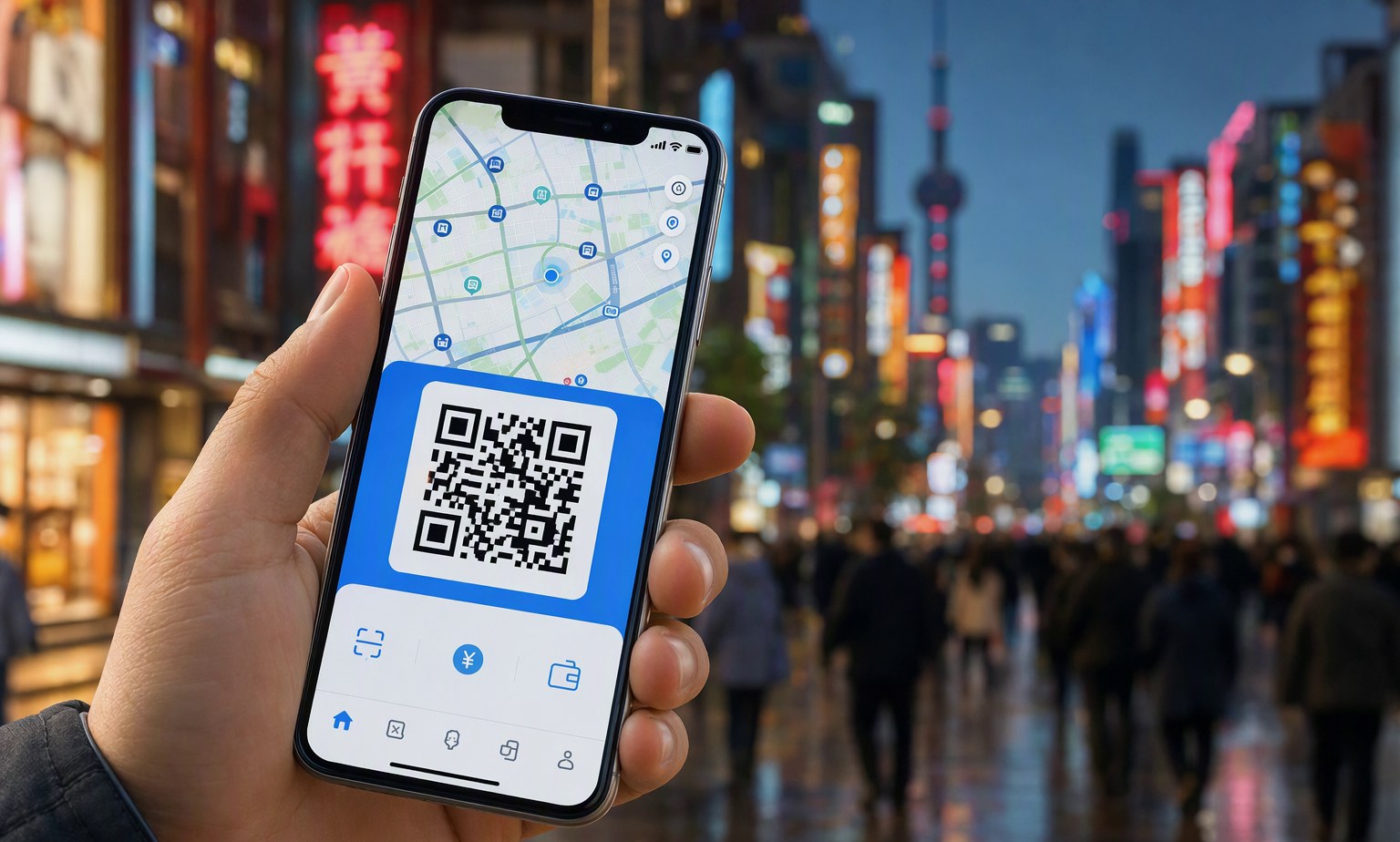
Set up a mobile payment app before departure if you can, and treat that as your primary wallet rather than a backup. Our China cashless travel guide walks through WeChat Pay and Alipay setup, including the foreign-card options. If you would rather not use a Chinese wallet at all, UnionPay’s tourist scheme is worth reading: see China Welcome by UnionPay. Whether a given foreign card is accepted on a given day is something only the app or your bank can confirm, so test a small payment early in the trip rather than discovering a problem at a ticket counter.

Three more things worth doing at home. Screenshot your hotel name and address in Chinese characters, so you can show a driver or a passer-by without relying on signal. Tell your bank you are travelling, and check whether it needs a separate switch for overseas use. And if you rely on services that are normally blocked in mainland China, arrange your access before you fly and verify the current situation yourself; our guide to internet access, Wi-Fi and eSIMs explains the options and how to test them. Nothing about availability is permanent, so check on the day you travel, not the day you booked.

On the ground: large notes are awkward at small stalls but fine at convenience stores and supermarkets, so break big bills there. Ride-hailing works, but it needs a local setup and a Chinese-language interface, which is one reason many visitors simply use a driver arranged in advance. In rush hour, the metro beats a taxi almost everywhere it goes; our China metro guide covers tickets, security and signage.

Food: ordering, spice and etiquette

Pointing at what the next table is eating is a completely normal way to order, and it works better than a translation app in a busy canteen. Learn one phrase properly: bu yao la (not spicy). It is the difference between a pleasant meal and a difficult one in Sichuan, Hunan and Chongqing. If you want dishes shared the Western way rather than served course by course, ask for e fen and the kitchen will usually split them.

Breakfast is the meal locals take seriously and visitors often skip. Street-side breakfast stalls do more interesting food than most hotel buffets. When choosing a restaurant, the queue is a better signal than any review. Chopstick etiquette is simple: never stand them upright in rice, and rest them on the holder or across the bowl. Tea refills are signalled by leaving the lid ajar on the pot. Tap water is not drinking water; bottled or boiled is the norm, and pharmacies can advise if you have a sensitive stomach. If you keep halal or vegetarian, plan ahead rather than improvising; our halal and vegetarian guide covers what to look for and how to explain your requirements.

Getting around: trains, stations and timing

On high-speed rail, gates typically close a short time before departure, so arrive with margin rather than cutting it fine. The exact cut-off varies by station, so check the board and your ticket confirmation on the day. Station signage is generally bilingual; follow the green wayfinding for departures and your platform. For booking, seat classes, onboard food and passport issues, see our China train travel guide and the step-by-step 12306 booking walkthrough.

Two timing points. First, avoid travelling during the National Day holiday period in early October if you can; transport and attractions fill up and prices rise. Second, metro security checks are real: lighters and some other items are not allowed, and bags go through a scanner. If you are using a private driver, treat them as a concierge. They know which entrance is open, where the queue actually forms, and what time to leave.

Culture: face, bills and gifts

Face is a practical concept, not a decorative one. Never correct or embarrass someone publicly, even gently, even when you are right. In the ritual fight over a restaurant bill, the graceful exit is xiaci wo qing — next one is mine. It concedes the round without losing the relationship.

When giving gifts, avoid clocks and umbrellas; both carry unlucky associations. If someone compliments your Chinese with ni de zhongwen hen hao, they are thanking you for making the effort, not assessing your fluency. Answer briefly and warmly. On tipping, the expectations differ from North America and vary by context; our tipping and etiquette guide sets out what is and is not expected.

What to verify rather than assume

Attraction reservations, visa-free transit eligibility, tax refund thresholds and hotel registration rules all change. For popular sites, check whether a timed reservation is required and book through the official channel; our attraction reservations guide explains which ones foreigners actually need. For entry rules, read the current official wording rather than a summary, including the transit conditions if you are using visa-free transit. For hotels, confirm in writing that the property accepts foreign guests before paying; see which hotels in China accept foreign guests. For tax refunds, check the minimum spend and the paperwork the scheme currently requires at the point of purchase.

Frequently asked questions

Do I need a VPN, and can I set it up after arriving?

If you depend on services that are normally unavailable in mainland China, arrange access before you fly, because installing and configuring from inside the country is unreliable. Availability changes, so verify the current position yourself shortly before departure and have a fallback plan for maps, messaging and bookings.

Is cash still useful if I have Alipay or WeChat Pay?

Keep a small amount for the rare stall or machine that does not take mobile payment, and break large notes at convenience stores. Test one small mobile payment early so a card problem surfaces on day one rather than at a station counter.

How early should I reach a train station?

Allow time for metro security, station security and finding your gate, and note that gates close before departure. The exact cut-off differs by station, so confirm it on your ticket and the departure board rather than relying on a general rule.

Can I manage without any Chinese?

Yes, with preparation. Screenshot addresses in Chinese, learn a handful of phrases including bu yao la, and keep a translation app offline-ready. See our language barrier guide for the phrases that earn their keep.

When should I avoid travelling in China?

The National Day holiday in early October is the busiest period of the year. If your dates are fixed, book transport and accommodation early and expect queues; if they are flexible, shift them.

None of this is complicated, but most of it is easier to arrange before you fly than to fix on arrival. Use the linked guides for the detail, confirm anything time-sensitive on the operator’s or official page, and build in slack on travel days.


Posted on — 1 Comment

30 Most Instagrammable Places in China (2026 Photo Spots Map)

Social media has changed how people choose where to go in China. A single image of mist on the Li River or lanterns in a water town can decide an entire itinerary. This page keeps the same idea as the original list — a saveable, shareable set of China’s most photographed spots — but adds what a list of names cannot give you: where the shot is actually taken from, when the light tends to work, and what to verify before you build a trip around it. Treat the locations below as starting points, not fixed itineraries. Conditions, access and opening arrangements change, so confirm each one on the official site or operator page before you travel.

How to use this list

Each entry names a place and the kind of image people travel for. What it does not do is promise a result. Weather, season, crowd levels and site rules all shape what you get, and no list can guarantee a sea of clouds or a clear sunrise. Before committing, check three things: whether the site needs a reservation, whether photography is restricted anywhere on site, and whether the viewpoint you want is open on your dates. Many major attractions in China now use timed online booking, and some sell out days ahead — our guide to attraction reservations for foreigners explains which ones genuinely require it and how the passport-based booking works.

The classic ten

The Great Wall at Mutianyu, the Li River at Xingping (the view printed on the 20-yuan note), Zhangjiajie after rain, the Shanghai Bund at blue hour, the Longji terraces, the Potala Palace reflected in its pond, bamboo rafts on the Yulong River, Five Flower Lake in Jiuzhaigou, Harbin’s ice structures at night, and West Lake at dawn. These are the images most people arrive with. Two practical notes: the Potala Palace sits in Lhasa and requires permits for foreign visitors, so read our Tibet travel guide before assuming you can simply turn up. For the Li River, the classic scenery is best understood through how the cruise and the Xingping section actually work — see the Li River cruise guide.

Spots eleven to twenty

The Xi’an City Wall by bicycle in late afternoon, the Tianmen steps seen from above, the replica caves at Mogao, the Yuanyang terraces at sunset, the panda nursery in Chengdu, Gulangyu’s piano pier in Xiamen, Chongqing’s neon skyline from the monorail, Wuzhen’s lanterns after dark, the Kaiping diaolou towers, and the Shenzhen skyline from Talent Park. Several of these depend on timing rather than luck. Panda births cluster in late summer and early autumn, and the base is busiest in the morning — our Chengdu panda base guide sets out a realistic day. For Chongqing, the metro itself is part of the shot; the Chongqing city guide covers which lines and stations give you the angles.

The less-obvious ten

Rafting through the tea cliffs at Wuyishan, the wild wall at Jianshanling in the morning, doorways in Kashgar’s old city, lantern-lit lanes in Pingyao, the drum towers of Zhaoxing, autumn birch at Kanas, the mirror surface at Chaka Salt Lake, the red soil of Dongchuan, the lanes of Xidi, and the prayer-wheel corridor at Labrang. These reward slower travel and often need a car and driver, since public transport to the exact viewpoint is limited. Distances are long and daylight is finite, so plan fewer stops than you think you need.

Timing, light and season

Most of the shots above are light-dependent. Mist, reflections and golden hours happen in specific windows, and the wrong month gives you a flat, hazy result. Rather than quoting hours that change with the season, check sunrise and sunset times for your exact dates and location, then work backwards to travel and entry time. Season matters more than most people expect: autumn colour, spring terrace flooding and winter ice all follow their own calendars. Our October and November guides show how much conditions shift from one month to the next.

Getting between the spots

These locations are spread across the country, so the practical question is transport, not inspiration. High-speed rail covers the major cities well; the last stretch to a viewpoint is usually a car, a shuttle or a walk. Book rail seats through the official 12306 channel or an agent, and check seat classes before you assume a layout — our high-speed rail seat class guide explains the difference. For booking itself, the 12306 step-by-step guide covers passport registration and collection. Where rail does not reach, a chartered car with a driver who knows the area is often the only realistic option for a sunrise start.

Frequently asked questions

Do I need to book these attractions in advance?

Some do, and the requirement changes. Major sites such as the Forbidden City and several popular scenic areas use timed online reservation, sometimes released on a set schedule and capped per day. Check the official site or the site’s own booking channel for your date, and note whether foreign passports can book online or need an in-person counter. Our reservations guide covers which attractions actually need it.

Can I photograph everywhere on these sites?

Not always. Some halls, museums and religious sites restrict photography or ban tripods and drones. Rules are posted at entrances and enforced by staff. Check the site’s official notice before you plan a shoot around a specific interior, and never assume a shot you have seen online is currently permitted.

What is the best time of day for these shots?

It depends on the location and the season, so there is no single answer. Sunrise and the hour before sunset usually give the most useful light, while mist and reflections need specific weather. Look up sunrise and sunset for your exact dates, then confirm when the site opens and when the last entry is.

How do I pay for tickets and transport once I am there?

Mobile payment dominates in China, and foreign cards can often be linked to the main apps, though success varies by bank and card type. Carry a small amount of cash as a backup and check your card’s status before you fly. Our cashless travel guide walks through the setup.

Do I need a visa or permit for all of these?

Entry rules depend on your nationality and route, and some regions need extra permits on top of a visa. Tibet in particular requires organised arrangements for foreign visitors. Check the current rules on an official source and confirm any regional permit before booking, rather than relying on a list.

Use this page to shortlist, then verify each place against its official channel and build in slack for weather and travel time. A photo trip works best when the plan is flexible and the bookings are confirmed.

Posted on — Leave a comment

Yangshuo Cycling Guide: Best Routes, Bike Rentals & Safety

Yangshuo sits in a flat pocket of karst country where limestone towers rise straight out of rice paddies and the Yulong and Li rivers cut between them. The lanes linking the villages are narrow, paved and mostly level, which is why so many visitors end up on a bike within a day of arriving. You do not need fitness or experience: you need a working bicycle, a rough idea of where you are going, and enough daylight to get back before the light goes.

Why the cycling works here

The terrain does the work for you. Most of the classic riding is on the valley floor, between village clusters such as Jiuxian, Chaolong and the lanes that run beside the Yulong River. Distances are short, junctions are few, and the scenery changes every few hundred metres, so a ride that would be tedious elsewhere stays interesting. Traffic on the back lanes is mostly scooters, farm vehicles and the occasional tour bus on the main roads. Village tea stops, small shops and roadside stalls are common along the popular loops, so you are rarely far from water or a rest.

That said, this is a working agricultural landscape, not a theme park. Expect farm machinery, dogs, children on bikes and surfaces that change after rain.

The main routes and what they involve

Three shapes cover most people’s ambitions. Treat the timings below as rough planning figures for an average rider who stops to take photos, not as fixed schedules.

Riverside route (half day, easy). A gentle run along the Yulong River corridor, crossing the river at one of the bridges and following lanes past paddies and small villages. It is the best option for a first ride or for anyone travelling with children, because you can turn back at any point.

Moon Hill loop (half day, moderate). A longer circuit that brings you past the Moon Hill arch. There is a climb on foot to the viewing point if you want it; the riding itself stays largely flat, but the loop is longer and includes more road sections.

Full countryside circuit (full day). Combines the riverside lanes with the wider village network and a lunch stop. This is the ride to choose if you want a proper day out rather than a taster, and it works best started early.

If you are building cycling into a wider trip, the Guilin to Yangshuo 3-day river and karst itinerary shows how the riding fits around the Li River and the town itself, and the Li River cruise guide covers the waterborne half of the same landscape.

Renting a bike or e-bike

Rental shops are concentrated in Yangshuo town and along the streets nearest the river. You will find ordinary city bikes, mountain bikes and e-bikes. Prices vary by shop, season and how hard you negotiate, so rather than quote a figure, ask two or three shops on the same afternoon and compare. What matters more than the price is the condition of the bike.

Before you ride away, check the brakes front and rear, the tyre pressure, the gears, the bell and the saddle height. Photograph the bike and any existing damage, and confirm in writing what happens if you return it late or damage it. For e-bikes, ask how the battery range is measured and whether a flat battery mid-route means you pedal it home. Ask whether a helmet is included and whether you need to leave a deposit or your passport; if a shop asks to hold your passport, that is a reason to walk to the next one.

Guided rides exist for people who would rather not navigate. If a guided option is offered with a support vehicle, the practical benefit is that your water, layers and bags travel in the car rather than on your back.

Timing, weather and safety

Mornings are the best riding. Mist sits in the valley, farmers are working, temperatures are low and the lanes are quiet. Aim to be on the bike before mid-morning. Afternoons from late spring through summer get genuinely hot and exposed, because much of the route has little shade.

Rain changes the surface quickly. The paved lanes hold up reasonably, but mud, gravel and the unpaved sections between fields become slippery and, in places, impassable. Local guides routinely call off rides when weather turns, and you should treat that as normal rather than a lost day.

Practical points: wear a helmet if one is available, carry more water than you think you need, keep a charged phone with an offline map downloaded, and note that mobile payment is the default in almost every village shop, so set that up before you ride. The cashless travel guide to WeChat Pay and Alipay explains how to check your setup works. Do not ride after dark on unlit lanes.

Getting there and planning the wider trip

Yangshuo is reached from Guilin by road or by river, and Guilin is on the high-speed rail network. If you are arriving by train, the guide to buying China train tickets with a foreign passport covers the booking process. For a broader sense of what to sort before you fly, the starter guide for China travel beginners is a sensible first read.

Note that ticket prices, opening times for attractions such as Moon Hill, rental rates and any guided-ride inclusions change. Check the current figure on the operator’s own page or at the ticket office on the day, and look specifically for the price for foreign visitors, whether a climb is included, and the last entry time.

Frequently asked questions

Do I need to be fit to cycle in Yangshuo?

No. The classic routes are on flat valley lanes and can be shortened at any point. If hills are a concern, an e-bike removes most of the effort. Choose the riverside route for a first ride.

Is it safe to cycle on the roads?

The back lanes are calm and mostly used by scooters and farm vehicles. Main roads carry buses and cars and deserve more care. Ride predictably, keep right, and avoid unlit lanes after dark.

What should I check before renting a bike?

Brakes, tyres, gears, saddle height and any existing damage. Confirm the return time, the deposit arrangement and what happens if the bike is damaged or returned late. Decline any shop that wants to hold your passport.

What happens if it rains?

Lanes become slippery and some field tracks turn to mud. Local operators cancel rides in bad weather, and you should be prepared to switch to a shorter route or another day rather than push on.

Can I pay in villages along the route?

Village shops and stalls generally expect mobile payment rather than cash. Set up and test your payment app before you set off, and carry a small amount of cash as a backup.

Plan the ride around the weather rather than the other way round, start early, and keep the day short enough that you are back in town well before dusk. The lanes will still be there tomorrow.

Posted on — Leave a comment

Chinese Cooking Classes for Travelers: Dumplings to Hotpot Mastery

Cooking classes are one of the few travel activities where you leave with something you can use for the rest of your life. A half-day in a Chinese kitchen teaches you a technique, not just a dish, and the folding, kneading and wok work is usually the part people remember longest. This guide covers the main formats of cooking class you will find across China, which cities suit which style, what to check before you pay, and how to get the recipes home in a form you will actually cook from.

What Classes Actually Teach

Most short courses fall into three broad formats, and they differ more in rhythm than in difficulty.

Dumpling and potsticker sessions are the classic entry point. You mix and rest a dough, roll wrappers, prepare one or two fillings, then spend most of the session folding. The folding technique is the fun part, and it is also the part that transfers: once you can pleat a wrapper, you can make jiaozi, guo tie and wontons at home with shop-bought wrappers. Expect to eat what you make, usually with a cold dish or two alongside.

Market-to-wok courses start earlier. You shop with the chef, usually in a neighbourhood wet market rather than a tourist market, then cook three or four dishes in a teaching kitchen. The shopping leg is where you learn the practical vocabulary of a Chinese kitchen: how to pick a live fish, what a good bunch of greens looks like, which soy sauce is for braising and which is for dipping. Ask before booking whether the market visit is included or offered as a separate add-on, as some schools split the two.

Regional intensives go deeper into one cuisine. In Chengdu that often means Sichuan cooking with a focus on spice blending, including how chilli oil and mala flavour bases are built. In Guangzhou and Shanghai, dim sum sessions concentrate on wrappers, pleating and steaming. These run longer, sometimes across two sessions, and suit travellers who already cook at home.

Top Cities for Classes

Chengdu is the most common recommendation for Sichuan cooking, and the local food culture gives classes plenty of context. If you are basing yourself there, a Chengdu city guide is useful for pairing a class with the rest of your days, and the panda base day trip fits neatly around a morning session.

Shanghai has the widest choice of classes taught in English, which makes it the easiest place to book if your Chinese is limited. Guangzhou and the wider Pearl River Delta are the place for dim sum and Cantonese technique. Xi’an is known for noodle work, where stretching and pulling by hand is a demonstration in itself. Yangshuo runs countryside cooking schools, and the setting is part of the appeal for travellers already heading down the Li River.

If you are choosing between cities, note that class quality varies far more than class availability. A well-run school in a smaller city can beat a rushed session in a big one.

Cost, Group Size and Logistics

Short sessions of two to four hours are the norm, usually including ingredients and eating your own cooking. Prices vary widely by city, format, group size and whether a market visit is included, so treat any figure you see online as indicative only. Before paying, ask the school directly for the current price, what is included, the cancellation policy and whether the class is private or shared. If a booking platform shows a price, check it against the school’s own page or messaging account, because third-party listings go stale.

Group size matters more than most people expect. A session capped at six to eight people gives you hands-on time with the wok and the dough; a group of twenty often becomes a demonstration with a photo opportunity. Ask for the maximum number, not the average.

Also confirm the language of instruction, whether the kitchen can accommodate dietary requirements, and whether aprons and equipment are provided. Families tend to do well with the dumpling format, since children can fold at their own pace and the results are immediate. If you have dietary restrictions, our guide to halal and vegetarian food in China explains how to raise them clearly.

Getting There and Booking Practicalities

Cooking schools are rarely near the main sights, so plan the journey. Metro is usually the fastest option in big cities; see the China metro guide for how to pay and ride. If you are travelling between cities to reach a class, book rail in advance and check seat classes before you commit to a morning start.

Send the school your booking details in writing, including the date, time, address in Chinese characters and a contact number, so a taxi driver can find it. Screenshot everything before you leave your hotel, since mobile data can be unreliable in markets and older buildings.

The Souvenir That Lasts

Recipes travel home with you, but only if you capture them properly. Photograph the ingredient layout before cooking, note brand names on bottles and packets, and ask the teacher to write quantities rather than saying them aloud. Many schools email recipe cards in English after the class; ask at the time of booking whether this is included, and follow up if nothing arrives.

A spice-market sourcing session, most commonly in Chengdu, is the other half of this: it teaches you what to buy and how to rebuild the flavours once you are home. If you plan to bring ingredients back, check your own country’s customs rules on food imports before you shop.

Frequently asked questions

Do I need to speak Chinese to join a cooking class?

No, but you should confirm the instruction language when booking rather than assuming. Shanghai generally has the largest number of English-taught sessions, and most schools that market to international visitors list their languages clearly. If your class is in Chinese only, a translation app and a few food phrases will carry you a long way.

How far ahead should I book?

In peak seasons and around public holidays, popular schools fill up, so booking a week or more ahead is sensible. In quieter periods, a few days is often enough. Ask the school directly about their current lead time rather than relying on a booking page’s availability calendar.

Can children join?

Many schools accept children, particularly for dumpling sessions, but age minimums and supervision rules vary by kitchen. Ask before booking, and be specific about your child’s age. Knives, hot oil and open flames are present in most teaching kitchens.

What should I wear or bring?

Closed shoes, sleeves you can roll up and clothes you do not mind splashing are the practical answer. Most schools provide aprons. Bring a small notebook or use your phone, and a container if you want to take leftovers back to your hotel.

How do I know a school is reputable?

Look for a specific address, recent reviews that mention the teacher by name, a stated maximum group size and a clear cancellation policy. Be cautious of listings that show no address or only a meeting point. If you book through a tour operator, ask which school they use and check it independently.

Treat the class as the centre of a day rather than an add-on: shop, cook, eat, then walk the neighbourhood while the flavours are still fresh in your mind. Confirm prices, hours and inclusions directly with the school before you pay, keep your booking details offline, and you will come home with a technique you can repeat rather than a photograph of someone else’s kitchen.

Posted on — Leave a comment

Chinese Calligraphy Classes for Tourists: What to Expect & Where

Two hours with brush and ink teaches more about Chinese culture than a museum day: the discipline of repetition, the stroke-order philosophy, and why calligraphy is regarded here as the highest of the traditional arts rather than a decorative craft. If you are building an itinerary and want one activity that is participatory rather than observational, a calligraphy class is a strong candidate. This guide covers the formats on offer, how to tell a good class from a poor one, and the practical details worth sorting before you book.

Why calligraphy rewards an afternoon

Calligraphy in China sits at the top of the traditional arts hierarchy. Painting, poetry and scholarship have historically been judged through the quality of a person’s hand, which is why brushwork carries a weight that visitors often underestimate. A class gives you the physical explanation: why the brush is held vertically, why the wrist moves rather than the fingers, why a single horizontal stroke has a beginning, a middle and an end.

Stroke order is the part most travellers find genuinely surprising. Characters are not drawn; they are built in a fixed sequence, and that sequence exists because it produces the most efficient, balanced result when written at speed. Learning five characters properly in two hours is realistic. Learning fifty is not, and any class promising fluency in an afternoon is selling something else.

Class formats you will encounter

Most tourist-facing options fall into two broad categories. The first is an introductory session of roughly two hours, usually run in art districts or studio spaces in Shanghai, Beijing or Xi’an. These cover brush handling, a few basic characters, and you take your work home. The second is a longer masterclass led by an academy-trained calligrapher, which goes deeper into the philosophy and history behind the forms and often includes a personalised name seal as an add-on.

Group size matters more than duration. Six to ten people with one teacher means you get hand corrections. Twenty people means you watch a demonstration. Ask how many are in the session before you commit.

What a good class actually includes

Quality varies widely, particularly at walk-in shops in tourist districts where the emphasis can drift towards selling brushes and scrolls. A well-run class should include the following, and it is reasonable to ask about each in advance.

Proper materials: a felt mat, an ink stone or a prepared ink dish, and paper suited to practice rather than display. Explanation of the philosophy and the cultural context, not just brush mechanics. English instruction that covers why a stroke is formed a certain way, not only where to place it. Time to write, with individual correction. And a clear answer on what you take away.

If the studio cannot tell you who the teacher is or how long they have studied, treat that as a signal. For a wider look at how to plan activities that depend on reservations and vetted operators, see our notes on booking attractions in China.

The name-seal souvenir

The most popular upgrade is a personal seal, or chop, carved with your name in Chinese characters. A seal-master cuts the characters in reverse into a soft stone, so the impression reads correctly when stamped in red paste. It is a genuinely traditional object rather than a souvenir-shop novelty, and it is the reason the class plus seal package is the option most often chosen as a gift.

Two practical points. First, your name needs transliterating, and the characters chosen can vary; ask to see the proposed characters and their meaning before carving begins. Second, carving takes time, so confirm whether the seal is finished during your session or collected or shipped later.

Booking, timing and practicalities

Classes are usually bookable as an add-on to a city tour, which is the simplest route if you are already working with an operator. Standalone bookings are possible but the quality of what you get at short notice is less predictable.

Prices for this kind of activity are not fixed and change with season, city and teacher, so rather than quoting figures we would suggest confirming the current rate, what materials are included, and whether the seal is part of the price or separate. Ask for those three things in writing.

Schedule your class for a day when you are not rushing to a train. Ink work is unhurried and you will get more from it if you are not watching the clock. If your itinerary is tight, our guide to booking train tickets on 12306 will help you build a realistic day. Studios in art districts are often a short metro ride from the centre, and the China metro guide covers how to pay and navigate. Wear something you do not mind marking, since ink does not always wash out.

Choosing a studio with confidence

Read recent reviews for mentions of class size, English level and whether participants actually wrote. Ask whether the teacher has formal training and where. Confirm the cancellation policy, since a missed class is rarely refunded. If you are booking through an intermediary, check that the studio itself is named rather than described generically.

For broader trip logistics around the same period, our guide to translation apps and useful phrases is worth reading before you go, particularly if you plan to visit studios outside the main tourist areas.

Frequently asked questions

Do I need any prior experience?

No. Introductory classes assume you have never held a brush. The teacher will show you how to load ink, how to sit, and how to form basic strokes before you attempt a character.

Will I be able to write my own name?

Usually yes, in transliterated form, though the characters chosen are phonetic approximations rather than a translation. Ask the teacher to explain the characters before you commit them to paper or stone.

Is the class suitable for children?

Often, but it depends on the studio and the child’s attention span. Two hours of seated brushwork is demanding for younger children. Ask the operator directly rather than assuming.

Can I take the ink and brushes home?

Your written work, generally yes. Brushes and ink stones are usually studio equipment, though many studios sell sets. Confirm what is included rather than what is available for purchase.

How far ahead should I book?

For a specific date and a small group, book as early as your itinerary allows. Walk-in availability exists but quality at short notice is unpredictable. Confirm current pricing and inclusions with the operator before paying.

If you would like help fitting a calligraphy session into a wider itinerary, you can plan with us directly or ask any practical question before you book.

Posted on — Leave a comment

Tai Chi in China: Where to Watch, Learn & Take Morning Classes

Shortly after sunrise, parks across China fill with people moving slowly and deliberately: tai chi sequences, sword and fan forms, ballroom dancing, badminton, and groups singing to a portable speaker. This is not a performance staged for visitors. It is a daily routine, and it is one of the easiest ways to spend a morning in China that feels genuinely local rather than arranged. This guide covers what happens in the parks, how to join in, how to arrange proper instruction, and where tai chi fits into a trip.

What Happens in a Chinese Park at Dawn

Parks are busiest roughly between 6:30 and 8:00, before the heat and the working day. You will typically see several separate activities running at once: a tai chi group in one clearing, a sword-form group nearby, fan dancers, a line of people doing stretching or qigong, and clusters of older men playing cards or chess. Some groups have a leader at the front and a speaker; others are loose and informal.

The Temple of Heaven in Beijing is the best-known setting, and its long covered corridors and surrounding groves host multiple groups each morning. Shanghai is equally rewarding: Fuxing Park in the former French Concession and People’s Park in the centre both have established tai chi and dance circles, and because these parks sit inside residential districts, the participants are overwhelmingly local. Other cities follow the same pattern — the main public park near a city centre, early, is usually the right place.

Two practical notes. First, temples and parks may have their own opening times and, in some cases, ticketed entry; check the official page or the site’s own listing before you plan an early start, since these details change. Second, if you are visiting a ticketed heritage site such as the Temple of Heaven, look for the park-only ticket versus the combined ticket, and confirm current arrangements on the official ticketing channel rather than relying on older blog posts. For sites where advance reservation is now the norm, see our guide to attraction reservations in China.

Joining a Free Circle

Most open groups will not object to a visitor standing at the back and copying the movements. The etiquette is simple: arrive a little late rather than early, stand behind and to one side, watch one full sequence before attempting it, and do not walk through the middle of a formation or stand directly in front of the leader. A smile and a gesture towards the group is usually enough to be waved in. Do not film people closely without asking; a wide shot of the park is generally fine, a close-up of an individual is not.

Expect to be slow and wrong. Tai chi forms are learned over months, and a single morning will not teach you a sequence. What you can pick up in one session is the posture, the pace, and the breathing, which is most of the point of trying.

Arranging a Proper Class

If you want instruction rather than imitation, a short private or small-group lesson in a park is the usual arrangement. Classes are typically held early morning, last about an hour, and can be arranged through a tour operator or hotel concierge with an English-speaking teacher. Prices vary by city, group size, and whether a translator is involved, and they change; ask the operator for the current rate in writing before you commit, and confirm what is included — a teacher only, or teacher plus interpreter, transport, and park entry.

When you enquire, ask three specific questions: whether the teacher speaks English or an interpreter attends, where exactly the class meets, and what happens if it rains. A good operator will answer all three without prompting. If you are building a morning class into a wider itinerary, our China travel guide for first-timers covers how to sequence activities across a trip.

Deeper Study and Chen Village

For practitioners who want more than a morning, the traditional birthplace of tai chi is Chen Village in Henan province, where multi-day and multi-week study programmes are run. Serious progress takes time — two weeks or more is a realistic minimum for learning a form properly, and longer stays are common among dedicated students. Study trips of this kind need planning: accommodation in the village is limited, instruction is usually arranged directly with a school, and you should confirm current programme lengths, costs, and whether English-language instruction is available before booking anything. As with any long stay, sort out connectivity in advance; our guide to internet access in China explains what to check and how to test it before you fly.

Where It Fits in Your Trip

A park morning works particularly well on day one. Jet lag from most westward flights wakes you early regardless, parks are at peak energy before 8:00, and spending the first hours outdoors in daylight helps reset your body clock faster than staying in a hotel room. It also costs nothing and requires no booking, which makes it a useful fallback if a ticketed attraction is sold out or the weather turns.

Beyond day one, a park visit slots easily into any city itinerary — most are central, open early, and take an hour. If you are still deciding how to structure your days, our notes on using AI for a China itinerary cover how to build a plan without relying on unverified opening hours.

Practical Points Before You Go

Wear flat shoes with some grip; park paths and temple courtyards can be uneven or damp. Bring water, since fountains are not always available. Early mornings in spring and autumn can be cold, so a light layer that you can remove as the sun rises is sensible. If you plan to visit a park inside a ticketed heritage site, check the official page for current opening times, entry requirements, and whether advance booking is needed — do not assume last year’s information still applies.

Frequently asked questions

Do I need to book to watch tai chi in a public park?

No. Public parks are open to everyone during their normal hours, and the morning groups are ordinary residents going about their routine. You only need to book if you want a formal lesson, or if the park sits inside a ticketed site that requires entry or a reservation.

What time should I arrive?

Aim to be in the park between 6:30 and 8:00, which is when activity is at its busiest. Arriving earlier than 6:00 often means empty paths, and after 9:00 the groups have largely dispersed.

Can I take photographs or video?

Wide shots of the park are generally fine. Close-up photography or filming of individuals without their agreement is not appropriate, and some groups will ask you to stop. If in doubt, ask first — a gesture towards your camera and a questioning look is usually understood.

Is a single class worth it if I have never done tai chi?

Yes, as an introduction to the movements and the setting. Do not expect to learn a full form in an hour. Treat it as a first session rather than a course, and ask the teacher what to practise afterwards if you want to continue.

How do I find a class in a city I do not know?

Ask your hotel concierge or a local tour operator, and request confirmation of the teacher’s language, the meeting point, and the rain policy in writing. Rates and availability change, so ask for the current price rather than relying on any figure you have read elsewhere.

To plan a morning class or a longer study trip, you can start with a free AI-assisted itinerary or message us on WhatsApp at +86 180 3801 6100, and browse the rest of our China travel guides for city-by-city practical information.

Posted on — Leave a comment

Last-Minute China Travel: What’s Bookable in 48 Hours

Most of a China trip can be arranged at short notice. Some of it cannot. The difference is rarely about how much money you spend; it is about which parts of the trip are rationed by permits, quotas or fixed departure slots. This guide sets out realistic lead times for charter cars, guides and day tours, then explains where the genuine bottlenecks sit and how to check them yourself rather than trusting a number someone quoted you last year.

Charter cars with a driver

A private car with a driver is the most flexible booking in China. For a straightforward city transfer or a day of point-to-point driving within one municipality, same-day arrangements are often possible, particularly in larger cities where fleets are large and dispatch is app-based. The practical limit is not the car; it is the driver’s hours. Chinese driving regulations restrict continuous driving, and a driver who has already worked a full day cannot simply extend it because you want one more stop.

What to confirm before you pay: whether the quoted price includes fuel, tolls, parking and the driver’s meals; whether the driver waits at each stop or returns later; and whether the vehicle is licensed for commercial passenger transport. For airport arrivals, compare a pre-booked car against the official taxi rank and metro before deciding, as covered in our China airport transfers guide. If your trip involves intercity legs, a car is usually the slowest and most expensive option; check rail first using our 12306 booking walkthrough.

Guides and interpreters

For a licensed guide, 24 hours’ notice is a reasonable working assumption in major cities, and often less in Beijing, Shanghai, Xi’an and Chengdu. The constraint is language and specialism, not availability in general. English-speaking guides are plentiful; guides who can handle a specific subject, a business meeting, or a less common language need more notice.

Ask what the guide’s licence actually covers. A guide registered in one province is not automatically permitted to guide commercially in another, which matters on multi-city itineraries. Also clarify whether the fee includes the guide’s transport, meals and any site tickets. If you mainly need help with menus, addresses and taxi conversations rather than full guiding, translation tools may be enough; see our guide to translation apps and essential phrases.

Day tours and multi-day itineraries

Standard day tours in cities can often be confirmed within 48 hours. The bottleneck is not the operator but the attraction. Many major sites now use timed, capped reservations, and a tour operator cannot conjure a slot that the site has already released and sold. This is the single most common reason a “next-day” tour falls through.

Before booking any tour, check whether the headline attraction requires a separate reservation in your own name and passport. Our guide to attraction reservations foreigners actually need explains which sites operate this way and how the passport-linked booking works. If a tour operator says they will “handle it”, ask them to confirm in writing that your name is on the reservation, because entry is frequently checked against ID at the gate.

Where the real delays are

Three categories genuinely cannot be rushed.

Tibet. Foreign visitors require a permit arranged through a licensed operator, and the process involves submitting documents in advance and travelling on an approved itinerary with a guide. Lead times are measured in weeks, not days, and they lengthen around peak periods. Our Tibet travel guide covers the permit process, altitude planning and what a realistic Lhasa itinerary looks like.

National holiday periods. During Golden Week and the Spring Festival travel rush, transport seats and hotel rooms in popular destinations sell out well ahead, and prices rise sharply. This is a demand problem, not a paperwork problem, and no amount of local contacts solves it.

Peak-season destinations. Jiuzhaigou in autumn, Huangshan on clear weekends and similar high-demand sites combine capped daily entry with limited accommodation nearby. Book both together, and check the official site’s reservation window rather than assuming a fixed number of days ahead. For seasonal timing generally, see our October and November guides.

Entry rules and what to verify

Visa-free transit and unilateral visa-free entry schemes have changed repeatedly and differ by nationality, port of entry and route. Do not rely on a summary, including this one. Check the current rules on the official website of the National Immigration Administration or your nearest Chinese embassy or consulate, and look specifically for your nationality, the permitted ports, the maximum stay and whether your onward route qualifies.

Two practical points that catch people out. First, transit schemes require you to travel onward to a third country or region, not back to where you came from. Second, the airline check-in desk applies the rule before you fly, so carry printed evidence of your onward booking. Our 240-hour transit checklist sets out the documents to prepare.

How to book quickly without cutting corners

Work in this order. Confirm your entry eligibility first, because everything else depends on it. Then secure any permit-dependent destination, since that has the longest lead time. Then book long-distance transport, then hotels that accept foreign guests, then local cars and guides, which are the most flexible. If you are using an AI planner to draft the shape of the trip, treat its output as a starting point only and verify every opening day, reservation requirement and transport time yourself; our notes on using AI for a China itinerary without invented opening hours explain where these tools tend to fail.

Frequently asked questions

Can I really book a car and driver on the day I arrive?

Often yes, in large cities, for local driving. It is less reliable for early-morning departures, for vehicles large enough for a family with luggage, or on days when demand spikes. If your arrival time is fixed and you cannot absorb a delay, book ahead.

How far ahead should I book a guide?

Twenty-four hours is a workable baseline in major cities for a standard English-speaking guide. Allow more time if you need a specific language, a specialist subject, or guiding across more than one province, since licensing is regional.

Why do some day tours need more notice than others?

Because the attraction, not the tour company, controls entry. Sites with capped daily numbers and timed slots release tickets on their own schedule, and once those are gone no operator can obtain them. Check the site’s official reservation page to see the current release pattern.

Is Tibet possible at short notice?

Generally no. The permit is arranged in advance through a licensed operator and requires an approved itinerary and guide. Treat it as a trip to plan weeks ahead, and confirm current requirements with your operator and the official Tibetan tourism authority before booking flights.

Do I need to book trains far in advance?

It depends on the route and date. On ordinary weekdays, seats are usually available a few days out. Around public holidays and on popular tourist routes, the useful seats go early. Sales open on a fixed schedule before departure, so check the current window on the official 12306 platform and set a reminder for the morning it opens.

Short-notice travel in China works well when you accept the order of operations: eligibility first, permits second, transport and hotels third, and the flexible local arrangements last. Verify every time-sensitive figure, opening day and reservation rule on the operator’s or official page before you commit money, and treat any lead time you read, including the ones here, as a starting point for your own check rather than a guarantee.

Posted on — Leave a comment

How Booking & Payment Works: Deposits, Security & What’s Included

This page explains how booking works with us: what you pay and when, what is included in a package, how your payment is protected, and what happens if plans change. It is written so you can check each claim yourself rather than take our word for it. Where a figure matters — a deposit percentage, a cancellation tier, an insurance limit — treat it as a starting point for a conversation, not a published rate, and ask us for the current terms in writing before any money moves. Anything that depends on a third party, such as card network rules or a hotel’s registration status, can change without notice, so verify it at the source.

Our booking model

There are two routes. For ready-made group and small-group departures, you can book online for the full package amount, paying by card through a Stripe-secured checkout or by PayPal. For custom private tours, we work on a deposit model: a partial deposit confirms the booking, with the balance due before arrival. The exact deposit percentage and balance deadline are stated on your own quote and invoice, not on this page — ask for them in writing and check they match what you were told verbally.

Every booking is itemised before payment: hotels by name and room category, transport by mode and class, meals by which ones are included, and tickets by attraction. If an item is not on that list, assume it is not included. This matters most for attraction entries, because many major sites in China now require timed reservations made in advance, often tied to a passport number. Our guide to booking attractions in China as a foreigner explains which ones genuinely need a slot booked ahead and which do not.

What is included in our packages

Across our tours, the standard inclusions are: a licensed guide and a driver, four-star hotels with breakfast, entrance tickets for the listed sights, inter-city transport, the meals named in the itinerary, airport transfers on arrival and departure days, and insurance documentation. “Insurance documentation” means paperwork you can show a hospital or an insurer — it is not the same as a comprehensive travel medical policy, and you should still carry your own. If you want to understand what Chinese clinics and pharmacies actually expect from a foreign patient, read our guide to healthcare in China for travellers before you fly.

Two things are deliberately absent. There are no mandatory shopping stops, and there is no “optional” add-on sold to you mid-tour by a guide or driver. If someone on a trip pressures you to buy at a jade, silk or tea outlet, that is not part of our programme and you should tell us the same day.

Payment security and paperwork

Card payments run through Stripe’s checkout and PayPal handles the rest. Both provide buyer protection on eligible transactions, but the scope of that protection depends on the network, the card issuer and the transaction type, so read the terms shown at checkout rather than assuming blanket cover. We can supply company registration and travel liability insurance documents on request — ask before you pay and check that the legal entity name on the invoice matches the one on the registration.

During your trip you have English-language support by phone and message. Confirm the current contact channel and hours when you book, since we do not publish a fixed response window here.

Cancellation terms

Our standard tiers are a full refund well ahead of departure, a partial refund in the middle window, and a smaller partial refund closer in. The precise day boundaries and percentages are set out in your booking confirmation, and they can differ for custom itineraries, peak dates and third-party components such as train tickets or domestic flights, which are often non-refundable once issued. Read that clause before paying the deposit.

For force majeure — a visa rejection with documentary evidence, or a medical emergency — we handle cases individually rather than applying the standard table mechanically. What we can promise is that we will ask for the evidence we need and respond in writing; what we cannot promise in advance is a specific outcome, because it depends on what suppliers will release. Keep every receipt and rejection letter.

Before you pay: a short checklist

Get the itinerary, hotel names, inclusions and exclusions in one document. Check the deposit amount, the balance deadline and the cancellation table in the same document. Confirm the invoicing entity. Confirm which payment methods are live for your booking at the time you pay, since payment options vary by country and card. If you are travelling on a visa-free transit arrangement, make sure your dates and entry point actually fit the scheme — our 240-hour visa-free transit guide covers the routing rules, and the rules themselves should always be checked against the official immigration source.

Frequently asked questions

Can I pay the whole amount online instead of a deposit?

Yes for ready-made departures, where the full package can be paid at checkout by card or PayPal. Custom private tours normally start with a deposit, with the balance due before arrival. The exact figures for your trip appear on your quote.

Are flights included?

International flights are not part of our packages unless your itinerary says so explicitly. Domestic transport listed in the itinerary is included. Check the itemised list rather than assuming.

What if my visa is refused?

Send us the refusal letter and any supporting documents. We treat this as a force majeure case and assess it individually, including what suppliers will refund. We cannot guarantee an outcome in advance.

Do you sell optional extras during the tour?

No. There are no mandatory shopping stops and no commissioned upsells sold by guides or drivers. Anything you choose to buy privately is your own arrangement.

How do I verify your insurance and registration?

Request the documents before paying and check the entity name against your invoice. For your own medical cover, confirm the policy limits and whether the insurer pays hospitals directly or reimburses you afterwards.

If anything on this page conflicts with your written quote, the quote governs — so read it, ask questions about anything unclear, and keep a copy. Booking terms, payment options and third-party protections all change over time, and the only version that counts is the one you agreed to in writing.

Posted on — Leave a comment

Halal Travel in China: Muslim-Friendly Food, Mosques & Services Guide

China is home to a Muslim population numbering in the tens of millions, and mosques stand in cities most visitors already have on their itinerary: Xi’an, Guangzhou, Beijing, Hangzhou, Quanzhou. For Muslim travellers, the practical questions are usually the same ones any traveller asks — where do I eat, where do I pray, what do I need to check before I go — and the answers are more workable than many first-timers expect. This guide covers how halal (qingzhen) food works in practice, how to approach mosque visits, what to know about the Hui northwest and Uyghur Xinjiang, and which details you must verify yourself rather than take on trust.

What “qingzhen” means and where to find it

In China, halal food is described as qingzhen — literally “pure and true”. The reliable marker is green signage, often with Arabic script alongside Chinese characters. Lanzhou-style beef noodle shops are the closest thing to a nationwide constant: they appear in almost every city, are inexpensive, and are run by Hui families who keep qingzhen kitchens. Beyond noodles, look for qingzhen restaurants attached to mosques, and for Hui-run barbecue and dumpling shops in older quarters.

One caution: “qingzhen” on a sign is a claim, not a certificate you can independently audit. Standards and enforcement vary by province and by shop. If certification matters to you — for strict dietary or religious reasons — ask to see documentation, or ask your guide to translate and confirm with the kitchen. In tourist areas, a guide who speaks the local dialect can ask directly about cooking oil, shared woks and separate preparation, which is where the real answers usually lie. Our practical guide to halal and vegetarian food in China goes deeper on reading menus and phrasing requests.

Historic mosques worth planning around

Several of China’s oldest mosques sit in cities on standard tourist routes, and they are architecturally distinct from mosques in the Middle East or South Asia — Chinese timber halls, courtyards and pagoda-style minarets built around Islamic function.

Xi’an’s Great Mosque, in the Muslim Quarter, is the best-known example, traditionally dated to the Tang era. Guangzhou’s Huaisheng Mosque is associated with some of the earliest Islamic presence in China. Beijing’s Niujie Mosque anchors a historic Hui neighbourhood. Elsewhere, Hangzhou, Quanzhou, Yangzhou and Nanjing all hold old mosque sites tied to Silk Road and maritime trade history.

Access rules change. Many major mosques admit non-Muslim visitors outside prayer times, sometimes for a small fee, sometimes free; some restrict entry during prayers or on Fridays, and a few have closed to tourists entirely at various points. Do not rely on any figure or schedule you read online, including ours. Check the mosque’s own listing, ask your hotel, or have a guide call ahead on the day. Treat prayer halls as working religious spaces: dress modestly, remove shoes where indicated, and stay out of the way during prayer.

Hui regions and the northwest

The Hui are Chinese-speaking Muslims, and their communities are concentrated across Ningxia, Gansu, Qinghai and eastern Xinjiang, with significant populations in every large city. For a Muslim traveller, the northwest is simply easier: qingzhen food is the default rather than a search, mosque density is high, and prayer facilities are normal parts of daily infrastructure.

Lanzhou, Xining and the surrounding towns work well as a first northwest trip. Linxia, sometimes described as China’s “little Mecca”, has an unusual concentration of mosques and madrasas. The wider Silk Road corridor — from Xi’an through Gansu to Xinjiang — is where Islamic, Buddhist and Chinese histories visibly overlap.

Xinjiang requires more care in planning. Rules on movement, permits and access to certain areas change, and they change without much notice. Rather than relying on any summary, check your own country’s travel advisory, and confirm current requirements with a licensed operator who works the region regularly. Some areas that were straightforward a few years ago are not now, and the reverse can also be true.

Prayer logistics on the move

Major Chinese airports generally have prayer rooms, though quality and location vary and they are not always well signposted — ask at an information desk. High-speed rail stations are less consistent. On long train journeys, prayer on board is a matter of timing and space rather than dedicated facilities; our guide to high-speed rail seat classes and onboard food covers what the carriages are actually like.

In cities, most mosques welcome worshippers for the five daily prayers, and many have washing facilities. The practical constraint is scheduling: sightseeing days can be built around prayer times if your driver and guide know to do it. If you are booking a private tour, say so at the planning stage rather than on the day.

Ramadan and food timing

Ramadan dates shift each year by the lunar calendar, so check the current dates rather than assuming. In Hui-majority areas, iftar culture is warm and visible, and restaurants stay open late. In cities with small Muslim populations, finding suhoor before dawn can be genuinely difficult; plan by buying food the night before, or by staying somewhere with a 24-hour kitchen. Outside Ramadan, note that many qingzhen noodle shops close early in the evening.

Practical preparation

Two things make the biggest difference. First, language: being able to say and show “qingzhen” in characters, and to ask whether a kitchen is genuinely separate, removes most of the guesswork. Our guide to translation apps and essential phrases covers offline options, which matter because connectivity can be patchy. Second, connectivity itself: have a data plan and any tools you rely on working before you land.

Beyond that, standard China planning applies — payment apps, hotel eligibility for foreign guests, and attraction reservations, several of which are now required at popular sites. Sort those early and the halal-specific parts of the trip become straightforward.

Frequently asked questions

Is halal food easy to find outside Muslim-majority regions?

Generally yes, in cities. Lanzhou noodle shops are widespread and reliable as a baseline. In smaller towns and remote scenic areas, options thin out sharply, so plan meals around larger stops or carry food.

Can non-Muslims visit mosques in China?

Many major mosques admit visitors outside prayer times, but policies vary by site and change over time. Some restrict or close access during prayers or on Fridays. Confirm with the mosque, your hotel or a local guide on the day rather than relying on any published summary.

Is Xinjiang straightforward to travel in?

It requires more planning than other parts of China. Access rules, permits and restrictions on specific areas change, sometimes at short notice. Check your government’s current travel advisory and confirm arrangements with a licensed operator who works the region before committing to an itinerary.

Do I need to tell a tour operator about dietary and prayer needs in advance?

Yes, and specifically. Ask whether catering is qingzhen throughout, whether drivers and guides can build the day around prayer times, and how the operator verifies restaurant certification. Vague assurances are not useful; ask what happens on a travel day with no qingzhen option nearby.

How do I verify a restaurant is genuinely halal?

Look for green qingzhen signage as a starting point, then ask directly about separate woks, oil and preparation. Certification standards are not uniform across China. If it matters strictly, have someone who speaks Chinese ask the kitchen, or ask to see documentation.

Muslim travel in China works best when you treat the religious infrastructure as something to plan around rather than something to hope for — build qingzhen meals and prayer stops into the route, verify mosque access and regional rules close to your travel date, and confirm dietary arrangements in writing with whoever is booking your trip.

Posted on — Leave a comment

Vegetarian & Vegan Travel in China: Survival Guide + Best Cities

Eating vegetarian in China is easier than most first-time visitors expect, and harder than the phrase “I eat vegetarian” suggests. Buddhist susu restaurants are common, and temple kitchens serve some of the country’s most refined plant-based cooking. The difficulty is the everyday dish: a vegetable stir-fry finished with lard, a tofu plate seasoned with fish sauce, a “vegetable” noodle soup built on chicken stock. None of these are visible on the menu, and none are caught by simply saying “no meat”. This guide explains where the hidden ingredients live, which phrases actually work, and how to plan a trip around the cities with the strongest meat-free scenes.

Why “no meat” is not enough

The standard phrase wo chi su (我吃素, “I eat vegetarian”) is understood almost everywhere and signals a dietary preference rather than a medical restriction. The weaker phrase bu yao rou (不要肉, “no meat”) only removes visible meat; it does nothing about the stock, fat or seasoning underneath. A cook who hears “no meat” will happily serve greens stir-fried in lard, because lard is not meat.

The three recurring problems are animal fat used as a cooking medium, fermented fish sauce or shrimp paste used as a seasoning, and meat or bone stock used as a base. In Cantonese and coastal cooking, oyster sauce and dried shrimp appear in dishes described as vegetable. In the north, lamb fat and bone broth are common. None of this is deception; it is simply how the dish is made, and it is assumed rather than stated.

If your diet is strict, the practical solution is to show a written Chinese sentence rather than rely on speech. Tone and dialect make spoken requests unreliable, and a waiter repeating your phrase back does not confirm they have understood the detail. Our guide to translation apps and essential phrases covers how to prepare and display these cards offline.

Temple and monastery restaurants

Buddhist temple restaurants are the most dependable option in the country. They are fully plant-based by doctrine, so no lard, no fish sauce, no stock, and no need for a negotiation at the table. They are also usually inexpensive and often excellent, because the cooking tradition is old and serious. Hangzhou is the best-known centre, Shanghai has long-established temple dining, and Beijing has a wide spread of monastery-linked and Buddhist restaurants.

Two practical cautions. First, temple restaurants keep religious hours and may close early or on observance days, so check the day you intend to visit rather than assuming a standard restaurant schedule. Second, some temple complexes charge admission separate from the restaurant; confirm both on the site’s own page or by phone before travelling across the city. Note also that a small number of Buddhist kitchens use eggs or dairy in pastries and sweets, so if you are vegan rather than vegetarian, still ask.

Vegan specifics: egg, dairy and honey

Dairy is genuinely rare in Chinese cooking, which works in your favour. Egg is the bigger risk: fried rice is routinely made with egg unless you specify otherwise, and it is often not listed as an ingredient because it is considered part of the dish’s definition. Honey appears in glazes, some sauces and certain pastries. Mayonnaise and cream turn up in modern bakery and cafe food rather than traditional kitchens.

The most reliable approach is a written card stating that you do not eat meat, egg or dairy, in Chinese. A card reading 不含肉蛋奶 (no meat, egg or dairy) covers the essentials, and 不含肉蛋奶及蜂蜜 extends it to honey. Keep it as a screenshot with the text large enough to read across a table, and be prepared to show it more than once. For a broader look at dietary requests including halal options, see our practical guide to halal and vegetarian food in China.

Cities with the strongest meat-free scenes

Shanghai has the widest range, combining international vegan restaurants with old temple kitchens and a large Buddhist dining tradition. Chengdu is the standout for meat-free cooking that imitates meat convincingly, a Sichuan Buddhist speciality, alongside a strong general vegetarian scene. Hangzhou is the temple-cuisine capital and worth planning a meal around rather than fitting in. Beijing has a large and varied spread of Buddhist and vegetarian restaurants across the city. Guangzhou and Xi’an are workable rather than easy, and are covered in our Guangzhou street food guide and Xi’an street food guide, both of which flag which snacks are safe and which are not.

Outside these cities, temple restaurants remain your anchor. In smaller towns, look for the character 素 (su) on signage, and expect a narrower menu.

Ordering in practice

Ask for dishes that are structurally vegetarian rather than adapted: cold vegetable plates, plain steamed greens, plain rice or noodles, and tofu dishes you have confirmed are not seasoned with fish sauce. Avoid mixed dishes where the base is built before you order. At banquets and group meals, tell the organiser in advance rather than the waiter on the night; a set menu is decided long before you sit down.

If you are travelling on a package or food-focused tour, state your requirement in writing at the booking stage, including whether egg and dairy are excluded. A tour that adapts menus in advance will handle this far better than one improvising on the day. Carry your own snacks for long transport days, and check what is served on board in advance via our guide to high-speed rail seat classes and onboard food.

Frequently asked questions

Can I survive as a strict vegan in China?

Yes, in the larger cities and anywhere with a temple restaurant nearby. The risk is not starvation but accidental egg or stock in everyday dishes. Carry a written Chinese card, plan at least one reliable meal per day, and keep backup food for travel days.

Is Buddhist restaurant food always vegan?

Almost always vegetarian, and usually vegan, but not guaranteed. Some kitchens use egg or dairy in pastries and desserts. If you are vegan, show your card even in a temple restaurant.

Do I need to book temple restaurants in advance?

Some take reservations and some do not, and opening days vary with the religious calendar. Check the specific restaurant’s own page or call ahead on the day you plan to visit rather than relying on a listing.

How do I explain a vegetarian diet without speaking Chinese?

Use a written card in Chinese and show it before ordering. Screenshot it so it works without a data connection. Translation apps help, but a fixed card removes the risk of a mistranslation at the table.

Will a food tour accommodate a vegetarian or vegan diet?

Many will if you state the requirement in writing when booking, including whether egg, dairy and honey are excluded. Confirm before you pay, and ask what happens if a planned stop has no suitable option.

Vegetarian travel in China rewards preparation more than vocabulary. Learn one reliable written card, build each day around a temple restaurant or a known vegetarian kitchen, and treat everything else as a bonus rather than the plan. Verify opening days, reservation requirements and any admission charges on the restaurant’s or site’s own page before you travel, since these change with the religious calendar and the season.