El Lago Oeste (Xī Hú) es la razón por la que la mayoría de los viajeros incluyen Hangzhou en su itinerario. de China map: a UNESCO-listed freshwater lake framed by willow-lined causeways, stone pagodas, tea villages and classical gardens, all within easy reach of Shanghai. A first visit works best as a relaxed two-day stop — one day to circle the lake on foot, by boat and by bike, and a second for Longjing tea country or Lingyin Temple. It is flat, walkable and rewarding in every season, which makes it one of the simplest “big-name” destinations to slot into even a short itinerary.
¿Qué es el Lago Oeste y por qué es importante?
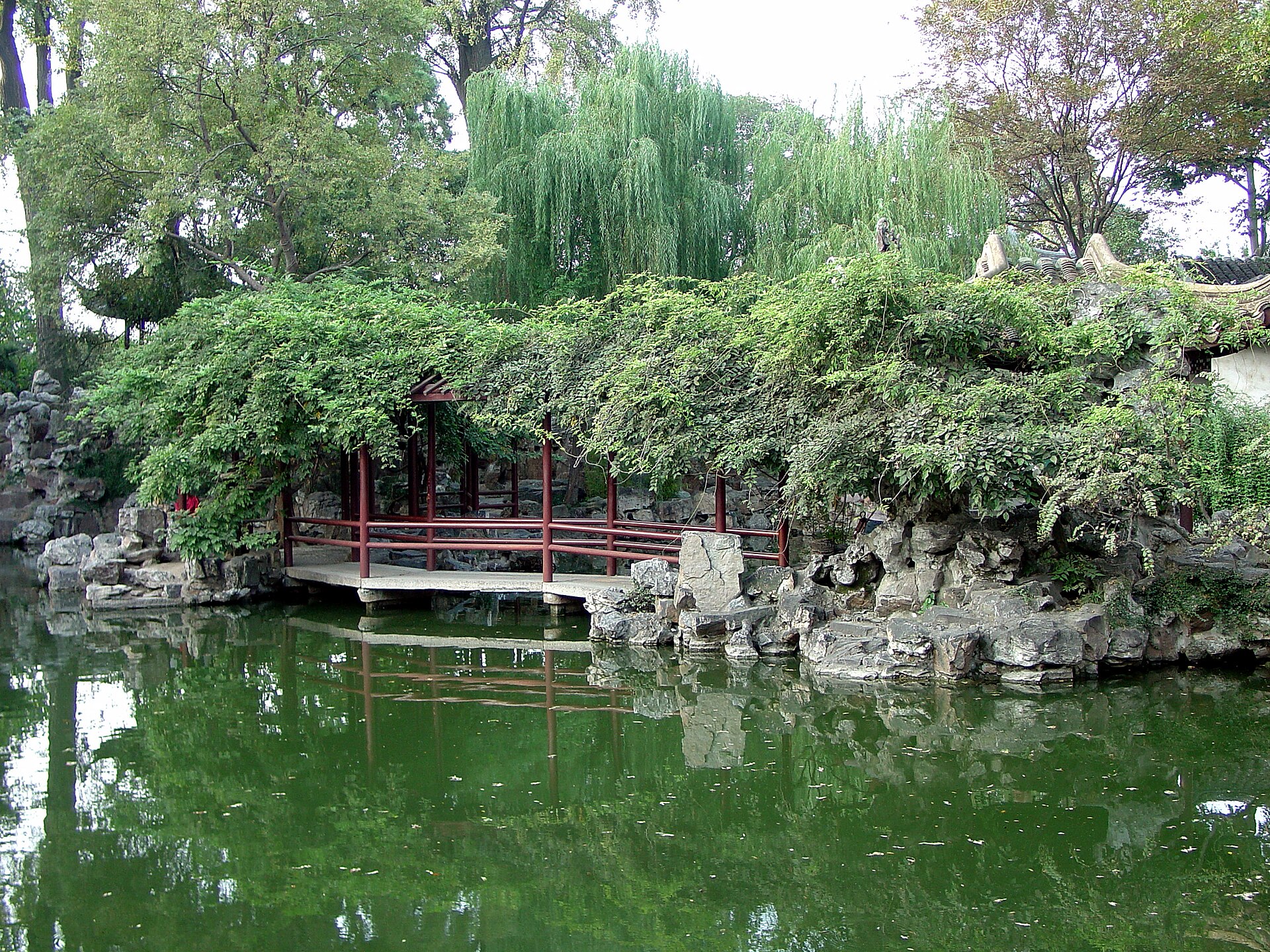
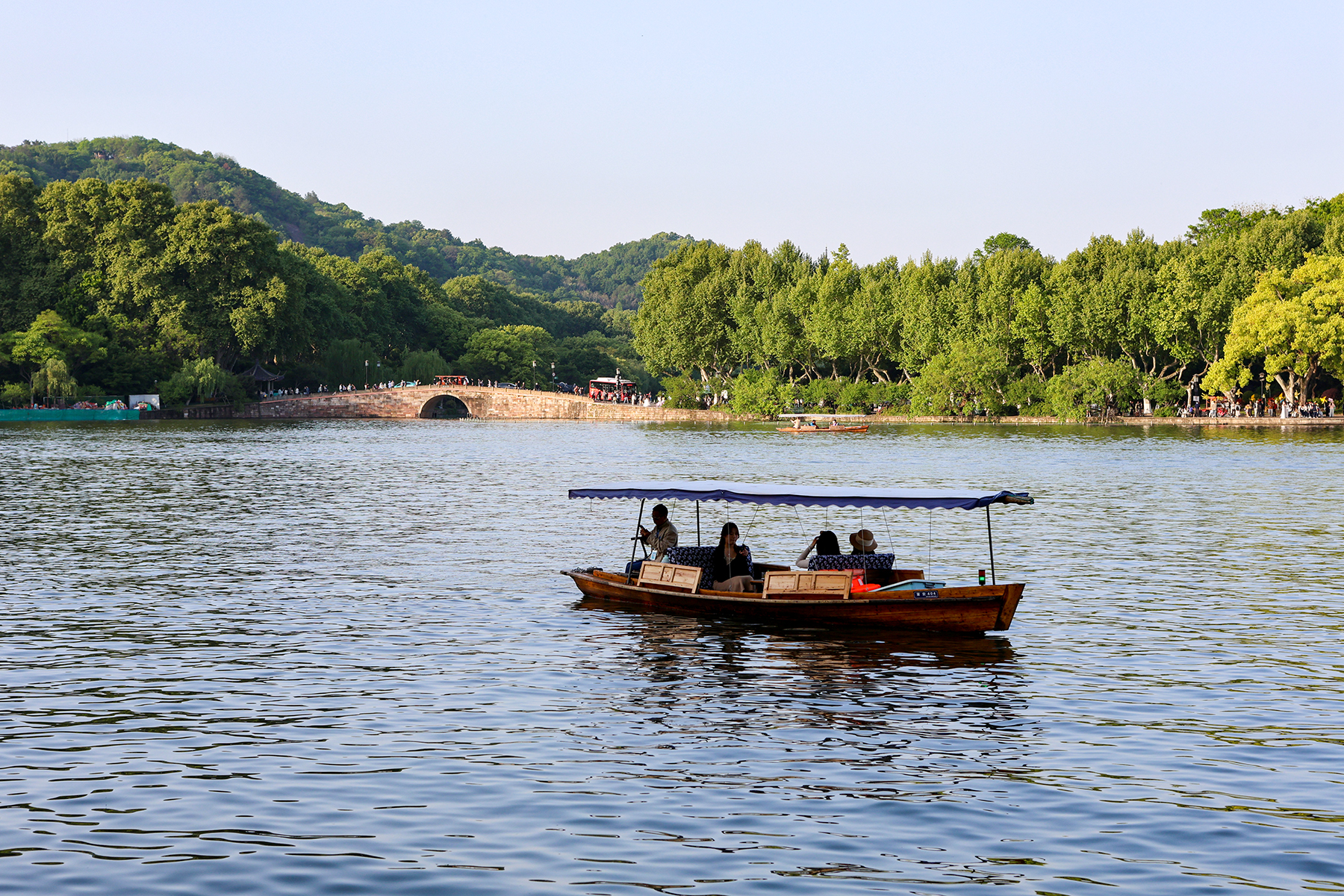
West Lake sits just west of downtown Hangzhou, the capital of Zhejiang province. It is not only a scenic lake but a cultural landscape that shaped Chinese garden design, poetry and painting for more than a thousand years, and since 2011 it has been a UNESCO World Heritage Site as the “West Lake Cultural Landscape of Hangzhou.” You will recognise parts of it without knowing it — the cluster of small stone pagodas standing in the water, the “Three Pools Mirroring the Moon,” appears on the reverse of the Chinese banknote. The practical appeal for a foreign visitor is that the beauty is genuinely accessible: the lakefront is public, the paths are gentle, and the highlights cluster tightly enough that you never feel rushed.
¿Cuántos días necesitas en Hangzhou?
Two days is the sweet spot. One day lets you see the signature sights; two days adds tea villages and temples without fatigue, and three lets you use Hangzhou as a base for side trips. It tends to anchor a 3–4 day “Jiangnan” segment alongside Shanghai and Suzhou rather than standing alone. To see how these stops fit into a multi-city route, skim our itinerario de viaje por China planificador antes de confirmar fechas.
La mejor época para visitar el Lago Oeste
El Lago Oeste es fotogénico durante todo el año, pero su atmósfera cambia notablemente según la estación. La primavera es la época clásica: flores de melocotonero, nuevos brotes de sauce y brumas suaves; el otoño trae aire fresco y el aroma del osmanto; el verano es caluroso y húmedo, pero las flores de loto son espectaculares; el invierno es tranquilo y gris, y, en los raros días nevados, la más atmosférica de todas. Las multitudes alcanzan su punto máximo en festivos nacionales y fines de semana, así que si puedes visitar entre semana, disfrutarás de mucho más espacio y tranquilidad. Nuestra guía mejor época para visitar China guía.
| Lo que ves | Sensación | Ideal para | Abril-mayo |
|---|---|---|---|
| Primavera (mar–may) | Brumosa, florida y suave | Fotografía, tomas icónicas de sauces y puentes | Multitudes festivas, mañanas húmedas |
| Verano (jun–ago) | Caluroso, húmedo y verde | Flores de loto, brisa lacustre nocturna | Calor intenso, chubascos vespertinos y máxima afluencia turística nacional |
| Otoño (sep–nov) | Fresco, claro y fragante | Ciclismo por las calzadas, caminatas cómodas | Auge turístico por el Día Nacional a principios de octubre |
| Invierno (dic–feb) | Gris, sereno y con nieve ocasional | Senderos vacíos, fotos evocadoras y precios bajos | Frío y húmedo; algunas rutas en barco reducen su frecuencia |
Cómo llegar a Hangzhou y moverse alrededor del lago
Hangzhou is one of the easiest cities in eastern China to reach. The fastest route for most itineraries is high-speed rail into Hangzhou East station, which connects well with Shanghai and onward to other major cities. If you would rather not piece together train tickets and local transfers yourself, a tailored visitas guiadas a China o una servicio privado con conductor desde Shanghái elimina las barreras del idioma y la logística. Una vez en la ciudad, la orilla del lago está bien servida por metro, autobuses, taxis y aplicaciones de transporte; el lago mismo se explora mejor a pie, en barco turístico, en bicicleta de alquiler o en los carritos eléctricos que recorren las calzadas.
Los lugares imprescindibles alrededor del lago
En lugar de intentar verlo todo, opta por un recorrido coherente de los puntos clave:
- Calzada Su (Sūdī) — la larga espina dorsal arbolada que atraviesa el lago; la esencia de la imagen postal, mejor al amanecer.
- Calzada Bai y Puente Roto — el tramo romántico y pictórico cerca de la antigua ciudad.
- Tres Estanques que Reflejan la Luna — la isla con las pagodas de piedra del billete; se accede en barco.
- Pagoda Leifeng — una torre reconstruida con la clásica vista al atardecer sobre el agua y la ciudad.
- Templo Lingyin y Monte Feilai — un importante complejo budista tallado en una ladera boscosa, a poca distancia del lago.
- Paseo Hubin y Qinghefang — el paseo lacustre para las tardes y la calle antigua para bocadillos y recuerdos.
Barcos, bicicletas y caminatas: cómo explorarlo realmente
Three modes, three different experiences. A sightseeing boat gives you the “from the water” view and connects the causeways and islands, which is how most first-timers make sense of the layout. Cycling is the locals’ favourite — the flat paths loop the whole lake, and hire stations are plentiful. Walking suits a shorter, denser section, ideally the Su Causeway or the north-east shore around the Broken Bridge. Most visitors blend the three: bike or boat in the morning, then walk and take a boat to the islands in the afternoon. Ticketing, boat fares and opening hours change periodically, so treat published prices as a typical range and confirm at the point of purchase rather than relying on a fixed figure.
Té, gastronomía y cultura en la aldea de Longjing
South-west of the lake, the terraced hills around Longjing (Dragon Well) village grow one of China’s most celebrated green teas. A slow half-day here — walking among the plantations, watching tea being roasted and sitting down to a tasting — is the most relaxing half-day in Hangzhou. Regional dishes lean fresh, lightly seasoned and river-influenced; the classic Hangzhou table brings tea-scented chicken, Dongpo-style braised pork and sweet-sour fish. If Longjing tempts you toward deeper rural China, our Ruta por Yunnan guía le muestra cómo un viaje centrado en el té y el paisaje puede estructurarse íntegramente en torno a este eje.
Dos itinerarios sugeridos
Un día. Amanecer en el dique Su, paseo en barco hasta las «Tres piscinas que reflejan la luna», mediodía en el dique Bai y el Puente Roto, té vespertino en la aldea de Longjing, atardecer en la pagoda Leifeng y cena en el paseo de Hubin. Es intenso, pero factible gracias a la cercanía entre los lugares.
Dos días. Reserve el recorrido anterior para el primer día y dedique el segundo a visitar por la mañana el templo Lingyin y el pico Feilai, y por la tarde, opte bien por más tiempo en la región del té o por una tarde más pausada junto al lago. Si dispone de un día extra antes o después, Hangzhou combina naturalmente con una Jardines de Suzhou excursión de un día o una escapada nocturna a Huangshan (Montaña Amarilla) desde Shanghái—ambas opciones comparten esa estética clásica del paisaje chino.
Consejos prácticos para visitantes extranjeros
Unos pequeños preparativos facilitarán toda su visita. Descargue las principales aplicaciones de mapas, traducción y transporte compartido antes de llegar, y resuelva cuanto antes el tema de los datos móviles: una eSIM para viajes a China means you are online from the moment you land, which matters when you are scanning QR codes for tickets, boats and payments at the lakefront. Cash is accepted but a connected phone and a mobile-payment setup do most of the work; bring a passport, as it is sometimes requested for ticket collection. English signage is reasonable at top sights but thin elsewhere, so pinning your spots on a map helps. Entry rules for visas, visa-free transit and stay durations are updated from time to time — always check the latest official requirements before you book.
Dónde encaja el lago Oeste en un itinerario por China
Hangzhou rara vez figura como destino único; suele ser el contrapunto sereno y paisajístico a la energía de Shanghái y la historia de Pekín. En una ruta inicial de 10 días, normalmente aparece junto a Shanghái; en un viaje más largo centrado en cultura y naturaleza, se vincula con Huangshan, Suzhou o los paisajes kársticos de Guilin. Si prefiere no organizar todo usted mismo, nuestro planificador de viajes servicio personalizado puede diseñar una ruta según sus fechas disponibles, y un viaje personalizado premium experto en viajes adaptará el ritmo, los alojamientos y la guía privada a sus intereses. Explore más rutas en nuestra guías de viaje.
Preguntas frecuentes
¿Es suficiente un solo día para visitar el lago Oeste en Hangzhou?
Puede ver los lugares más emblemáticos —un dique, un paseo en barco hasta las islas y una velada junto al lago— en una sola jornada intensa, pero dos días resultan mucho más cómodos y le permiten incluir la aldea del té Longjing y el templo Lingyin sin prisas. Para la mayoría de los viajeros primerizos, Hangzhou es una parada relajada de dos días, no una excursión de un día.
¿Cómo voy de Shanghái a Hangzhou?
High-speed rail from Shanghai to Hangzhou East is the usual route and is quick and frequent; journey times are short, so check the current schedule and fare when you book rather than relying on a fixed figure. If you would rather avoid station navigation and local transfers, a private car and driver from Shanghai is a comfortable alternative.
¿Debo pagar para visitar el lago Oeste?
La orilla del lago y los diques son de libre acceso y gratuitos para pasear; los pagos corresponden a servicios específicos, como embarcaciones turísticas, atracciones individuales, pagodas o entradas a templos. Precios y horarios de apertura se revisan periódicamente, así que considere cualquier cifra encontrada en línea como una referencia aproximada y confirme los detalles in situ o al adquirir las entradas.
¿Por qué es famoso exactamente el lago Oeste?
Its cultural landscape rather than any single landmark: tree-lined causeways, stone bridges, pagodas and garden views that defined Chinese scenic design for centuries, plus Longjing green tea and nearby Lingyin Temple. The “Three Pools Mirroring the Moon” island is the image you may already recognise from Chinese currency.
¿Vale la pena Hangzhou para turistas extranjeros con poco tiempo?
Sí, si disfruta de los paisajes, la gastronomía y un ritmo más pausado, especialmente si ya se encuentra en Shanghái. Es fácil de alcanzar, muy caminable y segura, y ofrece una faceta más tranquila y clásica de de China China que contrasta favorablemente con las grandes ciudades. Quienes busquen exclusivamente iconos como la Gran Muralla o los Guerreros de Terracota pueden prescindir de ella sin problema.