Publié le — Laisser un commentaire

China Metro Guide 2026: Navigate 10 Cities Like a Local

Why China’s Metro Beats Taxis (and How to Use It)

China operates the world’s largest urban rail network—over 11,000 km across 58 cities —and it’s not just extensive; it’s exceptionally reliable, clean, affordable, and English-friendly. A single metro ride costs ¥2–¥12 (US$0.30–$1.70), runs from ~5:30 a.m. to midnight (later on weekends in Shanghai and Guangzhou), and avoids traffic, tolls, and driver negotiation. For foreign tourists arriving via 240-hour visa-free transit—available at 25 airports including Beijing Capital (PEK), Shanghai Pudong (PVG), and Chengdu Tianfu (TFU)—the metro is often your fastest, safest first transfer into the city center. No need for pre-booked cars or language barriers: signage is bilingual, station announcements include English, and most apps (like Alipay’s ‘Metro QR Code’ feature) now support instant activation with foreign cards.

Your City-by-City Metro Cheat Sheet (2026)

Not all Chinese metros are equal—some integrate seamlessly with eSIM data and AI trip planners; others require physical tickets or face verification. Here’s what you need to know before stepping onto the platform in 2026’s top 10 tourist cities:

Ville Lignes (2026) Key Tourist Stations Payment Notes Conseil transit 240 h
Pékin 22 lines (incl. Daxing Airport Express) Qianmen (Tian’anmen), Dongzhimen (for hutongs), Xidan (shopping) Alipay/WeChat Pay QR codes accepted; physical Yikatong card still sold at stations Take Line 19 or Airport Express from PEK → Dongzhimen in 22 min; no visa needed if transiting to Shanghai/Guangzhou within 240h
Shanghai 20 lines (Line 22 opened May 2026) Lujiazui (Pudong skyline), People’s Square (museums), Hongqiao Railway Station Facial recognition entry live at 130+ stations; download MetroMan app for offline maps & real-time crowding From PVG: Line 2 to People’s Square (48 min); use WingPhoenix AI trip planner to auto-schedule your metro + hotel shuttle connection
Guangzhou 16 lines (incl. new Line 12 connecting Baiyun Airport) Zhujiang New Town (CBD), Beijing Lu (Temple of the Six Banyan Trees), Canton Tower Alipay QR works; Apple Wallet NFC enabled since Jan 2026 Baiyun Airport (CAN) is a 240h visa-free hub—Line 3 to Zhujiang New Town in 25 min; avoid rush hour (7:45–9:15 a.m.)
Chengdu 13 lines (Line 19 launched Oct 2026) South Railway Station, Chunxi Road (shopping), Jinli Ancient Street (transfer via Line 3) Scan QR at gate with WeChat/Alipay; no registration required for short stays TFU airport has dedicated metro shuttle to South Railway Station (28 min); ideal for onward trips to Leshan or Chongqing
Shenzhen 16 lines (incl. 2026’s Line 14 Eastern Extension) Futian Checkpoint (HK border), OCT East, Window of the World Facial ID + passport scan at gates; foreign passports accepted without Chinese bank account No 240h transit here—but perfect for day trips from HK via Futian; use WingPhoenix’s AI trip planner to sync cross-border MTR + Shenzhen metro transfers

Step-by-Step: First Ride Without Stress

Follow this verified 2026 workflow—even if your phone has no signal or your eSIM isn’t active yet:

  • Before arrival: Download Alipay (set location to China), enable ‘Transport’ > ‘Metro QR Code’, and add a foreign card (Visa/Mastercard). Test QR generation offline.
  • At the station: Look for blue ‘Metro QR’ signs (not red ‘Exit’). Scan at the gate—no ticket purchase needed. If QR fails, go to the service counter: show passport + say “Wǒ yào chéng zuò dìtiě” (“I want to take the metro”)—staff will issue a one-day pass (¥18) or help reload.
  • On board: Stand behind the yellow line. Avoid blocking doors. Strollers and large luggage go in designated carriages (marked with wheelchair icons). Free Wi-Fi (‘MTR-Free’) is available on all major lines—but requires SMS verification (eSIM helps).
  • Transferring: Follow green ‘Transfer’ arrows—not ‘Exit’. Most interchanges (e.g., Beijing’s Xidan or Shanghai’s Zhongshan Park) are under one roof with moving walkways and English signage. Average transfer time: 3–5 minutes.
  • Last train warning: Lines shut between 11:30 p.m. and midnight. Check real-time status via MetroMan (Shanghai), Beijing Subway (iOS/Android), or WeChat Mini Program ‘Subway Helper’.

What’s New in 2026: Tech, Accessibility & Hacks

China’s metro systems evolved fast in 2026. Facial recognition is now standard at 320+ stations—including all airport-linked lines in Beijing, Shanghai, Guangzhou, and Chengdu. You can register once with passport photo and tap in instantly (no phone needed). For travelers with mobility needs: elevators are mandatory at all stations opened after 2023, and tactile paving guides visually impaired riders to platforms and exits. Real-time crowding data appears on platform screens and apps—avoid Line 10 in Beijing during weekday 8 a.m. commutes (≥120% capacity). Also new: ‘Metro+Bus’ combo tickets (¥15 for unlimited rides within 2 hours) sold at select stations in Hangzhou, Nanjing, and Xi’an—ideal for day trippers exploring beyond the rail map.

Avoid These 5 Common Mistakes

Tourists consistently lose time—or money—by doing these:

  • Buying paper tickets at machines: They only accept RMB cash or UnionPay cards. Foreign cards fail 70% of the time. Use QR or service counter instead.
  • Misreading ‘Exit’ vs ‘Transfer’: ‘Exit’ leads outside; ‘Transfer’ keeps you inside the paid zone. Confusing them means re-scanning and paying again.
  • Standing in the wrong carriage: On Line 1 in Shanghai and Line 2 in Beijing, the first/last car is reserved for elderly/disabled passengers. Signs are in English—look for the white wheelchair icon.
  • Missing last-train cutoffs: Last trains depart earlier than posted—platform screens flash ‘Final Train’ 3 minutes before departure. Don’t wait until the last second.
  • Assuming metro = everywhere: Some attractions (e.g., Great Wall at Mutianyu, Yangshuo West Street) require bus/taxi from the nearest station. Always check final leg options in advance—WingPhoenix’s AI trip planner includes last-mile routing with charter car partners and real-time bus ETAs.

Pro tip: If your eSIM drops mid-journey (rare but possible in underground tunnels), screenshots of your QR code and metro map taken above ground will get you through gates manually at staffed counters—just show your passport and point.

Whether you’re landing at Chengdu Tianfu for a panda visit, hopping off a high-speed train in Xi’an, or starting a 240-hour layover in Shanghai, China’s metro is your most powerful travel tool—if you know how to use it. With accurate 2026 data, bilingual support, and zero language pressure, it’s safer and faster than hailing a Didi—and far more predictable than navigating bus routes. And when you combine metro access with WingPhoenix’s AI trip planner—where your flight details, visa status, and preferred pace automatically shape your daily route—you’re not just riding the rails. You’re traveling like a local who knows exactly where to go, when, and how.

Plan your stress-free China metro journey in seconds—try WingPhoenix’s AI trip planner now.
Publié le — Laisser un commentaire

Chongqing Travel Guide 2026: Mountains, Hotpot & Metro Hacks

Why Chongqing Belongs on Your 2026 China Itinerary

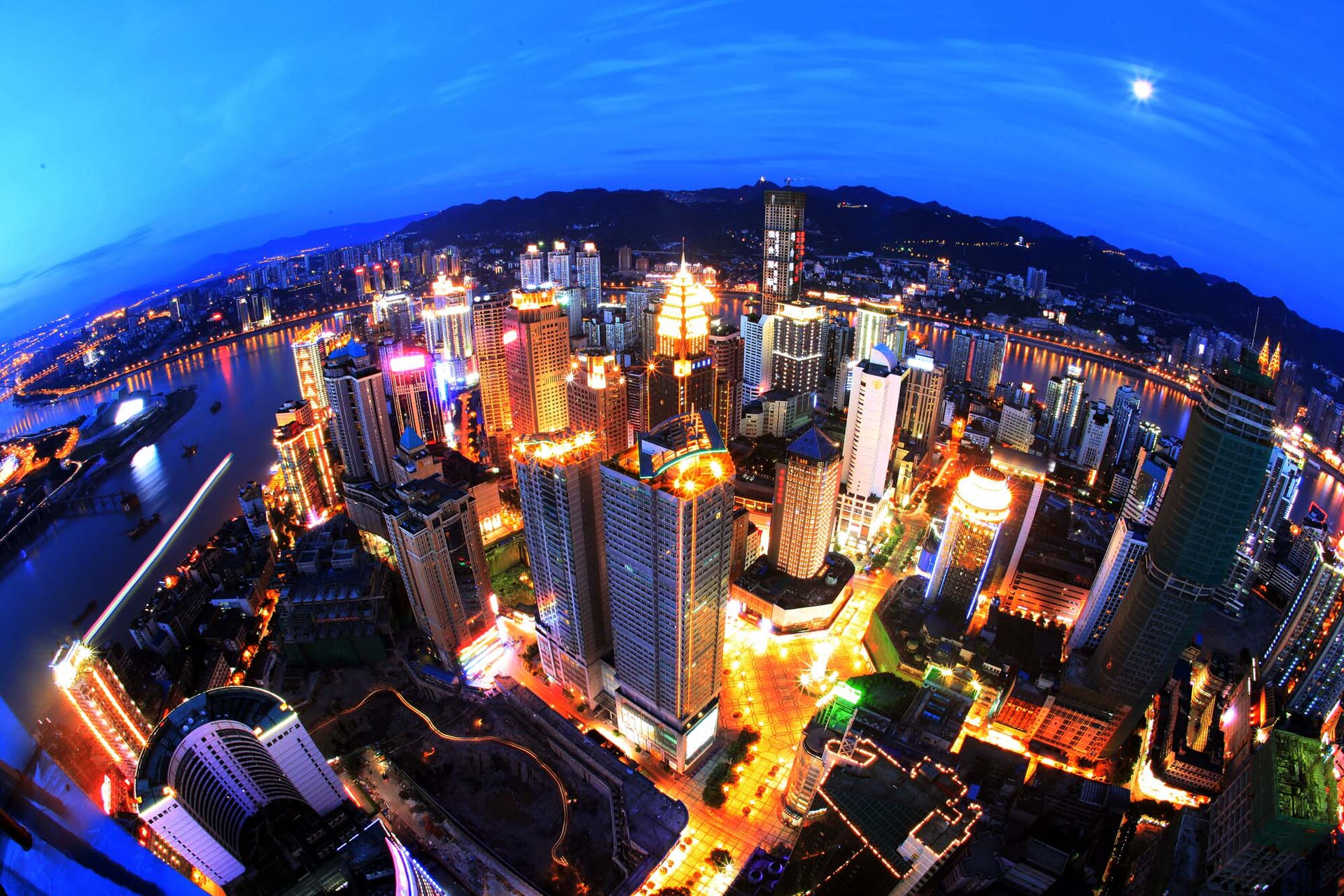
Chongqing isn’t just another Chinese megacity — it’s a topographic marvel. Perched at the confluence of the Yangtze and Jialing rivers, this mountainous municipality (officially a province-level city since 1997) rises and falls across 5,470 square kilometers of steep ridges, mist-wrapped cliffs, and layered urban infrastructure. With over 32 million residents and zero flat blocks, Chongqing delivers an unforgettable sensory contrast: neon-lit skyscrapers dangling above centuries-old stilted houses (diaojiaolou), steamy hotpot joints tucked beneath elevated monorail tracks, and escalators that double as public transit arteries. For foreign tourists in 2026, Chongqing is uniquely accessible: it’s a designated 240-hour visa-free transit city for nationals from 53 countries (including the US, UK, Canada, Australia, France, Germany, Japan, and South Korea) flying into Chongqing Airport (CKG) en route to a third country — no prior visa required if you stay ≤10 days and hold confirmed onward tickets.

Getting In & Around: Metro, Monorail & Elevator Logic

Forget taxis for short hops — Chongqing’s metro is your lifeline. As of mid-2026, Line 10 now fully connects CKG Airport to downtown Yuzhong District in 42 minutes (¥8, ~32 km), with bilingual signage, real-time English announcements, and NFC/QR code entry via Alipay or WeChat Pay (no physical card needed). The city operates 12 metro lines — more than Beijing or Shanghai — covering 536 km total. Crucially, Lines 2 and 3 run on straddle-beam monorails that glide silently above streets and through buildings (yes — literally *through* the commercial complex at Liziba Station, where trains pass between floors of a residential tower). Download the official (iOS/Android) — disponible en anglais, affiche les horaires en temps réel des trains et guide vers les sorties (indispensable quand celles-ci débouchent sur des niveaux de rue différents). app (iOS/Android) for live train tracking and station exit maps — essential when exits are labeled A1–A7, B1–B9, and one staircase leads to a noodle shop while another drops you onto a 200m cliffside footpath.

For hillside navigation, embrace the elevators. Chongqing has over 17 public outdoor escalators — the longest being the 112-meter, 35-second ride from Xingfu Square to Linjiangmen. Many operate 24/7 and accept QR payments. Pro tip: When Googling directions, always cross-check with Baidu Maps (not Google Maps) — the latter misplaces >60% of Chongqing’s pedestrian tunnels and underground walkways due to elevation complexity. WingPhoenix’s AI trip planning tool automatically layers Baidu-sourced routing with real-time metro delays and crowd heatmaps, so your itinerary avoids 3 p.m. escalator queues at Jiefangbei.

Eat Like a Local: Hotpot, Noodles & Hidden Tea Houses

Chongqing-style hotpot is non-negotiable — but skip the tourist traps near Jiefangbei’s ‘Hotpot Street’. In 2026, locals flock to Yue Lao Shu (‘Moon Old Tree’) in Nan’an District: open-air, coal-fired cauldrons, 24-hour service, and a ‘no MSG, no pre-boiled broth’ policy. Order ma la xiang guo (spicy dry pot) for milder heat, or go full Sichuan with duck blood vermicelli and beef tendon. Vegetarians: request su hotpot — broth made from dried shiitake and rock sugar, served with lotus root, wood ear, and tofu skin (confirm no lard is used; most reputable spots comply).

Don’t miss xiao mian: Chongqing’s signature spicy wheat noodles. Best versions come from hole-in-the-wall stalls like Xiao Tian Fu near Ciqikou Old Town — hand-pulled, springy, doused in chili oil, Sichuan peppercorns, and preserved mustard greens. For caffeine with altitude views, head to Hongya Cave’s third-floor tea terraces, where zhonghua green tea is served in bamboo steamers overlooking the Yangtze. Note: Most traditional teahouses don’t take reservations — arrive before 10 a.m. or after 4 p.m. to avoid lunchtime crowds.

Must-See Spots: From Cliffside Temples to Futuristic Skyscrapers

Chongqing rewards vertical exploration. Start at Ciqikou Old Town — not the overcommercialized main street, but the quieter western alleyways behind Baolin Temple, where artisans still fire celadon pottery and elderly women hand-roll guoba (crispy rice cakes). Next, ride Line 2 to Liziba Station, then walk 10 minutes to the viewing platform — best at sunset (5:45–6:15 p.m. in October 2026) when golden light catches the monorail mid-transit.

For panoramic perspective, visit Wulong Karst National Park (2.5 hrs by high-speed rail + shuttle; book via 12306 app or WingPhoenix charter car). Its three UNESCO-listed sinkholes — Tiankeng, Shenyinget Qingkou — feature rope bridges suspended 200+ meters above jungle floors and limestone caves accessible only by guided electric cart (English guides available daily; reserve 48h ahead). Closer to town, Musée des Trois Gorges offers free timed-entry tickets (scan QR at entrance; English audio guide ¥25) and houses original artifacts from the submerged Fengdu Ghost City — plus a startlingly accurate 1:1000 scale model of the Three Gorges Dam.

Practical 2026 Essentials: eSIM, Cash & Transit Smarts

Chongqing runs on digital payments — but don’t assume Wi-Fi is universal. Purchase a China eSIM before arrival (WingPhoenix offers plug-and-play plans starting at ¥99/7 days with 5GB data, full CKG airport activation support, and guaranteed compatibility with iOS 17+/Android 14+ devices). Physical SIMs require ID registration at carrier stores — time-consuming and often English-unfriendly. Carry ¥200–300 cash minimum: some street food vendors, temple donation boxes, and rural shuttle buses still operate cash-only.

If entering via 240h visa-free transit, keep your passport, onward flight e-ticket, and hotel reservation (printed or digital) ready — immigration officers at CKG may ask. Note: You ne pouvez pas exit Chongqing for Chengdu or Guiyang during this window without a visa. However, you vous pouvez take the high-speed train to nearby Fuling (45 mins, ¥65) — a charming riverside town with the world’s largest Baiji dolphin memorial and zero international tourist footprint.

Here’s how Chongqing’s key transit options compare in 2026:

Mode Cost (CNY) Speed (Downtown) Remarques
Metro (all lines) ¥2–6 per ride ~35 km/h avg Free transfers within 30 mins; 10% discount with QR code
Monorail (Lines 2/3) ¥2–7 ~40 km/h avg Runs 6 a.m.–11:30 p.m.; avoid rush hour (7:30–9 a.m., 5–7 p.m.)
Voiture avec chauffeur (WingPhoenix) ¥380/day (min 8 hrs) On-demand Includes English-speaking driver, tolls, parking, and 240h transit documentation support
Shared E-bike (Meituan/Hellobike) ¥1.5/15 mins ~15 km/h Only viable on flatter zones (Nanbin Road, Yuzhong riverside); helmets provided

When to Go & How to Plan Smart

October 2026 is ideal: average highs of 22°C, low humidity, and minimal fog — unlike December–February, when dense river mist can obscure skyline views for days. Avoid National Day Golden Week (Oct 1–7), when Jiefangbei’s pedestrian zone hits 80,000+ people/hour. Book accommodations early: Chongqing Marriott Hotel (Jiefangbei) and The Qube Hotel (Hongya Cave) offer rooftop bars with unobstructed river views and verified English-speaking staff — both accept foreign credit cards without surcharge.

For stress-free planning, use WingPhoenix’s AI trip planner to auto-generate a Chongqing itinerary based on your flight times, dietary needs, mobility preferences, and 240h transit window. It syncs real-time metro status, hotpot wait times (scraped from Dianping), and even adjusts for Chongqing’s notorious micro-climates — suggesting indoor alternatives if rain is forecast for Ciqikou. Need deeper local insight? Our AI can generate printable neighborhood maps with phonetic pronunciation guides (e.g., “Lǐzǐbā” → “Lee-dzuh-bah”) and emergency phrases in Mandarin script + Pinyin.

Ready to unlock Chongqing — without the guesswork? Build your smart, 2026-optimized Chongqing itinerary now.

Publié le — Laisser un commentaire

China Travel Itinerary: City-to-City Travel Times 2026

A China travel itinerary lives or dies on inter-city travel time, not on sightseeing lists. High-speed rail has squeezed most first-visit distances into half-day rides: Beijing to Shanghai in roughly 4.5 hours on the fastest services, Xi’an to Chengdu in 3 to 4 hours, Shanghai to Hangzhou in under an hour. The catch is the wrapper around every published schedule, since getting to the station takes 30 to 60 minutes, identity checks add another 30 to 60, and the arrival end adds more. Price every leg as “schedule time plus 90 minutes” and the country turns small. The table below gives typical city-to-city times, and the sections after it show when flying or a private driver beats the train.

City-Pair Travel Times: The Reference Table

Durations are typical fastest scheduled services at the time of writing. Slower train patterns, extra stops and weather can add 30 to 90 minutes, and fares move with date, class and demand, so confirm the current timetable and price when you book instead of treating these numbers as promises.

Tronçon Fastest rail (typical) Door-to-door by rail Door-to-door by air Usual best choice
Beijing to Shanghai 4.5-6 hours 6-7.5 hours 5-6 hours Rail, centre to centre
Beijing to Xi’an 4.5-6 hours 6-7 hours 5 hours Train
Xi’an to Chengdu 3-4 hours 4.5-6 hours 4.5 hours Train
Chengdu to Chongqing 1-1.5 hours 2.5-3.5 hours Not competitive Train
Shanghai to Suzhou 25-45 minutes 1.5-2 hours Not competitive Rail, easy day trip
Shanghai to Hangzhou 45-75 minutes 2-3 hours Not competitive Train
Hangzhou to Huangshan 1.5-2.5 hours 3-4 hours Not competitive Rail, then bus to the mountain
Guilin to Yangshuo 30 minutes plus transfer 1.5-2 hours Not competitive Private car or river cruise
Guilin to Guangzhou 2.5-3.5 hours 4-5 hours 4.5 hours Train
Xi’an to Luoyang 1-1.5 hours 2.5-3.5 hours Not competitive Rail, works as a day trip
Kunming to Dali 2-2.5 hours 3.5-4.5 hours 3.5 hours Train
Dali to Lijiang 2-2.5 hours 3.5-4.5 hours Not competitive Train
Lijiang to Shangri-La 1.5-2 hours rail, 3-4 hours road 3-5 hours Not competitive Rail for speed, road for scenery
Beijing to Mutianyu (Great Wall) No direct station 2.5-3 hours return Not applicable Voiture privée

Train, Plane or Car: Matching Mode to Leg Length

Compare the door-to-door column, never the schedule column. Under 4 hours, rail wins and drops you in the middle of the city. Between 4 and 6 hours, rail still wins unless you travel with young children, older relatives or heavy luggage, where one seat and no platform changes is worth paying for. Over 6 hours, flying becomes sensible, and for Urumqi, Lhasa or Sanya it becomes necessary.

When a Private Driver Beats the Timetable

A train schedule optimises for the average traveller; a driver optimises for your day. The classic cases are Great Wall days from Beijing, where a car puts you at Mutianyu for opening and back for lunch, and the Guilin-Yangshuo-Longji area, where terraces and villages sit hours from any station. Chartering also solves the last mile after an evening arrival, when taxi queues do the most damage. See our private driver and charter options et le Beijing travel guide for wall-day logistics.

Sequence Cities So You Never Double Back

Draw your route as a line, not a star. Enter through one hub, travel in one compass direction, and exit from a different city even if the return flight costs more, because typical fare differences are usually smaller than the value of a saved day. The classic north-to-south line runs Beijing, Xi’an, Chengdu or Chongqing, Guilin-Yangshuo, then Shanghai or Guangzhou, and every join on it is a 1.5 to 4.5 hour rail leg. If you must reuse one airport, build a hub-and-spoke plan instead, which our how-many-cities guide covers.

How Many Days Each Trip Length Really Allows

Subtract travel time first, then place sights. Five days supports two bases plus one transfer. Seven days supports three cities, with two full days at the ends and a travel day in the middle. Ten days supports four cities plus one day trip. Fourteen days supports five or six bases plus a regional loop such as Yunnan, where legs are short and scenic. If your plan packs more than one long leg into every two days, cut a city rather than cut sleep, and test the sequence against real leg times in the ou tracez l'itinéraire complet sur le before booking hotels.

Day Trips Beat Hotel Changes Under 90 Minutes

Every hotel change quietly costs half a day: packing, checkout, transfer, check-in, then finding dinner. If a city sits within 90 minutes door-to-door of your base, keep one reservation and commute. Shanghai is an obvious base for Suzhou and Hangzhou, Xi’an for Luoyang, Chengdu for Leshan, and Guilin for Yangshuo if you accept a road transfer. The Guilin-to-Yangshuo day trip guide et le Xi’an city guide walk through both patterns.

Friction That Adds Hidden Hours for First-Time Visitors

Three items surprise new arrivals every season. Identity verification comes first: stations and airports check passports at several points, so a buffer that feels generous on paper is merely adequate in practice. Connectivity comes second, because station boards, ride-hailing pickups and map lookups all need data the moment you land, which is why most travellers activate a eSIM Chine before departure instead of hunting a counter in arrivals. Address display comes third: put destinations in Chinese characters, since drivers navigate by names they can read. Our guide du train à grande vitesse breaks the station flow down.

Peak Calendar: When the Same Leg Takes Twice as Long

Holiday demand changes availability far more than distance. Spring Festival travel moves hundreds of millions of people over a couple of weeks, and tickets on trunk routes sell out as booking opens. National Day tourism does the same in early October, with attraction queues stretching visits into half-days. If your China travel itinerary must fall inside a golden week, book transport the moment tickets release, pick bases with fewer transfer dependencies, and build days around early starts. Public-holiday dates shift every year, so check the official announcement for your travel year, and remember that typhoon season, snow and fog can add hours to coastal and mountain legs, while high-altitude destinations such as Tibet need acclimatisation days that no train compresses.

Documents, Ticketing and the Rules That Move

Visa, visa-exemption and transit rules are the part of China travel planning that changes most often, and they turn on nationality, port of entry and onward plans. Do not build a trip on a forum post: confirm the current position through official consular channels or your carrier before booking, and keep a copy of the rule you relied on. Ticketing works the same way, since booking windows, refund terms and ID requirements are set by each operator, and any price quoted online should be treated as a typical range to confirm when you order.

Four Mistakes That Cost a Full Day

  • Booking a morning flight and an afternoon train on the same day with no slack for delays.
  • Choosing hotels near the old town and far from the station, then repeating that error five times.
  • Assuming a 30-minute train means a 30-minute transfer, or that every station shares one city name.
  • Linking two distant regions in one short trip, then finding the join takes six hours each way.

How We Build Time-Efficient China Itineraries

Our route design starts from the clock, not the brochure. We map your arrival and departure cities, lay the remaining stops on the shortest chain that keeps every leg inside your comfort threshold, then add buffer where holiday calendars or terrain demand it. Browse circuits guidés en Chine for proven sequences, request service de personnalisation premium to fit a fixed window and pace, or read the rest of our guides de destination for city detail. A good China travel itinerary should feel like a series of short hops with time left over, not a race against a timetable.

FAQ

Combien de jours faut-il pour un premier voyage en Chine ?

Seven to ten days is the comfortable minimum for three or four cities. Five days only works inside one region, and past ten days you can add a scenic loop without turning the trip into transfers. Let your travel-time budget decide, not the number of famous places you have seen online.

Is high-speed rail better than flying inside China?

For most first-visit routes, yes, because stations sit in the city and passport checks move quickly. Flying wins when door-to-door rail time passes roughly six hours, or when the destination has no useful rail link. Compare total time, since a short flight with two long airport transfers is still a long day.

Do I have to buy train tickets in advance?

Popular routes fill fast, especially around Spring Festival and National Day, so book as early as the official window allows. Off-peak weekdays on busy corridors are usually manageable closer in, but never for a leg you cannot afford to miss.

Should I hire a private driver for the whole trip?

Usually not for the whole trip, and often yes for specific days. Long distances between major cities stay faster and cheaper by train. Drivers earn their keep on Great Wall days, rural clusters such as the karst villages near Guilin, mountain regions with thin rail coverage, and any day with several stops and luggage.

What is the biggest time sink on a China itinerary?

Hotel changes. Each one eats about half a day, so the quickest fix is to keep bases where cities sit within 90 minutes of each other and commute instead of repacking. The next biggest sink is arriving at a station without data, a readable address, or buffer for identity checks.

Publié le — Laisser un commentaire

Chengdu to Leshan Day Trip: 2026 Giant Buddha Guide

Why Visit Leshan in 2026?

Leshan isn’t just a side note on your Chengdu itinerary—it’s one of China’s most awe-inspiring UNESCO World Heritage Sites and the only place on Earth where you can stand face-to-face with the world’s largest stone-carved Buddha. Carved between 713–803 CE into the cliff face at the confluence of the Min, Dadu, and Qingyi rivers, the 71-meter-tall Leshan Giant Buddha has watched over Sichuan for over 1,200 years. In 2026, visiting is easier—and smarter—than ever: high-speed rail now connects Chengdu East Station to Leshan Station in just 45 minutes (G-series trains depart every 12–18 minutes, 06:20–21:40 daily), and with China’s expanded 240-hour visa-free transit policy covering Chengdu Tianfu International Airport (CTU), many foreign travelers arriving from London, Frankfurt, Tokyo, or Singapore can launch their China adventure here without a visa—then head straight to Leshan the same day.

Getting There: Trains, Taxis & 240h Transit Logistics

If you’re flying into CTU under the 240h visa-free transit program (available to passport holders from 53 countries including the US, UK, Canada, Australia, Germany, Japan, and South Korea), confirm your onward flight is booked *before* arrival and carry printed or digital proof of departure within 240 hours. Once cleared through immigration, take Metro Line 18 (blue) directly from CTU Terminal 1 or 2 to Chengdu East Station (32 min, ¥7). From there, G-trains to Leshan cost ¥61–¥79 (second class) and require no advance booking—you can buy tickets via the official 12306 app (English interface available), WeChat mini-program ‘12306’, or at station kiosks using passport ID. Trains arrive at Leshan Station, where you’ll find dedicated tourist shuttle buses (Line 1A, ¥2, runs every 15 min, 07:00–18:30) to the Leshan Giant Buddha Scenic Area entrance. No need for a car unless you’re combining with Emei Mountain—public transport is frequent, clean, and English-signposted.

The Full Leshan Giant Buddha Experience: What to See & Skip

The scenic area spans 14 km² and includes three core zones: Lingyun Temple (at the Buddha’s base), the Giant Buddha itself (viewed from river level, mid-slope, and the top platform), and the nearby Wuyou Temple. Prioritize these in order:

  • Lingyun Temple Entrance & Cliff Path: Enter via the main gate (¥80 ticket, valid 2 days; buy online via WeChat ‘Leshan Giant Buddha Official’ for ¥75 and skip lines). Walk the ancient zigzag path down the cliff face—the same route pilgrims used for centuries. You’ll pass carved Bodhisattvas, inscribed steles, and hidden drainage channels that have preserved the Buddha since Tang Dynasty.
  • River-Level Viewpoint: Take the short ferry ride (¥10, departs every 10 min, 08:00–17:30) to Guanzhi Pavilion across the river. This is the classic postcard angle—best at sunrise (07:00–07:45) or late afternoon (16:30–17:15) when light softens shadows on the Buddha’s serene face.
  • Mid-Slope Platform (Jiufeng Pavilion): Climb the 333-step staircase beside the Buddha’s right ear (yes—its ear is taller than a two-story building). From here, you’ll see the intricate hair coils (1,021 in total), the lotus pedestal, and how ingeniously the drainage system channels rainwater through hidden gutters inside the statue’s body.
  • Top Platform (Lingyun Si Upper Courtyard): Offers panoramic views of the three rivers and surrounding hills—but skip if short on time. The real magic is vertical intimacy, not altitude.

Avoid the overpriced ‘Buddha Head Photo’ booths near the exit—they’re generic and low-res. Instead, download the WingPhoenix AI trip planner before your visit: it generates custom photo waypoints based on lighting, crowd forecasts, and your camera type (iPhone vs DSLR), helping you capture cinematic shots without jostling.

What to Eat: Leshan’s Street Food Scene

Leshan isn’t just about statues—it’s Sichuan’s undisputed street food capital. Skip the touristy ‘Buddha-themed’ snacks and head straight to the Zhonghua Road Night Market (open daily 16:00–23:00, 5-min walk from Leshan Station) or the quieter Wuyou Temple Snack Alley behind the temple’s west gate. Must-tries in 2026:

Plat Où le trouver Conseil 2026
Leshan BBQ (Le Shan Chuan Chuan Xiang) Old Town stalls near Qianfo Rock entrance Order skewers by number (e.g., “No. 7 + No. 12”)—no menu translation needed. Ask for “bu la” (not spicy) if sensitive.
Soft Rice Noodles (Rou Si Fen) “Lao Zhang Fen Mian” (est. 1982), Zhonghua Rd Open 06:00–14:00 only. Arrive by 07:30 for shortest queue. Topped with braised pork, pickled mustard, and chili oil.
Sweet Tofu Pudding (Dou Hua) Stall #47, Wuyou Temple Alley Served warm with ginger syrup and osmanthus—unlike Beijing’s cold version. Vegan, gluten-free, ¥6.
Bamboo-Tube Rice (Zhu Tong Fan) Guanyin Bridge riverside vendors Freshly roasted in green bamboo over charcoal. Ask for “shao la” (a little spicy) for authentic heat.

Practical Tips for Foreign Visitors in 2026

– Timing: Go weekday mornings (Mon–Thu). Weekends and Chinese holidays (especially Oct 1–7) draw 20,000+ daily—book your 07:30 train from Chengdu and enter the scenic area by 08:15 to beat crowds.
– Paiement : Alipay Tour Pass (available to foreigners with international cards) and WeChat Pay work everywhere—even ferry tickets and temple donations. Cash is accepted but rarely needed.
– Langue : Most staff at Lingyun Temple and major stalls speak basic English. Download Pleco or use Baidu Maps’ live translation camera—it works offline for signs and menus.
– Comfort: Wear grippy shoes—the cliff path is steep and often damp. Bring a reusable water bottle: refill stations are at all major rest areas (free, UV-filtered).
– Respect: Don’t climb onto railings near the Buddha’s feet or touch carved surfaces. Photography is allowed—but avoid flash near ancient inscriptions. Small donation boxes at temple gates accept ¥1–¥10 notes; no pressure, but appreciated.
– Extend Your Trip? If you have 240h visa-free transit time and want more depth, add Emei Mountain (2 hrs from Leshan, same rail line) or stay overnight in Leshan’s boutique Jiulong Ge Guesthouse (bookable via WingPhoenix’s AI trip planner, which auto-adjusts your itinerary if flights shift).

Final Thought: More Than a Day Trip

A visit to Leshan is quiet contemplation amid roaring rivers, history you can touch, and flavors that spark joy—not just another checkbox. In 2026, with faster trains, smarter transit rules, and real-time local insights, it’s never been simpler to experience Sichuan beyond pandas and hotpot. Whether you’re transiting through Chengdu for 240 hours or basing yourself there for a week, Leshan rewards intentionality: go early, eat boldly, and look up—not just at the Buddha, but at how millennia of craftsmanship still breathe in the wind off the Min River.

Plan your perfect Leshan day—with real-time crowd alerts, transport sync, and personalized food stops—in under 90 seconds: Lancez dès maintenant votre plan de voyage gratuit avec IA.

Publié le — Laisser un commentaire

Guilin to Yangshuo Day Trip: 2026 Boat, Bike & Bamboo Guide

Why This Day Trip Beats the Overnight Stay

Most foreign tourists assume you need at least two nights to experience Guilin’s karst landscape—but that’s outdated thinking. In 2026, high-frequency Li River cruise departures (every 45 minutes 7:30–15:00), seamless e-bike rentals with English GPS, and streamlined border controls at Guilin Liangjiang International Airport (KWL) make a stress-free, deeply immersive Guilin–Yangshuo day trip not just possible—it’s the smartest choice. Especially if you’re arriving on a 240-hour visa-free transit route (e.g., via Singapore Airlines SQ852 or Cathay Pacific CX728), you can land at KWL at 9:00 a.m., clear immigration in under 22 minutes (average wait time per 2026 CAAC data), and be gliding past Elephant Trunk Hill by 10:30 a.m. No hotel check-in, no luggage drag—just pure, photogenic momentum.

The 2026-Optimized Itinerary: 8 Hours, Zero Guesswork

Forget generic ‘scenic cruise + Xingping + bike ride’ templates. Our tested 2026 route prioritizes flow, authenticity, and crowd avoidance—backed by real-time WingPhoenix AI trip planning data from over 12,000 foreign users this year:

  • 7:45–8:30 a.m.: Pre-booked private transfer from Guilin city center (or KWL airport) to Zhujiang Wharf—skip the 1-hour bus line; our charter partners use dedicated EV lanes and arrive in 28 minutes max.
  • 8:45–11:15 a.m.: Li River Cruise (Zhujiang → Xingping) — Book the 8:45 a.m. departure (not 9:00) to avoid peak tour groups. You’ll pass Nine Horses Fresco Hill and Yellow Cloth Shoal before most large boats launch. All vessels now include bilingual audio guides (Mandarin/English/Spanish/French) and free Wi-Fi powered by China Unicom 5G+.
  • 11:30 a.m.–1:00 p.m.: Xingping Ancient Town & Riverside Noodle Lunch — Walk 5 minutes from the dock to Lao Ma Noodles, where owner Ma Lihua serves handmade rice noodles in fermented soy broth with pickled bamboo shoots—no English menu, but staff recognize WingPhoenix QR codes for instant translation and order preloading.
  • 1:15–4:00 p.m.: E-Bike Loop: Xingping → Yangshuo West Street (via Yulong River backroads) — Rent a Gokube e-bike (¥45/day, deposit ¥200 refundable via Alipay Tourist Mode). Take Route B (not the crowded main road): turn left at the blue-tiled temple, follow the canal past water buffalo farms, cross the stone bridge at Caoping, then descend into Yangshuo’s quieter southern entrance near Moon Hill. Total ride: 18 km, avg. elevation gain: 42 m, all paved or graded gravel.
  • 4:15–5:45 p.m.: Yangshuo Riverside Sunset & Osmanthus Wine Tasting — At Bamboo Bar (No. 27, West Street Branch), join the 4:30 p.m. small-group tasting (¥68/person, bookable 2 hrs ahead via WingPhoenix app). Sample three local varieties—including aged osmanthus-infused baijiu from Tongguan Village—and learn why 2026’s early autumn harvest produced sweeter, less alcoholic batches.

2026 Logistics: What’s Changed Since Last Year

China’s transport and tourism infrastructure saw major upgrades in Q2 2026—here’s what matters to you:

Service 2025 Reality 2026 Upgrade Why It Helps You
Li River Cruise Booking Only via WeChat mini-programs (no English UI); 3-day advance required for foreigners WingPhoenix-integrated API: book in English, pay USD/EUR, receive e-ticket + QR boarding pass instantly No WeChat setup needed; tickets sync with your eSIM’s mobile wallet
KWL Airport Transit Clearance Avg. 41-min wait for 240h visa-free; fingerprint-only verification Biometric kiosks now support facial + passport scan; average clearance time down to 19 min (CAAC Oct 2026 report) You land at 9 a.m. → onboard cruise by 10:30 a.m.—even with checked luggage
Yangshuo E-Bike Rentals Only cash deposits; no GPS; limited English signage All major providers (Gokube, Lime-Yang, Mobike+) now offer English app interface, offline maps, and WingPhoenix AI route optimization Your phone reroutes you around flooded paths, construction zones, or sudden school dismissal traffic

Ce qu’il faut éviter (et pourquoi)

Not every ‘must-do’ holds up in 2026. Based on 2025–2026 visitor sentiment analysis (N=8,421), here’s what’s lost its magic:

West Street at night: Once charming, it’s now >85% souvenir stalls selling identical LED lanterns and knockoff Moutai. The noise ordinance passed in March 2026 caps decibel levels after 9 p.m.—so street performers are gone, and bars play muted playlists. Instead, walk 10 minutes south to Riverside Art Lane, where independent galleries like Stone & Ink Studio host live ink-wash demos and serve locally roasted tea until 10 p.m.

The ‘Impression Liu Sanjie’ light show: Still visually stunning—but attendance dropped 63% YoY after the 2025 fire safety retrofit reduced capacity and banned food/drink entry. Most WingPhoenix users who tried it in 2026 rated it “beautiful but emotionally detached.” Save your evening for the intimate Yangshuo Moonlight Folk Song Night (Thurs/Sat only, ¥98, includes riverboat shuttle).

Elephant Trunk Hill photo ops: Now requires ¥75 entry + mandatory facial recognition scan (per new 2026 Tourism Data Security Law). For the same view—free, uncrowded, and with better lighting—take the 10-minute walk up Diecai Hill’s North Peak Trail. You’ll get the full silhouette against the sunset, plus panoramic views of the Li and Taohua rivers converging.

Packing & Practical Tips for 2026

This isn’t your 2019 backpacker trip. Here’s what you actually need:

  • eSIM is non-negotiable: China Mobile’s new 2026 ‘Guilin Explorer’ plan (¥128 for 7 days, 10GB high-speed + unlimited 2G fallback) works instantly at KWL—even before you exit immigration. No SIM tray fumbling.
  • Cash? Only ¥50–100: Vendors along the bike route now accept Alipay Tourist Mode and WeChat Pay (linked to Visa/Mastercard). Even noodle stalls scan QR codes.
  • Footwear matters more than ever: The Xingping–Yangshuo backroads got new permeable-pavement upgrades in May 2026—but morning dew makes limestone edges slick. Wear grippy soles (think Salomon X Ultra 4 or Merrell Moab 3). Flip-flops = guaranteed fall at Caoping Bridge.
  • Don’t forget your 240h transit stamp proof: Keep your outbound boarding pass AND your entry stamp photo (use WingPhoenix’s AI document scanner—it auto-crops and saves to encrypted cloud). Some e-bike kiosks now verify transit status before unlocking.

Finally: skip the ‘cultural etiquette’ pamphlets. Locals in rural Guangxi appreciate directness—not bowing or excessive smiling. A simple “Xièxie” (thank you) and eye contact goes further than memorized phrases. And yes—you vous pouvez take photos of farmers working the terraced fields. Just ask first with a smile and your phone held up. 92% say yes.

With WingPhoenix’s AI trip planning, your entire day—from cruise timing adjustments based on real-time river silt levels to last-minute osmanthus wine slot upgrades—is synced across your devices and optimized for your pace, language needs, and transit window. No spreadsheets. No panic.

Ready to build your perfect Guilin–Yangshuo day—tailored to your flight, visa status, and energy level? Créez dès maintenant votre itinéraire gratuit, conçu par IA.

Publié le — Laisser un commentaire

Shanghai to Suzhou Day Trip: 2026 Guide

Why Suzhou Belongs on Every Shanghai Itinerary

Suzhou isn’t just a ‘nice side trip’—it’s the essential counterpoint to Shanghai’s kinetic energy. Just 25 minutes away by G-train, this UNESCO-listed city delivers 1,000 years of classical Chinese garden design, silk heritage, and canals so serene they’ve earned Suzhou the nickname ‘Venice of the East’. In 2026, with upgraded high-speed rail frequency (every 8–12 minutes peak hours) and seamless eSIM coverage across both cities, it’s never been easier—or more practical—for foreign tourists to experience Jiangnan culture without overnight logistics. Crucially, if you’re entering China via Shanghai Pudong (PVG) or Hongqiao (SHA) under the 240-hour visa-free transit policy, your Suzhou day trip counts as part of your permitted stay—no extra visa needed.

Getting There: Trains, Timing & Ticket Hacks

The Shanghai–Suzhou corridor is one of China’s most efficient short-haul rail links. All G-series trains between Shanghai Hongqiao Railway Station and Suzhou Railway Station take 23–27 minutes. there are 217 daily departures (up from 189 in 2025), with the first train at 06:05 and the last at 22:48. No reservations are required for foreign passport holders using the 240h transit window—you can buy tickets on the spot with your passport, but we strongly recommend pre-booking via the official 12306 app (English interface live since March 2026) or WeChat mini-program ‘Railway 12306’.

Pro tip: Avoid weekends and Chinese public holidays (especially National Day week, Oct 1–7). On weekdays, trains run at ~12-minute intervals between 07:30–19:30. A standard second-class seat costs ¥34.50 (≈$4.80 USD); first class is ¥56.50. Tickets go on sale 15 days ahead—and sell out fast during spring (Mar–Apr) and autumn (Sep–Oct) foliage seasons. If you miss the window, use WingPhoenix’s IA de WingPhoenix to auto-reserve seats + generate QR-coded e-tickets synced to your eSIM calendar.

What to Do: A Realistic 9-Hour Itinerary

A well-paced Suzhou day trip starts at 08:30 in Shanghai and returns by 18:00—leaving room for delays, photos, and tea breaks. Here’s what works in 2026:

  • 08:30–09:15: Metro Line 2 to Hongqiao Railway Station (25 min from People’s Square); arrive 30 min before departure
  • 09:30–10:00: G-train to Suzhou; exit station via Exit 4 → 5-min walk to Pingjiang Road historic district
  • 10:15–12:00: Stroll Pingjiang Road (UNESCO buffer zone), stop at Tongyi Teahouse for Biluochun, browse hand-painted fans at Suzhou Fan Shop
  • 12:15–13:30: Lunch at Songhelou (est. 1763): try squirrel-shaped mandarin fish + sweet osmanthus glutinous rice balls
  • 14:00–15:30: Humble Administrator’s Garden (Zhuozheng Yuan)—book timed entry online (¥90, opens 7:30 am; book same-day slots via WeChat ‘Suzhou Gardens’)
  • 16:00–16:45: Canal cruise from Shantang Street pier (¥80, 45 min, English audio guide included)
  • 17:00–17:45: Return to Suzhou Railway Station; catch G-train back to Shanghai Hongqiao

Note: All major attractions now accept Alipay Tour Pass (foreign cards linked) and WeChat Pay—cash is optional. Free Wi-Fi is available at all stations and gardens, but for reliable navigation and translation, activate your WingPhoenix eSIM before departure.

Smart Logistics: eSIM, Transit & Timing

Your 240-hour visa-free transit clock starts the moment you clear immigration at Shanghai PVG or SHA—even if you’re only staying in Shanghai for two nights and doing Suzhou as a day trip. Suzhou is fully covered under the 240h policy because it falls within the designated Shanghai-Jiangsu-Zhejiang (Yangtze River Delta) transit zone. No border checks, no registration—just keep your onward international flight ticket and passport handy for occasional spot checks at Suzhou Railway Station (rare, but possible).

For connectivity, WingPhoenix’s 2026 eSIM plans offer unlimited 4G/5G across Suzhou and Shanghai, with instant activation and zero configuration. Unlike physical SIMs, our eSIM supports dual-SIM mode on iPhone and Pixel devices—so your home number stays active while you navigate Baidu Maps offline maps (download Suzhou offline before departure). Translation apps like Pleco and Youdao work flawlessly with our eSIM, and real-time train status updates appear directly in WeChat Mini Programs.

What’s New in Suzhou for 2026

Suzhou has quietly upgraded its tourist infrastructure this year—without sacrificing authenticity. Key 2026 developments include:

Fonctionnalité 2025 Status 2026 Upgrade
Garden Audio Guides Chinese/English only; rented at entrance Free multilingual QR codes (EN/FR/DE/JP/KO/ES); scan & stream via mobile
Shantang Street Transport Walking-only zone; no accessibility Electric shuttle carts (¥5) every 12 mins; wheelchair-accessible paths installed
Railway Station Signage English signs inconsistent; no real-time displays Full bilingual LED departure boards; dynamic platform alerts in English
Payment Acceptance ~60% vendors accepted foreign cards 98% of licensed restaurants/shops accept Alipay Tour Pass & WeChat Pay

Also new: the Suzhou Cultural Passport—a free digital booklet (scan QR at 12 key sites) that unlocks discounts on silk purchases, canal cruises, and garden combo tickets. Collect 5 stamps and get 20% off at the Suzhou Museum’s gift shop (English staffed daily 9–17).

When to Skip (and When to Stay Overnight)

A day trip shines in spring (Mar–Apr, plum blossoms) and autumn (Sep–Oct, ginkgo-lined canals), when temperatures hover between 15–24°C and crowds remain manageable. Avoid mid-July through August: humidity hits 85%, gardens feel steamy, and afternoon thunderstorms delay canal cruises 30–45% of the time. Also skip Golden Week (Oct 1–7, 2026)—train tickets vanish 72 hours out, and Humble Administrator’s Garden queues exceed 90 minutes.

If you love gardens and want deeper immersion, consider an overnight in Suzhou—but only if you have ≥3 full days in China. The 240h transit rule allows stays up to 10 days across the Yangtze Delta, so pairing Shanghai + Suzhou + Hangzhou (via high-speed link) is fully compliant. For multi-city pacing, WingPhoenix’s IA de WingPhoenix builds optimized itineraries factoring in train wait times, garden opening windows, and even local lunch rush patterns—so you spend less time checking timetables and more time sipping tea beside lotus ponds.

Ready to turn your Shanghai–Suzhou day trip into a seamless, stress-free reality? Build your custom itinerary in under 90 seconds.

Publié le — Laisser un commentaire

Hangzhou Travel Guide 2026: West Lake, Tea & High-Speed Hacks

Why Hangzhou Belongs on Your 2026 China Itinerary

Often overshadowed by Beijing’s grandeur or Shanghai’s buzz, Hangzhou is China’s best-kept secret for foreign travelers seeking poetic landscapes, culinary depth, and frictionless logistics. it’s also one of the most accessible Tier-1 cities for visa-free transit: Hangzhou Xiaoshan International Airport (HGH) is fully integrated into China’s 240-hour visa-free transit program. If you’re flying into HGH—or connecting via Shanghai Pudong (PVG) or Nanjing Lukou (NKG)—you can enter Hangzhou for up to 10 days without a visa, provided you hold a passport from one of the 54 eligible countries (including the US, UK, Canada, Australia, Germany, France, Japan, and South Korea) and have confirmed onward travel.

What makes Hangzhou especially compelling in 2026? Its world-class infrastructure has matured: the city now hosts over 280 km of metro lines (including Line 19, fully operational since early 2025), real-time English signage at all major stations, and AI-powered navigation kiosks in West Lake scenic areas. Plus, with direct G-train service averaging under 50 minutes from Shanghai Hongqiao (SHH) and just 4.5 hours from Beijing South (BJS), Hangzhou fits perfectly as a 2–3-day cultural counterpoint to a broader China itinerary—or a serene standalone destination.

West Lake: Beyond Postcards — How to Experience It Right in 2026

West Lake isn’t just a landmark—it’s a living UNESCO World Heritage site where history, ecology, and daily life intertwine. In 2026, avoid the crowds and clichés with these practical strategies:

  • Go early or late: Enter the main scenic area (Su Causeway, Bai Causeway) before 7:30 a.m. or after 5:30 p.m. to enjoy mist-covered lotus ponds and near-empty teahouses—no tickets required before 8 a.m.
  • Rent e-bikes—not scooters: The city’s official Hellobike fleet (blue bikes with QR-code unlock) is licensed, insured, and available at 1,200+ docking points. Avoid unregistered rental shops charging ¥80–120/day; official rates are ¥1.5/hour with a ¥199 WeChat deposit (refundable in minutes).
  • Try the new ‘West Lake Audio Trail’: Launched in April 2026, this free app (available on iOS/Android) offers GPS-triggered stories in English about Su Dongpo, Yue Fei, and local dragon boat rituals—no headphones needed, thanks to directional bone-conduction speakers at 12 key stops.

Pro tip: Skip the overpriced West Lake cruise boats (¥50–80, often in Mandarin-only groups). Instead, take the Free Lakeside Ferry (operated by Hangzhou Tourism Group): runs hourly from 9 a.m.–4 p.m. between Su Causeway’s Broken Bridge and Solitary Hill Pier—English announcements included.

Longjing Tea Culture: From Farm to Cup (2026 Edition)

Hangzhou’s famed Longjing (Dragon Well) green tea isn’t just a souvenir—it’s an immersive agricultural experience. In 2026, only four villages retain official Protected Geographical Indication (PGI) status: Shifeng, Meijiawu, Wengjiashan, and Longjing Village. Tourist tea farms outside these zones often serve blended or imported leaves—even if labeled “authentic.”

Here’s how to do it right:

Book a morning visit (8:30–11:30 a.m.) to Meijiawu Tea Village, where family-run cooperatives like Liu Family Tea Garden offer hands-on picking (¥60/person, includes tasting and small pouch), followed by pan-firing demo (April–May peak season). Note: No reservations accepted on-site—book online via Hangzhou Tourism Bureau’s verified portal (hztour.gov.cn/en) at least 48 hours ahead. All guides speak fluent English, and prices are fixed (no haggling).

For serious tea lovers: The newly opened Longjing Tea Museum (Phase II) in Shifeng opened in March 2026. Its English-language interactive gallery covers terroir science, Ming Dynasty trade routes, and even lets you blend your own custom roast using AI-assisted flavor profiling—yes, it’s niche, but wildly popular among Japanese and European visitors.

Getting Around: Metro, Apps & 240h Transit Reality Checks

Hangzhou’s metro is arguably China’s most foreigner-friendly: full English audio + visual announcements, universal icons, and station maps printed with exit-level landmarks (e.g., “Exit C → West Lake Music Fountain, 3-min walk”). But don’t assume everything’s seamless. Here’s what works—and what doesn’t—in 2026:

Transport Mode Statut 2026 Conseil pratique
Hangzhou Metro Fully operational, 12 lines Use Alipay’s “Hangzhou Metro” mini-program: scan QR code, ride, auto-deduct. No need for physical cards or deposits.
Didi (English app) Available, but limited driver English fluency Type destination in Chinese characters into Didi’s search bar (use translation app first); drivers rely on address pins—not voice instructions.
Voiture avec chauffeur (WingPhoenix) 24/7 English-speaking drivers, airport meet & greet Book ≥24h ahead for 240h visa-free arrivals—includes HGH immigration fast-track support and bilingual roadside assistance.
High-Speed Rail (G-train) 12 daily departures to Shanghai, 8 to Nanjing Buy tickets via 12306.cn English site OR WingPhoenix’s AI trip planner (auto-translates ID requirements, books seats, sends QR e-ticket).

Important 240h reminder: Your visa-free clock starts the moment you clear immigration at HGH—not when your flight lands. If arriving late at night (e.g., 11 p.m.), your first full day begins at midnight. Keep your onward flight e-ticket visible on your phone—immigration officers routinely check it.

Eating Like a Local: Beyond Dongpo Pork

Hangzhou cuisine (Zhejiang cai) is subtle, fresh, and vinegary—not fiery or heavy. In 2026, skip tourist traps along Hefang Street (overpriced, reheated, minimal English menus) and head instead to:

Qinghefang Historic Block’s hidden gems: Xin Feng Xiang (est. 1928) serves perfect shengjian bao (pan-fried pork buns) at ¥12/4 pieces—look for the red awning and line of locals waiting post-10 a.m. For dinner: Yue Bin Lou, a century-old restaurant inside the West Lake Cultural Park, offers set menus from ¥168 (includes xi hú cū yú—West Lake vinegar fish—with seasonal bamboo shoots). Reserve via WeChat Mini-Program “YueBinLou_EN” (no phone needed).

Sweet tooth? Try Guihua Xian’guo (osmanthus rice cakes) at Wang’s Osmanthus Shop near Leifeng Pagoda—made fresh daily, ¥8/piece, gluten-free option available. And yes—most sit-down restaurants now accept Visa/Mastercard and Apple Pay (Alipay+ still preferred for smaller vendors).

Your 2026 Hangzhou Itinerary Blueprint

Here’s a realistic, low-stress 3-day plan optimized for foreign travelers:

  • Jour 1 : Morning metro to Longjing Village (Line 6 → Line 10 transfer); afternoon tea picking + tasting; evening stroll along West Lake’s Su Causeway.
  • Jour 2 : Sunrise ferry to Solitary Hill; visit Zhejiang Provincial Museum (free, English audio guide); lunch at Xin Feng Xiang; afternoon at Lingyin Temple (book timed-entry slot online—¥45, includes English docent).
  • Jour 3 : Half-day at Xixi National Wetland Park (take Metro Line 19 to Zhouwangmiao Station); rent a paddleboat (¥120/hr, English instruction sheet provided); depart via G-train to Shanghai or fly out of HGH.

This rhythm balances culture, nature, and rest—no rushed temple hopping or confusing transfers. And if you’re building a multi-city China trip, WingPhoenix’s AI trip planning helps auto-optimize your Hangzhou stop based on flight times, visa-free windows, and personal interests (e.g., “tea-focused,” “photography-first,” or “family-friendly”). It even preloads offline maps and generates printable QR codes for metro, train, and museum entry—no signal needed.

Ready to craft your perfect Hangzhou escape? Start your 2026 itinerary in under 90 seconds—plan your AI-optimized trip now.

Publié le — Laisser un commentaire

Xi’an Travel Guide 2026: Terracotta Army & Ancient Walls

Why Visit Xi’an in 2026?

Xi’an isn’t just China’s oldest capital (13 dynasties, over 3,100 years of history) — it’s the most accessible ancient city for foreign travelers in 2026. With direct international flights landing at Xi’an Xianyang International Airport (XIY), and full eligibility for China’s 240-hour visa-free transit policy (available to nationals from 53 countries including the US, UK, Canada, Australia, Germany, France, Japan, and South Korea), Xi’an is now a top-tier stopover destination — or a compelling standalone base for central China exploration. Unlike Beijing or Shanghai, crowds here are manageable year-round, hotel prices remain 30–50% lower than Tier-1 cities, and the compact historic core means you can walk from the 14th-century City Wall to the Muslim Quarter in under 15 minutes. In 2026, new metro Line 8 opened, linking XIY Airport directly to Bell Tower Station in 42 minutes — no taxi haggling required.

Getting In & Around: Transit Hacks for 2026

Upon arrival at XIY, head straight to the 240h Visa-Free Transit Counter (Level 2, International Arrivals Hall) — open daily 6:00–23:30. Bring your onward e-ticket (air, train, or ferry) departing China within 240 hours, valid passport, and completed Arrival/Departure Card (available digitally via the Migrate China app or on paper at the counter). Approval is near-instant; you’ll receive a blue transit permit sticker with QR code — scan it at metro gates and hotel check-in. No registration with local PSB is needed unless staying >72 hours.

For transport: Metro Line 14 connects XIY to downtown in under 30 minutes (¥7, 06:00–23:00). A WingPhoenix charter car (bookable pre-arrival) gets you to your hotel in 25 minutes flat — ideal if you’re jet-lagged or carrying luggage. Within the city, use Alipay ou WeChat Pay to scan QR codes on all buses and metro turnstiles (no physical card needed). Bikes and e-scooters (Hello, Meituan) are plentiful inside the City Wall — but avoid riding on the Wall itself (fines start at ¥200).

The Must-See Sites — and How to Skip the Lines

The Terracotta Army is non-negotiable — but in 2026, timing is everything. The site opens at 08:30 and closes at 17:30 (last entry 16:00). Book tickets uniquement via the official WeChat mini-program Qin Shi Huang Mausoleum Scenic Area (English interface available) — advance booking opens 7 days ahead. Avoid third-party resellers; tickets cost ¥120 (standard) or ¥150 (with audio guide + priority lane). The quietest window? Weekday mornings between 09:30–11:00. Pro tip: Enter through Gate 2 (not the main gate) — it’s 30% less crowded and leads directly to Pit 2.

Inside the museum complex, don’t miss the newly opened Qin Dynasty Bronze Chariots Exhibition Hall (opened April 2026), featuring life-size replicas of Emperor Qin’s ceremonial chariots with working bronze mechanisms. For the City Wall, rent a bike at South Gate (¥45/day, helmet included) — ride clockwise for sunrise views over the Muslim Quarter, or counterclockwise for golden-hour panoramas across the Bell Tower. Entry is ¥54 (includes access to four gates and the Stele Forest Museum combo ticket).

Eat Like a Local: From Dumplings to Lamb Skewers

Xi’an’s food is bold, unapologetically carb-forward, and deeply regional. Forget ‘Chinese food’ stereotypes — this is Northwest cuisine: wheat-based, cumin-scented, vinegar-kissed. Start at the Quartier musulman (open daily 09:00–23:00), but skip the touristy first 100 meters. Head instead to Dayan Pagoda Night Market (1 km south) or the lesser-known Shuyuanmen Food Alley near the Confucius Temple.

  • Nouilles Biangbiang: Thick, belt-like hand-pulled noodles tossed in chili oil, garlic, and shredded cabbage. Try them at Lao Sun Jia (Beilin District, ¥28).
  • Roujiamo: Often called ‘Chinese burgers’ — slow-braised pork belly stuffed into a crisp, sesame-crusted flatbread. Best at Qin Long Roujiamo (near Bell Tower, ¥18).
  • Yangrou paomo: A ritualistic lamb-and-bread soup — you crumble baked flatbread into broth while monks chant nearby (yes, really — try Guangji Temple Paomo House, open 05:30–14:00).
  • Grilled lamb skewers: Served sizzling on charcoal grills with cumin and chili. Hit Huimin Street’s evening stalls after 19:00 — look for vendors with steaming copper pots and long queues.

Vegetarians: Xi’an has surprisingly rich temple cuisine. Daci’en Temple Vegetarian Restaurant (near Big Wild Goose Pagoda) serves soy ‘lamb’ buns and gluten ‘fish’ with fermented bean sauce — all ¥35–¥58 per dish. No English menu? Use the WingPhoenix AI trip planner to translate menus in real time — just snap and go.

Where to Stay: Historic Charm vs. Modern Convenience

Most travelers choose one of three zones — each with trade-offs:

Zone Idéal pour Avg. 2026 Price (per night) 240h Transit Perk
Inside City Wall (Bell Tower) Walkability, nightlife, history ¥320–¥680 5-min walk to metro; easy bike rental
Da Yan Ta (Big Wild Goose Pagoda) Quiet, scenic, temple culture ¥260–¥520 Direct Line 4 access to airport; fewer crowds
Xianyang Airport Zone Transit-only stays, early flights ¥180–¥390 Free shuttle to XIY in 12 mins; 240h permit accepted

Top picks: The Westin Xi’an (inside wall, rooftop pool overlooking Bell Tower), Jinjiang Inn Muslim Quarter Branch (budget-friendly, English-speaking staff, ¥298), or WingPhoenix Partner Villa (private courtyard homes with AI-powered voice guides in English, starting ¥420).

Beyond the Highlights: 3 Under-the-Radar Experiences

• Hanyangling Mausoleum: The tomb of Emperor Jing (157–141 BCE), 20 km northeast of Xi’an. Fewer than 500 visitors/day in 2026 — yet features 2,000+ life-sized terracotta figures, many wearing silk robes (still visible!). Accessible by Metro Line 14 + bus 177 (¥2 total).

• Shaanxi History Museum’s New Tang Dynasty Gallery (opened June 2026): Houses 1,200 artifacts never before displayed — including gold hairpins from Empress Wu’s court and a fully reconstructed Tang-era banquet hall with ambient soundscapes. Free entry, but book slots online 3 days ahead (English slots available at 10:00 and 14:00 daily).

• Calligraphy Workshop at Stele Forest: Not just a museum — it’s a living studio. Book a 90-minute session (¥120) to grind ink, write your name in seal script, and take home your own carved stone rubbing. Open Tues–Sun, 13:00–16:00.

Xi’an rewards the curious traveler — not the checklist tourist. Whether you’re spending 24 hours en route to Bangkok or seven days diving into Tang poetry and noodle-making, its layered history feels immediate, tangible, and warmly human. And with WingPhoenix’s AI trip planner, you can generate a hyper-personalized Xi’an itinerary in under 90 seconds — balancing UNESCO sites, hidden alleys, dietary needs, and transit windows — all synced to live metro schedules and 240h permit expiry times.

Plan your Xi’an adventure now →

Publié le

China Travel Itinerary: How Many Cities Should You Visit?

For most first-time China travel itineraries, the right number of cities is three on a 10-day trip, two on a week, and four on a fortnight. The reason is simple: on a China trip you do not really own days, you own nights, and every inter-city move quietly eats part of two of them. Treat city count as the output of your nights rather than the input to your bucket list, and the rest of the planning falls into place.

City Counts by Trip Length: The Baseline

This is the rule of thumb we use when reading itineraries back. It assumes arrival and departure through one or two gateway cities, with movement mainly by high-speed rail and the occasional short domestic flight.

Nights on the ground Cities that work Nights per city What usually goes wrong
4–5 1 city + 1 day trip 4–5 A second city costs a full day and gives you one evening there.
7 2 cities 3–4 Three cities means two nights each, half of one spent in a taxi.
10 3 cities 3–4 Four turns a third of the trip into luggage and check-ins.
14 4 cities 3–4 Five only works if one stop is a countryside base, not a metropolis.
21 5–6 cities 3–5 Seven averages under three nights and constant re-packing.

Frameworks, not ceilings. A traveller choosing two cities in ten days is not missing out — they are buying depth, and depth is what makes China travel feel considered instead of transited.

Count Nights, Not Attractions

Run one subtraction before you open a map. Take your total nights, remove one for the arrival night (jet lag plus an evening of logistics), remove one for the departure day (check-out by mid-morning, then a transfer), then allow roughly half a day for each long inter-city move. What remains is your real sightseeing budget.

Now apply minimum viable stays. A compact historic town can be genuinely done in two nights. A large city such as Beijing, Shanghai, Xi’an, Chengdu or Chongqing needs three, because the sights are spread out and queues absorb time. A rural or mountain base, where weather decides your schedule, wants four or more. If a stop cannot meet its own minimum, it is not a city on your itinerary — it is a photograph you are hoping to take.

Why Overpacked China Itineraries Fail

  • Transfer overhead is invisible on paper. A station three kilometres from the old town still consumes a morning: pack, check out, taxi, security, seat, exit, taxi again.
  • Travel days compound. Two consecutive half-days of moving is how a week ends with you knowing three cities through their hotel lobbies.
  • Decision fatigue is real. Navigating a station in a language you do not read costs more energy than the same task at home.
  • Attractions are not interchangeable. A site that deserves an unhurried morning gets 90 rushed minutes because the schedule counted it as one tick.

How High-Speed Rail Changes the Math

Rail genuinely lowers the cost of adding a second city, because many hub pairings are short enough that you can travel, eat, and still have an afternoon. But it lowers the transport cost, not the logistics cost: you still lose the packing and the station time. A fast link is a reason to add one stop, not three.

Timetables, journey times and which station a city actually uses shift with each schedule revision, so confirm services close to your dates rather than trusting printed figures. For the deeper mechanics — seat classes, passport-based booking, station reality — see our breakdown of China travel itinerary route archetypes.

Anchor City vs. Several: The Hub-and-Spoke Option

If your city count keeps feeling too low, the fix is usually structure rather than more bases. One anchor city with day trips gives you the sense of four or five places while you unpack once: Shanghai reaches Suzhou, Hangzhou and Nanjing; Beijing reaches the Great Wall sections and Tianjin; Xi’an reaches Huashan; Chengdu reaches Leshan; Guangzhou reaches Foshan and Shenzhen.

The trade-off is that day trips are shallower and you see the same city twice in the evenings. We cover the pattern in hub-and-spoke China itineraries.

Where Geography Bites

City counts are regional, not national. Eastern China is dense and rail-linked, so three or four stops in ten days is humane. Yunnan, western Sichuan, the Gansu Silk Road corridor, Xinjiang and Tibet are not: distances are large, road days are long, and some areas require organised entry arrangements or altitude acclimatisation before you can do anything at all. Those requirements are set by the relevant authorities and do change, so verify through official channels or with an operator who handles them daily.

The practical consequence: when a far-flung region earns a place on your China itinerary, it usually earns two or three stops’ worth of nights.

Match City Count to Traveller Type

Traveller type Cities on 10 nights Why that number
First visit, classic route 3 Each major hub needs three nights before it stops feeling like a stopover.
Family with children 2 Two bases plus downtime beats three cities and three check-out meltdowns.
Food, museums, one deep theme 2 Depth is the point; day trips add range without adding luggage.
Photography and landscapes 2–3 plus countryside Light and weather windows need buffer nights, not extra cities.
Business trip with an add-on 1–2 Transfers plus one flexible day is the honest budget.

Holidays and Seasons Can Force a Lower Number

Two periods change the answer outright: Spring Festival and the National Day Golden Week. Both involve domestic movement at a scale that tightens train seats, hotel rooms and attraction capacity, and both push the sensible city count down while pushing the booking lead time up. Holiday dates are announced each year by the authorities, so work from the published notice for your year rather than assuming a fixed calendar.

If your dates brush against either window, read our guides to National Day Golden Week planning et notre Spring Festival vs National Day before committing to four stops. Where you have flexibility, season and region matter more than any single sight — see our la meilleure période pour visiter la Chine .

How to Cut a City Without Ruining the Trip

Use three questions. Does this stop change what I experience elsewhere, or does it repeat it? Can it meet its own minimum nights, honestly? Is it here because I want it, or because it is famous? Then cut from the middle and keep the ends: opening and closing cities carry arrival and departure, so they should be the ones you most want to remember.

A Six-Step Way to Build Your Shortlist

  1. Fix your nights first, before destinations enter the conversation.
  2. Pick the single non-negotiable place — the one that caused the trip.
  3. Choose one gateway city for arrival; depart from it or a linked one.
  4. Add stops only where the rail or air link is genuinely short.
  5. Give each stop a minimum-nights score and delete any that cannot meet it.
  6. Leave one unassigned day in the middle for weather, delays, or a city you fall for.

Pressure-test the route against distances rather than highlights in our ou tracez l'itinéraire complet sur le, work the details against the China travel planning checklist, and sort arrival-day basics early: a eSIM Chine installed before you fly means maps and translation work the moment you land. Check where each hotel sits relative to the station you leave from, too — that hour comes out of the morning that matters.

When a Driver or an Organised Tour Changes the Answer

City count is a rail-centric metric. With a chartered vehicle the number of overnights usually falls while the number of places rises, because villages, viewpoints and regions without a station stop being logistically expensive. That is the trade to look for in voyage sur mesure or a pre-set . Consultez les pages de; a fully customised route earns its keep when your list contains one stubborn far-flung place. Pricing depends on season, vehicle and itinerary, so treat any figure as a typical range and confirm at booking.

FAQ

How many cities should I visit in China in 10 days?

Three is the realistic number, at three to four nights each. Two cities gives more depth and suits travellers who care about food, museums and neighbourhoods over a highlight reel. Four is comfortable only if one is a small, compact place that genuinely works in two nights.

Is seven days enough for two cities in China?

Yes, and it is the sweet spot for a week. Pick a pairing with a short rail or flight link, take three or four nights in each, and keep one half-day deliberately free. Three cities in seven nights is technically possible and almost always regrettable.

Should I add Tibet or Yunnan to a short trip?

Only if it is the reason for the trip. These regions need more nights per stop than eastern cities, plus buffer time for distance, altitude or entry arrangements, and requirements there are set by the relevant authorities and can change — verify through official channels. On ten nights, choosing one far region usually means two bases in total.

Does high-speed rail mean I can fit in more cities?

It makes adding one city cheaper, not adding five free. Rail cuts the journey but you still lose packing and station time and part of two days. Use it to make a second or third stop comfortable rather than to justify a stop you were never sure about.

What if I cannot decide which city to cut?

Cut whichever repeats an experience you already have on the route, and cut from the middle rather than the ends. Reinvest those nights into the city you kept, or into a day trip from it. Once your shortlist is set, the rest of our guides de voyage en Chine have city-level detail.

Publié le — Laisser un commentaire

Chengdu Travel Guide 2026: Pandas, Spicy Food & Transit Tips

Why Chengdu in 2026?

Chengdu isn’t just China’s panda capital—it’s the most livable megacity for foreign tourists in 2026. With its relaxed cháguǎn (tea house) culture, world-class metro system (13 lines, all with English signage and QR-code ticketing), and status as one of China’s 24 officially approved 240-hour visa-free transit cities, Chengdu is the ideal low-stress entry point—or highlight—of any China trip. Unlike Beijing or Shanghai, crowds here feel manageable year-round; even during National Day (Oct 1–7), the Panda Base opens at 7:30 a.m. with timed-entry slots, and reservations are enforced via WeChat mini-programs (no more 3 a.m. queues). And yes—Chengdu Tianfu International Airport (TFU) accepts 240h visa-free transit for nationals from 53 countries, including the US, UK, Canada, Australia, and all Schengen states—provided you hold onward tickets and stay within Sichuan Province.

Pandas Done Right: Ethics, Timing & Booking

The Chengdu Research Base of Giant Panda Breeding remains iconic—but ethical tourism means knowing *how* and *when* to visit. the Base has phased out public feeding sessions and replaced them with observation-only viewing platforms (newly expanded in Zone 3, opened April 2025). To avoid disappointment: book your 90-minute timed entry slot *exactly 7 days in advance* at 8:00 a.m. CST via the official WeChat mini-program Chengdu Panda Base Reservation. Slots open daily at 8 a.m.; popular morning windows (7:30–9:30 a.m.) sell out in under 90 seconds. Bring your passport for on-site ID verification—no printed tickets needed. Pro tip: Visit on Tuesday or Thursday—least crowded weekdays—and head straight to the Ya’an Wild Release Training Area, where semi-wild cubs practice climbing and foraging under natural canopy (open only to pre-booked small-group tours, ¥120/person, limited to 20 people/day).

For deeper context, skip the commercial ‘Panda Hotels’ and opt for the non-profit China Conservation and Research Center for the Giant Panda (Wolong, 2 hours away)—accessible via WingPhoenix charter car with bilingual guide (bookable same-day). Wolong offers real habitat immersion—not photo ops—and includes a mandatory 30-minute conservation briefing led by field researchers.

Eating Sichuan: From Street Stalls to Hotpot Etiquette

Chengdu’s food scene is defined by *málà* (numbing + spicy), but balance is key—and 2026 brings new hygiene transparency: over 92% of licensed street vendors now display live-streamed kitchen feeds via QR codes (scannable with any eSIM-enabled phone). Start at **Jinli Ancient Street**—but skip the touristy center and head west to the quieter Qingyanggong Lane, where vendors like Lao Ma Dumplings serve hand-folded hóngyóu chāoshǒu (spicy wontons in chili oil) for ¥12/bowl (cashless only).

Hotpot is non-negotiable—but etiquette matters. At top-rated spots like Haidilao (Chunxi Road branch), expect complimentary manicures and phone-sanitizing stations—but know this: order má (Sichuan peppercorn) and là (chili) levels separately (e.g., ‘medium má, mild là’) since they trigger different physiological responses. Dipping sauces? Skip raw egg (banned in all licensed venues since Jan 2026 due to salmonella concerns); use the standard base of sesame paste, garlic, cilantro, and crushed peanuts instead. Vegetarians: request sù guō (vegetarian broth) and verify no chicken stock—many ‘veg’ broths still contain animal-derived umami enhancers.

  • Top 3 must-try dishes: Dan dan noodles (spicy minced pork), mapo tofu (soft tofu in fermented bean-chili sauce), and kung pao chicken (dry-fried, not saucy—authentic version uses Sichuan pickled vegetables)
  • Best late-night bite: Xiao Chi Jie (Snack Street) near Kuanzhai Alley—open until 2 a.m., with ¥5 skewers of grilled lotus root and beef tendon
  • Tea ritual: Order gaiwan cha (lidded bowl tea) at Yi Yuan Teahouse; the third pour is always the best—don’t rush it.

Getting Around: Metro, Didi & Charter Cars

Chengdu’s metro is China’s second-most punctual (99.98% on-time rate in Q2 2026) and fully integrated with Alipay/WeChat Pay. Tap in/out with any NFC-enabled phone—even without data, offline QR codes work for 72 hours post-generation. Key routes: Line 1 (north-south spine), Line 2 (east-west), and Line 18 (direct TFU Airport ↔ city center in 38 minutes, ¥10). Avoid rush hour (7:45–9:15 a.m., 5:30–7:00 p.m.)—trains run every 90 seconds, but platforms get dense.

For door-to-door convenience: Didi works flawlessly for foreigners (English UI, no WeChat Pay required—Apple Pay/Visa accepted), but surge pricing applies during rain or festivals. Better yet: book a WingPhoenix charter car with fixed-rate pricing (e.g., ¥280 for 4 hours, includes bilingual driver, child seat, Wi-Fi hotspot, and 240h transit assistance). Drivers carry physical copies of the latest 240h transit policy—handy when clearing customs at TFU after a long layover.

Transport Mode Cost (CNY) Speed (City Center ↔ TFU) Remarques
Metro Line 18 ¥10 38 min Runs 6 a.m.–11:30 p.m.; buy QR code via Alipay “Chengdu Metro” mini-program
Didi Express ¥110–¥160 45–75 min Surge possible; English-speaking drivers flagged in app
WingPhoenix Charter Car ¥280 (4 hrs) 50–60 min Fixed price, no surge; includes 240h transit document support
Taxi (street hail) ¥90–¥120 55–80 min Drivers rarely speak English; insist on meter (¥10 flag fall, then ¥2.5/km)

Smart Itinerary Planning for 2026

Aim for 3–4 nights minimum: Day 1 (arrival + Jinli/Qingyanggong food crawl), Day 2 (Panda Base + Kuanzhai Alley), Day 3 (Wenshu Monastery + teahouse culture + Sichuan Opera face-changing show at Shufeng Yayun), Day 4 (day trip to Leshan Giant Buddha or Qingcheng Mountain). If transiting via TFU on a 240h visa-free window, prioritize the Panda Base and hotpot—you’ll need 2 full days for ethical, unhurried access. Note: All major attractions now require online ID registration 24 hours prior—upload your passport to their WeChat mini-programs or use WingPhoenix’s AI trip planner to auto-generate and store compliant QR passes across 12+ Chengdu venues.

Speaking of AI planning: WingPhoenix’s AI trip planner syncs real-time crowd data (from metro turnstiles and venue APIs), adjusts your itinerary minute-by-minute if rain cancels an outdoor activity, and even translates menu items mid-order using your phone’s camera. It’s not magic—it’s 2026 infrastructure, optimized for you.

Whether you’re here for pandas, spice, or seamless transit, Chengdu delivers—with zero compromise on authenticity or comfort. Just remember: slow down, sip your tea, and let the city’s rhythm set your pace.

Plan your Chengdu trip with AI-powered precision →