Posted on — Leave a comment

China Golden Triangle Itinerary: Beijing, Xi’an & Shanghai in 10 Days

The China Golden Triangle is the classic first-time route linking Beijing, Xi’an and Shanghai — three cities that show three different faces of China: imperial history, ancient civilisation, and modern ambition. Ten days is the sweet spot: enough to see each properly without rushing, connected by fast trains so you lose no time to transit. Here is a day-by-day plan with realistic transfer times.

Why the Golden Triangle works for first-timers

Each leg is a short high-speed rail hop, so you spend your days sightseeing, not travelling. You get the Great Wall and Forbidden City, the Terracotta Army, and the Bund — the images people picture when they think of China — in one efficient loop. It is also the route most China tour packages are built around, and it is easy to customise.

The 10-day route at a glance

Days City Highlights Travel to next
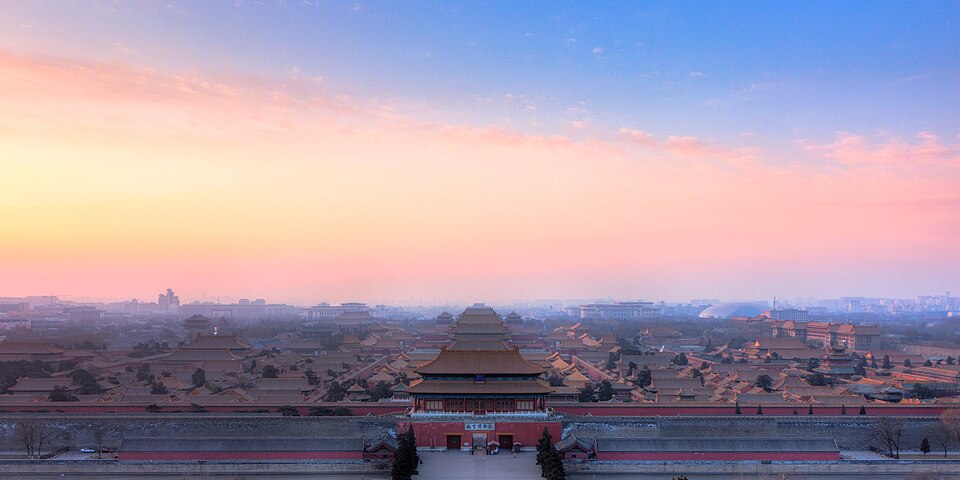
1–3 Beijing Forbidden City, Great Wall (Mutianyu), Temple of Heaven, hutongs Rail to Xi’an ~6 h (or fly 2 h)
4–6 Xi’an Terracotta Army, City Wall, Muslim Quarter, Big Wild Goose Pagoda Rail to Shanghai ~6 h (or fly 2.5 h)
7–10 Shanghai The Bund, Yu Garden, French Concession, day trip to Suzhou or water town Depart

Days 1–3: Beijing

Land, settle near Wangfujing or the Second Ring, and take it easy the first afternoon. Day two is the Great Wall — go to Mutianyu for a cable car up and toboggan down, and let a private car and driver handle the round trip so you start early and beat the crowds. Day three covers the Forbidden City and Jingshan Park, then the Temple of Heaven. Book Forbidden City tickets in advance; they are passport-linked and sell out.

Days 4–6: Xi’an

Take the morning train (or a short flight) to Xi’an. The Terracotta Army is the anchor — give it half a day and go early. Cycle the top of the ancient City Wall in the afternoon, then eat your way through the Muslim Quarter at night. Add the Big Wild Goose Pagoda and the Shanxi_history museum if you have a third day.

Days 7–10: Shanghai

Shanghai is the modern finale. Walk the Bund at dusk, get lost in Yu Garden’s old bazaar, and coffee-hop the French Concession. Use one day for a water town (Zhujiajiao) or Suzhou’s gardens — both are under an hour away. This is where a short trip planner session helps you slot the day trip without overpacking the schedule.

Getting around & practical tips

  • High-speed rail is the spine of the route; book second class for value, first class on the long legs.
  • Keep a China eSIM active so mapping and payment apps work between cities.
  • Peak domestic-holiday weeks (Golden Week, Spring Festival) are crowded and pricey — avoid if you can.

FAQ

How many days for the China Golden Triangle?

Ten days is ideal — three in Beijing, three in Xi’an, and four in Shanghai including a day trip. Seven days works if you trim each city to the highlights.

Is it better to take the train or fly between the cities?

For Beijing–Xi’an and Xi’an–Shanghai, flying saves about four hours but adds airport time; the train is scenic and city-centre to city-centre. Either is fine — pick based on fare and schedule.

Do I need a guide for the Golden Triangle?

No, it is one of the most independent-traveller-friendly routes in China. A local driver for the Great Wall and Terracotta day trips is the most useful upgrade.

What does a 10-day Golden Triangle trip cost?

For a mid-range trip, budget a few hundred US dollars per person per day including hotels, rail, tickets and meals; premium private tours run higher. Prices vary by season — confirm current rates when you book.

Posted on — Leave a comment

Best Time to Visit China: Month-by-Month Guide 2026

China spans latitudes from Siberian winters to tropical beaches — the “best time” depends entirely on where you’re going. Here’s the honest month-by-month picture.

The Short Answer

April–May and September–October are the golden windows for most of China: mild temperatures, blue skies, and manageable crowds. October 1–7 (Golden Week) and Chinese New Year are the two worst periods — half of China is traveling, prices double, attractions are shoulder-to-shoulder.

Month by Month

January — Harbin Ice Festival & ski season

North China is freezing (Beijing -5°C, Harbin -20°C) but sunny and dramatically photogenic: the Harbin Ice & Snow Festival opens January 5 and is genuinely spectacular. South China (Guangzhou, Shenzhen, Hainan) stays mild — Sanya is beach-warm. Low season prices everywhere except Harbin and ski resorts.

February — Chinese New Year (avoid or embrace)

The holiday falls on Feb 17, 2026. Cities empty out as families return home — Beijing’s attractions become wonderfully quiet, but many small restaurants close for a week, and all transport is slammed. Lantern Festival (day 15) is magical. Book hotels months ahead or travel after the holiday week.

March — quiet, cheap, blossoming

Shoulder-season steal: crowds are thin, flights and hotels dip 20–30%. Jiangnan (Shanghai, Hangzhou, Suzhou) shows plum and early cherry blossoms. North China can still be dusty; bring layers.

April — the first golden month

Possibly China’s best all-round month: 15–22°C across the north, Luoyang peonies in full bloom, cherry blossoms in Wuhan and Beijing’s Yuquan. Book the Great Wall and Forbidden City a week ahead.

May — warm and lush

Great everywhere before summer humidity arrives. May 1–5 is a mini Golden Week — avoid those five days or embrace the festival energy. Zhangjiajie and Guilin green up beautifully.

June — green season, start of rain

Warm (but not yet brutal), lush landscapes, fewer crowds. Rainy season begins in the south. Yangshuo’s Li River is dramatic in mist. North China stays mostly dry.

July & August — hot, crowded, but summer holidays

Peak domestic travel season: families everywhere, 35°C+ in most cities. Escape routes: Yunnan (Kunming, Dali, Lijiang) stays a perfect 22°C, and Tibet has its clearest skies. Elsewhere: early-morning sightseeing, afternoon museums, cold beer at night.

September — the second golden month begins

Humidity breaks, skies clear, crowds thin after summer holidays. Mid-September through mid-October is the single best window for Beijing, Xi’an, Shanghai and the Great Wall.

October — peak beauty, one landmine

Early October is China at its most beautiful — autumn colors in the north, perfect temperatures. But Oct 1–7 Golden Week is the year’s busiest travel period; hotels and trains sell out and prices surge. From Oct 8, it’s magical and calm.

November — autumn colors, lowest prices

Crisp, sunny, quiet and cheap: Beijing’s Fragrant Hills turn fiery red, the Great Wall at Mutianyu is gorgeous and half-empty. Pack a warm layer.

December — winter wonderland economics

Low season: hotel prices drop 30–50%, attractions are quiet. Beijing’s Forbidden City under fresh snow is legendary (photographers chase exactly this). Harbin festival prep begins. South China is cool and comfortable.

Best Time by Destination

  • Beijing / Great Wall: April–May, Sept–mid-Oct, November
  • Shanghai / Hangzhou / Suzhou: March–May, Sept–Nov
  • Xi’an: March–May, Sept–November
  • Chengdu (pandas): year-round; March–June and Sept–Nov most comfortable
  • Guilin / Yangshuo: April–October (misty rain adds drama)
  • Zhangjiajie: April–June and Sept–October
  • Yunnan (Dali, Lijiang, Shangri-La): March–June is ideal; pleasant most of the year
  • Tibet: April–June and September–October (permits needed — allow 3+ weeks planning)
  • Hainan / Sanya beaches: November–March
  • Harbin Ice Festival: December–February

Plan Around the Weather

Whatever month you choose, our AI trip planner factors in seasonal routing, and our private tour packages include climate-appropriate pacing — museum-heavy afternoons in summer, sunset walks in autumn.

Posted on — Leave a comment

First Time in China: Complete Planning Guide (2026)

China rewards preparation. It is safe, modern and stunningly diverse — but it runs on its own apps, its own payment systems and its own internet. This guide covers everything a first-timer needs.

Step 1: Visa or Visa-Free Entry?

Check the two big shortcuts before applying for a visa. First, 144-hour visa-free transit covers citizens of 54+ countries entering via Beijing, Shanghai, Guangzhou, Chengdu, Xi’an and many other hubs (now extended to 240 hours in most regions as of late 2024). Second, China has unrolled unilateral visa-free entry for citizens of France, Germany, Italy, Spain, Malaysia and several other countries through 2025–2026. US, UK, Canadian and Australian citizens still need a visa — a 10-year multiple-entry tourist visa is standard.

Step 2: Sort Your Internet Before Landing

Google, WhatsApp, Instagram and Facebook are blocked in mainland China. Options: (1) Install a VPN on your phone before arrival (set it up at home — app stores remove them inside China); (2) rent a pocket Wi-Fi with built-in routing; (3) get a local eSIM with unblocked routing. Whichever you pick, download offline Google Maps and a translation app as backup.

Step 3: Set Up Payments (The #1 First-Timer Mistake)

China is nearly cashless. Restaurants, taxis, shops and even street vendors use QR payments. As a foreigner: link your international Visa/Mastercard to Alipay or WeChat Pay — both now support foreign cards smoothly. Small vendors may reject foreign cards (fees), so keep ¥300–500 cash as backup. Our drivers and guides all accept USD/RMB cash and Alipay.

Step 4: Essential Apps

  • Alipay / WeChat — payments, plus mini-programs for everything.
  • DiDi — China’s Uber, works in English.
  • Amap or Baidu Maps — the only maps that actually navigate in China.
  • Translate — Google Translate offline pack, or Pleco for menus.
  • 12306 — official train booking (passport-friendly).

Step 5: Choose Your Route

First-timers should not cram more than 4 cities into two weeks. The classic: Beijing (3–4 days) → Xi’an (2 days) → Shanghai (3 days). Add Chengdu for pandas and food, or Guilin/Yangshuo for karst-mountain scenery. Every route connects by 2–5 hour high-speed trains — see our ready-made China tour packages with private drivers and guides included.

Step 6: Health, Safety and Comfort

Violent crime against tourists is extremely rare; the real annoyances are pickpockets at crowded sights and taxi scams at airports (use official ranks or our airport transfer service). Tap water is not drinkable — bottled water is ¥2 everywhere. Bring toilet paper and hand sanitizer; public restrooms often lack both. Air quality is vastly improved since 2017, but sensitive travelers can check AQI apps for Beijing in winter.

Step 7: The Language Question

English is limited outside hotels and tourist zones. A guide transforms the trip — menus, negotiations and hidden spots all unlock. Independent travelers: save your hotel address in Chinese characters, learn “nǐ hǎo” (hello) and “xièxie” (thanks), and use your translation camera constantly. Chinese people are genuinely warm toward visitors making an effort.

Your 8-Week Planning Checklist

  • 8 weeks out: book flights, start visa application, check passport validity (6+ months).
  • 6 weeks: reserve hotels and intercity trains; Golden Week sells out months ahead.
  • 4 weeks: arrange VPN/eSIM, install apps, link payment cards.
  • 2 weeks: book Great Wall tickets, Forbidden City (7-day advance, passport needed), character restaurants.
  • Now easy mode: our AI trip planner builds a custom day-by-day itinerary with costs — free, no signup.
Posted on — Leave a comment

China Trip Cost 2026: Realistic Budget Breakdown Per Day

Planning a China trip in 2026 and wondering what it will actually cost? Here is a realistic, no-fluff breakdown based on real prices — not brochure numbers.

Quick Answer: Daily Budget Per Person

China is cheaper than Japan or Western Europe, but the range is wide. A comfortable mid-range trip costs $120–200 per person per day including a private car and driver, 4-star hotels, and entrance fees. Budget travelers can manage on $50–80, while a luxury private tour runs $300–500+.

Cost by Category

1. Accommodation (25–35% of budget)

International 4-star hotels in Beijing or Shanghai average $70–110/night. Chinese 5-star brands like Sofitel or Shangri-La run $130–250. Boutique courtyard hotels in old towns (Pingyao, Lijiang) offer character at $60–100. Book 2–3 months ahead for Golden Week (Oct 1–7) and Chinese New Year — prices double and rooms vanish.

2. Private car with driver (20–30%)

This is where our charter services come in. A 5-seat sedan with English-speaking driver runs about $95–130/day (9 hours, fuel and tolls included). A 7-seat business MPV is $120–160, and 25-seat coaches about $280–380/day. Overages beyond 9 hours or 100 km are billed transparently — check the trip planner for an instant AI cost estimate.

3. Food (10–15%)

China is a food paradise at every level. Street breakfast (jianbing, baozi) costs $1–2. A local restaurant lunch is $5–10 per person. A proper Peking duck dinner runs $20–40. Fine dining in luxury hotels: $60–120.

4. Attractions (5–10%)

Forbidden City: $8. Terracotta Warriors: $16. Great Wall (Mutianyu, incl. cable car): $25. Zhangjiajie glass bridge: $20. Most tickets now require passport-based online booking — a guide or driver service handles this for you.

5. Intercity transport

High-speed rail Beijing–Shanghai (2nd class): $90, 4.5 hours. Domestic flights booked early: $60–150 per leg. Private intercity transfers with sightseeing stops cost more but turn dead travel time into tour time.

Three Real Example Budgets (10 days, 2 people)

  • Budget tier — $1,600 total: 3-star hotels, trains, group day tours, street food.
  • Comfort tier — $3,800 total: 4-star hotels, private car + driver in each city, HSR between cities, mixed dining. This is what most of our clients choose.
  • Premium tier — $8,500+ total: 5-star hotels, business-class trains, private English guide throughout, VIP skip-the-line access.

Hidden Costs to Plan For

Tips are not expected in China but appreciated for great guides ($10–20/day). Visa fees: $140 for US citizens (10-year multiple entry). Travel insurance: $5–12/day. Toilet of the West: virtually free — museums and attractions have free entry restrooms everywhere.

How to Save Without Ruining the Trip

Travel in shoulder season (April–May, September–October is peak; March and November are quiet and cheap). Combine cities along one high-speed rail corridor. Book charter cars by the day, not hour, and share costs with travel companions — a 7-seater costs barely more than a sedan.

Get an Exact Quote in Minutes

Every trip is different. Use our free Perencana Perjalanan AI — enter your cities, dates, hotel level and budget, and get a day-by-day itinerary with a full cost breakdown in about two minutes. No email required to see the plan.

Posted on — Leave a comment

Chengdu Travel Guide: Pandas, Hotpot & the Art of Doing Nothing

UNESCO City of Gastronomy, home of the giant panda, and China’s champion of leisure. The complete English guide to Chengdu’s teahouses, spice and bears.

The Panda Priority

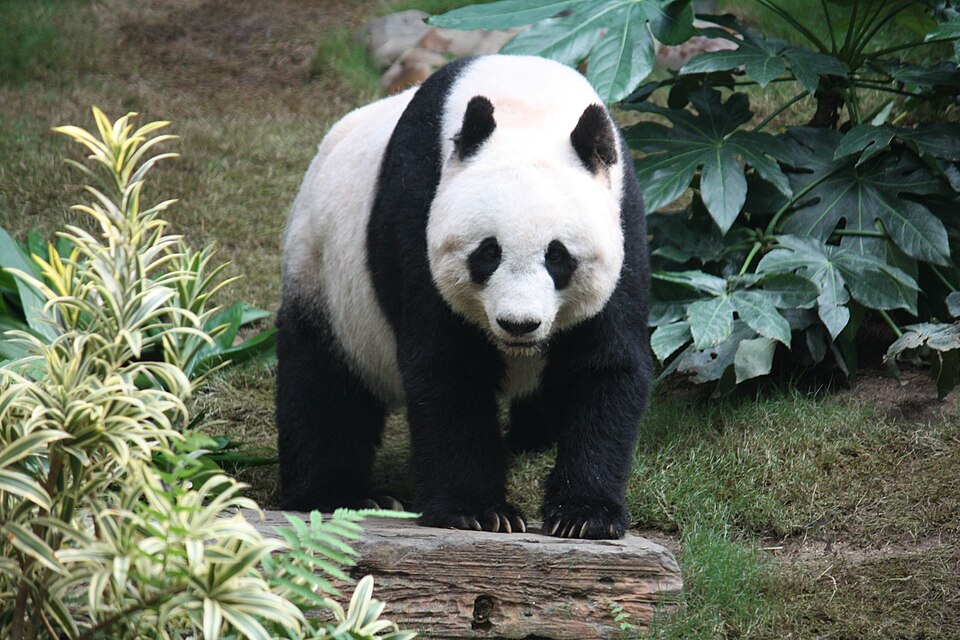
The breeding base at 8 AM (feeding hour = active pandas; by 11 they’re asleep blobs — timing is everything, see our transport guide). Red pandas in the semi-open enclosure often steal the show. Dujiangyan’s ‘panda keeper’ volunteer program: book 2+ weeks ahead.

Eating Through Chengdu

Hotpot (mild broth available — ask for yuanyang split pot) · mapo tofu at the source · dan dan noodles · couple’s lung slices (better than it sounds) · sweet water noodles · teahouse snacks. Our food-city deep dive maps the institutions.

The Teahouse Ritual

People’s Park’s century-old bamboo-chair teahouse: jasmine tea bottomless refills, ear-cleaning masters (a performance art), card-playing grandpas. This IS Chengdu — schedule 2 unhurried hours.

Day Trips

Leshan Giant Buddha (71m, 1,200 years — boat view or stair view) · Mount Qingcheng (Taoism’s birthplace) · Dujiangyan’s 2,300-year-old still-working irrigation · Jiuzhaigou 2-day (fly or drive).

Best Time & Pace

Mar-Jun, Sep-Nov. And take the city’s own advice: Chengdu rewards slow. 3 days minimum; the best travelers here cancel a plan or two.

Plan Your Chengdu Trip

Build a custom itinerary with our AI planner (free, instant) or WhatsApp our travel designer: +86 180 3801 6100. Full guide library: all China travel guides.

Posted on — Leave a comment

Hangzhou Travel Guide: West Lake, Longjing Tea & Song Dynasty Poetry

China’s ‘Paradise on Earth’ for 1,000 years — the lake poets painted, the tea emperors drank, and the algorithms of Alibaba now code. The complete English guide.

West Lake Properly

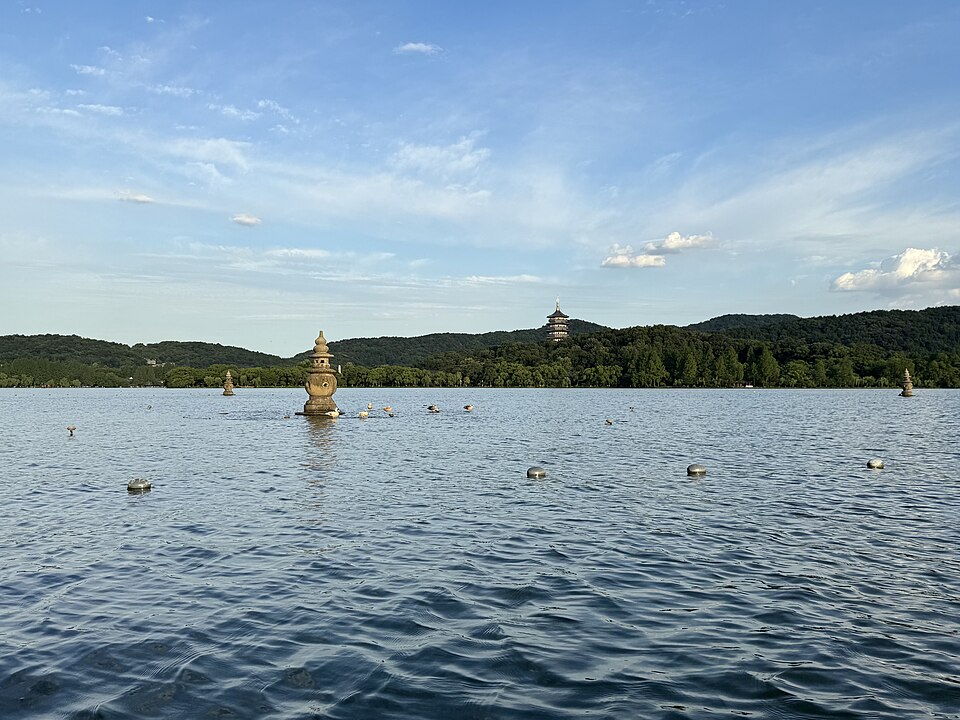
It’s not one view — it’s ten classical scenes (sunrise at Su Causeway, moon over Three Pools, etc). Our formula: dawn walk (6 AM, locals doing tai chi, mist on water), boat to the islands, then Leifeng Pagoda sunset. Bikes for the 15km ring.

The Tea Pilgrimage

Longjing village: walk the terraced bushes, watch masters wok-roast the Mingqian harvest (late March-early April — the year’s most prized green tea), taste grades side-by-side. Meijiawu’s quieter tea houses for the afternoon. See our tea culture guide.

Beyond the Lake

Lingyin Temple’s 1,700 years and Feilai Peak carvings · Xixi Wetland boat maze · Hefang Street’s old crafts · Qiandao Lake (1,078 islands) day trip · the Armani-designed, Song-inspired architecture of the finance district (yes really).

Best Time

March-April: Longjing harvest + blossoms + misty lake. Sep-Nov: osmanthus perfume everywhere + lotus remnants. Summer’s ok early morning. 2-3 days ideal; pairs perfectly with Shanghai (45 min rail).

The Poetry Angle

Hangzhou rewards knowing one line: Su Dongpo’s ‘West Lake compared to Xizi (the beauty) — always lovely in any dress.’ Our guides tell the stories the signs don’t.

Plan Your Hangzhou Trip

Build a custom itinerary with our AI planner (free, instant) or WhatsApp our travel designer: +86 180 3801 6100. Full guide library: all China travel guides.

Posted on — Leave a comment

Lijiang Travel Guide: Old Town, Jade Dragon Snow Mountain & Naxi Culture

UNESCO cobblestone canals beneath a 5,596m glacier peak, the last living pictographic script on Earth, and the Naxi people’s matriarchal echoes. The complete guide.

The Old Town Magic

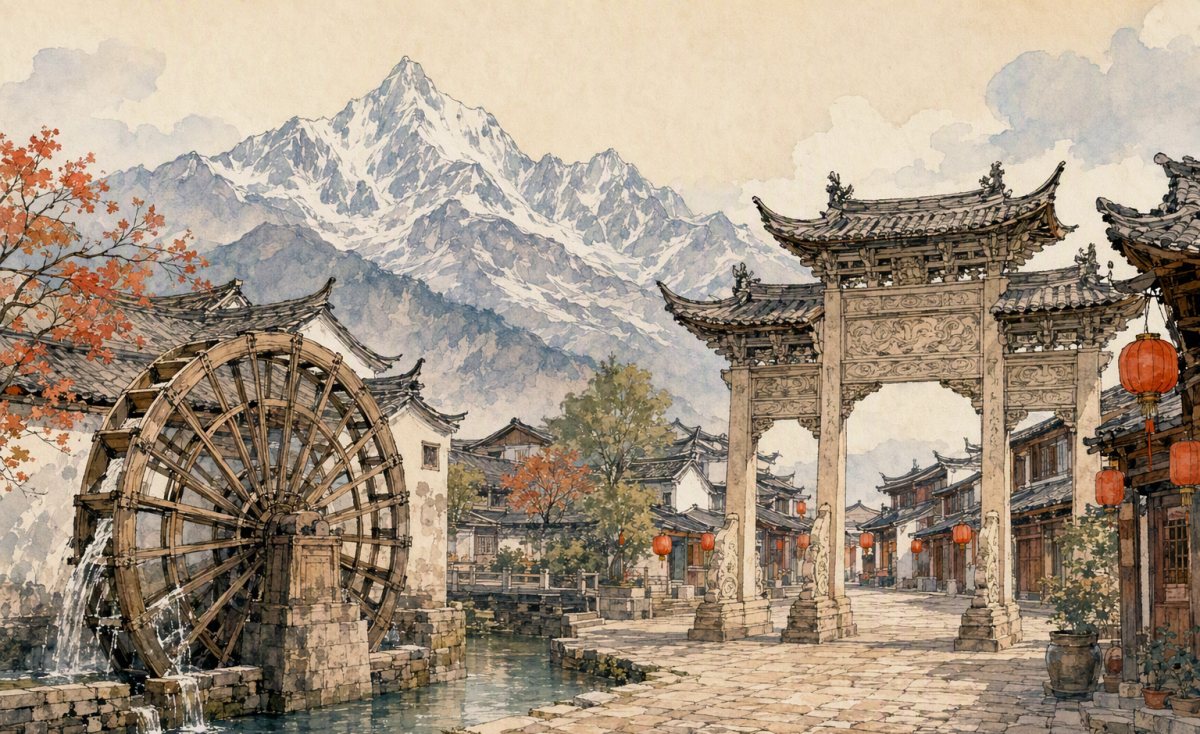
Day: wooden bridges, willow canals, Naxi grandmothers in traditional dress. Night: red lanterns over Sifang Square, rooftop bars with snow-mountain views. Gets crowded midday — dawn and after 9 PM belong to the romantics.

Jade Dragon Snow Mountain

The 4,506m Glacier Park cable car (book ahead — capped entry; our tours include it) · Blue Moon Valley’s turquoise terraces · Impression Lijiang outdoor show (500 performers, directed by Zhang Yimou, at 3,100m altitude) · spruce meadow hikes.

Naxi Culture Deep-Dive

The Dongba script — the world’s only living pictographic writing — taught in workshops. Naxi ancient music performances (Song-dynasty instruments). The matriarchal Mosuo people nearby (Lugu Lake, add 2 days).

Beyond the Town

Tiger Leaping Gorge (one of the world’s great day hikes or 2-day high trail) · Baisha village murals (pre-Lijiang, quieter) · Shuhe old town (Lijiang’s mellower cousin).

Altitude & Timing

Lijiang sits 2,400m — easy altitude. The mountain summit needs pacing. Best: Apr-Jun & Sep-Nov. Our Yunnan private tours sequence the altitude ramp safely.

Plan Your Lijiang Trip

Build a custom itinerary with our AI planner (free, instant) or WhatsApp our travel designer: +86 180 3801 6100. Full guide library: all China travel guides.

Posted on — Leave a comment

Dali Travel Guide: Erhai Lake, Bai Culture & the Slow Life

The backpacker legend that grew up gracefully: lakeside cycling, 1,000-year-old Bai architecture, Cangshan mountain trails, and China’s original ‘slow life’ town.

Why Dali is Different

Where Lijiang performs for tourists, Dali lives. The Bai minority’s whitewashed courtyards with painted gables, lakeside villages where fishing cormorants still work, an artists’ community that settled here decades ago for the light — and the pace.

Top Things to Do

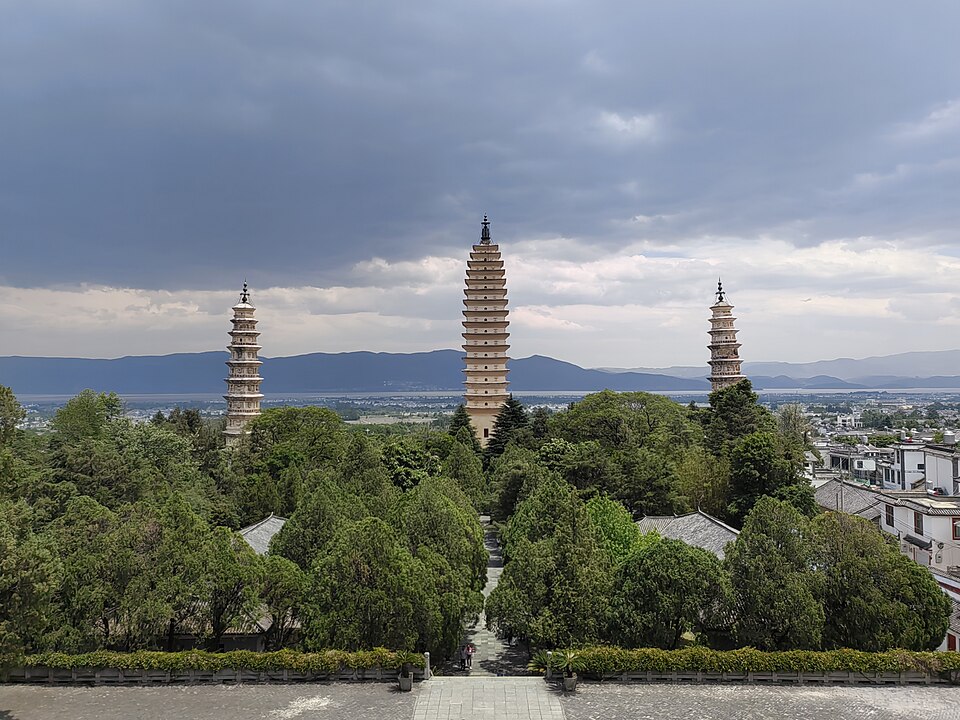
Cycle or drive the 120km Erhai Lake ring (village stops: Xizhou’s morning markets, Shuanglang’s sunset) · Three Pagodas reflection pond · Dali Old Town’s foreigners’ street → local backstreets · Cangshan cable car + Jade Cloud path hike · Xizhou baba (flatbread) fresh from village ovens · tie-dye workshop in Zhoucheng.

Where to Stay

Lakeside guesthouses (Shuanglang/Caicun) with floor-to-ceiling mountain-lake views from $40 — China’s best-value view hotels. Old Town for walkability.

Dali + Lijiang + Shangri-La

The classic Yunnan triangle: 3 days Dali, 2-3 Lijiang, 2-3 Shangri-La. Our 7-9 day Yunnan tours drive it with private car — mountain roads are not DIY-friendly.

Best Time

Year-round mild (that’s the point). March-May: blossoms and dry air. Pack layers for evening lake winds.

Plan Your Dali Trip

Build a custom itinerary with our AI planner (free, instant) or WhatsApp our travel designer: +86 180 3801 6100. Full guide library: all China travel guides.

Posted on — Leave a comment

Wuhan Travel Guide: River City, Cherry Blossoms & Hot Dry Noodles

Central China’s powerhouse: two rivers, three towns, 3,000 years of history, and the country’s most underrated food scene. The English guide travelers skip at their peril.

Why Wuhan Deserves a Stop

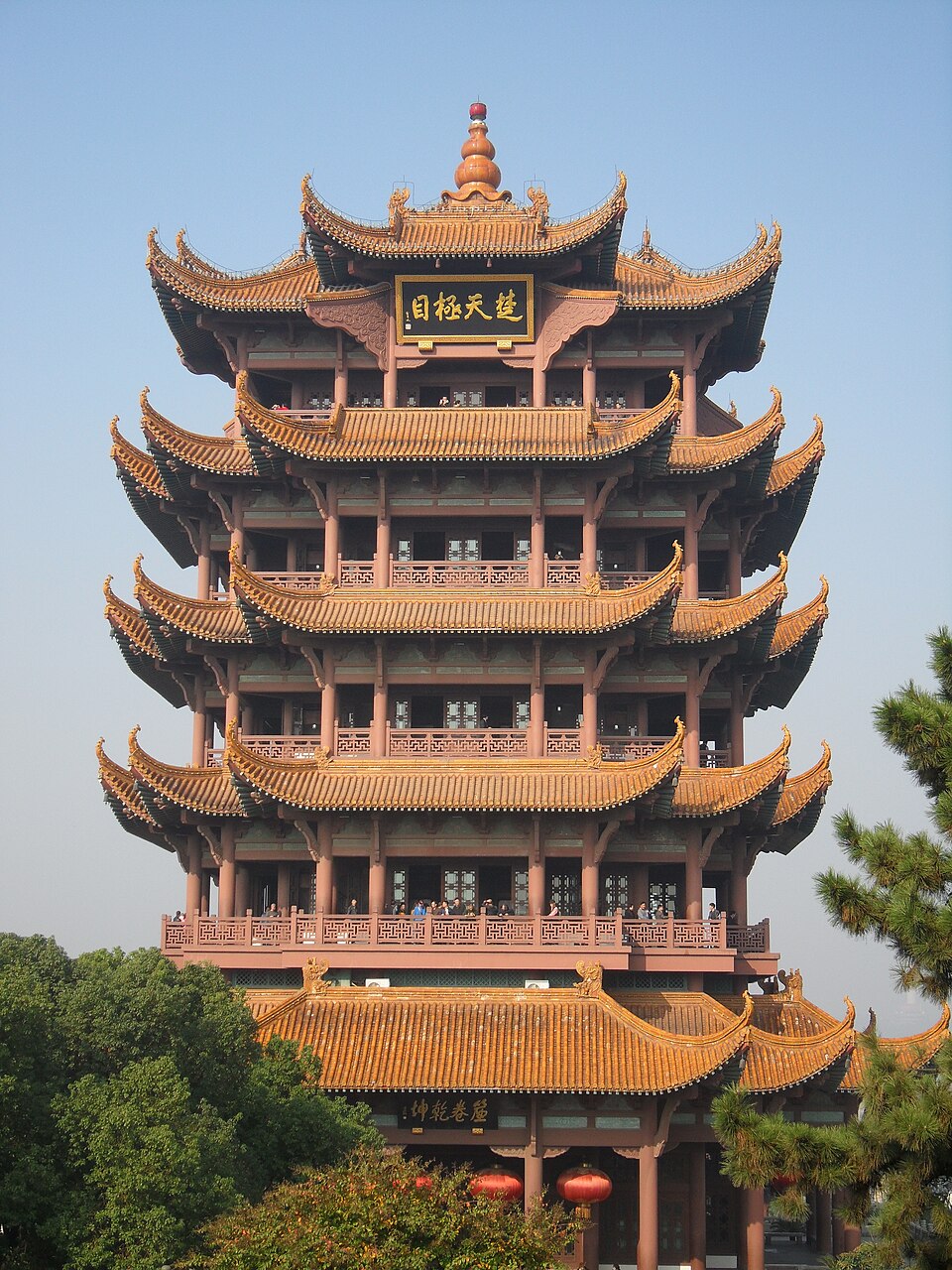
It’s the central hub: high-speed rail puts Beijing/Shanghai/Xi’an/Chengdu/Guangzhou all within 4-5h. The city itself: the Yellow Crane Tower (one of China’s four great towers), East Lake’s 80km greenway, cherry blossoms that rival Japan (Wuhan University, late March), and hot dry noodles (reganmian) at breakfast.

Top Things to Do

Yellow Crane Tower + Yangtze River Bridge walk · Hubu Alley food crawl (try doupi!) · Hubei Provincial Museum’s 2,400-year-old chime bells (still playable) · East Lake cycling · Guiyuan Temple’s 500 arhats · night cruise on the Yangtze.

The Food You Must Eat

Hot dry noodles (the city’s soul breakfast) · duck neck (the addictive snack) · steamed Wuchang fish · doupi (rice-egg-skin pocket). Wuhan’s food is aggressive, sesame-heavy, and cheap — $3 feasts.

Best Time

Late March (cherry blossoms) and Oct-Nov. Summer is one of China’s ‘furnace cities’ — 40°C. Winter is grey. 2 days suffices; it’s also a smart rail-hub stopover.

Wuhan in Modern Memory

The world knows its name now — what visitors find instead is resilience, river life, and warmth. Ask locals about the city’s story over noodle breakfast.

Plan Your Wuhan Trip

Build a custom itinerary with our AI planner (free, instant) or WhatsApp our travel designer: +86 180 3801 6100. Full guide library: all China travel guides.

Posted on — Leave a comment

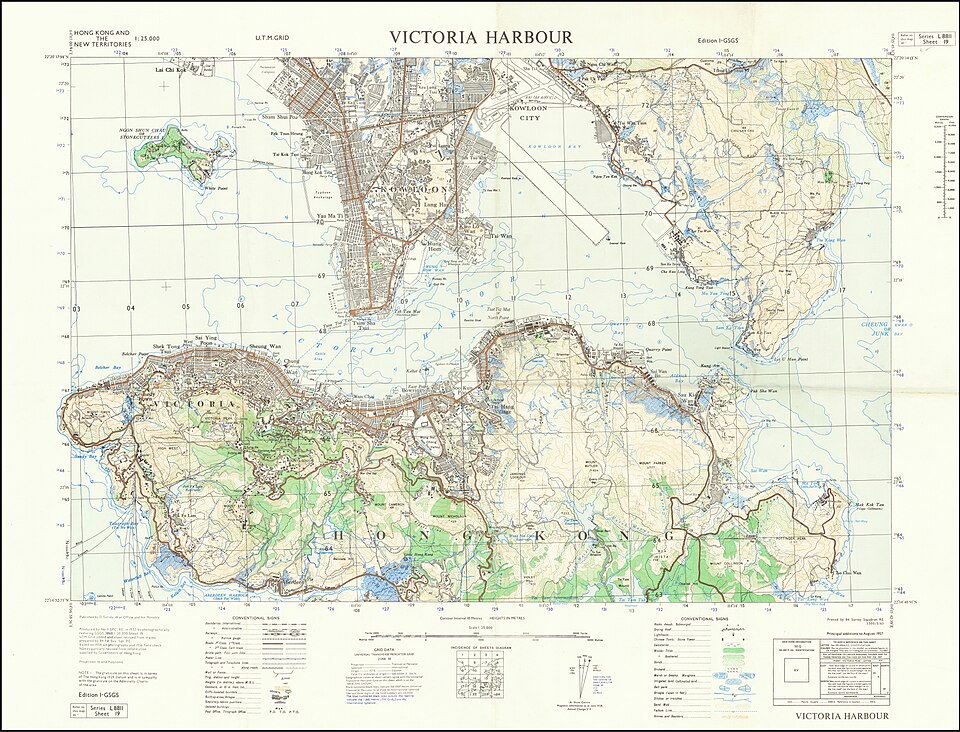
Hong Kong Travel Guide: Skyscrapers, Dim Sum & Island Hikes

Vertical city, island trails, Star Ferry sunsets and the world’s best airport experience. The complete English guide to Hong Kong for 2026.

The Essential HK Experience

Victoria Peak at blue hour (skip the queue with the right timing) · Star Ferry across Victoria Harbour (the world’s best $0.50 ride) · dim sum institutions · Mong Kok’s neon markets · Tsim Sha Tsui promenade evenings · the Mid-Levels escalator commute.

Hong Kong’s Secret: The Hikes

Dragon’s Back (2h ridge trail with sea views — 20 min from downtown) · Victoria Peak circle trail · Lantau Island’s sunset peak · Sai Kung’s beach coves by speedboat. Pack hiking shoes: HK is 70% country park.

Visa & Border Basics

Hong Kong maintains separate entry policies from mainland China — many nationalities visa-free (180 days UK, 90 US/EU/etc). Two systems in action: you clear immigration between HK and Shenzhen even with a China visa (which you’ll need separately).

Food Timeline

Morning: cha chaan teng milk tea + French toast. Lunch: Michelin dim sum under $10. Afternoon: egg tarts. Dinner: roast goose at Yat Lok or dai pai dong street stalls. Midnight: sweet soup desserts.

With or Without Mainland China

HK alone: 3-4 perfect days. Combined with Shenzhen/Guangzhou/Macau: the Greater Bay week — our specialty, borders and all.

Plan Your Hong Kong Trip

Build a custom itinerary with our AI planner (free, instant) or WhatsApp our travel designer: +86 180 3801 6100. Full guide library: all China travel guides.