Posted on — Leave a comment

Luxury China Travel: 5-Star Tours, Private Jets & Bespoke Itineraries

Luxury travel in China has a specific character. It is less about gold taps than about compression: turning a four-hour queue into a ten-minute entry, or a closed gallery into an hour you have to yourself. The headline options are well known — a suite beside the Summer Palace at Aman, a private cabin on a luxury train, a helicopter over the Zhangjiajie pillars, after-hours access to the Forbidden City, and Michelin-level dining inside a hutong courtyard. What follows is how those things actually work, what has to be arranged in advance, and what you should confirm yourself before paying a deposit.

What the headline options really involve

Aman at Summer Palace sits in a walled compound adjacent to the Summer Palace grounds in Beijing, which is why it is usually paired with early access to the park before the main gates fill. Availability in the heritage wing is limited and seasonal; check the property’s own booking page rather than a third-party listing, and note that “adjacent” does not mean inside the ticketed palace area.

Luxury rail in China has changed shape over the years. Some named services that travellers still see quoted in older articles no longer run under the same branding, and new high-end carriages have appeared on other routes. Rather than trusting any itinerary you read, including this one, ask the operator directly which luxury rail product is currently running, on which route, and on which dates. For the mechanics of ordinary Chinese rail, including seat classes and how tickets are released, see our guide to China high-speed rail seat classes and onboard food.

Helicopter tours over Zhangjiajie and similar scenic areas operate under civil aviation approval and are weather-dependent. Confirm with the operator that flights are running on your dates, what the minimum passenger number is, and what the cancellation policy looks like when cloud closes the valleys.

After-hours access and private dining

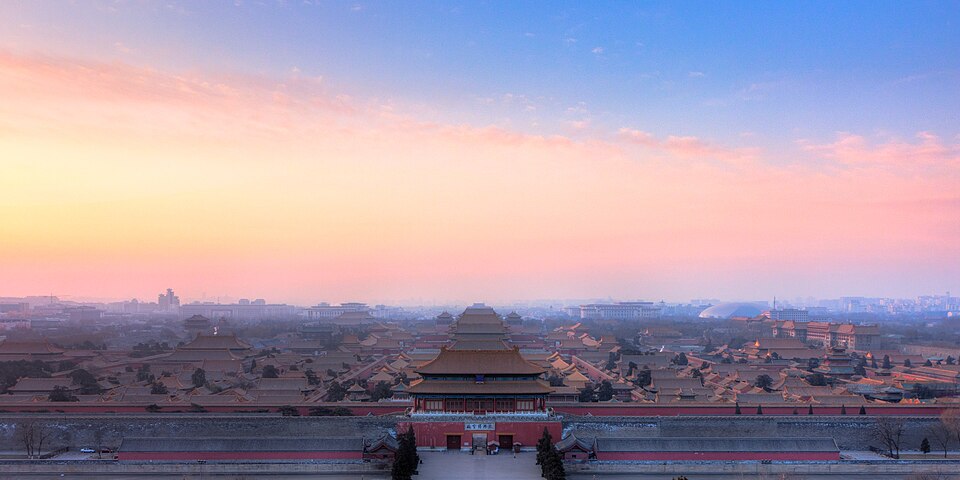
After-hours entry to major sites such as the Forbidden City is not a standard product you can buy at a ticket window. Where it happens, it is arranged through institutional or commercial partners and is subject to approval that can be withdrawn. Treat any promise of it as conditional, get the arrangement in writing, and have a daytime plan as backup. For the reservations that ordinary visitors genuinely do need, including the Forbidden City, our guide to booking attractions in China explains what to book and how far ahead.

Private dining in a hutong courtyard is more accessible than after-hours monument access, but it is usually a buy-out rather than a table: you are paying for the venue, the chef and the staff for an evening. Ask what the minimum spend covers, whether alcohol is included, and how the venue handles dietary requirements. If anyone in your group needs halal, vegetarian or allergy-safe food, our halal and vegetarian food guide covers how to communicate that reliably.

Bespoke logistics: rail, jets, staff and medical support

Business-class rail is straightforward to book once you know the release window; the constraint is that the best departures sell out. Private jet connections between Chinese cities are possible but heavily regulated, and the practical questions are which operator holds the licence, which airports can accept the aircraft, and how much notice is required. Ask for the operator’s name and verify it.

English-speaking butlers, on-call photographers and medical support are staffing questions, not product features. For high-altitude routes such as Lhasa, medical support means a named provider, oxygen equipment and a written evacuation plan, not a promise on a brochure. Our Tibet travel guide sets out permits, altitude planning and what the route genuinely demands.

Lead times for full bespoke itineraries are typically measured in weeks rather than days, and peak periods such as October and Chinese New Year stretch that further. Ask your planner for a written timeline with deposit dates.

Three route shapes that work

Imperial grandeur. Beijing with a courtyard suite, early access to the Summer Palace or a quieter section of the Wall at sunrise, and a private guide for the central axis. Build in a rest day; the distances are larger than they look on a map.

Jiangnan sophistication. Suzhou and Hangzhou with private garden visits timed around closing, a tea master session in the Longjing hills, and rail between cities. Our five-day Hangzhou itinerary shows how to pace the lake, tea and silk without rushing.

Frontier epic. A chartered Tibet loop with oxygen support, or the train from Chengdu to Lhasa if you prefer to acclimatise gradually. Both need permits arranged through a licensed operator, and both need buffer days.

What luxury actually buys, and what it does not

It buys time and access: tickets pre-arranged, a car waiting where you exit rather than where it is convenient, and doors that do not open to the general public. It does not buy immunity from Chinese holiday crowds, from weather, or from the fact that some sites cap daily numbers regardless of who you are. It also does not remove the practical basics. You still need working payments, a data plan that functions, and a way to communicate. Sort those first: our cashless travel guide and eSIM setup guide cover the essentials.

Planning and booking

Every option described here connects to bookable services, but the sensible sequence is to fix your dates, confirm what is genuinely operating on those dates, and only then commit to the premium layer. If you want a first draft of a route, an AI planner can help with structure, though it should never be trusted for opening hours or ticket rules — see using AI for a China itinerary without invented opening hours. For anything bespoke, speak to a human designer and ask for the operator names, the cancellation terms and the written timeline before you pay.

Frequently asked questions

Can I really get after-hours access to the Forbidden City?

Sometimes, through institutional or commercial partners, and it is never guaranteed. It is not sold at the ticket window. Ask for written confirmation of the arrangement, understand that approvals can be withdrawn at short notice, and keep a daytime visit as your fallback.

Is the Shanghai to Lhasa luxury train still running?

Luxury rail branding in China has changed several times, and services quoted in older articles may no longer operate. Ask the operator directly which luxury rail product is currently running, on which route and dates, and get that in writing before booking.

How far ahead should I book a bespoke itinerary?

Allow several weeks at minimum, and more for peak periods or anything involving permits, charter aircraft or high-altitude support. Ask your planner for a dated schedule covering deposits, confirmations and the point at which changes stop being possible.

Do I need special permits for Tibet?

Yes, and they must be arranged through a licensed operator as part of an organised itinerary. Rules and required documents vary by region and by your nationality, so confirm the current requirements with your operator rather than relying on any fixed list.

Will a premium trip remove the need for payment and connectivity basics?

No. Hotels and guides can help, but you should still arrive with a working payment method linked to your foreign card and a data plan tested before departure. These are the two things that most often derail an otherwise well-planned trip.

Treat the premium layer as an addition to a solid trip rather than a substitute for one: confirm what is actually operating on your dates, get names and terms in writing, and keep the logistics underneath it simple. Done in that order, the access and the time saved are real rather than promised.
Posted on — Leave a comment

Solo Travel in China: Safety, Costs & Meeting People

Solo travel in China is more workable than its reputation suggests, but the obstacles are not the ones most people expect. Violent crime against visitors is rare, and the practical risks you will actually meet are petty scams, taxi overcharging and the occasional pushy “art student” tea-house invitation. The real difficulty is structural: a language barrier that makes small tasks slow, and a travel culture built around groups, families and packaged tours rather than lone wanderers. Neither is a reason to stay home. Both are reasons to plan a little more deliberately than you would for, say, Thailand or Japan.

Is China actually safe for a solo traveller?

Street safety is generally good. Walking alone at night in major cities is common and unremarkable, public transport is well lit and heavily used, and violent crime involving foreigners is rare enough that it does not dominate local news. The realistic risks are financial and social rather than physical: inflated prices for obvious tourists, fake tickets sold near major sights, unsolicited invitations to tea ceremonies or art shows that end with a large bill, and unlicensed taxis at stations. The standard defences work — use official taxi queues or ride-hailing, agree prices before you get in, and treat any stranger-led “cultural experience” that appears out of nowhere with polite scepticism.

Two practical points matter more than crime statistics. First, keep your passport secure and carry a photocopy or phone photo; hotels are required to register foreign guests and you will need the original at check-in. Second, understand what your travel insurance actually covers before you fly, and know how to find a pharmacy or clinic if something minor goes wrong — our guide to healthcare in China for travellers covers pharmacies, clinics and insurance in detail.

The solo economics: where the money actually goes

Solo travellers feel the cost of private transport and private guiding hardest, because those prices are per vehicle or per guide rather than per person. The fix is to avoid private arrangements where a shared alternative exists. Seat-in-coach day tours, small-group departures in Beijing and Xi’an, and public high-speed rail instead of private transfers all cut the per-person figure substantially.

On accommodation, hostels and mid-range hotels in second-tier cities are far better value than five-star properties in Shanghai or Beijing. On food, eating where locals eat — noodle shops, market stalls, chain dumpling restaurants — is both cheaper and more sociable than hotel dining. As a rough planning frame, a solo traveller using shared transport and mid-range lodging should expect to spend noticeably less per day than someone on a fully private itinerary, but the gap depends heavily on season and city. Treat any specific daily figure you see online, including ours, as a starting assumption rather than a quote, and check current prices on booking platforms before you commit. For a fuller breakdown of what a trip actually costs, see what a 10-day trip to China costs.

Meeting people without joining a tour

China’s social scene rewards initiative. Hostels in Beijing, Shanghai, Chengdu and Xi’an run communal dinners, city walks and bar nights that function as ready-made social introductions. Cooking classes, tea houses and language exchange meet-ups are similarly easy entry points. English corners — informal gatherings, often in parks, where locals practise conversational English — remain a genuine feature of city life, and a solo foreigner who turns up will be welcomed and questioned enthusiastically.

Long-distance trains and hostel dorms are also underrated. Overnight and multi-hour rail journeys put you next to people with time to talk, and a translation app bridges most gaps. If you are planning rail travel, our guide to high-speed rail seat classes and onboard food explains what to expect on board.

Routes and highlights that suit going alone

The best solo itineraries mix dense, walkable cities with quieter stretches where you set your own pace. Chengdu rewards slow days: teahouses, the panda base, and a food scene that is easy to navigate alone. Yangshuo and the Guilin karst are ideal for cycling and river time without a group. Shanghai’s café culture makes solitary mornings pleasant rather than awkward. For hiking, the Jinshanling section of the Great Wall is quieter than Badaling and manageable as a day trip from Beijing.

Two planning notes. First, many major attractions now require advance reservations, sometimes with passport details, and quotas fill quickly in peak season — check the official site or mini-programme for the specific site and date rather than relying on a blog. Our guide to attraction reservations for foreigners walks through which ones genuinely need booking. Second, if you are considering Tibet, permits and group requirements apply; read the Tibet and Lhasa planning guide before assuming you can travel independently.

Logistics that trip up solo travellers

Three things cause most of the friction. Payments: mobile payment dominates, and setting up WeChat Pay or Alipay with a foreign card before you arrive saves considerable hassle — verify current support and limits on the provider’s own help pages, as features change. Connectivity: decide between a physical SIM, an eSIM and roaming based on how much data you need and whether you require access to services that are restricted on local networks; check the current position with your provider rather than assuming. Language: download an offline translation pack and learn a handful of phrases, because menus, station signs and taxi conversations are where the wall is highest.

Planning tools and booking

An AI itinerary planner is useful for sequencing cities and estimating travel days, but it should not be trusted for opening hours, ticket prices or reservation rules — those change and must be verified at the source. Use it for structure, then confirm each sight on its official page. For anything involving permits, group tours or complex multi-city routing, a human travel designer is worth the cost.

Frequently asked questions

Is China safe for a woman travelling alone?

Street harassment is generally less common than in many Western cities, and public transport at night is well used. The usual precautions apply: avoid unlicensed taxis, be wary of strangers steering you to a specific bar or teahouse, and keep someone informed of your plans. Trust your instincts as you would anywhere.

Can I travel China without speaking Mandarin?

Yes, but expect friction. Translation apps handle most situations, and younger urban locals often speak some English. Outside major cities and tourist hubs, English drops off sharply. Download offline translation before you arrive and save your hotel address in Chinese characters.

How much does a solo trip to China cost per day?

It depends on city, season and how much you use private transport. Rather than relying on a fixed number, build a budget from current hostel and hotel rates, train fares on the official booking site, and typical meal prices, then add a buffer. Costs in Shanghai and Beijing run higher than in Chengdu or Xi’an.

Do I need to book attractions in advance?

For popular sites, often yes. The Forbidden City and several major museums use timed reservations with daily quotas. Check the official channel for your specific date, and note that some systems require passport registration and release tickets on a set schedule.

Is it easy to make friends while travelling solo in China?

Reasonably so if you stay in hostels with communal spaces, join classes or walks, and are willing to start conversations. English corners and train journeys are reliable. Group tours also work, though they are more structured than spontaneous.

Solo travel in China rewards preparation more than bravery. Sort your payments, connectivity and translation tools before you fly, book the handful of attractions that genuinely require it, and stay flexible about everything else. The language wall is real, but it is a wall you can walk around rather than one that stops the trip.

Posted on — Leave a comment

China for Senior Travelers: Accessible Itineraries & Comfort Pace

Thousands of travellers in their sixties, seventies and eighties tour China comfortably every year, and the deciding factor is rarely age itself. It is pacing. A route that works for an older traveller usually looks different from a standard group tour: later starts, fewer internal flights, lifts and cable cars instead of staircases, and afternoons left deliberately empty. This guide sets out what a senior-friendly China trip can realistically include, which cities suit slower travel, how to handle medication and medical care, and how multi-generational family groups can stay together without exhausting anyone.

What “comfort-paced” actually means

Comfort pacing is a set of concrete decisions rather than a marketing label. In practice it means one major site per day, transport between cities by high-speed rail where the journey is under about four hours, and hotels chosen for step-free access and working lifts rather than for style. It also means building in a rest window after lunch, because heat, crowds and jet lag combine badly in the early afternoon.

When you compare operators or build your own itinerary, ask specific questions. What time is the first pick-up? How many hours of standing and walking does each day involve? Is there a lift or cable car at each major site, or stairs only? How long is the transfer from hotel to site? Vague answers such as “relaxed pace” tell you nothing; times and distances do.

Wheelchair users and travellers with limited mobility should also confirm what assistance is available at each airport and station, since this varies by facility and is best arranged in advance. Our starter guide for beginners covers the general planning order if this is a first visit.

Routes that work well, and routes to reconsider

Beijing and Shanghai are the classic starting pair: both are flat, both have extensive metro systems with lifts at most stations, and both offer a great deal of interest within a small radius. At the Great Wall, the Badaling section is the usual choice for travellers who want to avoid a serious climb, though you should check current arrangements for the cable car and any timed-entry booking on the official site before you commit. Note that major attractions such as the Forbidden City increasingly require advance reservations, and the process for foreign visitors has its own quirks — see this guide to attraction reservations for foreigners.

Chengdu suits slower travel particularly well: the panda base is a morning outing with plenty of seating, and the city’s teahouse culture rewards sitting still for two hours. Guilin and the Li River work because the scenery arrives while you sit in a boat chair; a full Li River cruise guide explains which sections and durations to compare.

Routes to think carefully about include long Zhangjiajie hiking days, Tiger Leaping Gorge, and Tibet. Altitude is the real issue in Tibet, not walking distance, and anyone with heart or lung conditions should take medical advice before considering it. If Tibet is on the list, start with the Tibet travel guide and treat the permit and altitude sections as essential reading rather than optional.

Health logistics and medication

Bring prescription medication in its original packaging, with a copy of the prescription and a letter from your doctor listing generic drug names and dosages. Keep everything in hand luggage. Pharmacies in Chinese cities are common and staff are generally helpful, but brand names differ from those at home, which is exactly why the doctor’s letter matters.

International clinics operate in the major cities, but they are not in every town on every route, so it is worth knowing in advance where the nearest one sits on your itinerary and whether your travel insurance will settle directly or expects you to pay and claim. Our guide to healthcare for travellers in China walks through pharmacies, clinics and insurance practicalities.

Small habits help more than any single measure. Carry water, sit down when you can rather than when you must, and agree with your guide or driver that the group sets the pace rather than the schedule. A private driver who waits without hurrying you is often the single biggest comfort upgrade on a trip of this kind.

Multi-generational family trips

Grandparents and grandchildren travelling together is a common pattern, and it works best when the day is split rather than merged. A typical shape: an active morning for the children, such as the panda base or a short cycling stretch, followed by a slower afternoon that suits older members, such as a teahouse, a museum with seating, or a boat. Everyone reunites for dinner.

Keeping the group in one vehicle rather than splitting across taxis makes a real difference, and smaller vans are easier for older passengers to board than full-size coaches. Ask what vehicle is used and how many seats it has before booking. Discount structures for family groups vary by operator and season, so ask what applies to your dates rather than assuming a published rate.

Practical planning points

Trains are usually more comfortable than domestic flights for this age group: you board at city centre stations, keep your luggage with you, and avoid the pressure of airport security queues. Seat classes differ considerably in space and price, and the booking process for foreign passports is worth understanding before you travel. Start with the guide to high-speed rail seat classes and then the step-by-step booking walkthrough.

Payment is another area to prepare. Mobile payment is widely used, but foreign cards can often be linked to the major apps, and cash remains legal tender. Verify what currently works for your card and phone before departure rather than relying on last year’s advice. The same caution applies to internet access: check current options and test any eSIM or roaming setup before you fly, since availability and performance change.

Frequently asked questions

Is China suitable for travellers in their seventies or eighties?

Yes, for many people, provided the itinerary is built around shorter days, step-free access and rest time. The main constraints are heat, crowds, stairs and long transfers rather than the country itself. Discuss any heart, lung or mobility condition with your doctor first, and choose cities with good hospitals and flat terrain.

Do we need to book attractions in advance?

Several major sites now use timed reservations, and the process for foreign visitors can differ from the domestic one. Check each attraction’s official booking page or WeChat account for the current rule, and confirm whether passports are accepted at the gate or whether you must collect a paper ticket.

How much walking is involved in a typical day?

That depends entirely on how the day is built. A well-paced day might involve two to three hours on your feet with frequent sitting, while a standard group tour can double that. Ask for walking distances and the number of stairs at each site, and request alternatives where stairs are unavoidable.

Can we travel with a wheelchair or walking frame?

Often yes, but it needs checking site by site. Metro stations in larger cities generally have lifts, though not always at every exit. Temples, old towns and sections of the Great Wall vary widely. Confirm access at each specific site and arrange airport or station assistance in advance.

When is the best time of year for a slower-paced trip?

Spring and autumn are generally the most comfortable in terms of temperature. Summer heat in Beijing, Shanghai and Chengdu can be draining, and winter varies enormously by region. Check month-by-month conditions for your specific cities rather than the country as a whole, as climate differs sharply from north to south.

Build the trip around the slowest member of the group and it will work for everyone. Confirm times, distances, access and booking requirements directly with operators and official sites before you commit, keep your medication and documents in hand luggage, and leave room in the schedule for the unplanned afternoon that turns out to be the best part of the trip.

Posted on — Leave a comment

China Honeymoon Itinerary: Romantic Routes, Hotels & Private Tours

A China honeymoon works best when you trade a checklist for a few unhurried, beautiful places: a river full of karst peaks, a lake town with tea houses, or a beach resort with no agenda at all. The country is large and the transport network is fast, which tempts couples into covering too much ground. The better approach is to pick one or two regions, build in long mornings and slow dinners, and treat the travel days as part of the trip rather than a gap between highlights. This guide covers the main romantic routes, what each one suits, and how to make the experience feel private rather than tour-group.

Choosing a route that fits how you travel

The five routes below cover most honeymoon styles. Days are a rough guide to what the region rewards, not a rule.

Route Feel Best season Days
Guilin & Yangshuo River, karst, bamboo rafts Apr–Oct 3–4
Yunnan (Dali, Lijiang) Old towns, lakes, mountains Mar–May, Oct 4–5
Jiangnan (Suzhou, Hangzhou, Wuzhen) Gardens, canals, tea Apr–Jun 3–4
Sanya (Hainan) Beach resort, do nothing Oct–Apr 3–5
Chengdu + Jiuzhaigou Pandas, alpine lakes May–Oct 5

If you are still deciding whether the trip is worth the planning effort, our honest take on whether China is worth visiting sets expectations before you commit.

Guilin and Yangshuo: the classic romantic route

Nothing says China honeymoon quite like a private bamboo raft on the Yulong River with limestone peaks on every side. Stay in a design hotel outside Yangshuo rather than in the town centre, take a sunrise trip to the Longji rice terraces, and keep one evening for West Street if you want a livelier dinner. A private car and driver turns the scattered sights into a relaxed, couple-only pace. The full-day Li River cruise is the other set piece; our Li River cruise guide explains how the boats work and which sections are worth your time, and the 3-day Guilin to Yangshuo itinerary shows how the pieces fit together.

Yunnan for slow, scenic days

Dali on Erhai Lake and Lijiang’s old town give you cafés, sunsets and mountain air without a punishing schedule. Add Shangri-La only if you enjoy altitude and are willing to acclimatise properly. This is the route for couples who want scenery and small-town charm over big-city sightseeing. Transport between the towns is straightforward by train or private car; check current schedules and seat availability on the official booking channel rather than relying on old timetables. For a worked example of linking the region with Sichuan, see the Chengdu to Lijiang to Kunming route.

Jiangnan water towns and gardens

Suzhou’s classical gardens, Hangzhou’s West Lake and lantern-lit Wuzhen sit close together and string easily into a romantic three-day loop, which makes them ideal if you are also spending time in Shanghai. Gardens reward early entry before the crowds build, and the lake is best at dusk. Hangzhou also works well as a food city; the 5-day Hangzhou itinerary covers lakes, tea and silk at a gentle pace.

Sanya and Chengdu: two very different finishes

Sanya on Hainan is the do-nothing option: resort pools, warm sea and a flight home that does not require a connection through a cold city. It pairs naturally with a mainland route as a final three to five days. Chengdu plus Jiuzhaigou suits couples who want pandas and alpine lakes in one trip, though the altitude at Jiuzhaigou and the long road transfers mean it rewards a slower schedule. For the panda base specifically, our realistic day at the Chengdu Panda Base explains how early you actually need to arrive.

Making it private rather than tour-group

Book a custom, private itinerary rather than a group tour: same sights, your own pace and car. Use a private driver for rural stretches where taxis are scarce, and stay in boutique or resort hotels with a view rather than business chains. Note that not every hotel is registered to accept foreign guests, so confirm this before booking; our guide to which hotels in China accept foreign guests explains what to check. Keep a China eSIM active so you can find that sunset spot without hunting for wifi, and carry a payment method that works with foreign cards as a backup to the dominant mobile wallets. Popular attractions increasingly require advance reservations, so book those slots before you finalise the rest of the plan.

Frequently asked questions

Where is the best place for a China honeymoon?

Guilin and Yangshuo are the most romantic for scenery; Sanya if you want a pure beach resort; Yunnan for charming old towns and mountains. The right answer depends on whether you want to move around or stay still.

How much does a China honeymoon cost?

Costs vary widely with hotel standard, how much you use a private car, and season. Rather than quoting a figure that will date, check current rates directly with hotels and drivers for your dates, and compare against a recent breakdown of what a 10-day China trip costs to sanity-check your budget. Peak periods around public holidays cost noticeably more.

Is two weeks too long for a China honeymoon?

No. Two weeks lets you pair a scenic region with a beach finish, for example Yunnan then Sanya, without rushing. Ten days is a reasonable minimum for two regions, allowing for travel days.

What is the best time of year to honeymoon in China?

April to June and September to October are the most pleasant across the popular routes. Sanya is a good winter escape when the rest of China is cold. Verify seasonal weather and any attraction closures for your exact dates, as these shift year to year.

Do we need to book trains and attractions in advance?

Often yes, especially for high-speed rail on popular routes and for major attractions that use timed reservations. Book through the official channels and confirm the current rules for foreign passports before you travel, since procedures change.

Plan the trip around two or three places rather than a long list, confirm every booking detail on the operator’s or official page before you pay, and leave room for the unplanned afternoon that ends up being the part you remember.

Posted on — Leave a comment

China Photography Tour Guide: Best Locations, Seasons & Shot Lists

Light is what makes a landscape photograph, and in China the best light rarely coincides with convenient transport. The classic shots — the Great Wall at sunrise from a Mutianyu watchtower, mist on the Li River near Xingping, the sea of clouds below Tianzi Mountain in Zhangjiajie, gold light on the Longji terraces, the Potala at dawn, Yuanyang terraces at sunset — all depend on being in position well before the crowds and the tour buses arrive. This guide sets out where those shots come from, when each one is most likely to work, and what the practical logistics actually involve.

The classic viewpoints and what each one needs

Mutianyu is the most accessible section of the Great Wall for a dawn shoot, and the walk up to the higher watchtowers is what separates a good frame from a crowded one. Confirm current first-entry times and whether the cable car or toboggan runs that early on the day you plan to visit — check the official Mutianyu ticketing page rather than assuming, because seasonal hours change.

At Xingping, on the Li River, the mist that photographers chase forms on cool mornings after warm, humid days. The view from the riverbank near the old town, looking towards the twenty-yuan note scenery, is the standard composition. River conditions and any restrictions on bank access change with water levels; the Li River Cruise: A Complete Guide covers how the river operates through the year.

Zhangjiajie’s sea of clouds is the least predictable shot on this list. It appears after rain, most often in the hours after dawn, and Tianzi Mountain and the Yuanjiajie area give the elevation you need. Build in extra days rather than betting a single morning on it.

Longji’s terraces turn gold in the weeks around the rice harvest, and again when the paddies are flooded and reflect the sky. Yuanyang in Yunnan is a winter subject, when the terraces hold water and low sun picks out the contours. The Potala in Lhasa faces east, so dawn light strikes the front of the building — but Tibet requires permits and a organised visit, which the Tibet Travel Guide 2026: Permits, Altitude & Lhasa Planning explains.

A season-by-season calendar

March and April bring rapeseed fields around Wuyuan in Jiangxi, along with the damp, soft-light conditions sometimes called plum rain. This is good weather for moody, layered images rather than crisp blue-sky ones.

May and June are when the water terraces mirror the sky, and when the Li River and Guizhou valleys are at their greenest. Expect heat and humidity in the south, and afternoon thunderstorms that clear the air.

September and October are the most reliable months overall: autumn colour at Jiuzhaigou, ginkgo along parts of the Great Wall, clear air in Xinjiang, and stable conditions almost everywhere. If you are choosing one window for a first photography trip, this is it — see China in October: Best Places & Travel Tips 2026.

November to February splits the country. Harbin’s ice festival and the northeast are properly cold; Sanya and the south coast are warm; West Lake in Hangzhou is at its most atmospheric in mist and light rain. Winter is also the season for Yuanyang and for clear, low-angle light on the Wall.

Golden-hour logistics

The reason photographers charter rather than join group tours is timing. Sunrise at Mutianyu means leaving Beijing in the dark; sunset at Yuanyang means driving back after dark on mountain roads. A private car and driver also solves the parking problem — the closest car parks to the main viewpoints fill early, and a driver who knows the site can drop you near the entrance and wait.

Practical points worth settling before you travel: whether your chosen site needs an advance reservation (many major attractions now do, and foreign passports sometimes need a different booking route — see Booking Attractions in China 2026), how you will pay for tickets and meals if your cards are not accepted, and how you will get between cities. For the last of these, high-speed rail is usually faster than driving, and How to Book Train Tickets in China: 12306 Step by Step walks through the official booking process.

Gear and field etiquette

Two lenses cover most of this itinerary: a wide zoom (roughly 16–35mm full-frame) for terraces, city skylines and the Wall, and a telephoto (70–200mm) for compressing the karst layers of the Li River and the ridge lines at Zhangjiajie. A polariser helps with water and haze; a sturdy tripod is essential for blue-hour and night work.

Tripods are accepted at most outdoor scenic areas, though some indoor sites and a few crowded boardwalks restrict them. Drone rules are stricter and vary by region and by site, and permits are not something to assume. Rather than rely on any general statement, including this one, check the current rules for each specific location with the site operator or your guide before you fly anything. Altitude is a real factor at Yuanyang and in Tibet; give yourself a day to adjust before a dawn start.

Building the route

These locations sit in different corners of the country, so a realistic trip picks two or three rather than trying to cover all six. A workable pairing is Beijing and Mutianyu in autumn, then a flight south to Guilin for Xingping and Longji. Zhangjiajie combines well with Guilin by rail. Yuanyang pairs with Kunming, and Lhasa needs its own permit arrangements and a longer block of time.

If you would rather have a route drafted around your dates, an AI planner can handle the sequencing and the travel days, though it should never be trusted for opening hours or ticket details — the caveats are set out in Using AI for a China Travel Itinerary Without Invented Opening Hours. Confirm every time-sensitive detail on the operator’s own page before you commit.

Frequently asked questions

When is the best time to photograph the Great Wall?

Autumn gives the most reliable combination of clear air and colour, with spring a close second. Whatever the season, the key variable is time of day rather than month: be at the wall for first light. Check the official ticketing page for the section you plan to visit to confirm opening times and whether the cable car operates early enough for a dawn start.

Can I fly a drone at these locations?

Rules differ by province and by individual scenic area, and some sites prohibit drones entirely. There is no single national answer, and rules change. Ask the site directly, or have your guide confirm in writing, before you travel with a drone. Do not rely on forum posts or older blog entries.

How many days should I allow for Zhangjiajie?

Three full days gives you a reasonable chance of catching the sea of clouds, since it depends on rain followed by a clear morning. Two days is workable but leaves you exposed to a single washed-out dawn. The park is large and internal transport takes time, so plan fewer viewpoints per day than you think you need.

Do I need a permit for Tibet?

Yes, foreign visitors require a permit and must travel as part of an organised group with a registered operator. The process, the altitude considerations and the practical planning are covered in the Tibet guide linked above. Apply well ahead of your intended dates and confirm current requirements with your operator.

Is it worth chartering a car rather than joining a tour?

For sunrise and sunset work, usually yes. Group tours run to fixed schedules that rarely align with golden hour, and they cannot wait at a viewpoint while the light develops. A driver also handles parking, mountain roads after dark and luggage between sites. Costs vary by region and season, so ask for a written quote covering mileage, waiting time and any park entry fees for the driver.

Whatever combination you choose, treat every time, price and access detail in this guide as a prompt to check rather than a fact to rely on. Confirm opening hours, ticket arrangements and drone rules on the official page for each site, and build slack into the itinerary for weather — the shots on this list are worth the patience they demand.

Posted on — Leave a comment

Shanghai-Hangzhou-Suzhou: The Perfect Jiangnan Week

Jiangnan, the region south of the lower Yangtze, is the classical “land of fish and rice”: canal towns, garden walls, tea hills and a skyline that changes every year. Shanghai, Hangzhou and Suzhou sit close enough that a week can cover all three without exhausting anyone. The rail hops between them are short, which is exactly why the region works as a first China circuit or a gentle return visit. This guide covers the shape of a seven-day route, what a car adds, when to go, and how to check the details that matter before you commit.

Why Jiangnan Works as a Week

The three anchor cities do different jobs. Shanghai gives you the Bund, the former French Concession and the best food range in the country. Hangzhou slows the pace with West Lake, the Longjing tea hills and Lingyin Temple. Suzhou finishes with classical gardens and canal towns. Because the intercity legs are short, you spend your time in places rather than in transit, and a single week feels unhurried rather than crammed.

It also suits mixed groups. Anyone who wants museums and cocktails gets Shanghai; anyone who wants mist, tea and walking gets Hangzhou. If you are weighing up whether the country is worth the flight at all, our honest take on whether China is worth visiting sets expectations sensibly.

A Realistic Seven-Day Rhythm

Days 1–2, Shanghai. The Bund early, before the crowds, then the French Concession on foot. Use the metro rather than taxis at peak hours; our China metro guide explains ticketing and transfer basics.

Day 3, water town day trip. Zhujiajiao is the easiest from Shanghai because it sits at the end of a metro line. Arrive before mid-morning; the lanes empty out again after about 16:00.

Days 4–5, Hangzhou. West Lake on foot and by boat, the Longjing tea village behind the hills, and Lingyin Temple. Two days is enough for the highlights without rushing.

Days 6–7, Suzhou and departure. One or two classical gardens, then a canal town such as Tongli. If you fly home from Shanghai rather than Suzhou, keep the last night near the station or airport you actually leave from.

Treat the order as a template, not a rule. Some travellers reverse it to finish in Shanghai, which has the widest flight options.

What a Private Car Actually Adds

Rail handles the city-to-city legs well. The friction is at the edges: tea villages behind Hangzhou, gardens spread across Suzhou’s outskirts, canal towns that sit between stations rather than in city centres. A car strings those together without repeated station transfers, luggage handling and last-mile taxi hunting.

It is not automatically better. On congested city days, the metro is usually faster and always cheaper. The sensible pattern is rail between cities and a car for the scattered day trips. If you book a package that includes both, ask which specific legs are driven and which are by train, and whether station transfers are included or charged separately.

When to Go

Late March to April brings Longjing tea harvest and blossom, with changeable weather. October and November bring osmanthus, clear light and comfortable walking temperatures; our China in October guide covers what to expect across the country. Summer is hot and humid, though the lotus ponds peak. Winter is quiet, cold and often misty, which photographers tend to like and everyone else tolerates.

Public holidays matter more than the season. Domestic travel surges around Lunar New Year, the early-May holiday and the National Day week in early October. West Lake and Suzhou’s gardens become genuinely difficult to enjoy on those dates. Check the official public holiday calendar for the year you travel and avoid the peak days if you can.

Bookings, Tickets and Practical Checks

Several moving parts need verifying, and none of them should be taken on trust from any guide, including this one.

Trains. Schedules, seat classes and sale windows change. Check the official 12306 site or app, and read our step-by-step 12306 booking guide for passport registration and collection. Look for the exact departure station name, since cities have several.

Attractions. Some major sites require advance reservation with a passport, and rules differ by city and season. Verify on the attraction’s own official channel or a government tourism page, and check whether a passport number is needed at booking or only at entry. Our guide to attraction reservations for foreigners explains what to look for.

Entry rules. Visa and visa-free transit eligibility depend on your nationality, route and ports. Confirm on your nearest Chinese embassy or consulate site before booking flights.

Payments and connectivity. Set up a payment method and a data plan before you fly, then test both. Our cashless travel guide covers WeChat Pay and Alipay setup, and the internet access guide covers eSIM, Wi-Fi and roaming. Install and test at home, not at the airport.

Hotels. Not every property accepts foreign guests, particularly smaller guesthouses. Confirm directly before paying a deposit; our hotel booking guide explains how to check.

How to Plan or Book

Build the skeleton yourself first: pick your cities, decide the order, and block out the day trips. Then verify transport and reservations against official sources. If you would rather hand the logistics over, our Jiangnan tours cover the rail and car legs together, and a custom route can be drafted with the free AI trip planner. For questions about a specific itinerary, message the travel designer on WhatsApp at +86 180 3801 6100.

Frequently asked questions

How many days do I need for Shanghai, Hangzhou and Suzhou?

Seven days gives a comfortable pace with one water town and one tea village. Five days is possible if you drop a day trip and accept one-night stops, but the trip becomes mostly transit.

Do I need a car, or is rail enough?

Rail covers the city-to-city legs well. A car helps for scattered spots such as tea villages, outlying gardens and canal towns. Many travellers use rail between cities and a car only for day trips.

Which water town should I choose?

Zhujiajiao is the simplest from Shanghai by metro. Tongli and Zhouzhuang work well from Suzhou. All are busiest mid-morning to late afternoon, so go early or stay overnight.

When should I avoid Jiangnan?

Avoid the Lunar New Year period, the early-May holiday and the National Day week in early October if you can. Check the official public holiday calendar for your travel year, as dates shift annually.

Do I need to book train tickets and attractions in advance?

Often yes, especially for popular sites and holiday travel. Verify current reservation requirements on each attraction’s official channel and book trains through 12306 once the sale window opens for your date.

Jiangnan rewards a slow pace: two days in each city, one water town, one tea hill, and enough slack to sit by the lake when the light is good. Confirm every ticket, reservation and entry rule on the official source before you commit, and the route will run smoothly.

Posted on — Leave a comment

Beijing to Xi’an by High-Speed Train: Perfect 5-Day Combo

Beijing and Xi’an are the two cities that carry the weight of imperial China, and they sit close enough together to combine in a single short trip. Beijing holds the Ming and Qing palaces and the most accessible stretches of the Great Wall; Xi’an was the capital of thirteen dynasties and holds the Terracotta Army, a largely intact city wall and one of the country’s best eating districts. This guide covers how to link them, what to book in advance, how to verify the details that change, and how to extend the route if you have more time.

Why this combination works

The pairing is efficient because the two cities are complementary rather than repetitive. Beijing is monumental and spread out; Xi’an is compact and walkable inside the walled centre. Together they cover the Qin, Han, Tang, Ming and Qing storylines without requiring long internal flights. Five days is tight but workable if you accept one major sight per day and resist adding a third city. Seven days is comfortable and lets you slow down in Xi’an, which rewards lingering more than Beijing does.

Both cities are well served by high-speed rail, which means you are not dependent on flight schedules or airport transfers. For a broader picture of how the network fits together, see this China high-speed rail guide.

A five-day route, day by day

Days 1–2, Beijing. Give the Forbidden City a full morning, entering from the south and exiting north toward Jingshan Park for the view back over the roofs. Note that the palace museum typically closes on Mondays and requires advance timed entry booked through its official channel; confirm current opening days, entry times and the passport-based booking process on the museum’s own site before you travel, because these details change. Pair the Forbidden City with Tiananmen Square on the same day. Use the second day for the Great Wall. Mutianyu and Badaling are the usual choices from the city; check current opening hours, shuttle arrangements and whether a reservation is required on the relevant official page rather than relying on older blog posts.

Day 3, Beijing to Xi’an. Take a morning high-speed train and arrive around lunchtime. The journey is roughly four and a half hours at high speed, though you should confirm actual timings and train numbers when booking, as schedules are revised seasonally. Afternoon: hire a bike on the Xi’an city wall and ride a circuit. The wall is one of the few complete urban fortifications left in China and the ride takes a couple of hours at an easy pace.

Day 4, Terracotta Warriors. This is a half-day trip east of the city, best started early. The site is large and the crowds build through the morning. Hanyangling, the Han dynasty tomb complex nearby, is a quieter counterpoint if you have the energy. Buy tickets through the site’s official channels and verify opening hours and last entry times directly, as they vary by season.

Day 5, Xi’an and departure. Spend the morning in the Muslim Quarter, then leave. For a full list of what to eat, our Xi’an street food guide covers the dishes worth prioritising, and the Xi’an city guide fills in metro and neighbourhood detail.

Train or plane between the two cities

Rail usually wins on this corridor. High-speed services run city centre to city centre, while airports add transfer time at both ends and require you to arrive early for security. On the train you can watch the landscape change from the North China Plain into the Wei River valley. Second class is the standard choice; first class buys a wider seat rather than a faster journey.

Book through the official Railway 12306 channel or a reputable agent, and check whether your passport type is accepted for online booking at the time you buy. Our guide to buying China train tickets with a foreign passport walks through the process, and the China train travel guide covers station procedures. Prices vary by class, date and demand, so check the fare on the booking page rather than budgeting from a fixed figure.

Practicalities: payments, connectivity and tickets

China runs on mobile payment. Set up WeChat Pay or Alipay before you arrive and link an international card, then verify that the card works by making a small test payment. The cashless travel guide explains the setup. Keep a small amount of cash as a fallback.

For connectivity, an eSIM installed before departure is the simplest option for most short trips. Check that your chosen plan covers the cities on your route and confirm the activation steps with the provider. For a first-trip checklist covering visas, apps and packing, see First Time in China.

Visa rules are the single most changeable element of any China trip. Depending on your nationality and itinerary you may need a standard visa, or you may qualify for visa-free transit if you are passing through to a third country. Eligibility, permitted regions and the length of stay all have conditions attached, so check the current rules on your nearest Chinese embassy or consulate website and on the official immigration pages before booking anything non-refundable.

Extending the route

With more time, the natural addition is Shanghai, which turns the trip into the classic Beijing–Xi’an–Shanghai triangle. Shanghai is reachable from Xi’an by high-speed rail or a short flight; our Shanghai city guide covers what to do once you are there. Alternatively, push west from Xi’an toward Dunhuang and the Silk Road corridor, or head south to Chengdu for the panda base and Sichuan food.

If you have two weeks rather than one, a longer multi-city plan is worth mapping out properly; this two-week China itinerary planner gives a day-by-day framework you can adapt.

Frequently asked questions

Is five days enough for Beijing and Xi’an?

It is enough for the headline sights: two days in Beijing covering the Forbidden City and one Great Wall section, a travel day, then the Terracotta Warriors and the Muslim Quarter in Xi’an. It is rushed. Seven days allows a slower pace and room for a cancelled or rescheduled train without losing a major sight.

Should I book train tickets in advance?

Yes, particularly if you are travelling on a fixed date or during a public holiday period. Seats on popular morning departures sell out. Book through the official 12306 channel or a reputable agent and confirm the ticket collection or e-ticket process for foreign passports at the time of booking.

Do I need to reserve the Forbidden City and Terracotta Warriors in advance?

Both sites operate timed or capacity-limited entry in most seasons and both have changed their booking systems in recent years. Check the official website for each site for current opening days, entry windows and the passport details required, and book as early as the system allows.

Can I do this trip without speaking Chinese?

Yes, with preparation. Station signage and metro systems are bilingual in both cities, and translation apps handle the rest. Have your hotel address written in Chinese, set up mobile payment in advance, and keep screenshots of bookings in case connectivity is patchy.

What is the best time of year for this route?

Spring and autumn give the most comfortable temperatures for walking the Wall and the city wall. Summer is hot and crowded; winter is cold but quieter, and the Great Wall in light snow is memorable. Check public holiday dates before fixing your travel window, as domestic travel peaks sharply.

Treat the outline above as a framework rather than a fixed script. Confirm opening days, ticket systems, train times and visa eligibility on the official sources close to your departure date, build in slack for the one thing that will inevitably shift, and the Beijing–Xi’an pairing remains one of the most rewarding short trips in China.

Posted on — Leave a comment

Group Tour vs Private Tour in China: Real Cost & Experience Comparison

Most travellers weighing up a China trip eventually hit the same fork: join a group tour or pay for a private guide and car. The honest answer is that the two products are not really the same thing at different prices. They are different ways of spending a day, and the maths only makes sense once you compare what each one actually buys you. This guide sets out the cost structure, the time cost, the flexibility gap, and the cases where a group tour is genuinely the better call.

What group tours actually include

A typical coach tour runs on a shared bus with a fixed departure time and a fixed route. You are one of dozens of passengers, which is precisely why the per-person price looks low. The trade-offs are structural rather than accidental: pickup circuits that collect passengers from scattered hotels, a schedule built around the slowest common denominator, and stops at workshops or “cultural centres” that function as commission retail. Those stops are not always disclosed as shopping, so read the day-by-day itinerary closely before you pay. If a description mentions a jade factory, a silk workshop, a tea ceremony or a pearl gallery without saying it is optional, assume time will be spent there.

The cost maths, done properly

Group tours are priced per person. Private tours are usually priced per vehicle or per group, covering a car, a driver and a guide, with hotels either included or booked separately depending on the operator. That distinction matters most for families and small groups: the private cost is divided across everyone travelling, so the gap narrows sharply once you are three or four people rather than one.

We are deliberately not quoting daily rates here, because they shift with season, city, vehicle class and itinerary length, and a stale figure helps nobody. Instead, ask any operator for a written quote that itemises: vehicle type and seating, guide language and days, hotel category and room type, meals included, entrance fees included or excluded, and whether any shopping stops form part of the day. Compare quotes line by line rather than on the headline number. For a broader sense of what a trip costs overall, including transport, food and attractions, see our breakdown of what a 10-day trip to China actually costs.

Where the day actually goes

The real cost of a coach tour is time. Hotel pickup circuits can consume a substantial slice of the morning before the first attraction, and commission stops add more. On a one-day city tour that may be tolerable. On a multi-day itinerary it compounds, and you feel it most at sites where early arrival matters, such as the Great Wall or the Forbidden City, where timed entry and crowd patterns reward being ahead of the coaches.

Private travel replaces the circuit with door-to-door logistics. You leave when you are ready, stay as long as the site holds your interest, and skip what bores you. If you are still adjusting to the time difference, you can move a morning Wall visit to the afternoon without renegotiating with thirty strangers. If you have dietary requirements, a guide can plan meals around them. None of this is exotic; it is simply what happens when the schedule belongs to you.

Language, logistics and the friction argument

The case for private travel in China is stronger than in many destinations because the friction is real rather than imagined. Attraction tickets for popular sites often require advance reservation through Chinese-language systems, some hotels have historically been uncertain about accepting foreign guests, and payment apps need setting up before you arrive. A guide absorbs that friction.

That said, independent travel is entirely workable if you prepare. Our guides to booking attractions that actually need reservations and to which hotels accept foreign guests cover the two areas where travellers most often get stuck. If you would rather handle the planning yourself and use a guide only for specific days, that is a perfectly rational middle path.

When a group tour is the right choice

Group tours are not a trap. They suit solo travellers on a tight budget who value company over flexibility, single-day city bus tours where the route is short and the stops are genuinely the sights, and specific small-group treks or overland routes where permits, transport and logistics make independent travel impractical. Tibet is the clearest example: permit rules and fixed transport mean most visitors travel with an organised group or a private guide arranged through a licensed operator, and the practical questions are about permits and altitude rather than bus versus car.

Outside those cases, travellers who want to see a lot in limited time, or who are travelling with children or older relatives, tend to find private arrangements better value once the time savings are counted. That is a judgement about your trip, not a universal rule.

How to compare and book

Whichever route you take, get the itinerary in writing before paying a deposit. Confirm in writing: whether shopping stops are included, what happens if a site is closed, cancellation terms, whether entrance fees and meals are inside the price, and who the guide actually is. For any operator, check recent reviews that mention punctuality and upselling rather than only the sights.

If you want to sketch a route before committing, an itinerary tool can help you sequence cities and travel days, but treat any opening hours or prices it produces as unverified until you check the official site. Our notes on using AI for a China itinerary without invented opening hours explain where these tools are reliable and where they are not.

Frequently asked questions

Are group tours in China always cheaper?

Per person, usually yes, because costs are shared across a full coach. Per group, often no. Once you are three or four travellers, a private car and guide divided across the party can come close to the group rate, and the comparison depends on hotel category, meals and what the group price excludes. Ask both operators for an itemised quote before deciding.

How do I know whether a tour includes shopping stops?

Read the day-by-day itinerary, not the summary. Descriptions of factories, workshops, tea houses or galleries without the word “optional” usually indicate a commission stop. If it is not stated either way, ask directly in writing and keep the reply. Reputable operators will confirm in writing that a tour is shopping-free.

Can I book a private guide for only part of my trip?

Yes, and it is common. Many travellers handle the big cities independently and hire a guide and car for specific days, such as a Great Wall day or a transfer-heavy region. Mixed arrangements often give the best balance of cost and convenience. Confirm the vehicle size and whether the guide stays with you all day.

Is independent travel in China realistic without a guide?

For many travellers, yes, with preparation. The main hurdles are attraction reservations, hotel acceptance of foreign guests, payment setup and language. Sort those before you fly and most itineraries run smoothly. A guide adds most value at complex sites, in rural areas, and where permits are involved.

What should I confirm before paying a deposit?

Get the full itinerary, the inclusions and exclusions, the cancellation policy, the vehicle type, the guide’s language, and whether shopping stops form part of the day. For anything involving permits or timed entry, ask who is responsible for securing the reservation and what happens if it cannot be obtained.

Whichever option you choose, the deciding factor is usually not the headline price but how you want to spend your hours. Write down what you want from each day, then ask each operator to show you, line by line, how their itinerary delivers it.

Posted on — Leave a comment

Guilin vs Zhangjiajie: Which Karst Landscape Is Right for You?

Guilin and Zhangjiajie are both UNESCO-listed karst landscapes in southern China, and travellers routinely treat them as interchangeable. They are not. Guilin and Yangshuo offer a horizontal landscape: a slow river winding between rounded limestone peaks, with villages, rice fields and flat cycling routes between them. Zhangjiajie offers a vertical one: sandstone pillars rising hundreds of metres from the valley floor, seen from cable cars, cliff-edge walkways and long staircases. The rock is different, the geology is different, and the trip you actually take is different. This guide sets out how to choose, and how to do both if you have the time.

What each place actually is

Guilin is a mid-sized city and the gateway to the Li River, which runs south to Yangshuo. The classic experience is the river itself: a cruise or a smaller bamboo raft through the most photographed stretch, then a few days based in Yangshuo, where the terrain is flat enough to cycle between villages, and where climbing, cooking classes and riverside cafés fill the evenings. The landscape is green, humid and agricultural. You are rarely far from a road or a village.

Zhangjiajie is a prefecture in Hunan province built around Zhangjiajie National Forest Park, part of the wider Wulingyuan scenic area. The signature sight is the dense forest of narrow quartz-sandstone pillars, viewed from viewing platforms, cable cars and the cliff-hugging walkways. It is a hiking destination with a large internal shuttle network and several separate entrances. Distances inside the park are long, and vertical gain is constant. For the river experience itself, see our Li River Cruise: A Complete Guide.

Which one suits you

Choose Guilin and Yangshuo if you want a relaxed pace, photography that does not require climbing, river time, and easy access to food and cafés. It works well for families with small children, for anyone with limited mobility, and for travellers who prefer two or three bases rather than a single large park.

Choose Zhangjiajie if you want full days of walking, dramatic vertical views, cable cars and the slightly unnerving sensation of standing on a glass platform above a gorge. It suits teenagers, hikers and anyone who does not mind queuing for shuttle buses and cable cars in high season.

Both are genuinely busy in Chinese public holidays. If your dates are flexible, check the Chinese public holiday calendar before committing, and read our notes on booking attractions in China, because several sites in both regions now use timed or advance reservations.

Terrain, effort and time needed

Guilin and Yangshuo reward two to three days. A typical shape is one day for the river, one day cycling and one day for a side trip or a cooking class. You can see a great deal without ever climbing anything steep.

Zhangjiajie needs three to four full days to be worth the trip. The park is spread across multiple areas, each reached by shuttle, and the walking is genuinely strenuous: thousands of steps, steep descents and long days on your feet. Build in a rest day or a lighter day if you are not a regular hiker. Attempting Zhangjiajie in two days means spending much of it in transit queues.

Getting there and getting around

Both regions have their own airports and high-speed rail stations, and both are reachable from major hubs. Guilin’s terrain is flat and its towns are compact, so taxis, ride-hailing and bicycles cover most needs. Yangshuo is small enough to walk, and bike hire is widely available.

Zhangjiajie’s logistics are heavier. Expect multiple park gates, an internal shuttle system, separate cable cars and lifts, and a need to plan which entrance you use each morning. Verify current gate arrangements, shuttle routes, cable car operating status and ticket validity on the park’s official channels before you travel, as these change with maintenance and season. For rail booking, our step-by-step 12306 guide covers the official app and passport registration.

Combining both in one trip

Guilin and Zhangjiajie combine well because they sit in the same broad southern band and are linked by high-speed rail and by short flights. A workable shape is six to seven days: two to three days in Guilin and Yangshuo, a travel day, then three to four days in Zhangjiajie. Doing it in the reverse order works equally well.

Check current timetables and journey times on the official rail booking channel rather than relying on older schedules, and confirm whether a direct service or a connection via a larger hub suits your dates. If you are building the route yourself, our piece on using AI for a China itinerary explains how to sanity-check a plan without trusting invented opening hours.

Practical notes before you go

Both regions are humid and wet for much of the year. Rain is common, paths and steps get slippery, and cloud can hide the views entirely at Zhangjiajie. Pack accordingly and treat any summit view as weather-dependent rather than guaranteed.

Mobile payment is the norm in both places; carry a working payment setup and a small amount of cash as backup. Read our cashless travel guide before you fly. If you are travelling on a visa-free transit arrangement, check the current conditions on the official immigration channels rather than assuming eligibility, and confirm your arrival and departure routing carefully.

Frequently asked questions

Can I visit both Guilin and Zhangjiajie in one week?

Yes, in a compressed way. Six to seven days allows roughly two to three days in Guilin and Yangshuo and three to four in Zhangjiajie, with one travel day between them. It is a full schedule rather than a relaxed one, and any delay in the park will eat into your time.

Is Zhangjiajie suitable for young children or older travellers?

It is harder than Guilin. The park involves long shuttle rides, many steps and steep sections, and queues for cable cars. Guilin and Yangshuo are far more forgiving, with flat cycling, boat trips and short walks. If mobility is a concern, base yourself in Guilin or Yangshuo.

Do I need to book tickets in advance?

Increasingly, yes, particularly for major sites and for travel during Chinese public holidays. Reservation requirements, entry slots and passport rules change, so check the official site or the park’s own booking channel for the specific dates you plan to visit rather than relying on a third-party summary.

How do I get between Guilin and Zhangjiajie?

By high-speed rail or by short flight. Timetables and journey times change with the season and with network upgrades, so confirm current options and departure times on the official rail booking app or with the airline directly before fixing your itinerary.

Which is better in the rain?

Guilin handles wet weather more gracefully. River trips may be affected by water levels, but the towns, cafés and cycling routes still function. In Zhangjiajie, heavy cloud can obscure the pillars completely, and wet stone steps make the walking genuinely hazardous. Build flexibility into any Zhangjiajie plan.

Treat Guilin and Zhangjiajie as two different trips that happen to share a rock type. Pick the one that matches your energy level and the number of days you actually have, and if you want both, give the route enough time to breathe rather than squeezing it into a long weekend.

Posted on — Leave a comment

Beijing vs Shanghai: Which City Should You Visit First?

If you have one city’s worth of time on a first trip to China, the choice usually comes down to Beijing or Shanghai. They are not interchangeable. Beijing is the imperial capital: palaces, temples, hutongs and the Great Wall. Shanghai is a trading port turned megacity: a riverfront skyline, art deco streets, and some of the country’s most varied eating. This guide sets out what each city does well, how to think about cost and trip length, and how to combine both if you can spare the days.

What Beijing does best

Beijing carries the weight of Chinese history in a way few cities can. The Forbidden City and Tiananmen Square sit at the centre, the Temple of Heaven and the Summer Palace are a short metro ride away, and the Great Wall is reachable as a day trip — Mutianyu and Badaling are the two most common sections, with very different crowds and walking effort. Beyond the headline sights, the hutong lanes around the Drum and Bell Towers reward slow wandering, and Peking duck is a genuine local institution rather than a tourist gimmick.

One practical point: several major Beijing attractions now use timed online reservations, and the Forbidden City in particular can release slots on a set schedule. Rules and release times change, so check the official site or mini-programme for the attraction itself before you build a day around it. Our guide to booking attractions in China as a foreign visitor explains what typically needs a reservation and how the passport-based booking flow works.

What Shanghai does best

Shanghai is easier to like immediately. The Bund faces the Pudong skyline across the Huangpu River, the former French Concession is made for walking and coffee, and the museum and gallery scene is strong. It is also the better city for shopping and for international food, and it has excellent day trips: the water towns of Zhujiajiao and Zhouzhuang, and Hangzhou by high-speed train. If you want a city where a two- or three-day visit feels complete rather than rushed, Shanghai delivers that more readily than Beijing.

Food is where Shanghai quietly wins for many visitors. The range runs from soup dumplings and scallion oil noodles to serious fine dining. For a starting list, see the Shanghai street food guide, which covers the dishes worth seeking out rather than the ones aimed at queues of tourists.

How many days each city needs

Beijing needs more time because its key sights are spread out and the Great Wall takes a full day. Three days is the realistic minimum for the Forbidden City area, the Wall and one or two other major sites; four days lets you slow down. Shanghai works well in two to three days, with a fourth if you add a water town or Hangzhou.

If your trip is short and you are weighing whether China is worth the flight at all, the honest answer depends on how much time you have and what you want from it — our piece on whether China is worth visiting works through that question without overselling it.

Costs and practical differences

Hotel prices in the two cities are broadly comparable at the same star rating, though Shanghai tends to run a little higher in the centre. Local meals are often cheaper in Beijing; Shanghai offers more mid-range and high-end choice. Rather than quoting figures that go stale, check current rates on a booking platform for your own dates and compare like-for-like locations — a hotel near Beijing’s Line 2 loop is a different proposition from one out near the airport.

Two things matter more than the price gap. First, both cities are easy to navigate without Chinese if you prepare: metro signage is bilingual, and a translation app covers the rest. Second, payment is nearly cashless, so set up an international card linked to Alipay or WeChat Pay before you fly. Our cashless travel guide walks through the setup, and the metro guide covers tickets and apps in both cities.

Doing both: the classic first-China route

Beijing and Shanghai are linked by high-speed rail, with frequent departures throughout the day. Journey times and seat classes vary by service, so check the operator’s own timetable for your date rather than relying on a fixed number — the official booking channel is 12306, and our step-by-step 12306 guide explains how to register with a foreign passport and buy tickets. Seat classes and onboard food are covered in the high-speed rail seat class guide.

Most first-time itineraries add Xi’an between the two for the Terracotta Army and the city wall, making a roughly week-long route that is popular for good reason: it moves in one direction, uses rail throughout, and gives you history, then more history, then a modern megacity to finish.

How to decide

Choose Beijing if the Great Wall and imperial history are the reason you are coming, and you can give it at least three days. Choose Shanghai if you want a gentler introduction, strong food and shopping, and easy day trips, or if you are combining the trip with a visa-free transit stop. If you genuinely cannot choose and have a week or more, do both by rail.

Whichever you pick, sort the logistics before booking flights: entry rules, a working payment method, mobile data and hotel eligibility for foreign guests. The first-time in China checklist covers the items worth doing in order, and our guide to hotels that accept foreign guests explains why some properties still cannot register international travellers.

Frequently asked questions

Is Beijing or Shanghai better for a first trip to China?

Neither is objectively better; they suit different trips. Beijing is the stronger choice if imperial history and the Great Wall are your priorities, and it needs at least three days. Shanghai suits shorter visits, is easier to navigate on foot, and has the better food and shopping range. If you have a week, rail makes doing both straightforward.

How many days do I need in each city?

Allow three to four days for Beijing, including a full day for the Great Wall. Shanghai works in two to three days, or four if you add a water town or a day trip to Hangzhou. Trying to see either city properly in a single day is not realistic.

Can I travel between Beijing and Shanghai by train?

Yes, high-speed rail connects them directly with frequent departures. Journey times, seat classes and prices change by service and date, so check the official 12306 timetable and booking page for your specific travel day rather than relying on a figure quoted elsewhere.

Do I need to book attractions in advance?

Several major sites, including the Forbidden City, use timed online reservations and can sell out. Release schedules and rules change, so verify on the attraction’s official booking channel before your trip. Booking usually requires your passport details, and foreign passports are accepted.

Which city is cheaper?

They are broadly similar at the same standard. Local meals tend to be cheaper in Beijing, while Shanghai has more mid-range and high-end options. Check live hotel rates for your own dates and compare equivalent neighbourhoods rather than trusting a general rule.

Whichever city you choose, treat the decision as a question of what you want from the trip rather than which is “better” — Beijing rewards time and context, Shanghai rewards curiosity and appetite, and the rail link means the choice is rarely permanent. Verify entry rules, train times and attraction bookings on official channels close to your travel date, and the rest tends to look after itself.