Posted on — Leave a comment

How to Get to The Potala Palace: Transport Guide with Prices & Times

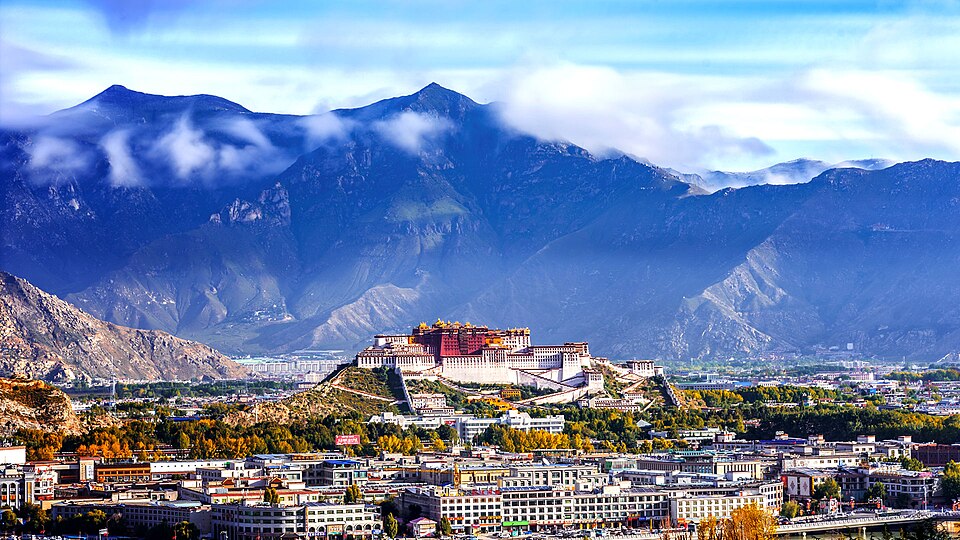
The Potala Palace sits on Red Hill (Marpo Ri) in central Lhasa, and reaching it is not simply a question of transport. For foreign visitors, access is tied to a permit system, a licensed guide, timed entry and altitude acclimatisation. The logistics are part of the safety planning, not an afterthought. This guide sets out the realistic options for getting there, what each one involves, and how to verify the details that change — ticket release rules, permit processing times and entry slots — before you commit to flights. For the wider context of permits and altitude, see our Tibet Travel Guide 2026: Permits, Altitude & Lhasa Planning.

Where the Potala Palace is and why access is controlled

The palace stands in central Lhasa, walkable from the Barkhor and the old town. It is an active heritage site with structural limits on how many people can be inside at once, which is why entry is managed in timed slots rather than as an open ticket. Foreign visitors cannot simply turn up and buy a ticket at the gate. A Tibet Travel Permit, arranged through a licensed operator, is required to enter Tibet at all, and the palace itself is subject to additional booking controls. Rules, quotas and slot-release timings are adjusted periodically, so confirm the current position with your operator or the official palace ticketing channel rather than relying on any figure you read online, including here.

Option 1: walking within Lhasa

If you are already acclimatised and staying in the old town, the palace is a 20–30 minute walk. That is the easy part. The visit itself involves a long climb inside the structure, with several hundred steps at an altitude above 3,600 metres. The ascent is steep in places and the air is thin. Treat the walk to the site as separate from the climb within it, and do not schedule anything demanding for the rest of that day. Anyone with heart or respiratory conditions should discuss the visit with a doctor before travelling.

Option 2: the timed entry system

Entry is organised around allocated time slots, and your passport and permit are checked against the booking. Slots are limited and the booking process for foreign visitors normally runs through your licensed guide or operator rather than directly. Morning slots are popular because of the light and because the pilgrim circuit around the base is busiest early, but availability depends on the day and the season. Ask your operator what slot they can secure, and confirm the current booking procedure, cancellation rules and any photography restrictions at the time of booking, since these are not fixed indefinitely.

Option 3: a guided Tibet tour

For most foreign visitors this is not one option among several — it is the route. Independent travel in Tibet is not permitted for foreign passport holders, so a licensed guide and arranged transport are part of the legal framework, not a convenience. A tour typically bundles permit handling, the guide, a vehicle, and a paced itinerary that builds in acclimatisation days. If you are arriving overland or by rail, our Chengdu to Lhasa by Train: 2026 Tibet Adventure Itinerary covers the rail approach and how to structure the first days.

Acclimatisation and timing

Build in at least two full days in Lhasa before attempting the palace climb. This is the single most useful piece of planning advice for this site. Use the first days for low-effort activity: the Barkhor circuit around the Jokhang, gentle walks, early nights. Save the palace for when your body has adjusted. Photography is not permitted inside the palace; the classic exterior views are from Potala Square, where the reflection pool gives a symmetrical shot, and from Chakpori Hill, particularly towards sunset. For general health preparation and what to do if altitude symptoms appear, see Healthcare in China for Travelers: Pharmacies, Clinics and Insurance (2026).

Permits, paperwork and practical checks

Permit processing takes time and cannot be rushed, so do not book international flights until your operator confirms your permit timeline in writing. You will also need your passport details to match exactly across every booking. Ask your operator to confirm, in writing: the current processing window for your nationality and dates, what the permit covers, whether any additional regional permits apply to your onward route, and what happens if a slot is unavailable on your preferred day. Verify visa and entry requirements through the relevant official channels, not through a tour page — our China Visa Rules 2026: Quick Entry Guide explains where to check.

Frequently asked questions

Can I visit the Potala Palace independently as a foreigner?

No. Foreign passport holders need a Tibet Travel Permit and a licensed guide, and independent travel in Tibet is not permitted. The palace booking is normally handled through your operator as part of that arrangement.

How many days should I allow in Lhasa before the palace visit?

Plan at least two full days at altitude before the climb. The palace involves several hundred steps above 3,600 metres, and the climb is far harder than the walking distance suggests.

How far in advance should I apply for the permit?

Processing windows change, so ask your operator for the current timeframe for your nationality and travel dates and get it confirmed in writing before booking flights. Do not rely on a fixed number quoted on a general page.

Can I take photographs inside the palace?

Photography is not permitted inside. Exterior photography from Potala Square and Chakpori Hill is the usual alternative. Confirm current restrictions with your guide on the day, as site rules can change.

What should I do if I feel unwell at altitude?

Stop, rest and descend if symptoms worsen. Do not push on to the palace climb. Seek medical advice promptly; your guide and hotel can direct you to a clinic in Lhasa.

Getting to the Potala Palace is straightforward once the permit, the guide and the acclimatisation days are in place; the difficulty lies in sequencing them correctly and confirming the current rules rather than assuming last year’s process still applies. Confirm every time-sensitive detail — permit windows, slot release, entry rules — with your operator or the official ticketing channel before you book anything non-refundable.

Posted on — Leave a comment

Cara ke Tembok Besar Badaling: Panduan Pengangkutan dengan Harga & Masa

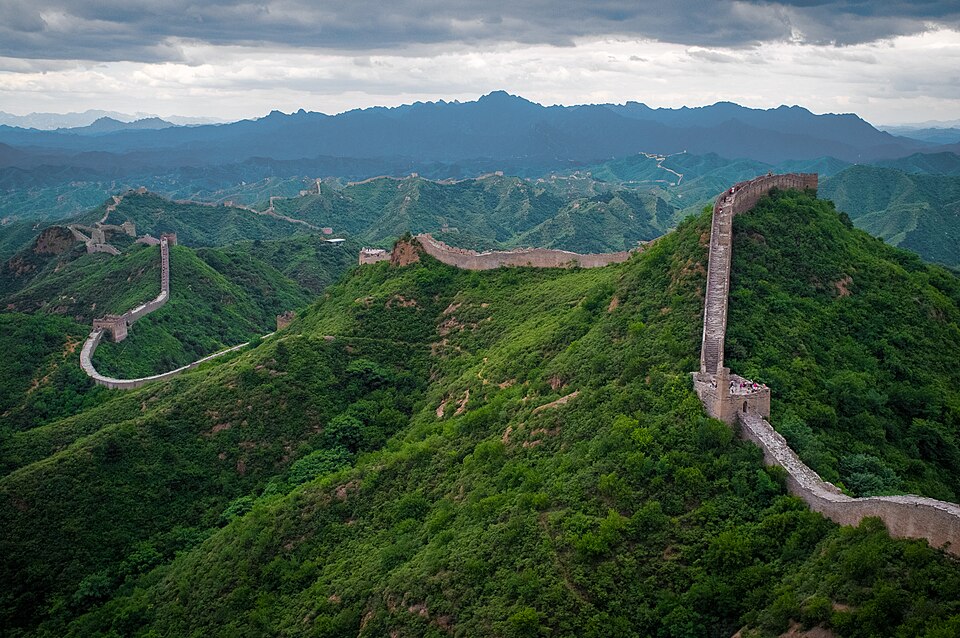
Badaling is the Great Wall section most visitors picture: the one on the banknotes, the one with the cable car, the one every tour coach in Beijing is pointed at. It sits roughly 70km northwest of central Beijing in Yanqing district, and it is the most accessible section by public transport. It is also the busiest. This guide sets out the realistic ways to get there, how to book entry, and how to time a visit so the crowds do not define it.

Where Badaling is and what makes it different

Badaling has been fully restored, which is why it looks the way it does in photographs and why it is the section most often chosen by visitors with limited mobility or a tight schedule. The restored walkways are broad and stepped, with handrails, and the site has cable car and pulley-car options to reach the ridge. That accessibility is the trade-off: on a peak day you are sharing the ramparts with tens of thousands of people, and the experience is closer to a heritage theme park than a quiet hike.

If your priority is atmosphere rather than convenience, other sections are worth considering. Badaling remains the right choice if you have one free day, no car, or someone in the group who cannot manage steep unrestored steps.

Option 1: the S2 suburban train from Huangtudian

The S2 line runs from Huangtudian station in northern Beijing to Badaling. It is the budget option and the one most often recommended in older guides. Two things to check before you rely on it: the timetable shifts with the season, and the trains are not frequent. Seats are unreserved on some services, so arriving early matters on weekends and holidays.

Look up the current departure times on the official China Railway 12306 app or website rather than trusting a blog screenshot, and confirm whether your passport can be used directly at the gate or whether you need to collect a paper ticket. For the general mechanics of buying and using Chinese rail tickets as a foreigner, see this guide to buying China train tickets with a foreign passport.

Option 2: high-speed rail to Badaling Great Wall station

The high-speed line from Beijing North railway station to Badaling Great Wall station is the fastest public option, cutting the journey to around half an hour. From the station it is a walk or a short local transfer to the entrance area, depending on which gate and cable car you are heading for.

This route has changed the maths of a Badaling day trip: you can leave Beijing after a normal breakfast and still be on the wall before mid-morning. The catch is that everyone else worked this out too. Departure slots on peak mornings sell out, and the station at the wall end is busy on arrival. Book in advance, and check the current station name and walking route on the operator’s own page, because signage and shuttle arrangements around the station have been adjusted since the line opened.

Option 3: bus and organised transfers

Tourist buses run from central Beijing departure points to Badaling, usually in the morning with an afternoon return. They are inexpensive and simple if you are staying near a pickup point, but they commit you to a fixed return time and often to a stop or two en route. Confirm the current departure point, departure time and return time directly with the operator, as these change between seasons.

Organised day tours bundle transport, entry and often the cable car. The value is in the timing: a good operator gets you to the gate before the main coach wave. Ask specifically what time you clear the gate, not what time you leave the hotel.

Option 4: private car, and why timing beats transport choice

Even with the high-speed rail, you arrive in the same window as everyone else. A private car changes the shape of the day rather than the speed of the journey: an early hotel pickup, arrival at the gate as it opens, cable car up before the 9am tour groups, and a descent before the midday crush. You are typically back in Beijing by early afternoon with the rest of the day free.

It also lets you change plans. If you would rather spend the day on a quieter, less restored section, a car makes that decision easy on the morning itself. Many visitors who book Badaling by default end up preferring Mutianyu once they understand the difference in atmosphere and crowd levels. Sort out payment before you travel, since card acceptance is patchy and mobile payment dominates; this China cashless travel guide explains how WeChat Pay and Alipay work for visitors.

Tickets, booking and crowd timing

Badaling entry is ticketed and capacity-controlled. Tickets are released on a rolling advance window and are linked to your passport, so you need your passport number when booking and your passport with you at the gate. The exact release window, daily caps and any peak-season rules change, so check the official Badaling ticketing page for the current booking lead time rather than assuming a fixed number of days.

Ignore anyone on site selling skip-the-line access. Entry is controlled by the official booking system, not by touts. Buy through the official channel or through an operator who books on your behalf.

On timing: winter weekdays are the quietest and, after snow, the most striking. Chinese public holidays and weekends are the opposite. Check the holiday calendar before you fix a date, and note that the site’s opening hours vary by season, so verify them on the official page for your travel date.

Frequently asked questions

Can I reach Badaling without a tour or a car?

Yes. Both the S2 suburban train and the high-speed rail from Beijing North serve the Badaling area, and tourist buses run from central Beijing. All require advance booking or early arrival on busy days.

How far in advance should I book entry tickets?

Tickets are released on an advance window and are passport-linked. The window and daily cap are set by the site and can change, so check the official Badaling ticketing page for the current rule before you plan your date.

Is Badaling suitable for wheelchairs or limited mobility?

It is the most accessible major section, with restored walkways and cable car access to the ridge. Gradients on the wall itself are still steep in places, so check the specific route and lift arrangements on the official site.

Which is better, Badaling or Mutianyu?

Badaling wins on transport links and accessibility. Mutianyu is generally quieter and less restored, and is easier to enjoy with a private car. If you have a full day and a driver, Mutianyu is often the better experience.

What should I bring?

Your passport, water, sun protection in summer and grip soles in winter. Steps are uneven and polished by foot traffic. Mobile payment is the norm for anything you buy on site, so have it set up before you go.

Whichever option you choose, the deciding factor at Badaling is rarely the transport itself but the hour you arrive. Fix the ticket first, then work the journey backwards from the gate opening time, and confirm every schedule on the operator’s own page before you travel.

Posted on — Leave a comment

How to Get to Jiuzhaigou National Park: Transport Guide with Prices & Times

Jiuzhaigou National Park sits in northern Sichuan, roughly 330km north of Chengdu. The usual figure quoted for the overland drive is around eight hours, while the flight to Jiuhuang airport (JZH) takes about an hour, followed by a road transfer of roughly 88km. Those two numbers frame every decision you will make about this trip. The park itself is a Y-shaped valley system of turquoise lakes, travertine terraces and waterfall cascades, and it is one of the most logistics-heavy destinations in China: entry is capped, real-name booking is required, private cars cannot enter, and the altitude runs from around 2,000m to 3,100m. This guide compares the ways in, explains how the park shuttle system actually works, and sets out the timing questions worth settling before you book anything.

Option 1: fly to Jiuhuang airport and transfer

The flight from Chengdu to Jiuhuang is the fastest option on paper. In practice it is the least predictable. Jiuhuang sits at high altitude in mountain terrain, and flights are prone to weather delays and cancellations, particularly outside the stable autumn window. Build slack into your itinerary rather than treating the flight as a fixed anchor.

If you fly, you still need a road transfer from the airport to the park area, quoted at around 88km. Arrange this in advance rather than improvising at arrivals. If you are connecting through a Chinese hub before this leg, our China airport transfers guide covers how airport taxi ranks, ride-hailing pick-up zones and metro links work in practice.

Option 2: the overland drive from Chengdu

The classic overland route runs north through the Min Mountains. The honest description is an eight to ten hour drive each way, which is a long day in a vehicle on mountain roads. The scenery is genuinely spectacular, and the route passes through Maoxian and a number of Qiang villages that are worth more than a photo stop.

The sensible way to do this is to break the drive across multiple days rather than pushing through in one hit. A multi-day package that stops overnight en route turns a transport chore into part of the trip. If you are weighing up whether to self-drive, use public buses or hire a driver, our China bus travel guide explains how long-distance bus ticketing works for foreign passports.

Option 3: getting around inside the park

Private cars cannot enter Jiuzhaigou. Movement inside the park is by shuttle bus on a loop through the Y-shaped valleys, and the shuttle is included with entry rather than sold separately. The real skill is not transport but sequencing: which stop to start from, and which direction to walk.

The standard crowd-dodging approach is to take the shuttle to the far end first, then walk downhill through the main lake sections rather than fighting uphill against the flow. A common version of this is to start at Long Lake and walk down through Five Flower Lake. Confirm the current shuttle route and stop names on the official park page or at the gate on the day, because routes are adjusted seasonally and after heavy rain.

Entry booking, timing and altitude

Daily entry to Jiuzhaigou is capped, and advance real-name booking is required. This is the single most important logistical fact about the park. Booking opens through official channels, and you will need your passport details exactly as they appear on the document you will carry. Check the official park or provincial ticketing page for the current booking window, the daily cap and which passport types are accepted for online booking, since these details change.

Two full days inside the park is the realistic minimum. One day per valley is rushed and leaves you choosing between sections rather than seeing them. Autumn colour, typically October, is peak season and the busiest window; if you are travelling then, book as early as the booking system allows. Altitude inside the park ranges from roughly 2,000m to 3,100m, so keep day one gentle and treat the first afternoon as acclimatisation. Our China fall foliage guide covers how autumn timing shifts year to year.

Practical preparation for the trip

Payment is the other thing people underestimate. Mobile payment dominates in China, and a foreign card linked to WeChat Pay or Alipay usually works, but you should set it up and test it before you fly rather than at a ticket counter. Our China cashless travel guide walks through the setup. Connectivity matters too, since booking confirmations, maps and translation all depend on data; check our mobile data estimate before choosing a plan.

Finally, check your entry status for China itself. Many travellers now arrive under visa-free transit arrangements, but the conditions are specific and worth verifying against the official immigration source rather than a summary. See our 240-hour visa-free transit checklist for what to confirm.

Frequently asked questions

Is it better to fly or drive to Jiuzhaigou?

Flying is faster when it operates, but Jiuhuang flights are weather-sensitive and cancellations happen. Driving takes eight to ten hours each way but is far more predictable. If your dates are tight and fixed, the overland route with an overnight break is often the safer choice; if you have slack in the schedule, the flight saves a lot of time.

How far in advance should I book park entry?

Entry is capped daily and requires advance real-name booking, so book as soon as the official booking window opens for your date. For October, that means booking roughly a month ahead or earlier. Verify the current window and cap on the official park ticketing page, as these are set administratively and change.

Can I drive my own car into the park?

No. Private vehicles cannot enter Jiuzhaigou. You park outside and use the internal shuttle bus system, which loops the Y-shaped valleys and is included with your entry. Confirm current shuttle routes and operating times at the gate, as they are adjusted seasonally.

How many days do I need in the park?

Two full days is the sensible minimum, one per main valley. A single day forces you to skip sections. If you are also doing the overland drive, allow extra days on each side for the road rather than compressing the park itself.

Is altitude a problem at Jiuzhaigou?

The park ranges from about 2,000m to 3,100m, which is high enough to affect some visitors. Keep the first day gentle, avoid rushing uphill sections, and hydrate. If you have known heart or respiratory conditions, speak to a doctor before travelling.

Jiuzhaigou rewards preparation more than most Chinese destinations: the constraint is not distance but booking windows, weather reliability and how you sequence the valleys once you are inside. Settle the transport mode first, confirm the current entry rules on the official page, and let the rest of the itinerary follow from those two decisions.

Posted on — Leave a comment

How to Get to The Mogao Grottoes: Transport Guide with Prices & Times

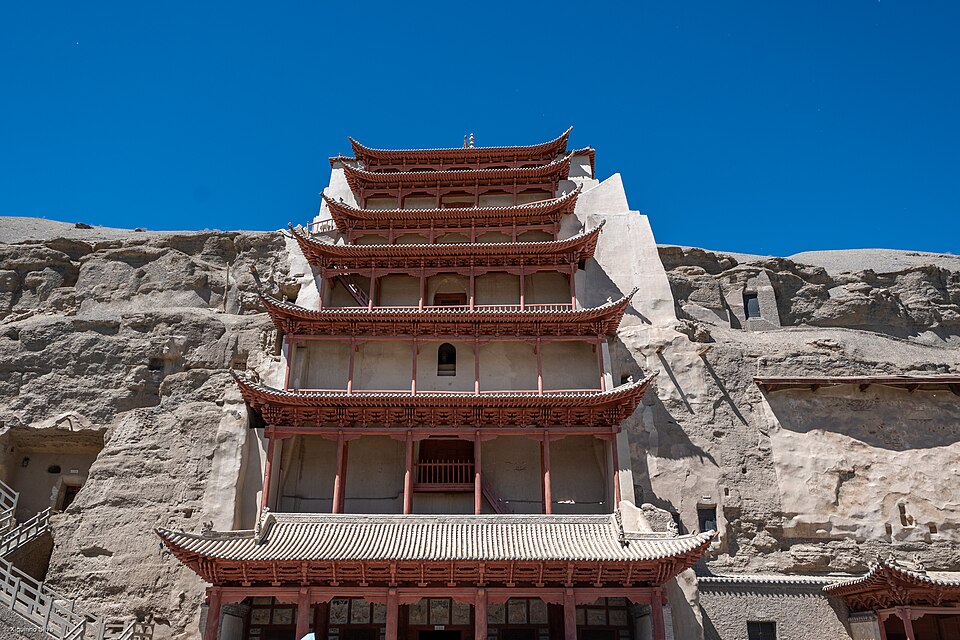
Dunhuang sits at the western edge of the Hexi Corridor, and the Mogao Grottoes sit roughly 25km southeast of the town itself. That distance is short, but the visit involves two separate places: the digital exhibition centre where you watch the introductory films, and the cave site itself, which you reach by dedicated shuttle from the centre. You cannot simply drive to the caves and buy a walk-up ticket. Understanding this two-stage structure is the single most useful thing to know before you plan the day. This guide covers how to get there, how the options compare, how to secure a ticket, and how to combine the caves with the rest of the Dunhuang desert circuit.

Where the Mogao Grottoes actually are

The site lies southeast of Dunhuang town, in the desert cliffs above a dried riverbed. The visitor flow works like this: you arrive at the Mogao digital exhibition centre (the main visitor centre), where booking is checked and the introductory films are shown; from there, shuttle transport runs to the cave area. The whole sequence takes several hours, not the 30 minutes a simple distance figure suggests.

Because the caves are a capped, timed-entry attraction, the constraint on your day is almost never transport. It is ticket availability. Build your itinerary around the ticket session you manage to secure, not the other way round. For general background on how timed reservations work at major Chinese sites, see our guide to booking attractions in China as a foreign visitor.

Option 1: shuttle bus from Dunhuang town

Shuttle services run between Dunhuang town and the visitor centre, generally timed to coincide with ticket sessions. This is the cheapest and least complicated option, and for a solo traveller or a couple it is usually the sensible default. The ride is short and the service is well established.

The practical issue is not the bus. It is that shuttle timings are tied to sessions, so if your ticket is for a late slot you may be waiting around town, and if you are staying outside the town centre you may need a taxi to reach the pickup point. Confirm the current pickup locations, departure times and whether your session is covered before relying on it, and check whether payment is by cash or mobile app. Our guide to cashless payment in China explains how to set up WeChat Pay or Alipay before you travel, which matters in a small city where card acceptance is patchy.

Option 2: private car with driver

Dunhuang’s sights are scattered across open desert, and the distances between them are real. Mogao, the Mingsha dunes and Crescent Lake, and the western line out to Yumen Pass and the Yardang landforms sit 60 to 90 minutes apart in different directions. Public transport does not chain them together in a single day.

A private car with driver is the standard solution for anyone wanting to see more than one site properly. It also removes the timing anxiety: the driver waits, you set the pace, and you are not dependent on a shuttle that runs to someone else’s schedule. For a group of three or four, the per-person cost is often comparable to assembling separate transfers. If you are weighing up whether to build the whole trip around a fixed itinerary or a flexible vehicle, our piece on what an AI travel planner handles well and where it breaks down is a useful reality check on the limits of automated planning for remote areas.

Option 3: combining the caves with the dunes

The classic Dunhuang day pairs a morning cave session with an afternoon and sunset at the Mingsha dunes and Crescent Lake, where camel rides and sand sledding operate and the light turns gold in the last hour. This works because the caves are a morning activity by default and the dunes are best late.

Two cautions. First, dune activities are separately ticketed and sold on site or nearby, so treat them as a distinct purchase rather than something bundled with your cave ticket. Second, the western line to Yumen Pass is a full day on its own and cannot be combined with the caves without cutting both short. Choose one desert day or the other, or allow two days in Dunhuang.

Tickets, timing and the reservation problem

Daily visitor numbers at Mogao are capped, and in high season sessions sell out. The reliable approach is to book well ahead through the official channel and to check, on the official booking page, the current session times, the release window for new dates, and the identification requirements for foreign passports. Do not rely on a number quoted in any third-party article, including this one; caps and session structures change.

On the visit itself: English-language guided tours run at set times, and an audio guide is the alternative if you miss them. Photography is prohibited inside the caves, and staff enforce this. The replica caves at the exhibition centre are a different matter and are generally photographable. Check current rules when you arrive rather than assuming.

When to go and how to reach Dunhuang

April to June and September to October are the most comfortable windows. Mid-summer afternoons regularly exceed 40°C by noon, which makes an afternoon dune visit punishing. Winter is cold and quiet, with better ticket availability.

Dunhuang has its own airport with connections from larger hubs such as Xi’an and Lanzhou, and it is also reachable by rail. Flight and train schedules change seasonally, so verify times and availability on the operator’s own site when you book. If you are arriving by air, arrange your airport transfer in advance; see our notes on airport transfers in China for how pickup arrangements usually work. For the rail side, our train travel guide covers booking and seat classes.

Frequently asked questions

Can I visit the Mogao Grottoes without booking ahead?

In low season there is sometimes same-day availability, but in high season sessions sell out and walk-up entry is not something to count on. Book through the official channel as early as the release window allows, and check that page for current session times and passport requirements.

How long should I allow for the caves?

Plan on several hours door to door, including the films at the visitor centre, shuttle transport to the cave area, the guided visit and the return. Do not schedule a tight onward connection immediately afterwards.

Is the shuttle bus or a private car better?

For a single site and a solo traveller, the shuttle is simpler and cheaper. If you want to combine Mogao with the dunes or the western desert line in one day, a private car with driver is the practical choice because public transport does not link those sites.

Can I take photographs inside the caves?

No. Photography is banned inside the caves themselves. The replica caves and exhibition areas at the visitor centre are generally a different case. Confirm the current policy on arrival.

What should I do if I only have one day in Dunhuang?

Book a morning cave session and spend the late afternoon and sunset at the Mingsha dunes and Crescent Lake. Accept that the western line to Yumen Pass needs its own day.

Dunhuang rewards planning more than most places in China, because the bottleneck is a capped ticket rather than a long journey. Secure your cave session first, then build transport and the rest of the desert circuit around it. If you would rather hand the logistics to someone who works this route regularly, our team can arrange tickets, transfers and sequencing for the Dunhuang sites as part of a wider Silk Road itinerary.

Posted on — Leave a comment

How to Get to Tianmen Mountain: Transport Guide with Prices & Times

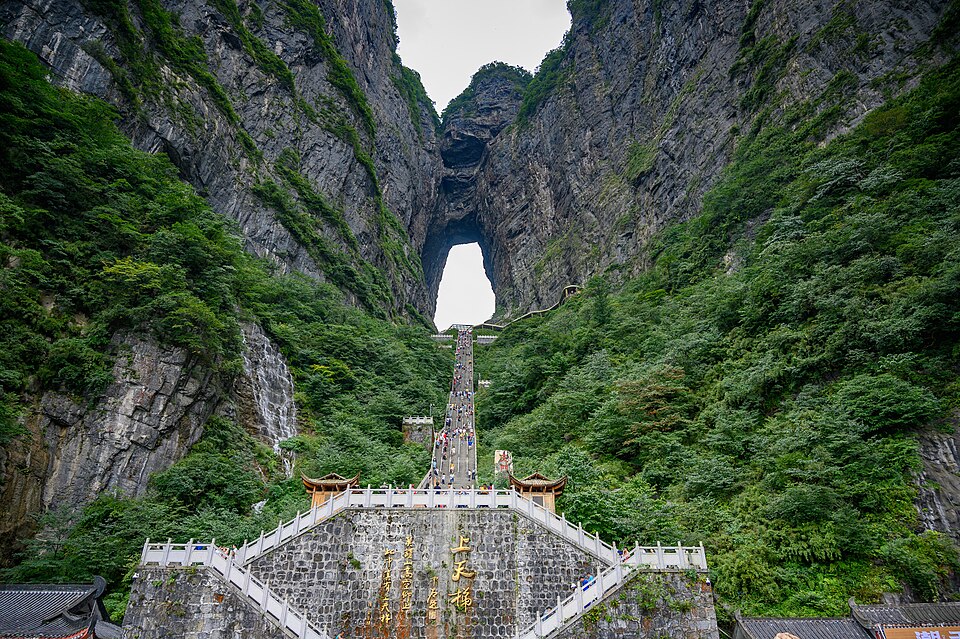
Tianmen Mountain sits directly above Zhangjiajie city, which makes it logistically different from the Zhangjiajie National Forest Park further out. The cable car base station is in the urban area, so you can walk or take a short taxi from many downtown hotels rather than committing to a long transfer. The mountain itself is the adrenaline side of Zhangjiajie: the Heaven’s Gate arch reached by a long staircase, cliff-hung glass walkways on the summit, and a cable car ride that passes over streets and rooftops before it reaches the cliffs. This guide covers how to get there, how the entry routes differ, and how to sequence a visit so you are not spending your day in a queue.

Where Tianmen Mountain actually is

The cable car base station is in downtown Zhangjiajie, in the Yongding district. That single fact shapes everything else. Unlike the Forest Park, which needs a bus or car from the city, Tianmen is reachable on foot from central hotels. If you are staying near the cable car station, you can leave your room and be in the queue within minutes.

Most visitors arrive in Zhangjiajie by high-speed rail or by air. If you are coming by train, it is worth reading up on how to book China train tickets on 12306 before you travel, because popular routes into Zhangjiajie sell out in peak season. The station and the airport are both a short drive from the cable car base, so a same-day arrival and afternoon visit is possible if your timing is tight, though not ideal.

Option 1: The cable car as your entry route

The cable car is the classic way up and the reason many people come. It runs from the city base station to the summit area, crossing over roads and buildings before the terrain turns to cliff. Because it is the headline attraction as well as the transport, it is also where the queues form.

Two things matter here. First, tickets are timed, so your entry window is fixed rather than flexible. Second, the earliest windows are dramatically quieter than mid-morning ones. If you take a later slot, expect to wait. We are not going to quote a price or a specific opening time, because both change by season and by ticket type. Check the official Tianmen Mountain ticketing channel or the cable car operator’s own page, and look specifically for the current time-slot options, the last entry time, and whether your chosen ticket includes the bus and escalators or charges them separately.

Option 2: Bus up the 99-bend road

The alternative ascent is by shuttle bus on the switchback road known as the 99 bends. This is not a consolation prize. The road is dramatic in its own right, and some visitors prefer it because it avoids the cable car queue entirely and puts you at a different part of the mountain.

Which direction you travel in often depends on the day’s crowd management rather than your preference. The operator may route visitors up by cable car and down by bus, or the reverse, to spread load. Ask at the ticket office or check your ticket wording, and look for whether it specifies an ascent method, a descent method, or both. Build your plan around what your ticket actually says rather than what you read online, since routing changes.

Option 3: The summit glass walkways

There are cliff walkways on the summit, including glass sections that hang off the rock face. These are the part of the visit people remember. They are also the part where small logistics trip people up.

Expect shoe covers to be required on the glass sections, usually for a small fee paid on the spot. We will not quote the amount because it changes; check signage at the walkway entrance. Some walkways are included in certain ticket combinations and not others, so if the glass is the reason you are going, confirm what your ticket covers before you buy. Buy online in advance where the operator offers it, and read the inclusions line carefully rather than assuming.

The summit has a west line and an east line. The west line carries the dramatic glass sections; the east line is generally a quieter forest boardwalk. If glass walkways are your priority, do the west line first while you are fresh and before crowds build along it.

Sequencing the day and the 999 steps

A sensible loop runs roughly like this: ascend, walk the west line glass sections first, continue around the summit, then descend toward the Heaven’s Gate arch. The arch is reached by the famous staircase, and there is an escalator alternative for part of the route. The steps are optional. If you do take them, going down is easier than going up, which is worth remembering when you plan the direction of your loop.

Allow four to five hours on the mountain for a comfortable visit that includes the walkways, the arch and a pause. A rushed version is possible in less, but you will feel it. Afternoon mist is common and can close in the views by early afternoon, which is another argument for an early start. If you are building a wider itinerary, Tianmen pairs naturally with the Forest Park as a two-day Zhangjiajie block, and it also works as a half-day on a transfer day.

Two practical points for foreign visitors. Attraction reservations in China increasingly run through official mini-programs and apps, and the process differs from what you may be used to; this guide to booking attractions in China as a foreigner explains what actually needs reserving. Second, payment on the ground is almost entirely cashless, so have a working payment method set up before you arrive, as covered in this guide to WeChat Pay and Alipay.

Getting the timing right

Book the earliest slot you can get. Crowds build through the morning, and the mountain’s own weather builds with them. By late morning you are dealing with both longer queues and softer views.

Have your entry ticket, your ID or passport, and your payment method ready before you reach the gate. Check the operator’s page the day before for any change to opening hours, last entry, or routing, since these are the details most likely to shift and the ones we deliberately do not state as fixed figures here. If you are travelling in a busy national holiday period, treat everything as busier and earlier than usual.

Frequently asked questions

Can I visit Tianmen Mountain without joining a tour?

Yes. The cable car base is in downtown Zhangjiajie, tickets are sold to individual visitors, and the summit is self-guided with signage. A tour mainly buys you timing strategy, ticketing help and transfers, not access that is otherwise unavailable.

How long should I allow for the visit?

Four to five hours on the mountain is realistic if you want the glass walkways, the summit loop and the Heaven’s Gate arch without rushing. Add time for the queue at your entry point, which varies enormously by slot.

Do I need to book tickets in advance?

Tickets are timed, and popular slots sell out, so booking ahead is sensible, particularly in peak season. Check the official ticketing channel for current slot availability and what each ticket type includes.

Are the 999 steps compulsory?

No. There is an escalator alternative for part of the route. If you do take the steps, descending is easier than climbing, so plan your loop direction accordingly.

What should I check before I go?

Confirm current opening hours, last entry, ticket inclusions and whether your ticket specifies an ascent or descent method. Verify these on the operator’s or official page rather than relying on older trip reports, since routing and timings change.

Treat Tianmen Mountain as a logistics problem first and a sightseeing problem second. Get an early timed slot, know what your ticket includes, do the west line glass walkways before the crowds arrive, and keep the rest of the day flexible. Confirm the current hours, inclusions and routing on the official ticketing page before you travel, and the day will run far more smoothly than if you arrive hoping to work it out at the gate.

Posted on — Leave a comment

How to Get to Yu Garden & The Bund: Transport Guide with Prices & Times

Yu Garden and the Bund sit less than two kilometres apart in central Shanghai, yet the pair works as a single half-day or full-day outing only if you plan the connections. The garden is a Ming-era classical compound in the Old City; the Bund is the colonial-era waterfront a short walk east. Between them lie metro stations, a pedestrianised bazaar, and a stretch of riverside that changes character entirely between late afternoon and night. This guide covers how to reach both, how to link them sensibly, and the timing details that decide whether you get photographs or crowds.

Where exactly are Yu Garden and the Bund?

Yu Garden sits in the Old City of Huangpu district, wrapped inside the Yuyuan Bazaar complex. The Bund runs along the west bank of the Huangpu River, roughly 15 minutes on foot east of the garden’s exits. Both are in the same district, which is why they pair so naturally, and both are served by dense metro coverage.

Note the naming: the metro station is Yuyuan Garden (豫园), and the surrounding commercial area is Yuyuan Bazaar. The garden itself has its own entrance and ticket arrangement, separate from the free-to-enter bazaar. Verify current opening days, last entry and ticket prices on the official Yu Garden channel or the Shanghai municipal tourism site before you travel, as these change seasonally and around public holidays.

Option 1: Metro to both sites

For the garden, Yuyuan Garden station on Lines 10 and 14 puts you within a few minutes’ walk of the bazaar entrances. For the Bund, Nanjing East Road station on Lines 2 and 10 is the standard approach, from which you walk east along Nanjing East Road to the river.

The metro is fast and cheap, but the slow part is always the surface walk at either end, particularly around the bazaar where crowds and one-way pedestrian flows slow you down. If you are new to the system, read a China Metro Guide: How to Ride in 2026 before you go, and check a China Cashless Travel Guide: WeChat Pay & Alipay 2026 so your payment method is set up for ticket machines and gates. Verify current line numbers, station exits and first/last train times on the official Shanghai Metro site, since network changes and temporary closures do occur.

Option 2: The walking loop

The classic free route is a loop rather than a point-to-point trip: enter the garden area in the morning, eat in the bazaar, then walk east to the Bund for late afternoon and the illuminated skyline after dark. Total walking between the two is short, but budget more time than the distance suggests because of crowds, photo stops and the bazaar’s layout.

This route costs nothing beyond garden entry and food, and it gives you the most control over timing. It suits travellers who want to linger. It does not suit anyone with mobility limits, small children in pushchairs, or a tight schedule on a hot or rainy day.

Option 3: Private car and an evening extension

A car solves the two genuine problems: the walk between sites when you are tired, and the taxi shortage at the Bund after the skyline lights up. A common shape is a morning garden visit before the main tour groups arrive, lunch in the Old City, an afternoon elsewhere in the city, then a driver meeting you at the Bund for the night view.

If you want to extend the day, Zhujiajiao water town is roughly an hour away by road and works as a private-car add-on rather than a metro trip. For a wider city plan, see the Shanghai City Guide 2026: Local Tips & Hidden Gems. Confirm any driver’s meeting point, waiting policy and overtime terms in writing before booking, and treat all quoted inclusions as things to verify rather than assume.

Timing: when to visit each site

The garden is calmest in its first hour after opening; organised groups tend to arrive mid-morning. Check the current opening time and last entry on the official source, as they shift by season. Weekdays are markedly quieter than weekends, when the zigzag bridge and the bazaar lanes become a slow shuffle.

For the Bund, the strongest light is the blue hour, roughly the half hour after sunset, when the sky still holds colour and the skyline is lit. The north end near Rockbund generally has more space than the central promenade. Check the daily sunset time for your date rather than relying on a fixed hour, and note that the promenade can be closed or rerouted for events.

Practical points before you go

Set up mobile payment and a working data connection before arrival; both matter more than cash here. A First Time in China: 12 Things to Sort Before You Book covers the essentials, and the Shanghai Street Food Guide: 20 Must-Try Bites in 2026 is useful for the bazaar and nearby lanes. If you are visiting on a visa-free transit entry, check your eligibility and permitted area on the official immigration source before building the itinerary around Shanghai.

Frequently asked questions

Can I visit Yu Garden and the Bund in one day?

Yes, comfortably. They are close enough to combine on foot, and most visitors spend a morning at the garden and the late afternoon and evening at the Bund. The main constraint is crowd timing rather than distance.

Which metro station is best for each?

Yuyuan Garden station for the garden and bazaar, and Nanjing East Road station for the Bund. Confirm current lines and exits on the official Shanghai Metro site, as station layouts and line details can change.

Do I need tickets for the Bund?

The riverside promenade itself is an open public area with no entry ticket. The garden is ticketed and has separate opening arrangements. Verify current prices, opening hours and any closure dates on the official Yu Garden page.

Is the walk between them suitable for everyone?

It is short but exposed and often crowded, with uneven paving in parts. Travellers with mobility issues, young children or heavy bags may prefer a taxi or private car for the connection.

When is the best time for Bund photographs?

The blue hour shortly after sunset, when the skyline lights are on and the sky retains colour. Check the sunset time for your specific date and arrive early to secure a spot, especially at weekends.

Plan the garden for the morning and the Bund for the evening, keep the middle of the day flexible, and verify all opening times, ticket details and transport information on the relevant official pages close to your travel date. That single habit removes most of the friction from this pairing.

Posted on — Leave a comment

How to Get to West Lake: Transport Guide with Prices & Times

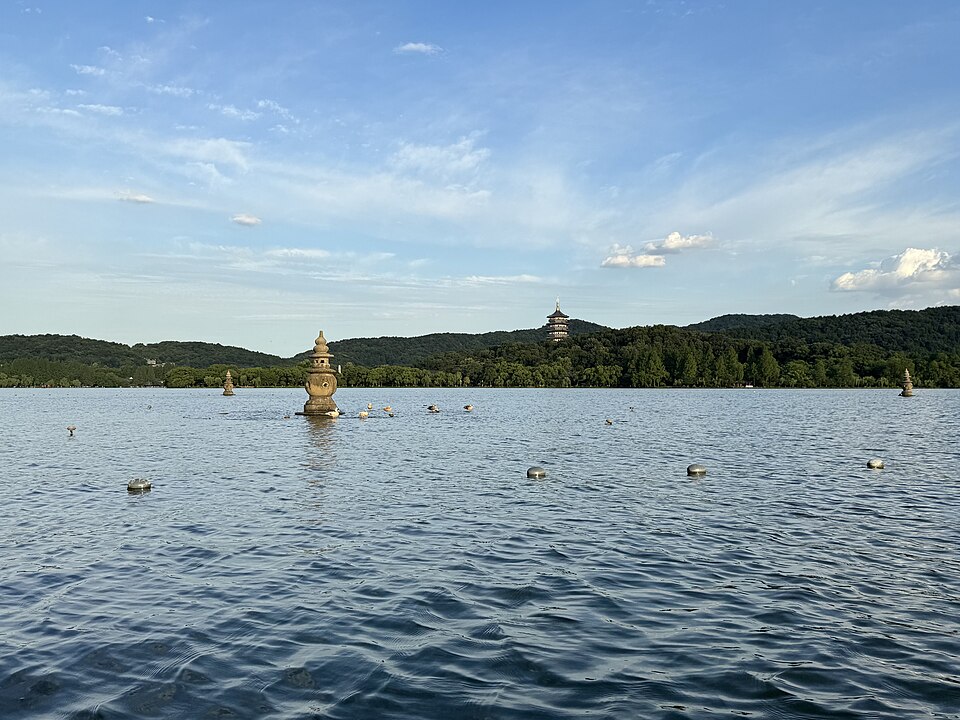
West Lake sits in central Hangzhou, and from most downtown hotels you can reach a shoreline in five to ten minutes by taxi or a short metro ride. The complication is not distance but choice: the lake has several distinct shores, and the one you want depends on the hour and what you plan to do. West Lake rewards meandering rather than racing, but arriving at the right shore for sunrise, or leaving enough time for the Longjing tea terraces, still takes a little planning. This guide compares the realistic transport options and explains how to check the details that change.

Where West Lake actually is, and why the shore matters

The lake is a roughly 15km loop of causeways, gardens and roads, with the city pressing in on the east side and hills rising to the west and south. That geography shapes everything. The east shore (near Longxiangqiao and the downtown core) is the most built-up and the easiest to reach on foot from hotels. The north shore holds the music fountain and the busiest evening crowds. The west and south shores, including Yanggong Causeway, are quieter and greener, backed by the hills that lead towards Longjing and Lingyin Temple.

Decide first whether you are visiting for a short walk, a full circuit, or a base for the tea villages. That answer determines your transport, not the other way around.

Option 1: Metro plus walking

Hangzhou’s metro is the simplest way to reach the lake without worrying about traffic or parking. Line 1 serves Longxiangqiao station on the east side, a short walk from the water. Other lines and stations ring the lake at different points, and new stations open over time, so check the current network map in your metro app before you travel rather than relying on an old list.

Once you are at the lake, walking is genuinely the best way to see the east and north shores. The full loop is about 15km and takes most of a day at a relaxed pace, with plenty of teahouses and viewpoints to break it up. For how fares, QR codes and gates work, see this China metro guide.

Option 2: Public bike share and taxis

Hangzhou’s public bike scheme has docks around the lake, and cycling the flat sections is one of the nicest ways to cover ground. The catch is demand: on weekends and public holidays, popular docks empty quickly and returning a bike near the busiest shores can be frustrating. Check the app for live dock availability before you set off, and treat a bike as a one-way tool rather than a guaranteed round trip.

Ride-hailing and metered taxis fill the gaps, but lakeside roads are congested at peak times and some sections restrict where cars can stop. Ask to be dropped at a named landmark or causeway entrance rather than “West Lake”, which is too vague to be useful.

Option 3: Private car for the wider loop

The lake alone is manageable on public transport. The surrounding sights are not. Longjing tea village, Lingyin Temple and the Meijiawu tea farms sit in the hills to the west and south, and stringing them together by bus involves long waits and steep walks. A private car turns a 25km hilly scatter of stops into one relaxed day, with pickup arranged at whichever shore you want for sunset.

This is the option that makes sense if your time in Hangzhou is short or you are travelling with people who cannot manage long climbs. You can compare how a car fits into a wider itinerary in this 5-day Hangzhou plan.

Timing the shores: sunrise, sunset and the fountain

Bai Causeway on the north side is the classic sunrise spot, and in summer that means arriving well before dawn. Yanggong Causeway on the west side is the sunset counterpart, quieter and framed by trees. If you have a driver, agree the pickup point and time in advance and build in a buffer, because the light does not wait and neither does the traffic.

The music fountain on the north shore draws large evening crowds. Arrive early if you want a clear view, and expect the surrounding roads to be slow afterwards. Fountain schedules change with season and maintenance, so confirm the current show times locally or through your hotel rather than trusting an old listing.

Practical tips and the tea village detour

Longjing village is roughly a 20-minute drive from the lake. Park at the upper lot if you are driving, walk down through the terraces, then finish with a tea tasting. Prices for tea vary enormously by grade and vendor, so taste before buying and agree the price per unit clearly.

Do not plan to drive yourself around the lake at weekends. Lakeside parking is scarce and often full by mid-morning. Carry a working payment method, since almost everything from metro fares to tea shop bills is settled by phone; this cashless travel guide explains how to set that up before you arrive. If you are combining Hangzhou with other cities, check rail options in this China train guide.

Frequently asked questions

How long does it take to get to West Lake from downtown Hangzhou?

From most central hotels it is a five to ten minute taxi ride or a short metro trip plus a walk. Allow more time at weekends and on public holidays, when lakeside roads slow considerably.

Can I walk the whole way around West Lake?

Yes. The full loop is about 15km and suits a full day at an easy pace. Many visitors walk only one or two shores and use a bike or taxi for the rest.

Is the metro the best way to reach the lake?

It is the most predictable option if you want to avoid traffic. Check the current network map and station names in your metro app, since lines and stations change over time.

Should I book a private car for West Lake?

For the lake alone, public transport and walking are usually enough. A car makes more sense if you want to combine the lake with Longjing, Meijiawu and Lingyin Temple in a single day.

When is the quietest time to visit?

Early mornings are consistently calmer, especially on the west and south shores. Weekends, public holidays and the hours around the evening fountain show are the busiest.

Whichever option you choose, verify current opening hours, fountain schedules, ticket requirements and transport details on the relevant official or operator page before you travel, as these change through the year. Plan the shore and the hour first, then pick the transport that gets you there on time.

Posted on — Leave a comment

How to Get to The Giant Panda Breeding Base: Transport Guide with Prices & Times

The Giant Panda Breeding Base sits roughly 10km north-east of downtown Chengdu, a drive of about 30 to 40 minutes in normal traffic. Almost everything that goes wrong on a panda visit goes wrong because of transport, not because of the pandas. The animals are most active early, and the difference between a good visit and a disappointing one is usually whether you reached the gate near opening or rolled up at midday. This guide compares the realistic options, explains what each one costs you in time, and covers the practical details that decide your morning.

Why timing matters more than the route

Pandas eat bamboo in the cool early hours and then sleep for much of the day. Arriving at opening puts you in front of enclosures while the animals are climbing, feeding and moving between trees. Arrive after roughly 10:30 and you will mostly be looking at resting animals, which is still pleasant but a different experience. Because of this, the transport question is really a question about what time you can be standing at the entrance. Check the base’s official ticketing channel for current opening times and any last-entry rules, as these change with season and with public holidays. If your dates fall on a Chinese public holiday, expect heavier traffic and larger crowds; see our China Public Holidays 2026 page for dates worth avoiding or booking around.

Option 1: Metro Line 3 plus a short transfer

Metro Line 3 runs to Panda Avenue station on the north-eastern side of the city. From there you either walk to the gate, which takes around 20 minutes, or take a local shuttle or a short taxi hop. The metro is the cheapest option and avoids road traffic entirely, but it rarely gets you to the gate before roughly 45 minutes after opening once you factor in the walk from your hotel to a station, the journey itself and the final transfer. If you are staying near a Line 3 station and are not chasing the first feeding hour, this is a sensible, low-stress choice. For general ticketing and payment mechanics on Chinese metro systems, including how to buy a single ride with a foreign card or a QR code, see our China Metro Guide: How to Ride in 2026.

Option 2: Taxi or ride-hailing

A taxi or a Didi from the city centre takes about 30 to 40 minutes depending on where you start and how the ring roads are behaving. Fares vary with distance, time of day and surge, so treat any figure you see online as indicative only and confirm the estimate in the app before you confirm the ride. The outbound trip is straightforward in the early morning. The return is the weak point: from late morning onwards, the pickup area fills with people leaving at the same time, and waits can stretch considerably. If you use ride-hailing, walk a short distance away from the main gate before requesting the car, and make sure your payment method is working before you travel. Our China Cashless Travel Guide: WeChat Pay & Alipay 2026 explains how to set up mobile payments and what to do if a payment fails.

Option 3: Private car with an early start

This is the option that matches what the base actually rewards. A pre-arranged car collects you from your hotel before dawn, which puts you at the gate close to opening and inside the park during the main feeding period. The advantages are not only speed: a driver who does this route regularly knows which entrance and which internal path to use, where to wait, and how to exit without sitting in the main departure queue. It also makes the rest of the day easier, since you can continue directly to Leshan, to a teahouse, or back into the city without returning to a metro line. If you are weighing up whether to base more of your trip in Sichuan, our Chengdu City Guide 2026 covers how the panda base fits with the rest of the city.

Inside the base and what to do afterwards

The expanded park is large, and walking between the far enclosures adds up quickly. An internal shuttle runs between areas; check the current fare and route on site, as these details are set by the operator. If you arrive later than planned, use the shuttle rather than trying to cover everything on foot. Do not overlook the red panda enclosures, which are often more active in the middle of the day than the giant pandas. For the afternoon, a common and pleasant pattern is the Jinli area followed by a teahouse in People’s Park, which gives you a slow Chengdu afternoon after an early start. If you are building a longer route through the region, our Chengdu to Lijiang and Kunming 7-day route shows how to sequence it.

Practical checks before you go

Buy your ticket through the base’s official channel or a reputable operator, and check whether your chosen date requires advance booking. Carry your passport, since it is the standard identity document for foreign visitors at attractions and for any ticket tied to your name. Have a working data connection so maps, ride-hailing and payment apps function; our China SIM Card Guide: eSIM vs Physical in 2026 covers the trade-offs. Finally, confirm your entry arrangements for China itself well before booking transport, using the official immigration or embassy pages rather than second-hand summaries.

Frequently asked questions

What time should I arrive at the panda base?

Aim to be at the gate close to opening. The early hours are when the pandas are feeding and moving; by late morning most are resting. Confirm the current opening time on the base’s official channel, as it varies by season.

Is the metro or a taxi better for getting there?

The metro is cheaper and immune to traffic but generally delivers you later. A taxi or Didi is faster from most central hotels but can involve a long wait for the return trip. A pre-booked private car with an early pickup is the most reliable way to hit the opening window.

How much does it cost to get to the panda base?

Costs depend on your starting point, the mode you choose and current fares or surge pricing. Check the live estimate in your ride-hailing app and the current metro fare on the official metro operator’s page rather than relying on older figures.

Can I combine the panda base with another Chengdu sight?

Yes. Because the visit works best as a morning activity, most people pair it with an afternoon in the city, such as Jinli and a teahouse, or continue onwards to Leshan. Allow for travel time and do not over-schedule the same day.

Do I need to book tickets in advance?

It depends on the date. Peak periods, weekends and public holidays can require advance booking or sell out. Check the base’s official ticketing page for your specific date and follow whatever booking process it states.

Whichever option you choose, decide it around the opening time rather than around cost alone, and verify the current opening hours, ticket rules and fares on the base’s official pages before you travel. Get the timing right and the rest of the visit looks after itself.

Posted on — Leave a comment

How to Get to Zhangjiajie National Forest Park: Transport Guide with Prices & Times

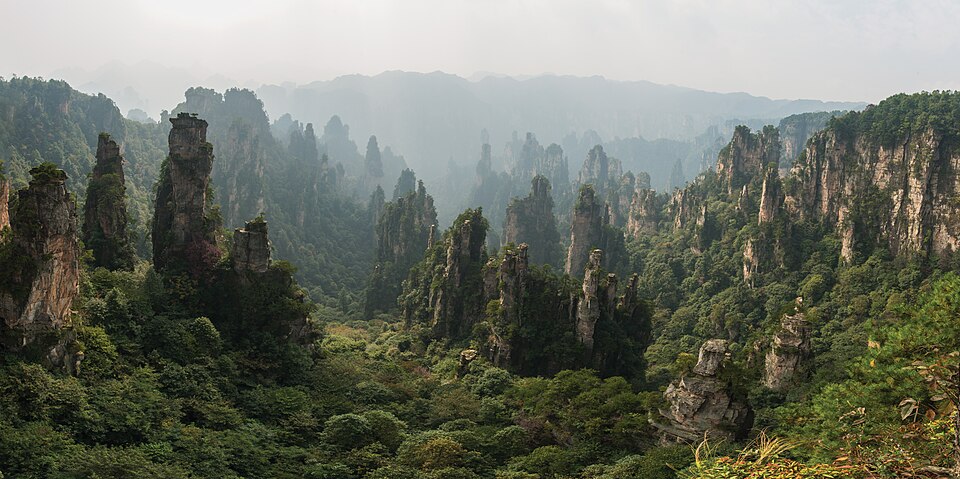
Zhangjiajie National Forest Park sits inside the wider Wulingyuan scenic area, roughly 40 minutes by road from Zhangjiajie city. The park covers more than 5,000 hectares and is served by several separate gates, each feeding a different part of the mountain. Choosing the wrong gate can cost you half a day before you have seen anything, so the transport decision matters as much as the ticket. This guide compares the realistic options — public bus, park shuttles, the cable cars and lifts inside the park, and a private car with a driver — and explains how to sequence them. Tianmen Mountain, on the city side, is a separate ticket system and a separate trip.

Where the park actually is, and why gates matter

The Wulingyuan gate (the main east gate) is the usual entry point for the core forest park, including the Yuanjiajie area with the quartz sandstone pillars most visitors associate with the film Avatar. Other gates serve other sections, and the internal shuttle network links them, but not quickly. The park is not a single viewpoint; it is a network of valleys, ridgelines and shuttle stops. Before you travel, look at the official Wulingyuan park page or your hotel’s map and identify which gate is closest to the area you want on day one. Ask your accommodation which gate they recommend for the dates you are travelling, since shuttle routing and lift operations can change with maintenance and weather.

Option 1: public bus from Zhangjiajie city

The cheapest option is the public bus from Zhangjiajie city to Wulingyuan town, which runs regularly through the day. Fares and departure times are set locally and change; check at the bus station counter or ask your hotel to confirm the current timetable and fare rather than relying on older figures. The ride takes under an hour in normal traffic. Once at Wulingyuan, you still need to reach your gate, which is a short taxi or local bus ride. Park shuttle buses inside the scenic area are included with entry, but routes are labelled in Chinese and get very crowded at peak times. If you do not read Chinese, screenshot your hotel’s name and address in characters before you set out.

Option 2: cable cars, the Bailong Elevator and internal transport

Inside the park, the Bailong Elevator serves the Yuanjiajie area, while the Tianzi and Yangjiajie cable cars serve other sections. Each saves one to two hours of steep climbing and each is a separate ticket from park entry. Prices, operating hours and scheduled maintenance closures are set by the operator and do change, so verify on the official Wulingyuan ticketing channel or at the gate on the day before you commit to a route that depends on one lift. Queues at the Bailong Elevator in particular can be long in high season. If a lift is closed, the shuttle network usually still works, but your day will be longer.

Option 3: private car and driver

A private car with a driver solves the two biggest friction points: gate selection and shuttle queues. The driver handles the gate maze, drops you at the right entrance for the section you are visiting that day, and moves your luggage between hotels while you walk. For a multi-day circuit this is genuinely useful rather than a luxury. It also helps if you are combining the forest park with Tianmen Mountain, which is on the city side and uses a different ticket system entirely. If you are new to booking transport in China, our China travel for beginners guide covers the basics, and the China bus travel guide explains how long-distance coaches work if you are arriving from elsewhere in Hunan.

Timing, accommodation and the glass bridge

Allow a minimum of two days for the forest park itself. Add a separate day for Tianmen Mountain. Staying in Wulingyuan town rather than Zhangjiajie city puts you at the gate for the first cable cars of the morning, which is the single most effective way to avoid the mid-morning crowds. Park shuttles are included with entry but waits of 20 to 40 minutes at peak are common, and those add up across a day. The glass bridge at Zhangjiajie Grand Canyon is a different site again and requires advance booking through its own operator; check availability and current rules before you build it into your plan. For payment, most tickets and transport are handled through WeChat Pay or Alipay, so read our cashless travel guide before you arrive.

Frequently asked questions

How many days do I need for Zhangjiajie National Forest Park?

Two full days is the practical minimum for the forest park. Add a separate day for Tianmen Mountain, which is a different site with its own ticket system and its own transport arrangements.

Can I visit the park without a guide?

Yes. The main difficulty is gate and shuttle navigation rather than the walking itself. If you are comfortable with Chinese signage or have a translated map, independent travel works. A driver helps most with gate selection and luggage movement.

Are the cable cars and the Bailong Elevator included in the park ticket?

No. Park entry and the internal shuttle buses are one thing; the Bailong Elevator and the cable cars are separate tickets. Confirm current prices and operating status with the official operator before your visit.

Where should I stay?

Wulingyuan town, close to the main gate, is the usual choice for early starts. Zhangjiajie city suits travellers prioritising Tianmen Mountain or an early departure by train.

Do I need to book the glass bridge in advance?

The Grand Canyon glass bridge is operated separately and typically requires advance booking. Check the operator’s own page for current availability, timings and entry rules.

Whichever option you choose, treat the transport plan as part of the itinerary rather than an afterthought: confirm gate, lift status and ticket arrangements the day before, carry your hotel address in Chinese, and keep a buffer for shuttle queues. For wider trip planning around the region, see our 10-day China cost breakdown and the China train travel guide if you are continuing by rail.

Posted on — Leave a comment

How to Get to The Li River Cruise: Transport Guide with Prices & Times

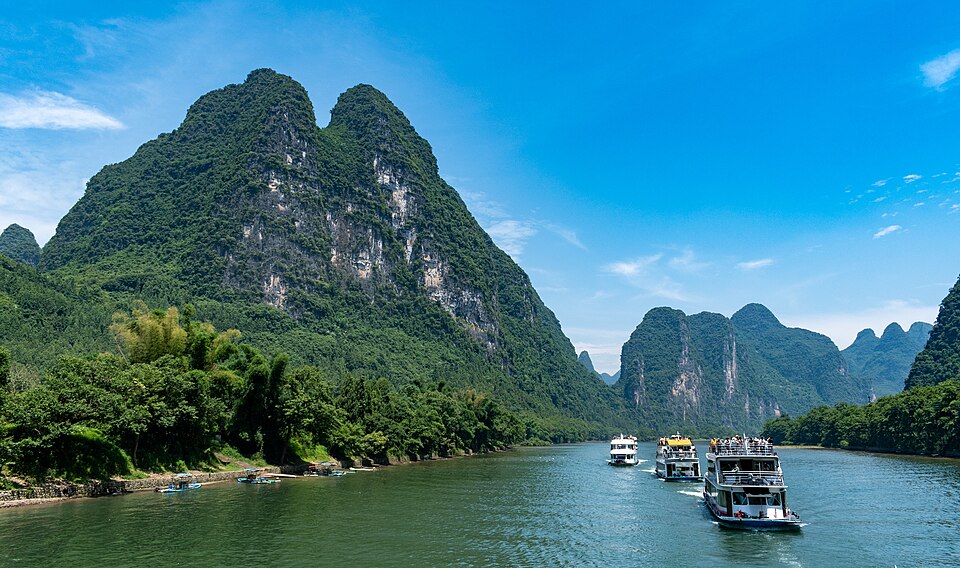
The Li River cruise between Guilin and Yangshuo is the reason many people come to Guangxi at all: roughly four and a half hours of karst peaks, water buffalo and riverbank villages, ending at Yangshuo. The practical problem is not the scenery but the logistics. Boats do not leave from central Guilin. They depart from Zhujiang Pier, about 28km and 40 minutes southeast of the city, or from Mopanshan Pier depending on water levels and the operator, and they arrive in Yangshuo rather than returning you to your hotel. This guide covers how to reach the correct pier, how the main transport options compare, and what to check before you commit.

Where the cruise actually starts and ends

The cruise is a one-way downstream run. In normal conditions boats leave from Zhujiang Pier; when river levels are low or high, departures may shift to Mopanshan Pier or the first section of the route may be replaced by a coach transfer to a later embarkation point. This is a decision made by the operator and the river authorities, usually communicated the day before or on the morning of travel, so treat any pier name as provisional until your operator confirms it.

All cruises finish at a dock in Yangshuo, from which you continue independently. If you are returning to Guilin the same day, that is a separate road journey of roughly an hour and a half, and it is worth deciding in advance whether you actually want to do it. Most travellers are better off staying a night in Yangshuo.

Option 1: cruise ticket with a shared coach transfer

The standard packaged option bundles a coach pickup from Guilin hotels with the cruise ticket. It is the cheapest way to solve the pier problem and it works, but be clear about what you are buying. Shared coaches run on fixed, early schedules because they must collect passengers from many hotels before a single departure slot. Expect a pickup window well before dawn in some seasons, twenty or more stops, and a certain amount of waiting.

If you take this option, confirm with the operator which pier your specific departure uses, what time the coach actually leaves your hotel rather than the start of the pickup window, and whether luggage is allowed on the coach and on the boat. Luggage rules vary by vessel.

Option 2: private car to the pier, then the cruise

A private transfer removes the uncertainty. You are collected at your hotel, driven directly to the correct pier in around 40 minutes, and your driver waits or meets you at the Yangshuo dock with your luggage. That last detail matters more than it sounds: if you are carrying bags, you do not want to be figuring out storage at the pier while a coachload of people boards ahead of you.

This is also the option that lets you continue onward without backtracking. From Yangshuo you can cycle, take a bamboo raft, or go straight to your hotel. When booking, ask the operator to confirm in writing: pier name, pickup time, vehicle type, whether the driver accompanies you to the dock, and where exactly in Yangshuo you will be met.

Option 3: the Xingping bamboo raft alternative

If your schedule is tight, or if you want the landscape without committing a full day, the raft section at Xingping covers the stretch shown on the twenty-yuan banknote. It is a much shorter experience than the full cruise, and it is a different product rather than a cheaper version of the same thing. Xingping is roughly an hour and a half by road from Guilin, so a private car makes the round trip comfortable and allows stops at countryside viewpoints on the way.

Rafts are weather and water-level dependent, and the number of passengers per raft and the exact route can change. Confirm current operating conditions with your operator rather than relying on older descriptions. For a fuller comparison of the cruise itself, including boat classes and what happens on board, see this Li River cruise guide.

Boat class, timing and which side to sit on

Cruise boats are sold in tiers, and the difference is not cosmetic: higher tiers generally mean a better upper deck, more space, and a more reliable seat and lunch arrangement. Ask your operator which tier they are quoting and what is included, because the cheapest ticket on a crowded lower deck is a materially different experience from an upper-deck seat.

On timing, the earliest departures tend to have calmer water and softer light, which suits photography, but they also mean a very early start from Guilin. Later boats are more comfortable to reach but busier on the river. Heading downstream, the right-hand side of the boat faces the classic karst compositions for much of the run, though the boat turns and the view changes, so move around rather than guarding a seat.

Season matters too. The main river season runs roughly April to October. In winter, lower water levels can mean the first section is rerouted by road, which changes the shape of the day. If you are travelling outside the main season, ask specifically whether your departure is expected to run the full river route. If your dates are flexible, our notes on China in October and China in November cover what to expect from the shoulder months.

Practical checks before you book

Prices, departure times, pier assignments and what a ticket includes are set by the operator and can change by season and by water level. We are deliberately not quoting figures here. Instead, ask your operator or check the official ticketing page for: the exact pier for your date, the boat tier and what it includes, whether lunch and deck access are included, luggage policy, and the cancellation terms if the river is closed.

Two other things are worth sorting before you travel. Payment: many operators and piers expect mobile payment, so have a working setup before you arrive, as explained in this guide to WeChat Pay and Alipay. Connectivity: you will want a working map and translation tool on the pier, and this explainer on Wi-Fi, eSIM and roaming covers how to verify what will work for your phone. If you are building the wider trip around this, a three-day Guilin to Yangshuo itinerary is a sensible frame.

Frequently asked questions

Can I get to the pier by public transport?

Zhujiang Pier is a working river terminal about 28km from central Guilin, not a city dock, and public bus service to it is limited and impractical with luggage. In practice your choices are a shared coach transfer bundled with the ticket, a private car, or a taxi arranged the night before. If you take a taxi, agree the fare and confirm the pier name in writing with your hotel, because drivers may assume the wrong terminal.

Does the cruise ticket include the transfer from my hotel?

Sometimes, and it depends entirely on the package you buy. A ticket-only purchase means you make your own way to the pier. A bundled package includes a shared coach pickup. Ask the operator to state clearly whether transfer is included, whether it is shared or private, and what time the vehicle leaves your hotel.

What happens to my luggage during the cruise?

Policies differ by vessel and by operator, and there is no universal rule. Some boats allow bags on board, others prefer them stowed, and space is limited. If you are travelling with luggage, confirm the arrangement in advance and, where possible, use a private transfer so your driver can handle bags at the Yangshuo end.

Is the Xingping raft a substitute for the full cruise?

No. It covers a shorter, specific stretch of river near Xingping and takes far less time. It suits travellers with limited time or those who want a second, quieter river experience. If the full Guilin-to-Yangshuo run is the point of your trip, book the cruise and treat the raft as an addition.

What if the river level closes the route?

Operators and river authorities can reroute or suspend departures when water levels are unsuitable, most often in winter. You are normally offered an alternative, a road transfer to a later embarkation point, or a refund depending on the operator’s terms. Read the cancellation policy before booking and ask what happens in practice, not just what the policy says.

Plan the pier logistics before you plan anything else, because the boat will not wait and the pier is not where you think it is. Confirm the pier, the departure time, the boat tier and the luggage arrangement in writing with whoever is selling you the ticket, and keep a private transfer in mind if your schedule or your bags make a shared coach a poor fit.