Posted on — Leave a comment

丝绸之路(西安—敦煌—喀什)7日行程:含价格与预订的完整指南

Planning silk road (xi’an-dunhuang-kashgar) in 7 days? This itinerary covers the essentials with realistic pacing, private-car logistics and booking links. Silk Road (Xi’an-Dunhuang-Kashgar) trips are our specialty – every tour below is bookable instantly.

Silk Road (Xi’an-Dunhuang-Kashgar) 7-Day Itinerary at a Glance

Day 1

  • Terracotta Warriors – Xi’an start point

Day 2

  • Zhangye Danxia – Rainbow-striped ridges

Day 3

  • Jiayuguan Fort – Great Wall’s western terminus

Day 4

  • Mogao Grottoes – 1,000 years of Buddhist cave art

Day 5

  • Mingsha dunes & Crescent Lake – Camel trek at sunset

Day 6

  • Kashgar Old City & Sunday market – Uyghur culture climax

Day 7

  • Free day / flexible exploration – Add spa, shopping, or revisit favorites

Pacing & Transport Tips

One anchor sight per half-day is the sweet spot. Our private cars eliminate navigation and parking stress, and drivers time arrivals to beat tour-bus crowds (early entry at panda bases, Terracotta Warriors at 8:30 AM opening). Multi-day tours bundle hotels + guides + tickets at better rates.

When to Go

Shoulder seasons (Mar-May, Sep-Nov) offer the best weather-crowd balance. Avoid Chinese national holidays (Golden Week Oct 1-7, Labor Day May 1-5) when domestic travel surges.

Book This Trip

Ready-to-book options below, or customize this itinerary with our AI planner – free and instant. Personal assistance: WhatsApp +86 180 3801 6100.

Posted on — Leave a comment

Tibet (Lhasa & Beyond) 9-Day Itinerary: Complete Guide with Prices & Booking

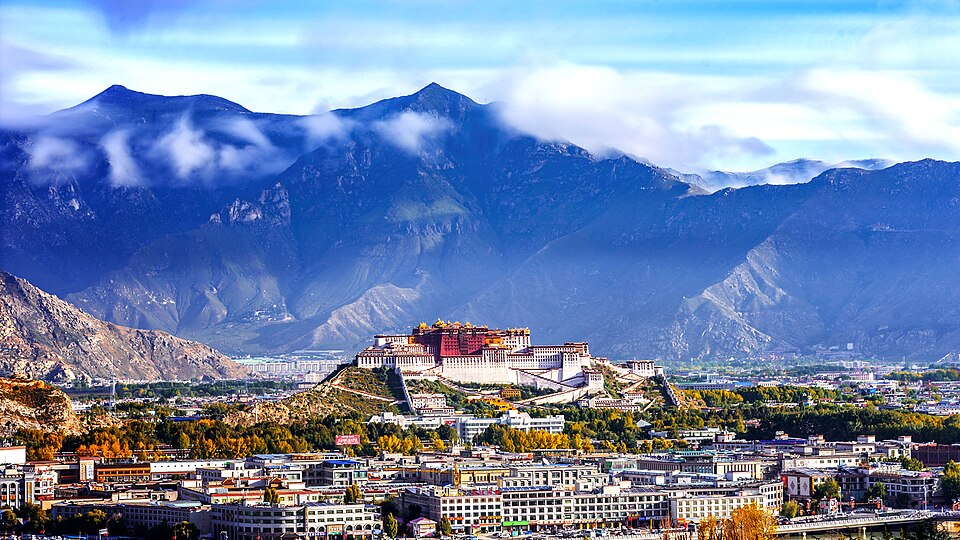
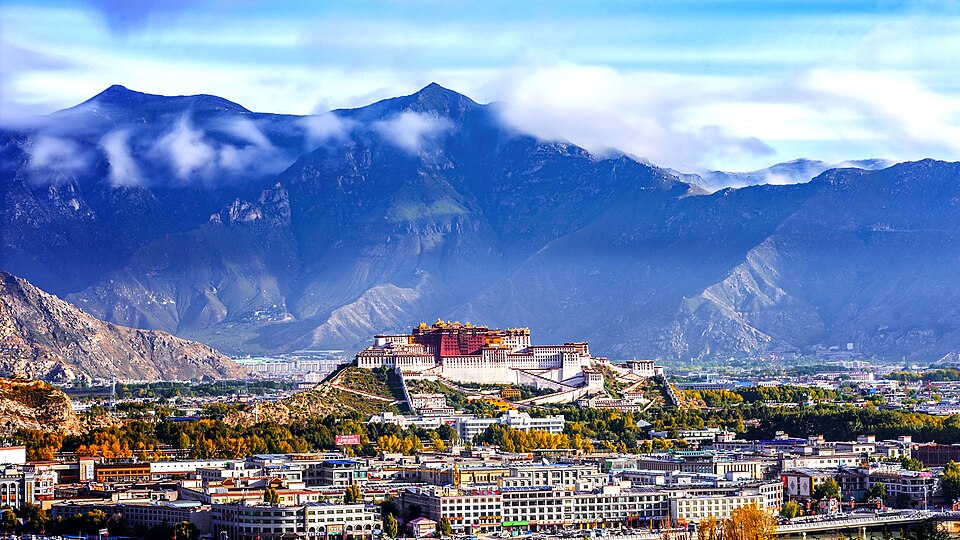
Tibet is not a destination you can improvise. Nine days is enough to cover Lhasa properly and add two or three of the big set pieces beyond it, but only if the pacing is sensible and the paperwork is settled well in advance. This guide sets out a workable nine-day shape, explains how transport and permits actually work, and flags the things that most often go wrong. For the underlying logistics — permits, altitude, when to travel — read our Tibet Travel Guide 2026: Permits, Altitude & Lhasa Planning first, then use this page to build the day-by-day plan.

The nine-day shape at a glance

Most nine-day trips split roughly into three Lhasa days, three days on the road to Yamdrok Lake and Everest Base Camp, one day for Namtso, and two flexible days. That ordering matters: Lhasa sits at around 3,650m, Everest Base Camp is far higher, and Namtso sits above 4,700m. Building upward gradually gives your body a chance to adjust rather than throwing you at the highest point on day two.

A common sequence:

  • Days 1–3: Lhasa — Potala Palace, Jokhang Temple and the Barkhor circuit, Sera Monastery’s debate courtyard.
  • Days 4–6: Yamdrok Lake, then the road toward Everest Base Camp on the north side.
  • Day 7: Namtso Lake, or a rest day if altitude has hit you.
  • Days 8–9: Flexible — revisit a favourite site, add a slower Lhasa day, or buffer for weather and road delays.

Treat those last two days as buffer rather than filler. Road closures, permit checks and weather on the Everest route are real possibilities, and having slack in the schedule is what keeps a nine-day trip from becoming a forced march.

Lhasa: what the first three days should look like

One anchor sight per half-day is the right rhythm in Lhasa. The Potala Palace involves a long climb and a timed entry slot, so pair it with something gentle afterwards rather than a second major site. The Jokhang and the Barkhor kora are best done slowly and on foot, ideally in the morning when pilgrims are circulating. Sera Monastery’s philosophical debates are usually an afternoon affair.

Entry to major sites in Tibet is not simply a matter of turning up. Reservations, passport checks and guide requirements apply, and the rules shift. Check the current position on the official Tibet tourism or Potala Palace booking channels, and confirm with your operator what is included, before you assume a slot is guaranteed. Our guide to attraction reservations for foreigners explains the general pattern of timed entry and passport-linked booking in China, which applies in Lhasa too.

Yamdrok, Everest and Namtso: the road days

The days outside Lhasa are long driving days on mountain roads. Yamdrok Lake sits at roughly 4,441m and is usually a viewpoint stop rather than an overnight. The Everest route involves multiple permit checkpoints, a significant altitude gain, and a night at or near base camp depending on your operator’s arrangements and the season. Namtso is a high-altitude lake with basic camp accommodation; many travellers find the overnight uncomfortable and prefer to visit as a long day or to skip it if altitude is already an issue.

Two practical points. First, the Everest region requires additional permits beyond the standard Tibet Travel Permit, and these are arranged through your operator — ask exactly which permits are included and which are extra. Second, do not assume any specific facility, camp or viewing platform is open; seasonal closures and access changes are common. Verify with your operator close to departure.

Transport, pacing and altitude

Independent travel in Tibet is heavily restricted for foreign visitors, and most people travel with an organised vehicle and guide. A private car with a driver removes the navigation and parking problems, and drivers who know the sites can time arrivals to avoid the worst of the coach groups. If you are coming from Chengdu, the train approach is covered in our Chengdu to Lhasa by train itinerary, which is also a gentler way to gain altitude than flying straight in.

On altitude: ascend gradually, drink more water than feels necessary, avoid alcohol for the first days, and treat headache with nausea as a signal to stop climbing rather than push on. Carry a basic medical kit and know where the nearest clinic is. Our guide to healthcare, pharmacies and clinics in China covers what to pack and how to find help. Travel insurance that explicitly covers high-altitude trekking is worth arranging before you go, and you should check the policy wording rather than assume cover.

When to go and what to book early

Shoulder seasons — roughly March to May and September to November — tend to offer the best balance of weather and crowds. Avoid Chinese national holidays, including the October Golden Week and the early-May Labour Day period, when domestic travel surges and transport and accommodation tighten sharply. Winter brings clear skies but cold and some closures; summer brings rain and cloud that can obscure the mountain views you came for.

Book permits, flights or trains, and accommodation as early as your operator allows. Tibet permits are not issued to individuals in the way ordinary Chinese travel bookings are, so the lead time is set by the operator and by the authorities, not by you. Ask what the current processing window is rather than relying on last year’s figure. For payment and connectivity practicalities, see our notes on cashless payment in China; mobile signal in remote Tibet is patchy regardless of your provider, so download offline maps and translation tools before you leave Lhasa.

Frequently asked questions

Can I travel to Tibet independently?

Foreign visitors generally cannot travel in Tibet without an organised arrangement and the required permits, and some areas need additional permits beyond the standard one. The exact rules and the list of restricted areas change, so confirm the current position with your operator and, where relevant, the official Tibet tourism authorities before booking anything non-refundable.

How fit do I need to be for Everest Base Camp?

The north-side base camp visit is largely a driving trip rather than a trek, but the altitude is the real challenge, not the walking. If you have heart or lung conditions, speak to a doctor before booking. Build in acclimatisation days in Lhasa and be prepared to change plans if you feel unwell.

Is nine days enough for Lhasa plus Everest and Namtso?

It is tight but workable if the road days go smoothly and you accept long drives. If you want a gentler trip, drop Namtso and keep the buffer days. Adding both Everest and Namtso to a nine-day window leaves very little slack for weather or permit delays.

What should I check before paying a deposit?

Confirm which permits are included and which cost extra, what happens if a permit is refused, the vehicle type and whether it is private, the standard of accommodation at each stop, and the cancellation terms. Ask for the current permit processing time in writing rather than a verbal estimate.

Do I need cash in Tibet?

Mobile payment is widespread in Lhasa but less reliable in remote areas, and some small businesses may not accept foreign-linked payment methods. Carry a modest amount of cash as backup and check your card or wallet works before you leave the city. Verify current acceptance with your bank rather than assuming.

Tibet rewards preparation more than spontaneity. Settle the permits, build altitude into the sequence, keep two days of slack, and verify every operational detail — opening arrangements, permit inclusions, transport — with your operator and the official sources close to departure. Do that, and the nine days will be about the places rather than the problems.

Posted on — Leave a comment

Tibet (Lhasa & Beyond) 7-Day Itinerary: Complete Guide with Prices & Booking

Planning tibet (lhasa & beyond) in 7 days? This itinerary covers the essentials with realistic pacing, private-car logistics and booking links. Tibet (Lhasa & Beyond) trips are our specialty – every tour below is bookable instantly.

Tibet (Lhasa & Beyond) 7-Day Itinerary at a Glance

Day 1

  • Potala Palace – 1,000 steps into the winter fortress

Day 2

  • Jokhang & Barkhor circuit – Holiest shrine, pilgrim kora

Day 3

  • Sera Monastery debate – Clapping philosophical debates

Day 4

  • Yamdrok Lake – Turquoise lake at 4,441m

Day 5

  • Everest Base Camp – North face sunrise (permit incl.)

Day 6

  • Namtso Lake – Sky-high salt lake, nomad camps

Day 7

  • Free day / flexible exploration – Add spa, shopping, or revisit favorites

Pacing & Transport Tips

One anchor sight per half-day is the sweet spot. Our private cars eliminate navigation and parking stress, and drivers time arrivals to beat tour-bus crowds (early entry at panda bases, Terracotta Warriors at 8:30 AM opening). Multi-day tours bundle hotels + guides + tickets at better rates.

When to Go

Shoulder seasons (Mar-May, Sep-Nov) offer the best weather-crowd balance. Avoid Chinese national holidays (Golden Week Oct 1-7, Labor Day May 1-5) when domestic travel surges.

Book This Trip

Ready-to-book options below, or customize this itinerary with our AI planner – free and instant. Personal assistance: WhatsApp +86 180 3801 6100.

Posted on — Leave a comment

Tibet (Lhasa & Beyond) 5-Day Itinerary: Complete Guide with Prices & Booking

Planning tibet (lhasa & beyond) in 5 days? This itinerary covers the essentials with realistic pacing, private-car logistics and booking links. Tibet (Lhasa & Beyond) trips are our specialty – every tour below is bookable instantly.

Tibet (Lhasa & Beyond) 5-Day Itinerary at a Glance

Day 1

  • Potala Palace – 1,000 steps into the winter fortress
  • Namtso Lake – Sky-high salt lake, nomad camps

Day 2

  • Jokhang & Barkhor circuit – Holiest shrine, pilgrim kora

Day 3

  • Sera Monastery debate – Clapping philosophical debates

Day 4

  • Yamdrok Lake – Turquoise lake at 4,441m

Day 5

  • Everest Base Camp – North face sunrise (permit incl.)

Pacing & Transport Tips

One anchor sight per half-day is the sweet spot. Our private cars eliminate navigation and parking stress, and drivers time arrivals to beat tour-bus crowds (early entry at panda bases, Terracotta Warriors at 8:30 AM opening). Multi-day tours bundle hotels + guides + tickets at better rates.

When to Go

Shoulder seasons (Mar-May, Sep-Nov) offer the best weather-crowd balance. Avoid Chinese national holidays (Golden Week Oct 1-7, Labor Day May 1-5) when domestic travel surges.

Book This Trip

Ready-to-book options below, or customize this itinerary with our AI planner – free and instant. Personal assistance: WhatsApp +86 180 3801 6100.

Posted on — Leave a comment

Yunnan (Kunming-Dali-Lijiang-Shangri-La) 9-Day Itinerary: Complete Guide with Prices & Booking

Nine days is enough to link Kunming, Dali, Lijiang and Shangri-La into one coherent Yunnan route, but only if you accept that the province is large and the road between the northern towns is slow. This guide sets out a day-by-day shape for the trip, explains how to pace it, and flags the logistics that most often derail first-time visitors. Treat the day numbers as a framework rather than a fixed schedule, and confirm every transport detail and ticket on the relevant official page before you commit.

The route at a glance

The standard northbound line runs Kunming, then Dali, then Lijiang, then Shangri-La. Each leg is a few hours by road or rail, and the altitude climbs steadily as you go: Kunming sits around 1,900 metres, Lijiang higher, and Shangri-La above 3,000 metres. That gradient matters. Building the trip in this order gives your body a gradual adjustment rather than a sudden jump.

A workable nine-day shape looks like this. Day 1: Stone Forest from Kunming, or a gentler city day if you have just landed. Day 2: travel to Dali, old town and Erhai Lake. Day 3: Dali to Lijiang, old town and Black Dragon Pool. Day 4: Jade Dragon Snow Mountain. Day 5: Tiger Leaping Gorge en route north. Day 6: Shangri-La and Songzanlin Monastery. Days 7 to 9: buffer, flexible exploration, or an extension. Those final days are not padding. They absorb weather delays, altitude fatigue and the simple fact that Yunnan rewards a slower pace.

Kunming and the Stone Forest

Kunming is the practical gateway, with the main airport and rail connections to the rest of the province. The Stone Forest, a karst landscape of limestone pinnacles, is the classic day trip and is usually visited with a local guide. It is a full day out, so do not schedule it on the same day as an international arrival if you can avoid it.

If you would rather ease in, spend the first day on the city itself and move the Stone Forest to the following morning. Either way, check current opening times and last-entry rules on the site’s official channel rather than relying on older blog posts.

Dali, Erhai Lake and the move to Lijiang

Dali splits into the old town, with its Bai architecture and surviving city walls, and the lakeside villages around Erhai Lake. Cycling a section of the lake shore is the most relaxed way to see it, and it is easy to over-plan here. One anchor sight per half-day is the sweet spot; trying to tick off every village on the lake usually means seeing none of them properly.

The onward leg to Lijiang can be done by road or rail. Rail is comfortable and avoids road traffic, but you will need to book in advance, particularly in peak periods. Our China train travel guide explains how ticketing works for foreign passports, and if you are weighing up your options more broadly, the high-speed rail guide covers routes and booking mechanics.

Lijiang and Jade Dragon Snow Mountain

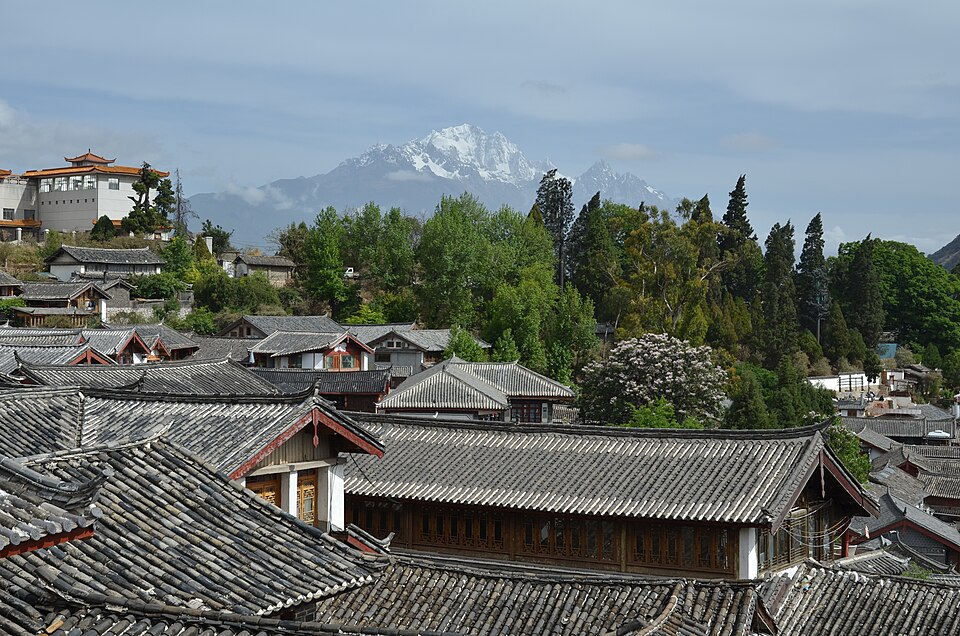
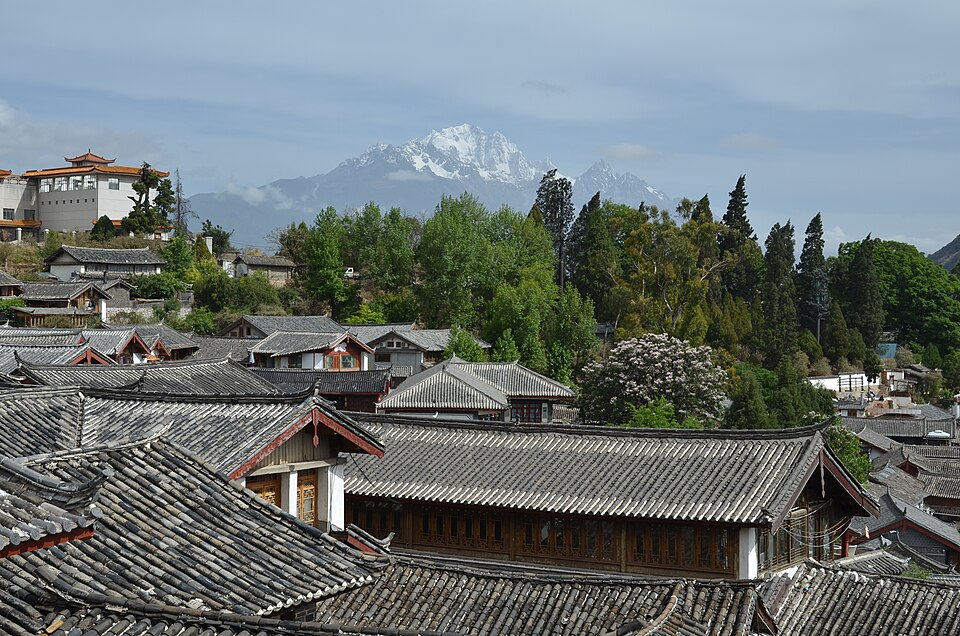
Lijiang Old Town is a UNESCO-listed warren of Naxi canals, stone lanes and wooden buildings, with Black Dragon Pool offering the postcard view back towards the mountains. It is also busy, and the lanes are genuinely confusing at night. Save a map offline before you arrive.

Jade Dragon Snow Mountain is the headline excursion. The cable car climbs to a high station, and the Glacier Park area sits above 4,500 metres. Altitude is the real issue here, not the cold. Ascend slowly, watch for headaches and breathlessness, and do not plan anything strenuous for the evening afterwards. Cable car slots, park entry and any oxygen or clothing rental should all be confirmed on the operator’s official page, as availability is capped and changes with the season.

Tiger Leaping Gorge and Shangri-La

Tiger Leaping Gorge, where the Jinsha River cuts between steep walls, sits on the road north. The high trail is a multi-day trek; the low road viewpoint walk is a couple of hours and suits most travellers. Choose based on your fitness and the weather, and be honest about it.

Beyond the gorge, Shangri-La is Tibetan in character and noticeably higher. Songzanlin Monastery, a large Tibetan Buddhist complex, is the main sight and is best visited in the morning when tour groups are thinner. Give yourself a full day to acclimatise before doing anything ambitious. If altitude is a concern, our Tibet travel guide covers acclimatisation principles that apply equally well here.

Pacing, transport and when to go

One anchor sight per half-day is the right rhythm for this route. Private car and driver removes the navigation and parking problems in the old towns and lets a driver time arrivals ahead of the main tour-bus waves, which matters most at the mountain and the monastery. Multi-day packages that bundle hotels, guides and tickets are often cheaper than assembling the same components yourself, but compare the inclusions line by line.

Shoulder seasons, roughly March to May and September to November, give the best balance of weather and crowds. Avoid Chinese national holidays, including the October Golden Week and the early-May Labour Day period, when domestic travel surges and prices follow. Our China in October guide explains what that looks like in practice. On the ground, mobile payment is near-universal, so read up on cashless payment options before you fly.

Frequently asked questions

Is nine days enough for Kunming, Dali, Lijiang and Shangri-La?

Yes, but only with disciplined pacing. You will spend a meaningful share of the trip in transit, and the three flexible days at the end are what make the route comfortable rather than rushed. If you want more time at altitude or in Lijiang, extend to ten or eleven days.

How should I handle the altitude in Shangri-La?

Move north gradually, keep the first day at altitude light, drink more water than usual, and avoid alcohol. If you have heart or lung conditions, speak to a doctor before booking. Symptoms to take seriously include persistent headache, nausea and breathlessness at rest.

Should I book trains and cable cars in advance?

For rail, yes, especially around holidays and weekends. For Jade Dragon Snow Mountain, check the operator’s official page for how tickets and cable car slots are released, as the system and release windows change. Do not rely on a number quoted in an old blog post.

Do I need a private car, or can I use public transport?

Public buses and trains cover the main legs between cities. A private car helps most for the Stone Forest, the gorge and the mountain, where connections are awkward and timing matters. Many travellers mix the two.

What should I pack for this route?

Layers, a waterproof shell, sun protection and comfortable walking shoes. Temperatures swing widely between Kunming and Shangri-La, and mountain weather changes fast. Check China’s luggage rules if you are also flying domestically within the trip.

Plan the route first, then book the pieces. Confirm every ticket, timetable and entry rule on the operator’s own page close to your travel date, keep the final days flexible, and this Yunnan loop will hold together even when one leg shifts.
Posted on — Leave a comment

Yunnan (Kunming-Dali-Lijiang-Shangri-La) 7-Day Itinerary: Complete Guide with Prices & Booking

Planning yunnan (kunming-dali-lijiang-shangri-la) in 7 days? This itinerary covers the essentials with realistic pacing, private-car logistics and booking links. Yunnan (Kunming-Dali-Lijiang-Shangri-La) trips are our specialty – every tour below is bookable instantly.

Yunnan (Kunming-Dali-Lijiang-Shangri-La) 7-Day Itinerary at a Glance

Day 1

  • Stone Forest – Limestone pinnacles, Sani guides

Day 2

  • Dali Old Town & Erhai Lake – Bai architecture, lakeside cycling

Day 3

  • Lijiang Old Town – Naxi canals, Black Dragon Pool

Day 4

  • Jade Dragon Snow Mountain – 4,506m cable car, Glacier Park

Day 5

  • Tiger Leaping Gorge – Jinsha River canyon hike

Day 6

  • Songzanlin Monastery – Tibetan grand lamasery in Shangri-La

Day 7

  • Free day / flexible exploration – Add spa, shopping, or revisit favorites

Pacing & Transport Tips

One anchor sight per half-day is the sweet spot. Our private cars eliminate navigation and parking stress, and drivers time arrivals to beat tour-bus crowds (early entry at panda bases, Terracotta Warriors at 8:30 AM opening). Multi-day tours bundle hotels + guides + tickets at better rates.

When to Go

Shoulder seasons (Mar-May, Sep-Nov) offer the best weather-crowd balance. Avoid Chinese national holidays (Golden Week Oct 1-7, Labor Day May 1-5) when domestic travel surges.

Book This Trip

Ready-to-book options below, or customize this itinerary with our AI planner – free and instant. Personal assistance: WhatsApp +86 180 3801 6100.

Posted on — Leave a comment

Yunnan (Kunming-Dali-Lijiang-Shangri-La) 5-Day Itinerary: Complete Guide with Prices & Booking

Planning yunnan (kunming-dali-lijiang-shangri-la) in 5 days? This itinerary covers the essentials with realistic pacing, private-car logistics and booking links. Yunnan (Kunming-Dali-Lijiang-Shangri-La) trips are our specialty – every tour below is bookable instantly.

Yunnan (Kunming-Dali-Lijiang-Shangri-La) 5-Day Itinerary at a Glance

Day 1

  • Stone Forest – Limestone pinnacles, Sani guides
  • Songzanlin Monastery – Tibetan grand lamasery in Shangri-La

Day 2

  • Dali Old Town & Erhai Lake – Bai architecture, lakeside cycling

Day 3

  • Lijiang Old Town – Naxi canals, Black Dragon Pool

Day 4

  • Jade Dragon Snow Mountain – 4,506m cable car, Glacier Park

Day 5

  • Tiger Leaping Gorge – Jinsha River canyon hike

Pacing & Transport Tips

One anchor sight per half-day is the sweet spot. Our private cars eliminate navigation and parking stress, and drivers time arrivals to beat tour-bus crowds (early entry at panda bases, Terracotta Warriors at 8:30 AM opening). Multi-day tours bundle hotels + guides + tickets at better rates.

When to Go

Shoulder seasons (Mar-May, Sep-Nov) offer the best weather-crowd balance. Avoid Chinese national holidays (Golden Week Oct 1-7, Labor Day May 1-5) when domestic travel surges.

Book This Trip

Ready-to-book options below, or customize this itinerary with our AI planner – free and instant. Personal assistance: WhatsApp +86 180 3801 6100.

Posted on — Leave a comment

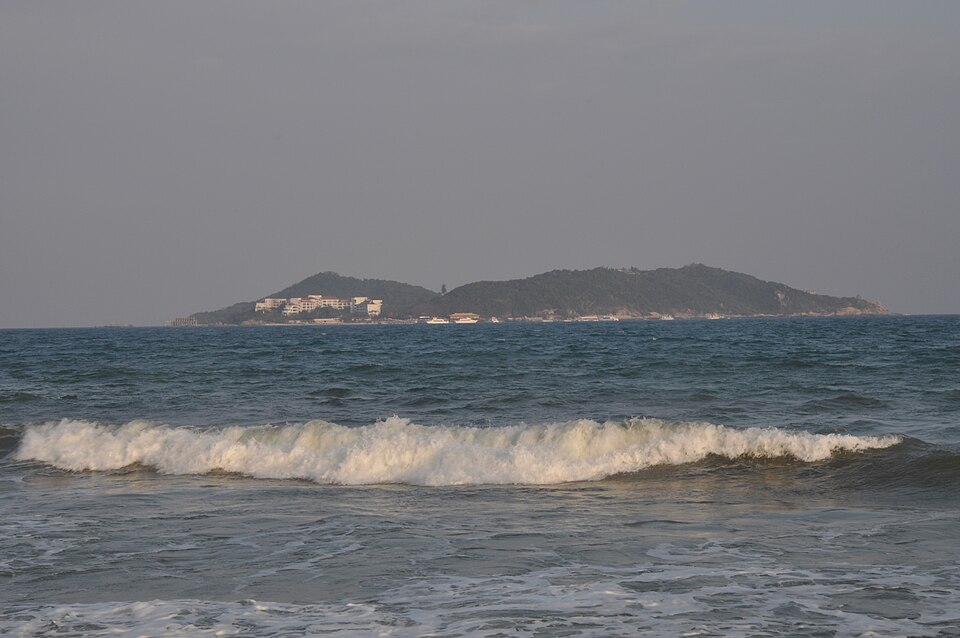
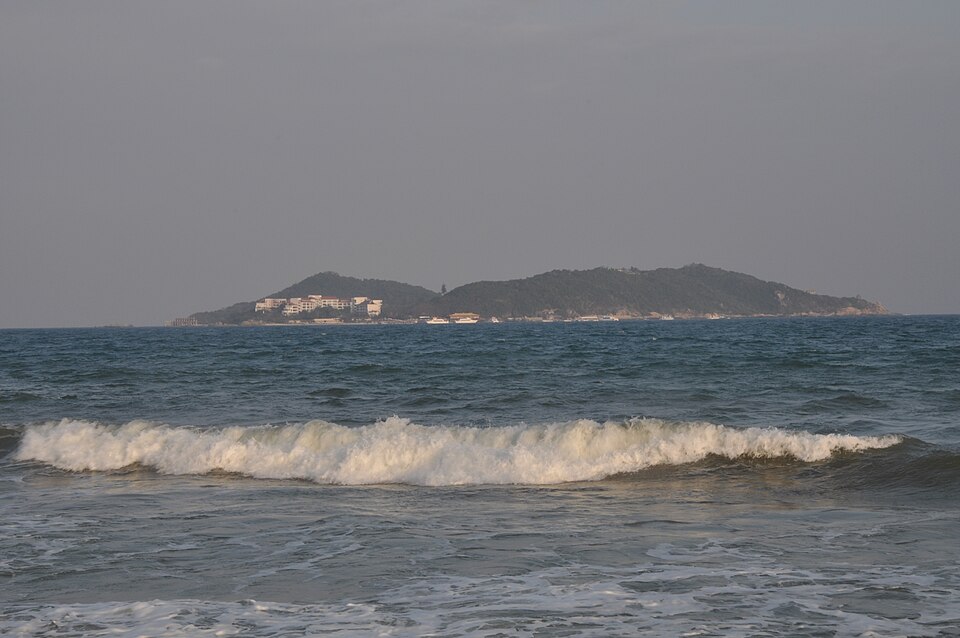
Sanya 5-Day Itinerary: Complete Guide with Prices & Booking

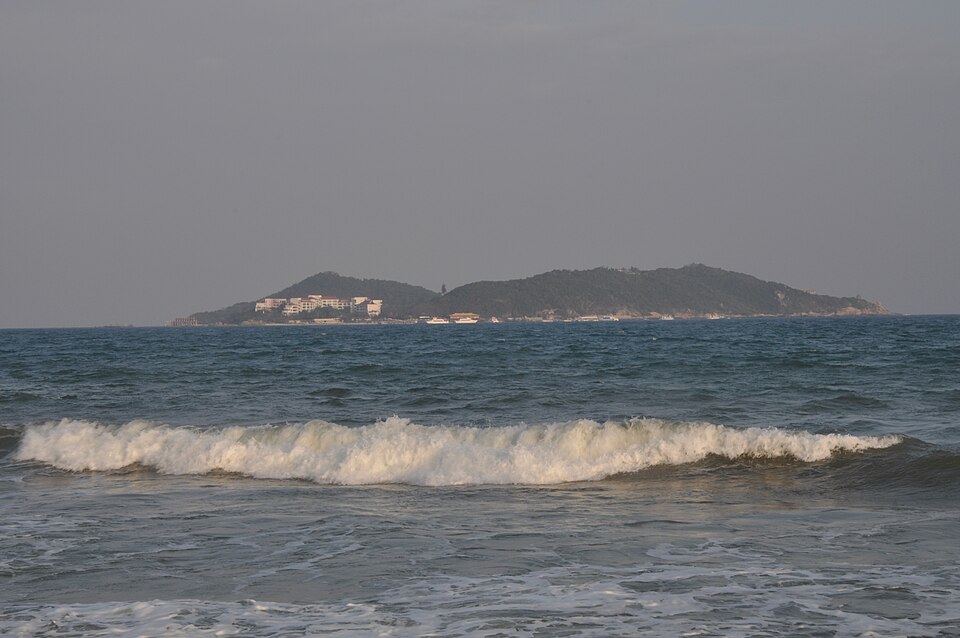
Sanya sits at the southern tip of Hainan Island, and five days is enough to see its main draws without spending the whole trip in a car. This itinerary keeps one anchor sight per half-day, groups coastal days together, and leaves room for the interior. It also explains what to check before you book, because opening hours, ticket prices and transport arrangements on Hainan change with the season and with domestic holiday demand.

Day 1: Yalong Bay and Wuzhizhou Island

Start on the coast. Yalong Bay is a long crescent of sand with generally calm water, which makes it the easiest first day after a flight. Swimming conditions vary with weather and jellyfish season, so check with your hotel before entering the water and follow any posted warnings.

Wuzhizhou Island, reached by ferry from the Haitang Bay side, is the usual snorkelling and diving day trip. Ferry schedules, last-boarding times and activity prices are seasonal. Check the official island operator’s page for the current sailing timetable and whether snorkelling equipment is included or rented separately. If you are combining the two, do the island in the morning and the beach in the late afternoon.

Day 2: Nanshan Cultural Zone

The Nanshan Cultural Zone is built around the sea-facing Guanyin statue and the surrounding temple grounds. It is a large site and the walking adds up, so plan on a half-day at minimum. Internal shuttle tickets and entry tickets are usually separate, and the site has historically operated timed or seasonal hours. Verify current opening times and ticket categories on the official Nanshan page rather than relying on a blog post, and check whether your ticket includes the internal shuttle.

Dress for a religious site: shoulders and knees covered is the safe standard. Photography restrictions apply inside some halls, and signage is usually clear.

Day 3: Wuzhishan and the interior

Wuzhishan is the mountain at the centre of the island, with rainforest trails and Li and Miao villages in the surrounding area. This is the day that most rewards having a car and driver, because public transport to trailheads is limited and signage is mostly in Chinese.

Trail conditions depend on rainfall, and some routes close after heavy rain. Ask locally on the morning of your visit rather than assuming a trail is open. If you are travelling independently, download offline maps before leaving the coast, and read our guide to how much mobile data you need in China so you are not caught without navigation. Village visits should be arranged through a local guide or operator who works with the community; do not simply walk into private compounds.

Day 4: Luhuitou and Sanya city

Luhuitou Park sits on the headland above Sanya and gives a panorama back over the bay and the city. It is a popular sunrise and sunset spot, which means crowds at both. Go early if you want the view to yourself. The park has an entry ticket and, in some periods, a separate shuttle to the summit. Confirm current arrangements at the gate or on the official Sanya tourism page.

Pair this with an afternoon in the city. Sanya’s food scene leans on seafood and Hainanese cooking; if you want a broader sense of regional Chinese street food before or after your trip, our Guangzhou street food guide covers a nearby mainland city with a very different menu.

Day 5: Duty-free shopping and departure

Hainan’s offshore duty-free scheme has purchase limits, eligibility rules and collection procedures that change periodically. Do not rely on a number you read online. Check the official Hainan duty-free or Customs page for the current allowance, what counts towards it, and how and where you collect goods. Bring your passport and your flight details, since both are normally required.

Leave buffer time. Collection counters and airport security queues can be long, particularly around domestic holidays.

Pacing, transport and when to go

One anchor sight per half-day is the right rhythm for Sanya. The heat and the distances between the coast, the city and the interior make two major sights in one day feel rushed rather than efficient.

Private car and driver is the most practical way to cover the island, particularly for Wuzhishan. If you are moving between cities on the mainland before or after Hainan, our China train travel guide explains ticketing with a foreign passport. For payments, note that many places in China now expect mobile payment; our cashless travel guide covers how to set this up before you arrive.

On timing, the shoulder months either side of the peak season generally give the best balance of weather and crowd levels. Avoid Chinese national holidays, when domestic travel surges and hotel rates rise sharply. A month-by-month view helps here; see our festival and weather calendar before fixing dates.

Frequently asked questions

How many days do you need in Sanya?

Five days covers the main coastal sights, Nanshan, the interior and a shopping day at a comfortable pace. Three days is workable if you stay on the coast and skip Wuzhishan.

Do I need a visa to visit Hainan?

Hainan has operated visa-free entry schemes for certain nationalities and, separately, visa-free transit rules apply at some mainland ports. Eligibility depends on your passport and route. Check the current rules on an official Chinese embassy or immigration page, and see our China visa rules guide for how the categories differ.

Is it worth hiring a car and driver?

For the coast alone, taxis and ride-hailing are usually enough. For Wuzhishan and village areas, a car and driver removes a lot of friction. Agree the day rate, waiting time and any extra charges in writing before you set off.

What should I check before booking tickets?

Opening hours, whether internal shuttle tickets are separate, last ferry or last entry times, and whether the site closes on particular days. Confirm these on the operator’s own page or an official tourism site, not on a third-party summary.

Treat every figure in this itinerary as something to confirm at the source. Check the operator’s page for hours and tickets, your airline or rail operator for schedules, and an official government page for visa and duty-free rules. Build the plan around one anchor per half-day, keep a buffer on travel days, and Sanya will run smoothly.

Posted on — Leave a comment

Sanya 4-Day Itinerary: Complete Guide with Prices & Booking

Planning sanya in 4 days? This itinerary covers the essentials with realistic pacing, private-car logistics and booking links. Sanya trips are our specialty – every tour below is bookable instantly.

Sanya 4-Day Itinerary at a Glance

Day 1

  • Yalong Bay beach day – 7.5km crescent, calm water
  • Duty-free shopping – International brands, tourist prices

Day 2

  • Nanshan Cultural Zone – 108m sea Guanyin statue
  • Island hopping – Wuzhizhou snorkeling day

Day 3

  • Wuzhishan rainforest trail – Interior peaks, Li villages

Day 4

  • Luhuitou sunrise – Panorama over the bay

Pacing & Transport Tips

One anchor sight per half-day is the sweet spot. Our private cars eliminate navigation and parking stress, and drivers time arrivals to beat tour-bus crowds (early entry at panda bases, Terracotta Warriors at 8:30 AM opening). Multi-day tours bundle hotels + guides + tickets at better rates.

When to Go

Shoulder seasons (Mar-May, Sep-Nov) offer the best weather-crowd balance. Avoid Chinese national holidays (Golden Week Oct 1-7, Labor Day May 1-5) when domestic travel surges.

Book This Trip

Ready-to-book options below, or customize this itinerary with our AI planner – free and instant. Personal assistance: WhatsApp +86 180 3801 6100.

Posted on — Leave a comment

Sanya 3-Day Itinerary: Complete Guide with Prices & Booking

Planning sanya in 3 days? This itinerary covers the essentials with realistic pacing, private-car logistics and booking links. Sanya trips are our specialty – every tour below is bookable instantly.

Sanya 3-Day Itinerary at a Glance

Day 1

  • Yalong Bay beach day – 7.5km crescent, calm water
  • Luhuitou sunrise – Panorama over the bay

Day 2

  • Nanshan Cultural Zone – 108m sea Guanyin statue
  • Duty-free shopping – International brands, tourist prices

Day 3

  • Wuzhishan rainforest trail – Interior peaks, Li villages
  • Island hopping – Wuzhizhou snorkeling day

Pacing & Transport Tips

One anchor sight per half-day is the sweet spot. Our private cars eliminate navigation and parking stress, and drivers time arrivals to beat tour-bus crowds (early entry at panda bases, Terracotta Warriors at 8:30 AM opening). Multi-day tours bundle hotels + guides + tickets at better rates.

When to Go

Shoulder seasons (Mar-May, Sep-Nov) offer the best weather-crowd balance. Avoid Chinese national holidays (Golden Week Oct 1-7, Labor Day May 1-5) when domestic travel surges.

Book This Trip

Ready-to-book options below, or customize this itinerary with our AI planner – free and instant. Personal assistance: WhatsApp +86 180 3801 6100.