Posted on — Leave a comment

China Travel Planning: The Complete 2026 Framework

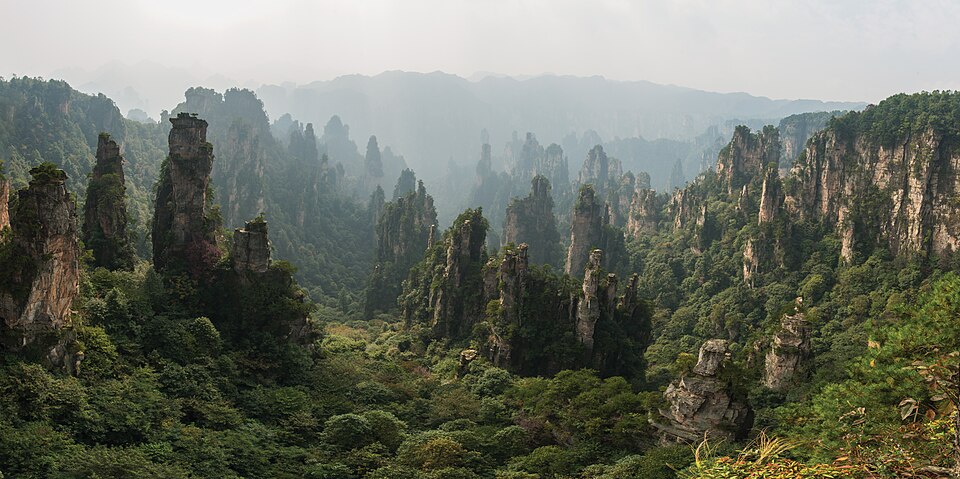
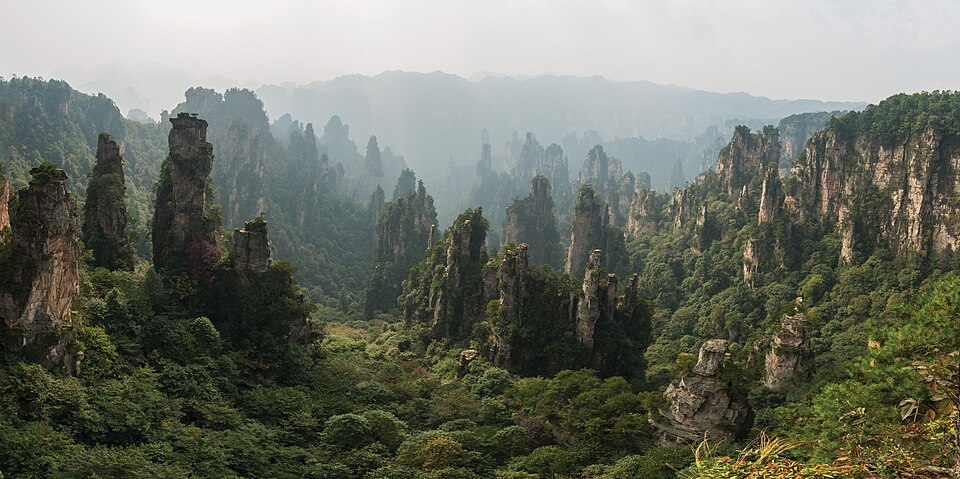
China travel planning is the process of turning a long list of sights into a realistic route, budget, and booking timeline for a trip to mainland China. For most first-time visitors, a well-planned trip follows five steps: choose a season and trip length, pick one anchor city plus two or three regions, connect them with high-speed rail, arrange a mobile data plan and airport transfers before you fly, and reserve peak-season tickets (Forbidden City, Terracotta Warriors, Zhangjiajie) 1–7 days ahead through official channels. A 10-day first trip usually covers Beijing, Xi’an, and Shanghai; a two-week trip adds Chengdu or Guilin. This is the exact framework we use with clients of our trip planner.

Step 1 — Pick Your Travel Window and Trip Length

China is huge: the same calendar week can mean plum-blossom chill in Harbin, mild spring in Hangzhou, and pre-monsoon humidity in Sanya. Start by choosing when you can realistically travel, then let that decide the route. Shoulder seasons (mid-April to early June, September to mid-November) offer the best mix of weather, low domestic-holiday crowding, and reasonable hotel rates. Two windows deserve extra caution: Chinese New Year (late January to mid-February) and National Day Golden Week (around October 1), both of which trigger the world’s largest domestic migrations. Trip length matters more than travelers expect: six days feels rushed on the classic Beijing–Xi’an–Shanghai line; ten days is comfortable; two weeks unlocks a second region. Browse our city-by-city guides for sample day-by-day routes.

Step 2 — Confirm Visa, Entry, and Transit Rules Early

Before you book flights, confirm what applies to your passport. As of this writing, mainland China offers visa-free short stays for citizens of dozens of countries, plus a transit-without-visa policy covering many major gateway cities. Eligible nationalities, permitted regions, and stay length change; verify current requirements with the National Immigration Administration or the nearest Chinese embassy before you commit. Our detailed post on China visa rules covers the standard tourist (L) visa and the paperwork most travelers actually file. If you are transiting between international flights, research visa-free transit rules before leaving home—airlines may deny boarding if your documents do not match their reading of the policy.

Step 3 — Choose an Anchor City, Then Build Outward

Do not spread a short trip across five cities. Pick one anchor—Beijing in the north, Shanghai in the east, Chengdu in the west, Guangzhou or Shenzhen in the south—and treat other stops as branches. Anchors share four advantages: more direct international flights, denser metro and rail networks, English-friendly hotels, and enough museums, food halls, and parks to justify two full days even if onward plans shift. Add branches that pair well geographically: Beijing with Datong, Pingyao, or Harbin; Shanghai with Suzhou, Hangzhou, or Huangshan; Xi’an with Chengdu, Guilin, or Zhangjiajie. Linking Beijing, Shanghai, Guilin, Chengdu, and Xi’an in eight days wastes half the trip in transit.

Step 4 — Compare Transport Options for Each Leg

China’s high-speed rail handles most 300–900 km hops faster than flying once you include airport security and check-in. Long legs (Beijing to Guilin, Shanghai to Chengdu) still favor planes. Metro plus DiDi covers the last mile in every major city. Private drivers fill the gap where rail does not reach—remote villages around Huangshan, the Dali–Lijiang loop, or wine regions near Beijing; see charter travel options. For the final leg from any big airport, review China airport transfers.

Mode Best For Booking Lead Time Notes for Foreigners
High-speed rail (G/D trains) 300–900 km inter-city hops ~15 days (12306 opens sales) Passport required for ticket pickup; see our metro and subway guide for city-rail tips
Domestic flight Long legs over 1,200 km or tight connections 4–8 weeks Second ID sometimes required at security; arrive 2 hrs early
Overnight sleeper train Scenic slow routes or saving a hotel night 15 days Soft-sleeper cabins in pairs or fours; not on every route
Metro + DiDi Within-city travel in tier-1/2 cities None DiDi has English app; some cards declined—test before you need it
Private driver / chartered van Mountain areas, multi-stop days, family groups 1–4 weeks Typically a fixed daily rate plus fuel and parking

Step 5 — Book Accommodation Around Metro Stations

Hotel quality per yuan in China runs ahead of comparable Western rates, but the daily cost of a bad location compounds on every trip. Prioritise hotels within a five-minute walk of a metro station on a line that reaches your main sights, not near a nominal “city centre” that is really an old administrative district. Business-tier chains (Ji Hotel, Atour, Crystal Orange, Hyatt Place, Holiday Inn Express) deliver consistent quality and English-speaking front desks at typical three- to four-star rates; confirm current rates when you book. Independent boutique hotels can be charming but may not register foreign guests—a legal requirement you cannot work around at midnight.

Step 6 — Solve Data, Payment, and Apps Before You Fly

Three things shape daily China travel more than any museum ticket: mobile data, payment, and pre-installed apps.

  • Data. A China travel eSIM that routes through a local carrier is the easiest option; activate before you land. Physical SIMs at arrival halls require passport checks.
  • Payment. WeChat Pay and Alipay dominate. Both now support international cards for most purchases, though some merchants still cannot accept them. Keep a small renminbi cash reserve for temples, wet markets, and rural taxis.
  • Apps. Install Amap or Baidu Maps (Google Maps is degraded on the mainland), Trip.com for trains and hotels, a translation app with offline packs, and DiDi for ride-hailing.

Step 7 — Reserve Peak-Demand Tickets, Not Everything

Do not pre-book every museum weeks ahead. Reserve only high-demand, low-capacity sites where the ticket is genuinely scarce: the Forbidden City (real-name tickets sell out quickly in peak season), the Potala Palace in Lhasa (regulated daily quota), and any date-sensitive performance in Beijing or Shanghai. Most other museums accept walk-up purchases with your passport. Our Beijing attractions guide and Great Wall guide spell out what to book and what to leave open.

Step 8 — Decide: Self-Guided, Package, or Fully Custom

Three planning models work for most visitors. Self-guided gives maximum flexibility and the lowest headline cost, but you own every booking, transfer, and language gap. Fixed-destination China tours handle hotels, inter-city tickets, guides, and most entrances at a transparent per-person rate—convenient for first-timers, families with kids, or older travelers. Premium customization sits in between: private guide and driver, route designed around your interests. The right model depends on trip length, group composition, and how much operational load you want to carry.

What to Budget: Typical Cost Ranges

Costs vary widely by city tier, season, and hotel grade. Rather than pin a single number, plan in bands: hostels and local food at the low end; four-star business hotels mixing rail with a few chartered days in the middle; five-star hotels, private drivers, and domestic flights at the top. International flights from your home country often exceed a week’s ground cost, so plan both together. See our breakdown of China trip cost for realistic per-day bands.

A Nine-Day Framework You Can Adapt

For a first trip in spring or autumn, a common framework is: three days in Beijing (Forbidden City, one Great Wall section, hutong food walk), two days in Xi’an (Terracotta Warriors, city wall, Muslim Quarter), one rail day to Shanghai, two days in Shanghai (French Concession, museums, one Suzhou or Zhujiajiao side trip), one flex day. Swap Xi’an for Chengdu if pandas and Sichuan cuisine matter more than ancient capitals; swap the Suzhou day for Hangzhou if you prefer lakes and tea. Browse Guilin & Yangshuo or Zhangjiajie to add a southern scenery week.

Common China Travel Planning Mistakes

  • Too many cities, too few nights. Three days in each of five cities is exhausting and expensive; fewer bases with more nights.
  • Ignoring domestic holidays. Any trip overlapping National Day or Chinese New Year will feel the crush even at remote sites.
  • No backup data plan. A dead phone in China means no maps, no translation, no payment—download offline packs before you leave.
  • Booking hotels that cannot register foreigners. Small guesthouses sometimes cannot; check before you pay.

Pre-Flight Checklist

  1. Passport valid six months after your return date.
  2. Visa or visa-free route confirmed with an official source for your nationality.
  3. Anchor city chosen, peak-holiday windows avoided or planned for.
  4. Peak-demand tickets (Forbidden City, Potala, one Great Wall section) reserved.
  5. eSIM, offline translation, and payment methods tested before departure.
  6. First-night hotel booked near a metro station and confirmed for foreign-guest registration.
  7. Backup indoor day plan for weather-sensitive sights.

FAQ

How many days do I need for a first trip to China?

Ten days is the sweet spot for Beijing, Xi’an, and Shanghai without exhaustion. Seven days still works if you focus on two cities. Two weeks lets you add Chengdu, Guilin, or a Yellow Mountain day.

When should I start China travel planning?

Nine to twelve months out gives the widest flight options and lets you lock peak-season hotel rates. Six months is comfortable for shoulder season. Under three months is workable, but you will pay more for flights and see fewer good hotel choices if your dates overlap Chinese holidays.

Is China hard to plan without a local agent?

Not for a first big-city trip—trains, hotels, and payment apps support English, and most major attractions publish clear ticket rules. Adding rural regions, tight rail connections, or multi-generation family logistics is where a good planning tool or a custom itinerary service starts paying for itself.

Do I need to book every train and hotel in advance?

No. Book trains that cross peak-holiday or weekend dates and long overnight routes. Reserve hotels for your first two nights in each city so you land with a bed; leave a few nights flexible. Popular sites with real quotas—the Forbidden City and Potala Palace—do need careful planning.

How is China travel planning different from Europe or Japan?

Three practical differences: distances are larger (inter-city legs are often 1,000 km), the payment and app ecosystem is different from the West, and foreign passport holders face extra registration steps for hotels and trains. Otherwise itinerary pacing and transport planning work on the same principles as any other long-haul trip.

Posted on — Leave a comment

Guilin vs Yangshuo: Which Base to Stay In

If you can only pick one base in Guangxi, choose Yangshuo. The tower karst, cycling routes, bamboo rafting, climbing schools and nightlife cluster around the West Street core, and riverside guesthouses put you inside the postcard views rather than commuting to them. Keep Guilin for one arrival night, a stopover near the airport or train station, or a day trip to Longji Rice Terraces. The Guilin vs Yangshuo question is not which is “better” but which fits your route, tolerance for tour-bus crowds and appetite for outdoor activity.

Quick Verdict by Traveler Type

Solo backpackers, couples and photographers should stay in Yangshuo. Families usually want one night in Guilin for the easier airport connection, then Yangshuo for the rest. Senior travelers who prefer elevator hotels and reliable English at reception feel more at home in Guilin, using day trips to reach the karst. If you are combining Guangxi with a wider China travel itinerary, three nights in Yangshuo with one arrival night in Guilin is the standard split. Map it against your arrival city using our trip planner.

Guilin vs Yangshuo at a Glance

Factor Guilin Yangshuo
Vibe Regional city, practical Tourism town, walkable core
Scenery Karst needs a drive Karst surrounds the town
Airport Directly served ~90 min road transfer
Rail Guilin West HS hub Yangshuo Station 30 km out
Best activity Longji day trip, caves Rafting, cycling, climbing
Nightlife Quiet local bars West Street, live music
Lodging Business chains Boutique guesthouses, villas
Best for Stopover, family comfort Photography, slow travel

Getting Between the Two

The distance is roughly 65 km; the drive is 80-90 minutes on the expressway. Public coaches depart Guilin’s main bus station frequently but drop at Yangshuo county station, a short tuk-tuk from West Street. High-speed trains link Guilin West to Yangshuo Station in about 25 minutes, though Yangshuo Station still needs a 30-minute ground transfer. The Li River cruise itself functions as one-way transport. Late-night arrivals are easier with a pre-booked private driver than a taxi negotiation. Fares vary seasonally; treat them as a typical range and confirm at booking.

Why Choose Guilin as Your Base

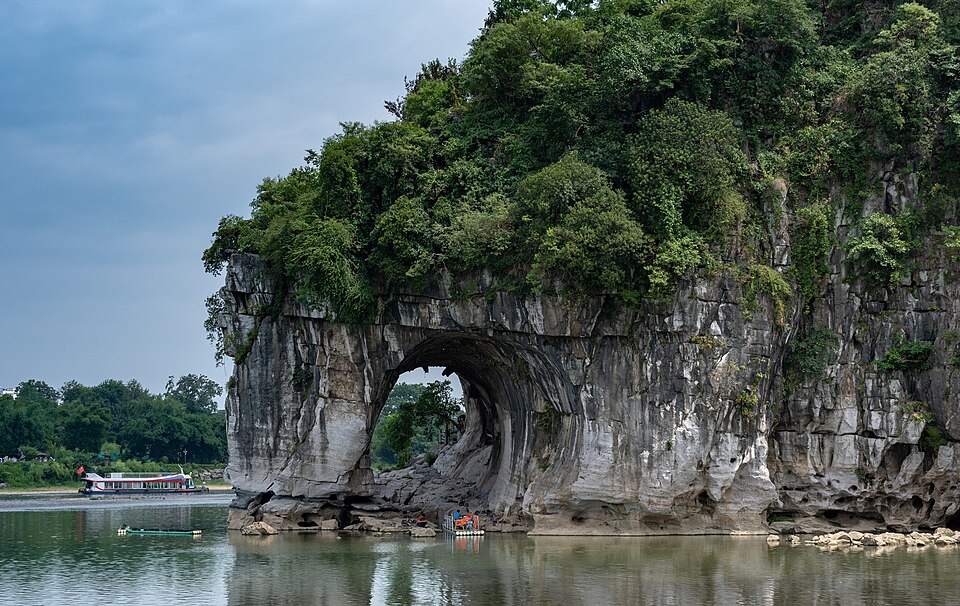
Guilin earns its keep as a gateway. Flights from Shanghai, Guangzhou, Chengdu, Xi’an and Beijing land here, and the city has more four- and five-star chains than Yangshuo does boutique properties. The town hosts Elephant Trunk Hill, Reed Flute Cave and the Two Rivers and Four Lakes night cruise, all reachable in half-day slots. Longji Rice Terraces, the most photogenic day trip in Guangxi, sit two hours north of Guilin but three-plus from Yangshuo, which tilts the split toward a Guilin overnight if Longji is on your list.

Why Choose Yangshuo as Your Base

Yangshuo is where most people’s mental image of Guangxi lives. Karst peaks rise in clusters around the Liu River, paddy fields fill the gaps, and you can walk out of your guesthouse into that scene. Activities concentrate fast: Xingping rafting is 30 minutes away, the Ten-Mile Gallery cycling loop starts at town’s edge, Moon Hill is a short climb, and climbing schools run routes at every grade. West Street brings Western food, live music and English menus after dark.

How Many Days to Split

Four nights is the sweet spot inside a broader China trip: one in Guilin, three in Yangshuo. Extend to six by adding two nights at a Yangshuo riverside guesthouse or Xingping so mornings and evenings are yours rather than the cruise crowd. If you only have three nights, skip Guilin entirely and transfer straight from the airport to Yangshuo. Add a Longji overnight only if sunrise over the terraces matters enough to justify three to four hours of road each way.

Where to Stay in Each Town

In Guilin, pick a hotel on the west bank of the Li River near Renmin Road; you can walk to the night market and catch an early airport van. In Yangshuo, choose your micro-area: West Street is loud and walkable, the Liu River banks are quieter with pool villas and mountain views, and Xingping is deep countryside for photographers. Room quality varies widely, so see actual photos before booking via our custom trip desk.

Li River Cruise: Transfer or Day Trip

The four-hour cruise from Mopanshan Pier to Puxian Dock links Guilin and Yangshuo in one scenic segment. Boats range from larger three-deck ferries to smaller craft, but they run the same channel, so scenery depends more on water level and weather than ticket class. If you skip the full cruise, the Xingping bamboo raft covers the 20-yuan banknote stretch at a lower, stop-friendly vantage. Sailing status shifts with rain; confirm with your operator the day before.

Xingping, Ten-Mile Gallery and Side Trips

Xingping village, 45 minutes north, rewards an early climb of Laozhai Hill and a slow riverside lunch. The Ten-Mile Gallery east of Yangshuo chains West Ferry, Daxu Village, Big Bamboo Sea and Moon Hill into a single e-bike day. Pairing Guangxi with Zhangjiajie works well for tower-carst lovers; add the glass bridge guide if you also go there.

Food, Nightlife and Daily Cost

Guilin rice-noodle soup is the region’s standard breakfast, but Yangshuo is where the Western-food scene lives: pizza, bagels, craft beer and reliable coffee cluster around West Street. Guilin has more local-only menus and quieter evenings. Per-meal prices in both towns sit near mainland Chinese city averages; tourist-zone figures shift seasonally, so treat published numbers as a range and confirm when ordering.

Season and Weather Notes

April to early June brings high humidity and rain that can cancel rafting at short notice. July to September is hot with occasional typhoon-influenced storms. October and November offer the clearest light. December to February is cool, sometimes gray. Golden Week and May Day overwhelm both towns with domestic crowds. Entry rules for short-stay China travel shift; check the latest 240-hour transit note and National Immigration Administration releases rather than third-party summaries.

Which Base Fits Your Trip Style

Families: one Guilin night, then Yangshuo with a private driver instead of coaches and car seats. Couples: skip Guilin and go straight to a riverside guesthouse. Solo photographers: two nights in Xingping, two in Yangshuo. Older travelers: a Guilin-chain hotel plus a serviced Yangshuo apartment. First-timers combining Guangxi with classic China tour cities like Xi’an or the Terracotta Warriors: one Guilin night, three Yangshuo, fly out of Guilin.

Sample Four-Day Itinerary

Day 1: Arrive Guilin midday, hotel near Two Rivers and Four Lakes, evening river light cruise. Day 2: Morning at Reed Flute Cave or Elephant Trunk Hill, private transfer to Yangshuo after lunch, West Street for dinner. Day 3: Sunrise bamboo raft and 20-yuan viewpoint at Xingping, afternoon Ten-Mile Gallery cycling. Day 4: Free morning for a cooking class or climbing lesson, transfer to Guilin airport or Guilin West for the onward leg. Broader templates are in our Guangxi guides library.

Common Mistakes to Avoid

Do not book two Guilin nights and one Yangshuo night; end the trip in the more scenic town. Do not treat the Li River cruise and Xingping raft as interchangeable. Do not drive into West Street’s core; e-bikes and walking are faster. Plan offline maps and a working China eSIM before you land. Confirm raft and cruise departure times the night before, especially after heavy rain.

FAQ

Is Yangshuo worth visiting over Guilin?

For most travelers, yes. Yangshuo is smaller, more scenic on foot or by bike, and closer to the karst that defines the region. Guilin is best used as a transport hub or a single-night stopover.

How far is Guilin from Yangshuo and how long is the transfer?

About 65 kilometers. A private car is 80 to 90 minutes, a high-speed train between Guilin West and Yangshuo Station is roughly 25 minutes plus a short ground hop, and the Li River cruise takes about four hours including boarding.

Is the Li River cruise still worth it, or is Xingping enough?

They are different experiences. The cruise is a longer, calmer, catered stretch that doubles as transport. Xingping rafting is shorter, closer to the water and lets you stop for the 20-yuan banknote viewpoint. If you have time for only one, pick based on whether you want a scenic transfer or an active outdoor morning.

What is the best time of year to visit Yangshuo and Guilin?

October and November typically offer the clearest light and driest conditions. April to June brings lush green karst but higher humidity and rain cancellations. Avoid Chinese national holidays, especially Golden Week in early October.

Do I need a guide or can I travel independently?

Independent travel is straightforward if you have a working China eSIM, offline maps and a mobile-payment app. A driver or local guide adds the most value for Longji, Xingping sunrise and countryside cycling. See our China tours and premium customization pages if you want the local layer arranged.

Posted on — Leave a comment

China Visa-Free Transit: 240h Rules Explained

What Is the 240-Hour Visa-Free Transit Policy?

Effective since January 2024 and fully operational across 26 Chinese cities as of 2026, China’s 240-hour visa-free transit policy allows eligible foreign nationals to enter mainland China without a visa for up to 10 days — provided they arrive and depart via designated international airports or seaports on separate international flights or cruises. This is not a tourist visa exemption, but a transit facilitation measure: you must hold confirmed onward tickets to a third country or region (not the country you arrived from), with departure scheduled no later than 240 hours (10 full days) after entry.

The policy replaces earlier 72- and 144-hour versions and now covers more nationalities and entry points — making it the most accessible entry pathway for short-stay travelers in 2026. Crucially, unlike the older rules, the 240h window starts at entry stamp time, not midnight, and includes weekends and holidays — no extensions are granted.

Who Qualifies — and Which Countries Are Included?

As of September 2026, citizens of 54 countries are eligible, including all Schengen Area members, the UK, Ireland, USA, Canada, Australia, New Zealand, Japan, South Korea, Singapore, Malaysia, Thailand, Philippines, Indonesia, and Brazil — plus select others like Argentina, Chile, Mexico, and the UAE. A full list is published by China’s National Immigration Administration (NIA) and updated quarterly; WingPhoenix cross-checks this monthly to ensure accuracy for our users.

Eligibility requires three conditions:

  • You hold a valid passport issued by one of the 54 qualifying countries (minimum 3 months’ validity beyond your planned departure date);
  • You have confirmed onward travel to a third country or region (e.g., flying from London → Shanghai → Tokyo is eligible; London → Shanghai → London is not);
  • You enter and exit through one of the 26 officially designated ports — all of which support the 240h rule as of 2026.

Where Can You Enter? The 26 Approved Ports in 2026

Unlike earlier iterations, the 240h policy now applies uniformly across all 26 designated entry/exit points — no regional restrictions apply. These include major gateways like Beijing Capital (PEK), Shanghai Pudong (PVG), Guangzhou Baiyun (CAN), Chengdu Tianfu (TFU), Xi’an Xianyang (XIY), and Shenzhen Bao’an (SZX), plus emerging hubs such as Dalian Zhoushuizi (DLC), Qingdao Jiaodong (TAO), and Xiamen Gaoqi (XMN). Notably, Hainan Island remains under its own separate 30-day visa-free policy for 59 nationalities — do not confuse the two.

For clarity, here’s the complete list of 2026-approved ports:

City Airport/Port Code Type Opmerkingen
Beijing PEK, PKX Airport Both Capital & Daxing accepted
Shanghai PVG, SHA Airport Pudong & Hongqiao both qualify
Guangzhou CAN Airport Includes cruise terminal at Nansha
Chengdu TFU Airport Tianfu only (CTU no longer accepted)
Xiamen XMN Airport Also accepts ferry arrivals from Taiwan
Qingdao TAO Airport Newly added in March 2026
Dalian DLC Airport + Seaport Yacht arrivals permitted under pilot program
Hangzhou HGH Airport Expanded to include charter flights (2026 update)

Note: Entry via land borders (e.g., from Vietnam, Laos, or Russia) is not covered — only air and sea arrivals at these 26 points. Also, if you’re transiting through two Chinese cities (e.g., PEK → PVG → Tokyo), you may still qualify — but you must obtain the 240h permit upon first entry and present both onward tickets to immigration.

How to Apply — It’s On Arrival (No Pre-Application)

There is no online form, no fee, and no pre-approval. Eligible travelers simply proceed to the special transit counter (clearly marked in English) upon arrival at any of the 26 ports. Bring:

  • Your valid passport;
  • Printed or digital copy of your confirmed outbound ticket (must show third-country destination and date within 240h);
  • Proof of accommodation for your entire stay (hotel booking, Airbnb confirmation, or invitation letter from a registered host);
  • Return boarding pass or e-ticket — note that some airports (e.g., PVG, CAN) now scan QR codes directly from airline apps.

Immigration officers will verify eligibility, stamp your passport with a “240-Hour Transit Permit”, and issue a small bilingual slip listing your permitted stay period and departure deadline. Keep this slip — you’ll need to surrender it upon exit.

Common reasons for denial include: incomplete onward documentation, mismatched names between passport/tickets, or attempting to re-enter China within 90 days of a prior 240h stay (a soft NIA guideline enforced at discretion).

What You Can (and Can’t) Do on a 240h Permit

You may travel freely within any province or municipality — no geographical restrictions apply. That means entering in Beijing and touring Xi’an, Chengdu, and Guilin is fully permitted — provided you depart from one of the 26 designated ports before the 240h clock expires. You may also use high-speed rail, domestic flights, charter cars, and metro systems without additional permits.

However, key limitations remain:

  • You cannot work, study, or conduct paid journalism — this is strictly for tourism, family visits, or business meetings;
  • You may not extend or convert the 240h permit into a visa — overstay penalties start at ¥500/day;
  • You must depart from an approved port — exiting via land border or unlisted airport voids the permit and triggers overstay procedures;
  • If you fly into PEK but leave from CAN, confirm both airports appear on your outbound ticket — some airlines require code-share verification.

Pro tip: Use WingPhoenix’s AI trip planner to auto-generate compliant 240h itineraries — it validates port combinations, checks flight windows, and flags potential bottlenecks (e.g., tight rail connections between cities) before you book. Our system syncs real-time flight data from CAAC and integrates with 2026’s updated NIA eligibility database.

Planning Your 240h Trip? Start Here

The 240h visa-free transit is ideal for multi-city explorers — think: 3 days in Shanghai, 2 in Hangzhou, 2 in Nanjing, and 3 in Beijing — all within one seamless entry. But timing matters: factor in airport transfers (PVG to downtown Shanghai takes ~1 hr by Maglev), domestic check-in windows (2+ hrs for flights), and weekend crowds at major sites like the Forbidden City or West Lake.

Remember: While the policy is generous, it’s not automatic. Always double-check your nationality’s status on the official NIA portal within 72 hours before departure, and carry physical backups of all documents. For stress-free execution — especially if combining transit with charter car bookings, eSIM activation, or same-day metro card top-ups — WingPhoenix offers integrated 240h-ready packages with verified local partners.

Ready to build your compliant, flexible, and fully booked 240-hour China itinerary? Start planning with WingPhoenix’s AI trip planner now.

Posted on — Leave a comment

Free Interactive China Travel Map Planner: Plot Cities, Distances and Drive Times

Most itineraries are still built in a notes app: a list of cities typed in order of fame, with no sense of the ground between them. That is exactly how you end up booking a mountain day trip that is five hours of switchbacks, or two “nearby” cities that are a four-hour drive apart.

A map planner fixes this by making distance visible. Ours is free, works on any phone, and takes about five minutes to produce a route you can actually drive. Here is how to use it properly.

What the tool does

Four modes, one map:

  • Plan: tap the map to drop numbered stops, or draw a freehand line and let it snap to real places. Each segment between stops is labelled with its distance, and the route totals show kilometres and estimated drive time.
  • Guide: an audio-guide layer for the city you are in — attractions filtered by history, food, nature, culture or photo spots, each with a short narrated story you can play on the walk over.
  • Sketch: mark the places you actually visited with notes, photos and a voice memo, then export a hand-drawn style route card to share.
  • Area: jump between regions and countries, and filter the map to the part of China you are visiting.

The city library covers more than a hundred Chinese destinations plus the major international ones, each with suggested days, best season and headline sights.

Step 1: Dump everything you want onto the map

Resist ordering. Tap every candidate city, park and site — the Great Wall sections, a water town, a mountain, that rice terrace you saw a photo of. Ten minutes of greed now gives you something honest to cut down.

Step 2: Read the segment labels and start cutting

This is where the tool earns its keep. Look at the kilometres printed on each dashed segment and apply three rules:

  • Anything over 400 km between consecutive stops needs a flight or a high-speed train, or it becomes a whole travel day.
  • Two long drives on the same day is a red flag — delete one of the stops.
  • Mountain and plateau segments cost far more time than their distance suggests. Add a third to the estimate.

Then reorder. Dragging stops into a better sequence often removes 200 km without losing a single sight — the tool renumbers and relabels as you go.

Step 3: Let it suggest the days

Enter how many days you have and let the planner allocate. A sensible default is about two days per city, and the suggestion will tell you when your stop count no longer fits your calendar. That is the moment to delete a city rather than shorten every stay.

Step 4: Turn the route into an itinerary

Once the line looks sane, generate the day-by-day version: which city on which night, what sits between them, where a car beats the train. Send it to a designer if you want it priced with a driver-guide and hotels; otherwise export it and book it yourself. Both work — the value is that your route is already realistic.

Step 5: Use the guide layer while you are there

This is the part people skip and then wish they had not. On the ground, switch to guide mode in each city: it lists attractions around you by category, so you can decide whether that side street museum or noodle hall is worth the twenty minutes. When something is genuinely good, drop a sketch pin on it with a photo — that becomes your own map of the trip afterwards.

Why visual planning saves real money

Three concrete savings. First, fewer domestic flights: a route reordered by distance often removes a hop entirely. Second, better transport choices: seeing that two stops are 180 km apart tells you a car is right and a flight is silly. Third, fewer wasted nights: cutting one city to keep two is the difference between a trip you remember and a series of hotel lobbies.

Who should use it

  • First-timers who cannot yet judge Chinese distances — this is the fastest way to learn the geography.
  • Self-drivers and photographers building a route with specific stops in a specific order.
  • Families who need to see whether “one more day in Chengdu” fits before committing.
  • Anyone comparing two draft routes — plot both and read the totals.

Getting started

The planner is free and runs in your browser on the homepage map — no account needed to plot and save a route. Pair it with your connectivity (plans on our travel eSIM page) and you have the two things that decide how a China trip actually feels: a route that fits the calendar, and data that works the moment you land.

Frequently asked questions

Does it work on a phone?

Yes — the map is full-screen on mobile with the mode switcher along the top, which is how most people use it on the road.

How accurate are the drive times?

They are road-distance estimates, so treat mountain and border-crossing routes as slower than shown.

Can I save and come back to a route?

Yes. Drafts save locally, and the travel journal keeps the route with your notes and photos.

Is it only for China?

China is the deep library, with major destinations across Asia, Europe and beyond for multi-country trips.

A full walkthrough, with numbers

Say you want Beijing, Pingyao, Xi’an and Chengdu in nine days. Drop all four on the map and the tool immediately tells the story:

  1. Beijing → Pingyao reads roughly 400 km; that is a rail day, not a driving day.
  2. Pingyao → Xi’an is long and awkward overland; the sensible move is rail back through a hub or a short flight.
  3. Xi’an → Chengdu is a spectacular rail journey through the Qinling mountains — keep it on the train.
  4. Suggested duration comes out at eight days for four cities, which fits — and if you add Shanghai, the tool pushes you to twelve.

That single pass prevents the classic mistake: booking five cities in nine days because the names were famous and the gaps were invisible.

Using each mode well

Plan mode

Tap to drop stops, drag markers to nudge them, and use the draw tool when you have a road trip shape rather than a city list. Distance labels on each segment update as you reorder, so the cost of every decision is visible immediately.

Guide mode

Once you are in a city, switch to guide mode and filter by what you actually have time for — history, food, nature, culture or photo spots. It answers the 4 p.m. question: “what is worth twenty minutes from here?”

Sketch mode

Pin the places you loved with a photo or a voice note. By the last day you have your own annotated map of the trip, which is a better souvenir than a folder of photos and a far better starting point for the next one.

Area mode

Jump straight to the region you are visiting — north, east, southwest, Silk Road — and see which cities are in the library with their suggested days and best season.

Planning with another person

The most effective pattern for couples and groups: each person plots their wish list separately, then merge onto one map. Disagreements about which city to cut resolve much faster when the distance labels make the argument for you — nobody has to be the one who said no.

Why this beats a list

A list optimises for names you recognise. A map optimises for the thing you cannot visualise from a list: the ground in between. Since travel time is the largest fixed cost on any China itinerary, planning where that cost is visible is simply better planning.

Posted on — Leave a comment

China Visa Requirements 2026: Types & How to Apply

Who Needs a Visa — and Who Doesn’t?

As of 2026, over 50 nationalities qualify for some form of visa exemption or simplified entry to mainland China. The most impactful update is the permanent expansion of the 240-hour (10-day) visa-free transit policy, now active at all 26 designated airports and 7 seaports, including Beijing Capital (PEK), Shanghai Pudong (PVG), Guangzhou Baiyun (CAN), Chengdu Tianfu (TFU), Xi’an Xianyang (XIY), Shenzhen Bao’an (SZX), and Dalian Zhoushuizi (DLC). To qualify, you must:

  • Hold a passport from one of the 54 eligible countries (including the US, UK, Canada, Australia, Germany, France, Japan, South Korea, Singapore, and New Zealand);
  • Have a confirmed onward ticket to a third country or region departing within 240 hours;
  • Enter and exit through different ports (e.g., arrive in Shanghai, depart from Beijing — allowed since March 2025);
  • Present proof of accommodation and sufficient funds (bank statement or credit card with ≥$500 available balance).

Note: Hong Kong SAR, Macau SAR, and Taiwan are not considered ‘third countries’ — so transiting from London → Shanghai → Taipei does not qualify. Also, the 240-hour clock starts at passport control clearance, not flight arrival.

Visa Types & Application Essentials (2026)

If you don’t qualify for visa-free transit or plan to stay longer than 10 days, you’ll need a standard visa. The most common categories for tourists are:

Visa Type Max Stay Validity Key Requirements (2026) Processing Time
L (Tourist) 30–90 days per entry 3–12 months, single/multiple entry Round-trip itinerary, hotel bookings, bank statement (≥$2,000), invitation letter if visiting friends/family 4–7 working days (standard); 2-day rush service available at +$85 USD)
M (Business) Up to 180 days 6–12 months, multiple entry Invitation letter from registered Chinese company, business registration copy, employer letter 5–8 working days
Q2 (Family Visit) Up to 120 days 6 months, single entry (up to 5-year multi-entry for close relatives) Chinese citizen’s ID copy + household registration (hukou), notarized kinship certificate, invitation letter 7–10 working days

Applications must be submitted via an authorized Chinese Visa Application Service Center (CVASC) — not directly at embassies. As of January 2026, CVASCs operate in 42 countries, including all EU capitals, major US cities (NYC, LA, Chicago), Toronto, Sydney, Tokyo, and Singapore. All applicants aged 14–70 must appear in person for biometrics (photo + fingerprint scan). Children under 14 and adults over 70 may submit by proxy with notarized authorization.

What’s Changed in 2026: Digital Upgrades & New Flexibility

China has accelerated digital integration across its visa ecosystem. Key 2026 updates include:

  • e-Visa pilot launched for 12 countries: As of July 2026, citizens of Singapore, UAE, Kazakhstan, Thailand, Malaysia, Philippines, Indonesia, Vietnam, Cambodia, Laos, Myanmar, and Brunei can apply online via the Visa for China portal and receive approval within 48 hours — no in-person biometrics required.
  • QR-coded visa stickers: All L, M, and Q2 visas issued after April 2026 include scannable QR codes linked to real-time status verification via the official China Immigration Services App (available on iOS/Android).
  • Extended validity for frequent travelers: Applicants with two or more prior China visas (issued 2021–2025) and clean entry records now automatically qualify for 5-year multiple-entry L visas — no additional documentation needed.
  • No more notarized invitation letters for solo tourists: The requirement for notarized letters from Chinese hosts has been abolished for L visas; hotel bookings or Airbnb reservations (with host contact info) suffice.

Also new: If your visa expires while you’re legally in China, you may apply for an extension at local Exit-Entry Administration (EEA) offices — but only for compelling reasons (e.g., medical emergency, flight cancellation due to typhoon). Extensions are capped at 30 days and require proof, doctor’s note, or airline confirmation.

Entry Process: From Airport to City — What to Expect

Upon arrival, foreign nationals undergo automated immigration kiosks at all Tier-1 airports (PEK, PVG, CAN, SZX, XIY, TFU). You’ll scan your passport, take a photo, and print a customs declaration slip. Officers may still conduct random secondary checks — especially if your itinerary shows rapid back-to-back entries or stays near visa duration limits.

Customs declarations are now fully digital via the China Customs WeChat Mini Program (search “China Customs” in WeChat). Declare cash over ¥20,000 (~$2,750 USD), tobacco/alcohol above duty-free allowances, or restricted items (e.g., fresh fruit, soil, unlicensed drones). Note: Bringing in foreign SIM cards or satellite phones remains prohibited unless pre-registered with MIIT (rare for tourists).

Once cleared, proceed to baggage claim and then the eSIM activation zone (available at PEK, PVG, CAN, and TFU). WingPhoenix partners with China Unicom and China Telecom to offer instant eSIM activation — scan a QR code at the kiosk, choose your data plan (from 1GB/7 days to unlimited 30-day), and connect in under 90 seconds. No physical SIM swap needed.

Troubleshooting Common Issues — Real 2026 Scenarios

My 240-hour transit window is expiring mid-afternoon — can I check out of my hotel early and wait at the airport? Yes — but you must remain airside or re-clear immigration. Once you exit the international transit area (e.g., enter Shanghai city), your 240-hour clock continues running. Many travelers mistakenly assume leaving the airport resets the timer — it does not.

I applied for an L visa but my trip got delayed — can I change the entry date? No. The visa’s entry validity period is fixed (e.g., “valid for entry between 01 Oct 2026 – 30 Dec 2026”). If you miss that window, you must reapply — even if the visa sticker hasn’t expired. However, if your visa is still valid and you simply haven’t entered yet, you may use it anytime within that window.

I’m traveling with kids — do they need separate visas? Yes. Every traveler, regardless of age, requires their own visa or visa exemption eligibility. Infants on parents’ passports are no longer accepted — all children must have individual biometric passports (ICAO-compliant) and separate visas.

My visa was denied — what can I do? Denials cite vague reasons like “insufficient ties to home country.” In 2026, you may request a formal explanation within 30 days and resubmit with stronger evidence: property deeds, employment contracts with salary slips, or enrollment letters for students. Reapplication is free — but wait at least 14 days before retrying.

Plan Smarter, Not Harder

Navigating China’s entry rules doesn’t have to mean hours of paperwork and uncertainty. With WingPhoenix’s AI trip planning tool, you can generate a fully compliant itinerary — complete with realistic transit windows, accommodation proofs, and visa-ready day-by-day plans — in under 90 seconds. Just input your nationality, travel dates, and interests, and our system cross-checks real-time policy updates (including 240-hour transit eligibility) and auto-generates document templates. For deeper personalization — like aligning your visa validity with Great Wall hikes *and* Yangtze River cruises — our human-curated add-ons ensure every detail meets EEA expectations.

Whether you’re flying into Chengdu for panda encounters or hopping from Guangzhou to Xiamen via high-speed rail, getting your entry right is the first step to a seamless China journey. Don’t wing it — plan it.

Start your AI-powered China trip plan now →

More China visa & entry guides

Posted on — Leave a comment

China Ferry Guide: Routes, Tickets & Coastal Travel Tips

Why Take a Ferry in China?

Ferries are the quiet backbone of China’s coastal travel network—connecting mainland hubs like Shanghai, Xiamen, and Zhuhai to islands including Zhoushan Archipelago, Gulangyu (Xiamen), Hainan, and Macau. Unlike high-speed rail or domestic flights, ferries offer scenic, affordable, and often time-efficient access—especially for travelers on the 240-hour visa-free transit policy (available at 19 designated ports including Shanghai, Guangzhou, Shenzhen, Xiamen, and Qingdao). For foreign tourists arriving by air or cruise, ferries unlock seamless multi-destination itineraries without requiring a full China visa—just your passport, onward ticket, and completed entry form.

Top Ferry Routes & Schedules (2026)

China operates over 180 commercial ferry terminals, with major services run by state-backed operators like China Merchants Ferry, COSCO Shipping Ferries, and regional carriers (e.g., Xiamen Ferry Group, Hainan Strait Ferry). Below are the most practical routes for foreign tourists:

Route Duration Frequency (Daily) 2026 Avg. Fare (CNY) Opmerkingen
Xiamen ↔ Gulangyu Island 5–10 min Every 10–20 min (6:10–18:30) ¥35 (standard), ¥100 (VIP lounge + priority boarding) Book via WeChat Mini Program “Xiamen Ferry” — ID scan required; foreign passports accepted since Jan 2026.
Shanghai (Wusongkou) ↔ Zhoushan (Putuoshan) 75–90 min 12–16 departures (7:00–17:30) ¥120–¥165 (incl. port fee) Direct service from Shanghai International Cruise Terminal — ideal for 240h transit visitors flying into PVG.
Zhuhai (Jiuzhou Port) ↔ Macau (Outer Harbour) 55 min Every 15–30 min (7:00–23:15) ¥160–¥220 (CNY or MOP; credit cards accepted) No visa needed for most nationalities entering Macau; return ferry tickets valid for 3 days.
Haikou (Hainan) ↔ Zhanjiang (Guangdong) 2–2.5 hrs 10–12 sailings (daily) ¥118–¥180 (vehicle + passenger optional) Best value for road-trippers; includes express lane for charter car bookings (see below).

How to Book & Board: Real Tips for Foreigners

Unlike trains or metro, ferry booking in China still blends digital convenience with analog checks. Here’s what works in 2026:

  • WeChat Mini Programs: Most official operators now support English interfaces. Search “Xiamen Ferry”, “Zhoushan Ferry”, or “Macau Ferry” — tap “Foreign Passport Booking”, upload your passport photo, and pay via Alipay TourPass or WeChat Pay (no Chinese bank account needed if using TourPass).
  • On-site counters: At major terminals (e.g., Xiamen Wutong Pier, Zhuhai Jiuzhou Port), bilingual staff assist with passport verification and e-ticket issuance. Arrive ≥45 mins before departure — fingerprint + facial scan is standard for security.
  • No QR code? No problem: Physical boarding passes are issued at kiosks or counters. Keep your printed or emailed confirmation — mobile screenshots may not scan reliably at gates.
  • 240h Transit Tip: If you’re arriving at Shanghai Pudong (PVG) and departing from Wusongkou Cruise Terminal to Zhoushan, present your flight + ferry itinerary + hotel booking to immigration — no visa stamp required. Same applies for Guangzhou Baiyun → Zhuhai ferry → Macau exit.

Charter Cars + Ferry Combos: The Smart Way to Island-Hop

For stress-free island exploration—especially in Zhoushan, Hainan, or the Leizhou Peninsula—pairing a WingPhoenix charter car with ferry transport saves hours. Since 2025, six terminals (including Zhoushan Shenjiamen, Haikou Xiuying, and Zhuhai Jiuzhou) allow pre-booked vehicles to board ferries with minimal wait. How it works:

• Book your WingPhoenix charter car with “ferry transfer” selected — our AI trip planning instantly matches vehicle size (sedan, SUV, van) to terminal capacity and sailing times.
• Driver handles all port paperwork, tolls, and parking — you only show your passport and boarding pass.
• Example: From Hangzhou West Lake to Putuoshan Island takes ~3.5 hrs by car + ferry; booking both through WingPhoenix cuts coordination time by 70% versus piecing together separate services.

Drivers are trained in multilingual ferry protocols and carry backup SIMs (with WingPhoenix eSIMs pre-installed) for real-time schedule updates — critical when weather delays occur (common July–September along the East China Sea).

What to Know Before You Go

Luggage: Standard allowance is 2 pieces (≤20 kg each); oversized items (bikes, surfboards, strollers) require pre-approval via operator hotline or WeChat. No extra fee for backpacks or carry-ons.
Language: English signage is consistent at Tier-1 terminals (Xiamen, Zhuhai, Shanghai), but sparse in Zhoushan or Hainan’s smaller piers. Download offline maps (Baidu Maps or Apple Maps) with Chinese place names — e.g., “Putuoshan Port” = 普陀山码头.
Weather & Delays: Typhoon season (June–October) causes ~12% of sailings to be rescheduled or cancelled. Check live status via the “China Ferry Info” WeChat Mini Program — updated hourly with Mandarin/English alerts.
Food & Facilities: All major ferries have cafés (¥25–¥60 meals), restrooms, and free Wi-Fi (login via phone number or WeChat). USB-C charging ports available on vessels launched after 2023.

Beyond the Basics: Hidden Gems & Local Etiquette

While Gulangyu and Macau dominate ferry traffic, consider these lesser-known but rewarding routes:
• Ningbo ↔ Zhoushan (Dengbu Island): 30-min ride, zero crowds, ancient fishing villages and cliffside temples — served by 4 daily ferries (¥48).
• Qingdao ↔ Rizhao (Tianheng Island): A 90-min coastal cruise with seafood tastings onboard — seasonal summer-only (May–Oct), ¥98.
• Shenzhen Shekou ↔ Zhuhai Jiuzhou: New 2026 route (launched April) cuts Guangdong coast travel time by 2.5 hrs vs. road — 70-min crossing, ¥145, 12 daily sailings.

Local etiquette matters: Don’t block gangways while taking photos; queue patiently during boarding (pushing is rare but can happen during holiday rushes); and always thank staff with a nod or “xièxie” — small gestures go far. Also: avoid ferry travel on Chinese New Year Eve (Jan 28, 2026) and National Day morning (Oct 1) — schedules shrink by 60% and queues exceed 2 hrs.

Whether you’re island-hopping from Xiamen to Gulangyu, connecting Shanghai to sacred Putuoshan, or slipping from Zhuhai into Macau under the 240h transit rule — ferries remain one of China’s most scenic, reliable, and underrated transport tools. With real-time apps, bilingual support, and seamless integration into broader itineraries, they’re no longer just for locals.

Planning a coastal China trip? Let WingPhoenix’s AI trip planning build your optimal ferry + land itinerary in under 90 seconds — complete with live fare estimates, visa-free transit validation, and integrated charter car handoffs. Start building your ferry-ready journey now.

Posted on — Leave a comment

China Taxi Guide: Apps, Fares & Local Tips 2026

Why Taxis Still Matter in China (Even With High-Speed Rail)

In 2026, China’s transport ecosystem is more layered than ever: bullet trains zip between cities at 350 km/h, metro systems span over 12 major urban centers, and e-bikes clutter every sidewalk. Yet for foreign tourists, taxis remain indispensable — especially for last-mile connections from train stations to boutique hotels, late-night returns from hutong dinners, or door-to-door transfers in cities with limited subway coverage (like Lijiang or Dunhuang). Unlike ride-hailing apps elsewhere, China’s taxi landscape blends legacy street-hailing, government-regulated metered cabs, and integrated digital platforms — all operating under evolving local rules. Crucially, if you’re entering under China’s expanded 240-hour visa-free transit policy (available in 27 cities including Chengdu, Xi’an, Qingdao, and Tianjin), taxis are often your first and final touchpoint — making clarity on pricing, language support, and safety non-negotiable.

How to Hail & Identify a Legit Taxi in 2026

Not all vehicles labeled “TAXI” are licensed. Look for these four verified markers on the vehicle:

  • A blue-and-white license plate starting with “京B”, “沪D”, “粤A”, etc. (the second character is always “B”, “D”, “A”, or similar — never “C” or “E” for private cars);
  • A visible taxi permit sticker on the rear passenger window (issued by local Transport Bureaus, updated annually through 2026);
  • An official meter display mounted on the dashboard — active and lit upon entry (if dark or covered, walk away);
  • A driver ID card displayed on the dashboard or sun visor, with photo, name, license number, and QR code verifiable via the national Taxi Service Supervision Platform (accessible via Alipay > City Services > Transport > Taxi Info).

Street hailing remains common and reliable in tier-1 and tier-2 cities — but avoid unmarked cars offering rides near airports or train stations; these operate outside regulation and lack insurance coverage. In cities like Kunming or Guiyang, where ride-hailing penetration is lower, licensed taxis still handle ~78% of short-distance tourist trips (2026 China Tourism Transport White Paper). Pro tip: At Beijing Capital Airport Terminal 3, use only the designated “Taxi Queuing Zone” (Level B1, signs in English) — not the “VIP Pickup” booths, which charge flat rates up to ¥320 for downtown.

Fare Structure: Base Rates, Surcharges & What’s Not Included

Fares vary by city, time, and vehicle class — but all regulated taxis use dynamic, GPS-calibrated meters that auto-adjust for distance, waiting time, and low-speed traffic. Below is the standard 2026 base fare for six high-tourist cities (effective as of July 2026):

City Flagfall (¥) Per km (¥) Waiting/Slow Traffic (¥/5 min) Night Surcharge (23:00–05:00) Baggage Fee (per large item)
Shanghai 14 2.50 0.45 +30% ¥1 (max 2 items)
Guangzhou 12 2.60 0.50 +20% Free
Xian 9 1.90 0.35 +25% Free
Chengdu 8 1.90 0.30 +20% ¥0.50
Suzhou 11 2.00 0.40 +25% Free
Dalian 10 2.30 0.45 +30% ¥1

Note: All fares include VAT (0%). No tipping is expected or customary. Drivers may refuse short trips (<3 km) during peak hours — politely ask “Can you take me to [destination]?” before entering. If the meter isn’t running within 10 seconds of departure, say firmly: “Please start meter.” You have legal recourse: scan the driver ID QR code → file complaint → receive automated compensation (¥5–¥20) within 48h via WeChat Pay.

Digital Payment: Which Apps Work for Foreigners?

You can pay cash (RMB only — no USD/EUR), but digital is faster, safer, and required for some services. As of 2026, three options work reliably for foreign visitors:

WeChat Pay (via Tourist Mode): Activate instantly using passport + international card (Visa/Mastercard). Works in 92% of licensed taxis. Enable “Taxi QR Code” in Wallet settings — show to driver at payment; no internet needed post-scan.

Alipay+ Tourist Pass: Pre-load RMB via credit card. Supports offline QR scanning. Accepted in Shanghai, Hangzhou, Guangzhou, and Chengdu taxis (but not yet in Xi’an or Lanzhou).

Didi App (English interface): Didi’s “Tourist Mode” (launched April 2026) lets you book, track, and pay without a Chinese bank account. Requires SMS verification via international number — works even with China eSIM inactive. Shows real-time ETAs, driver ratings, and route maps with English POIs. Crucially, Didi now integrates with WingPhoenix’s AI trip planning: paste your itinerary into Didi’s “Plan My Ride” tab, and it auto-generates optimal pickup/drop-off points aligned with your sightseeing schedule — no manual address translation needed.

Avoid unofficial taxi apps like Kuaidi or CaoCao — they lack English UI, require Chinese mobile numbers, and don’t comply with 2026 national data privacy mandates.

Safety, Etiquette & Visa-Free Transit Considerations

China’s licensed taxis rank among the safest urban transport options globally (2026 UNWTO Safety Index). Still, observe these best practices:

  • Always check the driver ID and license plate match before entering;
  • Share your live location via WeChat/WhatsApp with your hotel or travel companion;
  • Carry a printed slip with your destination’s Chinese address (WingPhoenix’s AI trip planner generates these automatically for all booked stops);
  • If traveling under the 240-hour visa-free transit policy, keep your onward boarding pass and entry stamp visible — drivers may be asked to confirm your eligibility when dropping you at airport/train station transfer points;
  • Don’t hand your passport to drivers — if requested for registration (rare, only in Xinjiang/Tibet border zones), ask to see their official document request form.

One final note: In winter (Dec–Feb), many northern-city taxis install seat warmers — a small luxury worth noting. And if you’re heading from Shanghai Hongqiao Station to West Bund at sunset? Request a “window seat on the right” — the view across Huangpu River is unforgettable.

Whether you’re navigating rush hour in Shenzhen or catching a midnight cab after a Sichuan opera show in Chengdu, knowing how China’s taxi system really works turns stress into seamless mobility. With real-time pricing, verified drivers, and frictionless digital payments, taxis aren’t just convenient — they’re your most human-scale gateway to the country’s rhythm.

Ready to build a stress-free China itinerary — complete with optimized taxi routes, station transfers, and 240h transit timing? Start planning with WingPhoenix’s AI trip planner today.

Posted on — Leave a comment

Zhangjiajie Glass Bridge: What to Know Before You Cross

The Zhangjiajie Glass Bridge is a 430-metre, transparent pedestrian bridge suspended roughly 300 metres above the Yunmeng Grand Canyon in Zhangjiajie, Hunan, China. Visitors cross a glass section within a larger canyon walk of about 1.5 to 3 hours, on a timed-entry ticket booked in advance. Open year-round except during storms, ice or maintenance closures, it is one of the most photographed stops on any China travel itinerary that includes Zhangjiajie National Forest Park, the Avatar Mountains or Tianmen. This guide covers how to book, how to get there, what the crossing actually feels like, and how to combine the bridge with the rest of your Zhangjiajie trip.

What the Zhangjiajie Glass Bridge Actually Is

The bridge links two cliff edges across the Yunmeng Grand Canyon near the small town of Luoguta, about 40 to 60 minutes by road from the main Zhangjiajie National Forest Park entrances. It is not a viewing platform: you walk from one side of a gorge to the other on a glass deck, then return via a lower canyon trail or the elevator-and-cable-car loop, depending on your ticket route. For most travellers it is a 20-minute thrill framed by a scenic 2-hour canyon walk.

Where It Is and How Far from Zhangjiajie City

The bridge sits inside the Yunmeng Grand Canyon area, on the south-west side of the wider Zhangjiajie cluster. Typical road distances:

From Approx. Distance Typical Travel Time
Zhangjiajie Hehua Airport / city centre 40-50 km 60-90 min
Wulingyuan (Forest Park south gate) 30-40 km 45-70 min
Tianmen Mountain (cable car base) 45-55 km 70-100 min
Zhangjiajie West Railway Station 60-70 km 90-120 min

Allow extra time during National Day and Labour Day holidays.

Tickets, Time Slots and Booking Rules

The bridge uses timed entry: only a limited number of visitors are allowed onto the deck in each half-hour window, so the ticket is tied to a specific 30-minute start time, not just a day. Same-day tickets sell out on weekends and during school holidays, especially in July-August and Golden Week. Most independent travellers book one to three days ahead through the scenic area’s official channel or a licensed local operator; a private-driver or small-group package can hold a slot on your behalf. Prices follow a typical range that varies by season and bundle (canyon walk only versus canyon walk plus bridge crossing). Because ticketing policy changes and bundles are adjusted, always confirm the current fare and time-slot rules at booking rather than relying on any figure you have seen quoted online. Bring your passport: Chinese scenic areas commonly require ID matching the ticket, and foreigners are turned away when the booking name does not match the document.

Getting to the Bridge: Transport Options

Public transport to Yunmeng Grand Canyon is thin. Most China travel itineraries choose one of three options. A private driver or chartered car is the most flexible and the only one that comfortably pairs the bridge with another major site in a tight schedule; see our China charter-travel page and the private driver in China guide. A scheduled tourist bus departs Zhangjiajie central bus station at fixed times, cheap but rigid. A guided day tour usually combines the bridge with Baofeng Lake or a Miao village. Our trip planner can slot the crossing against arrival times, and our premium customization service arranges drivers, guides and pre-booked tickets in one package.

What the Crossing Feels Like

The deck is roughly 430 metres long, of which the see-through glass section is a shorter central span. Below is a genuine gorge, not a staged floor. Visitors describe three phases: hesitation on the first panel, adaptation within 30 seconds, then a strong urge to stop, crouch or lie down for photos once the fear passes. Staff ask you to keep moving in the busiest windows, so target a shoulder slot if photography matters. Shoes are fitted with soft cloth overshoes to protect the glass; the sensation underfoot is slightly grippier than usual.

Should You Do the Glass Bridge?

Skip it if you have a serious fear of heights, are travelling with a toddler who panics in crowds, or dislike being pushed along at a fixed pace. Do the crossing if you enjoy photo-forward experiences or a mild adrenaline hit; it fits well as a second or third-day add-on in a 4-day Zhangjiajie itinerary. Travellers who want the same scenery without a transparent floor can stay on the canyon hiking path below the bridge, included in most combo tickets.

Best Time of Day and Best Season

Two constraints shape when to go. Ticket windows: earlier slots (08:00-09:30) are the least crowded and give you the calmest crossing. Weather: spring and autumn mornings are usually clearer, while midday haze and summer thunderstorms reduce visibility. In winter the deck may close briefly for ice. For a season-by-season view of the region, see our best time to visit China guide and the wider Zhangjiajie guide.

Combining the Bridge with Tianmen or Yuanjiajie

A single day is enough for the bridge plus one other major site, but not both.

Combination Feasibility
Bridge + Tianmen Mountain Yes, using Tianmen’s early cable-car slot; both have glass elements, but Tianmen’s is a cliff walkway, not a span.
Bridge + Yuanjiajie (Avatar Mountains) Tight; Yuanjiajie needs half a day and the canyon walk another half.
Bridge + Baofeng Lake Comfortable, a popular day-tour combination.
Bridge + Forest Park (any gate) Split across two days; the canyon is a separate ticketed zone.

What to Bring and Camera Tips

Bring a small bag only; large backpacks must be left in entrance lockers. Use a phone or compact camera with a wrist strap – dropping a device through a grille gap is a real risk. Sunglasses reduce glare off the panels, and a light layer helps on the shaded canyon side even in summer. Tripods are usually restricted during peak slots. For on-the-ground connectivity while coordinating with drivers, check our China eSIM guide before you fly; signal inside the gorge dips away from the ridge, but the entrance plaza is well covered.

Weather Closures, Safety and Refunds

The operator closes the deck for lightning, heavy rain, high winds, ice or scheduled inspections. Closures are common enough in the wet season that a same-day plan B is worth having. Refund and rebooking rules depend on the ticket channel and reason for closure; because policies change periodically, check the scenic area’s current terms at booking, and read the fine print of any third-party tour that promises a refund. Structurally, the bridge is engineered to a large load rating and inspected on a rolling schedule.

Realistic Budget for a Glass Bridge Day

All-in, a bridge day is the sum of four items: the timed ticket, transport in and out, one meal, and any locker or photo package. Ticket prices vary by season and bundle, and chartered-car prices depend on vehicle and pickup point. Our China charter-car price guide shows typical ranges for the region, but confirm the number you actually pay at booking, because fuel surcharges and holiday premiums shift. For a week-long framework, cross-check our China trip cost article.

Alternatives If the Bridge Is Sold Out

Three good substitutions sit near Zhangjiajie. Tianmen’s glass cliff walkway delivers the height thrill along a solid rock ledge. The Yuanjiajie first-plateau walk offers the same sandstone pillars without a transparent floor. Huangshizhai provides a similar postcard view via a shorter boardwalk inside the forest park. Each is reachable using the same private-driver base, so a sold-out morning rarely has to derail a China travel day.

Sample Half-Day Glass Bridge Itinerary

A clean template: pickup at 07:00 from Wulingyuan, arrival at the canyon entrance by 08:00, security and overshoe fitting by 08:30, crossing in the 08:30-09:00 slot, canyon trail descent 09:15-11:00, elevator back to the plaza 11:15, quick lunch, then departure at 12:30. This is the pattern our China tour package designers use for a one-day Zhangjiajie add-on, and it fits cleanly into a broader China travel guide stack.

FAQ

How long is the Zhangjiajie Glass Bridge?

The overall bridge is roughly 430 metres long and about 6 metres wide, with a glass deck section at the central span and a solid approach at each end. It crosses a gorge approximately 300 metres deep.

Is the Zhangjiajie Glass Bridge dangerous?

The bridge is engineered for a large simultaneous visitor load, inspected on a scheduled basis, and closed for severe weather. The main risks are slips, dropped phones and the emotional intensity of the height rather than any structural concern. Follow staff flow rules, wear the provided shoe covers, and keep small items secured.

Do I need to book Zhangjiajie Glass Bridge tickets in advance?

Strongly yes on weekends, school holidays and July-August. Timed entry means a specific 30-minute window per visitor, and same-day stock sells out. Independent travellers book through the scenic area’s official channel; travellers on a private-driver or package tour usually have the slot reserved by the operator. Confirm current booking windows and cancellation terms at purchase, as these change seasonally.

Can I bring my bag, phone or a tripod onto the bridge?

Small shoulder bags and phones are fine. Large backpacks and luggage go into lockers at the entrance. Tripods and monopods are commonly restricted during peak slots for crowd-flow reasons. Rules are set by the on-site team and can shift with demand.

What happens if the glass bridge is closed when I arrive?

Closures for weather or maintenance are usually announced at the entrance, and the operator follows a documented refund or reschedule policy. Third-party tour packages may differ from direct bookings, so read those terms before you buy. If closure risk matters, plan an alternative such as Tianmen’s cliff walkway.

Posted on — Leave a comment

Zhangjiajie & the Avatar Mountains: Full Guide

Zhangjiajie is a mountain tourism zone in northwest Hunan province, China, celebrated for thousands of towering quartz-sandstone pillars — the same formations that inspired the floating mountains in the film Avatar. A complete visit is not one attraction but four separately ticketed areas: Zhangjiajie National Forest Park (the Avatar pillars), Tianmen Mountain at the city’s edge, the Zhangjiajie Grand Canyon with its glass bridge, and Yellow Dragon Cave. Most travellers need three to four days. This guide explains what each area offers, when to go, how to arrive by air and high-speed rail, and the payment, connectivity, and weather details that make China travel here smooth rather than stressful.

What and Where Is Zhangjiajie?

Zhangjiajie sits in the Wulingyuan district of Hunan, roughly 450 km west of the provincial capital, Changsha. The name covers both the prefecture-level city and the surrounding national park, which can confuse visitors planning transport and lodging. The core landscape was China’s first designated national forest park and later earned UNESCO Global Geopark status for its pillar forests, deep valleys, and clear streams.

Many travellers pair Zhangjiajie with nearby highlights such as the ancient town of Fenghuang or the gateway city of Changsha. If you are building a wider Hunan route, our Changsha travel guide covers how the capital connects by rail and road to the mountains.

The Four Core Areas of Zhangjiajie

The single most useful fact about Zhangjiajie is that its headline sights are not contiguous — each has its own entrance, ticket, and travel time from the city. Matching areas to your available days prevents wasted transfers. Distances below are approximate; confirm current shuttle times when you book.

Area Known for Time needed From city Best for
National Forest Park (Wulingyuan) Avatar-style sandstone pillars, Yuanjiajie, Yangjiajie 1.5–2 days ~30–40 min by road Scenic hiking, photography
Tianmen Mountain Natural arch, long cable car, 999 steps, glass skywalk Half to full day At the city edge Big views, acclimatisation
Zhangjiajie Grand Canyon Glass bridge over a cliff, canyon boardwalk Half day ~40 min drive Thrill seekers, families
Yellow Dragon Cave Vast stalactite chambers, underground river 2–3 hours Wulingyuan gate Rainy-day backup, add-on

If you have only one day, the national park alone gives the iconic images. With three or four, you can add Tianmen and either the glass bridge or the cave without exhausting yourself.

Why It Is Called the Avatar Mountains

Fans of the film will find the marketing everywhere: one of the park’s most photographed pillars was officially renamed “Avatar Hallelujah Mountain.” The comparison is fair. In Yuanjiajie and Yangjiajie, needle-thin columns rise from misty ravines, and when low cloud fills the valleys the summits appear to float — the exact look the film borrowed. The Yuanjiajie viewing platforms, reached by the Bailong cliff elevator, are the classic spot, and morning fog after rain gives the most cinematic scenes.

Best Time to Visit Zhangjiajie

Spring (April to May) and autumn (September to October) are the most comfortable windows, with mild temperatures and frequent cloud layers that add drama without the summer crowds. Summer is lush but hot, rainy, and peak season on weekends and holidays. Winter is quiet, often cheaper, and dusts the pillars with snow for a striking look, though some upper walkways can close when icy. For a comparable cloud-sea experience further east, browse our China travel guides and the Huangshan hiking guide.

How Many Days You Need in Zhangjiajie

One day suits only a rushed highlight loop. Two days cover the national park properly. Three to four days are the sweet spot, adding Tianmen and either the Grand Canyon or Yellow Dragon Cave at a humane pace, while five or six open side trips to old towns. If you would rather not juggle transfers between four scattered areas, browse our China tours for pre-routed options.

Getting to Zhangjiajie

Zhangjiajie has a domestic airport (Heaven Gate / DYG) with connections to major Chinese cities, and it is served by high-speed rail from Changsha and other hubs. The rail journey from Changsha is short and comfortable; if you are new to booking trains with a foreign passport, our China high-speed rail guide walks through classes, apps, and station procedures. Schedules and station names change seasonally, so verify current timetables and buy tickets through official channels.

Once in the area, park shuttle buses link the Wulingyuan and forest-park gates. Budget for these separately from entrance tickets and confirm which shuttle your accommodation sits near.

Inside the National Park

The park rewards slow travel. A signature circuit links Yuanjiajie (the Avatar platforms and “First Bridge Under Heaven”), the clifftop paths of Yangjiajie, and the flat Golden Whip Stream walk, where the pillars rise overhead. The Bailong Elevator rockets up a cliff face while cable cars join ridgelines, so you can hike mostly downhill and spare your knees. Wear grippy shoes — the sandstone is slick after rain.

The Glass Bridge and Grand Canyon

The Zhangjiajie Grand Canyon glass bridge is a transparent span slung between two cliffs, walkable in timed slots that require a reservation and a shoe-cover fee. It is spectacular but strictly queue-managed, so book ahead in busy season and allow buffer time. The canyon boardwalk below is a calmer alternative if heights are not for you.

Tianmen Mountain and the 999 Steps

Tianmen rises straight from the city, making it the easiest big-view day and a smart first or last stop. One of the world’s longest passenger cable cars runs from downtown to the summit, where a cliff-hugging glass skywalk and a road of 999 switchbacks lead down to the Heaven Gate — a natural arch pierced through the mountain. Clear mornings give the best chance of seeing through the arch.

A Sample Three-Day Zhangjiajie Itinerary

Day 1 — Tianmen Mountain. Arrive, drop your bags, and take the cable car up for the skywalk, 999 steps, and Heaven Gate. Stay in the city or move toward Wulingyuan.

Day 2 — National Forest Park core. Enter early via the Wulingyuan gate, ride the Bailong Elevator, and loop Yuanjiajie and the Pillar Forest; finish at Golden Whip Stream as the light softens.

Day 3 — Yangjiajie plus a finale. Explore the quieter Yangjiajie plateau by cable car, then choose the glass bridge, the cave, or a relaxed transfer day depending on weather and energy.

Tickets, Budget, and What to Plan

Zhangjiajie uses multi-entry park passes plus separate tickets for the Grand Canyon, Tianmen, cable cars, elevators, and in-park shuttles, so your real cost is the sum of several moving parts. Peak and off-peak seasons are priced differently, and some components are mandatory on certain routes. Rather than quote figures that change, plan around typical ranges and confirm current prices, valid entry days, and reservation rules when you book. Our trip planner is built to map these interdependent costs.

Where to Stay

Two bases make sense. Wulingyuan town sits by the national park gate and suits an Avatar-pillar priority, with restaurants and hotels clustered for evening ease. The city centre places you at the foot of Tianmen and closest to the airport and rail station. A few summit guesthouses inside the park serve sunrise chasers, but access and status vary, so verify before relying on one. To skip the transfers, a private charter moves you between areas on your own schedule.

Practical Tips for a Smooth Visit

Cash is rarely needed at the gate — mobile payment dominates, and foreign travellers should set up Alipay or WeChat Pay with a linked card before arriving. Staying connected makes maps, translation, and shuttle bookings far easier; see our China eSIM guide for getting data working the moment you land. Download an offline park map, carry a light rain layer, start hikes early to beat tour groups, and keep small cash for rural vendors. For guided movement and language support, our premium customization service can arrange English-speaking guides. Travellers pairing Zhangjiajie with the karst south will also like the Guilin and Yangshuo guide.

FAQ

How many days do I need in Zhangjiajie?

Three to four days is ideal. That gives you the national forest park, Tianmen Mountain, and one of the Grand Canyon or Yellow Dragon Cave without rushed transfers. Two days works if you focus only on the Avatar-pillar core.

Is Zhangjiajie the same as the Avatar Mountains?

Yes, informally. The “Avatar Mountains” refers to the sandstone pillars of Zhangjiajie National Forest Park, whose vertical columns inspired the floating mountains in the film. One pillar in Yuanjiajie has even been named after the movie.

Do the four areas share one ticket?

No. The national park, Tianmen Mountain, the Grand Canyon glass bridge, and Yellow Dragon Cave are separate areas with separate tickets and travel times, and cable cars, elevators, and shuttles usually cost extra. Confirm current inclusions and reservation rules when you book.

What is the best month to visit Zhangjiajie?

April to May and September to October offer comfortable weather with frequent, photogenic cloud layers. Summer is green but busy and rainy, while winter is quiet, often cheaper, and striking with snow — though some high walkways may close in icy conditions.

Should I use public transport or a private driver?

Public shuttles and rail are affordable and workable, but the four sights are scattered, so a private driver saves meaningful transfer time and lets you chase clear-weather windows. For a first China trip or a tight schedule, weighing a pre-arranged car against the rail-plus-shuttle route is one of the key planning decisions.

Posted on — Leave a comment

China Bus Travel Guide: Routes, Tickets & Tips

Why Take the Bus in China?

In 2026, China’s intercity bus network remains indispensable—not as a backup to high-speed rail, but as its essential counterpart. While bullet trains dominate major corridors (Beijing–Shanghai, Guangzhou–Shenzhen), over 380,000 km of provincial and rural highways are served almost exclusively by buses. They reach places where rails don’t go: Tiger Leaping Gorge in Yunnan, the Miao villages of southeastern Guizhou, or the Karakoram foothills near Tashkurgan in Xinjiang. Buses also serve as vital connectors for the 240-hour visa-free transit policy: if you’re flying into Chengdu (CTU), Xi’an (XIY), or Hangzhou (HGH) en route to a third country, you can take a same-day bus to Leshan, Hanzhong, or Wuzhen—and still qualify for visa-free entry, provided your outbound flight departs within 10 days.

Types of Buses You’ll Encounter

China classifies buses by speed, comfort, and licensing—knowing the difference saves time, money, and discomfort:

  • Express Coach (Kuàisù Kèchē): Most common for 100–500 km trips; reclining seats, AC, luggage underfloor. Look for blue-and-white livery with ‘省际’ (inter-provincial) or ‘市际’ (inter-city) labels.
  • Sleeper Bus (Wòpū Chē): Used on overnight routes >600 km (e.g., Kunming–Dali, Chengdu–Chongqing). Seats convert to flat bunks (3-tier or 4-tier); bring earplugs and an eye mask. Not recommended for first-timers due to limited restroom access and motion sensitivity.
  • County/ Township Bus (Xiāndào Chē): Unmarked white vans or minibus shuttles connecting county seats to remote villages. No online booking; cash-only, depart when full. Common in Guangxi, Guizhou, and western Sichuan.
  • City-to-Scenic-Area Shuttle: Fixed-route buses from urban transport hubs directly to attractions (e.g., Beijing’s 877 to Badaling Great Wall, Hangzhou’s Y2 to Lingyin Temple). Often cheaper and more frequent than taxis—even during peak season.

How to Buy Tickets in 2026

While ticket windows remain widespread, mobile integration has accelerated rapidly. Here’s what works now:

WeChat Mini Programs (e.g., “China Bus Ticket”, “Bus365”) accept foreign cards via UnionPay or Alipay Tour Pass. Scan QR codes at stations or search within WeChat—no Chinese phone number needed. Real-time seat maps show availability, departure gates, and even bus model (e.g., Yutong ZK6125H9 with USB ports).

Offline counters at major transport hubs (e.g., Guangzhou Baiyun Bus Terminal, Xi’an Chengdong Bus Station) accept cash and UnionPay—but English signage is rare. Bring your destination written in Chinese characters (ask your hotel or use WingPhoenix’s AI trip planner to generate bilingual itineraries with station names pre-translated).

Hotel concierges and hostels in tourist cities (Lijiang, Zhangjiajie, Yangshuo) often book same-day tickets for ¥5–¥15 service fee—worth it for complex transfers or rural routes like Dali → Shaxi → Jianchuan.

What to Expect Onboard

Modern express coaches feature LED departure boards, individual reading lights, and mandatory seat belts (enforced since 2024). Free Wi-Fi is advertised widely—but actual speeds average 0.8–2 Mbps, sufficient only for messaging and offline map use. Power outlets (220V AC + USB-A) are standard on buses built after 2022. Restroom stops occur every 2–3 hours on longer routes, typically at designated service areas with clean (though sometimes unheated) facilities and ¥2–¥5 toilet fees.

Drivers follow strict schedules: delays beyond 15 minutes trigger SMS notifications (if registered) and automatic refunds via original payment method. If you miss your bus, most terminals allow free rebooking within 2 hours—just show ID and ticket QR code at the service desk.

Key Routes & Practical Timetables (2026)

The following routes are verified operational as of September 2026—with frequency, duration, and fare data updated per provincial transport bureau reports:

Route Departure Point Arrival Point Duration Frequency (Daily) Fare (CNY) Opmerkingen
Chengdu → Jiuzhaigou Chengdu Xinnanmen Bus Station Jiuzhaigou County Bus Terminal 8–9 hrs 6 (07:30–14:00) ¥168 Mountain road; prone to weather delays Apr–Oct. Book 3+ days ahead in peak season.
Guilin → Yangshuo Guilin South Bus Station Yangshuo Bus Terminal 1 hr 15 min Every 20 min (06:00–19:00) ¥22 Most scenic section: passes karst peaks along Li River’s southern bank.
Lijiang → Shangri-La Lijiang Bus Station (Gucheng) Shangri-La Bus Terminal 3 hrs 40 min 4 (08:00, 10:30, 13:00, 15:30) ¥85 Altitude gain: 2,400 m → 3,300 m. Oxygen bottles available onboard for ¥15.
Xiamen → Nanputuo Temple Shuttle Xiamen Hubin Bus Stop (near ferry terminal) Nanputuo Temple Entrance 22 min Every 12 min (06:15–22:30) ¥1 (Alipay/WeChat Pay only) No cash accepted. Route #BRT 1 (‘BRT’ = Bus Rapid Transit).

Safety, Etiquette & Pro Tips

China’s bus system is statistically safer than private car travel—fatal accidents per million passenger-km dropped 37% between 2022–2026 due to mandatory driver fatigue monitoring and AI-powered road condition alerts. Still, exercise these precautions:

• Always verify your bus license plate before boarding. Legitimate coaches display a 12-digit provincial license (e.g., ‘川A 123456’) plus a green ‘营运证’ (road transport permit) sticker on the front windshield.

• Keep valuables visible. Theft is extremely rare on express coaches—but opportunistic snatching occurs at crowded terminals. Use anti-theft crossbody bags, not backpacks.

• Carry snacks and water. While some services offer bottled water (¥3–¥5), long-haul routes may skip rest stops during holidays. Avoid street food near stations—hygiene standards vary widely.

• Download offline maps. Baidu Maps (with English UI toggle) works better than Google Maps for real-time bus tracking—even without active internet, cached bus stop names and transfer logic function reliably.

For multi-leg journeys—say, Kunming → Dali → Lijiang → Shangri-La—WingPhoenix’s AI trip planner auto-calculates optimal bus connections, integrates live delay data, and generates bilingual PDF tickets with station codes and gate numbers. It also flags visa-free transit eligibility windows so you never forfeit your 240-hour window by missing a connection.

Whether you’re chasing sunrise over the rice terraces of Yuanyang or tracing Silk Road oases near Dunhuang, China’s buses open doors no train ever will. They’re not just transport—they’re quiet classrooms in regional dialects, impromptu tea ceremonies with fellow travelers, and the most authentic way to witness how 1.4 billion people move across mountains, rivers, and time zones—every single day.

Plan your seamless, bus-integrated China itinerary with WingPhoenix’s AI trip planner today.