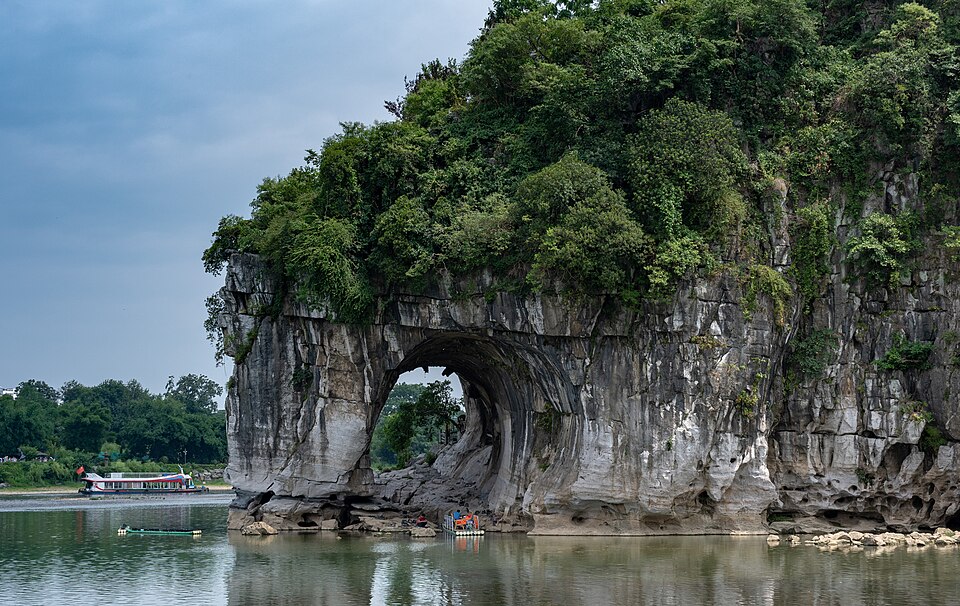
Posted on — Leave a comment

Hangzhou 3-Day Itinerary: Complete Guide with Prices & Booking

Three days is enough to see Hangzhou properly if you accept one thing: the city rewards slow mornings and short hops, not long transfers. This guide sets out a workable three-day structure built around West Lake, the tea hills, Lingyin Temple and the wetlands, with notes on pacing, transport and how to check details that change. It is written for independent travellers who may book some elements locally and arrange others in advance. Where a price, timetable or opening time matters, verify it on the operator’s own page rather than trusting any third-party summary, including this one.

Hangzhou 3-Day Itinerary at a Glance

The plan below keeps one anchor sight per half-day. That is the single most useful rule for Hangzhou, because the lake area alone can absorb a full day without any effort.

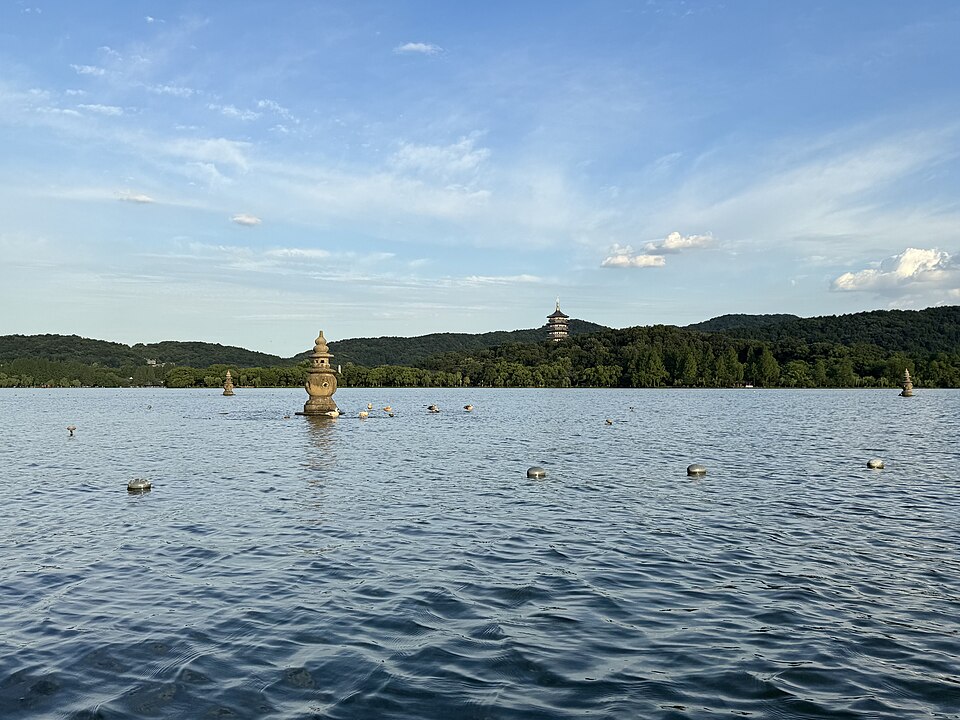
Day 1 — West Lake and the old streets. Start with a boat crossing or short cruise on West Lake, then walk or ride the Su Causeway. In the afternoon, visit Leifeng Pagoda for the elevated view back across the water, then finish on Hefang Street for silk, fans and traditional medicine shops. Hefang Street is tourist-facing and busy; treat it as an introduction rather than the whole of Hangzhou’s shopping.

Day 2 — Longjing tea village and Qiandao Lake. Morning in the Longjing tea terraces, where you can see the fields, watch wok-roasting and taste the tea. Be aware that Qiandao Lake is a substantial transfer from central Hangzhou, so pairing it with a tea-village morning only works if you have a car and driver and start early. If you would rather not rush, move Qiandao Lake to a separate day and give the tea hills a full morning plus lunch.

Day 3 — Lingyin Temple and Xixi Wetland. Lingyin is an active Buddhist temple with cliff carvings, so go early and dress respectfully. Xixi Wetland in the afternoon is a slower, quieter contrast: reed marshes navigated by traditional boat. Confirm boat operating times and last departures on site, as these shift with season and weather.

Pacing and Transport

Hangzhou’s sights are spread out, and traffic around the lake is heavy at weekends and during holidays. Two practical approaches work well. First, use the metro for the lake’s edge and central districts, then walk or take a short taxi for the last stretch. Second, if your budget allows, hire a car and driver for the tea hills and Qiandao Lake days, where public transport involves multiple changes and long waits.

If you are new to Chinese cities, read up on payment apps and metro etiquette before you arrive. Our China cashless travel guide explains how WeChat Pay and Alipay are typically set up, and the China metro guide covers ticketing and how to ride. For arrivals, China airport transfers sets out taxi, metro and eSIM options. Check current app availability and any restrictions yourself before relying on a specific payment method.

When to Go

Spring (March to May) and autumn (September to November) generally give the best balance of weather and crowds. Summer is hot and humid, and winter is cool and grey but quieter. Avoid the major national holiday periods, when domestic travel surges and hotel rates rise sharply. Golden Week in early October and the Labour Day holiday in early May are the two to plan around; check the exact dates for your travel year, as they are announced annually. Our China in October guide covers what that month looks like in practice.

Where to Stay and What to Eat

Staying within walking distance of West Lake saves a lot of time, though it costs more. The area around Hefang Street and the eastern lakeside is convenient for evenings. For food, Hangzhou cooking is mild and freshwater-led; the street-food scene is worth a half-day of wandering on its own. Our Hangzhou street food guide lists specific dishes and where to find them.

If you have more time, a five-day version of this trip adds Wuzhen or the Grand Canal districts comfortably. See 5 days in Hangzhou for that extension.

Booking and Practical Checks

Book train tickets to and from Hangzhou as early as your booking window allows; popular services fill up around holidays. Foreign passports can be used for ticket purchase, but the process has quirks worth understanding in advance, covered in how to buy China train tickets with a foreign passport. For entry rules, including visa-free transit eligibility, check the official immigration source for your nationality and confirm the current conditions rather than relying on any summary, including ours.

For hotels, temple tickets and lake boats, book through the operator or an established platform, and read the cancellation terms. Prices and timetables change seasonally; check the operator’s own page for the current figure.

Frequently asked questions

Is three days enough for Hangzhou?

Yes, for the core sights: West Lake, Lingyin Temple, the tea hills and one wetland or water town. It is not enough to add Qiandao Lake comfortably without cutting something else, because the transfer eats most of a day.

Do I need a private car in Hangzhou?

No. The metro and taxis cover the lake and central districts well. A car and driver becomes worthwhile for the tea hills and Qiandao Lake, where public transport requires changes and long waits.

How do I check opening hours and ticket prices?

Use the official website or the site’s own booking channel for each attraction, and look for the seasonal timetable section, which often differs from the headline hours. Avoid relying on aggregated listings, which go stale.

Can I pay by card or cash in Hangzhou?

Mobile payment is dominant. Many places accept cash by law, but in practice small vendors may struggle to give change. Set up a payment app before you travel and keep a small cash backup. Verify current app availability for foreign cards yourself.

What should I avoid?

Do not schedule Qiandao Lake and a full West Lake day back to back. Do not visit Lingyin in the middle of the day during peak season. And do not travel during Golden Week unless you have booked everything well in advance.

Treat this itinerary as a frame rather than a fixed script. Pick the two or three things you most want from Hangzhou, build the days around those, and leave room for the lake itself, which is where most visitors end up spending more time than they planned.
Posted on — Leave a comment

Hangzhou 2-Day Itinerary: Complete Guide with Prices & Booking

Planning hangzhou in 2 days? This itinerary covers the essentials with realistic pacing, private-car logistics and booking links. Hangzhou trips are our specialty – every tour below is bookable instantly.

Hangzhou 2-Day Itinerary at a Glance

Day 1

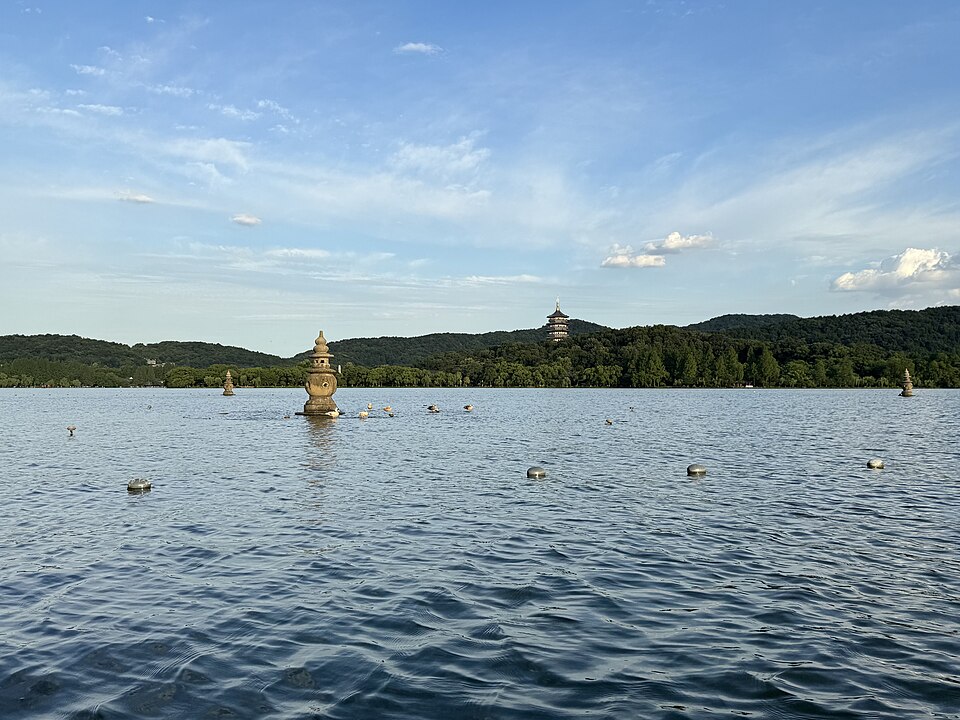
  • West Lake boat cruise – Leifeng Pagoda, Su Causeway
  • Lingyin Temple – 1,700-year Buddhist temple, cliff carvings
  • Qiandao Lake – 1,078 islands day cruise

Day 2

  • Longjing tea village – Terraced fields, wok-roasting, tasting
  • Hefang Street – Silk, fans, medicine shops
  • Xixi Wetland boats – Reed marshes by traditional boat

Pacing & Transport Tips

One anchor sight per half-day is the sweet spot. Our private cars eliminate navigation and parking stress, and drivers time arrivals to beat tour-bus crowds (early entry at panda bases, Terracotta Warriors at 8:30 AM opening). Multi-day tours bundle hotels + guides + tickets at better rates.

When to Go

Shoulder seasons (Mar-May, Sep-Nov) offer the best weather-crowd balance. Avoid Chinese national holidays (Golden Week Oct 1-7, Labor Day May 1-5) when domestic travel surges.

Book This Trip

Ready-to-book options below, or customize this itinerary with our AI planner – free and instant. Personal assistance: WhatsApp +86 180 3801 6100.

Posted on — Leave a comment

Zhangjiajie 5-Day Itinerary: Complete Guide with Prices & Booking

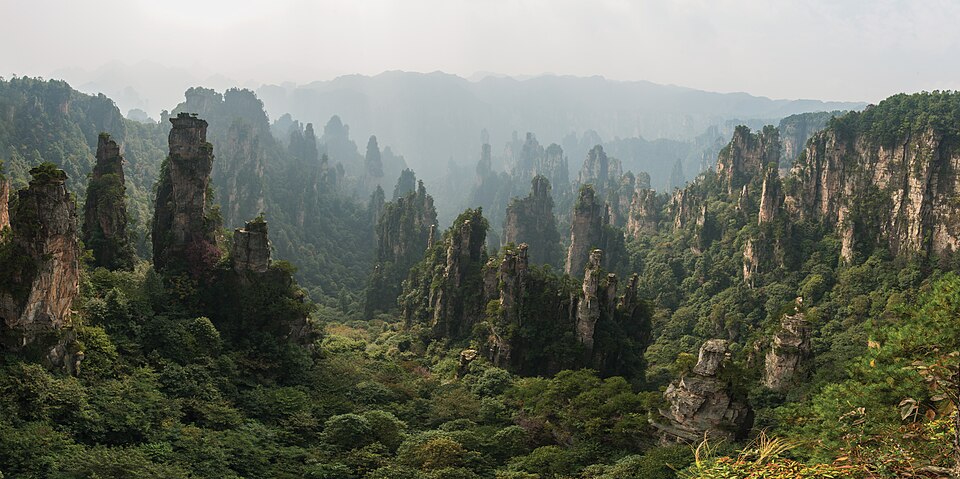
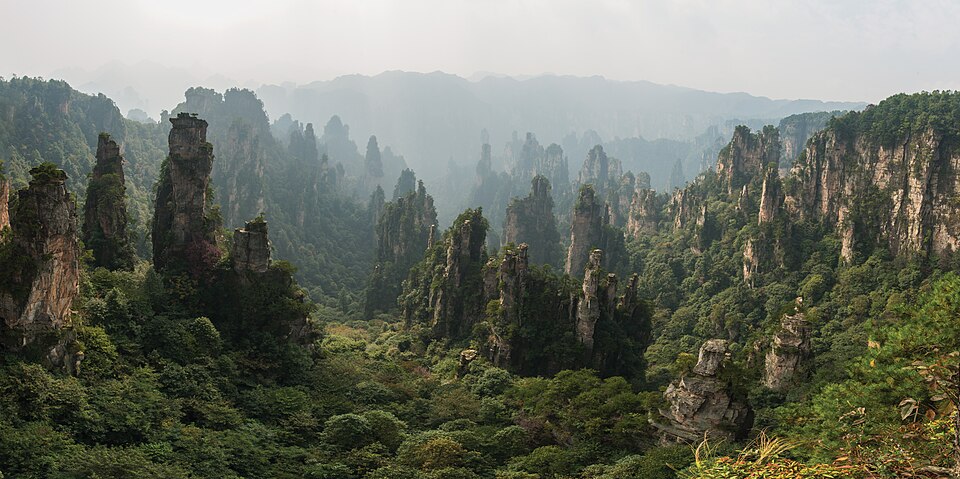
Zhangjiajie rewards planning more than most Chinese destinations. The scenery is spread across several separate ticket areas rather than one park gate, distances between them are longer than they look on a map, and weather can erase a view you travelled a long way to see. This five-day itinerary covers the essentials at a realistic pace: the Avatar-style pillars of Yuanjiajie, the peak-forest panoramas of Tianzi Mountain, the Golden Whip Stream walk, Tianmen Mountain, and the Grand Canyon glass bridge. It assumes you are basing yourself in Zhangjiajie and moving between areas by road, either with a private car and driver or by public shuttle and cable car.

Day 1: Yuanjiajie and Baofeng Lake

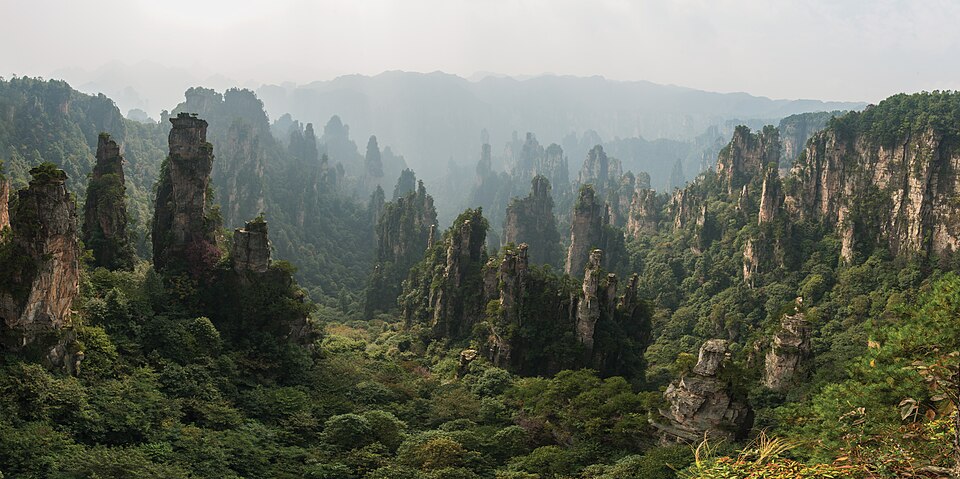
Start with Yuanjiajie, the area most people associate with the film Avatar. The Hallelujah-style pillars, the natural bridge and the glass skywalk are all here, and it is the busiest part of the core scenic area, so arriving early matters more than on any other day. Expect a combination of shuttle bus, lift or cable car, and walking. Which lifts and cable cars are running, and their hours, changes with season and maintenance schedules, so check the official Wulingyuan or Zhangjiajie scenic area channels before you travel and look specifically for lift operating hours and any closure notices.

In the afternoon, Baofeng Lake offers a quieter counterpoint: a short boat trip through a karst gorge, often with folk songs performed on board. It is a good low-effort half-day after a morning of stairs and crowds.

Day 2: Tianzi Mountain

Tianzi Mountain is where the classic sea-of-peaks photographs come from. The viewpoints sit at the top of the ridge, reached by cable car or by road, and the walking between them is gentler than in Yuanjiajie. Give this a full day if the forecast is clear, because this is the area most dependent on visibility. If cloud is forecast, consider swapping Day 2 and Day 3 so you spend the clear day above the clouds and the grey day in the valley.

Day 3: Golden Whip Stream

The Golden Whip Stream is a shaded canyon walk of roughly 7.5 km, mostly flat, following a stream between towering rock walls. It is the best low-intensity day in the park and a sensible recovery day after two days of stairs. The full walk takes several hours at an easy pace; you can also walk part of it and turn back. Wear shoes with grip, as the path is damp in places, and carry water, since options inside the valley are limited.

Day 4: Tianmen Mountain

Tianmen Mountain is a separate ticket area closer to Zhangjiajie city, not part of the Wulingyuan core. The long cable car up, the 999 steps to the Heaven’s Gate arch, and the cliff-edge skywalks are the main draws. This is a full day, and the cable car and shuttle arrangements are the part most likely to catch people out: queues build, and the route up and down may be run in different combinations depending on the day. Check the official Tianmen Mountain site for current ticket types, cable car hours and whether the steps or any walkway section is closed. If you have mobility concerns, ask specifically about lift access and how much walking is unavoidable.

Day 5: Grand Canyon glass bridge

The Zhangjiajie Grand Canyon glass bridge is a separate attraction from the national forest park and needs its own ticket. It is usually combined with a walk through the canyon below. Timed entry is common at busy periods, so book ahead and confirm your slot. If you are nervous about heights, note that the bridge and the canyon walk are separate experiences and you can do one without the other.

Pacing, transport and when to go

One anchor sight per half-day is the sweet spot. Trying to combine Yuanjiajie and Tianzi Mountain in one day is the most common mistake visitors make here. A private car with a driver removes the navigation and parking problems, and a driver who knows the area can time arrivals to beat the largest tour groups. For general logistics, our China train travel guide covers how to reach Zhangjiajie by rail, and the first-time in China checklist covers payments, SIM cards and the practicalities that trip up new arrivals.

Shoulder seasons, roughly March to May and September to November, generally offer the best balance of weather and crowds. Avoid Chinese national holidays, including the October Golden Week and the early-May Labour Day period, when domestic travel surges and both transport and hotels tighten up. Our China in October guide explains how the holiday dates shift demand. Mountain weather changes fast at any time of year, so build in a spare day if the views are the point of your trip.

Frequently asked questions

How many days do you need in Zhangjiajie?

Five days lets you cover Yuanjiajie, Tianzi Mountain, Golden Whip Stream, Tianmen Mountain and the Grand Canyon without rushing. Four days is workable if you drop one area. Three days means choosing between the national forest park and Tianmen Mountain.

Are the tickets separate for each area?

Yes. The national forest park (Wulingyuan), Tianmen Mountain and the Grand Canyon are separate ticketed attractions. Prices, multi-day park passes and entry rules change, so check each attraction’s official page for current pricing and validity rather than relying on older blog posts.

Do I need a private car?

Not strictly, but it removes a lot of friction. Public shuttles and cable cars connect the main areas, yet transfers between the park, Tianmen Mountain and the Grand Canyon are long and not always well signposted for non-Chinese speakers. A driver also helps you start earlier than the coach groups.

What should I pack for the mountains?

Layers, a waterproof shell, grippy shoes and a power bank. Temperatures at the top are noticeably cooler than in the town, and paths in the stream canyon stay damp. Check the forecast daily, since a clear morning can turn into cloud by noon.

Is the glass bridge suitable for children or nervous visitors?

It is a walk across a glass-floored bridge, and the canyon walk beneath is optional. Age and health restrictions, if any, are set by the operator, so confirm current rules on the official Grand Canyon page before booking.

Treat the day order above as a framework rather than a fixed schedule, and be ready to swap days for weather. Verify every ticket, opening time and transport detail on the relevant official page close to your travel date, and the trip will run far more smoothly than one built on stale information.

Posted on — Leave a comment

Zhangjiajie 4-Day Itinerary: Complete Guide with Prices & Booking

Planning zhangjiajie in 4 days? This itinerary covers the essentials with realistic pacing, private-car logistics and booking links. Zhangjiajie trips are our specialty – every tour below is bookable instantly.

Zhangjiajie 4-Day Itinerary at a Glance

Day 1

  • Yuanjiajie (Avatar mountains) – Hallelujah pillars, glass skywalk
  • Grand Canyon glass bridge – World’s longest glass-bottom bridge

Day 2

  • Tianzi Mountain – Peak-forest panoramas
  • Baofeng Lake – Quiet karst lake, folk songs

Day 3

  • Golden Whip Stream hike – 7.5km shaded canyon

Day 4

  • Tianmen Mountain – 999 steps, cliff skywalk, 7.5km cable car

Pacing & Transport Tips

One anchor sight per half-day is the sweet spot. Our private cars eliminate navigation and parking stress, and drivers time arrivals to beat tour-bus crowds (early entry at panda bases, Terracotta Warriors at 8:30 AM opening). Multi-day tours bundle hotels + guides + tickets at better rates.

When to Go

Shoulder seasons (Mar-May, Sep-Nov) offer the best weather-crowd balance. Avoid Chinese national holidays (Golden Week Oct 1-7, Labor Day May 1-5) when domestic travel surges.

Book This Trip

Ready-to-book options below, or customize this itinerary with our AI planner – free and instant. Personal assistance: WhatsApp +86 180 3801 6100.

Posted on — Leave a comment

Zhangjiajie 3-Day Itinerary: Complete Guide with Prices & Booking

Planning zhangjiajie in 3 days? This itinerary covers the essentials with realistic pacing, private-car logistics and booking links. Zhangjiajie trips are our specialty – every tour below is bookable instantly.

Zhangjiajie 3-Day Itinerary at a Glance

Day 1

  • Yuanjiajie (Avatar mountains) – Hallelujah pillars, glass skywalk
  • Tianmen Mountain – 999 steps, cliff skywalk, 7.5km cable car

Day 2

  • Tianzi Mountain – Peak-forest panoramas
  • Grand Canyon glass bridge – World’s longest glass-bottom bridge

Day 3

  • Golden Whip Stream hike – 7.5km shaded canyon
  • Baofeng Lake – Quiet karst lake, folk songs

Pacing & Transport Tips

One anchor sight per half-day is the sweet spot. Our private cars eliminate navigation and parking stress, and drivers time arrivals to beat tour-bus crowds (early entry at panda bases, Terracotta Warriors at 8:30 AM opening). Multi-day tours bundle hotels + guides + tickets at better rates.

When to Go

Shoulder seasons (Mar-May, Sep-Nov) offer the best weather-crowd balance. Avoid Chinese national holidays (Golden Week Oct 1-7, Labor Day May 1-5) when domestic travel surges.

Book This Trip

Ready-to-book options below, or customize this itinerary with our AI planner – free and instant. Personal assistance: WhatsApp +86 180 3801 6100.

Posted on — Leave a comment

Guilin & Yangshuo 5-Day Itinerary: Complete Guide with Prices & Booking

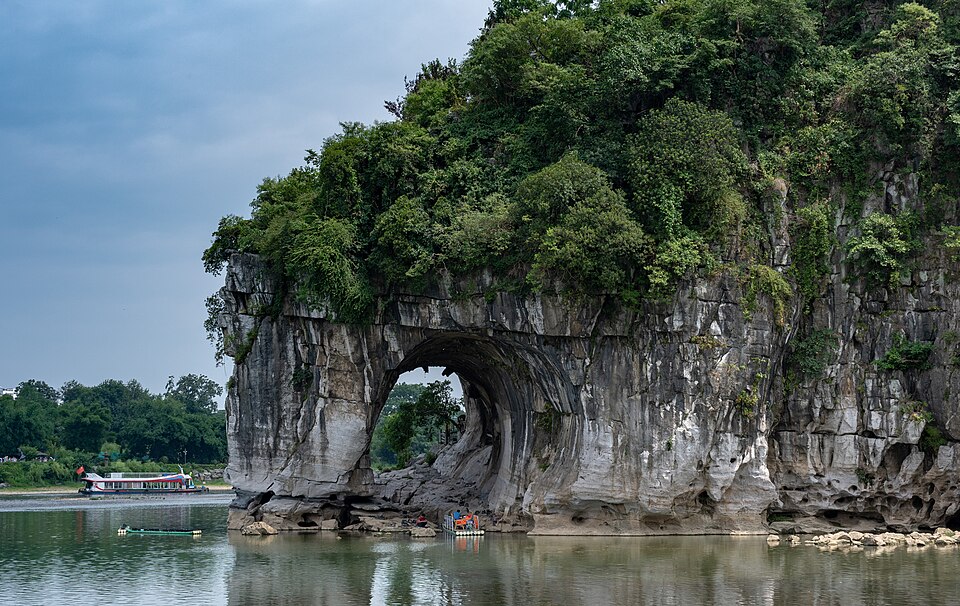
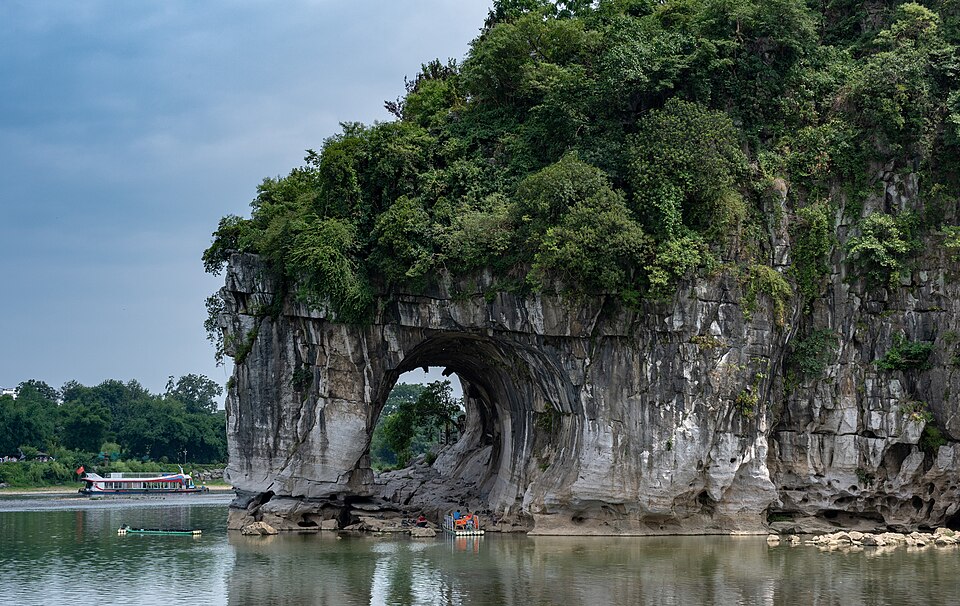
Five days is enough to see the best of Guilin and Yangshuo without spending half of it in transit. The trick is pacing: one anchor sight per half-day, with travel time and weather built in rather than squeezed out. This guide sets out a workable five-day structure, explains how the pieces fit together, and flags the details you should verify on official pages before you commit. It is written for independent travellers who may book some elements themselves and use a private car or local guide for the awkward legs.

Guilin and Yangshuo 5-Day Itinerary at a Glance

Day 1: Li River cruise from Guilin to Yangshuo, roughly half a day on the water, then an evening performance in Yangshuo if the schedule suits. Day 2: Xingping and the karst bend featured on the 20-yuan banknote, with a bamboo raft section on the Yulong River or nearby. Day 3: Yangshuo countryside by bicycle or e-bike — rice paddies, Moon Hill, small villages. Day 4: Longji Rice Terraces and a Zhuang or Yao village lunch, which is a long day from Yangshuo or Guilin. Day 5: Reed Flute Cave and Guilin city sights before departure.

Two practical notes. First, the Li River cruise boarding points and departure times change with water levels and season, so confirm the current schedule with your operator rather than assuming a fixed slot. Second, Longji is not a half-day add-on; the drive alone eats a large part of the day. Our Li River Cruise: A Complete Guide covers the cruise in detail, and the 3-day Guilin to Yangshuo itinerary is useful if you need to compress this plan.

Pacing and Transport: What Actually Works

The most common mistake is treating Guilin, Yangshuo and Longji as one compact area. They are not. Guilin to Yangshuo is a straightforward transfer, but Longji sits in the hills to the north and requires a dedicated run. Build the day around one anchor sight in the morning and one lighter activity in the afternoon, and keep one evening free for the Impression Liu Sanjie performance, which is staged on the river and depends on weather.

Transport options fall into three groups. High-speed rail and buses connect the main towns; see the China High-Speed Rail Guide 2026 and China Bus Travel Guide 2026 for how ticketing works with a foreign passport. Local buses and shuttles serve the terraces and countryside. A private car with driver removes the parking and navigation problems, particularly around Longji and the Yangshuo back roads, and lets a driver time arrivals ahead of coach groups. If you are arriving by air, China Airport Transfers explains the taxi, metro and eSIM basics.

When to Go

Shoulder seasons — roughly March to May and September to November — tend to offer the best balance of weather and crowd levels. Summer brings heat and heavy rain that can affect river levels and cruise operations. Winter is quieter and cooler, with mist that some travellers find atmospheric and others find limiting.

Avoid Chinese national holidays, when domestic travel surges and hotel and transport availability tighten. Golden Week in early October and the Labour Day period in early May are the two to plan around. Check the exact dates each year on an official calendar before booking, because the holiday windows shift. For month-by-month context, see China in October and the festival and weather calendar.

Practical Preparation

Before you fly, sort the basics that cause the most friction on arrival: mobile data, payment apps and entry documents. For data, compare plans rather than assuming any single app works everywhere — the China eSIM comparison sets out what to check. For payments, WeChat Pay and Alipay are widely used but foreign-card support varies by account and region, so test your setup before departure; the cashless travel guide explains the verification steps.

On entry rules, do not rely on second-hand summaries. Visa-free transit eligibility depends on your nationality, your ports of entry and exit, and your onward ticket. Read the official immigration or embassy page for your case and confirm the current conditions. The 240-hour transit checklist is a useful starting point for what to verify.

Booking and Costs

Ticket prices, hotel rates and tour costs change with season and demand, so treat any figure you see online as indicative only. When comparing operators, check what is included — entrance tickets, shuttle buses inside scenic areas, meals, guide language and cancellation terms — because these are where cheap quotes tend to differ. For the terraces, confirm whether the quote covers the internal shuttle and any cable car, which are often charged separately. For the cruise, confirm the boarding pier and whether hotel transfers are included.

If you want a starting point for budgeting, the China travel cost planner gives sample budgets by trip length. Multi-day packages can bundle hotels, guides and tickets, which sometimes works out cheaper than booking each piece, but only if the inclusions match what you actually want to do.

Frequently asked questions

Is five days enough for Guilin and Yangshuo?

Yes, for the core sights: the Li River, Yangshuo countryside, Xingping and one day at Longji. It is tight if you also want Guilin’s caves and city parks without rushing. If you have less time, cut Longji rather than cutting the river.

Should I stay in Guilin or Yangshuo?

Yangshuo suits most travellers because the countryside and river activities are on the doorstep. Staying in Guilin for the first night makes sense if you arrive late or have an early cruise departure. Splitting the stay is common and works well.

Can I do Longji Rice Terraces as a day trip?

Yes, but expect a long day with significant driving. Check whether your operator includes the internal shuttle, as the terraces are large and walking between viewpoints takes time. Overnighting in a village guesthouse is an alternative if you want a slower pace.

Do I need to book the Li River cruise in advance?

In peak periods, yes. Confirm the current departure times, boarding pier and ticket collection process directly with the operator or an official booking channel, as these details change with season and water conditions.

How do I pay for things in Guilin and Yangshuo?

Mobile payment is standard, but foreign-card linking can fail. Set up and test your payment app before you travel, and carry a small amount of cash as a backup. Verify current app requirements on the provider’s own help pages.

Treat this five-day plan as a framework rather than a fixed script. Confirm timings, prices and entry requirements on the relevant official pages close to your travel dates, leave slack for weather, and the route rewards you with the scenery that made it famous.

Posted on — Leave a comment

Guilin & Yangshuo 4-Day Itinerary: Complete Guide with Prices & Booking

Planning guilin & yangshuo in 4 days? This itinerary covers the essentials with realistic pacing, private-car logistics and booking links. Guilin & Yangshuo trips are our specialty – every tour below is bookable instantly.

Guilin & Yangshuo 4-Day Itinerary at a Glance

Day 1

  • Li River cruise – 4.5h karst panorama to Yangshuo
  • Reed Flute Cave – Illuminated limestone caverns

Day 2

  • Xingping bamboo raft – The 20-yuan banknote view
  • Impression Liu Sanjie show – 600 performers on the river

Day 3

  • Yangshuo countryside cycling – Rice paddies, Moon Hill

Day 4

  • Longji Rice Terraces – Zigzag terraces, Zhuang village lunch

Pacing & Transport Tips

One anchor sight per half-day is the sweet spot. Our private cars eliminate navigation and parking stress, and drivers time arrivals to beat tour-bus crowds (early entry at panda bases, Terracotta Warriors at 8:30 AM opening). Multi-day tours bundle hotels + guides + tickets at better rates.

When to Go

Shoulder seasons (Mar-May, Sep-Nov) offer the best weather-crowd balance. Avoid Chinese national holidays (Golden Week Oct 1-7, Labor Day May 1-5) when domestic travel surges.

Book This Trip

Ready-to-book options below, or customize this itinerary with our AI planner – free and instant. Personal assistance: WhatsApp +86 180 3801 6100.

Posted on — Leave a comment

Guilin & Yangshuo 3-Day Itinerary: Complete Guide with Prices & Booking

Planning guilin & yangshuo in 3 days? This itinerary covers the essentials with realistic pacing, private-car logistics and booking links. Guilin & Yangshuo trips are our specialty – every tour below is bookable instantly.

Guilin & Yangshuo 3-Day Itinerary at a Glance

Day 1

  • Li River cruise – 4.5h karst panorama to Yangshuo
  • Longji Rice Terraces – Zigzag terraces, Zhuang village lunch

Day 2

  • Xingping bamboo raft – The 20-yuan banknote view
  • Reed Flute Cave – Illuminated limestone caverns

Day 3

  • Yangshuo countryside cycling – Rice paddies, Moon Hill
  • Impression Liu Sanjie show – 600 performers on the river

Pacing & Transport Tips

One anchor sight per half-day is the sweet spot. Our private cars eliminate navigation and parking stress, and drivers time arrivals to beat tour-bus crowds (early entry at panda bases, Terracotta Warriors at 8:30 AM opening). Multi-day tours bundle hotels + guides + tickets at better rates.

When to Go

Shoulder seasons (Mar-May, Sep-Nov) offer the best weather-crowd balance. Avoid Chinese national holidays (Golden Week Oct 1-7, Labor Day May 1-5) when domestic travel surges.

Book This Trip

Ready-to-book options below, or customize this itinerary with our AI planner – free and instant. Personal assistance: WhatsApp +86 180 3801 6100.

Posted on — Leave a comment

Chengdu 5-Day Itinerary: Complete Guide with Prices & Booking

Chengdu rewards a slower pace than most first-time visitors expect. Five days is enough to see the pandas, the Leshan Giant Buddha, the Qingcheng mountain temples and the old tea-house streets without spending half your trip in traffic. This guide sets out a realistic day-by-day structure, explains the logistics that actually cause problems, and points you to sources for the details that change — ticket rules, opening times and transport apps — rather than guessing at them.

Day 1: Panda Base and Leshan Giant Buddha

The Giant Panda Base is busiest in the first hour after opening, when the animals are most active and the tour groups have not yet arrived. Check the base’s official ticketing channel for current opening times and whether advance booking is required — this changes seasonally, and the base has moved to timed entry at points in the past. Our realistic day at the Chengdu Panda Base covers which enclosures to prioritise and how the shuttle system works inside the site.

Leshan is roughly two hours from central Chengdu by road. The Giant Buddha is a 71-metre riverside carving, and there are two ways to see it: the walking staircase down beside the statue, or a boat from the river that gives you the full frontal view without the queue. The walking route regularly involves a long wait; the boat does not. Verify current boat schedules and ticket arrangements on the official Leshan scenic area page before you commit. Combining both sites in one day is possible but tight — if you would rather not rush, move Leshan to Day 2 and keep Day 1 for the pandas and central Chengdu.

Day 2: Jinli Street, Kuanzhai Alleys and the old city

Jinli and the Kuanzhai Alleys are restored commercial streets rather than ancient originals, but they are pleasant in the late afternoon and after dark, when the lanterns come on and the snack stalls are working. Kuanzhai is the quieter of the two, with teahouses and courtyard bars; Jinli is denser and more crowded. Both are free to walk. For background on the city as a whole, including metro lines and neighbourhood orientation, see the Chengdu city guide.

Worth adding if you have energy left: the Wenshu Monastery area for vegetarian food and a working temple, or the Sichuan Museum if the weather turns. Chengdu’s metro is straightforward and cheap; you will need a payment method that works on the gates, which the cashless travel guide explains.

Day 3: Dujiangyan and Mount Qingcheng

These two sit in the same direction from Chengdu and pair naturally. Dujiangyan is an irrigation system built in the third century BC that still functions; you walk the site rather than view it from a distance. Mount Qingcheng is one of the birthplaces of Taoism, with temples along a forested climb and a cable car for those who want to skip the steepest section.

Doing both properly takes a full day and involves a fair amount of walking. Check the official scenic area pages for current cable car operation, last entry times and whether the front or back mountain suits your fitness level — they are separate sites with separate tickets. A private car saves considerable time here, because public transport between the two sites is slow and involves changes.

Day 4: People’s Park, teahouses and pace

The Heming Teahouse in People’s Park is the classic Chengdu experience: bamboo chairs, covered cups of jasmine tea, and ear-cleaning practitioners working the crowd with tuning forks. Prices are modest and posted; pay attention to what you are quoted before agreeing to anything. This is deliberately a light day. Five days of temples and mountains is exhausting, and Chengdu’s appeal is partly in sitting still.

Use the afternoon for the Wide and Narrow Alleys if you skipped them, or for a Sichuan opera rehearsal venue rather than a full evening show. If you are considering extending the trip, the Chengdu to Lijiang and Kunming route shows how the region connects onward.

Day 5: Hotpot and face-changing opera

Sichuan hotpot is a shared pot of chilli and Sichuan pepper oil. If that sounds like too much, ask for the split pot (yuanyang) with a mild broth on one side, or try chuanchuan, which is skewered and easier to control. Vegetarian options exist but are limited at traditional hotpot restaurants; the city has plenty of other Sichuan restaurants that handle dietary requests more easily.

Face-changing (bianlian) performances run at several venues across the city, from tourist-oriented variety shows to more traditional opera houses. Ticket prices, showtimes and whether booking ahead is necessary vary by venue — check each venue’s own listing rather than relying on a reseller’s description.

Pacing, transport and when to go

One anchor sight per half-day is the right rhythm. Chengdu’s traffic is genuinely slow at peak times, and a private car with a driver removes the parking and navigation problems that eat into a short trip. If you are arranging your own transport, the metro guide covers how to ride, and the train ticket guide explains buying rail tickets with a foreign passport if you plan to add another city.

March to May and September to November give the best balance of weather and crowds. Avoid the October Golden Week and the early-May Labour Day holiday, when domestic travel surges and hotel prices rise sharply. Before booking flights, confirm your entry status: visa rules and visa-free transit eligibility change, so check the current requirements on the official Chinese embassy or immigration page for your nationality rather than a summary. Our visa rules overview explains what to look for.

Finally, budget figures for hotels, tickets and private cars move constantly. Treat any number you see online, including ours, as indicative only, and confirm prices on the operator’s own booking page before you pay.

Frequently asked questions

Is five days enough for Chengdu and Leshan?

Yes, with realistic pacing. Five days covers the pandas, central Chengdu, Leshan, Dujiangyan and Qingcheng comfortably. Adding Jiuzhaigou or Emei Shan would require more time.

Do I need to book the Panda Base in advance?

Advance booking has been required at various points and the rules change. Check the base’s official ticketing channel shortly before your visit and look specifically for whether timed entry or advance reservation is currently in force.

Can I visit Dujiangyan and Mount Qingcheng in one day?

Yes, but it is a full day with substantial walking. Confirm current cable car operation and last entry times on the official scenic area pages, and decide in advance whether you want the front or back mountain at Qingcheng.

How do I pay for things in Chengdu?

Mobile payment dominates. Set up a payment app before you travel and test it with a small transaction; see our cashless travel guide for the setup steps and the backup options worth carrying.

When should I avoid visiting Chengdu?

The October Golden Week and the early-May Labour Day holiday are the busiest and most expensive periods. Late January around Lunar New Year is similar. Shoulder months are calmer.

Use this itinerary as a structure rather than a fixed schedule, verify the operational details on official pages before each day, and leave room for the parts of Chengdu that do not appear on any list — a long afternoon in a teahouse is not wasted time here.

Posted on — Leave a comment

Chengdu 3-Day Itinerary: Complete Guide with Prices & Booking

Planning chengdu in 3 days? This itinerary covers the essentials with realistic pacing, private-car logistics and booking links. Chengdu trips are our specialty – every tour below is bookable instantly.

Chengdu 3-Day Itinerary at a Glance

Day 1

  • Panda Base early entry – Feeding hour 8-9:30 AM, most active pandas
  • People’s Park tea house – Bamboo chairs, ear-cleaning masters

Day 2

  • Jinli Street & Kuanzhai alleys – Lantern-lit snack streets
  • Sichuan hotpot + face-changing show – Mild options, bianlian opera

Day 3

  • Dujiangyan & Mount Qingcheng – Ancient irrigation + Taoist temples
  • Leshan Giant Buddha – 71m riverside carving, boat viewpoint

Pacing & Transport Tips

One anchor sight per half-day is the sweet spot. Our private cars eliminate navigation and parking stress, and drivers time arrivals to beat tour-bus crowds (early entry at panda bases, Terracotta Warriors at 8:30 AM opening). Multi-day tours bundle hotels + guides + tickets at better rates.

When to Go

Shoulder seasons (Mar-May, Sep-Nov) offer the best weather-crowd balance. Avoid Chinese national holidays (Golden Week Oct 1-7, Labor Day May 1-5) when domestic travel surges.

Book This Trip

Ready-to-book options below, or customize this itinerary with our AI planner – free and instant. Personal assistance: WhatsApp +86 180 3801 6100.