China travel planning is the process of turning a long list of sights into a realistic route, budget, and booking timeline for a trip to mainland China. For most first-time visitors, a well-planned trip follows five steps: choose a season and trip length, pick one anchor city plus two or three regions, connect them with high-speed rail, arrange a mobile data plan and airport transfers before you fly, and reserve peak-season tickets (Forbidden City, Terracotta Warriors, Zhangjiajie) 1–7 days ahead through official channels. A 10-day first trip usually covers Beijing, Xi’an, and Shanghai; a two-week trip adds Chengdu or Guilin. This is the exact framework we use with clients of 当社の旅行プランナー.
ステップ1 — 旅行期間と滞在日数を決める
China is huge: the same calendar week can mean plum-blossom chill in Harbin, mild spring in Hangzhou, and pre-monsoon humidity in Sanya. Start by choosing when you can realistically travel, then let that decide the route. Shoulder seasons (mid-April to early June, September to mid-November) offer the best mix of weather, low domestic-holiday crowding, and reasonable hotel rates. Two windows deserve extra caution: Chinese New Year (late January to mid-February) and National Day Golden Week (around October 1), both of which trigger the world’s largest domestic migrations. Trip length matters more than travelers expect: six days feels rushed on the classic Beijing–Xi’an–Shanghai line; ten days is comfortable; two weeks unlocks a second region. Browse 各都市別のガイドを ご覧になり、1日単位のサンプル行程をご確認ください。
ステップ2 — ビザ・入国・トランジット規則を早めに確認する
Before you book flights, confirm what applies to your passport. As of this writing, mainland China offers visa-free short stays for citizens of dozens of countries, plus a transit-without-visa policy covering many major gateway cities. Eligible nationalities, permitted regions, and stay length change; verify current requirements with the 国家移民管理局 または最寄りの中国大使館で最新の要件をご確認ください。当社の詳細解説記事 中国のビザルール では、一般的な観光(L)ビザおよび大多数の旅行者が実際に提出する書類について解説しています。国際線の乗り継ぎの場合、自宅を出発する前に ビザ不要トランジットのルール before leaving home—airlines may deny boarding if your documents do not match their reading of the policy.
ステップ3 — アンカーシティを1つ決め、そこから周辺を展開する
Do not spread a short trip across five cities. Pick one anchor—Beijing in the north, Shanghai in the east, Chengdu in the west, Guangzhou or Shenzhen in the south—and treat other stops as branches. Anchors share four advantages: more direct international flights, denser metro and rail networks, English-friendly hotels, and enough museums, food halls, and parks to justify two full days even if onward plans shift. Add branches that pair well geographically: Beijing with Datong, Pingyao, or Harbin; Shanghai with Suzhou, Hangzhou, or Huangshan; Xi’an with Chengdu, Guilin, or Zhangjiajie. Linking Beijing, Shanghai, Guilin, Chengdu, and Xi’an in eight days wastes half the trip in transit.
ステップ4 — 各区間の交通手段を比較する
China’s high-speed rail handles most 300–900 km hops faster than flying once you include airport security and check-in. Long legs (Beijing to Guilin, Shanghai to Chengdu) still favor planes. Metro plus DiDi covers the last mile in every major city. Private drivers fill the gap where rail does not reach—remote villages around Huangshan, the Dali–Lijiang loop, or wine regions near Beijing; see チャーター旅行オプションをご活用ください。大規模空港からの最終移動については、 中国空港間の送迎情報.
| 移動手段 |
こんな方にオススメ |
ビザ免除トランジット対象? |
外国人向けノート |
| 高速鉄道(G/D列車) |
都市間300~900km移動 |
約15日(12306の販売開始日) |
チケット受け取りにはパスポート必須。市内鉄道に関するアドバイスは 地下鉄・メトロガイド をご覧ください。 |
| 国内フライト |
1,200km超の長距離移動、または接続時間が厳しい場合 |
4~8週間前 |
保安検査で2つ目の身分証明書を求められる場合あり。空港には2時間前に到着してください。 |
| 夜行寝台列車 |
風光明媚な低速路線、または宿泊費節約のための選択肢 |
15日間 |
ソフトスリーパー(2人または4人用個室)は全路線に設定されていません。 |
| 地下鉄+DiDi |
1級・2級都市内の移動 |
なし |
DiDi has English app; some cards declined—test before you need it |
| プライベートドライバー/チャーターバン |
山岳地帯、複数地点を1日で回る行程、家族連れなど |
1~4週間前 |
通常、1日あたりの固定料金に燃料費・駐車料金が加算されます。 |
ステップ5 — 地下鉄駅周辺に宿泊施設を予約する
Hotel quality per yuan in China runs ahead of comparable Western rates, but the daily cost of a bad location compounds on every trip. Prioritise hotels within a five-minute walk of a metro station on a line that reaches your main sights, not near a nominal “city centre” that is really an old administrative district. Business-tier chains (Ji Hotel, Atour, Crystal Orange, Hyatt Place, Holiday Inn Express) deliver consistent quality and English-speaking front desks at typical three- to four-star rates; confirm current rates when you book. Independent boutique hotels can be charming but may not register foreign guests—a legal requirement you cannot work around at midnight.
ステップ6 — 出発前にデータ通信・決済・アプリを整える
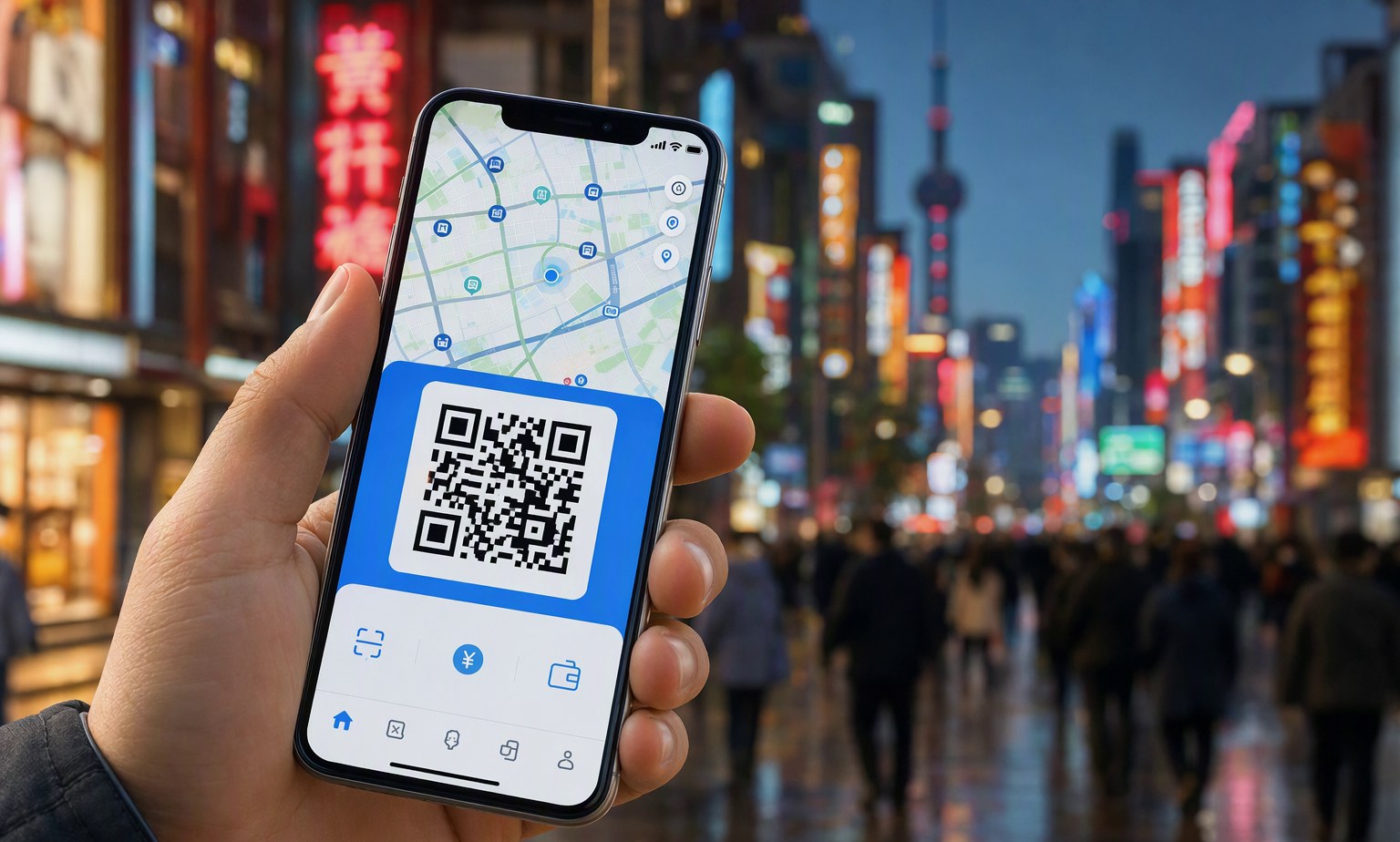
美術館の入場券よりも、中国旅行の日々を左右する3つの要素があります:モバイルデータ、決済手段、および事前インストール済みアプリです。
- データ通信 A 中国旅行用eSIM 現地キャリア経由のサービスが最も簡単です。到着前にアクティベートしましょう。空港到着ロビーで購入する物理SIMカードはパスポート提示が必要です。
- 決済 WeChat PayとAlipayが主流です。両サービスとも、ほとんどの店舗で国際クレジットカードに対応していますが、一部の店舗では未対応の場合もあります。お寺、屋台市場、地方のタクシーなどでは人民元現金を少額用意しておきましょう。
- アプリ 地図アプリにはAmapまたはBaidu Maps(中国本土ではGoogle Mapsの機能が制限されています)、列車・ホテル予約にはTrip.com、オフライン翻訳機能付き翻訳アプリ、配車サービスにはDiDiをインストールしてください。
ステップ7 — 人気スポットのチケットのみ事前予約
すべての美術館を数週間前に予約する必要はありません。本当に入手困難な、来場制限のある人気スポットのみ事前予約しましょう:北京の故宮(ピークシーズンには実名制チケットが即日完売)、ラサのポタラ宮(1日あたりの入場枠が厳格に管理)、北京・上海での日付指定公演などです。それ以外の多くの美術館では、パスポート提示で当日購入可能です。当社の 北京観光ガイド および 万里の長城ガイド 何を予約すべきか、何をその場で決めればよいかを明記しています。
ステップ8 — 自由旅行・パッケージツアー・完全オーダーメイドのいずれを選ぶか
訪問者にとって実用的なプランニングモデルは主に3つです。自由旅行は最大の柔軟性と最も低い表面コストを提供しますが、すべての予約・交通手配・言葉の壁もご自身で対応する必要があります。定型目的地型 中国ツアー handle hotels, inter-city tickets, guides, and most entrances at a transparent per-person rate—convenient for first-timers, families with kids, or older travelers. プレミアムカスタマイズ は中間的位置にあり、専属ガイドとドライバーによる、ご要望に沿ったルート設計が特徴です。最適な選択は旅行期間、同行者構成、およびご自身が負担したい運用手間の量によって異なります。
予算の目安:一般的な費用帯
Costs vary widely by city tier, season, and hotel grade. Rather than pin a single number, plan in bands: hostels and local food at the low end; four-star business hotels mixing rail with a few chartered days in the middle; five-star hotels, private drivers, and domestic flights at the top. International flights from your home country often exceed a week’s ground cost, so plan both together. See our breakdown of 中国旅行の費用 で、現実的な1日あたりの費用帯をご確認いただけます。
9日間のフレームワーク(自由にカスタマイズ可能)
For a first trip in spring or autumn, a common framework is: three days in Beijing (Forbidden City, one Great Wall section, hutong food walk), two days in Xi’an (Terracotta Warriors, city wall, Muslim Quarter), one rail day to Shanghai, two days in Shanghai (French Concession, museums, one Suzhou or Zhujiajiao side trip), one flex day. Swap Xi’an for Chengdu if pandas and Sichuan cuisine matter more than ancient capitals; swap the Suzhou day for Hangzhou if you prefer lakes and tea. Browse 桂林&陽朔 または 張家界 で1週間のプランをご覧ください。
中国旅行計画でよくある失敗例
- 都市を多すぎ、滞在日数を少なすぎ 5都市をそれぞれ3日ずつ回るのは、疲労・費用ともに過剰です。拠点を減らし、各都市での滞在日数を増やしましょう。
- 国内祝日を無視する 国慶節や旧正月と重なる旅行は、遠隔地の観光地であっても混雑を体感することになります。
- 代替データ通信プランがない A dead phone in China means no maps, no translation, no payment—download offline packs before you leave.
- 外国人登録不可のホテルを予約する 小規模ゲストハウスの中には登録できないところもあります。支払い前に必ず確認してください。
出国前チェックリスト
- パスポートの有効期限が帰国日から6か月以上残っていること
- 国籍に応じたビザまたはビザ免除ルートを、公式サイトで確認済みであること
- 拠点都市を決定済み、また祝日ピーク期間は回避または事前対策済みであること
- 人気スポットのチケット(故宮、ポタラ宮、万里の長城の1区間)を予約済みであること
- eSIM、オフライン翻訳、決済手段を出国前にテスト済みであること
- 初日の宿泊ホテルを地下鉄駅から徒歩圏内に予約し、外国人登録対応であることを確認済みであること
- 天候に左右される観光地向けの屋内代替プランを準備済みであること
FAQ
中国初訪問には何日必要ですか?
Ten days is the sweet spot for Beijing, Xi’an, and Shanghai without exhaustion. Seven days still works if you focus on two cities. Two weeks lets you add Chengdu, Guilin, or a Yellow Mountain day.
中国旅行の計画はいつから始めればよいですか?
9~12か月前から始めると、航空券の選択肢が最も広がり、ピークシーズンのホテル料金も確保できます。閑散期なら6か月前でも十分です。3か月以内だと、航空券は割高になり、中国の祝日と重なると良いホテルの選択肢も大幅に減ります。
現地エージェントなしで中国旅行を計画するのは難しいですか?
Not for a first big-city trip—trains, hotels, and payment apps support English, and most major attractions publish clear ticket rules. Adding rural regions, tight rail connections, or multi-generation family logistics is where a good planning tool or a カスタム行程サービス 費用対効果を実感できるようになります。
列車とホテルはすべて事前に予約する必要がありますか?
No. Book trains that cross peak-holiday or weekend dates and long overnight routes. Reserve hotels for your first two nights in each city so you land with a bed; leave a few nights flexible. Popular sites with real quotas—the Forbidden City and Potala Palace—do need careful planning.
中国旅行の計画は、ヨーロッパや日本とどう違うのですか?
実務面での3つの違い:①都市間の距離が非常に長い(1,000km以上が日常的)、②決済・アプリのエコシステムが欧米とは大きく異なる、③外国人パスポート所持者はホテルや列車利用時に追加の登録手続きが必要です。それ以外の点(スケジュールのペース配分や交通手段の選定など)は、他の長距離旅行と同様の原則で進められます。