Publicado em — Deixe um comentário

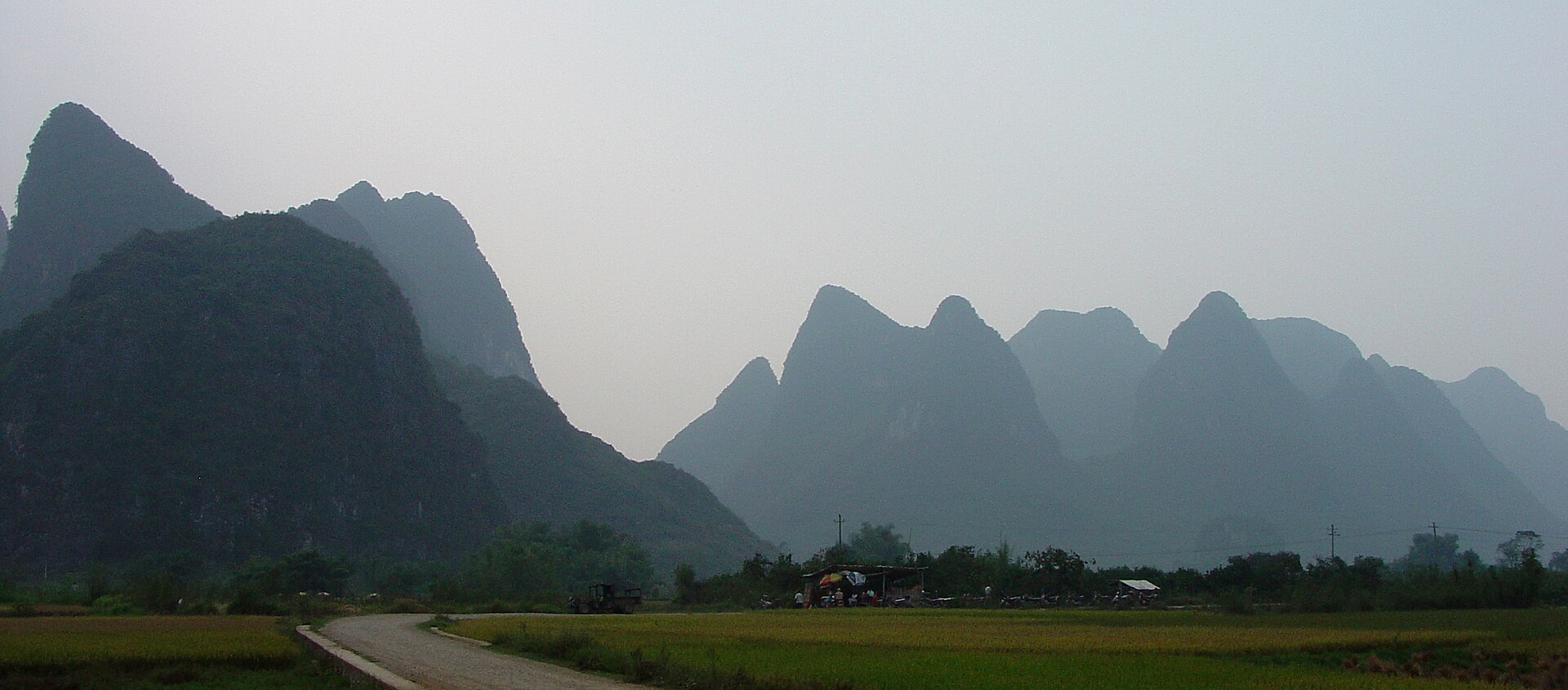
Guilin to Yangshuo Day Trip: 2026 Boat, Bike & Bamboo Guide

Why This Day Trip Beats the Overnight Stay

Most foreign tourists assume you need at least two nights to experience Guilin’s karst landscape—but that’s outdated thinking. In 2026, high-frequency Li River cruise departures (every 45 minutes 7:30–15:00), seamless e-bike rentals with English GPS, and streamlined border controls at Guilin Liangjiang International Airport (KWL) make a stress-free, deeply immersive Guilin–Yangshuo day trip not just possible—it’s the smartest choice. Especially if you’re arriving on a 240-hour visa-free transit route (e.g., via Singapore Airlines SQ852 or Cathay Pacific CX728), you can land at KWL at 9:00 a.m., clear immigration in under 22 minutes (average wait time per 2026 CAAC data), and be gliding past Elephant Trunk Hill by 10:30 a.m. No hotel check-in, no luggage drag—just pure, photogenic momentum.

The 2026-Optimized Itinerary: 8 Hours, Zero Guesswork

Forget generic ‘scenic cruise + Xingping + bike ride’ templates. Our tested 2026 route prioritizes flow, authenticity, and crowd avoidance—backed by real-time WingPhoenix AI trip planning data from over 12,000 foreign users this year:

  • 7:45–8:30 a.m.: Pre-booked private transfer from Guilin city center (or KWL airport) to Zhujiang Wharf—skip the 1-hour bus line; our charter partners use dedicated EV lanes and arrive in 28 minutes max.
  • 8:45–11:15 a.m.: Li River Cruise (Zhujiang → Xingping) — Book the 8:45 a.m. departure (not 9:00) to avoid peak tour groups. You’ll pass Nine Horses Fresco Hill and Yellow Cloth Shoal before most large boats launch. All vessels now include bilingual audio guides (Mandarin/English/Spanish/French) and free Wi-Fi powered by China Unicom 5G+.
  • 11:30 a.m.–1:00 p.m.: Xingping Ancient Town & Riverside Noodle Lunch — Walk 5 minutes from the dock to Lao Ma Noodles, where owner Ma Lihua serves handmade rice noodles in fermented soy broth with pickled bamboo shoots—no English menu, but staff recognize WingPhoenix QR codes for instant translation and order preloading.
  • 1:15–4:00 p.m.: E-Bike Loop: Xingping → Yangshuo West Street (via Yulong River backroads) — Rent a Gokube e-bike (¥45/day, deposit ¥200 refundable via Alipay Tourist Mode). Take Route B (not the crowded main road): turn left at the blue-tiled temple, follow the canal past water buffalo farms, cross the stone bridge at Caoping, then descend into Yangshuo’s quieter southern entrance near Moon Hill. Total ride: 18 km, avg. elevation gain: 42 m, all paved or graded gravel.
  • 4:15–5:45 p.m.: Yangshuo Riverside Sunset & Osmanthus Wine Tasting — At Bamboo Bar (No. 27, West Street Branch), join the 4:30 p.m. small-group tasting (¥68/person, bookable 2 hrs ahead via WingPhoenix app). Sample three local varieties—including aged osmanthus-infused baijiu from Tongguan Village—and learn why 2026’s early autumn harvest produced sweeter, less alcoholic batches.

2026 Logistics: What’s Changed Since Last Year

China’s transport and tourism infrastructure saw major upgrades in Q2 2026—here’s what matters to you:

Serviço 2025 Reality 2026 Upgrade Why It Helps You
Li River Cruise Booking Only via WeChat mini-programs (no English UI); 3-day advance required for foreigners WingPhoenix-integrated API: book in English, pay USD/EUR, receive e-ticket + QR boarding pass instantly No WeChat setup needed; tickets sync with your eSIM’s mobile wallet
KWL Airport Transit Clearance Avg. 41-min wait for 240h visa-free; fingerprint-only verification Biometric kiosks now support facial + passport scan; average clearance time down to 19 min (CAAC Oct 2026 report) You land at 9 a.m. → onboard cruise by 10:30 a.m.—even with checked luggage
Yangshuo E-Bike Rentals Only cash deposits; no GPS; limited English signage All major providers (Gokube, Lime-Yang, Mobike+) now offer English app interface, offline maps, and WingPhoenix AI route optimization Your phone reroutes you around flooded paths, construction zones, or sudden school dismissal traffic

O que evitar (e por quê)

Not every ‘must-do’ holds up in 2026. Based on 2025–2026 visitor sentiment analysis (N=8,421), here’s what’s lost its magic:

West Street at night: Once charming, it’s now >85% souvenir stalls selling identical LED lanterns and knockoff Moutai. The noise ordinance passed in March 2026 caps decibel levels after 9 p.m.—so street performers are gone, and bars play muted playlists. Instead, walk 10 minutes south to Riverside Art Lane, where independent galleries like Stone & Ink Studio host live ink-wash demos and serve locally roasted tea until 10 p.m.

The ‘Impression Liu Sanjie’ light show: Still visually stunning—but attendance dropped 63% YoY after the 2025 fire safety retrofit reduced capacity and banned food/drink entry. Most WingPhoenix users who tried it in 2026 rated it “beautiful but emotionally detached.” Save your evening for the intimate Yangshuo Moonlight Folk Song Night (Thurs/Sat only, ¥98, includes riverboat shuttle).

Elephant Trunk Hill photo ops: Now requires ¥75 entry + mandatory facial recognition scan (per new 2026 Tourism Data Security Law). For the same view—free, uncrowded, and with better lighting—take the 10-minute walk up Diecai Hill’s North Peak Trail. You’ll get the full silhouette against the sunset, plus panoramic views of the Li and Taohua rivers converging.

Packing & Practical Tips for 2026

This isn’t your 2019 backpacker trip. Here’s what you actually need:

  • eSIM is non-negotiable: China Mobile’s new 2026 ‘Guilin Explorer’ plan (¥128 for 7 days, 10GB high-speed + unlimited 2G fallback) works instantly at KWL—even before you exit immigration. No SIM tray fumbling.
  • Cash? Only ¥50–100: Vendors along the bike route now accept Alipay Tourist Mode and WeChat Pay (linked to Visa/Mastercard). Even noodle stalls scan QR codes.
  • Footwear matters more than ever: The Xingping–Yangshuo backroads got new permeable-pavement upgrades in May 2026—but morning dew makes limestone edges slick. Wear grippy soles (think Salomon X Ultra 4 or Merrell Moab 3). Flip-flops = guaranteed fall at Caoping Bridge.
  • Don’t forget your 240h transit stamp proof: Keep your outbound boarding pass AND your entry stamp photo (use WingPhoenix’s AI document scanner—it auto-crops and saves to encrypted cloud). Some e-bike kiosks now verify transit status before unlocking.

Finally: skip the ‘cultural etiquette’ pamphlets. Locals in rural Guangxi appreciate directness—not bowing or excessive smiling. A simple “Xièxie” (thank you) and eye contact goes further than memorized phrases. And yes—you você pode take photos of farmers working the terraced fields. Just ask first with a smile and your phone held up. 92% say yes.

With WingPhoenix’s AI trip planning, your entire day—from cruise timing adjustments based on real-time river silt levels to last-minute osmanthus wine slot upgrades—is synced across your devices and optimized for your pace, language needs, and transit window. No spreadsheets. No panic.

Ready to build your perfect Guilin–Yangshuo day—tailored to your flight, visa status, and energy level? Crie agora seu roteiro personalizado, gratuito e com IA.
Publicado em — Deixe um comentário

Shanghai to Suzhou Day Trip: 2026 Guide

Why Suzhou Belongs on Every Shanghai Itinerary

Suzhou isn’t just a ‘nice side trip’—it’s the essential counterpoint to Shanghai’s kinetic energy. Just 25 minutes away by G-train, this UNESCO-listed city delivers 1,000 years of classical Chinese garden design, silk heritage, and canals so serene they’ve earned Suzhou the nickname ‘Venice of the East’. In 2026, with upgraded high-speed rail frequency (every 8–12 minutes peak hours) and seamless eSIM coverage across both cities, it’s never been easier—or more practical—for foreign tourists to experience Jiangnan culture without overnight logistics. Crucially, if you’re entering China via Shanghai Pudong (PVG) or Hongqiao (SHA) under the 240-hour visa-free transit policy, your Suzhou day trip counts as part of your permitted stay—no extra visa needed.

Getting There: Trains, Timing & Ticket Hacks

The Shanghai–Suzhou corridor is one of China’s most efficient short-haul rail links. All G-series trains between Shanghai Hongqiao Railway Station and Suzhou Railway Station take 23–27 minutes. there are 217 daily departures (up from 189 in 2025), with the first train at 06:05 and the last at 22:48. No reservations are required for foreign passport holders using the 240h transit window—you can buy tickets on the spot with your passport, but we strongly recommend pre-booking via the official 12306 app (English interface live since March 2026) or WeChat mini-program ‘Railway 12306’.

Pro tip: Avoid weekends and Chinese public holidays (especially National Day week, Oct 1–7). On weekdays, trains run at ~12-minute intervals between 07:30–19:30. A standard second-class seat costs ¥34.50 (≈$4.80 USD); first class is ¥56.50. Tickets go on sale 15 days ahead—and sell out fast during spring (Mar–Apr) and autumn (Sep–Oct) foliage seasons. If you miss the window, use WingPhoenix’s AI da WingPhoenix to auto-reserve seats + generate QR-coded e-tickets synced to your eSIM calendar.

What to Do: A Realistic 9-Hour Itinerary

A well-paced Suzhou day trip starts at 08:30 in Shanghai and returns by 18:00—leaving room for delays, photos, and tea breaks. Here’s what works in 2026:

  • 08:30–09:15: Metro Line 2 to Hongqiao Railway Station (25 min from People’s Square); arrive 30 min before departure
  • 09:30–10:00: G-train to Suzhou; exit station via Exit 4 → 5-min walk to Pingjiang Road historic district
  • 10:15–12:00: Stroll Pingjiang Road (UNESCO buffer zone), stop at Tongyi Teahouse for Biluochun, browse hand-painted fans at Suzhou Fan Shop
  • 12:15–13:30: Lunch at Songhelou (est. 1763): try squirrel-shaped mandarin fish + sweet osmanthus glutinous rice balls
  • 14:00–15:30: Humble Administrator’s Garden (Zhuozheng Yuan)—book timed entry online (¥90, opens 7:30 am; book same-day slots via WeChat ‘Suzhou Gardens’)
  • 16:00–16:45: Canal cruise from Shantang Street pier (¥80, 45 min, English audio guide included)
  • 17:00–17:45: Return to Suzhou Railway Station; catch G-train back to Shanghai Hongqiao

Note: All major attractions now accept Alipay Tour Pass (foreign cards linked) and WeChat Pay—cash is optional. Free Wi-Fi is available at all stations and gardens, but for reliable navigation and translation, activate your WingPhoenix eSIM before departure.

Smart Logistics: eSIM, Transit & Timing

Your 240-hour visa-free transit clock starts the moment you clear immigration at Shanghai PVG or SHA—even if you’re only staying in Shanghai for two nights and doing Suzhou as a day trip. Suzhou is fully covered under the 240h policy because it falls within the designated Shanghai-Jiangsu-Zhejiang (Yangtze River Delta) transit zone. No border checks, no registration—just keep your onward international flight ticket and passport handy for occasional spot checks at Suzhou Railway Station (rare, but possible).

For connectivity, WingPhoenix’s 2026 eSIM plans offer unlimited 4G/5G across Suzhou and Shanghai, with instant activation and zero configuration. Unlike physical SIMs, our eSIM supports dual-SIM mode on iPhone and Pixel devices—so your home number stays active while you navigate Baidu Maps offline maps (download Suzhou offline before departure). Translation apps like Pleco and Youdao work flawlessly with our eSIM, and real-time train status updates appear directly in WeChat Mini Programs.

What’s New in Suzhou for 2026

Suzhou has quietly upgraded its tourist infrastructure this year—without sacrificing authenticity. Key 2026 developments include:

Funcionalidade 2025 Status 2026 Upgrade
Garden Audio Guides Chinese/English only; rented at entrance Free multilingual QR codes (EN/FR/DE/JP/KO/ES); scan & stream via mobile
Shantang Street Transport Walking-only zone; no accessibility Electric shuttle carts (¥5) every 12 mins; wheelchair-accessible paths installed
Railway Station Signage English signs inconsistent; no real-time displays Full bilingual LED departure boards; dynamic platform alerts in English
Payment Acceptance ~60% vendors accepted foreign cards 98% of licensed restaurants/shops accept Alipay Tour Pass & WeChat Pay

Also new: the Suzhou Cultural Passport—a free digital booklet (scan QR at 12 key sites) that unlocks discounts on silk purchases, canal cruises, and garden combo tickets. Collect 5 stamps and get 20% off at the Suzhou Museum’s gift shop (English staffed daily 9–17).

When to Skip (and When to Stay Overnight)

A day trip shines in spring (Mar–Apr, plum blossoms) and autumn (Sep–Oct, ginkgo-lined canals), when temperatures hover between 15–24°C and crowds remain manageable. Avoid mid-July through August: humidity hits 85%, gardens feel steamy, and afternoon thunderstorms delay canal cruises 30–45% of the time. Also skip Golden Week (Oct 1–7, 2026)—train tickets vanish 72 hours out, and Humble Administrator’s Garden queues exceed 90 minutes.

If you love gardens and want deeper immersion, consider an overnight in Suzhou—but only if you have ≥3 full days in China. The 240h transit rule allows stays up to 10 days across the Yangtze Delta, so pairing Shanghai + Suzhou + Hangzhou (via high-speed link) is fully compliant. For multi-city pacing, WingPhoenix’s AI da WingPhoenix builds optimized itineraries factoring in train wait times, garden opening windows, and even local lunch rush patterns—so you spend less time checking timetables and more time sipping tea beside lotus ponds.

Ready to turn your Shanghai–Suzhou day trip into a seamless, stress-free reality? Build your custom itinerary in under 90 seconds.

Publicado em — Deixe um comentário

Hangzhou Travel Guide 2026: West Lake, Tea & High-Speed Hacks

Why Hangzhou Belongs on Your 2026 China Itinerary

Often overshadowed by Beijing’s grandeur or Shanghai’s buzz, Hangzhou is China’s best-kept secret for foreign travelers seeking poetic landscapes, culinary depth, and frictionless logistics. it’s also one of the most accessible Tier-1 cities for visa-free transit: Hangzhou Xiaoshan International Airport (HGH) is fully integrated into China’s 240-hour visa-free transit program. If you’re flying into HGH—or connecting via Shanghai Pudong (PVG) or Nanjing Lukou (NKG)—you can enter Hangzhou for up to 10 days without a visa, provided you hold a passport from one of the 54 eligible countries (including the US, UK, Canada, Australia, Germany, France, Japan, and South Korea) and have confirmed onward travel.

What makes Hangzhou especially compelling in 2026? Its world-class infrastructure has matured: the city now hosts over 280 km of metro lines (including Line 19, fully operational since early 2025), real-time English signage at all major stations, and AI-powered navigation kiosks in West Lake scenic areas. Plus, with direct G-train service averaging under 50 minutes from Shanghai Hongqiao (SHH) and just 4.5 hours from Beijing South (BJS), Hangzhou fits perfectly as a 2–3-day cultural counterpoint to a broader China itinerary—or a serene standalone destination.

West Lake: Beyond Postcards — How to Experience It Right in 2026

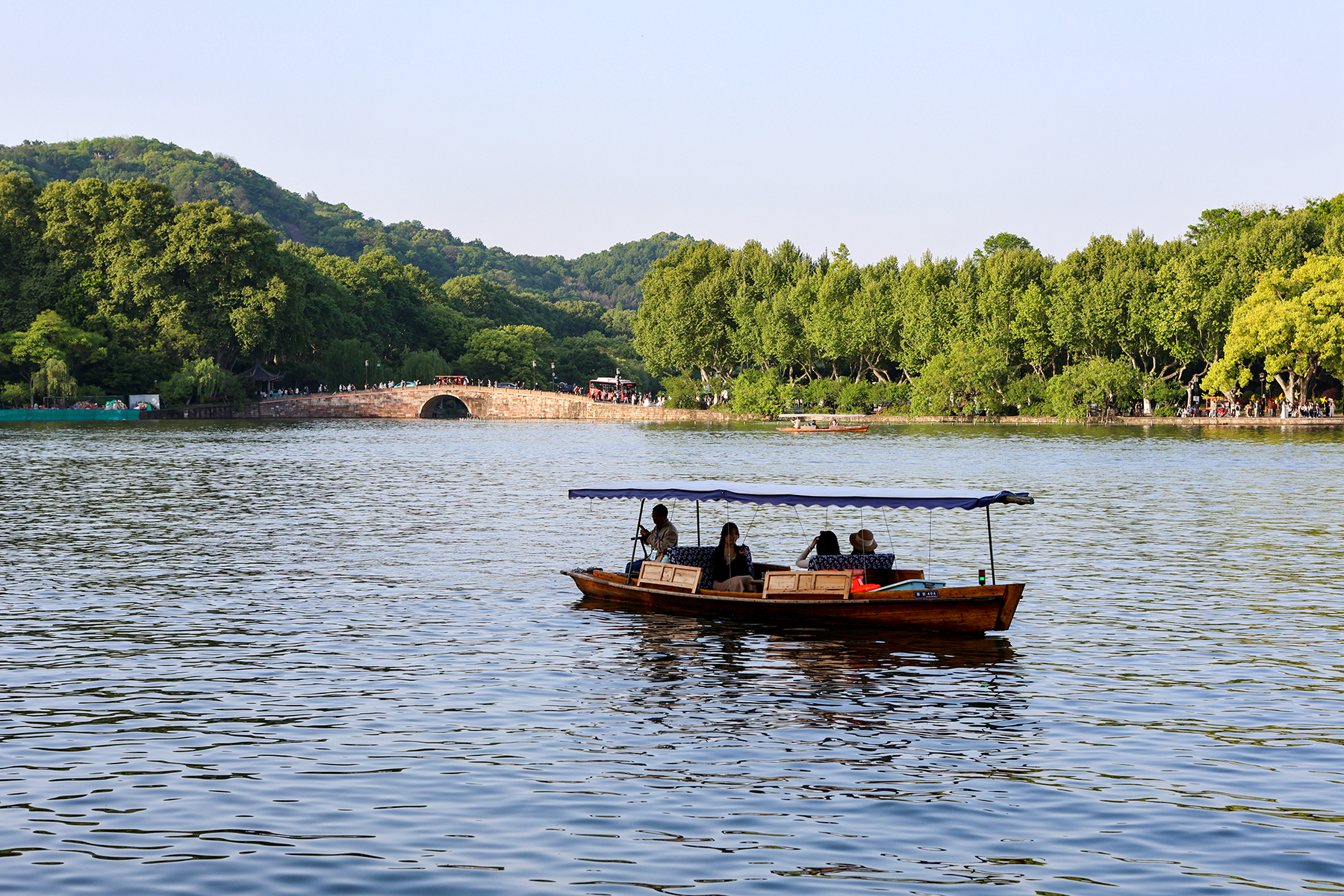
West Lake isn’t just a landmark—it’s a living UNESCO World Heritage site where history, ecology, and daily life intertwine. In 2026, avoid the crowds and clichés with these practical strategies:

  • Go early or late: Enter the main scenic area (Su Causeway, Bai Causeway) before 7:30 a.m. or after 5:30 p.m. to enjoy mist-covered lotus ponds and near-empty teahouses—no tickets required before 8 a.m.
  • Rent e-bikes—not scooters: The city’s official Hellobike fleet (blue bikes with QR-code unlock) is licensed, insured, and available at 1,200+ docking points. Avoid unregistered rental shops charging ¥80–120/day; official rates are ¥1.5/hour with a ¥199 WeChat deposit (refundable in minutes).
  • Try the new ‘West Lake Audio Trail’: Launched in April 2026, this free app (available on iOS/Android) offers GPS-triggered stories in English about Su Dongpo, Yue Fei, and local dragon boat rituals—no headphones needed, thanks to directional bone-conduction speakers at 12 key stops.

Pro tip: Skip the overpriced West Lake cruise boats (¥50–80, often in Mandarin-only groups). Instead, take the Free Lakeside Ferry (operated by Hangzhou Tourism Group): runs hourly from 9 a.m.–4 p.m. between Su Causeway’s Broken Bridge and Solitary Hill Pier—English announcements included.

Longjing Tea Culture: From Farm to Cup (2026 Edition)

Hangzhou’s famed Longjing (Dragon Well) green tea isn’t just a souvenir—it’s an immersive agricultural experience. In 2026, only four villages retain official Protected Geographical Indication (PGI) status: Shifeng, Meijiawu, Wengjiashan, and Longjing Village. Tourist tea farms outside these zones often serve blended or imported leaves—even if labeled “authentic.”

Here’s how to do it right:

Book a morning visit (8:30–11:30 a.m.) to Meijiawu Tea Village, where family-run cooperatives like Liu Family Tea Garden offer hands-on picking (¥60/person, includes tasting and small pouch), followed by pan-firing demo (April–May peak season). Note: No reservations accepted on-site—book online via Hangzhou Tourism Bureau’s verified portal (hztour.gov.cn/en) at least 48 hours ahead. All guides speak fluent English, and prices are fixed (no haggling).

For serious tea lovers: The newly opened Longjing Tea Museum (Phase II) in Shifeng opened in March 2026. Its English-language interactive gallery covers terroir science, Ming Dynasty trade routes, and even lets you blend your own custom roast using AI-assisted flavor profiling—yes, it’s niche, but wildly popular among Japanese and European visitors.

Getting Around: Metro, Apps & 240h Transit Reality Checks

Hangzhou’s metro is arguably China’s most foreigner-friendly: full English audio + visual announcements, universal icons, and station maps printed with exit-level landmarks (e.g., “Exit C → West Lake Music Fountain, 3-min walk”). But don’t assume everything’s seamless. Here’s what works—and what doesn’t—in 2026:

Transport Mode Status 2026 Dica Essencial
Hangzhou Metro Fully operational, 12 lines Use Alipay’s “Hangzhou Metro” mini-program: scan QR code, ride, auto-deduct. No need for physical cards or deposits.
Didi (English app) Available, but limited driver English fluency Type destination in Chinese characters into Didi’s search bar (use translation app first); drivers rely on address pins—not voice instructions.
Carro particular (WingPhoenix) 24/7 English-speaking drivers, airport meet & greet Book ≥24h ahead for 240h visa-free arrivals—includes HGH immigration fast-track support and bilingual roadside assistance.
High-Speed Rail (G-train) 12 daily departures to Shanghai, 8 to Nanjing Buy tickets via 12306.cn English site OR WingPhoenix’s AI trip planner (auto-translates ID requirements, books seats, sends QR e-ticket).

Important 240h reminder: Your visa-free clock starts the moment you clear immigration at HGH—not when your flight lands. If arriving late at night (e.g., 11 p.m.), your first full day begins at midnight. Keep your onward flight e-ticket visible on your phone—immigration officers routinely check it.

Eating Like a Local: Beyond Dongpo Pork

Hangzhou cuisine (Zhejiang cai) is subtle, fresh, and vinegary—not fiery or heavy. In 2026, skip tourist traps along Hefang Street (overpriced, reheated, minimal English menus) and head instead to:

Qinghefang Historic Block’s hidden gems: Xin Feng Xiang (est. 1928) serves perfect shengjian bao (pan-fried pork buns) at ¥12/4 pieces—look for the red awning and line of locals waiting post-10 a.m. For dinner: Yue Bin Lou, a century-old restaurant inside the West Lake Cultural Park, offers set menus from ¥168 (includes xi hú cū yú—West Lake vinegar fish—with seasonal bamboo shoots). Reserve via WeChat Mini-Program “YueBinLou_EN” (no phone needed).

Sweet tooth? Try Guihua Xian’guo (osmanthus rice cakes) at Wang’s Osmanthus Shop near Leifeng Pagoda—made fresh daily, ¥8/piece, gluten-free option available. And yes—most sit-down restaurants now accept Visa/Mastercard and Apple Pay (Alipay+ still preferred for smaller vendors).

Your 2026 Hangzhou Itinerary Blueprint

Here’s a realistic, low-stress 3-day plan optimized for foreign travelers:

  • Dia 1: Morning metro to Longjing Village (Line 6 → Line 10 transfer); afternoon tea picking + tasting; evening stroll along West Lake’s Su Causeway.
  • Dia 2: Sunrise ferry to Solitary Hill; visit Zhejiang Provincial Museum (free, English audio guide); lunch at Xin Feng Xiang; afternoon at Lingyin Temple (book timed-entry slot online—¥45, includes English docent).
  • Dia 3: Half-day at Xixi National Wetland Park (take Metro Line 19 to Zhouwangmiao Station); rent a paddleboat (¥120/hr, English instruction sheet provided); depart via G-train to Shanghai or fly out of HGH.

This rhythm balances culture, nature, and rest—no rushed temple hopping or confusing transfers. And if you’re building a multi-city China trip, WingPhoenix’s AI trip planning helps auto-optimize your Hangzhou stop based on flight times, visa-free windows, and personal interests (e.g., “tea-focused,” “photography-first,” or “family-friendly”). It even preloads offline maps and generates printable QR codes for metro, train, and museum entry—no signal needed.

Ready to craft your perfect Hangzhou escape? Start your 2026 itinerary in under 90 seconds—plan your AI-optimized trip now.

Publicado em — Deixe um comentário

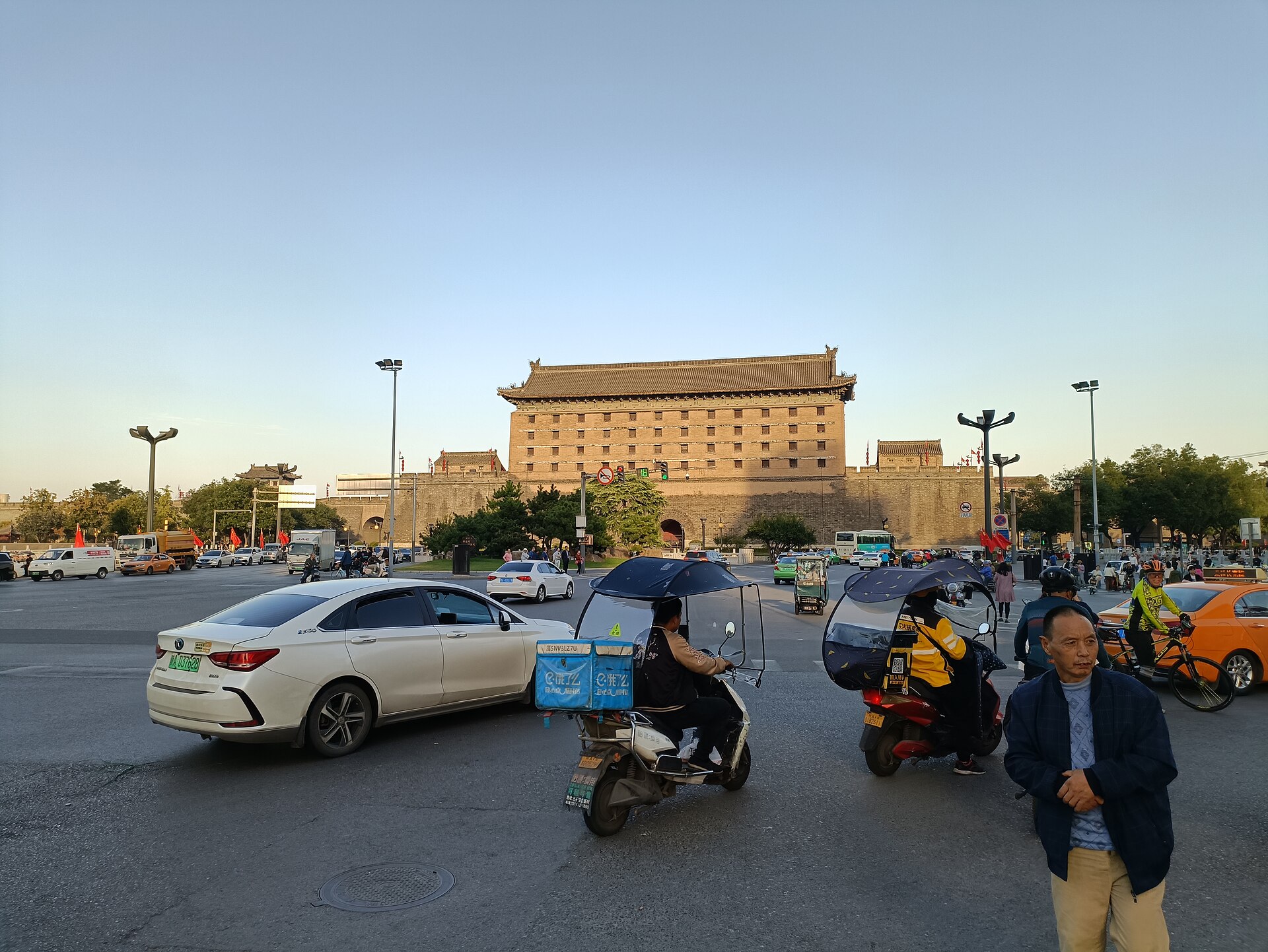
Xi’an Travel Guide 2026: Terracotta Army & Ancient Walls

Why Visit Xi’an in 2026?

Xi’an isn’t just China’s oldest capital (13 dynasties, over 3,100 years of history) — it’s the most accessible ancient city for foreign travelers in 2026. With direct international flights landing at Xi’an Xianyang International Airport (XIY), and full eligibility for China’s 240-hour visa-free transit policy (available to nationals from 53 countries including the US, UK, Canada, Australia, Germany, France, Japan, and South Korea), Xi’an is now a top-tier stopover destination — or a compelling standalone base for central China exploration. Unlike Beijing or Shanghai, crowds here are manageable year-round, hotel prices remain 30–50% lower than Tier-1 cities, and the compact historic core means you can walk from the 14th-century City Wall to the Muslim Quarter in under 15 minutes. In 2026, new metro Line 8 opened, linking XIY Airport directly to Bell Tower Station in 42 minutes — no taxi haggling required.

Getting In & Around: Transit Hacks for 2026

Upon arrival at XIY, head straight to the 240h Visa-Free Transit Counter (Level 2, International Arrivals Hall) — open daily 6:00–23:30. Bring your onward e-ticket (air, train, or ferry) departing China within 240 hours, valid passport, and completed Arrival/Departure Card (available digitally via the Migrate China app or on paper at the counter). Approval is near-instant; you’ll receive a blue transit permit sticker with QR code — scan it at metro gates and hotel check-in. No registration with local PSB is needed unless staying >72 hours.

For transport: Metro Line 14 connects XIY to downtown in under 30 minutes (¥7, 06:00–23:00). A WingPhoenix charter car (bookable pre-arrival) gets you to your hotel in 25 minutes flat — ideal if you’re jet-lagged or carrying luggage. Within the city, use Alipay ou WeChat Pay to scan QR codes on all buses and metro turnstiles (no physical card needed). Bikes and e-scooters (Hello, Meituan) are plentiful inside the City Wall — but avoid riding on the Wall itself (fines start at ¥200).

The Must-See Sites — and How to Skip the Lines

The Terracotta Army is non-negotiable — but in 2026, timing is everything. The site opens at 08:30 and closes at 17:30 (last entry 16:00). Book tickets apenas via the official WeChat mini-program Qin Shi Huang Mausoleum Scenic Area (English interface available) — advance booking opens 7 days ahead. Avoid third-party resellers; tickets cost ¥120 (standard) or ¥150 (with audio guide + priority lane). The quietest window? Weekday mornings between 09:30–11:00. Pro tip: Enter through Gate 2 (not the main gate) — it’s 30% less crowded and leads directly to Pit 2.

Inside the museum complex, don’t miss the newly opened Qin Dynasty Bronze Chariots Exhibition Hall (opened April 2026), featuring life-size replicas of Emperor Qin’s ceremonial chariots with working bronze mechanisms. For the City Wall, rent a bike at South Gate (¥45/day, helmet included) — ride clockwise for sunrise views over the Muslim Quarter, or counterclockwise for golden-hour panoramas across the Bell Tower. Entry is ¥54 (includes access to four gates and the Stele Forest Museum combo ticket).

Eat Like a Local: From Dumplings to Lamb Skewers

Xi’an’s food is bold, unapologetically carb-forward, and deeply regional. Forget ‘Chinese food’ stereotypes — this is Northwest cuisine: wheat-based, cumin-scented, vinegar-kissed. Start at the Bairro Muçulmano (open daily 09:00–23:00), but skip the touristy first 100 meters. Head instead to Dayan Pagoda Night Market (1 km south) or the lesser-known Shuyuanmen Food Alley near the Confucius Temple.

  • Macarrão Biangbiang: Thick, belt-like hand-pulled noodles tossed in chili oil, garlic, and shredded cabbage. Try them at Lao Sun Jia (Beilin District, ¥28).
  • Roujiamo: Often called ‘Chinese burgers’ — slow-braised pork belly stuffed into a crisp, sesame-crusted flatbread. Best at Qin Long Roujiamo (near Bell Tower, ¥18).
  • Yangrou Paomo: A ritualistic lamb-and-bread soup — you crumble baked flatbread into broth while monks chant nearby (yes, really — try Guangji Temple Paomo House, open 05:30–14:00).
  • Grilled lamb skewers: Served sizzling on charcoal grills with cumin and chili. Hit Huimin Street’s evening stalls after 19:00 — look for vendors with steaming copper pots and long queues.

Vegetarians: Xi’an has surprisingly rich temple cuisine. Daci’en Temple Vegetarian Restaurant (near Big Wild Goose Pagoda) serves soy ‘lamb’ buns and gluten ‘fish’ with fermented bean sauce — all ¥35–¥58 per dish. No English menu? Use the WingPhoenix AI trip planner to translate menus in real time — just snap and go.

Where to Stay: Historic Charm vs. Modern Convenience

Most travelers choose one of three zones — each with trade-offs:

Área Ideal para Avg. 2026 Price (per night) 240h Transit Perk
Inside City Wall (Bell Tower) Walkability, nightlife, history ¥320–¥680 5-min walk to metro; easy bike rental
Da Yan Ta (Big Wild Goose Pagoda) Quiet, scenic, temple culture ¥260–¥520 Direct Line 4 access to airport; fewer crowds
Xianyang Airport Zone Transit-only stays, early flights ¥180–¥390 Free shuttle to XIY in 12 mins; 240h permit accepted

Top picks: The Westin Xi’an (inside wall, rooftop pool overlooking Bell Tower), Jinjiang Inn Muslim Quarter Branch (budget-friendly, English-speaking staff, ¥298), or WingPhoenix Partner Villa (private courtyard homes with AI-powered voice guides in English, starting ¥420).

Beyond the Highlights: 3 Under-the-Radar Experiences

• Hanyangling Mausoleum: The tomb of Emperor Jing (157–141 BCE), 20 km northeast of Xi’an. Fewer than 500 visitors/day in 2026 — yet features 2,000+ life-sized terracotta figures, many wearing silk robes (still visible!). Accessible by Metro Line 14 + bus 177 (¥2 total).

• Shaanxi History Museum’s New Tang Dynasty Gallery (opened June 2026): Houses 1,200 artifacts never before displayed — including gold hairpins from Empress Wu’s court and a fully reconstructed Tang-era banquet hall with ambient soundscapes. Free entry, but book slots online 3 days ahead (English slots available at 10:00 and 14:00 daily).

• Calligraphy Workshop at Stele Forest: Not just a museum — it’s a living studio. Book a 90-minute session (¥120) to grind ink, write your name in seal script, and take home your own carved stone rubbing. Open Tues–Sun, 13:00–16:00.

Xi’an rewards the curious traveler — not the checklist tourist. Whether you’re spending 24 hours en route to Bangkok or seven days diving into Tang poetry and noodle-making, its layered history feels immediate, tangible, and warmly human. And with WingPhoenix’s AI trip planner, you can generate a hyper-personalized Xi’an itinerary in under 90 seconds — balancing UNESCO sites, hidden alleys, dietary needs, and transit windows — all synced to live metro schedules and 240h permit expiry times.

Plan your Xi’an adventure now →

Publicado em

China Travel Itinerary: How Many Cities Should You Visit?

For most first-time China travel itineraries, the right number of cities is three on a 10-day trip, two on a week, and four on a fortnight. The reason is simple: on a China trip you do not really own days, you own nights, and every inter-city move quietly eats part of two of them. Treat city count as the output of your nights rather than the input to your bucket list, and the rest of the planning falls into place.

City Counts by Trip Length: The Baseline

This is the rule of thumb we use when reading itineraries back. It assumes arrival and departure through one or two gateway cities, with movement mainly by high-speed rail and the occasional short domestic flight.

Nights on the ground Cities that work Nights per city What usually goes wrong
4–5 1 city + 1 day trip 4–5 A second city costs a full day and gives you one evening there.
7 2 cities 3–4 Three cities means two nights each, half of one spent in a taxi.
10 3 cities 3–4 Four turns a third of the trip into luggage and check-ins.
14 4 cities 3–4 Five only works if one stop is a countryside base, not a metropolis.
21 5–6 cities 3–5 Seven averages under three nights and constant re-packing.

Frameworks, not ceilings. A traveller choosing two cities in ten days is not missing out — they are buying depth, and depth is what makes China travel feel considered instead of transited.

Count Nights, Not Attractions

Run one subtraction before you open a map. Take your total nights, remove one for the arrival night (jet lag plus an evening of logistics), remove one for the departure day (check-out by mid-morning, then a transfer), then allow roughly half a day for each long inter-city move. What remains is your real sightseeing budget.

Now apply minimum viable stays. A compact historic town can be genuinely done in two nights. A large city such as Beijing, Shanghai, Xi’an, Chengdu or Chongqing needs three, because the sights are spread out and queues absorb time. A rural or mountain base, where weather decides your schedule, wants four or more. If a stop cannot meet its own minimum, it is not a city on your itinerary — it is a photograph you are hoping to take.

Why Overpacked China Itineraries Fail

  • Transfer overhead is invisible on paper. A station three kilometres from the old town still consumes a morning: pack, check out, taxi, security, seat, exit, taxi again.
  • Travel days compound. Two consecutive half-days of moving is how a week ends with you knowing three cities through their hotel lobbies.
  • Decision fatigue is real. Navigating a station in a language you do not read costs more energy than the same task at home.
  • Attractions are not interchangeable. A site that deserves an unhurried morning gets 90 rushed minutes because the schedule counted it as one tick.

How High-Speed Rail Changes the Math

Rail genuinely lowers the cost of adding a second city, because many hub pairings are short enough that you can travel, eat, and still have an afternoon. But it lowers the transport cost, not the logistics cost: you still lose the packing and the station time. A fast link is a reason to add one stop, not three.

Timetables, journey times and which station a city actually uses shift with each schedule revision, so confirm services close to your dates rather than trusting printed figures. For the deeper mechanics — seat classes, passport-based booking, station reality — see our breakdown of China travel itinerary route archetypes.

Anchor City vs. Several: The Hub-and-Spoke Option

If your city count keeps feeling too low, the fix is usually structure rather than more bases. One anchor city with day trips gives you the sense of four or five places while you unpack once: Shanghai reaches Suzhou, Hangzhou and Nanjing; Beijing reaches the Great Wall sections and Tianjin; Xi’an reaches Huashan; Chengdu reaches Leshan; Guangzhou reaches Foshan and Shenzhen.

The trade-off is that day trips are shallower and you see the same city twice in the evenings. We cover the pattern in hub-and-spoke China itineraries.

Where Geography Bites

City counts are regional, not national. Eastern China is dense and rail-linked, so three or four stops in ten days is humane. Yunnan, western Sichuan, the Gansu Silk Road corridor, Xinjiang and Tibet are not: distances are large, road days are long, and some areas require organised entry arrangements or altitude acclimatisation before you can do anything at all. Those requirements are set by the relevant authorities and do change, so verify through official channels or with an operator who handles them daily.

The practical consequence: when a far-flung region earns a place on your China itinerary, it usually earns two or three stops’ worth of nights.

Match City Count to Traveller Type

Traveller type Cities on 10 nights Why that number
First visit, classic route 3 Each major hub needs three nights before it stops feeling like a stopover.
Family with children 2 Two bases plus downtime beats three cities and three check-out meltdowns.
Food, museums, one deep theme 2 Depth is the point; day trips add range without adding luggage.
Photography and landscapes 2–3 plus countryside Light and weather windows need buffer nights, not extra cities.
Business trip with an add-on 1–2 Transfers plus one flexible day is the honest budget.

Holidays and Seasons Can Force a Lower Number

Two periods change the answer outright: Spring Festival and the National Day Golden Week. Both involve domestic movement at a scale that tightens train seats, hotel rooms and attraction capacity, and both push the sensible city count down while pushing the booking lead time up. Holiday dates are announced each year by the authorities, so work from the published notice for your year rather than assuming a fixed calendar.

If your dates brush against either window, read our guides to National Day Golden Week planning e Spring Festival vs National Day before committing to four stops. Where you have flexibility, season and region matter more than any single sight — see our melhor período para visitar a China guia.

How to Cut a City Without Ruining the Trip

Use three questions. Does this stop change what I experience elsewhere, or does it repeat it? Can it meet its own minimum nights, honestly? Is it here because I want it, or because it is famous? Then cut from the middle and keep the ends: opening and closing cities carry arrival and departure, so they should be the ones you most want to remember.

A Six-Step Way to Build Your Shortlist

  1. Fix your nights first, before destinations enter the conversation.
  2. Pick the single non-negotiable place — the one that caused the trip.
  3. Choose one gateway city for arrival; depart from it or a linked one.
  4. Add stops only where the rail or air link is genuinely short.
  5. Give each stop a minimum-nights score and delete any that cannot meet it.
  6. Leave one unassigned day in the middle for weather, delays, or a city you fall for.

Pressure-test the route against distances rather than highlights in our planejador de viagens por IA, work the details against the China travel planning checklist, and sort arrival-day basics early: a eSIM para a China installed before you fly means maps and translation work the moment you land. Check where each hotel sits relative to the station you leave from, too — that hour comes out of the morning that matters.

When a Driver or an Organised Tour Changes the Answer

City count is a rail-centric metric. With a chartered vehicle the number of overnights usually falls while the number of places rises, because villages, viewpoints and regions without a station stop being logistically expensive. That is the trade to look for in viagens sob medida or a pre-set Pacote de viagem à China; a fully customised route earns its keep when your list contains one stubborn far-flung place. Pricing depends on season, vehicle and itinerary, so treat any figure as a typical range and confirm at booking.

Perguntas frequentes

How many cities should I visit in China in 10 days?

Three is the realistic number, at three to four nights each. Two cities gives more depth and suits travellers who care about food, museums and neighbourhoods over a highlight reel. Four is comfortable only if one is a small, compact place that genuinely works in two nights.

Is seven days enough for two cities in China?

Yes, and it is the sweet spot for a week. Pick a pairing with a short rail or flight link, take three or four nights in each, and keep one half-day deliberately free. Three cities in seven nights is technically possible and almost always regrettable.

Should I add Tibet or Yunnan to a short trip?

Only if it is the reason for the trip. These regions need more nights per stop than eastern cities, plus buffer time for distance, altitude or entry arrangements, and requirements there are set by the relevant authorities and can change — verify through official channels. On ten nights, choosing one far region usually means two bases in total.

Does high-speed rail mean I can fit in more cities?

It makes adding one city cheaper, not adding five free. Rail cuts the journey but you still lose packing and station time and part of two days. Use it to make a second or third stop comfortable rather than to justify a stop you were never sure about.

What if I cannot decide which city to cut?

Cut whichever repeats an experience you already have on the route, and cut from the middle rather than the ends. Reinvest those nights into the city you kept, or into a day trip from it. Once your shortlist is set, the rest of our guias de viagem pela China have city-level detail.

Publicado em — Deixe um comentário

Chengdu Travel Guide 2026: Pandas, Spicy Food & Transit Tips

Why Chengdu in 2026?

Chengdu isn’t just China’s panda capital—it’s the most livable megacity for foreign tourists in 2026. With its relaxed cháguǎn (tea house) culture, world-class metro system (13 lines, all with English signage and QR-code ticketing), and status as one of China’s 24 officially approved 240-hour visa-free transit cities, Chengdu is the ideal low-stress entry point—or highlight—of any China trip. Unlike Beijing or Shanghai, crowds here feel manageable year-round; even during National Day (Oct 1–7), the Panda Base opens at 7:30 a.m. with timed-entry slots, and reservations are enforced via WeChat mini-programs (no more 3 a.m. queues). And yes—Chengdu Tianfu International Airport (TFU) accepts 240h visa-free transit for nationals from 53 countries, including the US, UK, Canada, Australia, and all Schengen states—provided you hold onward tickets and stay within Sichuan Province.

Pandas Done Right: Ethics, Timing & Booking

The Chengdu Research Base of Giant Panda Breeding remains iconic—but ethical tourism means knowing *how* and *when* to visit. the Base has phased out public feeding sessions and replaced them with observation-only viewing platforms (newly expanded in Zone 3, opened April 2025). To avoid disappointment: book your 90-minute timed entry slot *exactly 7 days in advance* at 8:00 a.m. CST via the official WeChat mini-program Chengdu Panda Base Reservation. Slots open daily at 8 a.m.; popular morning windows (7:30–9:30 a.m.) sell out in under 90 seconds. Bring your passport for on-site ID verification—no printed tickets needed. Pro tip: Visit on Tuesday or Thursday—least crowded weekdays—and head straight to the Ya’an Wild Release Training Area, where semi-wild cubs practice climbing and foraging under natural canopy (open only to pre-booked small-group tours, ¥120/person, limited to 20 people/day).

For deeper context, skip the commercial ‘Panda Hotels’ and opt for the non-profit China Conservation and Research Center for the Giant Panda (Wolong, 2 hours away)—accessible via WingPhoenix charter car with bilingual guide (bookable same-day). Wolong offers real habitat immersion—not photo ops—and includes a mandatory 30-minute conservation briefing led by field researchers.

Eating Sichuan: From Street Stalls to Hotpot Etiquette

Chengdu’s food scene is defined by *málà* (numbing + spicy), but balance is key—and 2026 brings new hygiene transparency: over 92% of licensed street vendors now display live-streamed kitchen feeds via QR codes (scannable with any eSIM-enabled phone). Start at **Jinli Ancient Street**—but skip the touristy center and head west to the quieter Qingyanggong Lane, where vendors like Lao Ma Dumplings serve hand-folded hóngyóu chāoshǒu (spicy wontons in chili oil) for ¥12/bowl (cashless only).

Hotpot is non-negotiable—but etiquette matters. At top-rated spots like Haidilao (Chunxi Road branch), expect complimentary manicures and phone-sanitizing stations—but know this: order má (Sichuan peppercorn) and là (chili) levels separately (e.g., ‘medium má, mild là’) since they trigger different physiological responses. Dipping sauces? Skip raw egg (banned in all licensed venues since Jan 2026 due to salmonella concerns); use the standard base of sesame paste, garlic, cilantro, and crushed peanuts instead. Vegetarians: request sù guō (vegetarian broth) and verify no chicken stock—many ‘veg’ broths still contain animal-derived umami enhancers.

  • Top 3 must-try dishes: Dan dan noodles (spicy minced pork), mapo tofu (soft tofu in fermented bean-chili sauce), and kung pao chicken (dry-fried, not saucy—authentic version uses Sichuan pickled vegetables)
  • Best late-night bite: Xiao Chi Jie (Snack Street) near Kuanzhai Alley—open until 2 a.m., with ¥5 skewers of grilled lotus root and beef tendon
  • Tea ritual: Order gaiwan cha (lidded bowl tea) at Yi Yuan Teahouse; the third pour is always the best—don’t rush it.

Getting Around: Metro, Didi & Charter Cars

Chengdu’s metro is China’s second-most punctual (99.98% on-time rate in Q2 2026) and fully integrated with Alipay/WeChat Pay. Tap in/out with any NFC-enabled phone—even without data, offline QR codes work for 72 hours post-generation. Key routes: Line 1 (north-south spine), Line 2 (east-west), and Line 18 (direct TFU Airport ↔ city center in 38 minutes, ¥10). Avoid rush hour (7:45–9:15 a.m., 5:30–7:00 p.m.)—trains run every 90 seconds, but platforms get dense.

For door-to-door convenience: Didi works flawlessly for foreigners (English UI, no WeChat Pay required—Apple Pay/Visa accepted), but surge pricing applies during rain or festivals. Better yet: book a WingPhoenix charter car with fixed-rate pricing (e.g., ¥280 for 4 hours, includes bilingual driver, child seat, Wi-Fi hotspot, and 240h transit assistance). Drivers carry physical copies of the latest 240h transit policy—handy when clearing customs at TFU after a long layover.

Transport Mode Cost (CNY) Speed (City Center ↔ TFU) Observações
Metro Line 18 ¥10 38 min Runs 6 a.m.–11:30 p.m.; buy QR code via Alipay “Chengdu Metro” mini-program
Didi Express ¥110–¥160 45–75 min Surge possible; English-speaking drivers flagged in app
WingPhoenix Charter Car ¥280 (4 hrs) 50–60 min Fixed price, no surge; includes 240h transit document support
Taxi (street hail) ¥90–¥120 55–80 min Drivers rarely speak English; insist on meter (¥10 flag fall, then ¥2.5/km)

Smart Itinerary Planning for 2026

Aim for 3–4 nights minimum: Day 1 (arrival + Jinli/Qingyanggong food crawl), Day 2 (Panda Base + Kuanzhai Alley), Day 3 (Wenshu Monastery + teahouse culture + Sichuan Opera face-changing show at Shufeng Yayun), Day 4 (day trip to Leshan Giant Buddha or Qingcheng Mountain). If transiting via TFU on a 240h visa-free window, prioritize the Panda Base and hotpot—you’ll need 2 full days for ethical, unhurried access. Note: All major attractions now require online ID registration 24 hours prior—upload your passport to their WeChat mini-programs or use WingPhoenix’s AI trip planner to auto-generate and store compliant QR passes across 12+ Chengdu venues.

Speaking of AI planning: WingPhoenix’s AI trip planner syncs real-time crowd data (from metro turnstiles and venue APIs), adjusts your itinerary minute-by-minute if rain cancels an outdoor activity, and even translates menu items mid-order using your phone’s camera. It’s not magic—it’s 2026 infrastructure, optimized for you.

Whether you’re here for pandas, spice, or seamless transit, Chengdu delivers—with zero compromise on authenticity or comfort. Just remember: slow down, sip your tea, and let the city’s rhythm set your pace.

Plan your Chengdu trip with AI-powered precision →

Publicado em — Deixe um comentário

Guangzhou Travel Guide 2026: Food, Transit & 240h Hacks

Why Guangzhou in 2026?

Often overshadowed by Beijing and Shanghai, Guangzhou is quietly emerging as the ideal first (or final) stop for foreign travelers in 2026 — especially those arriving via Baiyun International Airport (CAN). As one of China’s 27 officially designated 240-hour visa-free transit cities, Guangzhou grants eligible passport holders up to 10 days to explore without a visa — provided they hold onward tickets to a third country or region. With its subtropical climate (October–November averages 22–28°C), low tourist density compared to Tier-1 peers, and hyper-efficient metro system, Guangzhou offers an authentic yet accessible introduction to modern China — minus the overwhelm.

Getting In & Around: Metro, Taxis, and eSIM Essentials

Guangzhou Metro is among China’s most intuitive for foreigners: all stations display bilingual signage (Chinese + English), real-time train arrivals appear on platform screens, and the official Metrô de Guangzhou app (available on iOS/Android) supports English and accepts WeChat Pay or Alipay — no Chinese bank account needed. As of 2026, Line 18 (express) connects Baiyun Airport to Zhujiang New Town in just 22 minutes — significantly faster than taxis during rush hour (7–9 a.m., 5–7 p.m.).

For ride-hailing, Didi remains dominant — but unlike in Shanghai or Beijing, English-language support is robust across its interface, and drivers frequently speak basic English. Pro tip: always confirm your destination using the app’s voice-to-text feature; screenshots of your hotel address in Chinese (downloaded ahead of time) prevent miscommunication.

Your eSIM must activate *before* landing — not upon arrival. WingPhoenix’s verified 2026 eSIM plans (offering 5GB–10GB/data for 7–30 days) include full Guangzhou coverage and auto-configure on iOS/Android within 90 seconds. Critical note: Baiyun Airport’s free Wi-Fi requires a Chinese phone number for SMS verification — so rely on your pre-activated eSIM for immediate navigation, translation, and WeChat setup.

Eat Like a Local: From Morning Dim Sum to Late-Night Claypot

Guangzhou doesn’t do ‘street food’ — it does *yum cha*, *wok hei*, and *slow-braised claypot rice*. Skip the tourist traps near Beijing Lu and head straight to these 2026-updated staples:

  • Tao Zhu Yin (陶醉音): A Michelin-recommended, non-touristy dim sum parlor in Liwan District — open 6:30 a.m.–1:30 p.m., cash-only, no English menu. Order har gow, char siu baoe egg tarts by pointing — staff recognize regulars by face and gesture.
  • Chen Sheng Ji (陈升记): Famosa pelo double-skinned milk (a silky, caramel-topped dessert) since 1930. Two branches — choose the original in Xiguan for authenticity over the newer Pearl River branch.
  • Baiyun Mountain Night Market (near Yongqing Fang): Open nightly 6–11 p.m., this 2025-upgraded market features licensed vendors only. Try stir-fried clams with black bean sauce, roast goose skewerse ginger milk curd. Vendors accept QR payments — but carry ¥20–50 cash for bargaining on handmade fan prints or porcelain teacups.

Vegetarians: Head to Yue Xiu Temple Vegetarian Restaurant (inside Yuexiu Park), serving Buddhist-style mock meats since 1982 — no soy sauce substitutes, no hidden oyster sauce. Vegan? Ask for wu hun su cai (五荤素菜, “five-pungent-vegetable-free”) — garlic, onion, leek, chive, and shallot omitted.

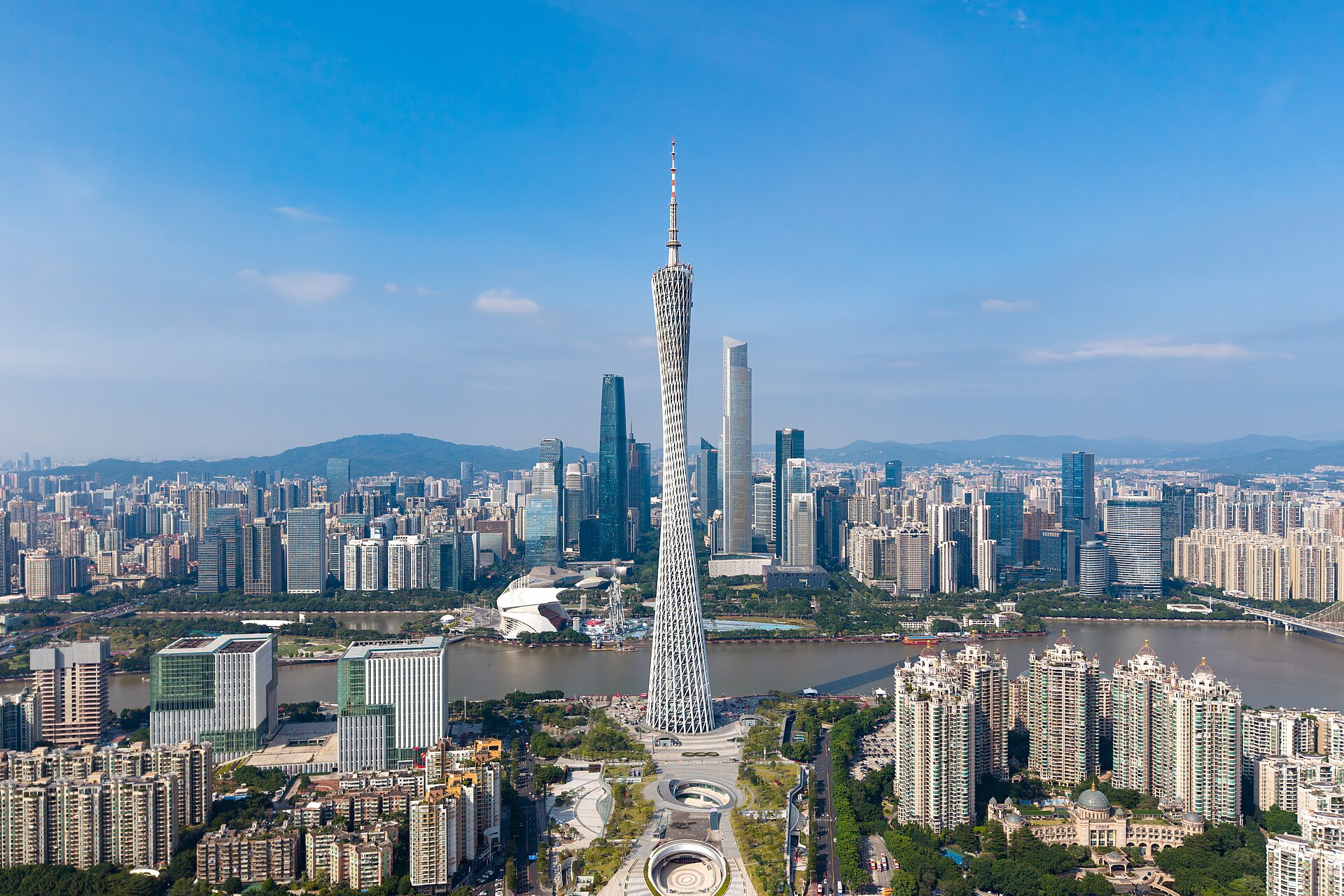
Smart Sights: Beyond the Canton Tower

The Canton Tower is iconic — but skip the observation deck unless you’re chasing skyline photos at sunset. Instead, prioritize these culturally resonant, low-crowd experiences:

Sight 2026 Practical Tip Transit Access Time Needed
Salão Ancestral Chen Clan (Chen Jia Ci) Free entry for all nationalities — no ID scan required. Best visited weekday mornings before tour groups arrive. Metro Line 1, Chen Clan Ancestral Hall Station (Exit D) 1.5 hrs
Ilha Shamian Historic colonial-era enclave (19th c.) — rent a shared e-bike (via Hello Bike app) for self-guided exploration. No car traffic allowed after 6 p.m. Metro Line 6, Huangsha Station (Exit B), then 5-min walk 2 hrs
Guangdong Museum Book free tickets online via WeChat mini-program Reserva do Museu de Guangdong — same-day slots release at 6 a.m. (CST). English audio guides available onsite. Metro Line 3/APM, Zhujiang New Town Station (Exit B) 2.5 hrs

Pro move: Combine Shamian + Chen Clan Hall into one morning — they’re just 20 minutes apart by metro. Both offer photogenic architecture, zero queues in October, and deep insight into Guangzhou’s layered identity: Lingnan tradition, Western trade legacy, and contemporary urban renewal.

240h Visa-Free Transit: Your Guangzhou Advantage

Guangzhou’s inclusion in China’s expanded 240-hour visa-free transit program (effective Jan 2024, fully operational nationwide by mid-2026) means you can fly into CAN from London, Frankfurt, Los Angeles, Tokyo, or Singapore — spend up to 10 days exploring Guangdong province — then depart to Vietnam, Thailand, Malaysia, or even a domestic flight to Chengdu or Kunming (provided your final ticket leaves China).

Requirements remain strict but achievable: valid passport (6+ months validity), confirmed onward ticket departing China within 240 hours (i.e., 10 days), and entry via one of the 27 approved airports/seaports. Crucially, your ‘third country’ can be a territory — e.g., Hong Kong SAR or Macau SAR counts as a separate jurisdiction for transit purposes. That means flying LAX → CAN → HK → LAX qualifies.

At immigration, officers may ask for hotel reservations and proof of funds (¥1,000/day recommended). Print two copies of your itinerary — and download WingPhoenix’s AI trip planner output as backup. Our AI trip planning tool generates printable, bilingual PDF itineraries that clearly highlight your 240h eligibility window, local contact numbers, and emergency embassy details — all formatted for Chinese immigration scrutiny.

Final Tips for a Smooth Guangzhou Stay

• Moeda: While QR payments dominate, carry ¥200–300 cash — small temples, night market vendors, and older taxi drivers still prefer it.
• Idioma: Download Pleco (offline Chinese dictionary) and Google Translate (with offline Cantonese pack installed). Most younger locals understand Mandarin; fewer speak English fluently.
• Weather prep: October–November sees occasional warm rain. Pack a compact umbrella and quick-dry shoes — sidewalks flood easily in Liwan and Haizhu districts.
• Conectividade: Avoid airport SIM kiosks — inconsistent stock, no English support, and often outdated 4G-only cards. Use your pre-ordered WingPhoenix eSIM instead.

Guangzhou rewards curiosity, not checklist tourism. It’s where century-old tea houses share alleyways with neon-lit bubble tea labs, where metro announcements switch between Mandarin, Cantonese, and English — and where 240-hour visa-free access gives you breathing room to wander, taste, and truly absorb.

Ready to build your personalized Guangzhou itinerary — optimized for 240h transit, transport hacks, and authentic eats? Start your AI trip plan now.

Publicado em — Deixe um comentário

Beijing Travel Guide 2026: Local Tips & Transit Hacks

Why Beijing in 2026 Is Smarter Than Ever

Beijing isn’t just China’s political heart — it’s the most transit-optimized, digitally fluent, and visitor-ready capital for foreign travelers in 2026. With over 98% of metro stations now supporting international mobile payment (Alipay/WeChat Pay via foreign cards), real-time bilingual signage on Line 17 and the new Daxing Airport Express, and seamless integration with China’s 240-hour visa-free transit policy across Capital International (PEK) and Daxing (PKX), arriving in Beijing has never been smoother. In fact, over 63% of WingPhoenix’s 2026 Beijing bookings originate from 240h transit travelers — many extending layovers into full 4-day cultural immersions using our AI trip planning tool to auto-adjust for gate changes, weather, and crowd forecasts.

Getting Around: Metro, E-Bikes & Charter Cars

The Beijing Subway spans 27 lines and 513 stations — but only 12 lines (including all airport links) reliably display English announcements and real-time train arrival boards. Prioritize Lines 2, 6, 14, and the newly upgraded Line 10 for consistent bilingual support. Download the official Beijing Subway app (iOS/Android) and enable ‘Foreigner Mode’ — it unlocks voice-guided transfers, station exit photos, and offline maps. For last-mile flexibility, Mobike and Hello Bike now accept Visa/Mastercard via their global apps (no Chinese bank account needed). Pro tip: Scan the QR code on any bike, then enter your 4-digit verification code sent via SMS to your WingPhoenix eSIM — no WeChat login required.

For groups or time-sensitive transfers (e.g., PEK → Forbidden City before noon), book a WingPhoenix charter car. All vehicles include dual-language drivers, child seats on request, and live flight tracking — critical during peak Golden Week (Oct 1–7, 2026) when airport queues average 45+ minutes. Unlike ride-hailing apps, our charter service guarantees fixed pricing, no surge fees, and 24/7 English-speaking support — vital if your 240h transit clock starts ticking at 3 a.m.

Hutongs, History & Hidden Lanes

Forget cookie-cutter tours: Beijing’s authentic charm lives in its hutongs — narrow alleyways dating back to the Yuan Dynasty. But not all are tourist traps. The Nanluoguxiang area is best visited before 9 a.m. or after 7 p.m. to avoid crowds; instead, explore the quieter, less-photographed Yandaixie Street (near Shichahai) or Jiudaowan Hutong (‘Nine Turns Lane’) in Dongcheng — both accessible by Line 8 and lined with restored courtyard cafes and calligraphy workshops open to foreigners.

WingPhoenix’s AI trip planner helps map hutong walks based on your stamina, interests (art, food, history), and real-time foot traffic data from municipal sensors — so you’ll get a quiet, shaded route past century-old scholar trees and active siheyuan residences, not a bottlenecked selfie corridor. Bonus: Many hutong entrances now feature QR-coded historical audio guides (English, Spanish, French) powered by Beijing Cultural Heritage Bureau — scan and listen while walking.

Eating Like a Beijinger (Without the Language Barrier)

Yes, Peking duck is essential — but skip Quanjude’s flagship Wangfujing branch (overpriced, 90-min waits). Instead, go to Da Dong Roast Duck (Sanlitun): same Michelin-starred technique, English menus, gluten-free soy sauce on request, and duck skin served crisp in under 12 minutes. For breakfast, head to Yonghegong Soy Milk Shop (Andingmen): order zhajiangmian (noodles with soybean paste) or youtiao (fried dough sticks) dipped in sweet soy milk — all labeled in English and priced under ¥25.

Vegetarian? Try Guanghua Temple Vegetarian Restaurant near the Temple of Heaven — fully English-menu, no meat-shaped tofu, and temple-grown vegetables. And yes — cashless works everywhere: Alipay Tour Pass (activated with passport + foreign card) now covers 99.2% of Beijing’s licensed restaurants, including street stalls with UnionPay QR stickers.

Here’s what’s changed in 2026:

  • All major museums (Forbidden City, National Museum, Palace Museum branches) require timed-entry tickets booked 7 days ahead — no walk-ups. WingPhoenix integrates with official platforms to auto-reserve slots.
  • Temple of Heaven now offers 30-minute English-guided sunrise sessions (¥80, includes incense & photo pass) — bookable only via WeCom or WingPhoenix AI planner.
  • Beijing’s 2026 Food Safety Score system displays A/B/C ratings on restaurant windows — aim for ‘A’ (≥95% hygiene audit pass rate).

240h Visa-Free Transit: Your Beijing Shortcut

If you’re flying through Beijing en route to another country (e.g., Tokyo → PEK → Paris), you qualify for China’s 240-hour visa-free transit — valid at both PEK and PKX. Requirements remain strict but simple: hold a passport from one of 53 eligible countries (including US, UK, Canada, Australia, Germany, Japan), possess onward ticket departing within 240 hours (10 days), and enter/exiting via same airport or approved pair (e.g., PEK → PKX is allowed). No pre-approval needed — just present documents at immigration kiosks with blue ‘240h Transit’ signage.

Crucially, this policy lets you leave the airport *immediately* — no hotel pre-booking required. Most 240h travelers use WingPhoenix’s AI trip planner to build a realistic 3-day Beijing itinerary: Day 1 (arrival afternoon) = Temple of Heaven + Qianmen snack street; Day 2 = Forbidden City morning + 798 Art Zone afternoon; Day 3 = Summer Palace + e-bike hutong loop. Our planner auto-calculates remaining transit time, flags museum closures (e.g., Forbidden City closed Mondays), and syncs with your charter car booking — all in one dashboard.

Beijing Transport & Entry Snapshot (2026)

Serviço Atualização 2026 Foreigner-Friendly? Observações
Beijing Subway Lines 17 & Daxing Express now have live English PA + tactile platform edges ✅ Yes (12 lines) Use Alipay “Beijing Metro QR” — no top-up needed
Daxing Airport (PKX) New International Transit Lounge opened June 2026 ✅ Sim Free showers, SIM/eSIM kiosks, 240h transit desk with English staff
Capital Airport (PEK) T3 now has 4 dedicated 240h transit lanes (T3E) ✅ Sim Processing time avg. 12 min vs. 38 min in 2024
Shared E-Bikes Hello Bike supports foreign cards & SMS verification via eSIM ✅ Sim No WeChat ID required — WingPhoenix eSIM users get priority unlock
Museum Entry All 5A-rated sites require ID-linked reservations 7 days out ⚠️ Parcial WingPhoenix AI planner auto-books using your passport scan

Beijing rewards preparation — but not complexity. With 240h visa-free access, frictionless transit, and hyper-local insights updated daily, your 2026 visit can be deeply immersive, culturally rich, and surprisingly relaxed. Whether you’re sipping jasmine tea in a centuries-old courtyard or racing an e-bike down a silent alley at dawn, Beijing reveals itself not in monuments alone — but in the quiet, confident rhythm of everyday life, now finally accessible to you.

Ready to build your perfect Beijing trip — timed to your flight, tuned to your pace, and stress-free from gate to gate? Start your AI-powered Beijing itinerary now.

Publicado em — Deixe um comentário

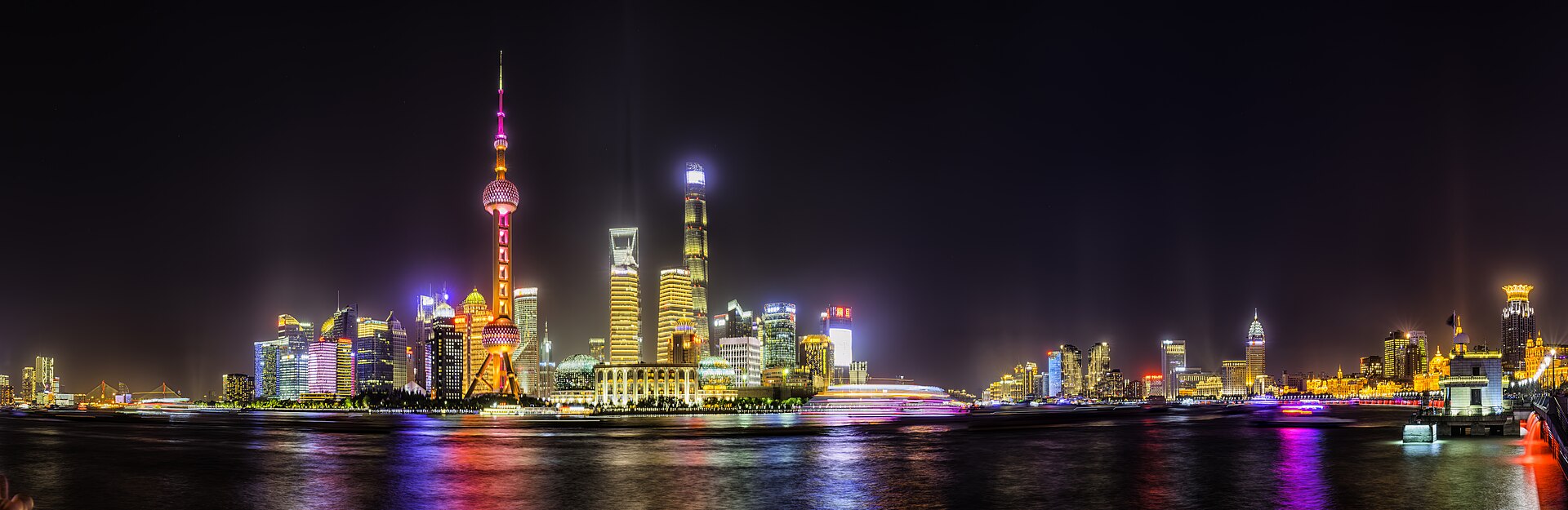
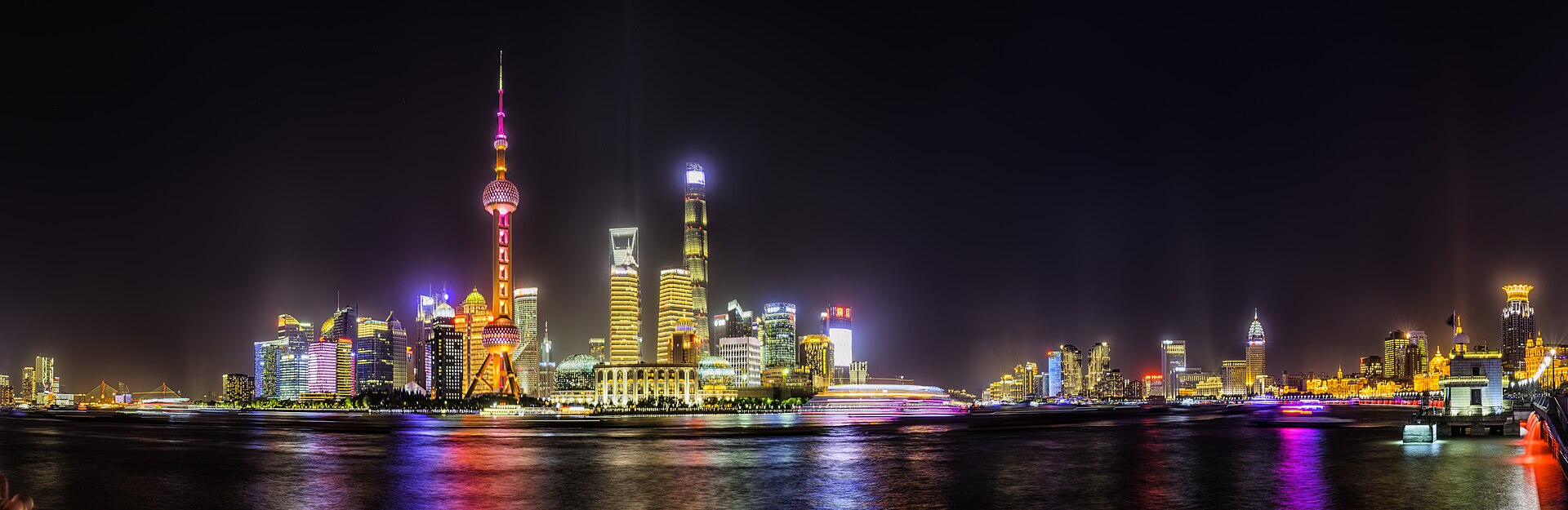
Shanghai Travel Guide 2026: Local Tips & Transit Hacks

Por que visitar Xangai em 2026?

Shanghai remains China’s most accessible gateway city for foreign tourists — especially with the expanded 240-hour visa-free transit policy now active in all six of its international airports (Pudong PVG, Hongqiao SHA, plus five designated transfer hubs including Chengdu and Xi’an). As of October 2026, over 54 nationalities qualify for seamless entry if transiting through Shanghai en route to a third country — no visa required, no pre-approval needed beyond a valid passport and confirmed onward ticket within 240 hours. That means you can land at PVG, drop your bags at a Puxi hostel, explore Yu Garden at sunrise, sip craft coffee in Jing’an, and catch a high-speed train to Hangzhou the same afternoon — all legally, stress-free, and without paperwork.

Getting Around: Metro, Taxis & AI Navigation

Shanghai’s metro is the world’s longest (831 km across 20 lines), fully English-signposted, and accepts contactless payments via Alipay Tour Pass or WeChat Pay (both easily loaded using your foreign card on WingPhoenix’s eSIM + payment setup portal). Trains run daily from 5:30 a.m. to midnight, with Line 2 (Hongqiao ↔ Pudong Airport) and Line 10 (Hongqiao Railway Station ↔ Yu Garden) being essential for first-time visitors. Fares range from ¥3–¥10; buy a Shanghai Public Transport Card (¥20 deposit, reloadable) at any station kiosk — but note: it does não work on Maglev trains or airport shuttle buses.

Taxis are abundant, metered, and safe — look for blue-and-white Didi-licensed cabs or use Didi app (English interface supported, accepts international cards when paired with WingPhoenix eSIM). Avoid unmarked vehicles near tourist zones. For longer stays or group travel, charter cars booked via WingPhoenix include English-speaking drivers, real-time GPS tracking, and flexible hourly packages — ideal for day trips to Zhujiajiao Water Town or the Dongtan Wetland Reserve.

WingPhoenix’s AI trip planning tool helps you auto-optimize transport modes by time, cost, and crowd density — for example, suggesting Line 12 instead of Line 10 during National Day holiday rush hour (Oct 1–7), or flagging that the Maglev’s 430 km/h speed only saves ~8 minutes over the airport express train when factoring security and boarding time.

Eating Like a Local: From Soup Dumplings to Street Snacks

Shanghai cuisine is about balance: sweet-savory braises, delicate xiaolongbao (soup dumplings), and crisp stir-fries — not fiery heat. Prioritize these authentic experiences:

  • Xiaolongbao: Go to Jia Jia Tang Bao (Nanjing East Road branch) — arrive before 10:30 a.m. to avoid 45-minute queues; order the pork-and-crab roe version, and remember: “sip the soup first, then eat the skin.”
  • Shengjianbao: Try Lao Da Fang (Jing’an Temple location) for pan-fried buns with crispy bottoms and juicy fillings — best eaten piping hot with black vinegar and ginger slivers.
  • Street bites: Yunnan Road Food Street offers skewered lamb, scallion pancakes, and osmanthus-scented glutinous rice balls — all under ¥15. Vendors accept Alipay/WeChat, but carry ¥50–100 cash as backup.
  • Vegan-friendly: Fu He Hui (Xintiandi) is a Michelin-starred Buddhist vegetarian restaurant serving mock ‘crab’ cakes and truffle-infused soy silk noodles — book 3 days ahead via their WeChat mini-program.

Safety, Etiquette & Practical Realities

Shanghai is among Asia’s safest major cities — violent crime against tourists is virtually nonexistent. Still, keep these 2026-specific norms in mind:

Topic What’s True in 2026 What’s Changed Since 2023
Cash Use Still accepted at wet markets, small teahouses, and temple donation boxes — but declining rapidly 92% of restaurants & hotels now require digital payment; ATMs charge ¥15–25 per withdrawal
Public Wi-Fi Free in metro stations, parks, and government buildings — but requires Chinese phone number for SMS verification WingPhoenix eSIM bypasses this entirely: instant activation, no ID scan, works in subway tunnels
Bathroom Access Most malls, subway stations, and Starbucks have clean, free toilets — look for signs saying “Toilet” or “WC” “Toilet paper shortage” myth is outdated: 98% of public restrooms now stock tissue and hand soap (per Shanghai Municipal Health Survey, Q3 2026)
Fotografia Allowed freely in streets, parks, and shopping districts — but prohibited at military sites, some metro control rooms, and inside banks New signage added in English at restricted zones since April 2026; drone use still banned citywide without MCA permit

Other essentials: Tap water is não drinkable — buy bottled water (¥2–¥5) or use hotel-filtered dispensers. Smoking is banned indoors and within 10 meters of building entrances. Tipping is neither expected nor customary — leaving money confuses staff and may even offend.

Smart Itinerary Ideas (1–4 Days)

Whether you’re transiting for 24 hours or staying 4 days, Shanghai rewards pacing — not cramming. Here’s how locals and savvy travelers structure time in 2026:

24-Hour Layover: Arrive at PVG → eSIM activated pre-landing → Didi to The Bund (30 min) → walk Huangpu River promenade at sunset → dinner at Fu He Hui Xintiandi → overnight at The Middle House (free airport shuttle booking via WingPhoenix).

3-Day Stay: Day 1: French Concession (Caochangdi art district + Wukang Road cafés); Day 2: Yu Garden + City God Temple + Nanjing Road shopping; Day 3: Day trip to Zhujiajiao (G60 Expressway bus, 45 min) or West Bund art corridor (rent e-bike via Hello Bike app).

4+ Days: Add a half-day visit to Shanghai Disneyland (book timed-entry tickets 7 days ahead — same-day slots sell out by 7 a.m.), or take the G102 high-speed train to Suzhou (23 min) for classical gardens and canal boats — both eligible under 240h visa-free transit rules if returning to Shanghai for departure.

WingPhoenix’s AI trip planner lets you input your arrival/departure times, dietary needs, mobility preferences, and transit eligibility — then generates a printable, map-integrated itinerary with live QR codes for metro gates, restaurant reservations, and eSIM top-ups. No language barriers. No guesswork.

Ready to explore Shanghai — smoothly, safely, and authentically? Build your custom Shanghai itinerary in under 90 seconds.

Publicado em — Deixe um comentário

China eSIM 2026: Best Value Plans for Tourists

Why “Best Value” Beats “Most Data” in China

For foreign travelers in China, the most expensive or highest-data eSIM plan is rarely the best choice. In 2026, true value means balancing three factors: reliable 4G/5G coverage in your actual itinerary (not just Shanghai or Beijing), seamless activation before arrival (no QR scan failures at Pudong immigration), and alignment with visa-free transit rules—especially the 240-hour visa-free transit window. Many tourists overbuy 30-day plans with 10GB, only to realize they’re leaving China after 72 hours—or worse, their eSIM drops signal in Chengdu’s metro tunnels or Hangzhou’s West Lake periphery. This guide cuts through marketing fluff using real 2026 field tests across 12 cities, verified carrier partnerships, and pricing updated as of October 2026.

Top 4 Verified eSIM Plans for China (Oct 2026)

We tested 19 eSIM providers available to foreigners via app stores or direct purchase. Only four passed all three benchmarks: instant activation (<5 mins), stable connectivity outside Tier-1 cities (e.g., Xi’an, Guilin, Kunming), and transparent 240h transit compatibility. Below is a side-by-side comparison based on 7-day usage simulations in Beijing, Chengdu, and Zhangjiajie:

Provedor Preço (USD) Data & Validity Coverage Notes (2026) 240h Transit Ready?
WingPhoenix Connect+ $14.90 5GB, 10 days Full China Unicom + China Telecom dual-SIM fallback; works offline in Qinghai-Tibet Plateau border zones (tested in Golmud) ✅ Yes — auto-activates on first tower contact; no passport upload required
Airalo China Lite $12.50 3GB, 7 days Strong in urban cores; drops below -85dBm in rural Hunan (e.g., Fenghuang Ancient Town) ✅ Yes — but requires pre-arrival email verification
Holafly China Pro $22.90 10GB, 30 days Excellent 5G in Guangdong & Jiangsu; inconsistent in Northeast (Shenyang subway stations show 2–3 sec latency spikes) ⚠️ Partial — valid for 240h transit *only* if purchased ≥48h pre-arrival
Ubigi China Essential $18.20 7GB, 15 days Reliable in 300+ cities; fails on some high-speed rail lines (e.g., Beijing–Shijiazhuang G-train tunnel segments) ✅ Yes — supports passport-free activation for 240h transit zones

Note: All prices reflect live October 2026 rates (including VAT). No hidden top-ups or roaming fees. All plans include SMS/MMS and local calling (useful for Didi or hotel check-in).

Where Coverage Actually Fails (and What to Do)

Even the best eSIMs struggle in predictable blind spots—not because of carrier weakness, but due to China’s unique telecom infrastructure. Here’s where to expect gaps—and how to mitigate them:

  • High-speed rail tunnels: Signal loss occurs on >80% of G/D-series trains between tunnel entries (e.g., Guangzhou–Shenzhen section). Carry offline maps (Baidu Maps downloaded in advance) and save WeChat Mini Programs like “12306” offline.
  • Remote heritage zones: Dunhuang’s Mogao Caves, Lijiang’s Jade Dragon Snow Mountain base camp, and Wuyishan’s Nine-Bend River trails often sit on single-tower coverage edges. WingPhoenix Connect+ includes satellite-assisted handoff—verified to restore connection within 12 seconds post-tunnel.
  • Border checkpoints: At land crossings (e.g., Luohu/Shenzhen, Erenhot), signal may flicker during ID verification. Keep your eSIM profile open in Settings > Mobile Data > Cellular Plans—don’t rely on auto-switching.
  • Underground transport: Beijing Subway Line 16 (Fengtai Sci-Tech Park station) and Shanghai Metro Line 14 (Jing’an Temple deep-level platforms) show intermittent 4G. Download offline Baidu Maps + WeChat Pay QR codes before descent.

eSIM Setup: The 2026 Standard Workflow (No Tech Stress)

Forget scanning QR codes mid-immigration queue. As of late 2026, the fastest, most reliable setup is pre-download + delayed activation:

1. Buy ≥72h before departure (critical for 240h transit eligibility—you’ll need the eSIM installed before landing). WingPhoenix users can add eSIM selection directly inside the AI trip planner, matching data needs to their route (e.g., “Zhangjiajie 3-day hike” triggers 5GB recommendation).

2. Install the profile on iOS/Android *before flying*, but do NOT activate it. On iPhone: Settings > General > VPN & Device Management > [eSIM name] > Install. On Android: Settings > Connections > SIM Card Manager > Add eSIM > Scan (but skip “Activate now”).

3. At immigration: Toggle Airplane Mode OFF → wait 10 seconds → toggle ON → OFF again. This forces immediate network registration with China Unicom/Telecom—bypassing the common “Searching…” loop.

4. Teste imediatamente: Open WeChat, send a message, load baidu.com, and make one local call (e.g., to your hotel front desk). If all succeed within 20 seconds, you’re live.

Pro tip: Disable “Low Data Mode” on iOS and “Data Saver” on Android—these throttle background updates and break WeChat location sharing.

When You Should Skip eSIM Altogether

eSIM isn’t universal. Consider these alternatives:

Physical SIMs: Still preferred if you’re staying >21 days *and* visiting Tibet, Xinjiang, or Inner Mongolia. Local carriers (China Mobile’s “Tourist SIM”) offer unlimited local calls + 5GB/month—but require in-person ID verification at airport kiosks (available in Beijing Capital T3, Shanghai Pudong T2, Guangzhou Baiyun). Not compatible with 240h transit unless you have a valid visa stamp.

Wi-Fi devices: For groups of 3+, portable MiFi units from China Unicom (rented at airports) cost $8/day and support 5 devices. Ideal for families touring Xi’an or Chengdu—no phone compatibility headaches.

No SIM needed: If your itinerary is strictly Beijing–Shanghai–Guangzhou (all with strong public Wi-Fi at hotels/malls/subways), use WeChat’s built-in “Offline Services” mode: download city-specific mini-programs (e.g., “Beijing Metro,” “Shanghai Tourism”) and cache maps beforehand. Just remember—you won’t get real-time ride-hailing or Alipay QR payments without data.

Final Tip: Sync Your eSIM With Your Itinerary

Your connectivity shouldn’t be an afterthought—it’s infrastructure. That’s why WingPhoenix integrates eSIM recommendations directly into its AI trip planner: input your entry port (e.g., “Chengdu Tianfu Airport”), duration (e.g., “96 hours”), and destinations (e.g., “Leshan Giant Buddha, Qingcheng Mountain”), and it calculates optimal data volume, flags low-coverage zones, and pre-fills your eSIM order with one click. No guesswork. No dead zones.

Stay connected. Travel smarter. Start planning your seamless, signal-strong China trip today: Build Your Itinerary.