If you have one city’s worth of time on a first trip to China, the choice usually comes down to Beijing or Shanghai. They are not interchangeable. Beijing is the imperial capital: palaces, temples, hutongs and the Great Wall. Shanghai is a trading port turned megacity: a riverfront skyline, art deco streets, and some of the country’s most varied eating. This guide sets out what each city does well, how to think about cost and trip length, and how to combine both if you can spare the days.
What Beijing does best
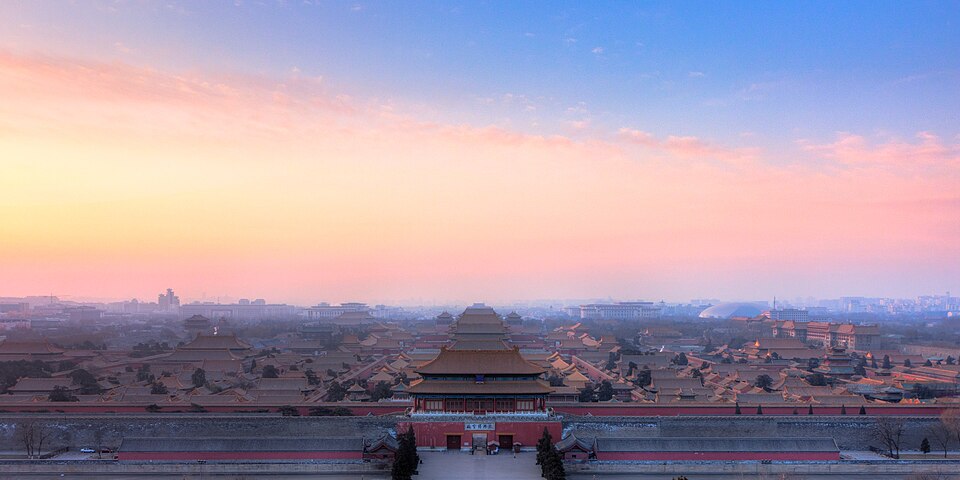
Beijing carries the weight of Chinese history in a way few cities can. The Forbidden City and Tiananmen Square sit at the centre, the Temple of Heaven and the Summer Palace are a short metro ride away, and the Great Wall is reachable as a day trip — Mutianyu and Badaling are the two most common sections, with very different crowds and walking effort. Beyond the headline sights, the hutong lanes around the Drum and Bell Towers reward slow wandering, and Peking duck is a genuine local institution rather than a tourist gimmick.
One practical point: several major Beijing attractions now use timed online reservations, and the Forbidden City in particular can release slots on a set schedule. Rules and release times change, so check the official site or mini-programme for the attraction itself before you build a day around it. Our guide to booking attractions in China as a foreign visitor explains what typically needs a reservation and how the passport-based booking flow works.
What Shanghai does best
Shanghai is easier to like immediately. The Bund faces the Pudong skyline across the Huangpu River, the former French Concession is made for walking and coffee, and the museum and gallery scene is strong. It is also the better city for shopping and for international food, and it has excellent day trips: the water towns of Zhujiajiao and Zhouzhuang, and Hangzhou by high-speed train. If you want a city where a two- or three-day visit feels complete rather than rushed, Shanghai delivers that more readily than Beijing.
Food is where Shanghai quietly wins for many visitors. The range runs from soup dumplings and scallion oil noodles to serious fine dining. For a starting list, see the Shanghai street food guide, which covers the dishes worth seeking out rather than the ones aimed at queues of tourists.
How many days each city needs
Beijing needs more time because its key sights are spread out and the Great Wall takes a full day. Three days is the realistic minimum for the Forbidden City area, the Wall and one or two other major sites; four days lets you slow down. Shanghai works well in two to three days, with a fourth if you add a water town or Hangzhou.
If your trip is short and you are weighing whether China is worth the flight at all, the honest answer depends on how much time you have and what you want from it — our piece on whether China is worth visiting works through that question without overselling it.
Costs and practical differences
Hotel prices in the two cities are broadly comparable at the same star rating, though Shanghai tends to run a little higher in the centre. Local meals are often cheaper in Beijing; Shanghai offers more mid-range and high-end choice. Rather than quoting figures that go stale, check current rates on a booking platform for your own dates and compare like-for-like locations — a hotel near Beijing’s Line 2 loop is a different proposition from one out near the airport.
Two things matter more than the price gap. First, both cities are easy to navigate without Chinese if you prepare: metro signage is bilingual, and a translation app covers the rest. Second, payment is nearly cashless, so set up an international card linked to Alipay or WeChat Pay before you fly. Our cashless travel guide walks through the setup, and the metro guide covers tickets and apps in both cities.
Doing both: the classic first-China route
Beijing and Shanghai are linked by high-speed rail, with frequent departures throughout the day. Journey times and seat classes vary by service, so check the operator’s own timetable for your date rather than relying on a fixed number — the official booking channel is 12306, and our step-by-step 12306 guide explains how to register with a foreign passport and buy tickets. Seat classes and onboard food are covered in the high-speed rail seat class guide.
Most first-time itineraries add Xi’an between the two for the Terracotta Army and the city wall, making a roughly week-long route that is popular for good reason: it moves in one direction, uses rail throughout, and gives you history, then more history, then a modern megacity to finish.
How to decide
Choose Beijing if the Great Wall and imperial history are the reason you are coming, and you can give it at least three days. Choose Shanghai if you want a gentler introduction, strong food and shopping, and easy day trips, or if you are combining the trip with a visa-free transit stop. If you genuinely cannot choose and have a week or more, do both by rail.
Whichever you pick, sort the logistics before booking flights: entry rules, a working payment method, mobile data and hotel eligibility for foreign guests. The first-time in China checklist covers the items worth doing in order, and our guide to hotels that accept foreign guests explains why some properties still cannot register international travellers.
Frequently asked questions
Is Beijing or Shanghai better for a first trip to China?
Neither is objectively better; they suit different trips. Beijing is the stronger choice if imperial history and the Great Wall are your priorities, and it needs at least three days. Shanghai suits shorter visits, is easier to navigate on foot, and has the better food and shopping range. If you have a week, rail makes doing both straightforward.
How many days do I need in each city?
Allow three to four days for Beijing, including a full day for the Great Wall. Shanghai works in two to three days, or four if you add a water town or a day trip to Hangzhou. Trying to see either city properly in a single day is not realistic.
Can I travel between Beijing and Shanghai by train?
Yes, high-speed rail connects them directly with frequent departures. Journey times, seat classes and prices change by service and date, so check the official 12306 timetable and booking page for your specific travel day rather than relying on a figure quoted elsewhere.
Do I need to book attractions in advance?
Several major sites, including the Forbidden City, use timed online reservations and can sell out. Release schedules and rules change, so verify on the attraction’s official booking channel before your trip. Booking usually requires your passport details, and foreign passports are accepted.
Which city is cheaper?
They are broadly similar at the same standard. Local meals tend to be cheaper in Beijing, while Shanghai has more mid-range and high-end options. Check live hotel rates for your own dates and compare equivalent neighbourhoods rather than trusting a general rule.
Whichever city you choose, treat the decision as a question of what you want from the trip rather than which is “better” — Beijing rewards time and context, Shanghai rewards curiosity and appetite, and the rail link means the choice is rarely permanent. Verify entry rules, train times and attraction bookings on official channels close to your travel date, and the rest tends to look after itself.