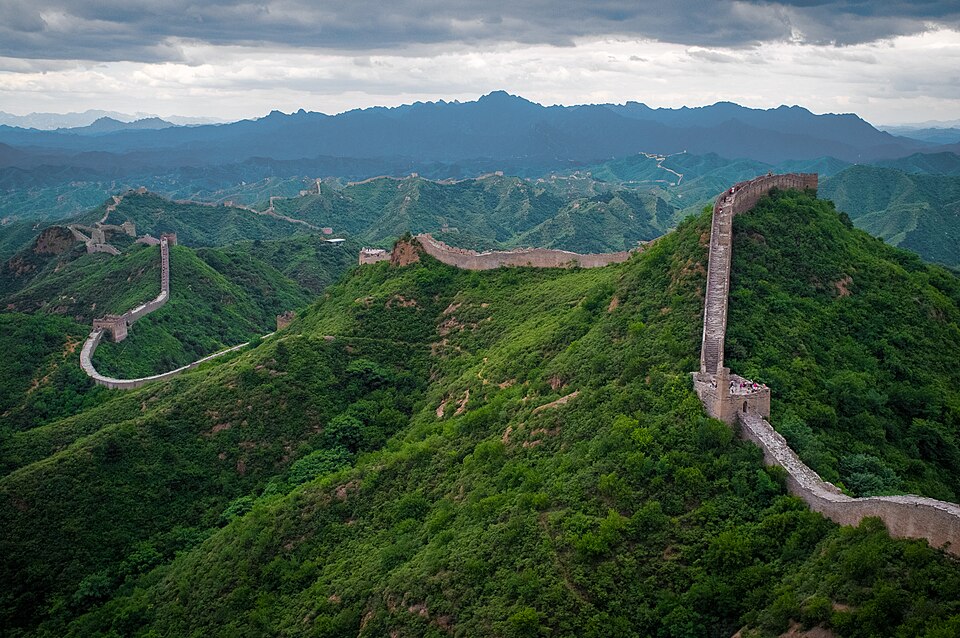
Badaling is the Great Wall section most visitors picture: the one on the banknotes, the one with the cable car, the one every tour coach in Beijing is pointed at. It sits roughly 70km northwest of central Beijing in Yanqing district, and it is the most accessible section by public transport. It is also the busiest. This guide sets out the realistic ways to get there, how to book entry, and how to time a visit so the crowds do not define it.
Where Badaling is and what makes it different
Badaling has been fully restored, which is why it looks the way it does in photographs and why it is the section most often chosen by visitors with limited mobility or a tight schedule. The restored walkways are broad and stepped, with handrails, and the site has cable car and pulley-car options to reach the ridge. That accessibility is the trade-off: on a peak day you are sharing the ramparts with tens of thousands of people, and the experience is closer to a heritage theme park than a quiet hike.
If your priority is atmosphere rather than convenience, other sections are worth considering. Badaling remains the right choice if you have one free day, no car, or someone in the group who cannot manage steep unrestored steps.
Option 1: the S2 suburban train from Huangtudian
The S2 line runs from Huangtudian station in northern Beijing to Badaling. It is the budget option and the one most often recommended in older guides. Two things to check before you rely on it: the timetable shifts with the season, and the trains are not frequent. Seats are unreserved on some services, so arriving early matters on weekends and holidays.
Look up the current departure times on the official China Railway 12306 app or website rather than trusting a blog screenshot, and confirm whether your passport can be used directly at the gate or whether you need to collect a paper ticket. For the general mechanics of buying and using Chinese rail tickets as a foreigner, see this guide to buying China train tickets with a foreign passport.
Option 2: high-speed rail to Badaling Great Wall station
The high-speed line from Beijing North railway station to Badaling Great Wall station is the fastest public option, cutting the journey to around half an hour. From the station it is a walk or a short local transfer to the entrance area, depending on which gate and cable car you are heading for.
This route has changed the maths of a Badaling day trip: you can leave Beijing after a normal breakfast and still be on the wall before mid-morning. The catch is that everyone else worked this out too. Departure slots on peak mornings sell out, and the station at the wall end is busy on arrival. Book in advance, and check the current station name and walking route on the operator’s own page, because signage and shuttle arrangements around the station have been adjusted since the line opened.
Option 3: bus and organised transfers
Tourist buses run from central Beijing departure points to Badaling, usually in the morning with an afternoon return. They are inexpensive and simple if you are staying near a pickup point, but they commit you to a fixed return time and often to a stop or two en route. Confirm the current departure point, departure time and return time directly with the operator, as these change between seasons.
Organised day tours bundle transport, entry and often the cable car. The value is in the timing: a good operator gets you to the gate before the main coach wave. Ask specifically what time you clear the gate, not what time you leave the hotel.
Option 4: private car, and why timing beats transport choice
Even with the high-speed rail, you arrive in the same window as everyone else. A private car changes the shape of the day rather than the speed of the journey: an early hotel pickup, arrival at the gate as it opens, cable car up before the 9am tour groups, and a descent before the midday crush. You are typically back in Beijing by early afternoon with the rest of the day free.
It also lets you change plans. If you would rather spend the day on a quieter, less restored section, a car makes that decision easy on the morning itself. Many visitors who book Badaling by default end up preferring Mutianyu once they understand the difference in atmosphere and crowd levels. Sort out payment before you travel, since card acceptance is patchy and mobile payment dominates; this China cashless travel guide explains how WeChat Pay and Alipay work for visitors.
Tickets, booking and crowd timing
Badaling entry is ticketed and capacity-controlled. Tickets are released on a rolling advance window and are linked to your passport, so you need your passport number when booking and your passport with you at the gate. The exact release window, daily caps and any peak-season rules change, so check the official Badaling ticketing page for the current booking lead time rather than assuming a fixed number of days.
Ignore anyone on site selling skip-the-line access. Entry is controlled by the official booking system, not by touts. Buy through the official channel or through an operator who books on your behalf.
On timing: winter weekdays are the quietest and, after snow, the most striking. Chinese public holidays and weekends are the opposite. Check the holiday calendar before you fix a date, and note that the site’s opening hours vary by season, so verify them on the official page for your travel date.
Frequently asked questions
Can I reach Badaling without a tour or a car?
Yes. Both the S2 suburban train and the high-speed rail from Beijing North serve the Badaling area, and tourist buses run from central Beijing. All require advance booking or early arrival on busy days.
How far in advance should I book entry tickets?
Tickets are released on an advance window and are passport-linked. The window and daily cap are set by the site and can change, so check the official Badaling ticketing page for the current rule before you plan your date.
Is Badaling suitable for wheelchairs or limited mobility?
It is the most accessible major section, with restored walkways and cable car access to the ridge. Gradients on the wall itself are still steep in places, so check the specific route and lift arrangements on the official site.
Which is better, Badaling or Mutianyu?
Badaling wins on transport links and accessibility. Mutianyu is generally quieter and less restored, and is easier to enjoy with a private car. If you have a full day and a driver, Mutianyu is often the better experience.
What should I bring?
Your passport, water, sun protection in summer and grip soles in winter. Steps are uneven and polished by foot traffic. Mobile payment is the norm for anything you buy on site, so have it set up before you go.
Whichever option you choose, the deciding factor at Badaling is rarely the transport itself but the hour you arrive. Fix the ticket first, then work the journey backwards from the gate opening time, and confirm every schedule on the operator’s own page before you travel.