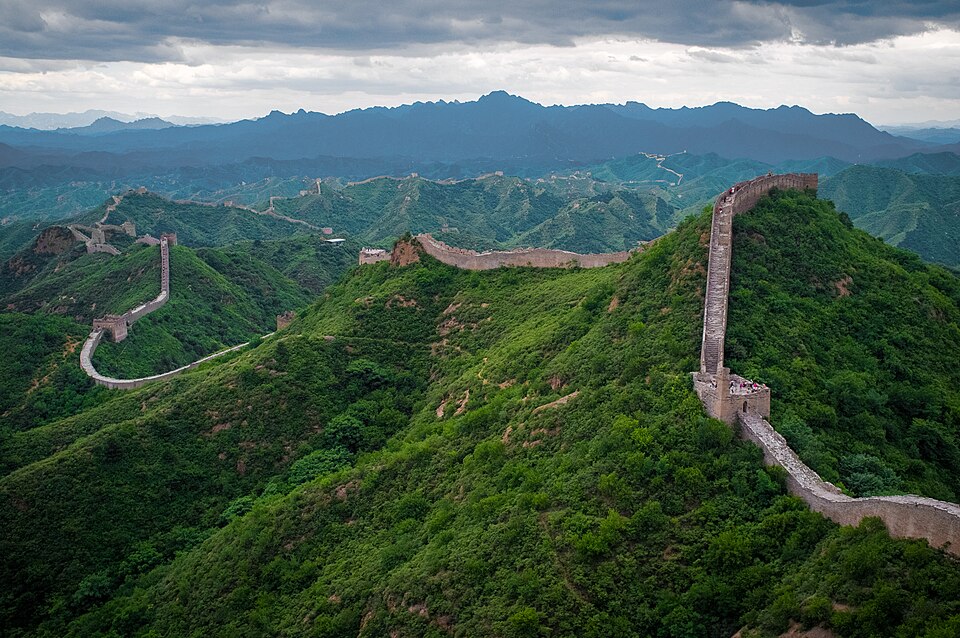
Most people who ask about a Great Wall sunrise are working from a photograph, not a timetable. The wall does not open for sunrise in the way a beach or a mountain summit does. Official entry at the main restored sections begins in the morning, and being on the stones before that usually means either a special arrangement or a hike on an unrestored “wild” section with a licensed guide. What you can realistically do is arrive for first entry, and that turns out to be the better plan anyway: the light is still low and golden, valley mist often has not burned off, and the towers are close to empty.
What “sunrise on the wall” actually means
At restored sections such as Mutianyu, the ticket office and cable car operate to a published daily schedule that changes with the season. Opening is generally in the early morning, earlier in summer than in winter, and the exact time is set by the site rather than by the sun. Do not plan around a number you read on a blog, including this one. Check the official Mutianyu scenic area page or the ticket channel you intend to use, and look specifically for the day’s first entry time and the cable car’s first departure, because these are two different figures and the gap between them matters.
True sunrise on the wall falls into two categories. The first is a permitted early or private arrangement, which some operators and hotels can sometimes organise and which you should confirm in writing, including who holds the permit. The second is a wild-wall hike, where you are on unrestored masonry before dawn with a guide. That second option is genuinely beautiful and genuinely more demanding: unlit paths, loose stone, no railings, and no facilities. If you are not confident on rough ground in the dark, it is not the option for you.
Why first entry beats chasing sunrise
Arriving for the first slot gets you most of what people want from a sunrise visit without the 4am logistics. You walk out onto the wall as the light is still coming in low from the east, which is when the brickwork has texture and the ridges behind it read as layers rather than a flat grey mass. Mist sitting in the valleys is common in the cooler months and usually lifts within an hour or two of opening.
The crowd maths is the real argument. Tour groups and day-trippers tend to arrive in a wave mid-morning. If you are on the wall before that wave, you can walk watchtower to watchtower with very few people around you, and by the time the coaches pull in you are already heading down for coffee. That is a far more reliable experience than gambling on a sunrise slot that may not exist for your date.
Building an early-entry morning that works
The shape of the day is straightforward, but the timing has to be checked rather than assumed.
- Leave Beijing well before dawn if you want to be at the gate for opening. Traffic on the approach roads is unpredictable, and the last stretch is rural.
- Confirm your transport the night before, including the driver’s number and the meeting point.
- Buy or reserve your ticket in advance if the site’s system requires it. Many Chinese attractions now use timed or passport-linked reservations, and the rules for foreign visitors differ from site to site. Our guide to attraction reservations foreigners actually need explains what to check.
- Take the cable car up if it is running at opening; it saves an hour of switchback climbing and puts you on the wall when the light is best.
- Walk in one direction rather than doubling back, so you cover more towers before the crowds arrive.
If you are still assembling the wider trip, the China travel guide for first-timers covers the logistics that sit around a day like this.
Photography notes for the first hours
Light comes in from the east, so towers facing that direction catch the first useful light while the rest of the wall is still in shade. Ask your driver or guide which tower numbers face the sunrise side at the section you are visiting, since numbering differs between sections. After rain, cloud can sit below the ridge line and fill the valleys, which is the shot most people are chasing; the odds are better in the clearer, cooler months than in the humid summer.
Bring more layers than you think you need. A wall morning runs several degrees colder than central Beijing, and the wind on an exposed ridge is the part people underestimate. Gloves and a hat in spring and autumn are not excessive. A polarising filter helps with haze, and a cloth for lens mist is worth packing if you are shooting at first light.
Practical details and what to verify
Early-entry arrangements are usually sold as a package: a private car from your hotel before dawn, entry tickets, the cable car, and a driver who speaks English, with a guide available as an add-on. Prices vary by vehicle size, season and whether a guide is included, so treat any figure you see as indicative and confirm the current quote directly with the operator before paying. Ask what happens if the site changes its opening time or closes for weather, and get the cancellation terms in writing.
Book several days ahead in peak season, and longer around public holidays. Pay attention to how you will pay on the day: many operators take mobile payment, and foreign cards are increasingly workable in China but not universally so. The cashless travel guide walks through how WeChat Pay and Alipay work for visitors. If you are booking through an AI tool, be careful about invented opening hours; using AI for a China itinerary without invented opening hours explains how to sanity-check the output.
Frequently asked questions
Can I actually watch the sun rise from the Great Wall?
At restored sections, generally not on a standard ticket, because entry begins after sunrise for much of the year. It can be possible through a special arrangement or on a guided wild-wall hike. Confirm directly with the operator or the site, and ask what permit or permission covers the early access.
What time should I arrive for first entry?
Plan to be at the ticket area shortly before the published opening time, which changes seasonally. Look up the current first entry time and the first cable car departure on the official site or ticket channel for your date, and allow extra time for the drive from Beijing.
Is a wild-wall hike safe?
It carries real risk: unlit paths, loose stone, steep drops and no facilities. Go only with a licensed guide who knows the route, in daylight unless the operator is explicitly permitted for pre-dawn access, and skip it if you are unsure on rough terrain.
How far ahead should I book an early-entry tour?
Several days in peak season is a reasonable minimum, and more around national holidays. Ask about the cancellation policy, what is included, and how the operator handles a change in the site’s opening hours.
What should I wear?
Layers, a windproof outer shell, and gloves and a hat in cooler months. Ridge mornings are noticeably colder and windier than the city, and you will be standing still for long stretches while photographing.
Treat the sunrise question honestly: on most dates you are choosing between a permitted early arrangement, a guided wild-wall hike, or first entry on a normal ticket. First entry is the option that works for almost everyone, and it delivers the empty towers and low light that made you ask about sunrise in the first place. Check the day’s official times before you commit, confirm what your operator actually provides, and the morning will look after itself.