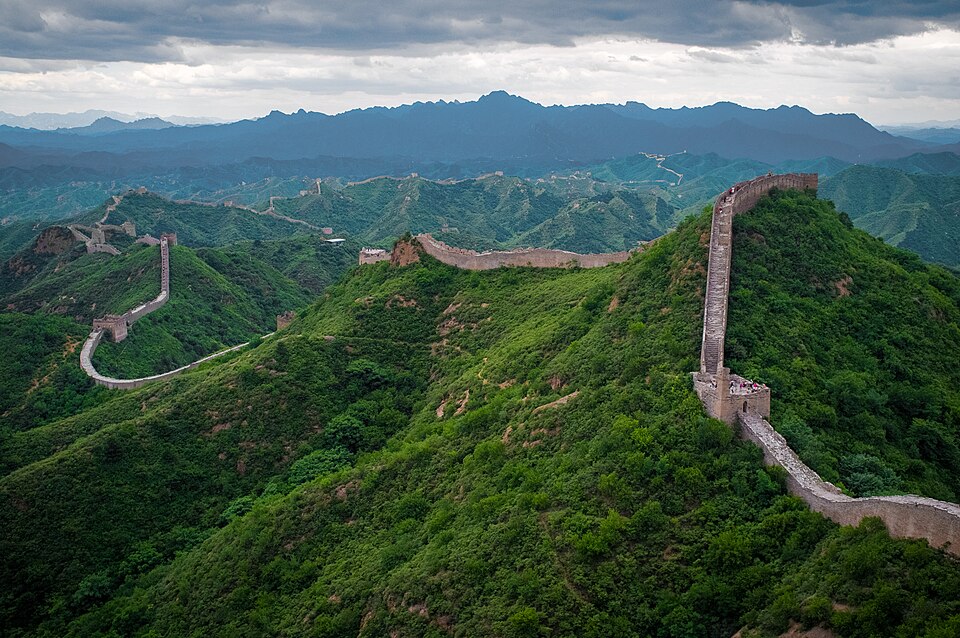
Mutianyu is the section of the Great Wall most first-time visitors to Beijing end up preferring, and the question of how to reach it has a genuinely practical answer. It sits roughly 70km northeast of central Beijing in Huairou district, about a 1.5-hour drive in normal traffic. The wall here is restored but retains a wilder feel than the fully rebuilt showpieces, and the classic hike runs between watchtowers 14 and 23. This guide sets out the three realistic ways to get there, what each one actually involves, and what to sort out before you go.
Where Mutianyu is and what the visit involves
The site occupies a mountain ridge with the wall running along it, and the car park, ticket office and cable car base sit below the wall itself. You do not simply step onto the wall from the road: you either walk up a steep path and steps, or you take the cable car, a chairlift, or a toboggan on the way down. The cable car and toboggan are separate paid services from the wall entry itself, and availability can be affected by weather, maintenance or season. Check the current position on the official Mutianyu ticketing channels or with whoever is booking for you before you commit to a plan that depends on a specific lift.
Watchtowers are numbered, and the numbering matters when people talk about the “best” walk. Towers 14 to 23 are the stretch most visitors aim for: a steady climb with long views and fewer crowds the further you go. It is not a flat promenade. Steps are uneven, some sections are steep, and the surface is worn. Grippy shoes matter more than any other item you bring.
Option 1: private car or chartered driver
This is the option most people with a fixed schedule end up choosing. A private car collects you from your hotel, drives you to the Mutianyu car park in around 75 minutes outside peak traffic, and the driver waits while you walk the wall. You set your own return time, which removes the single biggest stress of the public options: the last bus.
Costs vary with vehicle type, group size, pickup point and season, so treat any figure you see online as indicative only and confirm the inclusions in writing. When comparing quotes, ask specifically whether fuel, tolls, parking and waiting time are included, how long the driver will wait, and what happens if you overrun. A common and workable pattern is a morning at the Forbidden City followed by an afternoon at Mutianyu, though note that major Beijing attractions increasingly require advance timed reservations, which you can read about in this guide to booking attractions in China as a foreigner.
Option 2: public bus and local transfer
The cheapest route uses the 916 Express bus from Dongzhimen in northeast Beijing to Huairou, which takes roughly an hour, followed by a local transfer: the h23 or h24 minibus, or a taxi for the final leg, around 20 minutes. Total journey time is commonly 2.5 to 3 hours each way once you account for waiting, and it demands some Chinese-language navigation and comfort with local bus stops.
Fares are low, but do not rely on a number quoted in an old blog post. Bus routes, stopping points and timetables change, and the last return service is the thing that catches people out. Verify the current schedule locally or through the operator before you set out, and build in a buffer. If your Chinese is limited, the phrases and apps in this guide to translation apps and essential phrases will make the transfer considerably less stressful. You will also need a working payment method; see the cashless travel guide for how WeChat Pay and Alipay work for foreign cards.
Option 3: organised day tour
A day tour bundles transport, an English-speaking guide, entry and usually the cable car, and often lunch. The appeal is not only convenience: once you add up transport, tickets, the cable car and the time cost of navigating the public route, the gap between DIY and a tour narrows more than people expect. Prices depend on group size, inclusions and season, so ask for a written breakdown of exactly what is covered, whether the cable car is guaranteed or subject to weather, and whether the group stops at any shopping venues.
Tickets, timing and what to bring
Entry to the wall, the cable car and the toboggan are priced separately, and prices are revised from time to time. Rather than trusting a figure here, check the official ticketing page or ask your operator for the current rates, and confirm whether advance booking is required on your date. Weekends, Chinese public holidays and the autumn foliage period are busiest.
Arriving around opening time is the single most effective crowd-avoidance measure. Tour groups tend to arrive in waves from mid-morning, so an early start gives you the towers largely to yourself. Bring water, since on-wall prices are high, plus sun protection and a layer for the ridge wind. Allow three to four hours on site if you want to walk the 14–23 stretch properly.
Frequently asked questions
Is Mutianyu better than Badaling?
They suit different trips. Badaling is closer, easier to reach by public transport and heavily visited. Mutianyu is further out, generally quieter and offers a longer, more varied walk with the cable car and toboggan option. If your priority is a genuine hike rather than a quick photo, Mutianyu is usually the better fit.
Can I visit Mutianyu without a tour?
Yes. A private car or the public bus route both work independently, and you can buy entry and cable car tickets yourself. The trade-off is logistics: you handle navigation, timing and any language barrier, and you need to be confident about the last return transport.
How long should I allow for the visit?
Plan on three to four hours at the site if you intend to walk between towers 14 and 23, plus roughly 1.5 hours of driving each way from central Beijing. A half-day trip is tight; a full day is comfortable.
Do I need to book tickets in advance?
Often advisable, particularly at weekends and during Chinese holidays, and some periods require timed reservation. Check the official Mutianyu ticketing channel or ask your operator whether advance booking applies on your date, and whether the cable car is included or weather-dependent.
What should I wear?
Trainers or shoes with real grip. The steps are steep, uneven and often worn smooth. Avoid smooth-soled shoes, carry water, and take a light windproof layer, as the ridge is exposed.
Whichever option you choose, the deciding factors are time, budget and how much logistics you want to handle yourself. Sort your transport and tickets before you leave Beijing, confirm current prices and opening arrangements directly with the operator or official page, and start early. If you want help assembling the rest of your itinerary, the site’s other China travel guides cover transport, payments, connectivity and city-by-city planning in the same practical detail.