Getting medical care in China is easier, faster and cheaper than most visitors assume. What is difficult is finding the right entry point, because the system is organised quite differently from what a traveller is used to. A hospital is not a place you go for a minor problem. A pharmacy is far more capable than its Western equivalent. And the biggest genuine health risk on a typical itinerary is not food or water — it is altitude.
يغطي هذا الدليل كيفية عمل النظام، وما يجب أن تحضره معك، وتكاليف الخدمات المختلفة، وكيفية تفاعل الدفع والتأمين فعليًّا.
ما يجب إعداده قبل السفر جوًّا
الوقاية في الصين تعتمد في الغالب على ما تحمله أصلاً في حقيبتك، لأن الأدوية التي تستخدمها في بلدك قد لا توجد هنا بأي اسمٍ مألوف.
احمل معك الأدوية الشائعة التي تستخدمها عادة. مثل مسكّنات الألم، وأدوية الإسهال، ومضادات الهيستامين، وأكياس إعادة الترطيب، ولصقات الجروح، وأي دواء تتناوله بانتظام. ولا تعتمد على شرائها محليًّا. فبالفعل توجد نظائر صينية لهذه الأدوية، لكن التعرّف عليها عبر حاجز اللغة أثناء شعورك بالمرض تجربة غير مريحة.
احمل الأدوية الموصوفة طبيًّا في عبواتها الأصلية مع نسخة من الوصفة. Keep it in hand luggage, not checked baggage. If you take a controlled or injectable medication, check China’s import rules in advance — some categories require prior approval, and this is not something to resolve at the airport.
اكتب المكوّن الفعّال، وليس الاسم التجاري. الأسماء التجارية لا «تسافر» معك. فإذا احتجت إلى إعادة صرف الدواء أو كان الصيدلي بحاجة إلى مطابقته، فالاسم العام هو ما ينفع فعلًا. احفظه كملاحظة مكتوبة بالحروف الصينية على هاتفك.
اشترِ تأمين السفر قبل المغادرة. This matters more in China than in many destinations, because the public hospital system is designed around immediate payment by the patient. Without insurance you will pay upfront and there is no mechanism to bill a foreign insurer later. Choose a policy that explicitly covers medical evacuation, not just treatment — a serious incident in a remote area such as western Sichuan or Tibet is an evacuation problem, and evacuation is the expense that ruins trips financially.
تحقّق من التطعيمات الروتينية. تنطبق نصائح التطعيم السياحي القياسية: ويُوصى عادةً بلقاحات التهاب الكبد أ، والتهاب الكبد ب، والحمى التيفوئيد للسفر إلى الصين. أما لقاح الكلب فجدير بالنقاش مع عيادة سفر إذا كانت رحلتك تشمل مناطق ريفية، إذ تنتشر الكلاب الضالة في الصين، والعلاج بعد التعرّض يتطلّب تدخلًا فوريًّا.
الصيدليات: أول محطة لك، وليست الأخيرة
الصيدليات الصينية، المُشار إليها بـ 药店 (yào diàn), are the correct first stop for minor problems and they are genuinely good. You will find them on almost every commercial street, usually several within a few hundred metres, and many are open around the clock — look for 24小时 (24 ساعة) على اللوحة الإرشادية.
Staff are trained and will consult on minor issues, offering something specific rather than pointing you at a shelf. The practical obstacle is entirely linguistic: bring your phone, translate three keywords, and show them. “Sore throat”, “diarrhoea”, “allergy”, “insect bite” translate cleanly and are enough for a pharmacist to act.
Two things to understand about the pharmacy system. First, many medications that are prescription-only in your home country are available over the counter in China, including some antibiotics. This does not make self-prescribing a good idea, but it does mean you can usually get what you need without a doctor. Second, traditional Chinese medicine is sold in the same shops and clearly separated — 中药 (zhōng yào) for herbal preparations, 西药 (xī yào) for Western medicine. If you want a familiar drug, ask for 西药.
وتُساعدك أيضًا ثقافة الماء الساخن. فجميع الصيدليات والفنادق والمطارات والمحطات في الصين توفّر ماءً مغليًّا، وإعادة الترطيب هي الطريقة القياسية للتعامل مع اضطرابات المعدة السياحية. احمل زجاجة ماء واملأها عند الحاجة.
العيادات والمستشفيات: أي باب تدخل منه؟
أكثر الأخطاء شيوعًا لدى الزوّار هو التوجّه إلى مستشفى عام كبير لمشكلة بسيطة. فالمستشفيات العامة الصينية مؤسسات عالية الكثافة، منظمة حسب الأقسام والطوابير وعملية تسجيل تفترض وجود هوية محلية وتطبيق دفع محلي. فللتورم البسيط في الكاحل أو اضطراب المعدة، هذا الخيار غير مناسب وقد يستغرق نصف يومك.
أما نقاط الدخول المناسبة، مرتبة حسب مدى ملاءمتها للزائر:
| الخيار | الأفضل لـ | الإنجليزية | التكلفة النموذجية |
|---|---|---|---|
| صيدلية (ياو ديان) | أمراض بسيطة، إسعافات أولية، إعادة صرف أدوية | Limited — use translation | RMB 20–150 |
| عيادة دولية | معظم الاحتياجات الطبية للزوّار | نعم، بالكامل | RMB 600–1,500 consultation |
| القسم الدولي في المستشفى العام | مشاكل جسيمة، رعاية تخصصية | عادةً نعم | RMB 300–1,000 plus treatment |
| القسم العام في المستشفى العام | للحالات الطارئة فقط | Rare — bring translation help | منخفضة، لكنها بطيئة |
| حالة طوارئ (اتصل على ١٢٠) | حالات الطوارئ الحقيقية | متغير | Ambulance RMB 100–300+ |
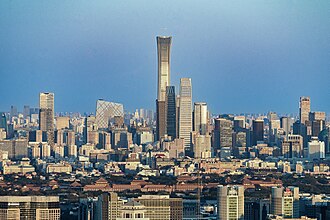
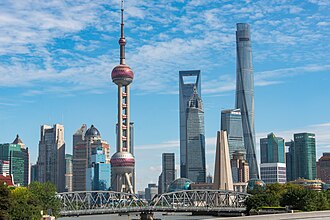
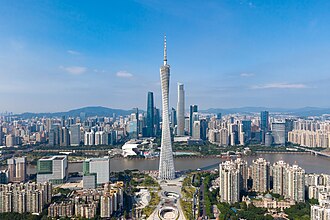
International clinics — United Family and similar networks in Beijing, Shanghai, Guangzhou and Chengdu, plus SOS clinics and international departments in major hospitals — are the practical answer for visitors. They are expensive by Chinese standards and cheap by Western ones, they operate in English, they take international cards, and they will produce the itemised documentation your insurer needs. A consultation is typically RMB 600–1,500.
For anything serious, the same facilities have the referral pathways into specialist care. Ask your hotel front desk to call ahead for you — this is one of the most genuinely useful services a hotel provides and it costs you nothing.
الدفع وكيفية عمل التأمين فعليًّا
افهم هذا جيدًا، لأنه قد يتسبب في صدمة مالية حقيقية: يدفع المريض مباشرةً لمقدّمي الخدمة الصينيين عند تلقي العلاج. لا توجد فواتير مباشرة لشركات التأمين الأجنبية في الحالات العادية.
The workflow is: pay in full at the time of treatment — international cards, Alipay and WeChat Pay all work at private clinics — collect an itemised invoice, a diagnosis certificate and receipts, and claim from your insurer on return. International clinics are accustomed to producing exactly this paperwork; ask for the English-language itemised invoice explicitly, because the default output may not include the detail an insurer requires.
Two practical consequences. First, carry a card with sufficient headroom, or ensure your payment app is funded — a serious incident can run into tens of thousands of RMB. Second, call your insurer’s assistance line قبل للعلاج غير الطارئ، وذلك ليس فقط لأن العديد من وثائق التأمين تشترط الحصول على موافقة مسبقة، بل أيضًا لأن شركة التأمين غالبًا ما توجّهك إلى مرافق تتعامل معها مباشرة.
المخاطر التي يقلّ إعداد الزوّار لها أكثر من غيرها
الارتفاع عن سطح البحر — وليس الطعام — هو المشكلة الصحية التي تعرقل خطط السفر إلى الصين في أغلب الأحيان.
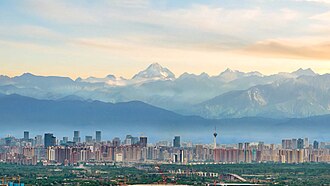
The classic cases are Lhasa at 3,650 metres, Shigatse higher still, and the Sichuan–Tibet plateau around Daocheng Yading and Nyingchi, where passes exceed 4,500 metres. Travellers routinely book these as if altitude were a scenic detail rather than a physiological event.
What works: ascend gradually, do not fly directly from sea level to Lhasa and immediately climb, allow a full rest day on arrival, drink more water than feels necessary, avoid alcohol for the first two days, and know the symptoms of acute mountain sickness — persistent headache with nausea, dizziness, breathlessness at rest. The rule is that if symptoms worsen despite rest, you descend. Descending is the treatment, and no medication substitutes for it.
أما الزوّار الذين يعانون أمراض القلب أو الجهاز التنفسي، فيجب أن يعاملوا الوجهات المرتفعة كقرار طبي يُتخذ بالتشاور مع طبيبهم في بلدهم، وليس كتقييم شخصي في بهو فندق في لاسا. وإذا كنت متجهًا إلى التبت، فلاحظ أن إجراءات تصريح الدخول منفصلة وتتطلب ترتيبات مسبقة؛ ونحن جولات سياحية في الصين نُنظّم هذه التصاريح كجزء من خطتك السياحية.
الطعام والماء والأشياء الروتينية
الماء الصنبوري غير صالح للشرب في أي مكان داخل البر الصيني الرئيسي. وكل غرفة فندق مزوّدة بغلاية، والممارسة الصينية الشائعة المتمثلة في شرب الماء الساخن المغلي هي الاستجابة الأنسب تمامًا. أما المياه المعبأة فهي رخيصة ومتوفرة في كل مكان. والثلج في المطاعم والفنادق الموثوقة آمن عمومًا، بينما يُفضّل تجنّب الثلج من الباعة الجائلين.
Street food is a genuine highlight rather than a hazard, provided you use normal judgment: eat where there is a queue, eat things cooked to order and served hot, and avoid anything that has been sitting out. Most travel stomach upset in China comes from unfamiliar oil and spice levels rather than contamination — the food is often far richer than visitors expect.
Air quality varies widely by city and season, with northern cities worse in winter. Travellers with asthma or respiratory conditions should check current readings for their destinations — the data is public and current — and carry any inhaler in hand luggage.
الأسئلة التي نتلقاها غالبًا
هل يمكنني زيارة طبيب دون حجز موعد مسبق؟ في العيادات الدولية، نعم عادةً في نفس اليوم للاستشارات العامة، لكن الحجز المسبق أفضل. أما في المستشفيات العامة، فالتسجيل المباشر هو المعيار، لكنه بطيء. ولا تعمل أي منهما كما تفعل الأنظمة القائمة على الحجز المسبق في بلدك.
ما رقم الطوارئ؟ ١٢٠ لإرسال سيارة إسعاف، و١١٠ للشرطة، و١١٩ للإطفاء. احفظ هذه الأرقام الثلاثة. وتتوفر مشغّلات باللغة الإنجليزية في المدن الكبرى، لكنها غير مضمونة في باقي المناطق.
هل ستكون أدويتي متوفرة؟ ربما، لكن باسم مختلف وعبوة مختلفة. ولذلك نوصي بشدة بحمل كمية كافية من أدويتك طوال فترة الرحلة، ومعرفة الاسم العام للدواء في حال نفاذ المخزون.
هل الرعاية الصحية جيدة في الصين؟ نعم، وبخاصة في المدن من المستوى الأول والثاني، حيث تتمتّع المرافق والأطباء المتخصصون بمستوى عالٍ. والفجوة ليست في الجودة، بل في سهولة الوصول واللغة — وهي بالضبط المهمة التي أُنشئت العيادات الدولية لتغطيتها.
هل أحتاج تأمينًا خاصًا للسفر إلى الصين؟ Nothing China-specific, but check that your policy does not exclude the activities on your itinerary — hiking above certain altitudes, cycling, and adventure activities are commonly excluded. Read that section before you travel, not after.
A little preparation here is cheap and the payoff is asymmetric. Carry your own medications, buy insurance that covers evacuation, know the emergency numbers, and treat altitude seriously — and the healthcare system stops being something to worry about and becomes something that quietly works.
If you would rather travel with that layer handled — guides who know the nearest clinic in every city, and itineraries that pace altitude properly — our جولات سياحية في الصين و المخصصة الخاصة خططنا السياحية مُصممة بهذه الطريقة. وللتناسب مع تواريخك الخاصة وأي قيود طبية لديك، فإن مخطط الرحلات الذكي فريق التخطيط لدينا سيُعدّ الخطة وفقًا لها، أو يمكنك التحدث مع مخطط رحلات.