Getting medical care in China is easier, faster and cheaper than most visitors assume. What is difficult is finding the right entry point, because the system is organised quite differently from what a traveller is used to. A hospital is not a place you go for a minor problem. A pharmacy is far more capable than its Western equivalent. And the biggest genuine health risk on a typical itinerary is not food or water — it is altitude.
Este guia explica como o sistema funciona, o que levar, quanto custam os serviços e como funcionam pagamentos e seguros.
O que preparar antes de voar
A prevenção na China depende, em grande parte, do que já está na sua mala, pois os medicamentos que você usa em casa podem não existir aqui com nomes reconhecíveis.
Leve seus medicamentos de uso comum. Analgésicos, anti-diarreicos, anti-histamínicos, sais de reidratação oral, curativos para bolhas e quaisquer remédios que você tome rotineiramente. Não conte com comprá-los localmente. Equivalentes chineses existem, mas identificá-los por meio de uma barreira linguística enquanto se sente mal é uma experiência frustrante.
Carregue medicamentos sob prescrição na embalagem original, com cópia da receita. Keep it in hand luggage, not checked baggage. If you take a controlled or injectable medication, check China’s import rules in advance — some categories require prior approval, and this is not something to resolve at the airport.
Anote o princípio ativo, não o nome comercial. Nomes de marcas não valem fora do seu país. Se precisar de reposição ou um farmacêutico tiver de identificar um equivalente, o nome genérico é o que funciona. Guarde essa informação como uma nota em caracteres chineses no seu celular.
Compre um seguro viagem antes da partida. This matters more in China than in many destinations, because the public hospital system is designed around immediate payment by the patient. Without insurance you will pay upfront and there is no mechanism to bill a foreign insurer later. Choose a policy that explicitly covers medical evacuation, not just treatment — a serious incident in a remote area such as western Sichuan or Tibet is an evacuation problem, and evacuation is the expense that ruins trips financially.
Verifique suas vacinas de rotina. As recomendações padrão para viagens se aplicam: hepatite A, hepatite B e tifo são frequentemente indicadas para a China. Raiva merece avaliação em clínica especializada se seu roteiro inclui áreas rurais, pois a China tem grande população de cães de rua e o tratamento pós-exposição é crítico em termos de tempo.
Farmácias: seu primeiro, não seu último, destino
Farmácias chinesas, identificadas como 药店 (yào diàn), are the correct first stop for minor problems and they are genuinely good. You will find them on almost every commercial street, usually several within a few hundred metres, and many are open around the clock — look for 24小时 (24 horas) na placa.
Staff are trained and will consult on minor issues, offering something specific rather than pointing you at a shelf. The practical obstacle is entirely linguistic: bring your phone, translate three keywords, and show them. “Sore throat”, “diarrhoea”, “allergy”, “insect bite” translate cleanly and are enough for a pharmacist to act.
Two things to understand about the pharmacy system. First, many medications that are prescription-only in your home country are available over the counter in China, including some antibiotics. This does not make self-prescribing a good idea, but it does mean you can usually get what you need without a doctor. Second, traditional Chinese medicine is sold in the same shops and clearly separated — 中药 (zhōng yào) for herbal preparations, 西药 (xī yào) for Western medicine. If you want a familiar drug, ask for 西药.
A cultura da água quente também ajuda. Farmácias, hotéis, estações e aeroportos chineses fornecem água fervida, e a reidratação é a abordagem padrão para a maioria das indisposições gastrointestinais causadas pela viagem. Leve uma garrafa e reabasteça-a.
Clínicas e hospitais: qual porta usar
O erro mais comum entre visitantes é ir a um grande hospital público para um problema leve. Os hospitais públicos chineses são instituições de alto volume, organizadas por departamentos, filas e um processo de registro que pressupõe um documento de identificação local e um aplicativo de pagamento local. Para um entorse no tornozelo ou uma gripe intestinal, esse é o caminho errado — e pode consumir metade do seu dia.
Os pontos de entrada corretos, em ordem de adequação para um visitante:
| Opção | Ideal para | Inglês | Custo típico |
|---|---|---|---|
| Farmácia (药店) | Doenças leves, primeiros socorros, reposição de remédios | Limited — use translation | RMB 20–150 |
| Clínica internacional | A maioria das necessidades médicas de visitantes | Sim, totalmente | RMB 600–1,500 consultation |
| Departamento internacional de hospital público | Problemas graves, atendimento especializado | Geralmente sim | RMB 300–1,000 plus treatment |
| Departamento geral de hospital público | Apenas emergências | Rare — bring translation help | Baixo, mas lento |
| Emergência (ligue 120) | Emergências reais | Variável | Ambulance RMB 100–300+ |
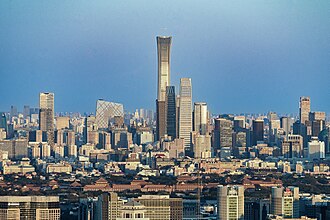
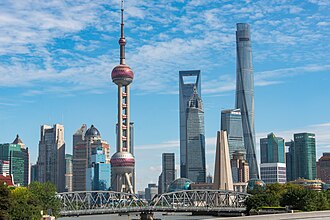
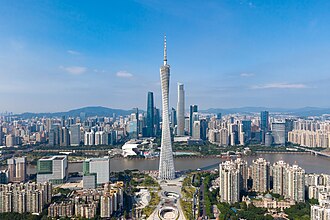
International clinics — United Family and similar networks in Beijing, Shanghai, Guangzhou and Chengdu, plus SOS clinics and international departments in major hospitals — are the practical answer for visitors. They are expensive by Chinese standards and cheap by Western ones, they operate in English, they take international cards, and they will produce the itemised documentation your insurer needs. A consultation is typically RMB 600–1,500.
For anything serious, the same facilities have the referral pathways into specialist care. Ask your hotel front desk to call ahead for you — this is one of the most genuinely useful services a hotel provides and it costs you nothing.
Pagamento e como o seguro realmente funciona
Entenda isso bem, pois causa choque financeiro real: Os prestadores de serviços médicos na China são pagos diretamente pelo paciente no momento do atendimento. Não há cobrança direta às seguradoras estrangeiras na maioria dos casos.
The workflow is: pay in full at the time of treatment — international cards, Alipay and WeChat Pay all work at private clinics — collect an itemised invoice, a diagnosis certificate and receipts, and claim from your insurer on return. International clinics are accustomed to producing exactly this paperwork; ask for the English-language itemised invoice explicitly, because the default output may not include the detail an insurer requires.
Two practical consequences. First, carry a card with sufficient headroom, or ensure your payment app is funded — a serious incident can run into tens of thousands of RMB. Second, call your insurer’s assistance line antes tratamento não emergencial, tanto porque muitas apólices exigem autorização prévia quanto porque elas frequentemente indicam uma unidade com a qual já trabalham.
O risco para o qual a maioria dos viajantes se prepara insuficientemente
A altitude — não a alimentação — é o problema de saúde que mais frequentemente compromete itinerários na China.
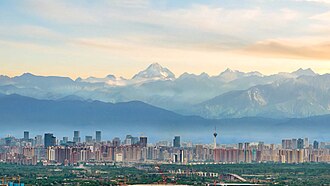
The classic cases are Lhasa at 3,650 metres, Shigatse higher still, and the Sichuan–Tibet plateau around Daocheng Yading and Nyingchi, where passes exceed 4,500 metres. Travellers routinely book these as if altitude were a scenic detail rather than a physiological event.
What works: ascend gradually, do not fly directly from sea level to Lhasa and immediately climb, allow a full rest day on arrival, drink more water than feels necessary, avoid alcohol for the first two days, and know the symptoms of acute mountain sickness — persistent headache with nausea, dizziness, breathlessness at rest. The rule is that if symptoms worsen despite rest, you descend. Descending is the treatment, and no medication substitutes for it.
Viajantes com problemas cardíacos ou respiratórios devem tratar destinos de alta altitude como uma decisão médica tomada com seu médico em casa, não como uma avaliação feita na recepção de um hotel em Lhasa. Se você vai ao Tibete, observe que o processo de obtenção do visto é separado e exige agendamento antecipado; nossos tours na China serviços incluem esses vistos como parte do roteiro.
Alimentação, água e itens rotineiros
Água da torneira não é potável em nenhuma parte da China continental. Todo quarto de hotel tem um bule, e a prática chinesa universal de beber água fervida é exatamente a resposta correta. Água engarrafada é barata e está disponível em toda parte. O gelo em restaurantes e hotéis confiáveis geralmente é seguro; evite gelo de barracas de rua.
Street food is a genuine highlight rather than a hazard, provided you use normal judgment: eat where there is a queue, eat things cooked to order and served hot, and avoid anything that has been sitting out. Most travel stomach upset in China comes from unfamiliar oil and spice levels rather than contamination — the food is often far richer than visitors expect.
Air quality varies widely by city and season, with northern cities worse in winter. Travellers with asthma or respiratory conditions should check current readings for their destinations — the data is public and current — and carry any inhaler in hand luggage.
Perguntas mais frequentes
Posso consultar um médico sem agendamento? Nas clínicas internacionais, geralmente sim no mesmo dia para consultas gerais; agendar com antecedência é melhor. Em hospitais públicos, o registro espontâneo é a norma, mas lento. Nenhum desses sistemas funciona como o modelo baseado em agendamento do seu país.
Qual é o número de emergência? 120 para ambulância, 110 para polícia, 119 para bombeiros. Grave todos os três. Operadores em inglês estão disponíveis nas principais cidades, mas não são garantidos em outros locais.
Meus medicamentos estarão disponíveis? Possivelmente, sob outro nome e embalagem diferente. Por isso recomendamos levar seu próprio estoque para toda a viagem — e saber o nome genérico é essencial caso precise repor.
O sistema de saúde na China é bom? Sim, especialmente nas cidades de primeiro e segundo escalão, onde infraestrutura e especialistas são excelentes. A diferença não está na qualidade, mas no acesso e no idioma — justamente o que as clínicas internacionais existem para resolver.
Preciso de um seguro específico para a China? Nothing China-specific, but check that your policy does not exclude the activities on your itinerary — hiking above certain altitudes, cycling, and adventure activities are commonly excluded. Read that section before you travel, not after.
A little preparation here is cheap and the payoff is asymmetric. Carry your own medications, buy insurance that covers evacuation, know the emergency numbers, and treat altitude seriously — and the healthcare system stops being something to worry about and becomes something that quietly works.
If you would rather travel with that layer handled — guides who know the nearest clinic in every city, and itineraries that pace altitude properly — our tours na China e carros particulares com motorista roteiros são montados assim. Para um trajeto personalizado com suas datas e restrições médicas, nosso Planejador de Viagem por IA planejamento será adaptado a elas, ou você pode conversar com um planejador.