Getting medical care in China is easier, faster and cheaper than most visitors assume. What is difficult is finding the right entry point, because the system is organised quite differently from what a traveller is used to. A hospital is not a place you go for a minor problem. A pharmacy is far more capable than its Western equivalent. And the biggest genuine health risk on a typical itinerary is not food or water — it is altitude.
Questa guida spiega come funziona il sistema, cosa portare con sé, i costi approssimativi e come interagiscono pagamenti e assicurazione.
Cosa preparare prima della partenza
La prevenzione in Cina dipende soprattutto da ciò che già avete in valigia: i farmaci che usate a casa potrebbero non esistere qui con alcun nome riconoscibile.
Portate con voi i farmaci di uso comune. Antidolorifici, antidiarroici, antistaminici, bustine reidratanti, cerotti per vesciche e qualsiasi altro farmaco assumiate regolarmente. Non contate di acquistarli sul posto. Equivalenti cinesi esistono, ma identificarli oltre una barriera linguistica mentre vi sentite male è un’esperienza spiacevole.
Conservate i farmaci con prescrizione nella confezione originale, accompagnati da una copia della ricetta. Keep it in hand luggage, not checked baggage. If you take a controlled or injectable medication, check China’s import rules in advance — some categories require prior approval, and this is not something to resolve at the airport.
Scrivete il principio attivo, non il nome commerciale. I nomi commerciali non viaggiano. Se avete bisogno di una ricarica o il farmacista deve trovare un equivalente, conta solo il nome generico. Tenetelo salvato come nota in caratteri cinesi sul vostro telefono.
Sottoscrivete un’assicurazione di viaggio prima della partenza. This matters more in China than in many destinations, because the public hospital system is designed around immediate payment by the patient. Without insurance you will pay upfront and there is no mechanism to bill a foreign insurer later. Choose a policy that explicitly covers medical evacuation, not just treatment — a serious incident in a remote area such as western Sichuan or Tibet is an evacuation problem, and evacuation is the expense that ruins trips financially.
Verificate le vaccinazioni obbligatorie Valgono le consuete raccomandazioni per i viaggiatori: epatite A, epatite B e tifo sono comunemente consigliati per la Cina. La rabbia merita una discussione con una clinica specializzata se il vostro itinerario include aree rurali, dato che in Cina è diffusa la popolazione di cani randagi e il trattamento post-esposizione è critico dal punto di vista temporale.
Farmacie: il primo, non l’ultimo, punto di riferimento
Le farmacie cinesi, contrassegnate da 药店 (yào diàn), are the correct first stop for minor problems and they are genuinely good. You will find them on almost every commercial street, usually several within a few hundred metres, and many are open around the clock — look for 24小时 (24 ore) sul cartello.
Staff are trained and will consult on minor issues, offering something specific rather than pointing you at a shelf. The practical obstacle is entirely linguistic: bring your phone, translate three keywords, and show them. “Sore throat”, “diarrhoea”, “allergy”, “insect bite” translate cleanly and are enough for a pharmacist to act.
Two things to understand about the pharmacy system. First, many medications that are prescription-only in your home country are available over the counter in China, including some antibiotics. This does not make self-prescribing a good idea, but it does mean you can usually get what you need without a doctor. Second, traditional Chinese medicine is sold in the same shops and clearly separated — 中药 (zhōng yào) for herbal preparations, 西药 (xī yào) for Western medicine. If you want a familiar drug, ask for 西药.
Anche la cultura dell’acqua bollita aiuta in questo caso. Farmacie, hotel, stazioni e aeroporti cinesi forniscono tutti acqua bollita, e la reidratazione è l’approccio standard per la maggior parte dei disturbi intestinali da viaggio. Portate con voi una bottiglia e riempitela regolarmente.
Cliniche e ospedali: quale porta scegliere
L’errore più comune tra i visitatori è recarsi in un grande ospedale pubblico per un problema lieve. Gli ospedali pubblici cinesi sono strutture ad alto volume, organizzate per reparti, code e procedure di registrazione che presuppongono una carta d’identità locale e un’app di pagamento cinese. Per una distorsione alla caviglia o un’influenza intestinale, questo è lo strumento sbagliato e vi farà perdere mezza giornata.
I punti di accesso corretti, in ordine di idoneità per un visitatore:
| Opzione | Ideale per | Inglese | Costo tipico |
|---|---|---|---|
| Farmacia (药店) | Problemi lievi, primo soccorso, rifornimento | Limited — use translation | RMB 20–150 |
| Clinica internazionale | La maggior parte delle esigenze mediche dei visitatori | Sì, completamente | RMB 600–1,500 consultation |
| Reparto internazionale di un ospedale pubblico | Problemi gravi, cure specialistiche | Di solito sì | RMB 300–1,000 plus treatment |
| Reparto generale di un ospedale pubblico | Solo in caso di emergenza | Rare — bring translation help | Basso, ma lento |
| Emergenza (chiamare il 120) | Emergenze vere e proprie | Variabile | Ambulance RMB 100–300+ |
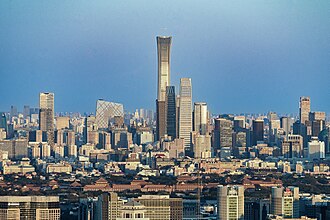
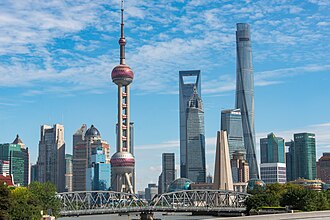
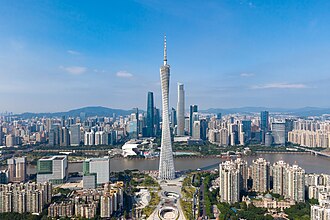
International clinics — United Family and similar networks in Beijing, Shanghai, Guangzhou and Chengdu, plus SOS clinics and international departments in major hospitals — are the practical answer for visitors. They are expensive by Chinese standards and cheap by Western ones, they operate in English, they take international cards, and they will produce the itemised documentation your insurer needs. A consultation is typically RMB 600–1,500.
For anything serious, the same facilities have the referral pathways into specialist care. Ask your hotel front desk to call ahead for you — this is one of the most genuinely useful services a hotel provides and it costs you nothing.
Pagamenti e come funziona davvero l’assicurazione
Capitelo bene: è una causa frequente di sorprese finanziarie. I fornitori sanitari cinesi richiedono il pagamento diretto dal paziente al momento della prestazione. Nella norma, non esiste fatturazione diretta alle assicurazioni estere.
The workflow is: pay in full at the time of treatment — international cards, Alipay and WeChat Pay all work at private clinics — collect an itemised invoice, a diagnosis certificate and receipts, and claim from your insurer on return. International clinics are accustomed to producing exactly this paperwork; ask for the English-language itemised invoice explicitly, because the default output may not include the detail an insurer requires.
Two practical consequences. First, carry a card with sufficient headroom, or ensure your payment app is funded — a serious incident can run into tens of thousands of RMB. Second, call your insurer’s assistance line prima per cure non urgenti, sia perché molte polizze richiedono l’autorizzazione preventiva, sia perché spesso vi indirizzeranno verso strutture convenzionate.
Il rischio per cui la maggior parte dei viaggiatori è meno preparata
L’altitudine, non il cibo, è il problema sanitario che più spesso compromette un itinerario in Cina.
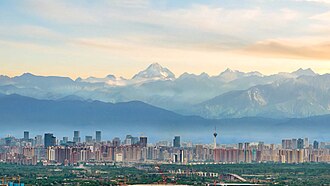
The classic cases are Lhasa at 3,650 metres, Shigatse higher still, and the Sichuan–Tibet plateau around Daocheng Yading and Nyingchi, where passes exceed 4,500 metres. Travellers routinely book these as if altitude were a scenic detail rather than a physiological event.
What works: ascend gradually, do not fly directly from sea level to Lhasa and immediately climb, allow a full rest day on arrival, drink more water than feels necessary, avoid alcohol for the first two days, and know the symptoms of acute mountain sickness — persistent headache with nausea, dizziness, breathlessness at rest. The rule is that if symptoms worsen despite rest, you descend. Descending is the treatment, and no medication substitutes for it.
I viaggiatori con patologie cardiache o respiratorie devono considerare le destinazioni ad alta quota come una decisione medica da prendere insieme al proprio medico a casa, non come una scelta improvvisata nella hall di un hotel a Lhasa. Se vi recate in Tibet, ricordate che il permesso richiede una procedura separata e un accordo anticipato; i nostri Tour della Cina si occupano di questi permessi come parte integrante dell’itinerario.
Cibo, acqua e le cose di routine
L’acqua del rubinetto non è potabile in nessuna parte della Cina continentale. Ogni camera d’hotel ha un bollitore, e la pratica cinese universale di bere acqua bollita è la risposta perfetta. L’acqua in bottiglia è economica e reperibile ovunque. Il ghiaccio nei ristoranti e negli hotel affidabili è generalmente sicuro; quello dai chioschi stradali è meglio evitarlo.
Street food is a genuine highlight rather than a hazard, provided you use normal judgment: eat where there is a queue, eat things cooked to order and served hot, and avoid anything that has been sitting out. Most travel stomach upset in China comes from unfamiliar oil and spice levels rather than contamination — the food is often far richer than visitors expect.
Air quality varies widely by city and season, with northern cities worse in winter. Travellers with asthma or respiratory conditions should check current readings for their destinations — the data is public and current — and carry any inhaler in hand luggage.
Domande più frequenti
Posso vedere un medico senza appuntamento? Nelle cliniche internazionali, di solito sì nello stesso giorno per visite generali; prenotare in anticipo è comunque preferibile. Negli ospedali pubblici, la registrazione senza appuntamento è la norma, ma è lenta. Nessuno dei due sistemi funziona come quelli basati su appuntamento a cui siete abituati a casa.
Qual è il numero di emergenza? 120 per l’ambulanza, 110 per la polizia, 119 per i vigili del fuoco. Salvate tutti e tre. Gli operatori parlano inglese nelle principali città, ma non è garantito altrove.
Il mio farmaco è disponibile? Forse, con nome diverso e confezione diversa. Per questo raccomandiamo di portare con voi la scorta completa per tutto il viaggio, e di conoscere il nome generico del farmaco, nel caso ve ne servisse altro.
La sanità in Cina è di buona qualità? Sì, soprattutto nelle città di prima e seconda fascia, dove strutture e specialisti sono eccellenti. La differenza non riguarda la qualità, ma l’accesso e la lingua — proprio ciò che le cliniche internazionali esistono per colmare.
Ho bisogno di un’assicurazione specifica per la Cina? Nothing China-specific, but check that your policy does not exclude the activities on your itinerary — hiking above certain altitudes, cycling, and adventure activities are commonly excluded. Read that section before you travel, not after.
A little preparation here is cheap and the payoff is asymmetric. Carry your own medications, buy insurance that covers evacuation, know the emergency numbers, and treat altitude seriously — and the healthcare system stops being something to worry about and becomes something that quietly works.
If you would rather travel with that layer handled — guides who know the nearest clinic in every city, and itineraries that pace altitude properly — our Tour della Cina e la nostra autobus privati su prenotazione sono progettati così. Per un percorso personalizzato sulle vostre date e su eventuali esigenze mediche, i nostri Pianificatore di viaggio AI lo costruiranno intorno a esse, oppure potete parlare con un consulente.