China’s 2026 public holidays fall on a mix of fixed calendar dates and lunar-calendar festivals, and the single most important thing for any China travel plan is knowing which dates trigger mass domestic movement. The three that most affect foreign visitors are National Day Golden Week (1–7 October), Spring Festival / Chinese New Year (from around 17 February), and the Labour Day break in early May. During these windows, trains, flights and attraction tickets sell out days or weeks ahead, hotel rates climb, and famous sites become extremely crowded — yet they are also the best moments to experience Chinese festivals at full intensity. This guide sets out the full 2026 holiday list, separates the dates to genuinely avoid from the dates to book early, and shows how to plan around china national day holiday travel without ruining your trip. Exact multi-day arrangements and make-up workdays are announced each year by the State Council, so always confirm the official notice before committing to flights.
China’s 2026 public holidays at a glance
China observes eleven official public holidays each year, grouped into a handful of longer breaks. The list below shows the 2026 timing for each; treat the multi-day ranges as typical, because the government adjusts them annually with weekend swaps and make-up workdays. Verify the confirmed arrangement on an official source once the yearly notice is published.
| Holiday (2026) | Core date | Typical break | Travel impact | Avoid or book |
|---|---|---|---|---|
| New Year’s Day | 1 Jan (Thu) | ~3-day weekend | Low | Fine to travel |
| Spring Festival (CNY) | ~17 Feb | ~8 days | Extreme | Book far ahead |
| Qingming (Tomb-Sweeping) | ~5 Apr | ~3-day weekend | Moderate | Book early |
| Labour Day | 1 May | ~5 days | Very high | Avoid or book early |
| Dragon Boat Festival | ~19 Jun | ~3-day weekend | Moderate | Fine to travel |
| Mid-Autumn Festival | ~25 Sep | ~3-day weekend | Moderate | Fine to travel |
| National Day Golden Week | 1–7 Oct | 7 days | Extreme | Avoid or book early |
Which holidays cause the biggest surges
Not every public holiday disrupts travel equally. The two genuine shockwaves are Spring Festival and National Day Golden Week, because they are long enough for hundreds of millions of people to travel inter-city or internationally at once. Labour Day has grown into the third big surge as short-break domestic tourism booms. The one- and three-day holidays — New Year, Qingming, Dragon Boat, Mid-Autumn — create busy weekends but rarely paralyse a whole itinerary. If your trip overlaps a major holiday, either plan around it or lean into it deliberately; drifting into Golden Week by accident is the mistake that costs travellers the most time and money.
National Day Golden Week: peak china national day holiday travel
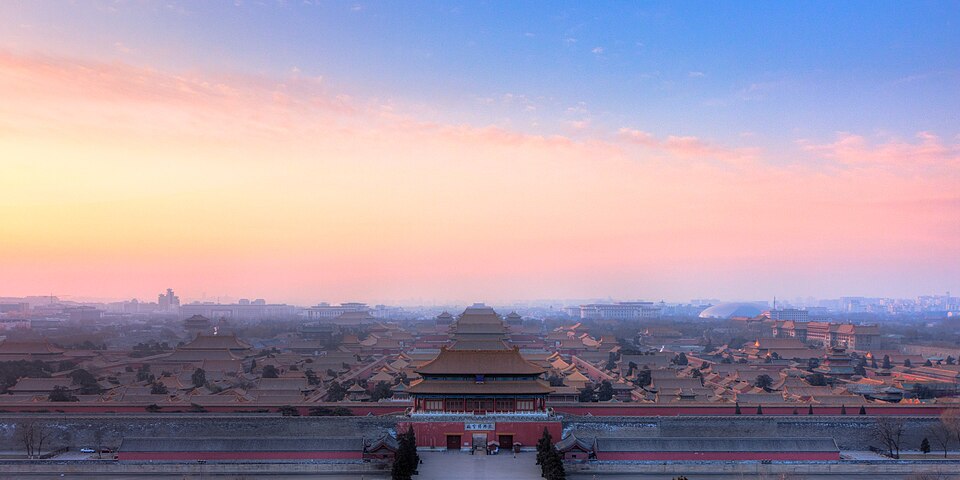
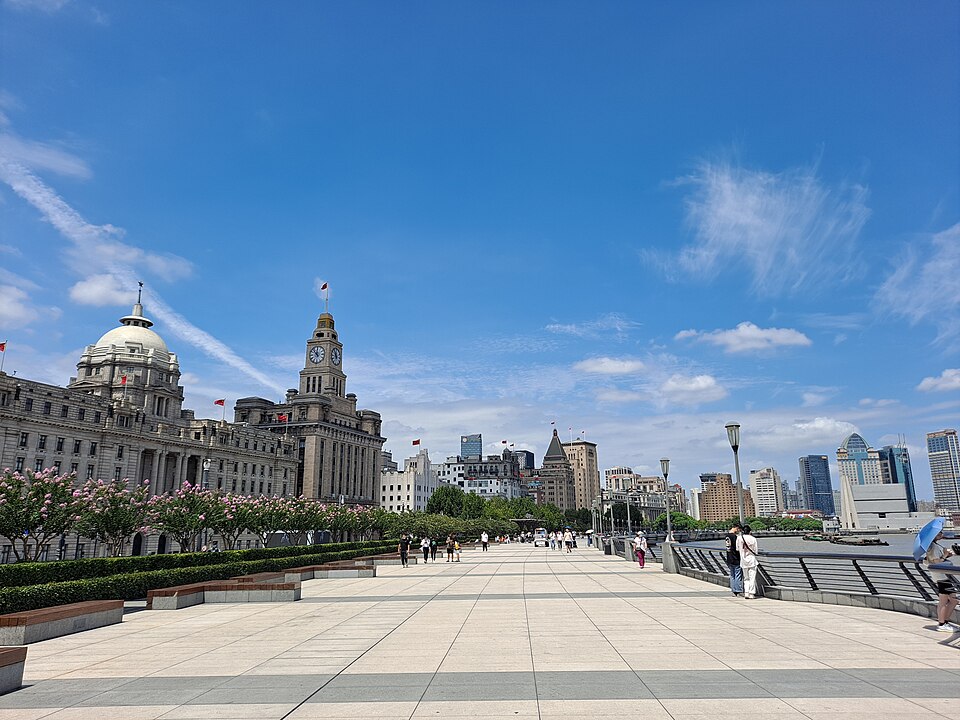
Golden Week runs 1–7 October and is the busiest domestic travel period of the year alongside Chinese New Year. Rail, road and air networks all hit capacity, and China’s headline attractions — the Great Wall, the Forbidden City, the Bund, Zhangjiajie’s walkways — turn into slow-moving queues. The upside is atmosphere: flags, flower displays and gala events make the cities feel festive. If you want to witness china national day holiday travel at its most vivid without being crushed by it, our detailed National Day & Golden Week travel guide walks through crowd-free timing and quieter alternatives. Otherwise, shift your big-city sightseeing to the last three days of September or the second week of October, when domestic movement eases.
Spring Festival: the world’s largest human migration
Chinese New Year 2026 begins around 17 February, and the surrounding weeks trigger the annual chunyun migration — the largest short-term movement of people anywhere on Earth. Cities such as Shanghai and Shenzhen partially empty as workers head home, while family-visit routes and ski or beach resorts fill completely. Many small restaurants and shops close for a week or more, and long-distance tickets are the hardest of the year to obtain. For a first-time visitor Spring Festival can be rewarding in the right place — temple fairs, lantern displays and reunion-dining culture — but it demands planning. Read our Spring Festival travel guide for where to go and what shuts down.
Labour Day, Dragon Boat and Mid-Autumn mini-breaks
Labour Day (1 May) now stretches into a roughly five-day holiday and has become a major domestic getaway window — expect high-speed rail and short-haul flights to fill quickly and hotel prices to jump. The three-day weekend holidays are gentler: Qingming in early April, Dragon Boat in June, and Mid-Autumn in September mostly reshape weekends rather than weeks. For foreign travellers these are usually normal, travelable periods, though cemeteries, ancestral towns and popular picnic regions get locally busy. Mid-Autumn is also when mooncakes appear everywhere and families gather under the full moon.
Dates to avoid vs. dates to book early
A simple rule saves most of the pain. Avoid starting a new city or attraction sequence during 1–7 October and during the core Spring Festival week. If you cannot move those dates, then book early instead of hoping for availability: lock in inter-city trains, headline paid attractions and central hotels the moment booking windows open. For the three-day holidays and Labour Day, book transport a few days ahead and treat the first and last day of any break as the crowded edge of the wave. Our best time to visit China guide maps these onto shoulder seasons so you can choose when to be somewhere.
How holiday weeks change prices and availability
Air fares and hotel rates on domestic routes routinely rise during Golden Week and Spring Festival, sometimes several times normal levels, while the cheapest windows are the ordinary weeks between holidays. Trains rarely get more expensive, but seat classes sell out — second-class and sleeper berths disappear first. This is where a pre-arranged plan earns its keep: securing a seat class and a transfer before you land removes the two things that go wrong on holiday-week arrivals. If you prefer to hand the logistics over entirely, a curated China tour or a premium customised itinerary lets specialists hold inventory for you during the tight weeks.
Beating the crowds: strategies that work
You cannot outrun a 700-million-trip holiday, but you can move through it smartly. Visit the biggest sites at opening time or in later evening slots rather than midday. Shift one leg of your route to a lesser-known city or a countryside base, using our trip planner to test drive times and alternatives. Book attraction entry in advance wherever reservations exist, because same-day tickets vanish first. And arrange airport and station transfers ahead of time so holiday-week taxi scarcity never adds to your stress — see the practical destination guides for city-by-city tactics.
Staying connected while you dodge the crowds
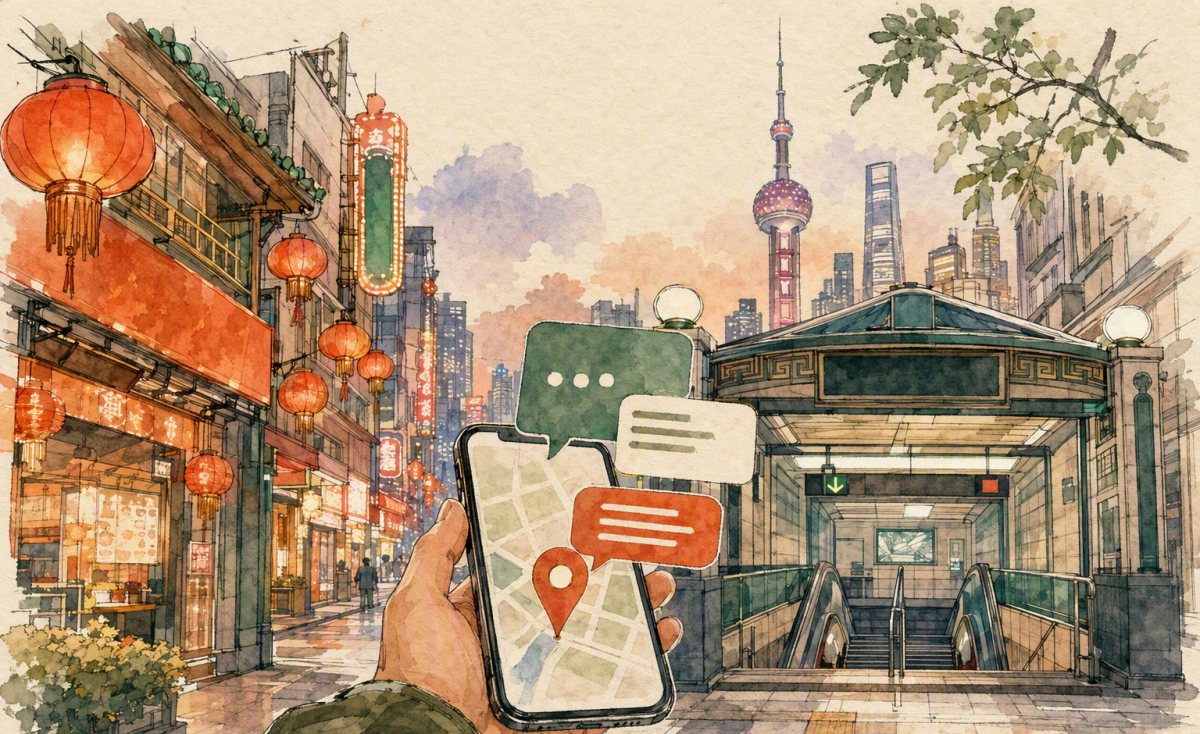
Holiday-week navigation depends on live map, translation and booking apps working the moment you step off the train, when public Wi-Fi is thin and roaming charges spike. A China travel eSIM installed before you fly gives you data on arrival so you can check crowd levels, rebook a leg, or message a driver in real time — one of the simplest ways to keep a plan flexible when everything around you is booked out.
Your booking timeline around China’s 2026 holidays
Work backwards from the date. For National Day and Spring Festival, book international flights three to five months out, secure inter-city trains and paid attractions the moment their booking window opens, and reserve your hotel well in advance. For Labour Day and the three-day weekends, two to four weeks is usually enough for transport if you travel mid-window. If you would rather not track every window yourself, arranging a private driver and pre-booked transfers through charter travel removes the last-mile scramble holiday weeks create. Fold these milestones into the planning sequence in our China travel planning framework and the dates stop being obstacles.
The bottom line
China’s public holidays are not a reason to avoid the country — they are a reason to plan with intent. Two windows (Golden Week and Spring Festival) will define your experience if you overlap them, one (Labour Day) will add friction, and the short three-day breaks barely register. Decide early which dates to dodge and which to book, confirm the official 2026 arrangements before committing, and you can turn even a holiday-week trip into a highlight.
FAQ
Which is worse for travellers, National Day or Chinese New Year?
Both are extreme. National Day Golden Week (1–7 October) hits tourist attractions and leisure routes hardest, while Chinese New Year strains long-distance homeward travel and empties some cities of shops and staff. For a visitor sightseeing at major sites, Golden Week crowds are usually the bigger practical problem.
Do foreign travellers need to avoid China’s holidays entirely?
No. The one- and three-day holidays are perfectly travelable, and even the big two are rewarding if you choose the right base, book transport and entry in advance, and expect higher prices. Avoid accidentally starting a packed city sequence on the first day of a long holiday.
When do booking windows open for holiday-week trains and attractions?
They vary by route and site, and the exact official schedule is updated periodically, so confirm current rules close to your travel dates. As a habit, reserve the moment a window opens during Golden Week and Spring Festival rather than waiting.
Are prices fixed or negotiable during peak holidays?
Anything with typical listed rates — air fares, hotels, tours — tends to move up during peaks, and quoted figures are usually indicative ranges to confirm at booking time. Pre-arranging a package or customised trip can lock a total in advance and protect you from late surges.
What is the easiest single change to reduce holiday-week stress?
Get connected before you arrive and pre-book your airport and station transfers. With live maps and messaging working on landing, you can re-plan on the fly, which is exactly what China’s busiest travel days reward.