Three days in Shanghai is enough to see the headline sights without spending the whole trip in transit, provided you accept one truth: the city is large, and crossing it takes longer than the map suggests. This itinerary keeps one anchor sight per half-day, groups districts sensibly, and leaves room for meals that are worth the detour rather than whatever is nearest the exit gate. It suits first-time visitors, short stopovers on a visa-free transit, and anyone building a longer China route who wants a workable Shanghai core.
Día 1: El Bund, el río Huangpu y la antigua Concesión Francesa
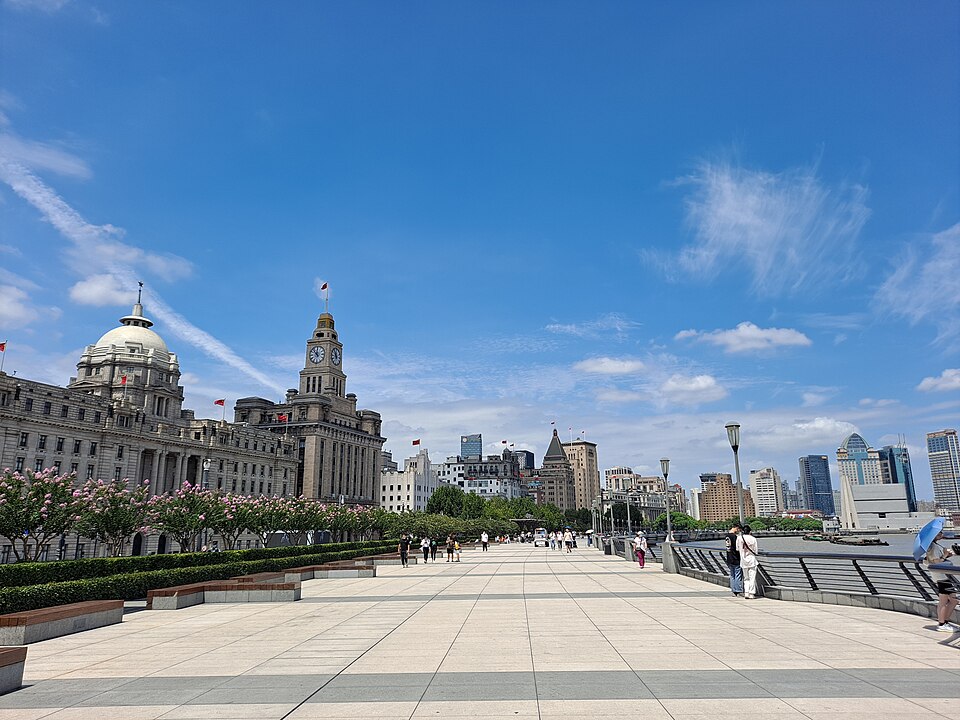
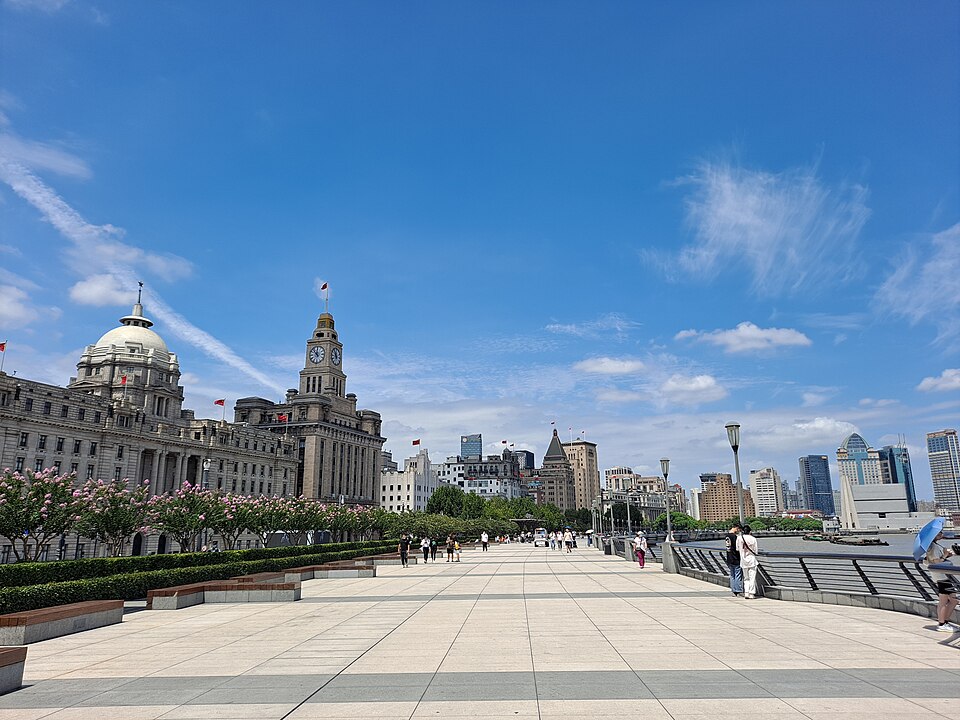
Empieza por la mañana en el Bund, cuando el paseo está tranquilo y la luz sobre el skyline de Pudong aún es suave. Los edificios coloniales del frente marítimo miran hacia las torres al otro lado del Huangpu, y ese contraste es precisamente lo que hay que apreciar. Recorre todo el tramo, no te detengas solo en el primer punto fotográfico.
Por la tarde, adéntrate en la antigua Concesión Francesa. Aquí dominan los plátanos: avenidas silenciosas, villas art déco, pequeñas galerías y cafés. Se disfruta mejor vagando que marcando direcciones en una lista. Si buscas recomendaciones gastronómicas concretas, nuestra guía de comida callejera de Shanghái explica qué comer y dónde hacen cola los locales.
Finish with a Huangpu night cruise. Sailings run from several piers and the experience varies by operator, so check the departure pier, duration and whether the ticket includes an upper deck before booking. Verify current schedules and prices on the operator’s own page — these change seasonally.
Día 2: Jardín Yuyuan, la Ciudad Antigua y Zhujiajiao
Yu Garden and the surrounding Old Town bazaar work best at opening time. The Ming-era rock garden is compact, and by mid-morning the lanes outside fill up. Buy garden entry on the official ticketing channel and check the day’s opening hours there, as they differ by season.
After lunch, head to Zhujiajiao, a canal water town roughly an hour from central Shanghai. The boat ride is the reason to go; the lanes themselves are commercial but pleasant. Confirm boat operating times and any combined ticket on the site’s official page rather than a reseller listing, and check the last return transport of the day before you commit to a late afternoon.
If you would rather not manage the return leg yourself, a private car removes the guesswork. Otherwise, Shanghai’s metro reaches the outer districts efficiently — see our guía de metro de China para entender cómo funcionan las tarifas y los trasbordos.
Día 3: Pudong, la plataforma panorámica y una cena auténtica
Give the morning to Pudong. Shanghai Tower’s observation deck is the headline, but Lujiazui has several towers with viewing floors, and the best choice depends on what you want to see — the Bund from above, or the towers themselves. Check each tower’s official site for current opening hours, last admission and whether timed entry applies. Do not rely on third-party listings for this.
Spend the afternoon on whatever you skipped: the Shanghai Museum, a riverside walk, or simply slower neighbourhood time. End with xiaolongbao. Soup dumplings are the city’s signature dish, and the well-known institutions are busy — go early or expect a wait.
Ritmo y desplazamientos
Un lugar principal por media jornada es el equilibrio ideal. Dos atracciones importantes más un traslado entre distritos es donde los viajes de tres días empiezan a sentirse como una tarea. Agrupa por distrito: Bund y Concesión Francesa juntos, Ciudad Antigua y ciudad acuática juntas, y Pudong en un día aparte.
The metro is fast and cheap but involves walking and stairs. Taxis and ride-hailing are easier for door-to-door trips, though peak-hour traffic in the tunnels is real. A private car with a driver makes sense if your group is three or more, or if you are combining Shanghai with a wider route. For airport arrivals and transfers, see our guía de traslados desde aeropuertos en China.
Antes de volar, resuelve lo práctico: pagos, datos móviles y trámites de visado o tránsito. Nuestro lista de comprobación para primerizos en China detalla los aspectos que más problemas causan en el aeropuerto.
Cuándo ir
La primavera (marzo a mayo) y el otoño (septiembre a noviembre) ofrecen el mejor equilibrio entre clima y afluencia turística. El verano es caluroso y húmedo; el invierno, frío y gris, pero tranquilo y económico.
Evita las fiestas nacionales chinas, cuando el turismo interno se dispara y el transporte y los alojamientos se saturan rápidamente. Verifica las fechas exactas para tu año de viaje, ya que el calendario lunar desplaza anualmente el período del Festival de Primavera. Nuestro calendario mensual de festivales y clima es una útil referencia cruzada antes de fijar tus fechas.
Reservas y personalización
Si deseas que este itinerario se gestione integralmente, los paquetes multi-día preconfigurados incluyen alojamiento, guías y entradas, y suelen salir más económicos que reservar cada elemento por separado. Si prefieres montarlo tú mismo, un planificador de IA ayuda con la secuencia y los tiempos aproximados, pero no es fiable para horarios de apertura ni normas de entradas —trata sus resultados como un borrador y verifica todo lo crítico en la página oficial. Explicamos dónde falla esto en nuestra guía sobre usar IA para diseñar un itinerario por China sin inventar horarios de apertura.
Preguntas frecuentes
¿Son suficientes tres días para Shanghái?
Sí, para los lugares clave: el Bund, la Concesión Francesa, el Jardín Yuyuan, una ciudad acuática y Pudong. No es suficiente para añadir Hangzhou o Suzhou como excursiones diarias sin sacrificar algo. Si tienes cuatro o cinco días, añade una de ellas en lugar de apretarla en tres.
¿Necesito reservar las atracciones con antelación?
Para las principales plataformas panorámicas y jardines populares, reservar con antelación es recomendable en temporada alta, y algunos lugares exigen entrada con franja horaria. Revisa la página oficial de venta de entradas del sitio específico, pues las normas y ventanas de reserva cambian. No asumas que un listado de reventa refleja la política vigente.
¿Puedo visitar Shanghái con exención de visado por tránsito?
Shanghai is one of the entry points covered by China’s transit visa-free arrangements, but eligibility depends on your nationality, your onward destination and your route. Verify your specific case against the current official rules before booking anything non-refundable — our checklist de 240 horas de tránsito sin visado explica qué debes confirmar.
¿Cómo pago en Shanghái?
El pago móvil domina. A menudo se pueden vincular tarjetas extranjeras a las principales apps de pago, pero la configuración y los límites varían, así que pruébalo antes de depender de ello y lleva una tarjeta de respaldo y algo de efectivo. Nuestro guía de viaje sin efectivo detalla los pasos para configurarlo.
¿Metro o coche privado?
Metro para desplazamientos directos entre distritos y evitar el tráfico; coche privado para comodidad puerta a puerta, grupos y días que combinan una atracción urbana con una ciudad acuática fuera de la ciudad. Muchos viajeros usan ambos durante los tres días.
Treat this as a framework rather than a fixed script. Pick your anchor sights, confirm the hours and ticket rules on each operator’s official page close to your travel date, and leave one afternoon loose — that is usually the part of a Shanghai trip people remember.