Three days in Shanghai is enough to see the headline sights without spending the whole trip in transit, provided you accept one truth: the city is large, and crossing it takes longer than the map suggests. This itinerary keeps one anchor sight per half-day, groups districts sensibly, and leaves room for meals that are worth the detour rather than whatever is nearest the exit gate. It suits first-time visitors, short stopovers on a visa-free transit, and anyone building a longer China route who wants a workable Shanghai core.
Giorno 1: Il Bund, il fiume e la Concessione Francese
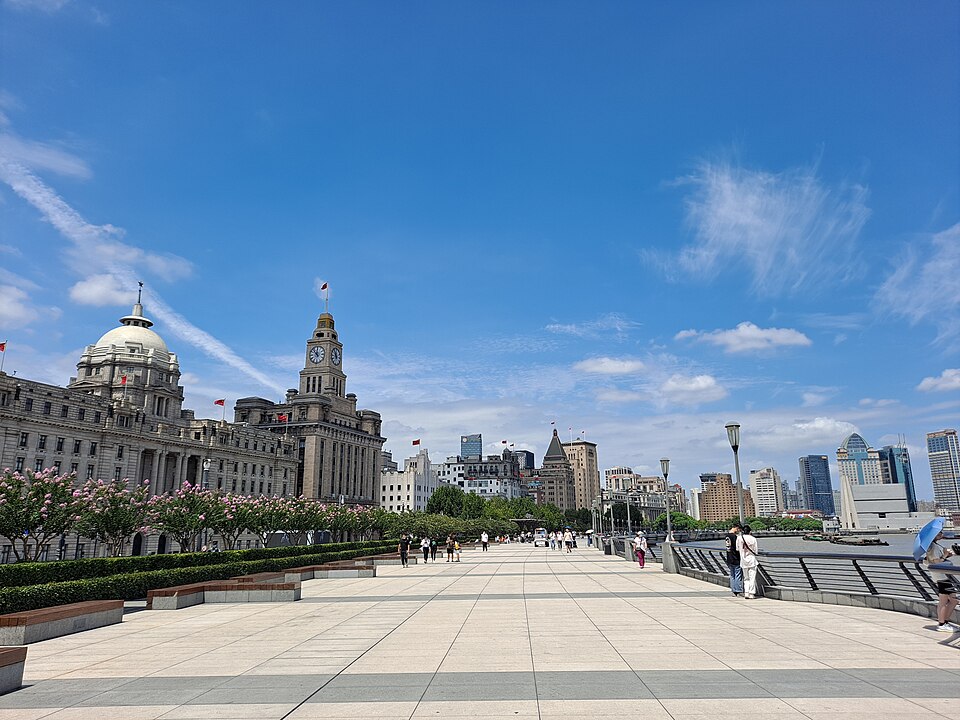
Iniziate la mattina al Bund, quando il lungofiume è piacevole da percorrere a piedi e la luce sullo skyline di Pudong è ancora morbida. Gli edifici coloniali affacciano sui grattacieli oltre l’Huangpu: questo contrasto è il vero cuore dell’esperienza. Percorrete l’intero tratto, non fermatevi al primo punto fotografico.
Nel pomeriggio, spostatevi nell’ex Concessione Francese. Qui regnano i platani: viali tranquilli, ville in stile art déco, piccole gallerie e caffè. Si apprezza meglio vagabondando, non seguendo una lista di indirizzi. Se cercate ristoranti specifici, il nostro Guida al cibo di strada di Shanghai spiega cosa mangiare e dove fanno davvero la fila i locali.
Finish with a Huangpu night cruise. Sailings run from several piers and the experience varies by operator, so check the departure pier, duration and whether the ticket includes an upper deck before booking. Verify current schedules and prices on the operator’s own page — these change seasonally.
Giorno 2: Giardino Yu, la Città Vecchia e Zhujiajiao
Yu Garden and the surrounding Old Town bazaar work best at opening time. The Ming-era rock garden is compact, and by mid-morning the lanes outside fill up. Buy garden entry on the official ticketing channel and check the day’s opening hours there, as they differ by season.
After lunch, head to Zhujiajiao, a canal water town roughly an hour from central Shanghai. The boat ride is the reason to go; the lanes themselves are commercial but pleasant. Confirm boat operating times and any combined ticket on the site’s official page rather than a reseller listing, and check the last return transport of the day before you commit to a late afternoon.
If you would rather not manage the return leg yourself, a private car removes the guesswork. Otherwise, Shanghai’s metro reaches the outer districts efficiently — see our guida alla metropolitana in Cina per capire come funzionano biglietti e coincidenze.
Giorno 3: Pudong, l’osservatorio e una cena degna di nota
Give the morning to Pudong. Shanghai Tower’s observation deck is the headline, but Lujiazui has several towers with viewing floors, and the best choice depends on what you want to see — the Bund from above, or the towers themselves. Check each tower’s official site for current opening hours, last admission and whether timed entry applies. Do not rely on third-party listings for this.
Spend the afternoon on whatever you skipped: the Shanghai Museum, a riverside walk, or simply slower neighbourhood time. End with xiaolongbao. Soup dumplings are the city’s signature dish, and the well-known institutions are busy — go early or expect a wait.
Ritmo e spostamenti
Una meta principale ogni mezza giornata è il compromesso perfetto. Due attrazioni importanti più un trasferimento interurbano rendono un viaggio di tre giorni faticoso come un lavoro. Raggruppate per quartiere: Bund e Concessione Francese insieme, Città Vecchia e cittadina lacustre insieme, Pudong in una giornata dedicata.
The metro is fast and cheap but involves walking and stairs. Taxis and ride-hailing are easier for door-to-door trips, though peak-hour traffic in the tunnels is real. A private car with a driver makes sense if your group is three or more, or if you are combining Shanghai with a wider route. For airport arrivals and transfers, see our guida ai trasferimenti dagli aeroporti cinesi.
Prima di partire, sistemate gli aspetti pratici: pagamenti, dati mobili e documenti per visto o transito. Il nostro checklist per primi viaggi in Cina copre gli elementi che causano più problemi all’aeroporto.
Quando andare
La primavera (marzo-maggio) e l’autunno (settembre-novembre) offrono il miglior equilibrio tra clima e affluenza. L’estate è calda e umida; l’inverno è freddo e grigio, ma tranquillo ed economico.
Evitate le festività nazionali cinesi, quando i viaggi interni esplodono e trasporti e hotel diventano molto più difficili da prenotare. Controllate le date esatte per l’anno del vostro viaggio: il calendario lunare sposta ogni anno il periodo della Festa di Primavera. Il nostro calendario mensile di festival e condizioni meteo è uno strumento utile per verificare le date prima di fissare il vostro itinerario.
Prenotazioni e personalizzazione
Se desiderate che questo itinerario sia gestito in modo completo, pacchetti pronti di più giorni includono hotel, guide e biglietti, e spesso risultano più convenienti che prenotare ogni elemento separatamente. Se preferite costruire il vostro piano, un planner AI può aiutare con sequenze e tempistiche approssimative, ma non è affidabile su orari di apertura e regole per i biglietti — consideratene l’output come una bozza e verificate sempre gli elementi critici sulle pagine ufficiali. Spieghiamo dove fallisce in dettaglio nella nostra guida a l’uso dell’IA per creare un itinerario in Cina senza inventare orari di apertura.
Domande frequenti
Tre giorni sono sufficienti per Shanghai?
Sì, per le attrazioni principali: il Bund, la Concessione Francese, il Giardino Yu, una cittadina lacustre e Pudong. Non bastano invece per aggiungere comodamente Hangzhou o Suzhou come escursioni giornaliere senza sacrificare qualcosa. Con quattro o cinque giorni, aggiungete una di queste destinazioni invece di forzare tutto in tre.
Devo prenotare le attrazioni in anticipo?
Per i principali osservatori e i giardini più popolari, prenotare in anticipo è consigliabile in alta stagione, e alcuni luoghi richiedono l’ingresso a fascia oraria. Controllate sempre la pagina ufficiale di vendita biglietti del singolo sito: regole e finestre di prenotazione cambiano frequentemente. Non date per scontato che un elenco di rivenditori rifletta la politica attuale.
Posso visitare Shanghai con il transito senza visto?
Shanghai is one of the entry points covered by China’s transit visa-free arrangements, but eligibility depends on your nationality, your onward destination and your route. Verify your specific case against the current official rules before booking anything non-refundable — our Checklist per il transito senza visto di 240 ore spiega cosa controllare esattamente.
Come posso pagare a Shanghai?
I pagamenti mobili dominano. Le carte straniere possono spesso essere collegate alle principali app di pagamento, ma configurazione e limiti variano: testate il sistema prima di farne affidamento e portate una carta di riserva e un po’ di contanti. Il nostro guida ai pagamenti cashless spiega passo dopo passo come configurarlo.
Prendere la metropolitana o un’auto privata?
Metropolitana per spostamenti diretti tra quartieri e per evitare il traffico; auto privata per comodità porta a porta, gruppi numerosi e giornate che combinano un’attrazione urbana con una cittadina fuori città. Molti viaggiatori ne usano entrambe nel corso dei tre giorni.
Treat this as a framework rather than a fixed script. Pick your anchor sights, confirm the hours and ticket rules on each operator’s official page close to your travel date, and leave one afternoon loose — that is usually the part of a Shanghai trip people remember.