Posted on — Leave a comment

Guangzhou 3-Day Itinerary: Complete Guide with Prices & Booking

Three days in Guangzhou is enough to see the city’s core without rushing, provided you accept one thing up front: Guangzhou is large, humid for much of the year, and its highlights sit in different districts. A Guangzhou 3-day itinerary works best when each half-day has a single anchor sight, with meals and transport built around it rather than squeezed between two or three stops. This guide sets out a realistic shape for the three days, explains how to move between the pieces, and points you to the pages that cover the practical details — payments, metro, visas and onward travel — that decide whether the trip runs smoothly.

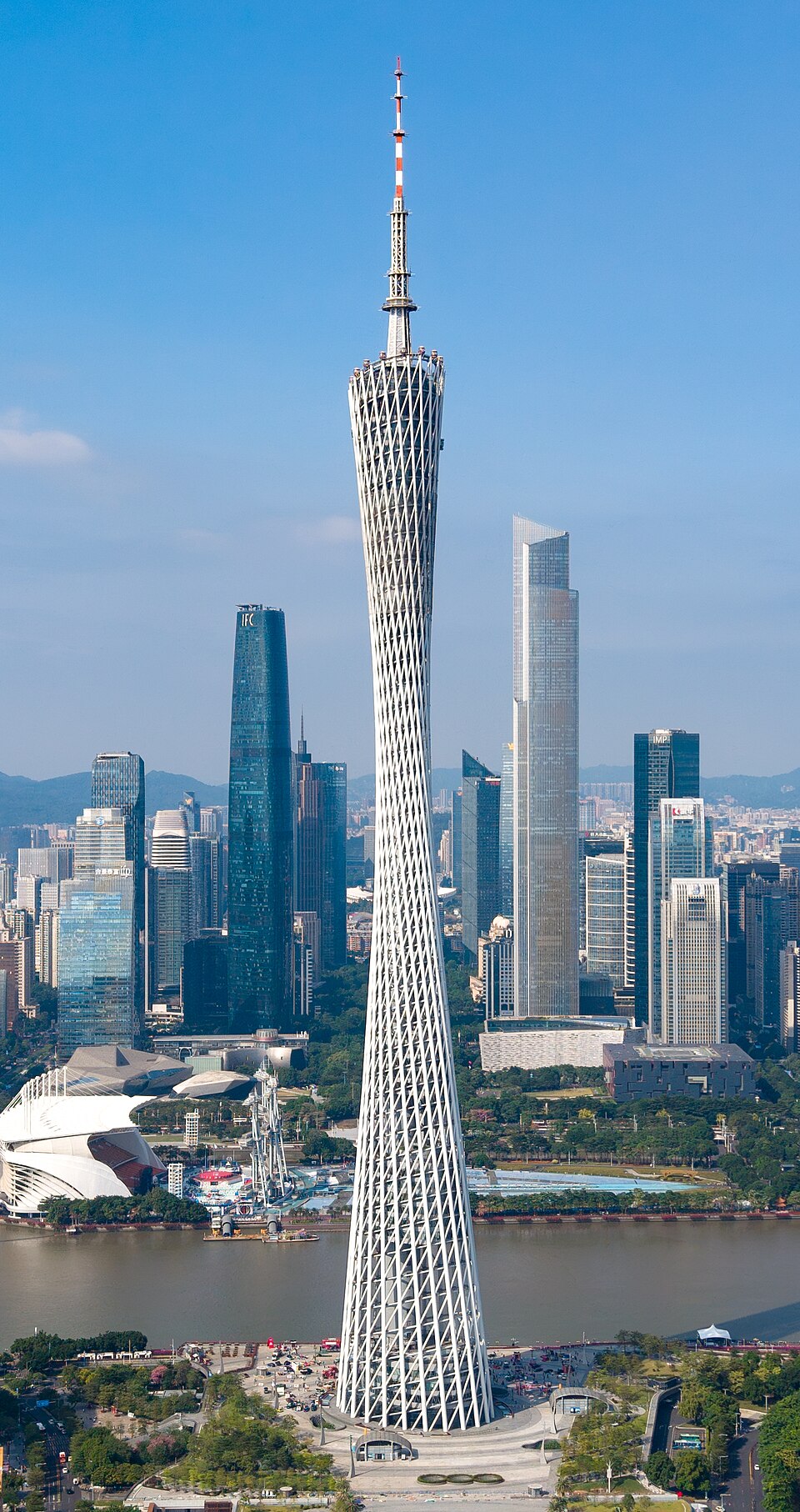
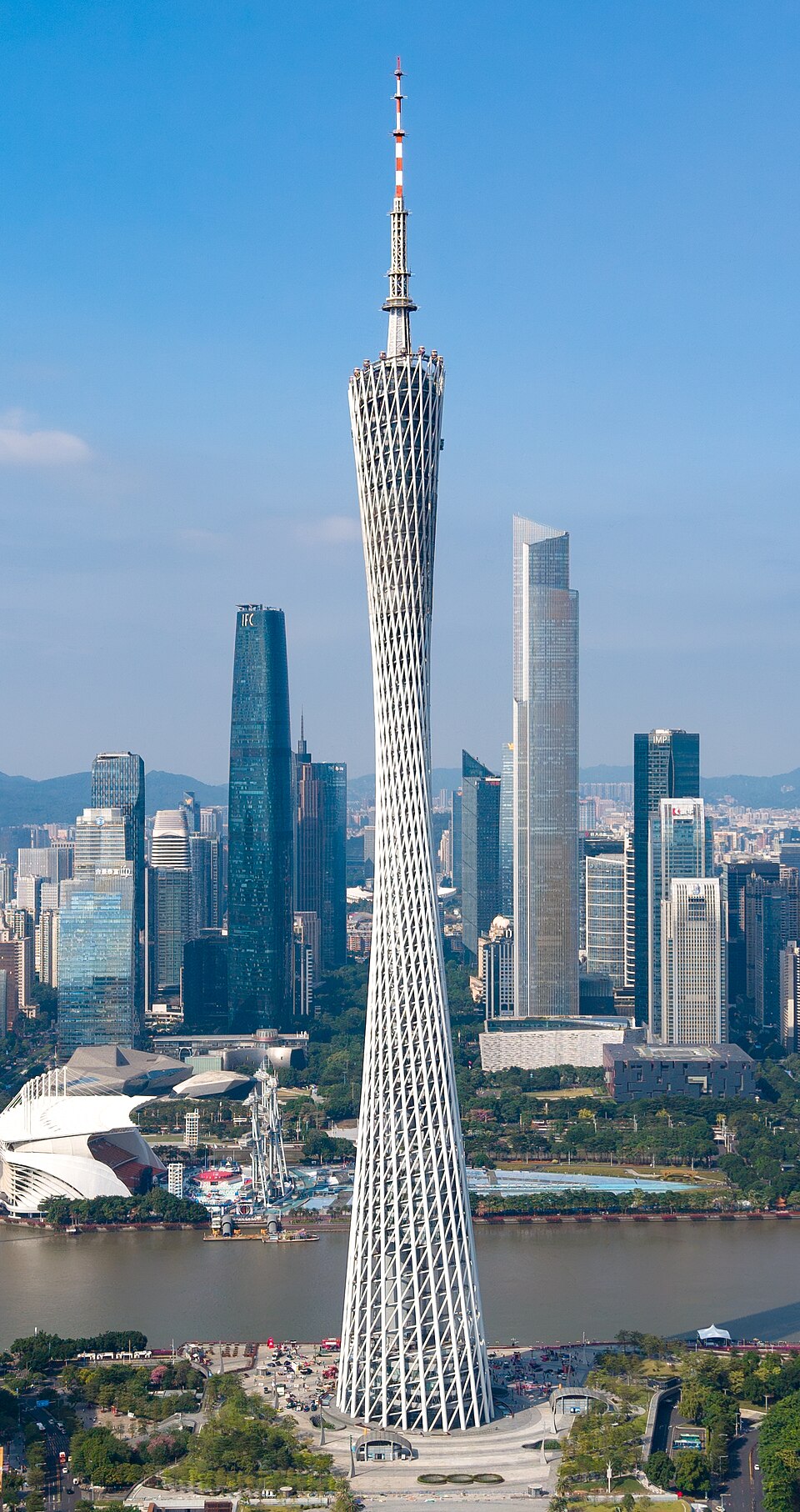
Day 1: Canton Tower and the dim sum morning

Start with breakfast, because in Guangzhou that is not a formality. Cantonese morning tea — yum cha — is the city’s original social institution, and a proper dim sum breakfast takes time. Order in rounds rather than all at once, and expect the bill to be settled per item or per steamer depending on the house style. Our Guangzhou street food guide covers what to order and where the neighbourhood versions sit relative to the hotel dining rooms.

The afternoon anchor is Canton Tower on the south bank of the Pearl River. The tower’s observation levels, the bubble tram that circles the upper structure, and any rooftop attractions are separately ticketed and can sell out on weekends and public holidays. Check the official Canton Tower channels for current opening hours, last admission and which tickets include which level — these change with maintenance schedules and weather. Evening is the better slot if you want the river lit up; daytime is better for visibility. Either way, confirm conditions before you commit, since high wind or storms can close outdoor decks.

Day 2: Shamian Island and Yuexiu Park

Shamian Island is a compact grid of colonial-era buildings on a sandbank in the Pearl River, linked to the mainland by bridges. It is a walking morning: flat, shaded in parts, and best before the heat builds. There is no single ticket — it is a public area — so treat it as a stroll rather than a sight with a turnstile.

Pair it with Yuexiu Park in the afternoon, home to the Five Rams statue that anchors Guangzhou’s founding legend, plus the Zhenhai Tower area. Park opening hours are typically long and free, but individual sites inside can keep separate hours and closing days. Verify on the park’s official notice or a current map listing rather than trusting an old blog post.

If you are still adjusting to Chinese cities, the metro is the cheapest way to link these two. Our China metro guide explains ticketing, security checks and how to read station exits, which matters more than you would think in a city this size.

Day 3: Chen Clan Academy and a Foshan day trip

The Chen Clan Academy is the Lingnan craft showpiece — carvings, ceramics and embroidery in a single ancestral hall complex. It is small enough for a two-hour visit and popular enough that timing matters. Confirm current opening hours, last entry and whether advance booking is required on the official site before you go.

Foshan, the neighbouring city associated with kung fu lineages and ceramics, is a genuine day trip rather than an afternoon add-on. Intercity rail links are frequent, but you should check live timetables and buy tickets against your passport rather than assuming a departure time. The process is covered in how to buy China train tickets with a foreign passport. If you would rather not manage the transfer yourself, a private car removes the guesswork, though you should still confirm the operator’s cancellation terms and what is included.

Pacing and transport

One anchor sight per half-day is the sweet spot. Two major sights plus a long lunch is usually the realistic ceiling in Guangzhou’s climate. Private cars remove navigation and parking stress and can time arrivals ahead of tour-bus waves, but they are not necessary — the metro reaches every stop on this itinerary. Build in slack for rain between May and September, and keep one evening free rather than booking a dinner reservation every night.

When to go and what to sort first

Shoulder seasons — roughly March to May and September to November — give the best balance of weather and crowds. Avoid the major national holiday travel surges, including the October Golden Week period and the early-May break, when domestic transport and hotels tighten sharply. Our China in October guide explains how those dates affect availability.

Before booking anything, sort the basics: entry eligibility, mobile data, and payments. Check your visa or transit status against the official immigration source rather than a summary, set up a payment app in advance, and confirm your eSIM works before you fly. These three items cause more first-day problems than any sightseeing decision.

Frequently asked questions

Is three days enough for Guangzhou?

Yes for the city core. Three days covers Canton Tower, Shamian Island, Yuexiu Park and the Chen Clan Academy at a comfortable pace, with one day for Foshan if you want it. Adding Shenzhen, Hong Kong or Guilin means extending the trip rather than compressing this one.

Do I need to book attractions in advance?

For Canton Tower and any ticketed site, check the official channel for the date you want. Some attractions require timed entry or sell out on weekends and holidays; others are free and open-access. Do not rely on third-party listings for opening hours or closing days.

How do I pay for things in Guangzhou?

Mobile payment dominates. Set up an international card linked to a payment app before you arrive and keep a small cash backup. The cashless travel guide walks through the setup and the common failure points.

Should I take the metro or a private car?

The metro is fast, cheap and reaches every stop here. A private car helps if you have luggage, limited mobility, or a tight schedule across districts. Many travellers use both — metro for the city, a car for the Foshan day.

What should I check before flying?

Entry eligibility against the official immigration source, a working eSIM or SIM, a payment app linked to a card that will not be blocked, and your first night’s accommodation address in Chinese characters for the taxi or driver.

Treat this itinerary as a frame rather than a fixed schedule. Confirm every ticketed site, train and entry rule on its official page close to your travel date, since hours, booking requirements and policies change. Get the logistics right first, and the three days will feel considerably longer than they are.
Posted on — Leave a comment

Guangzhou 2-Day Itinerary: Complete Guide with Prices & Booking

Planning guangzhou in 2 days? This itinerary covers the essentials with realistic pacing, private-car logistics and booking links. Guangzhou trips are our specialty – every tour below is bookable instantly.

Guangzhou 2-Day Itinerary at a Glance

Day 1

  • Canton Tower – 600m landmark, bubble tram
  • Chen Clan Academy – Lingnan craft masterpiece
  • Yuexiu Park & Five Rams – City’s founding legend statue

Day 2

  • Shamian Island – Colonial riverfront stroll
  • Dim sum institution breakfast – The original Cantonese experience
  • Foshan day trip – Kung fu & ceramics capital

Pacing & Transport Tips

One anchor sight per half-day is the sweet spot. Our private cars eliminate navigation and parking stress, and drivers time arrivals to beat tour-bus crowds (early entry at panda bases, Terracotta Warriors at 8:30 AM opening). Multi-day tours bundle hotels + guides + tickets at better rates.

When to Go

Shoulder seasons (Mar-May, Sep-Nov) offer the best weather-crowd balance. Avoid Chinese national holidays (Golden Week Oct 1-7, Labor Day May 1-5) when domestic travel surges.

Book This Trip

Ready-to-book options below, or customize this itinerary with our AI planner – free and instant. Personal assistance: WhatsApp +86 180 3801 6100.

Posted on — Leave a comment

Shenzhen 3-Day Itinerary: Complete Guide with Prices & Booking

Shenzhen rewards a short trip, but only if you accept what it is: a long, linear city of districts rather than a compact old town. Three days is enough for one creative district, one coastal half-day, one skyline viewpoint and a border hop to Hong Kong — provided you group sights by geography and stop trying to cross the city twice a day. This guide sets out a workable structure, notes where pacing usually goes wrong, and explains how to confirm the details that change.

Day 1: OCT-Loft and the Nanshan tech corridor

Start in OCT-Loft, the converted factory zone in Nanshan where galleries, studios and cafes occupy former industrial buildings. It is a walking area, so give it a half-day rather than an hour, and go in the morning before the weekend crowds build. Note that individual galleries and shops keep their own hours and some close on Mondays — check the specific venue rather than assuming the district is uniformly open.

The afternoon pairs naturally with the Nanshan tech corridor, where the campuses of companies such as Tencent and DJI sit. Be clear about what this involves: these are working corporate sites, not attractions. Exterior views and the surrounding streets are what you get, and access to anything inside is by arrangement, not by turning up. If you want more than a drive-past, ask before you book. Two districts in one day is realistic; three is not.

Day 2: Dameisha beach and a Dongmen food crawl

Dameisha sits on the Dapeng coast and works as a half-day escape from the city. The trade-off is distance — it is a long ride from the central districts, so treat it as a morning or afternoon block, not a quick stop. Swimming conditions, seasonal closures and beach facilities vary through the year, so check locally before committing a full half-day to it in winter or during a typhoon period.

Dongmen, in Luohu, is the counterweight: a dense old commercial quarter with street food, snack stalls and cheap shopping. Evening is the right time. If you want a sense of how to approach a Chinese street-food crawl without over-ordering or missing the point, the Guangzhou street food guide is a useful model, since the Cantonese repertoire overlaps heavily.

Day 3: Ping An viewpoint and a Hong Kong day trip

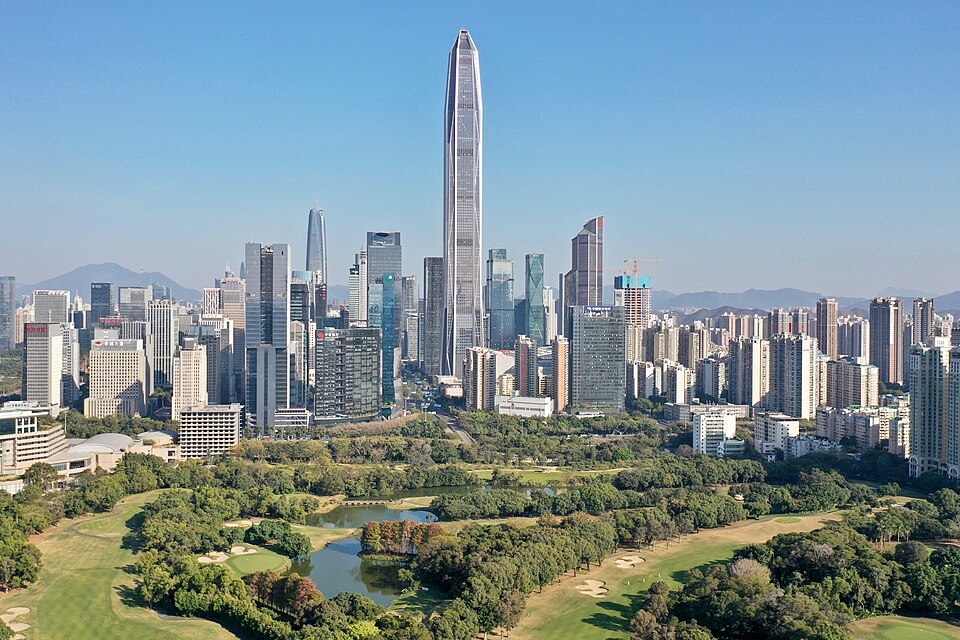
The observation deck at Ping An Finance Centre gives the skyline-and-harbour view, and on a clear day you can see toward Hong Kong. Two practical points: visibility matters more than timing, so check the forecast rather than the clock, and observation decks in China commonly require timed or advance booking and sometimes close for maintenance or weather. Confirm on the operator’s own page before you build a day around it.

The Hong Kong day trip is the other half. High-speed rail connects Futian to Hong Kong West Kowloon quickly, but you should not rely on a remembered journey time or timetable. Check the current schedule and, more importantly, the immigration formalities on both sides — passport and visa or entry-permit requirements differ by nationality, and the process at West Kowloon is done at the station. Our China train travel guide covers how booking works with a foreign passport. If you hold a passport eligible for transit without a visa, read the rules carefully before assuming a same-day return qualifies — see the 240-hour visa-free transit checklist.

Pacing and getting around

One anchor sight per half-day is the right rhythm in Shenzhen. The city’s geography punishes ambitious plans: Nanshan, Futian, Luohu and the Dapeng coast are far apart, and a two-sight morning in opposite directions becomes a morning in traffic. Group by district and accept that you will see less than a map suggests.

The metro is fast, cheap and signed in English, and it is the default for most trips. Our China metro guide explains payment and entry. A private car with driver makes sense for the coast, for multi-stop days and for anyone travelling with luggage or children — it removes navigation and parking, which in Shenzhen is a genuine time cost. For payment on the ground, set up WeChat Pay or Alipay before you arrive; the cashless travel guide walks through it.

When to go

March to May and September to November give the best balance of heat, humidity and crowds. Summer is hot, wet and typhoon-affected; winter is mild but the coast is less appealing. Avoid the major national holidays, when domestic travel surges and transport and hotels tighten — Golden Week in early October and the Labour Day period in early May are the two to plan around. Exact dates shift with the lunar calendar, so confirm the current year’s public holiday schedule before booking.

Frequently asked questions

Is three days enough for Shenzhen?

Yes, for a district-level introduction: one creative area, one coastal half-day, one skyline viewpoint and, if your documents allow, a Hong Kong day trip. It is not enough to cover Shenzhen and the wider Pearl River Delta. If you want Shenzhen plus Guangzhou or Hong Kong properly, add days rather than compressing.

Do I need a visa for the Hong Kong day trip?

It depends entirely on your nationality and your current Chinese entry status. A same-day return to the mainland is a fresh entry, not an internal trip. Check your own passport’s requirements for Hong Kong and for re-entering mainland China, and confirm on official immigration sources rather than a blog.

Can I visit the Tencent or DJI campuses?

Not as a walk-in visitor. These are working offices. Exterior viewing and the surrounding area are what a normal itinerary delivers; anything beyond that requires a prior arrangement through a contact or an organised visit.

Should I book the Ping An observation deck in advance?

Assume you may need to. Timed-entry and advance booking are common at Chinese observation decks, and closures for weather or maintenance happen. Check the operator’s own booking page for current opening hours, last admission and any closure notice before you plan the day around it.

How do I pay for things in Shenzhen?

Mobile payment dominates. Set up WeChat Pay or Alipay and link an international card before you travel, and keep a small amount of cash as backup. Some smaller vendors and older stalls still prefer cash, and card acceptance at small businesses is inconsistent.

Shenzhen works best when you treat it as a set of districts rather than a checklist, and when you verify the moving parts — observation deck bookings, cross-border formalities, beach conditions and holiday dates — on the operator’s or official page before you commit. Build the structure first, confirm the details second, and the three days will hold together.

Posted on — Leave a comment

Shenzhen 2-Day Itinerary: Complete Guide with Prices & Booking

Planning shenzhen in 2 days? This itinerary covers the essentials with realistic pacing, private-car logistics and booking links. Shenzhen trips are our specialty – every tour below is bookable instantly.

Shenzhen 2-Day Itinerary at a Glance

Day 1

  • OCT-Loft creative district – Galleries, cafes in old factory zone
  • Ping An Finance Centre deck – 116th floor views to Hong Kong
  • Dongmen food street – Cantonese street food crawl

Day 2

  • Dameisha beach – City escape on the Dapeng coast
  • Nanshan tech corridor tour – Tencent & DJI campuses (exterior)
  • Hong Kong day trip – 14min by rail from Futian

Pacing & Transport Tips

One anchor sight per half-day is the sweet spot. Our private cars eliminate navigation and parking stress, and drivers time arrivals to beat tour-bus crowds (early entry at panda bases, Terracotta Warriors at 8:30 AM opening). Multi-day tours bundle hotels + guides + tickets at better rates.

When to Go

Shoulder seasons (Mar-May, Sep-Nov) offer the best weather-crowd balance. Avoid Chinese national holidays (Golden Week Oct 1-7, Labor Day May 1-5) when domestic travel surges.

Book This Trip

Ready-to-book options below, or customize this itinerary with our AI planner – free and instant. Personal assistance: WhatsApp +86 180 3801 6100.

Posted on — Leave a comment

Hangzhou 3-Day Itinerary: Complete Guide with Prices & Booking

Three days is enough to see Hangzhou properly if you accept one thing: the city rewards slow mornings and short hops, not long transfers. This guide sets out a workable three-day structure built around West Lake, the tea hills, Lingyin Temple and the wetlands, with notes on pacing, transport and how to check details that change. It is written for independent travellers who may book some elements locally and arrange others in advance. Where a price, timetable or opening time matters, verify it on the operator’s own page rather than trusting any third-party summary, including this one.

Hangzhou 3-Day Itinerary at a Glance

The plan below keeps one anchor sight per half-day. That is the single most useful rule for Hangzhou, because the lake area alone can absorb a full day without any effort.

Day 1 — West Lake and the old streets. Start with a boat crossing or short cruise on West Lake, then walk or ride the Su Causeway. In the afternoon, visit Leifeng Pagoda for the elevated view back across the water, then finish on Hefang Street for silk, fans and traditional medicine shops. Hefang Street is tourist-facing and busy; treat it as an introduction rather than the whole of Hangzhou’s shopping.

Day 2 — Longjing tea village and Qiandao Lake. Morning in the Longjing tea terraces, where you can see the fields, watch wok-roasting and taste the tea. Be aware that Qiandao Lake is a substantial transfer from central Hangzhou, so pairing it with a tea-village morning only works if you have a car and driver and start early. If you would rather not rush, move Qiandao Lake to a separate day and give the tea hills a full morning plus lunch.

Day 3 — Lingyin Temple and Xixi Wetland. Lingyin is an active Buddhist temple with cliff carvings, so go early and dress respectfully. Xixi Wetland in the afternoon is a slower, quieter contrast: reed marshes navigated by traditional boat. Confirm boat operating times and last departures on site, as these shift with season and weather.

Pacing and Transport

Hangzhou’s sights are spread out, and traffic around the lake is heavy at weekends and during holidays. Two practical approaches work well. First, use the metro for the lake’s edge and central districts, then walk or take a short taxi for the last stretch. Second, if your budget allows, hire a car and driver for the tea hills and Qiandao Lake days, where public transport involves multiple changes and long waits.

If you are new to Chinese cities, read up on payment apps and metro etiquette before you arrive. Our China cashless travel guide explains how WeChat Pay and Alipay are typically set up, and the China metro guide covers ticketing and how to ride. For arrivals, China airport transfers sets out taxi, metro and eSIM options. Check current app availability and any restrictions yourself before relying on a specific payment method.

When to Go

Spring (March to May) and autumn (September to November) generally give the best balance of weather and crowds. Summer is hot and humid, and winter is cool and grey but quieter. Avoid the major national holiday periods, when domestic travel surges and hotel rates rise sharply. Golden Week in early October and the Labour Day holiday in early May are the two to plan around; check the exact dates for your travel year, as they are announced annually. Our China in October guide covers what that month looks like in practice.

Where to Stay and What to Eat

Staying within walking distance of West Lake saves a lot of time, though it costs more. The area around Hefang Street and the eastern lakeside is convenient for evenings. For food, Hangzhou cooking is mild and freshwater-led; the street-food scene is worth a half-day of wandering on its own. Our Hangzhou street food guide lists specific dishes and where to find them.

If you have more time, a five-day version of this trip adds Wuzhen or the Grand Canal districts comfortably. See 5 days in Hangzhou for that extension.

Booking and Practical Checks

Book train tickets to and from Hangzhou as early as your booking window allows; popular services fill up around holidays. Foreign passports can be used for ticket purchase, but the process has quirks worth understanding in advance, covered in how to buy China train tickets with a foreign passport. For entry rules, including visa-free transit eligibility, check the official immigration source for your nationality and confirm the current conditions rather than relying on any summary, including ours.

For hotels, temple tickets and lake boats, book through the operator or an established platform, and read the cancellation terms. Prices and timetables change seasonally; check the operator’s own page for the current figure.

Frequently asked questions

Is three days enough for Hangzhou?

Yes, for the core sights: West Lake, Lingyin Temple, the tea hills and one wetland or water town. It is not enough to add Qiandao Lake comfortably without cutting something else, because the transfer eats most of a day.

Do I need a private car in Hangzhou?

No. The metro and taxis cover the lake and central districts well. A car and driver becomes worthwhile for the tea hills and Qiandao Lake, where public transport requires changes and long waits.

How do I check opening hours and ticket prices?

Use the official website or the site’s own booking channel for each attraction, and look for the seasonal timetable section, which often differs from the headline hours. Avoid relying on aggregated listings, which go stale.

Can I pay by card or cash in Hangzhou?

Mobile payment is dominant. Many places accept cash by law, but in practice small vendors may struggle to give change. Set up a payment app before you travel and keep a small cash backup. Verify current app availability for foreign cards yourself.

What should I avoid?

Do not schedule Qiandao Lake and a full West Lake day back to back. Do not visit Lingyin in the middle of the day during peak season. And do not travel during Golden Week unless you have booked everything well in advance.

Treat this itinerary as a frame rather than a fixed script. Pick the two or three things you most want from Hangzhou, build the days around those, and leave room for the lake itself, which is where most visitors end up spending more time than they planned.

Posted on — Leave a comment

Hangzhou 2-Day Itinerary: Complete Guide with Prices & Booking

Planning hangzhou in 2 days? This itinerary covers the essentials with realistic pacing, private-car logistics and booking links. Hangzhou trips are our specialty – every tour below is bookable instantly.

Hangzhou 2-Day Itinerary at a Glance

Day 1

  • West Lake boat cruise – Leifeng Pagoda, Su Causeway
  • Lingyin Temple – 1,700-year Buddhist temple, cliff carvings
  • Qiandao Lake – 1,078 islands day cruise

Day 2

  • Longjing tea village – Terraced fields, wok-roasting, tasting
  • Hefang Street – Silk, fans, medicine shops
  • Xixi Wetland boats – Reed marshes by traditional boat

Pacing & Transport Tips

One anchor sight per half-day is the sweet spot. Our private cars eliminate navigation and parking stress, and drivers time arrivals to beat tour-bus crowds (early entry at panda bases, Terracotta Warriors at 8:30 AM opening). Multi-day tours bundle hotels + guides + tickets at better rates.

When to Go

Shoulder seasons (Mar-May, Sep-Nov) offer the best weather-crowd balance. Avoid Chinese national holidays (Golden Week Oct 1-7, Labor Day May 1-5) when domestic travel surges.

Book This Trip

Ready-to-book options below, or customize this itinerary with our AI planner – free and instant. Personal assistance: WhatsApp +86 180 3801 6100.

Posted on — Leave a comment

Zhangjiajie 5-Day Itinerary: Complete Guide with Prices & Booking

Zhangjiajie rewards planning more than most Chinese destinations. The scenery is spread across several separate ticket areas rather than one park gate, distances between them are longer than they look on a map, and weather can erase a view you travelled a long way to see. This five-day itinerary covers the essentials at a realistic pace: the Avatar-style pillars of Yuanjiajie, the peak-forest panoramas of Tianzi Mountain, the Golden Whip Stream walk, Tianmen Mountain, and the Grand Canyon glass bridge. It assumes you are basing yourself in Zhangjiajie and moving between areas by road, either with a private car and driver or by public shuttle and cable car.

Day 1: Yuanjiajie and Baofeng Lake

Start with Yuanjiajie, the area most people associate with the film Avatar. The Hallelujah-style pillars, the natural bridge and the glass skywalk are all here, and it is the busiest part of the core scenic area, so arriving early matters more than on any other day. Expect a combination of shuttle bus, lift or cable car, and walking. Which lifts and cable cars are running, and their hours, changes with season and maintenance schedules, so check the official Wulingyuan or Zhangjiajie scenic area channels before you travel and look specifically for lift operating hours and any closure notices.

In the afternoon, Baofeng Lake offers a quieter counterpoint: a short boat trip through a karst gorge, often with folk songs performed on board. It is a good low-effort half-day after a morning of stairs and crowds.

Day 2: Tianzi Mountain

Tianzi Mountain is where the classic sea-of-peaks photographs come from. The viewpoints sit at the top of the ridge, reached by cable car or by road, and the walking between them is gentler than in Yuanjiajie. Give this a full day if the forecast is clear, because this is the area most dependent on visibility. If cloud is forecast, consider swapping Day 2 and Day 3 so you spend the clear day above the clouds and the grey day in the valley.

Day 3: Golden Whip Stream

The Golden Whip Stream is a shaded canyon walk of roughly 7.5 km, mostly flat, following a stream between towering rock walls. It is the best low-intensity day in the park and a sensible recovery day after two days of stairs. The full walk takes several hours at an easy pace; you can also walk part of it and turn back. Wear shoes with grip, as the path is damp in places, and carry water, since options inside the valley are limited.

Day 4: Tianmen Mountain

Tianmen Mountain is a separate ticket area closer to Zhangjiajie city, not part of the Wulingyuan core. The long cable car up, the 999 steps to the Heaven’s Gate arch, and the cliff-edge skywalks are the main draws. This is a full day, and the cable car and shuttle arrangements are the part most likely to catch people out: queues build, and the route up and down may be run in different combinations depending on the day. Check the official Tianmen Mountain site for current ticket types, cable car hours and whether the steps or any walkway section is closed. If you have mobility concerns, ask specifically about lift access and how much walking is unavoidable.

Day 5: Grand Canyon glass bridge

The Zhangjiajie Grand Canyon glass bridge is a separate attraction from the national forest park and needs its own ticket. It is usually combined with a walk through the canyon below. Timed entry is common at busy periods, so book ahead and confirm your slot. If you are nervous about heights, note that the bridge and the canyon walk are separate experiences and you can do one without the other.

Pacing, transport and when to go

One anchor sight per half-day is the sweet spot. Trying to combine Yuanjiajie and Tianzi Mountain in one day is the most common mistake visitors make here. A private car with a driver removes the navigation and parking problems, and a driver who knows the area can time arrivals to beat the largest tour groups. For general logistics, our China train travel guide covers how to reach Zhangjiajie by rail, and the first-time in China checklist covers payments, SIM cards and the practicalities that trip up new arrivals.

Shoulder seasons, roughly March to May and September to November, generally offer the best balance of weather and crowds. Avoid Chinese national holidays, including the October Golden Week and the early-May Labour Day period, when domestic travel surges and both transport and hotels tighten up. Our China in October guide explains how the holiday dates shift demand. Mountain weather changes fast at any time of year, so build in a spare day if the views are the point of your trip.

Frequently asked questions

How many days do you need in Zhangjiajie?

Five days lets you cover Yuanjiajie, Tianzi Mountain, Golden Whip Stream, Tianmen Mountain and the Grand Canyon without rushing. Four days is workable if you drop one area. Three days means choosing between the national forest park and Tianmen Mountain.

Are the tickets separate for each area?

Yes. The national forest park (Wulingyuan), Tianmen Mountain and the Grand Canyon are separate ticketed attractions. Prices, multi-day park passes and entry rules change, so check each attraction’s official page for current pricing and validity rather than relying on older blog posts.

Do I need a private car?

Not strictly, but it removes a lot of friction. Public shuttles and cable cars connect the main areas, yet transfers between the park, Tianmen Mountain and the Grand Canyon are long and not always well signposted for non-Chinese speakers. A driver also helps you start earlier than the coach groups.

What should I pack for the mountains?

Layers, a waterproof shell, grippy shoes and a power bank. Temperatures at the top are noticeably cooler than in the town, and paths in the stream canyon stay damp. Check the forecast daily, since a clear morning can turn into cloud by noon.

Is the glass bridge suitable for children or nervous visitors?

It is a walk across a glass-floored bridge, and the canyon walk beneath is optional. Age and health restrictions, if any, are set by the operator, so confirm current rules on the official Grand Canyon page before booking.

Treat the day order above as a framework rather than a fixed schedule, and be ready to swap days for weather. Verify every ticket, opening time and transport detail on the relevant official page close to your travel date, and the trip will run far more smoothly than one built on stale information.

Posted on — Leave a comment

Zhangjiajie 4-Day Itinerary: Complete Guide with Prices & Booking

Planning zhangjiajie in 4 days? This itinerary covers the essentials with realistic pacing, private-car logistics and booking links. Zhangjiajie trips are our specialty – every tour below is bookable instantly.

Zhangjiajie 4-Day Itinerary at a Glance

Day 1

  • Yuanjiajie (Avatar mountains) – Hallelujah pillars, glass skywalk
  • Grand Canyon glass bridge – World’s longest glass-bottom bridge

Day 2

  • Tianzi Mountain – Peak-forest panoramas
  • Baofeng Lake – Quiet karst lake, folk songs

Day 3

  • Golden Whip Stream hike – 7.5km shaded canyon

Day 4

  • Tianmen Mountain – 999 steps, cliff skywalk, 7.5km cable car

Pacing & Transport Tips

One anchor sight per half-day is the sweet spot. Our private cars eliminate navigation and parking stress, and drivers time arrivals to beat tour-bus crowds (early entry at panda bases, Terracotta Warriors at 8:30 AM opening). Multi-day tours bundle hotels + guides + tickets at better rates.

When to Go

Shoulder seasons (Mar-May, Sep-Nov) offer the best weather-crowd balance. Avoid Chinese national holidays (Golden Week Oct 1-7, Labor Day May 1-5) when domestic travel surges.

Book This Trip

Ready-to-book options below, or customize this itinerary with our AI planner – free and instant. Personal assistance: WhatsApp +86 180 3801 6100.

Posted on — Leave a comment

Zhangjiajie 3-Day Itinerary: Complete Guide with Prices & Booking

Planning zhangjiajie in 3 days? This itinerary covers the essentials with realistic pacing, private-car logistics and booking links. Zhangjiajie trips are our specialty – every tour below is bookable instantly.

Zhangjiajie 3-Day Itinerary at a Glance

Day 1

  • Yuanjiajie (Avatar mountains) – Hallelujah pillars, glass skywalk
  • Tianmen Mountain – 999 steps, cliff skywalk, 7.5km cable car

Day 2

  • Tianzi Mountain – Peak-forest panoramas
  • Grand Canyon glass bridge – World’s longest glass-bottom bridge

Day 3

  • Golden Whip Stream hike – 7.5km shaded canyon
  • Baofeng Lake – Quiet karst lake, folk songs

Pacing & Transport Tips

One anchor sight per half-day is the sweet spot. Our private cars eliminate navigation and parking stress, and drivers time arrivals to beat tour-bus crowds (early entry at panda bases, Terracotta Warriors at 8:30 AM opening). Multi-day tours bundle hotels + guides + tickets at better rates.

When to Go

Shoulder seasons (Mar-May, Sep-Nov) offer the best weather-crowd balance. Avoid Chinese national holidays (Golden Week Oct 1-7, Labor Day May 1-5) when domestic travel surges.

Book This Trip

Ready-to-book options below, or customize this itinerary with our AI planner – free and instant. Personal assistance: WhatsApp +86 180 3801 6100.

Posted on — Leave a comment

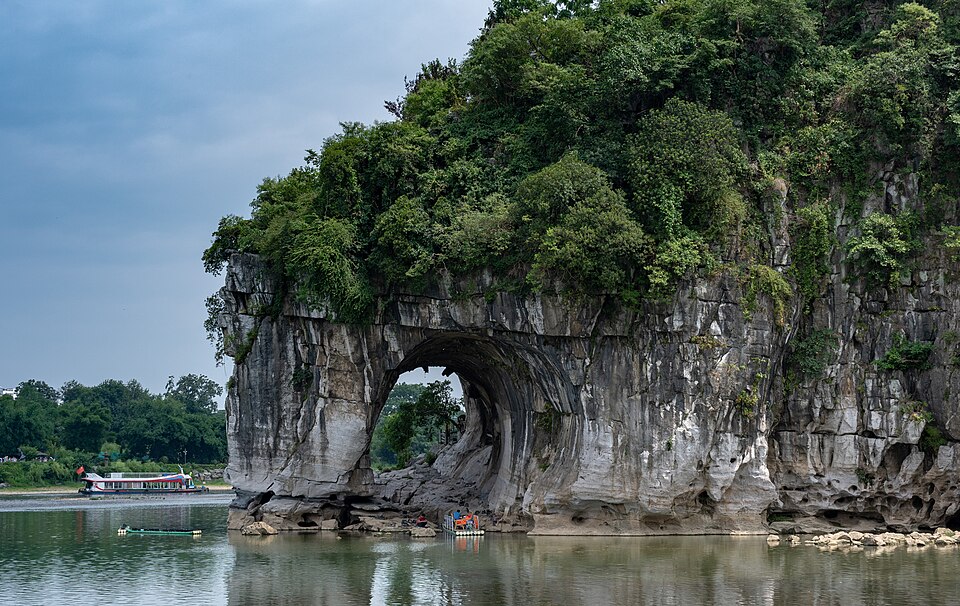
Guilin & Yangshuo 5-Day Itinerary: Complete Guide with Prices & Booking

Five days is enough to see the best of Guilin and Yangshuo without spending half of it in transit. The trick is pacing: one anchor sight per half-day, with travel time and weather built in rather than squeezed out. This guide sets out a workable five-day structure, explains how the pieces fit together, and flags the details you should verify on official pages before you commit. It is written for independent travellers who may book some elements themselves and use a private car or local guide for the awkward legs.

Guilin and Yangshuo 5-Day Itinerary at a Glance

Day 1: Li River cruise from Guilin to Yangshuo, roughly half a day on the water, then an evening performance in Yangshuo if the schedule suits. Day 2: Xingping and the karst bend featured on the 20-yuan banknote, with a bamboo raft section on the Yulong River or nearby. Day 3: Yangshuo countryside by bicycle or e-bike — rice paddies, Moon Hill, small villages. Day 4: Longji Rice Terraces and a Zhuang or Yao village lunch, which is a long day from Yangshuo or Guilin. Day 5: Reed Flute Cave and Guilin city sights before departure.

Two practical notes. First, the Li River cruise boarding points and departure times change with water levels and season, so confirm the current schedule with your operator rather than assuming a fixed slot. Second, Longji is not a half-day add-on; the drive alone eats a large part of the day. Our Li River Cruise: A Complete Guide covers the cruise in detail, and the 3-day Guilin to Yangshuo itinerary is useful if you need to compress this plan.

Pacing and Transport: What Actually Works

The most common mistake is treating Guilin, Yangshuo and Longji as one compact area. They are not. Guilin to Yangshuo is a straightforward transfer, but Longji sits in the hills to the north and requires a dedicated run. Build the day around one anchor sight in the morning and one lighter activity in the afternoon, and keep one evening free for the Impression Liu Sanjie performance, which is staged on the river and depends on weather.

Transport options fall into three groups. High-speed rail and buses connect the main towns; see the China High-Speed Rail Guide 2026 and China Bus Travel Guide 2026 for how ticketing works with a foreign passport. Local buses and shuttles serve the terraces and countryside. A private car with driver removes the parking and navigation problems, particularly around Longji and the Yangshuo back roads, and lets a driver time arrivals ahead of coach groups. If you are arriving by air, China Airport Transfers explains the taxi, metro and eSIM basics.

When to Go

Shoulder seasons — roughly March to May and September to November — tend to offer the best balance of weather and crowd levels. Summer brings heat and heavy rain that can affect river levels and cruise operations. Winter is quieter and cooler, with mist that some travellers find atmospheric and others find limiting.

Avoid Chinese national holidays, when domestic travel surges and hotel and transport availability tighten. Golden Week in early October and the Labour Day period in early May are the two to plan around. Check the exact dates each year on an official calendar before booking, because the holiday windows shift. For month-by-month context, see China in October and the festival and weather calendar.

Practical Preparation

Before you fly, sort the basics that cause the most friction on arrival: mobile data, payment apps and entry documents. For data, compare plans rather than assuming any single app works everywhere — the China eSIM comparison sets out what to check. For payments, WeChat Pay and Alipay are widely used but foreign-card support varies by account and region, so test your setup before departure; the cashless travel guide explains the verification steps.

On entry rules, do not rely on second-hand summaries. Visa-free transit eligibility depends on your nationality, your ports of entry and exit, and your onward ticket. Read the official immigration or embassy page for your case and confirm the current conditions. The 240-hour transit checklist is a useful starting point for what to verify.

Booking and Costs

Ticket prices, hotel rates and tour costs change with season and demand, so treat any figure you see online as indicative only. When comparing operators, check what is included — entrance tickets, shuttle buses inside scenic areas, meals, guide language and cancellation terms — because these are where cheap quotes tend to differ. For the terraces, confirm whether the quote covers the internal shuttle and any cable car, which are often charged separately. For the cruise, confirm the boarding pier and whether hotel transfers are included.

If you want a starting point for budgeting, the China travel cost planner gives sample budgets by trip length. Multi-day packages can bundle hotels, guides and tickets, which sometimes works out cheaper than booking each piece, but only if the inclusions match what you actually want to do.

Frequently asked questions

Is five days enough for Guilin and Yangshuo?

Yes, for the core sights: the Li River, Yangshuo countryside, Xingping and one day at Longji. It is tight if you also want Guilin’s caves and city parks without rushing. If you have less time, cut Longji rather than cutting the river.

Should I stay in Guilin or Yangshuo?

Yangshuo suits most travellers because the countryside and river activities are on the doorstep. Staying in Guilin for the first night makes sense if you arrive late or have an early cruise departure. Splitting the stay is common and works well.

Can I do Longji Rice Terraces as a day trip?

Yes, but expect a long day with significant driving. Check whether your operator includes the internal shuttle, as the terraces are large and walking between viewpoints takes time. Overnighting in a village guesthouse is an alternative if you want a slower pace.

Do I need to book the Li River cruise in advance?

In peak periods, yes. Confirm the current departure times, boarding pier and ticket collection process directly with the operator or an official booking channel, as these details change with season and water conditions.

How do I pay for things in Guilin and Yangshuo?

Mobile payment is standard, but foreign-card linking can fail. Set up and test your payment app before you travel, and carry a small amount of cash as a backup. Verify current app requirements on the provider’s own help pages.

Treat this five-day plan as a framework rather than a fixed script. Confirm timings, prices and entry requirements on the relevant official pages close to your travel dates, leave slack for weather, and the route rewards you with the scenery that made it famous.