Posted on — Leave a comment

Shenzhen 7 Seater Car Rental with Driver: 2026 Prices & Booking Guide

A 7-seater MPV with driver is the practical choice in Shenzhen for families, small groups and business visitors who want one vehicle to cover airport transfers, city days and border runs. This guide explains which models are commonly used, what an all-inclusive charter rate normally covers, how airport pickups work at Bao’an, and which details to confirm before you pay. Prices and availability change, so treat every figure here as a prompt to check current rates on the booking page rather than a fixed quote.

Which 7-seater MPV should you choose in Shenzhen?

The fleet generally falls into four tiers. The Buick GL8 is the workhorse of Chinese business travel: three rows, a flat floor, generous boot space and the most competitive rates. The Honda Odyssey sits close to it in size with slightly different seating comfort. The Toyota Alphard is the executive choice, with reclining second-row captain’s chairs and noticeably more space per passenger. The Lexus LM is the VIP option, usually booked for corporate hosting or special occasions.

All four carry six passengers plus a driver comfortably, and luggage capacity depends on how the third row is configured. Six adults with six large suitcases will not fit in every model, so state your passenger count and bag count when you enquire. If you are travelling with children, ask whether child seats are available and whether they are included or charged separately.

What an all-inclusive charter rate covers

On a properly quoted charter, the rate should bundle the driver, fuel, tolls, parking and vehicle insurance into one figure, so you are not handed extra charges at the end of the day. What sits outside that bundle is where surprises happen: airport parking entry fees, cross-border permits, overnight driver accommodation on multi-day trips, and waiting time beyond an agreed free period.

Ask for the inclusions and exclusions in writing before confirming. If a quote looks unusually low, check whether tolls and parking are genuinely included or estimated separately. For cross-border journeys into Hong Kong, the vehicle, insurance and documentation requirements differ from a standard mainland charter, so request a specific quote rather than assuming your city rate applies.

Airport transfers at Shenzhen Bao’an (SZX)

Shenzhen’s airport is Bao’an International (SZX), and a pre-booked transfer is the least stressful arrival option, particularly if you land late or carry a lot of luggage. A meet-and-greet service normally means the driver waits in the arrival hall with a name board, tracks your flight number, and adjusts pickup time if the flight is delayed.

Confirm three things when booking: the exact meeting point inside the terminal, how the driver will contact you if you cannot find each other, and whether flight-delay waiting is included or charged by the hour. If you are connecting through China on a visa-free transit entry, check your eligibility and permitted area before you book ground transport — our 240-hour visa-free transit checklist sets out what to verify. General arrival logistics, including taxi and metro alternatives, are covered in this guide to China airport transfers.

Popular routes and day trips from Shenzhen

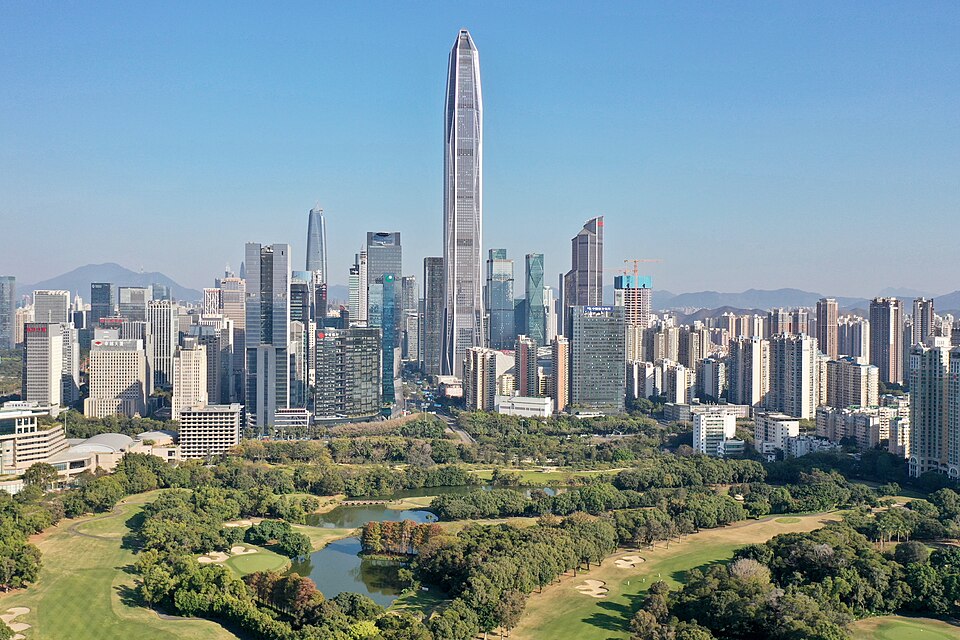
Typical private-car days include the Nanshan tech district, OCT-Loft for galleries and cafés, Dameisha and Xiaomeisha beaches on the eastern coast, Shenzhen Safari Park, and shopping trips near the Hong Kong border crossings. A driver who knows the city also saves time on the toll roads and ring roads that confuse first-time visitors.

Shenzhen is also a rail hub. High-speed services from Shenzhen North reach Guangzhou in roughly half an hour, and drivers can coordinate station pickups if you share your train details in advance. For ticketing basics, passport requirements and app advice, see the China train travel guide. If your itinerary extends beyond Guangdong, this two-week China itinerary planner is useful for sequencing cities.

Multi-day charters, peak dates and payment

Multi-day bookings usually attract a discount compared with single-day rates, but the size of that discount is set by the operator and should be confirmed at the time of booking. Peak periods matter more than most travellers expect: Chinese public holidays, the Spring Festival travel rush and major trade fairs in Shenzhen and Guangzhou all tighten vehicle supply and can trigger surcharges. Check the dates against a China public holidays calendar before locking in your dates.

On payment, ask whether a deposit is required, what the cancellation terms are, and whether you can pay by international card, WeChat Pay or Alipay. Cash handling and mobile payment setup for foreign visitors are explained in this China cashless travel guide. Keep the booking confirmation, driver contact and vehicle plate number saved offline in case mobile data is slow on arrival.

How to book and what to confirm

Choose your vehicle on the booking page to see live pricing, then confirm the following before payment: total price with inclusions listed, passenger and luggage count, pickup time and address with a Chinese-language version if possible, driver contact details, and the cancellation policy. For custom routes, multi-day charters or cross-border requests, send your itinerary to a travel designer and ask for a written quote rather than an estimate.

Frequently asked questions

How many passengers fit in a 7-seater MPV?

Six passengers plus the driver, assuming standard seating. Luggage space shrinks as passenger numbers rise, so tell the operator your bag count. If you have six adults with large suitcases, ask whether a larger vehicle would be more suitable.

Are tolls and parking included in the rate?

On an all-inclusive charter, yes — but this varies by operator and route. Ask explicitly for a written list of inclusions and exclusions, and query any quote that does not mention tolls, parking or waiting time.

Can I book a Shenzhen driver for a Hong Kong border crossing?

Cross-border journeys involve different vehicles, permits and insurance from a standard mainland charter, so they are quoted separately and availability varies. Request a specific cross-border quote and confirm the documentation you need to carry.

What happens if my flight is delayed?

Reputable airport services track your flight number and adjust the pickup time accordingly, often with a free waiting window. Confirm the waiting policy in writing, including whether extended delays incur an hourly charge.

How far ahead should I book?

For ordinary weekdays, a few days is usually enough. For public holidays, trade fairs and multi-day charters, book as early as your dates are fixed, since vehicle supply tightens and rates can rise.

Treat any price you see as a starting point and verify the current figure, inclusions and cancellation terms directly with the operator before paying. Getting the vehicle class, luggage count and waiting policy agreed in advance is what turns a Shenzhen charter from a gamble into a straightforward part of the trip.
Posted on — Leave a comment

Guangzhou Car with Driver: Private Charter Guide & Pricing

A car with driver in Guangzhou solves the problem most foreign visitors hit within an hour of landing: you cannot legally rent and drive a car yourself. China does not convert or recognise most foreign licences for self-drive rental, so a licensed local driver is the standard arrangement, not a luxury. The practical question is not whether to hire a driver but what a charter actually covers, how rates are structured, and where the hidden variables sit. This guide sets out how car-with-driver service works in Guangzhou, what to confirm before paying, and how to check current figures yourself rather than trusting a number printed months ago.

What a car with driver in Guangzhou normally includes

A properly quoted charter usually bundles four things into one rate: the driver, fuel, and the vehicle itself. Beyond that, the inclusions vary by operator and must be confirmed in writing. Tolls on expressways, airport parking, city parking fees, and passenger insurance are commonly included in an all-inclusive quote but are sometimes billed separately. Ask explicitly which of these are inside the price and which are extra, and get the answer in the booking confirmation rather than in a chat message.

Waiting time is the other variable. Airport pickups generally allow a grace period after landing, and a good operator tracks your flight so a delay does not cancel the pickup. For city days, agree whether the driver waits with the car between stops or returns later, because that changes both the cost and your flexibility. If you are still sorting out payments and connectivity on arrival, our China cashless travel guide covers how WeChat Pay and Alipay work for visitors.

Vehicle types and how rates are structured

Charters in Guangzhou are usually priced by the day or by the transfer, not by distance alone. A sedan suits one to three passengers with light luggage; a seven-seat MPV covers families and small groups; larger vehicles run up to coaches for corporate groups and tour parties. Hourly arrangements exist for short city errands, while multi-day charters are typically quoted per day with a driver overnight allowance if the trip runs across several cities.

Published rates change with fuel costs, season and demand, so treat any figure you read as indicative only. Before booking, check the live price for your exact dates and vehicle class on the operator’s own booking page, and look specifically at whether the quote includes tolls, parking and driver meals. Multi-day and off-peak bookings are often cheaper per day than single-day city hire, but the discount structure is set by the operator, so confirm it at the point of booking rather than assuming.

Airport transfers at Baiyun (CAN)

Guangzhou Baiyun International Airport is the arrival point for essentially all international flights into the city, and it sits well north of the centre. A pre-booked transfer with meet-and-greet in the arrivals hall removes the taxi-queue problem, the language barrier and the cash question in one step. Fixed transfer pricing agreed in advance also means a delayed flight does not turn into a meter running while you wait for baggage.

When you book, give the operator your flight number, terminal if known, and a reachable phone number or messaging handle. Confirm where the driver will stand and how they will identify themselves. If you are arriving under a visa-free transit arrangement, check your eligibility carefully first: our 240-hour visa-free transit checklist walks through the conditions, and the rules are set by the immigration authority, not by any transport provider.

Day trips and city routes by private car

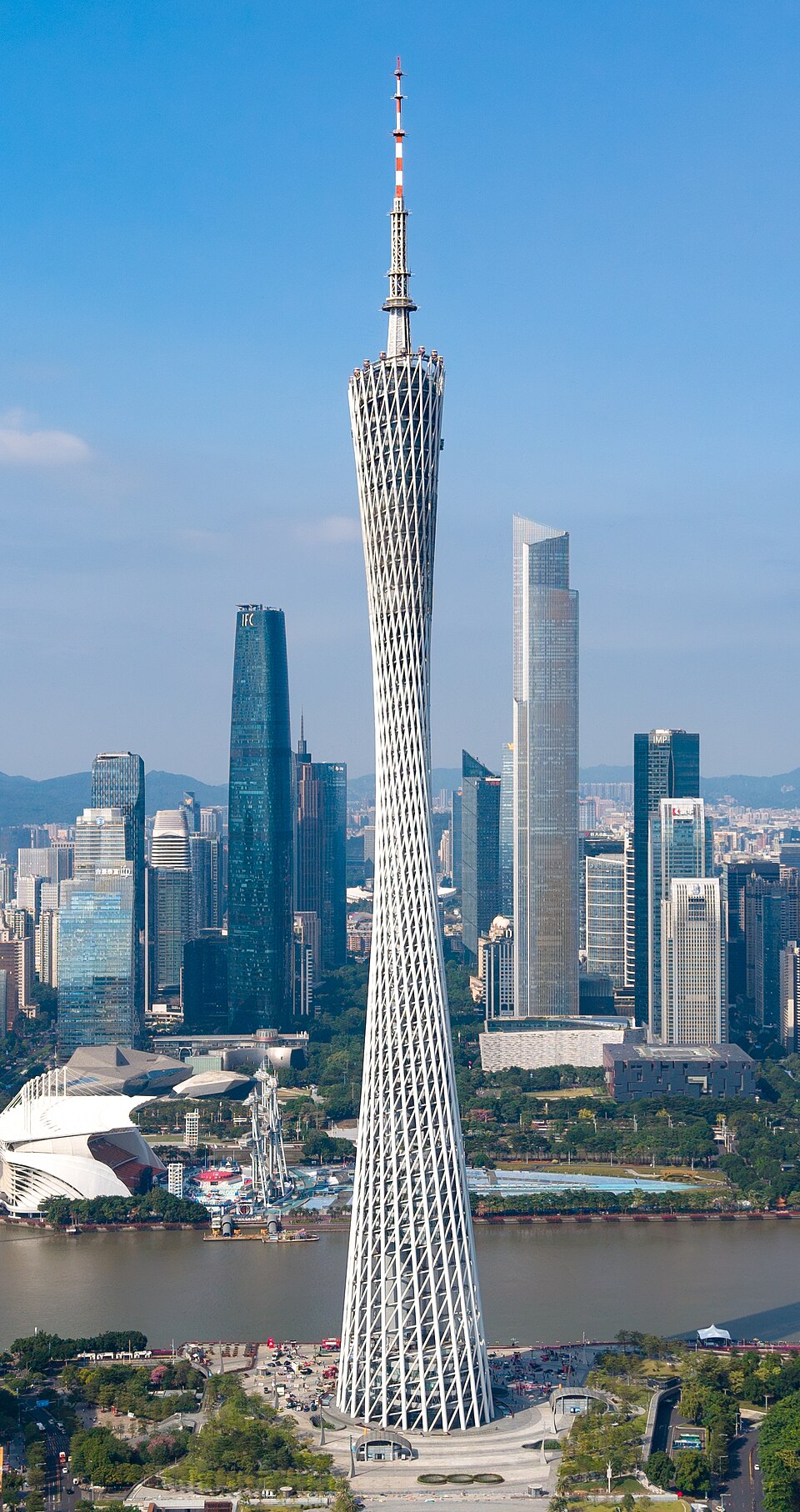
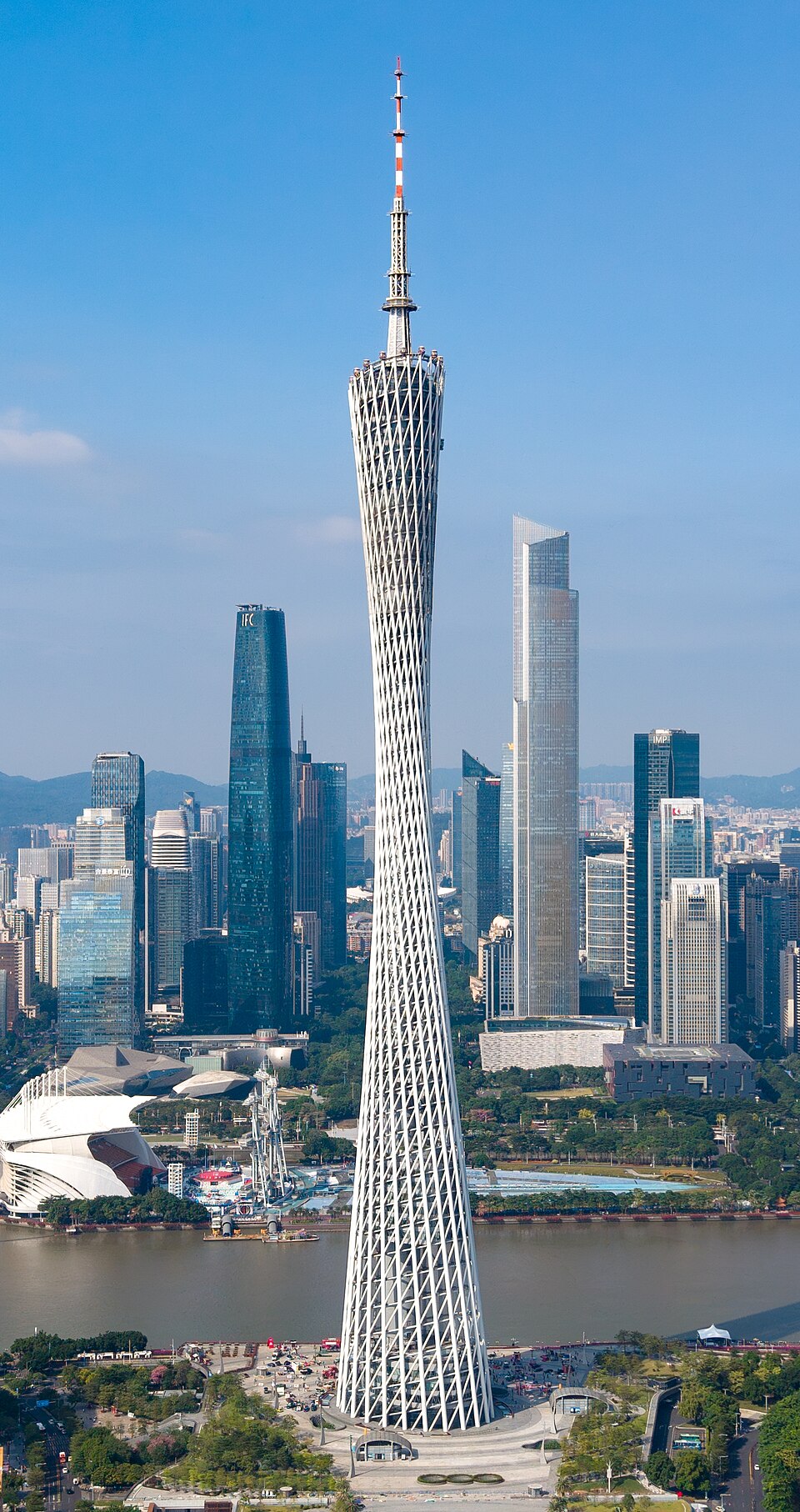
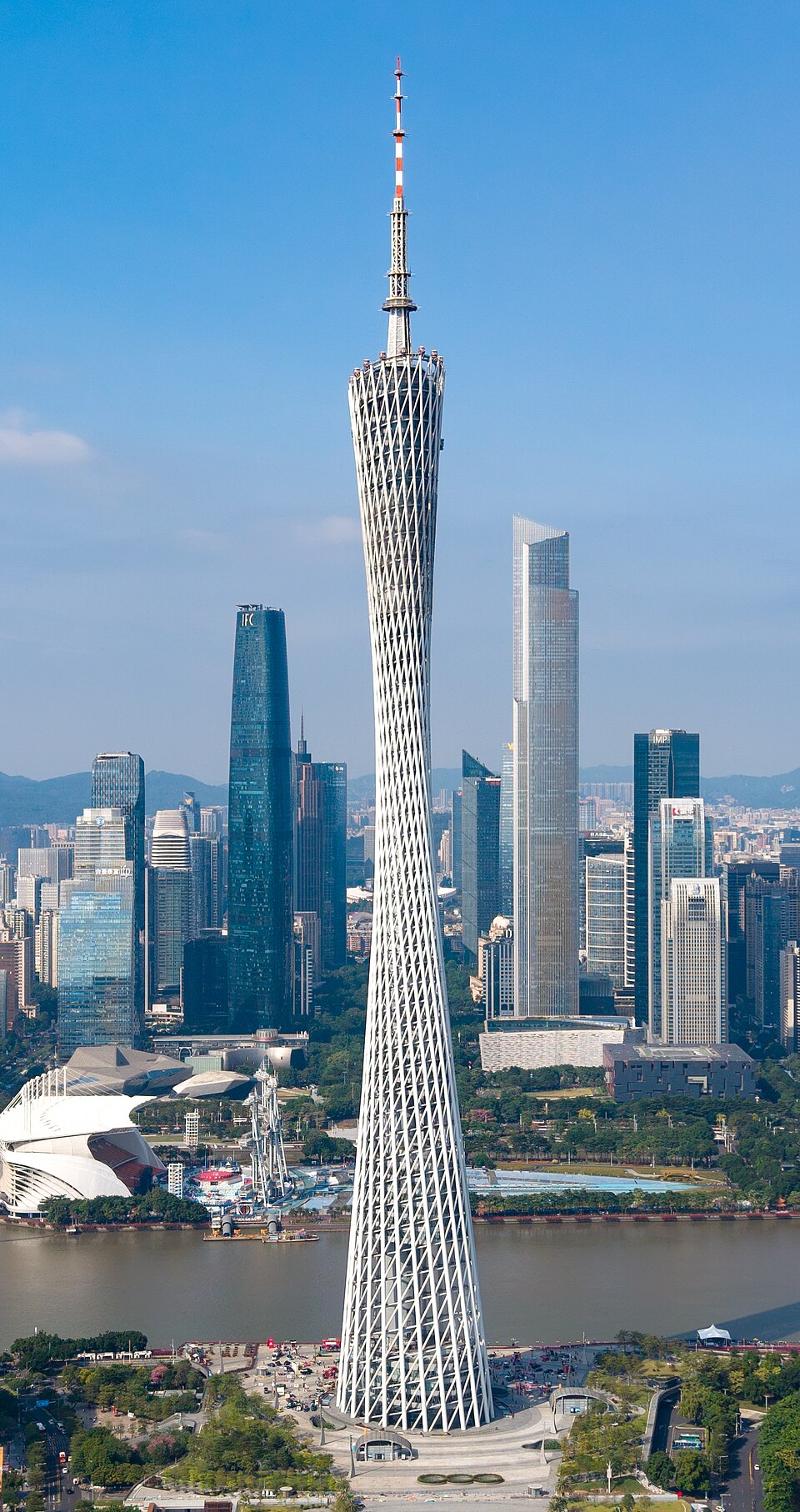
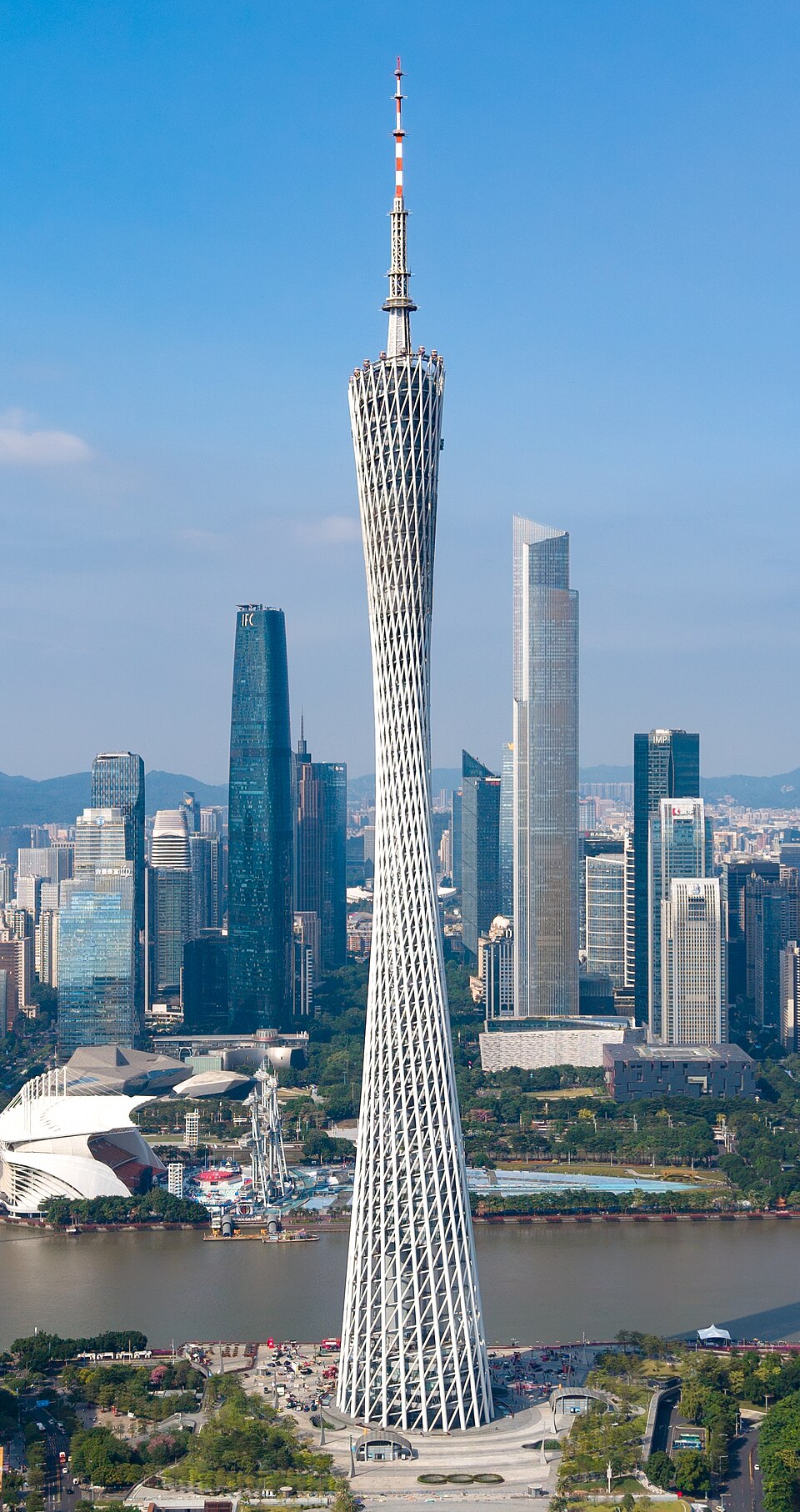
Guangzhou rewards a driver because the interesting parts of the city are spread out. A typical day combines the Canton Tower riverfront, the colonial architecture and quiet lanes of Shamian Island, the Chen Clan Ancestral Hall with its carved decoration, and a proper dim sum stop, which is best done with someone who knows which restaurants are worth the detour. Yuexiu Park and the Pearl River night views fit the same loop.

Foshan, roughly an hour away, is the most common out-of-city day trip and works well as a private charter because the sights, including the ancestral temple and ceramics districts, are not clustered around one station. For a wider look at what to eat and where, see our Guangzhou street food guide and the broader Guangzhou city guide. If you would rather use rail for longer legs, Guangzhou South station connects to Shenzhen and Hong Kong, and a driver can drop you at the station timed to your departure.

How to book and what to confirm

Book through a page that shows live pricing for your dates rather than a static rate card, and pay through a channel that gives you a written confirmation. Before you commit, confirm the vehicle class and seat count, whether luggage capacity matches your group, the cancellation terms, the waiting-time policy, and exactly which costs are included. For multi-day charters, confirm the driver’s overnight arrangements and whether cross-city travel carries an extra fee.

Keep a copy of the confirmation offline, since mobile data on arrival is not guaranteed until your SIM or eSIM is active. Our guide to eSIM versus physical SIM cards explains how to get connected before you land. If your plans extend beyond Guangdong, the same charter logic applies elsewhere in China, and rail is often the better choice for long distances.

Frequently asked questions

Can foreign visitors drive a rental car in Guangzhou?

In practice, no. China requires a Chinese driving licence for self-drive rental, and most foreign licences are not accepted for that purpose. A car with driver is the workable option for visitors. Rules can change, so verify the current position with the vehicle rental company or an official source before you plan around it.

Is a car with driver cheaper than taxis and metro?

It depends on your itinerary. For one or two people moving between metro-connected points, public transport is usually cheaper. For a family or small group covering several spread-out sights in a day, a charter often costs less than repeated taxis and saves considerable time. Compare live quotes for your dates against your planned route.

What happens if my flight into Baiyun is delayed?

Reputable operators track your flight number and adjust the pickup, and many include a waiting allowance after landing. Confirm the waiting policy in writing when you book, and ask what happens if the delay runs beyond that allowance.

Can I book a driver for a multi-day trip outside Guangzhou?

Yes, multi-day charters are common, including routes to Foshan and further afield. Ask about the daily rate, driver accommodation, and any cross-province fees. For long distances, compare the charter price against high-speed rail before deciding.

Do I need to tip the driver?

Tipping is not customary in mainland China and is not expected for charter drivers. If service was good and you wish to tip, it is your choice, but it should not be treated as a required part of the fare.

Treat any rate you see as a starting point and confirm the current figure, the inclusions and the cancellation terms on the operator’s own booking page before you pay. Get those three things in writing, match the vehicle to your group and luggage, and a car with driver turns Guangzhou from a logistics puzzle into a straightforward few days.

Posted on — Leave a comment

Guangzhou Business Car Service: Executive Sedans with Driver

An executive sedan in Guangzhou usually means a chauffeured car for a business trip, a Canton Fair visit, a corporate roadshow or a day of meetings where you would rather not drive or negotiate taxis. The city is large, the ring roads are busy for much of the day, and parking near the main exhibition halls and business districts is awkward. Hiring a car with a driver solves most of that, provided you understand what the rate covers and what it does not. This guide explains the vehicle classes, how pricing is normally structured, how airport and rail transfers work, and how to check the details before you commit.

What an executive sedan service in Guangzhou includes

The standard executive fleet is a long-wheelbase business saloon: the Audi A6L, the BMW 5 Series and the Mercedes-Benz E-Class are the usual choices. These are comfortable for two to three passengers with luggage, and they are the cars most corporate accounts expect. A driver in business dress, fuel, tolls, parking and vehicle insurance are normally bundled into the quoted rate, which is why the headline figure looks higher than a metered taxi. Ask specifically whether waiting time, extra hours and cross-city surcharges are inside the rate or added afterwards.

For corporate travellers, confirm two things in writing before booking: whether an English-language invoice (fapiao) can be issued for your company, and whether the driver can be reached by phone or messaging app during the day. If you need a vehicle for more than three passengers or a large amount of luggage, a seven-seat MPV is the practical upgrade rather than squeezing into a saloon.

How pricing is structured, and what to verify

Chauffeur pricing in China generally falls into three models: hourly hire with a minimum block, a full-day rate with a set mileage allowance, and fixed point-to-point transfers. Airport and station transfers are usually quoted as a flat figure between two named points, while city hire is quoted per hour or per day. Rates vary by vehicle class, season and how far you travel outside the city centre.

We do not publish a fixed price table here, because charter rates move with fuel costs, demand and the vehicle you choose. Instead, check the live quote on the booking page for your dates and read the inclusions line by line. Look for: the number of hours and kilometres included, the overtime rate, the out-of-city surcharge, the night surcharge, and whether tolls and parking are included or billed on top. Multi-day charters and off-peak bookings are often discounted, but the size of that discount is set at the time of booking, so treat any percentage you see elsewhere as indicative only.

Timing your trip around Canton Fair and peak season

Guangzhou has two clear demand spikes each year around the Canton Fair in April and October, when hotel rooms, cars and drivers are all booked out well in advance and surcharges apply. If your trip overlaps either session, reserve the vehicle as early as your flights are confirmed, and expect less flexibility on last-minute changes. The period from November into December is generally calmer, with milder weather and easier availability.

For a wider view of what the city is like month by month, see the Guangzhou city guide and the seasonal notes in China in November. If your visit coincides with a public holiday, build in extra time for every journey, because traffic on the approaches to the exhibition centre and the riverfront can double your travel time.

Airport and rail transfers

Guangzhou Baiyun International Airport (CAN) is the main arrival point, and a chauffeured transfer is the simplest option if you are landing late or heading straight to a meeting. A proper airport service includes meet-and-greet in the arrival hall with a name board, and waiting time absorbed if your flight is delayed, provided you gave the correct flight number when booking. Confirm the meeting point and the driver’s contact details before you fly.

Guangzhou South railway station is the hub for high-speed services, with frequent trains to Shenzhen and cross-border services toward Hong Kong. If you are arriving by rail, give the operator your train number so the driver can track the arrival time. If you are still deciding how to buy tickets, our step-by-step guide to booking train tickets on 12306 covers the process, and the seat class guide explains what you get on board.

Popular days out from Guangzhou

A car with a driver is most useful when you want to cover several stops in one day without waiting for taxis between them. Within the city, a typical itinerary links the Canton Tower area, Shamian Island and the Chen Clan Ancestral Hall, with a dim sum lunch fitted in between. Because these are spread across different districts, a driver who knows the ring roads saves a substantial amount of time.

Further afield, Foshan is the most common day trip, and the drive is straightforward. For food-focused travellers, our Guangzhou street food guide lists specific dishes and areas worth building into the route. If you are extending the trip, note that many museums and major attractions now require advance reservation, which is covered in the guide to booking attractions in China.

How to book, and what to have ready

Choose your vehicle class on the booking page to see live pricing for your dates, then complete payment through the secure checkout. Have these details to hand: flight or train number, pickup address in Chinese characters if possible, a contact number that works in China, and the number of passengers with luggage. For multi-day charters or a custom route, message the travel desk on WhatsApp at +86 180 3801 6100 and they will build the itinerary around your schedule.

Two practical notes for first-time visitors. Payment in China is largely cashless, so set up a mobile payment method before you arrive, as explained in the cashless travel guide. And if you are travelling on a visa-free transit entry, check the current conditions on the official immigration channels rather than relying on any summary, including ours.

Frequently asked questions

Is the driver included in the price?

Yes. Chauffeured hire in China is quoted with a driver, fuel, tolls, parking and insurance included in the rate. What varies is whether waiting time, extra hours and out-of-city travel are inside that figure, so read the inclusions on your booking confirmation and ask before you pay if anything is unclear.

How far in advance should I book for Canton Fair?

As early as your flights are confirmed. The April and October sessions are the busiest periods of the Guangzhou calendar for vehicles and drivers, and availability tightens first for saloons and MPVs. Outside those windows, a few days’ notice is usually enough, but verify current availability on the booking page for your dates.

Can I book a car for a multi-day itinerary?

Yes. Multi-day charters are common for business trips and regional touring. The rate depends on the number of days, daily hours and total distance, so these are quoted individually. Send your route and dates to the travel desk and they will confirm what is included before you commit.

What happens if my flight is delayed?

A properly arranged airport transfer includes waiting time when the flight is late, provided the flight number was supplied at booking so the driver can track it. Confirm this in writing when you reserve, and keep the driver’s contact details with you in case you need to reach them after landing.

Do I need to speak Chinese to use a chauffeured car?

No, but it helps to have addresses written in Chinese and a translation app installed for anything unexpected. Our guide to translation apps and essential phrases covers the basics. Drivers assigned to international clients are used to working with limited Chinese, and the booking desk can relay messages on your behalf.

Book the vehicle class that matches your luggage and passenger count rather than the one that looks best on paper, confirm the inclusions before payment, and give the operator accurate flight or train details. Do those three things and a chauffeured car in Guangzhou removes most of the friction from a busy trip.

Posted on — 1 Comment

Guangzhou Airport Transfer with Private Car: Fixed Prices & Meet & Greet

Arriving at Guangzhou Baiyun International Airport (CAN) usually means one of two things: you are heading into the city, or you are connecting onward to Foshan, Shenzhen, Hong Kong or a Pearl River Delta factory visit. Either way, the airport sits well north of the centre, and the decision you make in the arrivals hall shapes the first hour or two of your trip. This guide covers how private airport transfers in Guangzhou work, what to check before you book, how pricing is structured, and how to avoid the common mistakes that cost first-time visitors time and money.

Why book a private airport transfer in Guangzhou

A pre-booked transfer with a driver solves the specific problems of arriving in an unfamiliar city after a long flight. The driver meets you in the arrivals hall with a name sign, tracks your flight so a delay does not leave you stranded, and waits without charging extra for a reasonable delay window. Child seats can be requested in advance. The price is fixed and all-inclusive rather than metered, so there is no surge multiplier and no negotiation at the kerb.

That matters more in Guangzhou than in some cities because the airport is a long way from the main hotel districts, and the taxi queue after a late arrival or during a trade fair can be genuinely slow. If you are weighing up taxis, metro and pre-booked cars generally, our China airport transfers guide compares the options across major cities.

What a Guangzhou airport transfer includes

With a private transfer booked in advance, the following are normally bundled into the quoted rate rather than added later:

  • Meet and greet in the arrivals hall with a name sign
  • Flight tracking, so the driver adjusts to your actual landing time
  • A free waiting window after landing (confirm the length when you book)
  • Fuel, tolls, parking and vehicle insurance
  • Child seats on request, subject to availability
  • A fixed price agreed before travel, not a meter reading

What is not automatically included: extra stops en route, waiting beyond the agreed free window, and cross-border trips such as into Hong Kong or Macau, which involve separate documentation and permissions. Ask specifically about these when you enquire.

Vehicle options and how pricing actually works

Rates depend on vehicle class, distance, time of day and season, so any specific figure you see online should be treated as indicative rather than guaranteed. Sedans suit one to three passengers with standard luggage. Seven-seat MPVs suit families or small groups with more bags. Larger vehicles, up to coach size, are available for groups and corporate movements.

Two structural points are worth understanding before you compare quotes:

  • All-inclusive versus metered. A fixed rate that includes fuel, tolls and parking is usually easier to budget than a metered fare plus surcharges, even when the headline number looks higher.
  • Seasonal demand. The Canton Fair in April and October is the single biggest driver of transport demand in Guangzhou. Hotel rooms, taxis and cars all tighten during those weeks. If your dates overlap with a major trade event, book earlier than you otherwise would.

Rather than relying on a number quoted in an article, check live pricing for your own date and route on the booking page, and confirm in writing what the rate covers. For a broader sense of what transport and other costs look like across a trip, see our breakdown of what a 10-day trip to China costs.

Popular routes from Baiyun and around Guangzhou

Most transfers fall into a few patterns:

  • Airport to central Guangzhou — Tianhe, Zhujiang New Town, Yuexiu and the Canton Tower area
  • Airport to Foshan — a common onward leg for trade and factory visits
  • Airport to Guangzhou South railway station — for high-speed connections onward
  • City day trips by private car — Shamian Island, Chen Clan Ancestral Hall, the dim sum districts, and the Canton Tower riverside

Guangzhou South is the key rail hub for the region, with high-speed services toward Shenzhen, Hong Kong and beyond. If you are combining a transfer with rail, it is worth understanding seat classes and onboard facilities before you book, and our guide to China high-speed rail seat classes explains the differences. A driver who tracks your train time removes the risk of a missed connection at either end.

Booking, timing and practical checks

Book before you fly, not after you land. You will need your flight number, arrival time, terminal, destination address in Chinese characters where possible, passenger count and luggage volume. If you are arriving on a visa-free transit arrangement, check your eligibility and the conditions on the official immigration channels first — our 240-hour visa-free transit guide walks through how the scheme is structured and what to verify.

Two further practical points. First, have a payment method ready that works in China; card acceptance and mobile payment setup are covered in our cashless travel guide. Second, save your driver’s contact details and your hotel’s address in Chinese before departure, since not every driver will speak English.

Frequently asked questions

How far is Baiyun Airport from central Guangzhou?

It is a substantial drive rather than a short hop, and journey time varies considerably with traffic, especially during morning and evening peaks. Ask your provider for a realistic range for your specific destination and arrival time rather than relying on a single figure.

Is a private transfer cheaper than a taxi from Baiyun Airport?

Not always on the headline number, but a fixed all-inclusive rate removes meter variance, surge and toll surprises. Compare the total door-to-door cost, including any waiting charges, rather than the base fare alone.

What happens if my flight is delayed?

Reputable providers track your flight number and adjust the pickup time automatically, with a free waiting window after landing. Confirm the length of that window in writing when you book, and ask what happens if you are held at immigration for a long time.

Can I book a transfer to Foshan or Shenzhen instead of the city centre?

Yes, intercity transfers are commonly arranged. Cross-border services into Hong Kong or Macau are a different category and involve additional permissions, so raise this explicitly when you enquire rather than assuming it is covered.

Do I need to book in advance during the Canton Fair?

Strongly advisable. Demand across hotels, taxis and private cars rises sharply during major trade events in April and October. Check the official Canton Fair dates for your year and book transport as soon as your flights are confirmed.

Treat any transfer quote as the starting point of a conversation, not the end of one. Confirm what the rate includes, confirm the waiting terms, confirm the vehicle class against your actual luggage, and check live pricing for your exact date before you commit. Do that, and the airport leg of your Guangzhou trip becomes the least complicated part of it.

Posted on — Leave a comment

Guangzhou 7-Seater Van Rental with Driver: 2026 Prices & Booking Guide

Guangzhou is a low-rise, high-density city that spreads across a large area, and the metro, while extensive, becomes awkward the moment you are moving four to six people with luggage. A 7-seater van with a driver solves most of that: one vehicle, door-to-door, no transfers at体育西路 or anywhere else. This guide covers the vehicle types you will be offered, what a day rate normally includes and excludes, how transfers and Canton Fair shuttles work, and how to book without overpaying.

Why a 7-seater rather than taxis or the metro

Three situations push most visitors towards a private van. The first is arrival: Baiyun Airport is a long way from the city centre and from the Pazhou exhibition area, and splitting a group across two taxis with luggage is slower and rarely cheaper than one booked vehicle with a meet-and-greet. The second is the Canton Fair, where hotel-to-Pazhou shuttles run on fixed schedules and vans are the standard way groups move. The third is the wider Pearl River Delta — Shenzhen, Zhuhai, Foshan, Dongguan — where a car with a driver removes the need to plan around intercity rail and metro connections. If you are still weighing up rail against road for the rest of your trip, our China train travel guide explains when trains win.

The vehicles you will be quoted

The workhorse in Guangzhou is the Buick GL8, followed closely by Maxus and similar MPVs. Both seat six to seven depending on configuration, are air-conditioned, and take a reasonable amount of luggage — though with seven full-size cases you should say so at booking, because the third row eats into boot space. For a premium tier, operators offer the Toyota Alphard, which seats fewer passengers in more comfort and is usually quoted individually rather than from a list. Every hire includes a professional driver; self-drive rental for foreign licence holders is not the norm here.

What a day rate normally covers — and what it does not

Assume the quoted rate includes the driver, fuel for the planned route, and the vehicle for the agreed hours. Assume it excludes tolls, parking, the driver’s meal allowance on long days, and any waiting time beyond the agreed schedule. Airport and station transfers are usually quoted as a fixed price for the specific pickup and drop-off rather than an hourly rate, which is why you should confirm the fare in writing before you travel. Cross-border runs into Macau or Hong Kong involve different paperwork and insurance, so treat them as a separate quote entirely.

We deliberately do not print day rates here. Prices in Guangzhou move with season, Fair dates, vehicle class and total mileage, and a figure copied from a blog is a poor basis for a booking. Ask the operator for a written quote that states the vehicle model, the hours included, the mileage cap, and whether tolls and parking are in or out. Compare that line by line rather than comparing headline numbers.

Airport, station and Canton Fair transfers

For arrivals at Baiyun Airport, the useful questions are whether the driver tracks your flight, where exactly they wait, and how long they will wait free of charge if you are delayed. For the Canton Fair, ask whether the shuttle is a shared coach or your own vehicle, what time it departs the hotel each morning, and whether it waits for you at the end of the day or runs to a timetable. During Fair sessions, vans in Guangzhou are genuinely scarce, so book as early as your dates are fixed. If your trip involves a visa-free transit entry, check your eligibility and the port rules on the official immigration pages before committing to an itinerary — our 240-hour visa-free transit guide walks through how that works.

Good uses for a Guangzhou 7-seater

A city day covering Shamian Island, the Chen Clan Ancestral Hall and a Pearl River evening is the classic itinerary, and a van lets you add a dim sum stop without losing an hour to transfers. Families often pair a vehicle with a food-focused day — see our Guangzhou street food guide for where to point the driver. Longer runs to Shenzhen, Zhuhai or Foshan work well as day trips or one-way transfers, and a vehicle is the simplest way to move a group between cities with luggage. For background on the city itself, including metro and entry tips, see the Guangzhou city guide.

How to book, and what to send

Send the date, pickup address, drop-off address, passenger count, luggage count, and whether you need child seats. For multi-day use, list each day’s rough plan so the operator can quote hours and mileage honestly. Confirm the payment method in advance, since many drivers prefer mobile payment and some will not take foreign cards — the cashless travel guide covers setting that up. Make sure your driver can reach you on arrival: a working data connection matters more than most people expect, and our eSIM versus physical SIM comparison explains the options.

Frequently asked questions

Is a driver included in the price?

Yes. A Guangzhou 7-seater hire is quoted with a professional driver; fuel for the planned route is normally included. Tolls, parking and long waiting periods are usually extra, so confirm this in writing when you book.

How much does a 7-seater cost per day in Guangzhou?

We do not publish figures because they change with season, vehicle class, Fair dates and mileage. Ask two or three operators for a written quote stating the vehicle model, included hours, mileage cap and whether tolls are included, then compare those terms rather than the headline price.

Can you arrange Canton Fair transfers?

Yes, and it is one of the most common bookings. Ask whether the service is a shared shuttle or your own vehicle, what time it leaves the hotel, and whether it waits for you in the evening. Book well ahead during Fair sessions, when availability tightens.

Do you cover Guangzhou to Shenzhen, Zhuhai or Macau?

Cross-city and Delta trips are routine, but each route needs its own quote because of distance, time and, for Macau or Hong Kong, cross-border paperwork and insurance. Request a quote for your exact route and hours.

Are child seats available?

Usually on request. Tell the operator the number of children and their ages at the time of booking, and confirm the seat type, since availability is not guaranteed at short notice.

Treat any Guangzhou 7-seater quote as a starting point for a conversation, not a final price: confirm the vehicle, the hours, the inclusions and the payment method before you commit, and keep the confirmation message with you on the day.

Posted on — 1 Comment

Beijing Car with Driver: Private Charter Guide & Pricing

Hiring a car with a driver is the standard way to get around Beijing if you want flexibility without dealing with a rental. Foreign visitors cannot legally self-drive in mainland China on an overseas licence, and a Chinese driving licence is required for any rental, so a vehicle with a professional driver is the practical option for day trips, airport runs and multi-day charters. This guide explains what is normally bundled into a charter rate, how pricing is structured, the routes drivers in Beijing know best, and how to confirm the details before you pay.

Why a car with driver makes sense in Beijing

Beijing is large, the ring roads are busy for much of the day, and many of the sites you will want to see sit outside the core metro network. A chartered vehicle removes the guesswork: your driver handles navigation, parking and the timing between stops, and you keep your luggage with you between hotel check-out and your next train or flight.

A typical charter bundles the driver, fuel, tolls, parking and vehicle insurance into one rate, which is why the headline figure looks higher than a metro ticket but often compares well against a series of separate taxis and transfer bookings. Confirm exactly which items are included in writing before you book, particularly parking at popular sites and waiting time at attractions.

If you are still deciding how to move around the rest of the country, our China high-speed rail guide covers when a train beats a car, and the airport transfers guide explains how taxis, metro and pre-booked pickups compare.

What a charter rate normally includes

Ask the operator to list inclusions and exclusions on your booking confirmation. In most Beijing charters the following are covered: the driver, fuel, tolls on the agreed route, parking at the destinations on your itinerary, and insurance for the vehicle. Items that are frequently excluded include attraction entrance tickets, meals for you and your driver, overnight accommodation for the driver on multi-day trips, and any route changes made on the day.

Prices vary by vehicle class, distance, hours and season, so treat any figure you see online as indicative rather than fixed. When you compare quotes, check the vehicle model and seat count, the number of hours included, the overtime rate, and whether the price is per vehicle or per person. For a broader picture of what a trip costs, see our 10-day China budget breakdown.

Vehicle options and how to choose

Sedans suit one to three passengers with light luggage. Mid-size SUVs and MPVs handle four to six passengers or families with more bags. Larger vans and coaches cover groups, and are usually booked per day with a set number of hours. For a Great Wall day trip, an MPV is a common choice because the drive involves motorway time and the boot needs to take day bags for everyone.

If you are travelling with a group, ask whether the quoted vehicle can legally carry your passenger count plus luggage, and whether child seats are available. For long-distance legs, compare the car against rail: our guide to buying train tickets with a foreign passport explains the booking process if you would rather travel by train and use a car only for local days.

Popular routes and day trips from Beijing

The classic private-car day trip is the Great Wall at Mutianyu, which is far easier by road than by public transport. Within the city, drivers commonly cover the Forbidden City and Tiananmen area, the Temple of Heaven, the hutongs around the Drum and Bell Towers, and the 798 Art District. A two-day charter often pairs the Wall with the city core so you are not repeating the same cross-town drive.

For longer trips, Beijing is a major rail hub, and a driver can drop you at the correct station for onward connections. If you are extending your trip, our Xi’an city guide and Shanghai city guide cover what to do at the other end.

Airport pickups at Capital and Daxing

Beijing has two main airports, Capital (PEK) and Daxing (PKX), and they are a long way apart, so confirm which one your flight uses before booking. A pre-booked airport service usually includes a meet-and-greet in the arrivals hall, waiting time if your flight is delayed, and a fixed price agreed in advance rather than a meter.

Send the operator your flight number, terminal, arrival time and destination address, and agree what happens if you are held at immigration. If you are entering China under transit rules, check your eligibility before you fly using our 240-hour visa-free transit checklist.

How to book and what to confirm

Book through a page that shows live pricing for your dates rather than a static quote, and pay through a channel you can dispute if something goes wrong. Before confirming, check the cancellation policy, the overtime rate, the driver contact process on the day, and whether the operator provides an English-speaking driver or a translation app arrangement.

For multi-day charters, ask for a written itinerary with daily hours and start times. Keep a screenshot of the confirmation and the driver’s number offline, and make sure your payment method works in China by reading our cashless travel guide before you arrive.

Frequently asked questions

Can I rent a car and drive myself in Beijing?

Foreign visitors cannot legally self-drive in mainland China on an overseas licence. A Chinese driving licence is required for a rental, which in practice means hiring a vehicle with a driver. Rules can change, so confirm the current position with the rental company or an official source before you plan around it.

Is a car with driver worth it for a Great Wall day trip?

For most visitors, yes. Mutianyu and other Wall sections are awkward by public transport, and a charter removes the connections and the return-leg uncertainty. Compare the total cost against a guided coach tour, and check whether your quote includes parking and waiting time at the site.

How do I verify the price I am quoted?

Ask for a written breakdown covering vehicle class, hours, distance, inclusions and exclusions, then compare two or three operators for the same itinerary. Prices move with season and demand, so check the operator’s own booking page for a live figure for your dates rather than relying on any number quoted in an article.

What should I do if my flight is delayed?

Choose an airport service that states its waiting policy in writing, and share your flight number so the driver can track it. Confirm whether waiting is charged after a set period, and keep the driver’s contact details and your booking reference saved offline.

Can a driver take me between cities, not just around Beijing?

Multi-day and intercity charters are usually possible, but the price structure changes because driver accommodation, rest hours and return legs come into play. Ask for a per-day rate with the route and hours specified, and compare it with high-speed rail for the same journey before deciding.

Treat any charter as a set of specific terms rather than a single price: vehicle, hours, inclusions, waiting rules and cancellation policy. Get those confirmed in writing for your dates, keep the confirmation accessible offline, and you will have a straightforward way to see Beijing and its surroundings without driving yourself.

Posted on — Leave a comment

Beijing Business Car Service: Executive Sedans with Driver

An executive sedan in Beijing means a chauffeured car — typically an Audi A6L, a BMW 5 Series or a Mercedes-Benz E-Class — booked by the hour, by the day or as a point-to-point transfer. It suits travellers who want a fixed, pre-agreed arrangement rather than negotiating with a taxi at the kerb, and it suits corporate visitors who need an English-language invoice. This guide covers what the service normally includes, how rates are structured, which Beijing routes make sense by car, and what to confirm before you pay. Figures change, so where a number matters, check it on the operator’s own booking page rather than relying on any article, including this one.

What an executive sedan booking normally includes

The standard package is a car, a driver, fuel, tolls, parking and vehicle insurance, quoted as one rate. That structure matters in Beijing because parking near major sites is both scarce and expensive, and tolls apply on expressways heading out to the Great Wall. Ask specifically whether parking and tolls are inside the quoted rate or billed separately — the difference on a Great Wall day is not trivial.

Vehicle classes differ mainly in rear-seat space and boot capacity. A sedan carries two to three passengers with luggage comfortably; if you are travelling with four people plus large cases, or with a guide, a multi-purpose vehicle is the more honest choice. Drivers on corporate accounts are usually suited, and English-speaking drivers can normally be requested in advance rather than assumed. Invoicing for company expenses is a common requirement, so confirm the format (fapiao or a plain English invoice) before booking.

How pricing works, and why you should verify it

Chauffeur pricing in Beijing is usually quoted in one of three ways: hourly with a minimum block, a full-day rate covering a set number of hours and kilometres, or a fixed transfer price between two named points. Day rates typically include a mileage allowance; beyond it, an excess-kilometre charge applies. Airport transfers are usually fixed and quoted per vehicle, not per passenger.

Multi-day charters often attract a discount, and peak periods — spring and autumn travel seasons, plus public holidays such as Chinese New Year and the National Day week — usually carry a surcharge. We are deliberately not printing rates here, because they move with fuel costs, season and vehicle availability. Instead, when you look at a quote, check four things: whether the daily kilometre allowance is stated, what the overtime and excess-distance rates are, whether the price is per vehicle or per person, and whether the surcharge dates are listed explicitly. A quote that answers all four is a quote you can compare against another.

Beijing routes that work well by private car

The classic day trip is the Great Wall at Mutianyu, roughly a two-hour drive each way depending on traffic and your departure point. A car removes the connection problem at the far end, where public transport drops you some distance from the cable car and shuttle. Within the city, a chauffeured car is most useful for a half-day loop that would otherwise be three separate taxi rides: the Forbidden City and Tiananmen area, the Temple of Heaven, and a hutong district such as Shichahai or Nanluoguxiang.

The 798 Art District sits northeast of the centre and is awkward to combine with the historic core on public transport, which makes it a reasonable car destination. Note that the Forbidden City requires advance timed reservation for foreign visitors, and that is separate from your transport — see our guide to booking attractions in China with reservations foreigners actually need. If your Beijing stay is part of a longer rail trip, a car also solves the station problem: Beijing’s high-speed services leave from more than one station, and the station on your ticket is not always the one you expect. Our China train travel guide explains how to read your ticket, and your driver can track the arrival time.

Airport transfers at PEK and PKX

Beijing has two international airports: Capital (PEK) and Daxing (PKX), on opposite sides of the city. The single most important thing to confirm before booking is which one your flight uses, because the transfer time between them is substantial and a mis-booked pickup is expensive to fix.

A proper airport service includes meet-and-greet in the arrivals hall with a name board, since terminal exits are large and mobile signal in the hall can be unreliable. Waiting time for delayed flights is normally absorbed by the operator; confirm the free waiting window and what happens beyond it. Also confirm whether the price is fixed in advance or metered, and whether it covers the airport parking fee on pickup. If you are arriving under visa-free transit rather than a full visa, check your eligibility separately — our 240-hour visa-free transit checklist sets out the conditions.

Practical points for a smooth day

Beijing traffic is heaviest roughly 07:00–09:30 and 17:00–19:30, so a Great Wall departure before 07:00 buys you real time at the wall. Carry your passport: it is required for hotel check-in and for entry to many attractions, and it is worth having with you in the car. Payment is largely cashless, so set up a mobile payment method before you arrive — see our China cashless travel guide for how WeChat Pay and Alipay work with foreign cards. If your itinerary includes meals with dietary requirements, our guide to halal and vegetarian food in China covers how to brief a driver or restaurant in advance.

Finally, agree the day’s shape in writing: pickup time, pickup address, the sites in order, and the drop-off point. A driver who knows the plan in advance can route around congestion instead of asking you mid-journey.

How to book

Choose the vehicle class first, then the service type — transfer, half day, full day or multi-day charter. For live pricing and availability, use the operator’s own booking page and read the inclusions line by line against the four checks above. For custom routes, multi-day charters or a corporate account, contact the travel designer directly with your dates, passenger count, luggage and required invoice format. If you are still assembling the wider trip, it is worth drafting the itinerary before you commit to car days, so that driving days and walking days do not collide.

Frequently asked questions

Is a driver included in the price?

Yes, on a chauffeured executive sedan the driver, fuel, tolls, parking and vehicle insurance are normally bundled into one rate. Confirm the inclusions in writing, because some operators bill parking and tolls separately, and on a Great Wall day those add up.

Can I book an English-speaking driver?

Usually yes, but it should be requested at the time of booking rather than assumed. State the request explicitly and get confirmation back in writing. If your itinerary involves detailed commentary, consider a separate guide, since a driver’s role is transport rather than guiding.

How far in advance should I book?

For ordinary city days, a few days ahead is normally enough. For public holidays, the spring and autumn peak seasons, and any Great Wall day at short notice, book earlier — vehicle availability tightens and prices rise. Check the operator’s cancellation terms at the same time as you book.

Can the car wait for me while I visit a site?

On an hourly or full-day booking, yes — waiting is part of what you are paying for. On a fixed transfer, no. Clarify which type you have bought, and check whether a long wait counts towards your included hours or triggers an overtime charge.

Does a private car help with the Forbidden City and the Great Wall?

It solves transport and parking, but not entry. The Forbidden City needs an advance timed reservation for foreign visitors, and Great Wall shuttle and cable car tickets are separate purchases. Sort the reservations independently of the car booking.

Treat any quoted rate as a starting point for comparison rather than a fixed fact: verify current inclusions, surcharge dates and cancellation terms on the operator’s own page before you pay, and keep the written confirmation with your travel documents.

Posted on — Leave a comment

Beijing Airport Transfer with Private Car: Fixed Prices & Meet & Greet

Arriving at Beijing Capital (PEK) or Daxing (PKX) with luggage, children or a tight connection is not the moment to negotiate a fare. A pre-booked airport transfer with a driver solves the practical problems: someone waits in the arrivals hall with a name sign, the vehicle is the size you agreed, and the price is fixed before you fly rather than calculated by a meter in traffic. This guide explains how private transfers and day charters in Beijing work, what a quote should include, how to plan pickups around train and flight times, and what to check before you pay. It does not list fares, because rates move with season, vehicle class and demand — instead, each section tells you what to confirm on the operator’s booking page.

How an airport transfer in Beijing actually works

The standard arrangement is a meet-and-greet booking. You give the operator your flight number, and the driver tracks the flight; if it lands late, the wait is normally absorbed rather than charged. On landing you clear immigration and baggage reclaim, then look for a driver holding a sign with your name in the arrivals hall. Confirm in advance which terminal and which meeting point, because PEK and PKX are far apart and each has multiple arrival levels.

Child seats are usually available on request, not by default, so state ages and weights when booking. Ask whether the quoted wait time after landing is included and what happens if you are held at immigration. For the wider context of moving between Chinese cities by air, rail and metro, see this overview of China airport transfers.

Vehicle options and what a fixed rate should include

Sedans suit one or two passengers with cabin bags; seven-seat MPVs suit families, ski bags or four passengers with large luggage; larger vans and coaches cover groups. The important question is not the headline price but what sits inside it. A genuinely all-inclusive charter rate normally covers the driver, fuel, tolls, parking and vehicle insurance, with no meter and no surge multiplier. Ask explicitly whether airport parking, waiting time and any overnight allowance for the driver are included.

Multi-day bookings and off-peak dates are commonly discounted, and peak periods — roughly the spring-to-autumn travel window plus Chinese public holidays — usually carry a surcharge. Because these figures change, treat any number you see quoted in a blog post as indicative only. Check live pricing on the operator’s own booking page and look for the line items: base rate, inclusion list, waiting policy, cancellation terms and peak-date surcharge.

Popular routes and day trips from Beijing

Most travellers use a Beijing transfer for more than the airport run. The classic day trips by private car are the Great Wall at Mutianyu, the Forbidden City, the Temple of Heaven, the hutongs around the old city, and the 798 Art District. A Great Wall round trip is a full day once you account for the drive and time on the wall, so agree the pickup time and the return window in writing.

Note that several major sights now require advance reservations, often with passport details, and these sell out. Before you fix a driver’s schedule, read up on booking attractions in China so the car is waiting on a day you can actually enter.

Connecting with trains and other cities

Beijing is a rail hub, and private transfers are frequently used to link a hotel or airport with a station rather than a sight. Beijing South handles the fast eastern corridor, with Tianjin a short hop and longer services onward to Shanghai and Xi’an. If you book a station pickup, give the operator your train number so arrival can be tracked, and allow buffer time — station drop-offs involve security queues and large forecourts.

If you are still deciding between rail and air for the next leg, the China train travel guide covers tickets and apps, and booking train tickets on 12306 walks through the official channel step by step. For arrivals that qualify for visa-free transit, check the rules on the official immigration page rather than relying on a summary, and use the 240-hour visa-free transit checklist to see whether your routing fits.

Booking, payment and practical checks

Book online before you travel so the price is locked and the driver has your details. You will typically need your flight or train number, arrival time, passenger and luggage count, destination address in Chinese characters, and a contact number or messaging app handle. Payment methods vary by operator; confirm whether foreign cards are accepted or whether a Chinese mobile payment app is expected, and check the cancellation window.

Two habits prevent most problems. First, screenshot your booking confirmation and the driver’s contact details, since mobile data on arrival can be unreliable. Second, send the destination address in Chinese to the driver in advance — hotel names in English are often unrecognised. If you are planning a longer custom route or a multi-day charter, an itinerary tool can help you sanity-check timing, as discussed in this guide to using AI for a China itinerary without inventing opening hours.

Frequently asked questions

Is a private transfer cheaper than a taxi from Beijing airport?

Not always. A metered taxi can be cheaper in light traffic, while a fixed transfer protects you against queues, surge and language problems, and guarantees the vehicle size. Compare the operator’s live quote with the official taxi rank options described on the airport’s own website before deciding.

What happens if my flight is delayed?

Most meet-and-greet services track the flight number you supply and adjust the pickup accordingly, with waiting time included. Confirm the exact waiting policy and any cap in writing when you book, since terms differ between operators and vehicle classes.

Can I book a child seat?

Usually yes, but only if you request it. Provide the child’s age and weight at the time of booking so the correct seat is fitted, and reconfirm it in your messages with the driver before arrival.

How do I know the price is genuinely all-inclusive?

Look for an explicit inclusion list covering driver, fuel, tolls, parking and insurance, plus a statement on waiting time and cancellation. If a quote only shows a total, ask what could be added on the day. Verify current rates on the operator’s booking page rather than any third-party summary.

Can you pick up from Beijing South or another station?

Station pickups are standard, but they need your train number so arrival can be tracked, and a realistic buffer for exits and security. Share the exact station and exit where possible, and keep the driver’s number saved offline.

Treat any transfer booking as a short checklist rather than a leap of faith: confirm the meeting point, the inclusions, the waiting and cancellation terms, and the vehicle size against your actual luggage. Prices and policies change, so verify the current details on the operator’s own booking page before you pay, and keep your confirmation and driver contact saved where you can reach them without a signal.

Posted on — Leave a comment

Beijing 7 Seater Car Rental with Driver: 2026 Prices & Booking Guide

Hiring a 7-seater MPV in Beijing with a driver is the simplest way to move a family or small group around a city where taxi capacity tops out at four passengers and public transport involves a fair amount of walking. This guide covers the vehicles normally used, what an all-inclusive rate should contain, how airport pickups work, and the questions worth asking before you confirm a booking.

Why a 7-Seater MPV Suits Beijing

Beijing’s sights are spread out. Mutianyu Great Wall sits roughly 70km northeast of the city centre, the Forbidden City and Temple of Heaven are in different districts, and the 798 Art District is well away from both. A seven-seat MPV carries six passengers plus luggage in reasonable comfort, which covers most families and small groups without splitting across two taxis.

Driver-hire also removes the practical friction of a first visit: no app-based hailing in Chinese, no cash handling, no negotiating a return fare at a remote Great Wall car park where onward transport is limited. Your driver waits while you walk the wall or tour a site, then continues to the next stop on your plan.

Vehicle Options and What Each Is For

The common seven-seat choices in Beijing fall into three rough tiers. The Buick GL8 is the standard business MPV in China and the usual value pick. The Honda Odyssey is a comparable alternative. The Toyota Alphard and Lexus LM sit in the luxury and VIP bracket, with reclining second-row seating and more cabin space.

Choose by group size, luggage volume and how much time you will spend in the vehicle. For a single day trip, a GL8 is usually sufficient. For multi-day charters where passengers spend hours on the road, the extra comfort of an Alphard or LM is easier to justify. Ask the operator to confirm the exact model, seat configuration and luggage capacity in writing before you pay, since “7-seater MPV” covers a wide range of vehicles.

What an All-Inclusive Rate Should Cover

A properly inclusive charter rate should state clearly that it covers the driver, fuel, tolls, parking and vehicle insurance. Ask specifically about each item rather than assuming. Parking at popular Great Wall sections and city attractions is charged by the hour, and tolls on expressways outside the city add up on longer routes.

Two further points matter. First, driver waiting time: confirm how many hours are included in a day and what happens if you run over. Second, overtime and late-night supplements. Rather than rely on any figure quoted in a guide, check the current rate on the operator’s own booking page and read the inclusions list line by line.

If your trip involves paying deposits or settling the balance on arrival, it is worth sorting out mobile payment before you fly. Our China cashless travel guide explains how WeChat Pay and Alipay work for foreign visitors.

Popular Routes and Day Trips from Beijing

The most requested day trip is Mutianyu Great Wall, normally a full day including travel time in each direction. A city day might combine the Forbidden City, Temple of Heaven and a hutong walk, though note that major sites often require advance timed-entry booking and some close on Mondays. Confirm opening days and ticket arrangements on each site’s official page, as these change.

Half-day options include the 798 Art District and the Summer Palace. For travellers continuing onwards, Beijing is a major rail hub, and a driver can drop you at the correct station for your departure. If you are new to Chinese rail, read our China train travel guide before fixing your schedule, then ask your operator to time the drop-off around your train.

Airport Transfers: PEK and PKX

Beijing has two international airports, Capital (PEK) and Daxing (PKX), and they are on opposite sides of the city. Give your driver the exact terminal and flight number, not just the airport code. A pre-booked transfer normally includes arrival-hall meet and greet, and a fixed price agreed in advance rather than a meter.

Ask how flight delays are handled and whether waiting time is charged. Policies vary between operators, so get the answer in writing. If you are arriving under visa-free transit arrangements, check your eligibility carefully before booking anything. Our 240-hour visa-free transit checklist sets out what to verify.

How to Book and What to Confirm

Book against live pricing rather than a quoted range, and confirm the following in writing: vehicle make and model, number of seats, luggage capacity, hours included, overtime rate, whether tolls, parking and fuel are included, and the cancellation policy. For multi-day charters, ask whether the same driver stays with you throughout, which is usually preferable.

Peak periods matter. Chinese public holidays and the April to October high season put pressure on both vehicles and hotel rooms, so book early. Our China public holidays guide lists the dates to plan around. For custom routes, multi-day charters or anything outside the standard day-trip pattern, describe your itinerary to the operator and ask for a written quote before committing.

Frequently asked questions

How many passengers fit in a 7-seater MPV?

Six passengers plus a driver is the realistic maximum in most models, and luggage space shrinks quickly with a full load. If you have six adults with large suitcases, ask the operator whether a larger vehicle would be more suitable for your route.

Is a driver included in the rate?

With a charter booking, yes, the driver is part of the service. Confirm whether fuel, tolls, parking and insurance are also included, since some operators quote a vehicle-only rate and add these separately. Always read the inclusions list on the booking page.

Can the driver wait while we visit the Great Wall?

On a standard day trip, waiting is normally part of the arrangement. Ask how many hours are included and what the overtime charge is, because a long day at Mutianyu plus transfers can exceed a standard day. Get this confirmed before you travel.

How do I check current prices?

Prices change with season, vehicle type and route length, so check the operator’s live booking page rather than relying on any published range. Look for the inclusions list, the overtime rate and the cancellation terms alongside the headline price.

Do I need to book airport transfers in advance?

It is strongly advisable, particularly for late arrivals or during public holidays. Pre-booking gives you a fixed price and meet-and-greet service. Provide your flight number and terminal so the driver can track delays, and confirm the waiting policy in advance.

Treat any published rate as a starting point only. Confirm the vehicle, the inclusions and the cancellation terms directly with the operator, check current entry requirements on official sources before you travel, and leave a little slack in your itinerary for Beijing traffic.

Posted on — Leave a comment

Shanghai Car with Driver: Private Charter Guide & Pricing

A car with driver in Shanghai suits travellers who want door-to-door transport without navigating metro interchanges, taxi queues or a language barrier. It is also the practical option rather than a luxury one: foreign visitors cannot legally self-drive in mainland China on an overseas licence, and rentals require a Chinese driving licence. That leaves public transport, taxis and ride-hailing, or a hired car and driver. This guide explains what a charter normally covers, how to compare quotes, which trips it makes sense for, and what to check before you pay.

Why a car with driver makes sense in Shanghai

The main advantage is simplicity. A professional driver handles navigation, parking, tolls and the practical conversations at hotel entrances and attraction gates. In a city where addresses can span several kilometres of one-way streets and where the metro, while excellent, involves a lot of walking and staircases, a car removes the logistics from your day.

Shanghai traffic is heavy during commuting hours, and some central roads are restricted or congested at peak times. A driver who works the city daily knows which bridges and tunnels to use, where to drop you near the Bund or Yu Garden so you are not walking twenty minutes from a car park, and how long a cross-city transfer realistically takes. That local knowledge is the part you are paying for as much as the vehicle.

If you are combining Shanghai with other cities, a driver also solves the station problem. Rail from the Hongqiao hub reaches Suzhou and Hangzhou quickly, and longer routes run north and beyond. A driver can collect you at the station when you return, tracking your arrival so a delay does not leave you stranded. For rail planning itself, see this China train travel guide.

What is normally included, and what is not

A reputable charter quote for Shanghai usually bundles the driver, fuel, tolls, parking and vehicle insurance into one rate. That is the model to look for, because it makes budgeting straightforward and avoids arguments at the end of the day. Ask explicitly whether the following are inside the quoted figure:

Driver’s meals and accommodation on multi-day bookings, overtime beyond an agreed daily hour limit, airport parking, waiting time at attractions, cross-province tolls if you leave Shanghai municipality, and any late-night or early-morning supplement. Get the answer in writing before you confirm.

Vehicle class matters too. A sedan suits two to three passengers with luggage; an MPV suits families or small groups; larger coaches are available for groups up to around fifty seats. Tell the operator your passenger count and luggage volume rather than just a seat number, since a full-size suitcase per person changes what fits.

How to check current rates rather than trust a figure

Prices for car hire with driver in China move with fuel costs, seasonal demand and vehicle availability, and published figures go stale quickly. Rather than rely on a number printed in an article, including this one, check live pricing on the operator’s booking page for your actual dates, vehicle class and route. Look for a rate that states clearly whether it is per day or per transfer, how many hours and kilometres are included, and what triggers a surcharge.

Expect demand and pricing to rise around public holidays, the Lunar New Year period, and major trade fairs and exhibitions in Shanghai. If your dates fall in those windows, book earlier and confirm the total in writing. For a wider view of seasonal timing across the country, see this month-by-month festival and weather calendar.

Airport transfers at Pudong and Hongqiao

Shanghai has two main airports, Pudong International (PVG) and Hongqiao (SHA), plus Hongqiao’s adjacent railway station. A pre-booked transfer normally includes meet-and-greet in the arrivals hall with a name board, and waiting time if your flight is delayed. Confirm both points when booking, because policies differ between operators.

Give the operator your flight number, terminal and destination address, and ask what happens if you clear immigration far later than expected. If you are arriving under visa-free transit arrangements, check your eligibility before you fly rather than at the border; the rules are specific about ports, onward tickets and permitted areas. This 240-hour visa-free transit checklist walks through the conditions.

Day trips and routes worth a private car

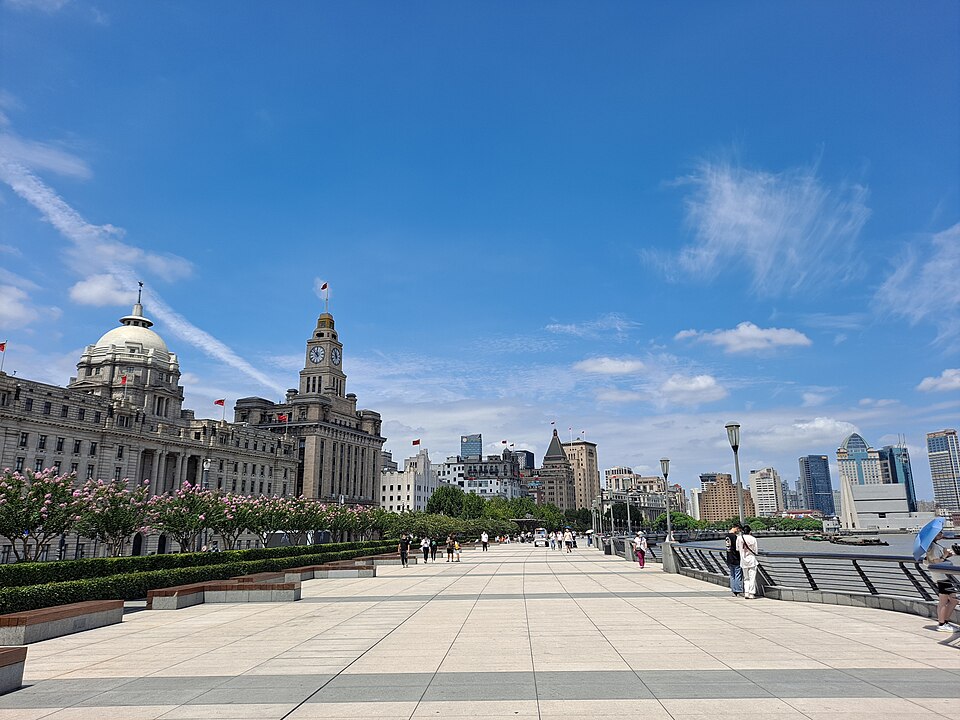
Within the city, the classic circuit, the Bund, Yu Garden and the former French Concession, is far more comfortable by car than by stitching together metro lines, though the metro is genuinely good if you prefer it. Beyond the centre, Zhujiajiao water town and Shanghai Disneyland are the two trips where a driver adds the most value, since both involve long approaches and awkward returns at the end of a tiring day.

For longer excursions, Hangzhou and Suzhou are reachable by high-speed rail and often work better as train trips with a driver at each end. Further afield, Huangshan is a realistic overnight or two-night trip; this Huangshan from Shanghai guide covers the logistics. If you would rather build the itinerary around your own interests first, an AI travel planner for China can draft a route, but verify every opening time and ticket detail against the official site before you commit.

How to book and what to confirm

Choose your vehicle class on the operator’s live booking page, enter your dates and route, and read the inclusions before paying. For custom routes, multi-day charters or group coaches, contact the operator directly with your itinerary, passenger numbers and luggage, and ask for a written quote. Pay through a traceable channel and keep the confirmation, including the driver’s contact details, on your phone.

Before departure, reconfirm the pickup time and meeting point, especially for early flights. Ask whether the driver speaks any English or whether you will communicate through a translation app, and save your hotel’s address in Chinese characters to show the driver. Sort out mobile data and payment apps before you arrive; a guide to WeChat Pay and Alipay explains how foreign cards usually work.

Frequently asked questions

Can I rent a car and drive myself in Shanghai?

Not on a foreign licence. Mainland China requires a Chinese driving licence, and short-term visitors generally cannot obtain one. Hiring a car with a driver is the standard alternative and is what most operators offer to international visitors.

Is a car with driver cheaper than taxis?

It depends on your itinerary. For a single short hop, a taxi or ride-hailing is usually cheaper. For a full day of sightseeing with multiple stops and waiting time, a fixed daily charter is often comparable and considerably less stressful. Compare live quotes for your specific plan rather than assuming either way.

What happens if my flight is delayed?

Most airport transfer services include a waiting period after landing, but the length varies. Confirm the policy and any charge for extended waiting when you book, and give the operator your flight number so they can track it.

Can the driver take us outside Shanghai?

Often yes, but cross-province trips may involve additional tolls, permits or driver rest rules, and the quote will differ from an in-city rate. State your full route when requesting a price.

How far ahead should I book?

For ordinary weekdays, a few days is usually enough. For public holidays, trade fairs or peak travel periods, book as early as you can and confirm the total price in writing, since availability tightens and rates rise.

Treat any published price, including figures you may have seen elsewhere, as indicative only. Confirm the current rate, inclusions and cancellation terms on the operator’s own booking page for your dates, and keep a written record of what was agreed before you travel.