Posted on — Leave a comment

Shanghai Airport Transfer with Private Car: Fixed Prices & Meet & Greet

A pre-booked airport transfer in Shanghai removes the two things that make arrival tiring: finding the right pick-up point and agreeing a price in a language you may not share. This guide explains how transfers at Pudong (PVG) and Hongqiao (SHA) actually work, what a meet-and-greet includes, how waiting time is handled when your flight is late, and how to confirm the price you will pay before you get in the car. It also covers vehicle choices, transfers to and from rail stations, and the practical details worth sorting before you fly.

How airport pickups work at Pudong and Hongqiao

Shanghai has two airports, and they are not interchangeable. Pudong International (PVG) handles most long-haul international arrivals and sits well east of the city. Hongqiao International (SHA) is closer in and shares a complex with Hongqiao Railway Station, one of the country’s main high-speed rail hubs. Confirm which airport your booking actually names before you travel, because the drive times and the meeting arrangements differ.

With a pre-booked transfer, the usual pattern is this: you give your flight number when booking, the driver tracks the flight, and you meet in the arrivals hall rather than in a car park. For a smooth handover, have your booking reference, the driver’s phone number and your accommodation address in Chinese characters ready before landing. If you are arriving on a visa-free transit arrangement, check your own eligibility and permitted area on the official immigration channels rather than relying on a summary, and see this 240-hour transit checklist for the documents travellers typically prepare.

What meet-and-greet usually includes

A standard meet-and-greet service normally covers a driver waiting in the arrivals hall with a name sign, flight tracking so the pickup time adjusts to the real landing time, and a set waiting allowance after landing. Whether that allowance is free, how long it runs, and what happens beyond it are commercial terms that vary by operator and by vehicle class. Ask the operator directly, in writing, and keep the reply.

Child seats, extra luggage space and larger groups are usually arranged on request rather than as standard. If you need a child seat, state the child’s age and weight when booking and confirm it is included at no extra cost. If you are travelling with bulky items such as ski bags or a folded wheelchair, say so in advance.

Vehicle options and how pricing is structured

Transfers are normally quoted as a fixed, all-inclusive rate rather than a meter fare. A typical quote bundles the driver, fuel, tolls, parking and vehicle insurance, and should state clearly whether the meeting service and waiting time are inside that figure. Sedans suit one to three passengers with standard luggage; MPVs and larger vans suit families, groups and multi-day charters.

WingPhoenix lists live prices per route and vehicle class on its booking pages, so the figure you see is the figure for your date and vehicle rather than a seasonal estimate. Read the inclusions line before paying, and check the cancellation terms at the same time. For long-distance or multi-day hire, ask what is excluded, such as the driver’s overnight accommodation on extended trips. If you want a broader picture of what ground transport costs across the country, the 10-day trip cost breakdown is a useful reference point.

Transfers to rail stations and day trips from Shanghai

Many travellers use Shanghai as a rail base rather than a final destination. Hongqiao Railway Station connects to Hangzhou and Suzhou on frequent high-speed services, with longer routes onward. A private transfer coordinated with your train time means the driver waits for the actual arrival rather than a scheduled one, which matters when services run late.

If you are mixing rail and road, book train tickets through the official 12306 channels or an authorised agent and keep your passport details consistent across both bookings. This step-by-step 12306 guide covers the process. For city days, a car with driver is most useful for sites that sit away from metro lines or for combining several stops in one day. Central sights such as the Bund and Yu Garden are straightforward by metro, while Zhujiajiao water town and Shanghai Disneyland are easier by car.

Booking, payment and confirming the details

Book as far ahead as your plans allow, particularly around public holidays and major trade events, when vehicle availability tightens and rates rise. When you book, provide the flight or train number, the number of passengers, the luggage count, the destination address in Chinese, and a contact number that works after you land.

On payment, confirm which methods the operator accepts and whether a deposit is required. If you plan to pay by card or mobile wallet, check that your app is set up before departure rather than at the counter; the cashless payment guide explains the main options. Keep the driver’s number and the operator’s contact saved offline, and screenshot your booking confirmation in case mobile data is slow on arrival.

Frequently asked questions

What happens if my flight is delayed?

Most operators track the flight number you supply, so the driver adjusts to the actual landing time rather than the scheduled one. The waiting allowance after landing, and any charge beyond it, is set by the operator. Ask for the exact terms in writing when you book and keep the confirmation.

How do I find my driver at Pudong or Hongqiao?

Typically the driver waits in the arrivals hall with a name sign. Confirm the meeting point when you book, since terminal layouts differ and some operators meet at a designated counter instead. Save the driver’s phone number before you fly and message them once you have cleared immigration.

Is a private transfer cheaper than a taxi?

Not always, and it depends on distance, time of day and vehicle class. A fixed pre-booked rate removes uncertainty about surge pricing and language, which is often the real reason travellers choose it. Compare the quoted all-inclusive figure with the alternatives before deciding.

Can I book a transfer with a child seat?

Usually yes, but it is a request rather than a default. State the child’s age and weight when booking and confirm the seat is included. Do not assume a seat will be available on the day without written confirmation.

Do I need to tip the driver?

Tipping is not expected in the same way as in some other countries, and practice varies. If you want guidance on when it is appropriate, see this guide to tipping and etiquette in China.

Treat any transfer booking as a short checklist rather than a single click: confirm the airport, the meeting point, the waiting terms, the inclusions and the cancellation policy in writing, and keep the driver’s contact offline. Do that, and the first hour after landing becomes the least complicated part of the trip.
Posted on — Leave a comment

Shanghai 7 Seater Car Rental with Driver: 2026 Prices & Booking Guide

A 7-seater MPV with a driver is one of the most practical ways to move around Shanghai and beyond, particularly for families, small groups and travellers with luggage. The vehicle class covers the everyday Buick GL8, the larger Toyota Alphard, the Honda Odyssey and the VIP-spec Lexus LM, and each suits a slightly different trip. This guide explains what the vehicles are like, how charter and transfer pricing is normally structured, which routes work well from Shanghai, and what to confirm before you pay. For general city orientation, see our Shanghai City Guide 2026.

Which 7-seater MPV suits your trip

The Buick GL8 is the default business and family MPV in China: comfortable for six passengers plus luggage, widely available, and usually the most economical option in the class. The Honda Odyssey sits in a similar bracket with slightly different seating and boot space. The Toyota Alphard is a step up in cabin comfort and is often chosen for client pickups, older travellers or long day trips. The Lexus LM is the VIP end of the range, with a more enclosed rear cabin.

Capacity is the detail worth checking carefully. A 7-seater is not seven passengers plus seven large suitcases. Six passengers with hand luggage and a few medium cases is realistic in most of these vehicles; a full group of seven with hold baggage may need a larger vehicle or a second car. Tell the operator your passenger count, case sizes and whether you need child seats, then confirm the exact model in writing.

How charter and transfer pricing works

Quotes for MPV hire in Shanghai normally fall into two shapes: a daily charter rate, and a fixed point-to-point transfer. A daily charter usually includes the vehicle, a professional driver, fuel, tolls, parking and insurance within an agreed area and time window. Airport transfers are quoted as a fixed price between two named points.

Do not rely on any figure you read online, including on this page. Rates move with fuel costs, season and demand, and the vehicle class you pick changes the number substantially. Instead, ask for a written quote that states: what is included, the daily mileage or hour limit, the overtime rate, the out-of-city surcharge, and whether the driver’s meals or accommodation apply on multi-day trips. Then compare that breakdown rather than the headline number. Our China Travel Cost Planner is useful for fitting transport into a wider budget.

Airport pickups at Pudong and Hongqiao

Shanghai has two main airports, Pudong International (PVG) and Hongqiao International (SHA), and they are a long way apart. Confirm which one your flight uses before booking, and give the operator your flight number rather than just a landing time.

A good airport service includes meet-and-greet in the arrivals hall with a name board, waiting time if your flight is delayed, and a fixed price agreed in advance. Ask where exactly the driver will stand, how you will be contacted if you cannot find each other, and whether the price differs between terminals. If you are connecting through China without a full visa, read our 240-hour visa-free transit checklist before you book anything, because eligibility rules decide whether you can leave the airport at all.

Day trips and multi-city routes from Shanghai

Within the city, an MPV is most useful for covering ground that the metro does not join up neatly: the Bund and Yu Garden area, the French Concession lanes, and a full day at Shanghai Disney Resort. Outside the city, Zhujiajiao and the other water towns are straightforward half- or full-day drives.

For longer trips, Shanghai works well as a starting point. Hangzhou and Suzhou are quick hops by high-speed rail from Hongqiao, and a driver can meet you at the station on arrival. If you are heading further, our Huangshan from Shanghai guide covers the logistics of a multi-day mountain trip. On any rail-linked itinerary, check train times and ticket rules on the official railway channel before fixing your pickup, and build in a buffer for station exits, which are large and slow to cross with luggage.

What to confirm before you pay

Ask for the driver’s name, mobile number and vehicle plate in advance, and keep them offline as well as on your phone. Confirm the cancellation policy, what happens if your flight or train is late, and whether the quoted price is final or subject to tolls and parking on the day. For multi-day charters, agree the daily start and finish times and where the vehicle stays overnight.

Payment methods matter too. Many operators accept bank transfer, WeChat Pay or Alipay, and some take cards. If you plan to pay by app, set it up before you fly, as described in our China cashless travel guide. Keep a screenshot of the booking confirmation and the driver’s details in case mobile data is unreliable on arrival.

Frequently asked questions

How many people fit in a 7-seater MPV with luggage?

Six passengers with hand luggage and a few medium cases is a realistic working figure for most models in this class. Seven adults with full-size hold baggage usually will not fit. Send the operator your exact passenger count and case sizes and ask them to confirm the model and boot capacity in writing.

Is a driver included in the price?

Yes for the services described here, which are hired with a professional driver rather than self-drive. Confirm in the quote whether fuel, tolls, parking and insurance are included, and whether there is a mileage or hourly limit. Self-drive hire is a separate arrangement with different licensing requirements.

How far ahead should I book?

For ordinary weekday city use, a few days is often enough. For public holidays, the Spring Festival travel period and major trade fairs, book as early as you can and expect higher demand. Check the official holiday dates for your travel year before you commit, since they shift annually.

Can the driver meet me at Hongqiao railway station?

Station pickups are commonly arranged. Give the operator your train number and expected arrival time, since these can be checked against live schedules. Agree a specific meeting point, because Shanghai’s stations have multiple exits and levels, and allow extra time to walk out with luggage.

What happens if my flight is delayed?

Most airport services include a waiting allowance for delayed arrivals, but the length of that allowance varies by operator. Ask what the policy is before booking and get it in the confirmation. Give a flight number, not just a landing time, so the driver can track the arrival.

Treat any MPV quote as a starting point for a conversation rather than a fixed truth: confirm the vehicle, the inclusions, the limits and the meeting arrangements in writing, verify current prices and transfer rules on the operator’s own booking page, and check official sources for visa, rail and holiday details before you travel.

Posted on — 1 Comment

China Food Tour Guide: 8 Regional Cuisines & Where to Eat Them

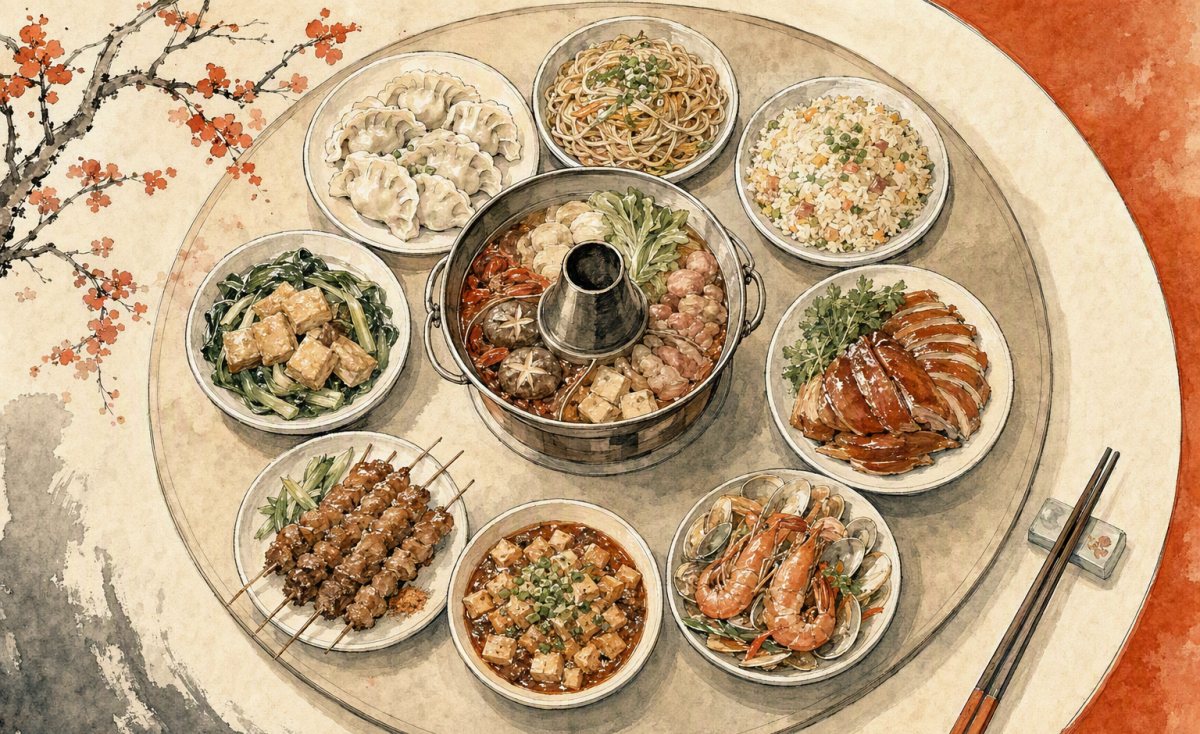
A food tour in China can mean many things: a guided walk through a wet market, a dumpling class in a family kitchen, a hotpot dinner with a translator at the table, or a multi-city itinerary built around regional cooking. This guide explains what the eight great cuisines actually are, what to eat in the main cities, how to handle dietary needs, and what to verify before you pay a deposit. It does not quote prices or opening hours, because these change and vary by operator; where a number matters, you will be told exactly where to check it.

What the eight great cuisines cover

Chinese cooking is often summarised as eight regional traditions, and knowing them helps you choose a route rather than a single dinner.

Cantonese, from Guangdong and Hong Kong, is built on steaming, roasting and dim sum. Sichuan cooking is famous for heat, but the numbing ma la profile comes from Sichuan peppercorn rather than chilli alone; hotpot and mapo tofu are the entry points. Shandong cuisine leans on seafood, braising and clear soups. Jiangsu cooking is delicate and often sweet, with river fish and dumplings. Zhejiang is lighter and fresher, built around bamboo shoots, freshwater fish and tea. Fujian is known for soups, slow braises and umami depth. Hunan cooking is spicy and fermented, distinct from Sichuan in its use of smoke and sour notes. Anhui uses wild herbs, mountain ingredients and long braising.

You do not need to eat all eight in one trip. Two or three regions, done properly, gives a better sense of how much Chinese food varies than a rushed sweep.

Eating city by city

Beijing: roast duck is the obvious centrepiece, but breakfast matters too. Jianbing, a savoury crepe with egg and crisp fried dough, is the local morning staple.

Xi’an: the Muslim Quarter is the densest eating area, and biangbiang noodles, wide hand-pulled ribbons, are the dish to try first. Our Xi’an street food guide lists specific bites.

Chengdu: hotpot, teahouse snacks and, if you want a day away from the table, the panda base. See the Chengdu and Giant Panda Base guide for how to combine the two.

Shanghai: xiaolongbao, soup dumplings, and scallion oil noodles. The Shanghai street food guide covers the main neighbourhoods.

Chongqing and Guangzhou are worth adding if hotpot or dim sum is your priority; both have dedicated street food guides on this site.

Hands-on experiences and how to judge them

Dumpling-making classes, hotpot spice-blending sessions and market tours with a chef are the most common add-ons, and most can be attached to an existing itinerary rather than booked as a standalone trip. When comparing providers, ask three questions before paying: how many people are in the group, whether the class is taught in English or through a translator, and whether the market visit happens at a time when the market is actually trading. A market tour at four in the afternoon is a different experience from one at seven in the morning.

If a provider quotes a fixed menu, ask whether substitutions are possible. This matters most for vegetarians, halal travellers and anyone avoiding shellfish.

Dietary needs, safety and comfort

Busy street stalls with high turnover are generally a reasonable bet, but “generally” is doing work in that sentence. Vetted spots, arranged through a guide, remove most of the guesswork. Vegetarian and halal food is widely available across China, but finding it depends on knowing which dishes contain hidden pork stock, lard or alcohol. Our halal and vegetarian guide explains what to ask for and how to phrase it.

Two practical points. First, tipping is not standard in mainland China, so check the tipping and etiquette guide before a guided meal where you may feel unsure. Second, if you have allergies or a medical condition, carry a written card in Chinese and know where the nearest pharmacy or clinic is; the healthcare guide for travellers covers this.

Booking, payments and what to verify

Food tours are usually booked through a platform, a hotel concierge or a specialist operator. Whatever the route, confirm in writing: the meeting point, the group size, the language, the cancellation terms, and whether food and drinks are included or charged separately. If a listing quotes a price per person, check whether it is per adult, whether children are discounted, and whether a service fee is added at checkout.

Payment is largely cashless. Foreign cards can be linked to the main mobile wallets, but the setup process and any limits change; our cashless travel guide explains how to check your own card works before you rely on it. Carry a small amount of cash as backup.

If your tour involves a train between cities, book seats through the official 12306 channel or an authorised agent, and verify the current rules rather than assuming. The 12306 step-by-step guide walks through the process, and the seat classes guide explains what you are actually buying.

Frequently asked questions

Do I need to speak Chinese to join a food tour?

No, but it helps to have translation ready for menus and stall signs. Most guided tours are conducted in English or with a translator. For independent eating between tours, a translation app plus a handful of phrases covers most situations; see our language barrier guide for what to install before you fly.

Is street food safe for visitors?

High-turnover stalls are usually fine, and guides tend to steer groups towards places they know. If you have a sensitive stomach, start with cooked, freshly fried or boiled food and avoid anything sitting out at ambient temperature. Bring any medication you rely on.

Can a food tour accommodate vegetarian, halal or allergy requirements?

Often yes, but it must be arranged in advance, not on the day. Ask the operator directly, in writing, and be specific about stocks, lard, alcohol and cross-contamination. Our halal and vegetarian guide sets out the wording that works.

How much should I budget for a food tour?

Prices vary widely by city, group size and whether drinks are included, so any figure quoted here would be unreliable. Check the operator’s own booking page for the current per-person rate, what it includes, and the cancellation policy before you commit.

Can I build a food-focused itinerary myself?

Yes. Pick two or three cities, allow at least two full days in each, and leave one meal a day unplanned so you can follow a recommendation. An AI planner can help with sequencing, though you should verify every opening time and reservation rule yourself; our guide to using AI for itineraries explains where it tends to go wrong.

Treat any food tour as a starting point rather than the whole trip. The best meals in China are often the ones you did not book: a breakfast stall near your hotel, a noodle shop a guide points out on the way to somewhere else. Use the tour to learn what to order and how to order it, then spend the rest of your stay practising.

Posted on — Leave a comment

144-Hour China Visa-Free Transit: Maximize Your Stopover

Visa-free transit lets a number of nationalities pass through selected Chinese cities for a short stay without applying for a visa in advance, provided they are genuinely in transit to a third country. The scheme has been expanded and renamed more than once, so the exact duration and the list of eligible nationalities and entry points change over time. This guide explains how the transit rule works in practice, how to plan a short stopover in Beijing, Shanghai or Chengdu, and what to check on official sources before you book anything.

Who qualifies for visa-free transit

Three conditions usually decide eligibility. First, your nationality must be on the current list of countries covered by the scheme. Second, you must be travelling onward to a third country or region — not returning directly to the country you arrived from. Third, you must enter and exit through ports that participate in the scheme, on a confirmed onward ticket within the permitted window.

Because the nationality list, the permitted duration and the participating ports are all updated periodically, do not rely on a blog post, a forum thread or an airline call-centre agent alone. Check the National Immigration Administration website and your nearest Chinese embassy or consulate page, and look specifically for the current list of eligible nationalities, the permitted stay length, and the ports that accept transit passengers. If your itinerary involves two Chinese cities, confirm whether the scheme covers that combination before you commit.

How the transit window actually works

The clock generally starts at the moment of entry, not at the moment your flight lands, and it ends when you must depart. In practice this means an evening arrival and a morning departure can consume a large share of your window before you have seen anything.

Keep three documents accessible: your passport, your confirmed onward ticket, and proof of accommodation for each night you are inside China. Immigration officers may ask where you are staying, and hotel registration is required by law for foreign guests. If you book through an operator, confirm in writing that they will complete registration for you; if you book independently, check that your hotel accepts foreign guests before paying. Our guide to which hotels in China accept foreign guests covers how to verify this.

Planning a stopover in Beijing

Beijing rewards a tight plan because the distances are large. A realistic short stay pairs one major site per half-day: the Forbidden City and Tiananmen area on one morning, a Great Wall section on a separate day, and a hutong walk in the evening. Note that the Forbidden City requires a timed reservation made in advance, often through a Chinese-language system, and it closes on certain days. Confirm current reservation rules and closure days on the official Palace Museum page rather than assuming.

If your window is short, a private car with a driver removes the time lost to navigation, ticket machines and taxi queues. Build in generous buffers for the airport express or road traffic, and remember that the Great Wall is a half-day commitment at minimum.

Planning a stopover in Shanghai

Shanghai suits a short transit better than most Chinese cities because the airport connects to the metro and the main sights cluster along the Huangpu River. A workable pattern is one day in the city — the Bund, the former French Concession, and a museum — plus one day out to a water town such as Zhujiajiao, or a fast train to Suzhou or Hangzhou if your window allows.

If you plan to leave Shanghai by train, read up on how to buy tickets with a foreign passport and how seat classes differ before you travel. Our guides to buying China train tickets with a foreign passport and high-speed rail seat classes explain the booking channels and what each class includes.

Planning a stopover in Chengdu

Chengdu is the most relaxed of the three for a short stay. The Giant Panda Base is the main draw and is best visited early, when the animals are active; check the base’s official channel for current opening times and whether advance booking is required. Pair it with a half-day in the city centre and, if you have a full extra day, a trip to Leshan.

Chengdu also works as a gateway to western China, but onward travel to Tibet requires separate permits arranged well in advance and is not covered by transit rules. See our Tibet travel guide for what that involves.

Practical points that catch people out

Stay inside the permitted region. Transit permission is tied to specific provinces or municipalities, and travelling beyond them without a proper visa is a serious matter. Keep your onward boarding pass or ticket confirmation with your passport at all times.

Sort out connectivity and payments before you fly. Mobile data, translation tools and mobile payment setup all take time to arrange, and doing it at the airport wastes your window. Our guides to internet access in China and to attraction reservations foreigners actually need cover both. Carry a small amount of cash as a backup even if you plan to pay by phone.

Frequently asked questions

How long can I stay under visa-free transit?

The permitted duration is set by the current scheme and has been revised more than once, so the figure you read last year may be out of date. Check the National Immigration Administration site and your nearest Chinese embassy page for the current stay length and the ports that participate.

Can I leave the city I arrived in?

Usually you may travel within the province or municipality covered by your entry port, but not beyond it. The exact permitted area depends on where you enter. Confirm the scope for your specific port with the immigration authority or your airline before booking internal transport.

Do I need a confirmed onward ticket?

Yes. You should hold a confirmed ticket to a third country departing within the permitted window. A return ticket to the country you came from does not normally satisfy the transit condition.

Will my hotel register me with the police?

Hotels are required to register foreign guests, and most do it automatically at check-in. If you stay in a private rental, registration is your responsibility. Confirm the arrangement in writing before you pay.

What if my plans change while I am inside China?

Changing your onward flight may affect your permission to remain, and overstaying is treated seriously. Contact the local exit-entry administration office before your permitted window ends if your plans shift.

Transit rules are administrative, not fixed, and they are enforced at the border rather than explained there. Treat any duration, nationality list or port list as something to verify on an official page close to your travel date, keep your documents in one place, and plan a stopover you could genuinely complete in the time you are given.

Posted on — Leave a comment

Mutianyu vs Badaling Great Wall: Which Section & How to Visit

Mutianyu and Badaling are the two Great Wall sections most visitors from Beijing actually choose between, and the decision is less about which wall is “better” than about what kind of day you want. Badaling is the closest, the most fully restored and the most heavily visited. Mutianyu is further out, less crowded in practice, and offers a cable car up with a toboggan option down. This guide compares them on access, transport, crowd patterns and practical logistics, and explains how to check the details that change — ticket rules, opening times and transport schedules — before you commit.

Mutianyu: the traveller’s choice

Mutianyu sits roughly 1.5 hours from central Beijing by road, depending on traffic. The wall here has been restored, but the surrounding landscape retains a wilder feel than Badaling, with forested ridges in every direction and long stretches you can walk with relatively few people around you.

The main practical advantage is the ascent. A cable car carries you up to the wall, and a toboggan run brings you back down — a detail that makes the day considerably more fun for children and for anyone who does not fancy a long stair climb. You can also walk up if you prefer, but the steps are steep and uneven in places.

Because it is further from the city, Mutianyu absorbs crowds better. It is still busy on public holidays and weekend mornings, but the experience is generally calmer than Badaling. If you are weighing up how to structure a first trip, our China travel for beginners guide covers how the Wall fits into a wider itinerary.

Badaling: convenience and history

Badaling is the closest major section to Beijing and the most comprehensively restored. It is also the section most associated with state visits and official photography, which is part of its appeal. For visitors with limited time — a long layover, a single free day, or a tight schedule — it is often the only realistic option.

The trade-off is volume. In peak season, and especially on weekends and national holidays, the crowds at Badaling can be extreme, particularly around the main access points and the steepest restored stretches. Accessibility is better here than at most sections, with infrastructure designed to accommodate visitors with limited mobility, though you should confirm current facilities rather than assume.

If your Beijing time is short and you are combining the Wall with city sights, it is worth understanding how attraction reservations work before you build a plan — see our guide to booking attractions in China for foreign visitors.

Getting there: train, bus or private car

Badaling is reachable by public transport, including the suburban rail line from Beijing North and various tour bus services. Schedules, departure points and whether advance booking is required change over time, so check the current timetable on the operator’s own page or at the station rather than relying on older blog posts. Look specifically for the departure station, the first and last departure times, and whether a reservation is needed.

Mutianyu has no comparable direct rail link. Most independent travellers reach it by private car, hired driver or organised tour. A private transfer removes the transfer points and lets you arrive before the main coach groups, which materially changes the experience. Our China airport transfers guide explains how driver bookings generally work if you are arranging this yourself.

Whichever section you choose, confirm the meeting point and return time in writing, and keep the driver’s contact details offline — mobile data can be unreliable on the mountain.

Practical tips for either section

Go on a weekday and start early. The first hour or two after opening is consistently the quietest, and the light is better for photographs. Wear shoes with real grip: the restored stone steps are steep, polished by foot traffic and slippery when wet or icy.

Bring your own water and snacks. Vendors on and near the wall charge premium prices, and in summer you will drink more than you expect. In winter, the wall is dramatic and largely empty, but wind chill is serious — layer properly and check whether cable car or toboggan services are running, as these can be suspended in bad weather.

Carry your passport. It is required for many attraction tickets and reservations in China, and the Wall is no exception. For payment, most vendors now prefer mobile payment; our China cashless travel guide explains how to set this up before you arrive.

Which should you choose?

Choose Badaling if time is the binding constraint, if you need step-free access, or if you want the classic, fully restored version of the wall with the easiest logistics. Choose Mutianyu if you have a full day, want fewer people around you, and value the cable car and toboggan. If you have two days in Beijing, doing both is a legitimate plan — they feel genuinely different.

Do not treat any ticket price, opening time or transport schedule as fixed. Check the official ticketing page or the operator’s own site for the section you are visiting, and look for the current opening hours, last entry time, whether advance online reservation is mandatory, and whether the cable car or toboggan is operating that day.

Frequently asked questions

Is Mutianyu or Badaling better for a first visit?

For most first-time visitors with a full day available, Mutianyu gives a more comfortable experience because it handles crowds better and the cable car reduces the physical effort. Badaling is the better pick if your schedule is tight or you need easier accessibility.

Can I visit the Great Wall without a tour?

Yes. Both sections can be visited independently. Badaling is reachable by public transport, while Mutianyu is more practical with a private car or driver. You will still usually need a ticket, and many sections require advance reservation — verify the current rule on the official ticketing page before you travel.

How long should I allow for a Great Wall day?

Budget a full day for either section once transport is included. Badaling takes less travel time; Mutianyu takes longer to reach but rewards an early start. Allow extra time in peak season for queues at ticket checks and the cable car.

Is the toboggan at Mutianyu always open?

No. Toboggan and cable car operations can be suspended because of rain, snow, ice or high wind. Check on the day, either at the site or via the operator’s own channel, and have a walking plan as a fallback.

What should I bring?

Your passport, water, snacks, grippy shoes, weather-appropriate layers and a charged phone. In winter add windproof layers and check the forecast; in summer bring sun protection and more water than you think you need.

Whichever section you pick, the day works best when you treat the logistics as the main planning task and the wall itself as the reward. Confirm your transport, your ticket and your return time in advance, arrive early, and leave the rest to the walk.

Posted on — Leave a comment

Yunnan Travel Guide: Kunming, Dali, Lijiang & Shangri-La Route

Yunnan sits in China’s south-west, sharing borders with Myanmar, Laos and Vietnam, and it packs an unusual range of landscapes and cultures into one province: karst stone forests, a huge alpine lake, a UNESCO-listed old town, snow mountains and Tibetan plateau towns. Most first trips follow a single north-west corridor from Kunming through Dali and Lijiang to Shangri-La. This guide explains how that route fits together, how many days it realistically needs, what to check before you book, and where the practical friction points are.

The classic Yunnan loop, stage by stage

The standard route runs Kunming, Dali, Lijiang, Shangri-La, usually in that order because it climbs gradually in altitude. Kunming is the transport hub and the easiest place to adjust after a flight; the Stone Forest karst formations lie outside the city and are normally done as a day trip. Dali follows, with Erhai Lake, the Three Pagodas and the old town’s Bai culture. Lijiang adds a UNESCO-listed old town and the Naxi community, with Jade Dragon Snow Mountain as the main excursion. Shangri-La, at roughly 3,200 metres, is the Tibetan-influenced finale.

You can run the loop in reverse, but you gain height faster, which makes altitude symptoms more likely. Trains connect Kunming, Dali and Lijiang; the Lijiang to Shangri-La leg is typically road or rail, and schedules change, so confirm current services rather than relying on an old itinerary. For rail booking mechanics with a foreign passport, see our 12306 step-by-step guide.

How many days you actually need

Seven days gives a comfortable but brisk loop if you move every second or third day. Nine to eleven days lets you add the Tiger Leaping Gorge hike between Lijiang and Shangri-La, or a detour south to the Yuanyang rice terraces, which sit on a different axis and need their own travel day in each direction. Adding both to a single week is not realistic.

Distances in Yunnan look short on a map and take longer than expected. Mountain roads are slow, and the altitude in Shangri-La reduces how much you want to do in a day. Build in one buffer day rather than filling every slot. If you are combining Yunnan with Sichuan, our Chengdu to Lijiang to Kunming route shows how the two provinces link.

Ethnic culture, handled respectfully

Dali is Bai country: tie-dye workshops in and around Zhoucheng are working studios, not just demonstrations, and buying directly supports the makers. Lijiang is Naxi, known for its ancient music tradition and Dongba script. Shangri-La is Tibetan, with Songzanlin Monastery as the main site; it is an active religious institution, so dress modestly, ask before photographing people or interiors, and follow any signage about restricted areas.

A local guide changes what you get out of these places, because the context — which festival, which clan, which ritual — is not visible from the outside. If you are travelling to Tibetan areas more broadly, including Lhasa, permits and altitude planning work differently; our Tibet travel guide covers that side.

Altitude, weather and when to go

Shangri-La is the altitude test on this route. Symptoms are unpredictable and unrelated to fitness. Ascend slowly, avoid alcohol on arrival, drink more water than usual, and treat persistent headache with vomiting or breathlessness as a reason to descend and seek medical help rather than push on. Pharmacies and clinics in Chinese cities are generally accessible to visitors; our guide to healthcare for travellers explains how to find them and what insurance to carry.

Spring and autumn are the most stable seasons. Summer is the rainy season, which matters for mountain roads and for the wild mushroom season that Yunnan is known for. Winter brings cold, clear conditions at altitude. Check the forecast close to departure rather than booking around averages.

Food, payments and practical logistics

Yunnan’s food is a reason to come: crossing-the-bridge noodles, wild mushroom hotpot in summer, pu-erh tea tastings and flower cakes. Mushroom hotpot should only be eaten at established restaurants that cook the mushrooms fully — some varieties are toxic when undercooked, and staff will usually time the pot for you.

Mobile payment dominates. Foreign cards can often be linked to the main wallet apps, but support varies by card issuer and app version, so set this up and test it before you fly rather than assuming it will work on arrival. Carry a small cash backup. Our cashless travel guide walks through the setup. For hotels, confirm in writing that your specific property accepts foreign guests, and check whether any attraction on your list needs an advance reservation slot.

Frequently asked questions

Is the Yunnan loop suitable for a first trip to China?

Yes, with caveats. Kunming, Dali and Lijiang are well set up for visitors, and the route is popular enough that English is often available in hotels and larger restaurants. The main challenges are altitude in Shangri-La, slower road travel than the map suggests, and the language barrier outside tourist areas. Carry a translation app and offline maps.

Do I need a permit for Shangri-La?

Shangri-La is in Yunnan and is normally visited without the special permits required for the Tibet Autonomous Region. Rules can change and can differ by nationality, so verify your own situation with the relevant Chinese embassy or consulate, or your tour operator, before booking. Do not rely on forum posts from previous years.

Can I do the loop independently or should I book a tour?

Both work. Independent travel is feasible on the rail corridor, with local drivers for the Stone Forest, Jade Dragon Snow Mountain and the gorge. A private car and guide removes the logistics burden and adds cultural context, particularly for the monastery and village workshops. If you use an AI planner to draft the route, treat the output as a draft and verify every opening time and ticketing detail on the official source.

What should I pack for the altitude and the temperature swings?

Layers. Kunming is mild year-round, Dali and Lijiang can be cool at night, and Shangri-La is cold, especially outside summer. Bring sun protection, since UV is strong at altitude, plus a refillable bottle and any medication you rely on in its original packaging.

How do I check current prices and timings?

Treat any figure you see online, including in this guide, as indicative. Check train times on the official 12306 site or app, attraction tickets and reservation rules on the site’s own booking page, and hotel foreign-guest policies with the property directly. Note what the official page says about peak-season slots and last entry, because those are the details that most often derail a fixed itinerary.

Plan the loop around your arrival city, your altitude tolerance and one buffer day, then confirm transport, tickets and hotel policies on official channels before you commit. Yunnan rewards a slower pace than most itineraries allow, so leave room to stay an extra night somewhere that turns out to be better than expected.

Posted on — Leave a comment

Best China Souvenirs: What to Buy & Where (2026 Gift Guide)

China makes some of the best souvenirs in the world, but the difference between a great gift and a tourist-trap trinket is knowing what to buy, where, and what is actually worth carrying home. This guide covers the best China souvenirs, the cities each is famous for, and how to avoid fakes.

Best China souvenirs at a glance

Souvenir Best from Watch out for
Tea (Longjing, Pu’er) Hangzhou, Yunnan Blends sold as single-origin
Silk (scarves, bedding) Suzhou, Hangzhou Polyester passed off as silk
Porcelain Jingdezhen, Xi’an Mass-produced “antiques”
Cloisonné Beijing Thin wire, uneven enamel
Jade Xinjiang, Guangdong Treated or fake stone
Calligraphy and seals Xi’an, Beijing Printed, not hand-brushed
Terracotta replicas Xi’an Resin versus cast — check weight

What is actually worth bringing home

Tea and silk are the two best value-to-weight gifts. Both pack easily, suit almost any recipient, and are markedly cheaper and fresher bought in China than abroad. A good Longjing green tea from Hangzhou or a pure mulberry silk scarf from Suzhou will cost a fraction of the same item at home, and you can inspect the quality in person rather than trusting a label.

For something with more presence, cloisonné and porcelain make substantial gifts, though they demand more careful packing. Jade and calligraphy sit in the middle: genuinely lovely when bought well, and easy to get wrong. If you are building a trip around craft regions, Hangzhou rewards a slow visit — lakes, tea and silk are all within reach of each other, and a 5 Days in Hangzhou: Lakes, Tea & Silk (2026) itinerary shows how to combine the tea hills with the silk and museum stops.

Xi’an is the other strong craft city. Beyond the terracotta replicas, the city has a long tradition of stele carving and seal cutting, and its food scene is worth planning around — see the Xi’an City Guide 2026: Terracotta, Dumplings & Metro Tips for how the main sights and markets fit together.

Where to buy, and where not to

Buy tea from a shop that lets you taste before you commit, not from a sealed tourist stall where you cannot see or smell the leaf. Ask to see the dry leaf, smell it, and taste a brew. If a seller cannot tell you the harvest season or the specific growing area, treat the “single-origin” claim with caution.

For silk, either buy from an established Suzhou or Hangzhou brand with a verifiable label, or use a simple burn test on a loose thread: real silk smells of burnt hair and crumbles to ash, while synthetic fibre melts into a hard bead. Shops that refuse a test on a sample thread are telling you something.

Avoid “antique” jade and terracotta figures unless the seller issues a proper certificate. Genuine cultural relics cannot legally leave the country, so anything sold to a tourist as a genuine antique is either fake or a problem at customs. The same caution applies to treated jade, which is often dyed or polymer-filled stone.

For porcelain, weight and glaze matter more than the story. Thin, even walls and a clean, consistent glaze suggest real work; heavy, slightly warped pieces with smudged decoration are usually factory output dressed up as craft.

Packing and shipping

Tea seals best in vacuum packs and travels well in hand luggage. Silk folds flat and takes up almost no space, so it is ideal if you are moving between cities — check the China High-Speed Rail Guide 2026: Routes, Tickets & Tips if you plan to collect purchases across several stops rather than one city.

Porcelain is the risky one. A suitcase is not a safe place for a glazed bowl, so ask the shop to ship it, and confirm whether the price includes packing, insurance and customs paperwork. Keep receipts for anything high-value, both for your own records and in case you want to claim a tax refund — the rules and thresholds change, so check the current process on the China Tax Refund for Tourists in 2026: The New Paperless Process Explained page before you shop.

Finally, check your own country’s import rules for plant material. Sealed, commercially packaged tea is usually fine, but loose leaf, seeds and some herbal products may be restricted. Verify the current limits on your national customs or agriculture department website rather than relying on what a shop assistant tells you.

Buying well without overpaying

Prices for crafts in China are not fixed in the way they are in a supermarket, and tourist districts charge a premium for convenience. Compare two or three shops before buying, and remember that the cheapest option is rarely the best value on jade, silk or tea — the savings usually come from substituting materials.

Payment is worth sorting before you shop. Many stalls and small workshops now prefer mobile payment, so set up a working method in advance; the China Cashless Travel Guide: WeChat Pay & Alipay 2026 explains the options and how to check whether your foreign card will work.

Frequently asked questions

What is the best souvenir to buy in China?

Tea and silk offer the best combination of value, authenticity and ease of packing. Porcelain and cloisonné are the most impressive gifts, but they need careful shipping. The right choice depends on how much space you have and how far the item has to travel.

What should I avoid buying in China?

Avoid “antique” jade and terracotta without a certificate, unbranded electronics, and anything made from protected species. These are either fakes or illegal to export. If a seller cannot explain the material and provide paperwork, walk away.

Is it cheaper to buy silk and tea in China?

Usually yes, and often fresher, particularly if you buy from the region each is famous for — Longjing in Hangzhou, Pu’er in Yunnan, silk in Suzhou and Hangzhou. Prices still vary by shop, so compare before committing.

Can I take tea home from China?

Sealed, commercial tea is generally allowed, but rules differ by country and some restrict loose leaf or plant material. Check your national customs or agriculture authority’s current guidance before you fly rather than assuming.

How do I check whether silk is genuine?

Ask the shop to let you burn a loose thread from a sample. Real silk smells of burnt hair and crumbles to ash; synthetic fibre melts into a hard bead. A refusal to demonstrate is a warning sign.

Buy less than you think you should, buy it where it is made, and verify the paperwork on anything expensive. A single well-chosen piece of silk or a properly sourced tin of tea will outlast a bag of souvenirs bought in a hurry.

Posted on — Leave a comment

Buying Chinese Tea: Longjing, Oolong & Pu-erh Guide for Travelers

Buying Chinese tea as a visitor is straightforward once you know what you are looking at. The country produces thousands of varieties, but almost everything you will be offered falls into a handful of families, and the differences between a good tin and an overpriced one come down to origin, harvest date and how it has been stored. This guide covers the main types, what is realistic to buy and carry home, how to brew what you buy, and where tea fits into a trip. It does not quote prices, because retail pricing shifts with harvest, grade and shop, and it does not promise any specific shop or tour is available right now. Verify current details directly with the seller or operator before you commit.

The Big Four you will actually encounter

Most tea sold to visitors belongs to four broad groups. Longjing (Dragon Well) is a pan-fired green tea from Hangzhou. The spring harvest, picked before the Qingming festival, is the most sought after; later pickings are cheaper and noticeably different in flavour. Tieguanyin from Fujian and Fenghuang (Phoenix) oolong from Guangdong sit in the oolong family, which ranges from light and floral to heavily roasted and toasty depending on processing. Pu-erh comes from Yunnan and is divided into raw (sheng) and ripe (shou); both are compressed or loose, and both change with age, which is why some buyers treat it like wine. Jasmine tea, mostly from Fujian, is green tea scented with fresh jasmine blossoms and remains the most common gift purchase.

What is realistic to buy and carry home

Gift-grade Longjing in a sealed tin, small pu-erh cakes, and oolong sample sets are all easy to pack and travel well. Loose leaf is lighter than it looks, but check airline baggage rules if you are carrying several kilos. Tourist-market shops near major attractions tend to charge for the location rather than the leaf; specialist shops, tea markets and village producers are usually better value, though you should still ask about harvest year and origin. Customs rules on importing tea vary by country, so check your own government’s guidance on food and plant products before you fly.

If you are combining tea shopping with other purchases, the China tax refund process for tourists is worth understanding in advance, as refund eligibility depends on the shop and the paperwork, not on what you bought.

A brewing cheat sheet

Green tea, including Longjing: water around 80°C, steep for roughly two minutes, and do not use fully boiling water or the leaf turns bitter. Oolong: water near 95°C, short steeps of about 30 seconds, reusing the leaf for multiple infusions and adding a little time each round. Pu-erh: rinse the leaf briefly with hot water and discard that first pour, then steep for around 20 seconds and build from there. Jasmine: treat it like a green tea. A simple glass or gaiwan works fine; you do not need specialist equipment to drink well.

Tea experiences around the country

Hangzhou is the obvious starting point, with Longjing village and the surrounding hills a short trip from the lake, and the city pairs well with a longer stay — see this five-day Hangzhou itinerary for how tea fits alongside lakes, temples and silk. In Fujian, tea ceremonies are often built around the tulou roundhouses in the west of the province. Chengdu’s teahouses are a slower, social affair and fit naturally into a Sichuan trip. Tea visits can usually be added to an existing itinerary rather than booked as a standalone tour, but confirm what is currently running with the operator.

Practical logistics for tea-focused travel

Tea regions are rarely next to airports, so plan transport in advance. High-speed rail covers Hangzhou, Chengdu and much of Fujian well, and booking through the official 12306 system or an agent is covered in this 12306 booking walkthrough. Payment is another thing to sort early: many smaller tea shops and village producers take mobile payment rather than foreign cards, and this guide to WeChat Pay and Alipay explains how foreign visitors can set that up. Carry some cash as a backup.

Frequently asked questions

When is the best time to buy Longjing?

The spring harvest runs roughly from late March into April, and the earliest pickings are the most expensive and most counterfeited. If you are travelling outside spring, you are buying stored leaf, which is fine but should be priced accordingly. Ask the seller for the harvest year rather than assuming.

How do I avoid fake or mislabelled tea?

Buy from shops that can tell you the specific origin, harvest date and grade, and be sceptical of any leaf sold as pre-Qingming Longjing at a low price. Sealed packaging with a producer name is a better sign than loose leaf in an unmarked bin. There is no single certification that guarantees authenticity, so the seller’s willingness to answer questions matters more than a label.

Can I bring tea home through customs?

Rules differ by country and by whether the tea is processed, vacuum-sealed or contains plant material. Check your own customs authority’s guidance on food and agricultural imports before travelling, and declare anything you are unsure about.

Do I need to join a tour to visit a tea village?

No. Longjing village and many tea areas can be reached independently, and teahouses in Chengdu are open to anyone. A guided visit helps with translation and access to working producers, but it is not required. Confirm current opening arrangements directly, as small producers change their visitor policies.

How should I store tea once I am home?

Keep it away from light, heat, moisture and strong smells. Green and jasmine teas are best drunk within months; oolong and pu-erh keep far longer, and pu-erh in particular is often stored deliberately to age. A sealed tin in a cool cupboard is enough for most visitors.

Buying tea in China rewards a little preparation: know the four families, ask about harvest and origin, brew at the right temperature, and check customs and payment details before you travel rather than at the till. Treat any specific claim about a shop, tour or price as something to verify with the operator directly.

Posted on — 1 Comment

China Business Travel: Executive Car Service & Interpreters for Meetings

Business travel in China usually means a schedule that leaves no room for a taxi queue that does not move. A pre-booked car with a driver solves the specific problems corporate visitors face: airport pickups after a delayed flight, back-to-back meetings across a city, delegation movements where everyone must arrive together, and multi-city roadshows where the transport has to work in an unfamiliar place. This guide explains what these services typically include, how the fleet is usually structured, and what to confirm before you commit. It is written for travellers arranging their own transport as well as for executive assistants and travel managers building a programme for a team.

What a business car service actually covers

The core product is simple: a vehicle and a professional driver, booked for a defined period or a defined journey. In practice, the useful versions of this service extend further. Airport transfers often include a meet-and-greet element, where the driver waits with a name board in the arrivals hall rather than at a kerbside pick-up point. Day-hire arrangements cover a driver and car for a block of hours, which suits meeting-heavy days where you cannot predict when each session ends. Multi-day and multi-city bookings are usually quoted as a daily rate plus any intercity running costs.

Beyond driving, some operators arrange airport fast-track assistance, bilingual drivers, or a driver paired with an interpreter for technical meetings. Factory visits, venue scouting and site inspections are common requests. If your trip involves public transport between cities instead, our guide to China train travel covers how ticketing and station procedures work.

Fleet categories and when each makes sense

Fleet naming in China follows familiar model lines, and the category you choose should match the number of passengers and the impression you need to make. Executive sedans in the Audi A6L, BMW 5 Series and Mercedes-Benz E or S class bracket are the standard choice for one to three passengers travelling to meetings. For delegations, the Buick GL8 and Toyota Alphard are the usual people-carriers, seating a small group with luggage. Larger teams generally move in Sprinter-class vans. Wi-Fi and bottled water are commonly listed as standard inclusions, but confirm this rather than assuming it.

Two practical points matter more than the badge. First, luggage: a sedan that seats three comfortably may not take three large suitcases plus cabin bags. Second, seating configuration: if a delegation needs to work in the vehicle, a van with a conference layout is a different booking from a standard minibus. State both requirements in writing when you enquire.

City coverage and regional networks

Reliable coverage exists across the tier-one and tier-two cities where most business travel happens, including Beijing, Shanghai, Guangzhou, Shenzhen, Chengdu, Hangzhou and Xi’an. Regional networks extend this to surrounding industrial and commercial areas, which matters if your itinerary includes a factory in a satellite town rather than a downtown office. For city-specific context on getting around once you are there, see our Shanghai city guide.

Coverage claims are worth testing against your actual route. Provide full addresses, not district names, and ask whether the quoted rate covers the return leg or waiting time at a remote site. Intercity transfers between, say, Shanghai and Hangzhou are routine, but they should be quoted explicitly rather than folded into a local day rate.

Corporate billing, documentation and dispatch

For companies with a China entity or a regular travel pattern, monthly invoicing against a contract is the normal arrangement. English-language documentation and official tax receipts (fapiao) are typically available, and the fapiao matters because it is what your finance team will need to process the expense. Ask what entity issues the invoice and whether the fapiao type matches your company’s requirements before the first booking, not after.

Real-time coordination is usually handled through a messaging group, commonly on WhatsApp, so that flight changes and schedule slips can be relayed to the driver. Test this channel before you arrive. Our notes on internet access in China explain why some apps behave differently on the ground and how to prepare a working connection.

How to book and what to verify

Send a written brief covering dates, times, passenger numbers, luggage, full addresses, language requirements and whether you need airport assistance. Ask for the vehicle model, not just the category, and for the driver’s contact details the day before. Confirm the cancellation and waiting-time policy in writing.

Prices, inclusions and availability change, and this page deliberately does not quote figures. Rates depend on city, vehicle class, hours and season, so ask the operator for a current written quotation and check what it includes: fuel, tolls, parking, driver meals and overtime. For visa and entry questions, verify current rules with the official Chinese embassy or consulate serving you, or start with our China visa rules overview and confirm every detail at source.

Frequently asked questions

Do I need to tip the driver?

Tipping is not customary for pre-booked car services in China, and a contracted rate normally covers the driver’s remuneration. Practices vary and some travellers choose to round up for exceptional service. Our guide to tipping and etiquette sets out the conventions.

Will the driver speak English?

Not guaranteed. Bilingual drivers exist and should be requested explicitly at booking. If your meetings require interpretation rather than navigation, ask for a driver-plus-interpreter pairing. Have your addresses written in Chinese characters ready as a backup.

Can the service handle a multi-city roadshow?

Yes, this is a standard request, but it should be quoted as a defined itinerary with fixed daily rates and clear terms for travel days between cities. Provide the full route and confirm whether the same driver and vehicle stay with the group throughout.

How do I verify a quote is current?

Ask the operator directly for a written quotation valid for your travel dates, and confirm what is included. Do not rely on figures published anywhere else, including older articles, because fleet availability and pricing move with season and fuel costs.

Treat the car service as part of the trip logistics you lock down early, alongside visas, connectivity and hotel confirmation, and confirm the details in writing with the operator before you fly.

Posted on — Leave a comment

China Travel with Kids: Family-Friendly Itineraries & Practical Tips

Travelling in China with children is manageable, but it rewards planning more than most destinations. Distances are long, major sights require advance reservations, and the difference between a good day and a meltdown often comes down to pacing. This guide covers which cities work well for families, what kind of vehicle to book, how to structure each day, and the practical details — food, toilets, strollers, trains — that parents ask about most. It does not list prices or opening hours, because those change; where a figure matters, we tell you where to check it.

Which destinations suit families best

Chengdu is the easiest starting point for most families. The Giant Panda Base is a half-day visit with flat, pushchair-friendly paths, and the city itself is compact and relaxed. Our Chengdu and Giant Panda Base guide explains how to plan a realistic day there without queuing from dawn.

Beijing delivers the classic set pieces: the Great Wall, the Forbidden City and Tiananmen Square. Note that Forbidden City tickets are released on a set schedule and sell out; the reservation process is explained in our guide to attraction reservations for foreign visitors. At the Great Wall, some sections have a cable car and a toboggan run — check the specific section’s official page before promising a child either one, as they close for maintenance and in bad weather.

Shanghai works well for shorter trips, with a mix of museums, riverfront walking and theme parks. Guilin and Yangshuo suit families who want scenery without hard hiking; the Li River cruise and flat cycling routes around Yangshuo are the usual highlights.

One caution: avoid itineraries that climb above roughly 3,000 metres with young children. Lhasa and Tibetan plateau routes need proper medical advice and slower acclimatisation, and are better saved for older teenagers.

Choosing the right vehicle

For a family of four with luggage, a seven-seat MPV is the standard choice. Models such as the Buick GL8 or Toyota Alphard are common, and child seats can usually be requested in advance — confirm the seat type and your child’s weight when booking, not on arrival. For multi-generation trips with grandparents, a 16-seat van gives everyone room and avoids squeezing three rows of adults into an MPV.

Drivers experienced with families tend to be more flexible about toilet stops and snack breaks. If you are booking a private driver, say explicitly that you are travelling with children and ask whether the driver has done family trips before.

How to pace each day

The single most useful rule is one major sight per day. Two big attractions in one day is possible for adults; with children it usually means a rushed morning and an exhausted afternoon.

Build in an afternoon break — back to the hotel, a swim, or simply a nap. Evening food markets are often the highlight of a child’s trip, and they work better after a rest than as a continuation of a long sightseeing day. Guides who regularly handle family groups will pace things this way by default, but it is worth stating your preferences when you book.

Keep one flexible day in every four. Weather, illness and simple tiredness all happen, and a spare day absorbs them without wrecking the itinerary.

Practical tips for travelling with children

Bring familiar snacks from home for the first few days. Chinese supermarkets stock plenty, but a tired child often wants the brand they know. Nappies and formula are widely available in major cities, so you do not need to pack a full trip’s supply.

Pushchairs work at most sights, but not all: the Great Wall steps, many temple complexes and some old-town lanes are impractical. A lightweight carrier is worth bringing as a backup.

High-speed rail is comfortable for children and generally offers priority boarding for families with small children — ask staff at the gate rather than assuming, as practice varies by station. Seat classes and onboard food are covered in our high-speed rail seat class guide, and if you want to book tickets yourself, see the 12306 booking walkthrough.

Payment is almost entirely mobile. Set up WeChat Pay or Alipay before you fly; our cashless travel guide covers the setup. Pharmacies are common in cities, but bring any prescription medicine your child needs, in original packaging, with a doctor’s letter.

Health, food and language basics

Tap water is not drinkable; hotels provide kettles and bottled water is sold everywhere. Street food is generally fine at busy stalls, but introduce new dishes gradually with small children rather than all at once. If your family eats halal or vegetarian, check our halal and vegetarian food guide before you travel.

For medical questions, including how pharmacies and clinics work for visitors, see the healthcare guide. Translation apps handle most everyday situations, and a few written Chinese phrases on your phone help with drivers and market vendors.

Booking and verification

Nothing on this page should be treated as a fixed price, timetable or entitlement. Before you commit, check the operator’s own page or the official attraction site, and look specifically for the current ticket release time, the cancellation policy, and whether child pricing applies by height or by age — the two systems are both used in China and the difference matters.

For visa and transit questions, verify against your nearest Chinese embassy or consulate, not a blog. The same applies to any mobile app or service: availability changes, so test it before you rely on it.

Frequently asked questions

Is China suitable for very young children?

Yes, with adjustments. Cities are safe, medical care in major cities is good, and hotels are used to families. The main challenges are long distances and the sheer scale of attractions, so shorter trips with fewer cities work better than ambitious multi-city routes.

Do we need a private vehicle or can we use public transport?

Both work. Metro systems in Beijing, Shanghai, Chengdu and Guangzhou are cheap and signposted in English, though rush hour with a pushchair is difficult. A private MPV makes more sense for day trips outside the city, airport transfers and days when you want to move between several stops.

Can we book child seats?

Usually, if requested in advance. Specify your child’s age and weight when booking and confirm in writing before the trip. Availability is not guaranteed on short notice.

What should we avoid?

High-altitude destinations with young children, tightly packed multi-city itineraries, and any day that depends on buying tickets at the gate for a major attraction. Assume you need to reserve ahead unless you have checked otherwise.

How far ahead should we plan?

For peak seasons and school holidays, start several months out, particularly for trains and popular attractions. Outside those periods, a few weeks is often enough for hotels, but reservation-based sights still need checking early.

Plan the trip around your children’s limits rather than the map, verify every time-sensitive detail on the official source, and China becomes a genuinely rewarding family destination rather than an endurance test.