Posted on — Leave a comment

Silk Road China Travel Guide: Dunhuang to Kashgar Route & Best Season

The Silk Road in China runs west from Xi’an through Gansu and Xinjiang to Kashgar, and it is one of the longest overland journeys you can make in the country. The thin version of this page listed the stops; this one explains how the route actually works, when to go, what a private tour changes, and which details you must confirm yourself before paying a deposit. Nothing here replaces an operator’s own confirmation of schedules, prices or permits.

The classic route and how long it takes

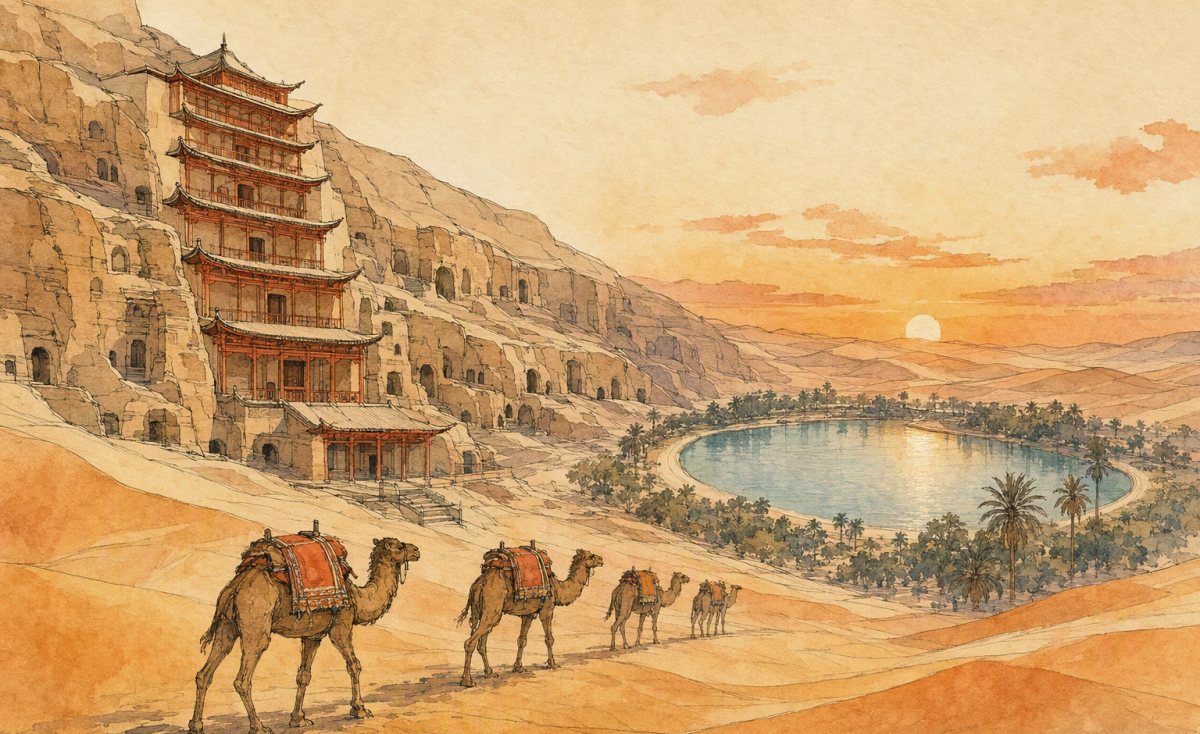
The standard westbound line is Xi’an, then Zhangye for the rainbow mountains, Jiayuguan for the western end of the Ming Great Wall, Dunhuang for the Mogao Grottoes and the singing dunes at Crescent Lake, then Turpan, Urumqi and finally Kashgar. Most operators run this as a 13 to 15 day itinerary, though the number of nights in each place varies a lot between packages.

The distances are the reason the trip is long. Cities on this corridor sit hundreds of kilometres apart, and a single transfer day can consume most of a day even with a private vehicle. High-speed rail now covers part of the corridor, but not all of it, and the westernmost legs are typically flown or driven. Ask any operator to show you, sector by sector, whether you travel by rail, road or air, and how many hours each leg takes.

If you are still assembling the rest of your China trip, our 2-week China itinerary planner shows how a Silk Road block fits alongside the eastern cities.

What you actually see, and how to book the key sites

Mogao Grottoes near Dunhuang is the anchor of the route: a cliff complex of Buddhist cave art built over roughly a thousand years. Access is controlled, group sizes are limited, and the site uses timed entry. Book well ahead through the official Dunhuang Academy channels or your operator, and check the current reservation rules, ticket categories and any cave restrictions directly with them rather than relying on a blog. Photography rules inside the caves are strict and can change.

Other experiences that define the trip: a camel ride or walk out to Crescent Lake at dawn, before the heat and the crowds; the Sunday livestock market in Kashgar, which is a genuine working market rather than a staged attraction; and the food, from Uyghur kebabs and naan in Kashgar to hand-pulled noodles in Xi’an. For the eastern end of the route, our Xi’an city guide covers the Terracotta Army, the city wall and the metro, and the Xi’an street food guide covers what to eat in the Muslim Quarter.

When to go

May to June and September to October are the most comfortable windows along the corridor. July and August bring serious heat, particularly in Turpan, where the basin is one of the hottest places in China, and the desert sections are punishing at midday. Winter is cold, often well below freezing, but Mogao and the other major sites are far quieter and you may get caves and viewing platforms largely to yourself.

Two cautions. First, dust and wind in spring can reduce visibility at the dunes and the rainbow mountains. Second, public holidays and the summer school break affect domestic visitor numbers heavily; check the dates of national holidays for your travel year before fixing your itinerary. Our guide to travelling in China in October explains how the autumn window behaves in practice.

Private tour versus independent travel

A private tour on this route buys you three things: a vehicle and driver for the long inter-site legs where public transport is thin, an English-speaking guide, and administrative help. The administrative help matters most around Kashgar and the wider Xinjiang region, where permit requirements for foreign travellers apply and change from time to time. Confirm with your operator exactly which permits they obtain, for which areas, and how far in advance they need your passport details.

Independent travel is possible, particularly on the Xi’an to Dunhuang stretch, where rail connections are reasonable. It requires more planning: you book your own trains, arrange local drivers for sites outside town, and handle your own permits. If you go that way, our China train travel guide covers booking tickets with a foreign passport and using the rail apps.

Practical preparation before you book

Check your entry status first. Visa rules, including visa-free transit arrangements, are set by the Chinese authorities and are updated periodically, so verify your own situation on an official government or embassy page rather than a third-party summary. Our overview of China visa rules explains which categories to look for.

Then sort the basics: a payment method that works in China, mobile data or an eSIM installed before you fly, and a realistic packing list for desert temperature swings, where the same day can be hot at noon and near freezing at night. Keep a printed copy of your passport details, permits and bookings. Mobile signal is good in cities but patchy between them, so do not rely on being able to download documents en route.

Frequently asked questions

How much does a Silk Road tour in China cost?

Prices depend on trip length, hotel standard, whether transport is private or shared, and how many internal flights are included, so any figure quoted in a blog will be out of date. Ask operators for a written breakdown showing accommodation category, included meals, internal transport and site tickets, then compare like for like. Verify current ticket prices for Mogao and other major sites on the official site of the body that manages them.

Do I need a permit for Kashgar or Xinjiang?

Foreign travellers have at times needed additional permits for parts of Xinjiang, and requirements can change. Ask your operator in writing which permits they arrange, for which specific areas, and what happens if a permit is refused. Confirm the current position with the relevant Chinese authorities or your embassy before committing to non-refundable flights.

Can I do the route independently without a tour?

Yes, on much of it. The Xi’an to Dunhuang section is manageable by train plus local drivers, and Turpan and Urumqi are reachable independently. The far west requires more care with permits and transport. Build in buffer days, because a single missed connection on this corridor can cost you a site visit.

How far in advance should I book Mogao Grottoes?

As early as your dates allow, especially in the peak May to June and September to October windows. The site uses timed, limited entry. Check the official reservation channel for release dates, ticket categories and any cave-specific restrictions, and reconfirm shortly before you travel.

Is the food suitable for vegetarians?

It is workable but requires effort. The regional cuisine leans heavily on lamb and beef, and dishes are often cooked with meat stock or fat. Learn a few phrases, use translation apps, and ask at each restaurant. In larger cities you will find more choice than in small towns along the corridor.

Treat this page as a planning framework, not a booking confirmation. Fix your dates, verify permits and entry rules through official channels, get every inclusion in writing from your operator, and leave slack in the schedule for the distances involved. Done that way, the route from Xi’an to Kashgar rewards the effort more than almost any other journey in China.

Posted on — Leave a comment

Tibet Travel Guide: Permits, Best Routes & Lhasa to Everest Base Camp

Tibet sits high on most China itineraries, but it is not a destination you can simply add to a route. Foreign travellers need a permit arranged in advance, entry is normally made as part of an organised tour with a guide, and the altitude demands a slower pace than the rest of the country. This guide explains how the paperwork works, when to go, which routes make sense for a first visit, and how to prepare for the thin air. It is written for independent travellers who want to understand the process before they hand over money.

Permits and paperwork for foreign travellers

The Tibet Travel Permit is the document that allows a foreign passport holder to enter the region. It is not something you apply for directly in most cases: a registered local travel agency submits the application on your behalf, and you cannot board a flight or train to Lhasa without it. Agencies typically ask for a passport copy and a confirmed itinerary well ahead of travel. The exact notice period, the current fee, and the list of nationalities affected change from time to time, so ask the agency to state these in writing and confirm them with the Tibet Tourism Bureau or your nearest Chinese embassy before you pay.

You also need a valid Chinese visa before any Tibet paperwork can proceed, unless you are entering under a visa-free arrangement that specifically covers your route. Rules for visa-free transit and visa-free entry are revised often, so check the current position rather than relying on older blog posts. Our overview of China visa rules explains what to verify and where.

Beyond the main permit, some areas require additional permits. The Everest region and parts of western Tibet need a further document, usually called an alien’s travel permit, issued locally once you are in Tibet. Your agency handles this, but it means your itinerary must be fixed and your guide must accompany you. Areas near the Indian and Nepali borders, and some monasteries, can be closed with little notice for administrative reasons. Build slack into your plans rather than treating any single site as guaranteed.

When to go, and what each season actually feels like

April to June and September to October are the most comfortable windows. Skies are usually clear, daytime temperatures are mild, and roads to higher passes are more reliably open. This is also peak season, so flights, trains and hotels book up earlier and cost more.

July and August bring the monsoon. Rain is most likely in the afternoons and evenings, cloud can obscure mountain views, and some dirt roads become difficult, but the valleys are at their greenest and the crowds thin out. November to March is cold, especially at night and at altitude, and some smaller guesthouses close. In exchange you get the clearest light of the year, the fewest visitors, and easier availability.

If you are fitting Tibet into a wider China trip, check how the seasons line up with the rest of your route. Our guides to China in October and China in November cover what to expect elsewhere in the country during those months.

Classic routes and how long they need

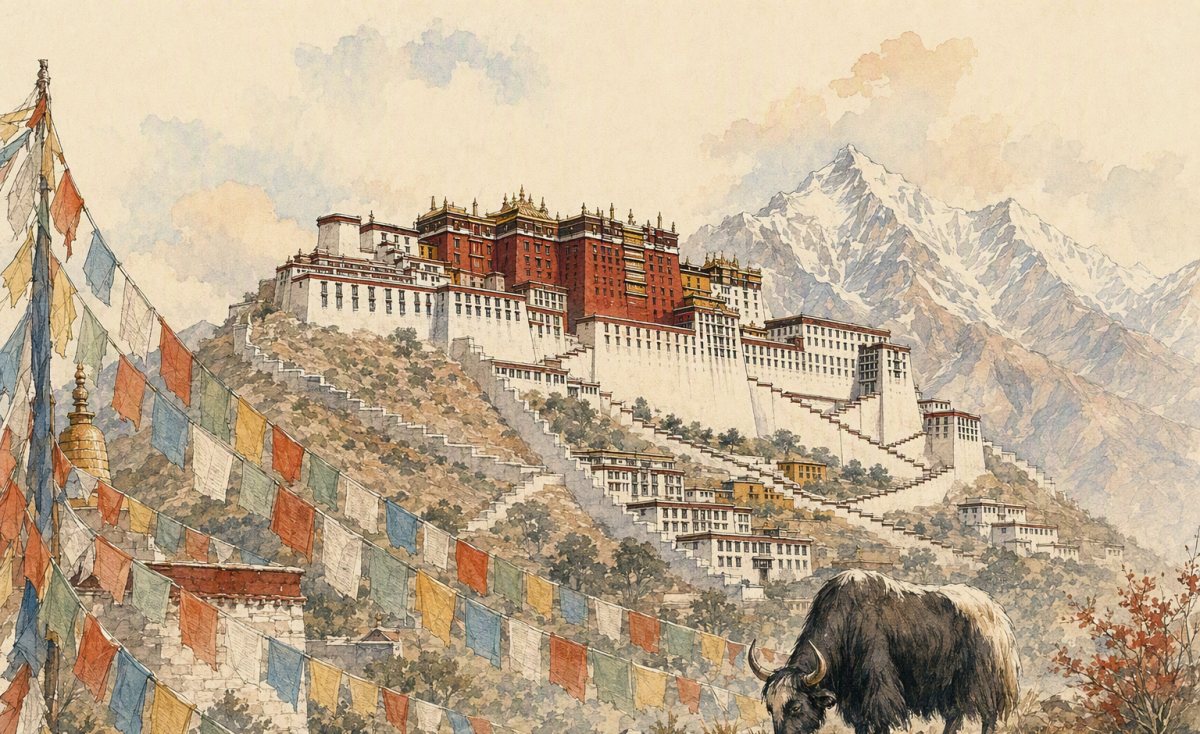
A first visit usually means Lhasa plus one excursion. Allow at least three nights in Lhasa for the Potala Palace, Jokhang Temple, Barkhor circuit and the great monasteries at Sera and Drepung, with a rest day built in. From there, the most popular extension is the overland route to Everest Base Camp, which adds several days of driving and at least one night at high altitude. A shorter alternative is Namtso Lake, a long day’s drive north of Lhasa with an overnight near the shore.

Longer itineraries push further west towards Shigatse and the Everest region, or east towards Nyingchi and the forested valleys near the Sichuan border. These need more days and more driving per day, and every extra region adds permit processing. A realistic minimum for a first trip is around eight days including arrival and departure; anything shorter tends to be rushed and increases the risk of altitude problems.

Many travellers arrive by train rather than flying, because the rail route from Chengdu or Xining climbs gradually and gives the body time to adjust. A detailed example is in our Chengdu to Lhasa by train itinerary. If you are weighing up whether to fly or ride the rails, our high-speed rail guide covers booking mechanics, seat classes and what the journey is actually like.

Altitude: what to expect and how to manage it

Lhasa sits at roughly 3,650 metres, and the passes on the Everest route go considerably higher. Altitude illness is not a question of fitness; it affects healthy, active people too. The standard advice is to take the first day very easy, drink more water than feels necessary, avoid alcohol and heavy meals for the first 48 hours, and resist the urge to climb stairs quickly.

Headache, poor sleep and breathlessness on exertion are common and usually settle. Breathlessness at rest, confusion, vomiting or a persistent cough are warning signs and mean descending and seeking medical help. Ask your doctor about altitude medication before you travel, and check that your travel insurance covers high-altitude trekking and any helicopter evacuation, because many standard policies exclude it.

Choose itineraries that ascend gradually, include rest days, and use vehicles carrying oxygen. Carry a basic medical kit and know where the nearest clinic is at each stop. Our guide to healthcare in China for travellers explains how pharmacies and clinics work if you need to buy supplies or see a doctor.

Practical preparation before you book

Sort out connectivity before you fly, since access to some services in mainland China differs from elsewhere and it is easier to arrange in advance than on arrival. Our guide to internet access in China covers Wi-Fi, eSIM and roaming, and explains how to verify what works on your own device.

Confirm that your hotel can register foreign guests, as not every property in China is licensed to do so. Tibet is more restrictive than the rest of the country, and your agency will normally book accommodation that is approved for foreign travellers. Payment is another thing to prepare: mobile payment dominates, and a foreign card may not work everywhere. Our guide to paying with a foreign card sets out the options and how to test them before you rely on them.

Finally, do not treat any agency’s summary as the final word on permits or closures. Ask for the current requirements in writing, check them against an official source, and keep copies of every document, physical and digital, with you throughout the trip.

Frequently asked questions

Can I travel to Tibet independently without a tour?

In practice, no. Foreign passport holders normally need a permit arranged through a registered local agency and must travel with an organised itinerary and guide. Rules can change, so confirm the current position with the Tibet Tourism Bureau or your nearest Chinese embassy before making commitments.

How far in advance should I apply?

Agencies commonly ask for passport details and a confirmed itinerary several weeks ahead, and longer in peak season. The exact notice period varies, so ask your agency to state it in writing and check it against official guidance rather than assuming a fixed number of days.

Do I need a Chinese visa first?

Yes in most cases, a valid Chinese visa is required before Tibet permit processing can begin. Visa-free entry and transit arrangements exist but change frequently and may not cover a Tibet itinerary. Verify your own situation on the official visa or embassy page before booking.

Is altitude sickness likely in Lhasa?

Many visitors feel some effects in the first day or two, most commonly headache and disturbed sleep. Serious illness is less common but possible. Ascend gradually, rest on arrival, and seek medical help and descend if symptoms are severe or worsening.

What should I check before paying a deposit?

Ask for the current permit requirements, the notice period, the cancellation terms, whether oxygen and a licensed guide are included, and what happens if a region closes. Confirm the answers against an official source, and keep written records of everything you are told.

Treat Tibet as a trip that rewards preparation rather than spontaneity: fix your dates, confirm the permit requirements directly with official sources, build in rest days, and leave room in the plan for a closure or a slow adjustment day. Get those basics right and the rest of the journey is mostly about looking out of the window.

Posted on — Leave a comment

China Tour Packages with English-Speaking Guides: What’s Included & How to Choose

Searching for China tour packages with English-speaking guides usually returns a wall of near-identical listings, with the useful detail buried or missing: who actually guides you, what the days look like, and how much freedom you keep. This guide explains how guided travel in China is structured, what the different tiers of guiding mean in practice, and how to match a package length to the ground you want to cover. It does not quote prices, because package pricing depends on season, group size, hotel band and transport class, and it changes. Instead, it tells you what to ask and where to verify.

Guide tiers: what “English-speaking” actually means

Not every English-speaking guide is the same, and the difference shows up most on multi-city trips. Broadly, you will encounter three tiers.

Licensed national guides hold a national guiding licence, are usually fluent, and can handle deep historical and cultural commentary. They are the ones worth having in Beijing, Xi’an and Luoyang, where the value of a guide is context rather than navigation.

Local city guides are based in one place, often excellent on neighbourhood detail, food and current practicalities, but less suited to multi-province logistics.

Driver-only charters give you a car and a driver, with no guiding. This is often the right choice for a day trip where you have already researched the site, or where the driver’s knowledge of timing and parking matters more than commentary.

On a well-built multi-city package, you should have a licensed guide in each city rather than one guide travelling with you throughout. Ask which model applies before you book, and ask for the guide’s licence category in writing.

Package types and the regions they suit

Most itineraries fall into a few recognisable shapes.

Classic routes cover Beijing, Xi’an and Shanghai, and sometimes add Chengdu or Hangzhou. This is the standard first-trip structure and works well because high-speed rail connects the cities easily. If you are new to the country, our China travel for beginners guide covers the groundwork before you commit to dates.

Nature routes focus on karst and mountain scenery: Guilin and Yangshuo, Zhangjiajie, Jiuzhaigou, Huangshan. These need more buffer time than city routes, because weather and internal transport affect the plan. A Guilin and Yangshuo river itinerary, for example, is best built around the cruise schedule rather than the other way round.

Frontier expeditions cover Tibet, the Silk Road corridor and Xinjiang. These involve permits, altitude and longer transfer days, so they are the category where you should read the operator’s inclusions most carefully. Tibet in particular has documentation requirements that are not simply a hotel booking.

Food and tea trails centre on Chengdu, Chongqing, Guangzhou, Hangzhou and Xi’an. These work best as shorter, city-focused trips with a lot of walking, and they pair naturally with a guide who knows which stalls and restaurants are worth the detour.

Matching trip length to what you can realistically see

Duration is the single biggest source of disappointment on guided trips, because transfer days are often counted as sightseeing days.

1–3 days: one city, done properly. Do not attempt two cities in three days.

5–7 days: two cities plus one internal transfer, or one city plus a nature add-on.

9–11 days: three regions, with at least one rest day built in.

13–15 days: grand circuits, including Tibet or the Silk Road, where the extra days absorb altitude and long drives.

A useful test: count the number of hotel changes, not the number of cities. Each change costs you most of a morning or afternoon.

What to verify before you pay

Because figures move, treat any specific number in a listing as provisional and confirm it on the operator’s own page at the point of booking. In particular, check:

Inclusions and exclusions. Look for whether attraction tickets, internal flights or trains, meals and gratuities are listed as included or “own arrangement”.

Attraction reservations. Several major sites in China now require timed reservations, and a package that does not state who secures them may leave you queuing. Our guide to attraction reservations for foreign visitors explains which ones genuinely need pre-booking.

Hotel eligibility. Not every hotel registers foreign guests. Confirm the specific properties, not just the star rating.

Transport class. On rail segments, ask which seat class is booked, since second and first class differ substantially in comfort on longer runs.

Cancellation terms. Read them in the language of the contract, and get the policy in writing before paying.

For payment itself, foreign cards work in more places than they used to, but it is worth understanding how mobile payment and card acceptance interact before you travel.

Customising a package rather than buying a fixed one

Fixed departures suit travellers who want the decisions made. If you have specific interests, a custom build usually costs little more and fits far better.

Start by writing down three fixed points: arrival city and date, departure city and date, and one thing you refuse to miss. Everything else is negotiable. An AI planner is genuinely useful for the first draft of a route and for sanity-checking travel times, but it should not be trusted for opening hours, ticket rules or reservation requirements, which need checking against official sources. Our notes on using AI for a China itinerary without invented opening hours explain where that boundary sits.

Once you have a draft, hand it to a human designer to confirm feasibility, book the rail segments and attractions, and tell you honestly where the plan is too tight.

Practical preparation that affects any guided trip

A guide solves language and context, not logistics. Three things are worth sorting before departure regardless of which package you choose.

First, connectivity. Decide between an eSIM and a physical SIM, and install and test it before you fly, since activation after landing is a poor time to discover a problem. Second, payments. Set up at least one mobile payment method and carry a backup card. Third, health and food practicalities, particularly if you have dietary restrictions, since a guide can help you communicate them but cannot conjure suitable kitchens everywhere.

Frequently asked questions

Are English-speaking guides available in every city?

In major tourist cities, generally yes, though quality and availability vary by season. In smaller towns and nature areas, English-speaking guiding is thinner, and a driver-only arrangement with a translation app may be the realistic option. Ask the operator to name the guide or at least confirm the licence category for each city on your route.

Should I book a package or arrange things myself?

Independent travel in China is very doable, especially with high-speed rail and mobile payment. Packages earn their cost where logistics are genuinely hard: Tibet permits, multi-province routing, timed attraction reservations and language-heavy sites. For a simple Beijing–Shanghai trip, self-booking is often fine.

How far in advance should I book?

For peak periods such as public holidays and the spring and autumn high seasons, earlier is better, and some rail routes and popular attractions sell out quickly. Outside those windows, a few weeks is often workable. Confirm current lead times with the operator rather than relying on a general rule.

Can I change the itinerary after booking?

Usually partially, but changes cost more the closer they fall to travel, and rail or flight segments may be non-refundable. Ask for the amendment policy in writing at the time of booking, and check whether attraction reservations already made can be moved.

Do packages include tips for guides and drivers?

Often not, and expectations vary. Tipping in China is not universal, but it is increasingly common in the guided-tour sector. Check what your operator states, and read up on local etiquette so you are not guessing.

Treat any package listing as a starting point rather than a finished plan. Confirm the guiding tier, the inclusions, the hotel eligibility and the reservation arrangements directly with the operator, check current prices and conditions on their own booking page, and keep one day of slack in any itinerary longer than a week. Do that, and the guide becomes what they should be: someone who adds context and removes friction, rather than someone you are relying on to fix a schedule that was never realistic.

Posted on — Leave a comment

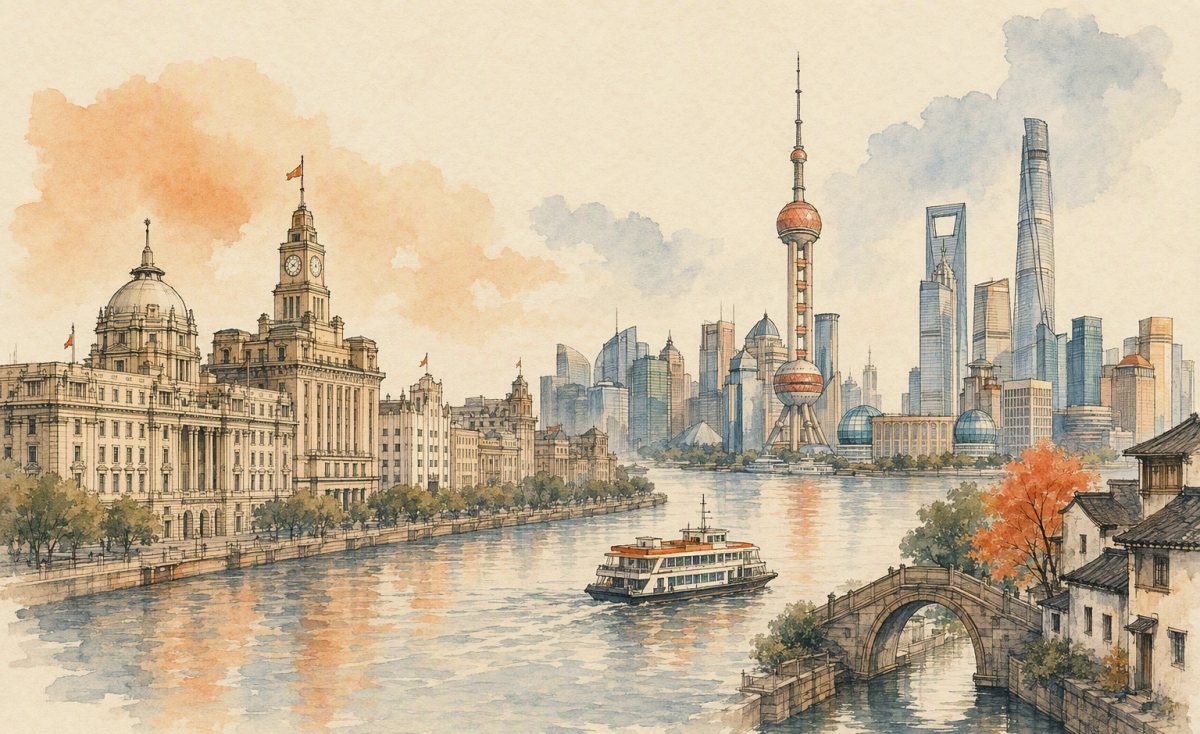
Shanghai 4-Day Itinerary: Bund, Water Towns & Day Trips by Private Car

Four days is enough to see Shanghai properly and still reach beyond it. This itinerary keeps the same shape as the original plan — two days in the city, one in a canal water town, one in Suzhou — but adds the practical layer that decides whether the trip actually works: how to book transport, which attractions need advance reservations, how to pay, and what to check before you commit. Nothing here quotes prices or opening hours, because those change; where a figure matters, the guide tells you where to verify it.

Before you go: the four things that shape the trip

First, payment. Shanghai is close to cashless, and many visitors now link a foreign card to Alipay or WeChat Pay before arrival. Whether your specific card works with a specific wallet is something only the app can confirm, so test it with a small transaction before you rely on it. Our China cashless travel guide walks through the setup, and UnionPay’s own visitor scheme is covered separately in this guide to paying with a foreign card.

Second, connectivity. Maps, translation and ride-hailing all depend on data, and some services behave differently on a local network than on roaming or an eSIM. Check your own setup rather than assuming. For the options, see Internet access in China.

Third, reservations. Several major Shanghai attractions now use timed online booking, and some sell out days ahead in peak season. The rule is simple: check the official ticketing channel for each site a week before you travel and book what allows it. Our overview of attraction reservations for foreigners explains which categories typically need them.

Fourth, your hotel. Not every property in China is registered to accept foreign guests, and the ones that are tend to fill first in Shanghai. Confirm this before booking, not after.

Day 1: The Bund, Nanjing Road and the old city

Start with the classic loop. Yu Garden and the surrounding old-town bazaar work best in the morning, before the crowds thicken; the garden itself is a ticketed site with a booking system, so check the official channel for current entry arrangements. From there, walk or take the metro to Nanjing Road and follow it east towards the river.

Time the Bund for late afternoon into golden hour, when the Pudong skyline lights up across the water. For the evening, you have two good options: a Huangpu river cruise, or a rooftop bar with a view back towards Pudong. Cruises run from several piers with different durations and routes — compare the operator’s own page rather than a reseller listing.

Day 2: Pudong skyline and the French Concession

Give the morning to Pudong. Shanghai Tower’s observation deck is the headline, but the tower, the World Financial Center and Jin Mao all have viewing floors at different heights and prices. Check each operator’s official site for current hours, last admission and whether timed slots are required — observation decks close for weather and maintenance more often than you would expect.

After lunch, cross back to Puxi for the French Concession: plane-tree streets, 1920s villas, and the Tianzifang lanes for browsing. This is a walking day, so build in café stops. Finish with xiaolongbao — soup dumplings are a Shanghai speciality, and our Shanghai street food guide lists where to find them along with other local bites.

Day 3: Zhujiajiao water town

Zhujiajiao is the closest of the canal towns to Shanghai and the easiest as a day trip. A private car is the fastest and most flexible option; public transport costs less but takes considerably longer and involves at least one change. Either way, leave early — the canals, stone bridges and Ming-era lanes are far more pleasant before the tour groups arrive around mid-morning.

Once there, a short boat ride along the canals is worth the ticket, and lunch by the water is part of the experience. Confirm boat operating times on site, as they can pause in bad weather. Back in Shanghai for the evening, an acrobatics show is the standard pairing; book through the venue or a reputable agency and check the current programme, since shows rotate.

Day 4: Suzhou gardens by high-speed rail

Suzhou is a genuine high-speed rail hop from Shanghai, and the train is usually quicker and less stressful than driving. Book tickets in advance through the official 12306 channel or an authorised agent — our 12306 step-by-step guide covers the process for foreign passports, including what to do if your name does not fit the field.

In Suzhou, the Humble Administrator’s Garden and Tiger Hill are the two anchors, with Pingjiang Road’s canal lanes between them for walking and tea. The gardens use timed entry in busy periods, so check the official Suzhou garden ticketing page before you go. If you have energy left, a silk museum rounds out the day. Note that some Suzhou sites close on Mondays — verify each one individually rather than assuming a pattern.

Practical notes on transport and timing

Shanghai’s metro is fast, cheap and English-signed; a stored-value card or a QR code in your payment app covers most journeys. For airport arrivals, decide in advance between metro, taxi and pre-booked transfer, and know which terminal you land at.

On timing: this itinerary assumes you are not fighting a public holiday. Chinese national holidays transform transport and attraction crowds, and hotel rates move with them. Check the calendar before fixing dates.

Frequently asked questions

Is four days enough for Shanghai and Suzhou?

Yes, if you keep Shanghai to two days and treat Suzhou as a single focused day trip. It is tight but workable. If you want to add Hangzhou or Huangshan, extend to six or seven days rather than compressing this plan.

Should I book trains and attractions before arriving?

Book high-speed rail as soon as your dates are fixed, and check attraction booking pages about a week out. Some sites release slots on a rolling window, so the exact timing varies by venue — read the official page rather than a third-party summary.

Do I need cash in Shanghai?

Carry a small amount as backup, but expect to pay by phone almost everywhere. Test your card-to-wallet link before you fly, and keep a physical card as a fallback.

What if I do not speak Chinese?

Shanghai is manageable with a translation app and screenshots of addresses in Chinese characters. Our guide to the language barrier covers which apps work and the phrases worth memorising.

When is the best time of year for this itinerary?

Spring and autumn give the most comfortable walking weather. Summer is hot and humid, and winter is cold and damp. Check the holiday calendar too, since it affects both crowds and availability.

Treat this as a framework rather than a fixed script. Verify each booking on the operator’s own page, keep one day flexible for weather, and the four days will hold together well.

Posted on — Leave a comment

Chengdu Panda Base Guide: Best Times, Tickets & Jiuzhaigou Combos

A panda tour in Chengdu is one of the few wildlife experiences where the schedule genuinely decides what you see. Giant pandas eat on a keeper-set routine, and the window when they are awake, moving and eating is short. After that, most of the enclosure is a study in sleeping pandas. This guide covers how to plan around that window, how to build a two to four day Chengdu itinerary, when a Jiuzhaigou extension makes sense, and what to verify before you pay a deposit. It does not quote ticket prices or opening hours, because those change and should be confirmed on the operator’s own page.

Timing at the Panda Base

The single most useful decision is arriving for opening rather than mid-morning. Pandas are typically most active around the morning feeding period, and by late morning many are asleep. Exact opening times, last entry and any seasonal variation should be checked on the official Chengdu Research Base of Giant Panda Breeding channels before you travel, and on the day itself if you are going independently. Look for the current opening time, the ticket release window and whether advance booking is required for your date.

If you book through an operator, ask two questions: does the vehicle enter before the general shuttle queues build, and does the guide hold a ticket for your date already? A private car helps mainly with the transfer and the first hour, not with the pandas themselves. For a realistic walk-through of how a day actually unfolds, including the walking distances between enclosures, see this Chengdu and Giant Panda Base day guide.

Two to four day Chengdu plans

A workable shape, adjustable to your arrival time:

Day 1: Panda Base in the morning if you land the night before, then Jinli Street and the Wuhou area in the afternoon. If you arrive late, swap the panda visit to Day 2 and use Day 1 for the city.

Day 2: Dujiangyan irrigation works plus Mount Qingcheng, or a slower city day with People’s Park teahouses and the Sichuan opera. Dujiangyan and Qingcheng are a full day with transport; do not try to add the Panda Base to the same day.

Day 3: Either a second panda morning if photography is your priority, or a day trip to Leshan, or the start of a longer transfer.

Day 4 and beyond: Jiuzhaigou, or onward by rail. For city-level logistics including metro lines and payment setup, the Chengdu city guide covers the practical layer.

Adding Jiuzhaigou

A Chengdu and Jiuzhaigou combination usually runs five to six days: two in Chengdu, a transfer day, two full days in the national park, and a return. Jiuzhaigou is reached by air or by a long road journey; both have trade-offs in cost, reliability and altitude. Park entry is ticketed and capacity-controlled, and the booking system is separate from anything in Chengdu, so verify the current reservation process, daily visitor cap and whether your dates require booking well ahead on the official park channel.

Autumn colour is the busiest period and accommodation near the park fills early. If you are travelling in October, cross-check national holiday dates before fixing anything; the China in October guide explains how holiday crowding affects transport and hotels. Altitude at Jiuzhaigou is moderate but not trivial, and the drive crosses higher passes.

What to eat in Chengdu

Sichuan hotpot is the headline, and mild broth options exist, though the mild version is still seasoned. Dan dan noodles, mapo tofu, chuan chuan skewers and cold rabbit dishes are all easy to find near Jinli and Chunxi Road. Teahouse culture at People’s Park is worth an afternoon: order a covered cup of jasmine tea and stay as long as you like. If you want a wider survey of regional food before you go, the Chongqing street food guide is useful context for the neighbouring city, which is an easy high-speed rail hop away.

Booking, payments and what to verify

Before paying any operator, confirm in writing: the exact date and entry time, whether tickets are included or reimbursed, vehicle type, guide language, cancellation terms, and what happens if the panda base changes its entry rules. Ask for the operator’s licence details. Do not accept a quoted price as final without checking what it excludes.

Payment in China is predominantly mobile. Whether a foreign card links successfully to WeChat Pay or Alipay depends on your bank, card type and current app rules, so test before departure rather than assuming; the cashless travel guide explains how to verify your setup. Keep a small cash backup. For entry rules, check your own visa or visa-free eligibility on official immigration sources rather than a tour page, since entitlement depends on nationality, transit routing and port of entry.

Frequently asked questions

What time should I arrive at the Panda Base?

Aim for opening, which is when pandas are most likely to be active and eating. Confirm the current opening time and last entry on the base’s official channel, as these can change seasonally. Arriving an hour after opening is noticeably worse for viewing.

Can I visit the pandas independently without a tour?

Yes. Independent visits are normal, and a tour mainly buys you transport, timing discipline and a guide. If you go alone, book your ticket in advance where required and arrange a car or metro plus shuttle to reach the entrance.

How many days do I need in Chengdu?

Two full days covers the Panda Base and one day trip. Three to four days lets you add Dujiangyan, Qingcheng or Leshan without rushing. Add three more days if you want Jiuzhaigou.

Is Jiuzhaigou worth the extra travel?

If you have the time and want alpine lakes and forest scenery, yes. If your trip is short, the transfer days cost more than they return. Check park reservation rules and your dates before committing.

Do I need to speak Chinese?

Not for the panda base, where signage is reasonably clear, but a guide helps with drivers, ticketing and food ordering. Translation apps cover the basics; download offline language packs before you fly.

Plan the panda morning first, then build the rest of the trip around it, and verify every time-sensitive detail on the operator’s or official page rather than trusting a listing. If you want help sequencing Chengdu, Jiuzhaigou and onward rail, a planner can draft the shape, but you should still confirm tickets, opening times and entry rules yourself before booking.

Posted on — 1 Comment

Zhangjiajie Avatar Mountains: Complete Hiking & Cable Car Guide 2026

Zhangjiajie is not one attraction but a spread-out cluster of sites across a large area of Hunan, and most first-time visitors underestimate the distances between them. A good tour does two things: it groups sights that sit near each other, and it removes the queueing and transport friction that eats into a short trip. This guide explains what the main areas actually contain, how to structure three or four days, where to base yourself, and how to check current prices and opening arrangements before you commit. It is written for independent travellers who may book a full package or just a few components.

What you are actually visiting

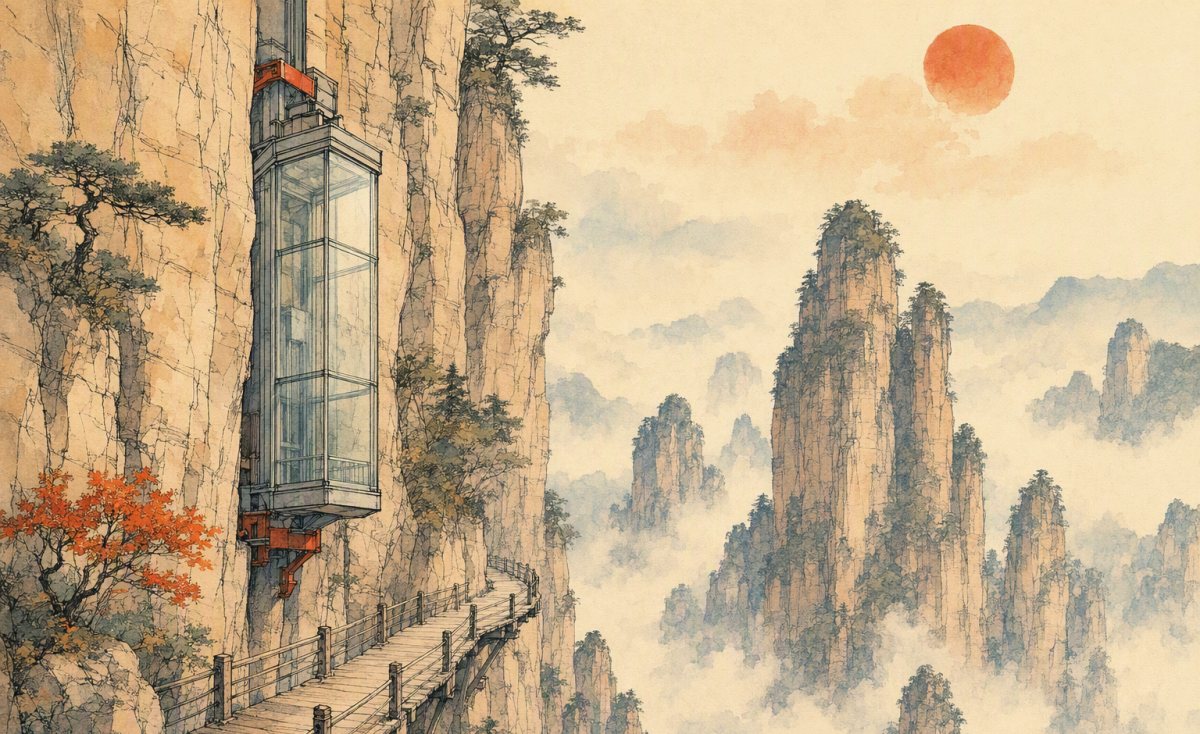
The sandstone pillar forest that made the region famous sits in Yuanjiajie, inside Zhangjiajie National Forest Park. The formations here are the ones popularly linked to the floating mountains in Avatar, and the name Avatar Hallelujah Mountains is a tourism label rather than an official one. The park itself is enormous, with several separate entrances and internal shuttle routes, so a ticket alone does not guarantee a smooth day.

Two other headline sites are often confused with the park. Tianmen Mountain, closer to downtown Zhangjiajie city, is a separate mountain with its own cable car, cliff walkways and the long stairway to the Tianmen Cave arch. The Grand Canyon, with its glass bridge, is a third site in a different direction again. Baofeng Lake is a calmer half-day option. Treat each as its own ticket and its own travel time.

Getting there and getting around

Most visitors arrive by high-speed rail into Zhangjiajie West station or by air into Zhangjiajie Hehua airport, then transfer to either Wulingyuan or the city centre. Rail is the simplest option from Changsha and much of central China; our China train travel guide covers how to buy and collect tickets with a foreign passport.

Within the region, the constraint is not distance but queueing. Park shuttle buses are included with entry but can be slow at peak times, and the Bailong Elevator and the major cable cars all develop long waits. A private car between gates and sites is the single biggest time saver for groups of two or more, and it is the reason many organised itineraries feel far less rushed than DIY attempts.

A realistic three to four day structure

A four-day circuit works well for most travellers. Day one: Zhangjiajie National Forest Park, focusing on Yuanjiajie and Tianzi Mountain, using the Bailong Elevator or the 999-step stairway depending on fitness and queues. Day two: Tianmen Mountain, including the cable car, the glass skywalk and the stairway to the cave arch. Day three: Zhangjiajie Grand Canyon, with the glass bridge and, if open, the rafting section. Day four: Baofeng Lake and departure, or a second park day if the weather was poor earlier.

If you only have three days, drop Baofeng Lake rather than trying to compress the park. Weather is the main variable: mist and rain can hide the pillars entirely, and a flexible order lets you move the park day to the clearest forecast. Build in one spare half-day if your schedule allows.

Tickets, cable cars and what to verify

Entry tickets, cable cars, the elevator, the glass bridge and the Tianmen stairway are priced and sold separately, and prices change. Rather than quote figures here, check the official Zhangjiajie park and Tianmen Mountain operator pages for the current entry fee, whether the ticket is valid for multiple days, and whether cable car and elevator rides are included or paid separately. Look specifically for the multi-day validity rule, which has changed in the past, and for any advance booking requirement during peak periods.

If you book through an operator, ask in writing what is included: park entry, internal shuttle, cable cars, elevator, glass bridge, meals and hotel. Vague inclusions are the most common source of disputes. Our 10-day China cost breakdown helps you sense-check whether a quoted package is reasonable.

Where to stay and when to go

The two main bases are Wulingyuan, right beside the park entrances, and downtown Zhangjiajie, which is closer to Tianmen Mountain and the railway station. Wulingyuan saves significant morning travel time if the park is your priority; downtown suits a short trip built around Tianmen. Many packages use four-star hotels with breakfast, positioned for early park entry, which matters because the first cable car and elevator slots are the least crowded.

Avoid Chinese public holidays and the summer peak if you can. Check the dates on our China public holidays calendar before fixing dates, and note that spring and autumn generally give the clearest views. Practical preparation matters too: set up mobile payment and a data plan before you fly, as covered in our cashless travel guide.

Frequently asked questions

How many days do I need in Zhangjiajie?

Three days is the practical minimum to see the national park and Tianmen Mountain without rushing. Four days adds the Grand Canyon and Baofeng Lake comfortably, or gives you a weather buffer.

Can I visit without a tour?

Yes. The park is publicly accessible and signage is adequate, but you will spend more time on shuttles and queues. Many travellers book only transport and tickets rather than a full guided package.

Is the glass bridge worth it?

It depends on your tolerance for heights and crowds. It is at the Grand Canyon, a separate site from the national park, so it needs its own half-day and its own ticket. Check current opening status before travelling.

What should I confirm before paying a deposit?

Ask for the exact inclusions in writing, the hotel name and star rating, whether cable cars and the elevator are covered, the cancellation terms, and how the itinerary changes if weather closes a site.

Zhangjiajie rewards planning more than most Chinese destinations, mainly because its best-known sights sit far apart and each has its own ticketing and queueing logic. Decide your bases, lock a flexible order around the forecast, and verify every price and inclusion directly with the operator before you book. That approach will serve you better than any fixed list of figures.

Posted on — 1 Comment

Guilin & Yangshuo Li River Guide: Cruises, Bamboo Rafts & Photography Spots

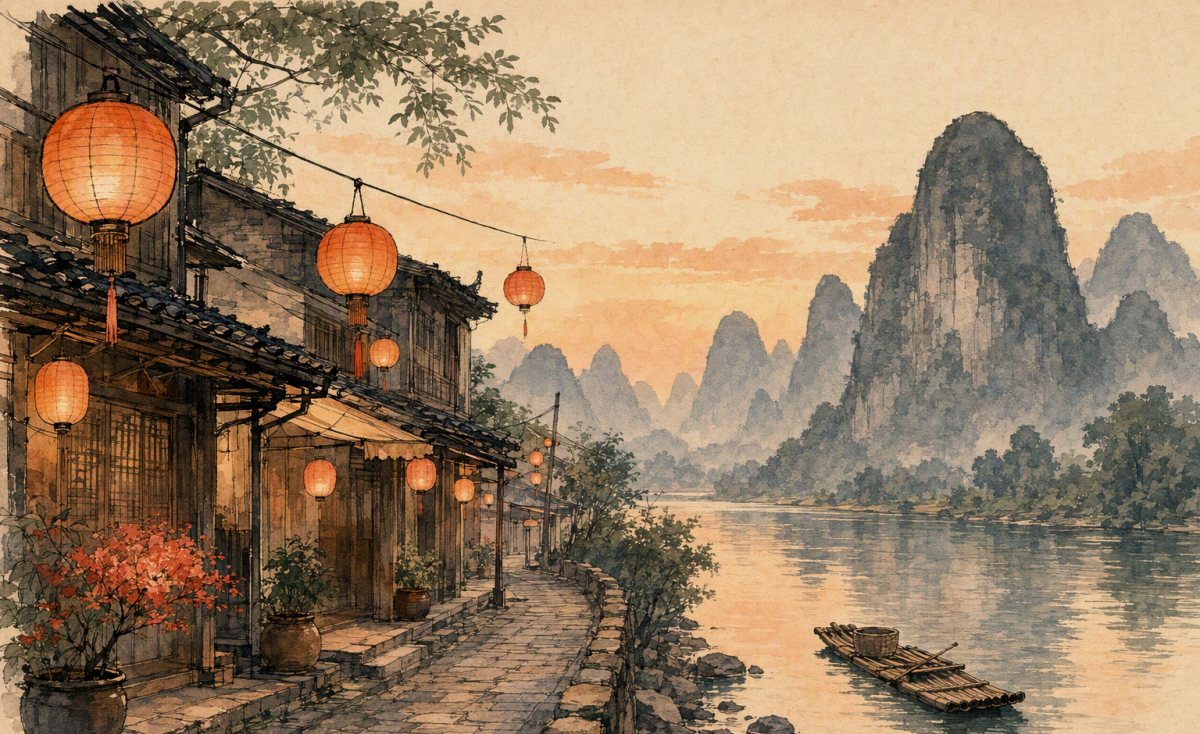
Guilin and Yangshuo sit in the karst landscape of north-east Guangxi, where limestone peaks rise beside the Li River and its tributaries. Most visitors build a trip around two things: a river journey between the two towns, and time in the countryside around Yangshuo itself. This guide explains the main tour options, how to choose between them, when to go, and what to confirm before you pay. Figures such as ticket prices, cruise departure times and show schedules change, so treat anything you read here as a prompt to check the operator’s own page rather than a fixed number.

Li River cruise or Xingping bamboo raft?

The two are often compared, but they suit different travellers. The classic cruise runs from Guilin’s Zhujiang or Mopanshan pier down to Yangshuo, taking roughly four to five hours depending on water levels and the boat class. It covers the full stretch of the most famous karst scenery, with open decks for photography. You can read a fuller breakdown of boat classes and pier logistics in this Li River Cruise: A Complete Guide.

The alternative is a short raft or motorised bamboo-style boat from Xingping, the village on the banknote view. These trips last around an hour to ninety minutes and put you closer to the water and the peaks. They are more intimate and easier to slot into a half-day, but they cover a shorter section of river.

Practical points to verify: which pier your boat leaves from, whether hotel pickup is included, whether lunch is provided on board, and what happens if the river is too high or too low to sail. Ask the operator directly, and check the official Guilin or Yangshuo tourism pages for current sailing status.

What to do in Yangshuo itself

Yangshuo rewards slow days. The standard countryside loop by bicycle or electric scooter runs past Moon Hill, the Yulong River and a string of small villages, and takes most of a morning. Rentals are widely available in town; check the bike’s brakes and battery before you set off, and confirm whether a deposit or passport copy is required.

Other fixtures include the Xingping viewpoint for the twenty-yuan note scene, the evening bustle along West Street, and the Impression Liu Sanjie outdoor performance, staged on the river with a large cast. For the show, check the current performance nights, start time and whether your ticket includes transfers, since outdoor shows are weather-dependent.

Photography: timing and access

Xianggong Hill is the best-known sunrise viewpoint, looking over a bend in the Li River with peaks in layers behind. It is a steep climb and popular, so arriving early matters. The Yulong River is at its best in late afternoon light, and mist over the karst is most likely on cooler mornings from roughly October to March.

A private car and driver makes the biggest difference here: trailheads and viewpoints often sit away from public transport, and a driver can get you there before the coach groups. If you are planning your own route, the Guilin to Yangshuo 3-day river and karst itinerary sets out a sensible order for the main sights.

Adding the Longji Rice Terraces

The Longji (Dragon’s Backbone) terraces are roughly a two-and-a-half-hour drive from Guilin, in Longsheng county. The two classic viewing periods are early summer, when the terraces are flooded and green, and the rice harvest window in late September into October, when they turn gold. Winter brings snow on occasion and bare terraces; spring is quieter.

Day tours typically include transport, a village lunch and time at one or two viewpoints. Before booking, confirm walking distances and whether cable cars or shuttle buses at the site are included or paid separately, and check current conditions on the official Longsheng or Guilin tourism pages.

Getting there and practical checks

Guilin has air and high-speed rail connections, and Yangshuo is served by its own station on the high-speed line, plus a slower option via Guilin. For booking trains with a non-Chinese passport, see this guide to buying China train tickets with a foreign passport. Mobile payment is near-universal, so set up WeChat Pay or Alipay before you arrive; a cashless setup walkthrough is here in the China cashless travel guide.

Before paying for any tour, confirm in writing: pickup point and time, group size, language of the guide, what meals and entrance fees are included, cancellation terms, and whether the itinerary changes with weather. If a price is quoted, ask the operator to state what it covers rather than assuming.

Frequently asked questions

How many days do I need for Guilin and Yangshuo?

Three days covers a river journey, a countryside day and one viewpoint. Add a day if you want the Longji terraces, and another if you want a rest day in Yangshuo.

Is the Li River cruise worth it compared with the raft?

They are different experiences. The cruise covers more scenery over several hours; the Xingping raft is shorter, cheaper in relative terms and more intimate. Many visitors do one, not both.

When is the best time to visit?

April to May and September to October generally bring milder weather. Misty mornings are common in the cooler months. Summer is hot and wet, and heavy rain can affect river sailings.

Do I need a guide, or can I do it independently?

You can manage most of it independently using trains, buses and local rentals. A guide or driver helps mainly with sunrise viewpoints, the terraces and language barriers in smaller villages.

How do I check current prices and opening times?

Use the operator’s own booking page or the official scenic-area website, and look for the specific entry covering ticket tiers, departure times and closure notices rather than relying on third-party summaries.

Plan the river day first, then build the countryside and terraces around it, and confirm every time-sensitive detail with the operator before you commit. Weather, water levels and seasonal demand shape this region more than any fixed schedule, so leave a little slack in your itinerary.

Posted on — 2 Comments

Xi’an Terracotta Warriors Guide: Private Tours, Tickets & 2-Day Itinerary

Most visitors see the Terracotta Warriors as a half-day stop on the way to somewhere else. That works, but it undersells the site: the museum is spread across three pits and a bronze chariot hall, and the surrounding Lintong district holds a second excavation museum most tours skip. This guide covers what a Terracotta Warriors tour from Xi’an actually involves, how to time your visit around the crowds, how to get there, and how to build a two-day Xi’an plan around it. It is written for independent travellers who may or may not book a guided service.

Where the site is and what you are visiting

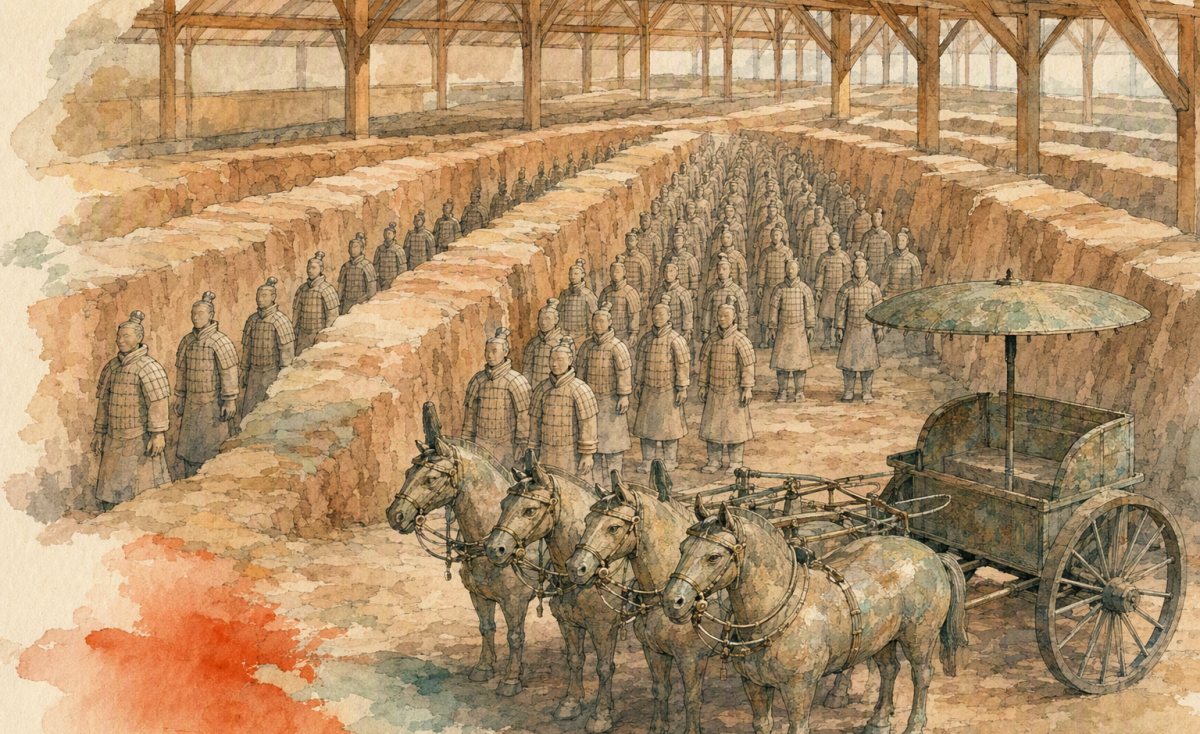
The museum sits roughly 35–40 km east of central Xi’an in Lintong district, close to the mausoleum of Qin Shi Huang. The three pits are covered by hangar-like halls. Pit 1 is the largest and the one in most photographs; Pit 2 contains largely unexcavated ground with cavalry and archer figures; Pit 3 is small and appears to be a command post. A separate hall displays two bronze chariots and horses. Signage is in Chinese and English, and the on-site exhibition labels explain the excavation sequence reasonably well, but the site rewards context — either a guide, an audio guide, or reading up beforehand.

Opening hours, last admission and any seasonal closures change through the year and around public holidays. Check the museum’s own page or the official ticketing channel before you travel, and look specifically for the current entry window, the last-admission time, and whether same-day tickets are released. Do not rely on a number quoted in a blog post, including this one.

Timing your visit around the crowds

The site draws large domestic tour groups, and the pattern is fairly predictable: coaches arrive mid-morning, and the middle of the day is the busiest stretch. Arriving at opening gives you a quieter Pit 1 and better photographs. Late afternoon is the second-best window, though you need to confirm the last-admission time first.

Budget around three hours inside the gates if you want to read the panels, see all three pits and the bronze chariot hall, and walk between buildings. Add time for the shuttle bus between the ticket gate and the pit entrances, and for the walk out. A rushed 90-minute visit is possible but you will spend most of it in Pit 1.

Weekends, Chinese public holidays and the summer school-break period are significantly busier. If your dates are flexible, a weekday outside holiday periods makes a noticeable difference.

Tickets, guides and what to verify

Tickets for the museum are generally sold through official channels, and booking ahead is sensible in peak season. Because ticketing systems, ID requirements and release timings change, verify on the official site or the museum’s own booking page: look for the booking window (how many days ahead tickets open), whether a passport number is required per visitor, and whether entry is timed.

Guided tours vary widely. A good guide explains the excavation history, the differences between the pits, and the conservation problems — pigment loss, humidity, and why large areas remain unexcavated. A poor one recites dates. Ask any operator directly: how long is the guided portion, is the guide licensed, does the price include the museum ticket, and is the transfer private or shared. If a tour advertises “skip the line”, ask what that means in practice, since all visitors pass through the same security and ticket check.

If you are assembling your own itinerary rather than buying a package, an AI planner can draft the shape of a trip but tends to invent opening hours and travel times. Our notes on using AI for a China itinerary without invented opening hours explain where that breaks down.

Getting there from Xi’an

Options are a private car or taxi, a public bus from Xi’an railway station, or the metro plus a local connection. A private car is the simplest if you are combining the Warriors with Hanyangling or Mount Hua in one day, because those sites are not adjacent and public transport between them is slow. Public buses are cheaper but you are tied to their schedule.

If you are arriving by rail, Xi’an is well connected: high-speed services run from Beijing and Shanghai, among other cities. Booking, passport rules and app options for Chinese trains are covered in our China train travel guide. Note that Xi’an has more than one station, and they are not close to each other — check which one your train uses before arranging a pickup.

Within the city, the metro is fast and cheap. See the China metro guide for how payment and gates work.

A two-day Xi’an plan built around the Warriors

Day one: Terracotta Warriors in the morning, arriving at opening. In the afternoon, Hanyangling (the Han Yang Ling mausoleum site) if you want a second, quieter archaeological stop, then return to the city for an evening in the Muslim Quarter. Our Xi’an street food guide covers what to eat there without wasting meals.

Day two: the city wall in the morning, ideally early, then the Big Wild Goose Pagoda area, then the Shaanxi History Museum if you can get a slot — it is free but requires advance booking and fills quickly. The wall is a full circuit if you hire a bike; check current hire rates and deposit rules on site rather than trusting an old figure.

Beyond the Warriors

Mount Hua is a long day trip west of the city and needs an early start and a weather check. A Tang-dynasty dinner show with a dumpling banquet is an easy evening option in the city. For a wider look at what Xi’an offers, including transport and neighbourhoods, see the Xi’an city guide.

Frequently asked questions

How long do you need at the Terracotta Warriors?

Plan around three hours inside the site to see Pits 1, 2 and 3 plus the bronze chariot hall at a reasonable pace, and add travel time from Xi’an — roughly an hour each way depending on traffic and your mode of transport.

Should you book a tour or go independently?

Independently is entirely workable; the site is well signed and reachable by public transport. A guide adds most value if you want the excavation history and conservation context explained. If you book one, confirm whether the museum ticket and transfer are included.

What is the quietest time to visit?

Arriving at opening is the most reliable way to avoid the mid-morning tour-group peak. Weekdays outside Chinese public holidays and school breaks are noticeably calmer. Confirm current opening and last-admission times on the museum’s official channel before you go.

Can you combine the Warriors with other sights in one day?

Yes, but keep it to one addition. Hanyangling pairs well because it is in the same direction. Mount Hua does not combine comfortably with the museum — treat it as its own day.

Do you need to show ID to enter?

Chinese museums commonly require passport or ID registration, and ticketing rules change. Check the museum’s official booking page for what identification is required and whether entry is timed.

Treat every figure in this guide as something to confirm rather than assume: opening hours, ticket release windows, train times and transport prices all move. Verify on the operator’s or museum’s own page, then build your day around the confirmed details.

Posted on — Leave a comment

Beijing 3-Day Itinerary with Private Car: Forbidden City, Great Wall & Hutongs

Three days is enough to see Beijing’s headline sights without spending the whole trip in traffic, but only if you plan around ticketing rules, opening patterns and the city’s sheer scale. The route below splits the time into an imperial day, a Great Wall day and a culture-and-departure day. It assumes you are staying inside the Third Ring Road and are willing to start early. Before booking anything, check current opening days and ticket release windows on each site’s official page or WeChat account — Beijing’s major attractions use timed, passport-linked reservations and these change more often than most guides admit.

Day 1: Tiananmen Square, the Forbidden City and the Temple of Heaven

Start at Tiananmen Square, which requires a separate advance reservation in addition to any Forbidden City ticket. Security screening is thorough, so carry your passport and arrive with time to spare. The Forbidden City is entered from the south and exits north; tickets are released on a rolling basis and sell out, so book as soon as your travel dates open. Verify the current release window on the Palace Museum’s official channel rather than trusting a blog.

Allow roughly half a day inside. A licensed guide is genuinely useful here because signage is limited and the site is enormous. After exiting at the north gate, either climb Jingshan Park for the classic roofline view or head to the Temple of Heaven in the southern part of the city. The Temple of Heaven park is where locals gather to sing, dance and play cards; the park and the inner halls have different tickets, so decide which you want before you buy.

Finish with a hutong walk or pedicab loop around Shichahai or the Drum and Bell Towers, then a Peking duck dinner. Popular duck restaurants take reservations, and walk-in queues can be long. Payment across the city is overwhelmingly cashless, so set up a mobile wallet before you fly — see this guide to WeChat Pay and Alipay for visitors.

Day 2: The Great Wall at Mutianyu

Mutianyu is the usual recommendation for a first visit: restored, scenic and less crowded than Badaling, though still busy at weekends and on public holidays. The site has a cable car and a toboggan, each ticketed separately, and the walk between watchtowers is steep in places. Check the official operator’s page for current lift operating status, last admission and whether sections are closed for maintenance — these details change seasonally.

Leave early. The drive from central Beijing typically takes around an hour and a half each way depending on traffic, and a private car or a pre-booked transfer removes the guesswork. If you prefer public transport, the 916 express bus from Dongzhimen connects to local shuttles, but timings are less predictable. Bring water, sun protection and shoes with grip; the stone steps are uneven.

On the return, a brief stop at the Olympic Green for photos of the Bird’s Nest and Water Cube is easy to add. In the evening, Wangfujing’s snack street is a stroll rather than a meal destination — treat it as spectacle. For a proper dinner, look at the surrounding hutongs instead.

Day 3: Summer Palace, then art or temples before departure

The Summer Palace deserves a half day. The lake, Long Corridor and hillside temples are spread out, and a boat across Kunming Lake saves considerable walking when it is running — confirm sailing status on site, as it depends on weather and season. Tickets are sold as a park entry plus a through-ticket covering the inner halls; decide based on how much time you have.

With an afternoon free before your flight, choose one of two directions. The 798 Art District in the north-east suits contemporary galleries and cafés and sits reasonably close to the airport expressway. Alternatively, the Lama Temple and the Confucius Temple nearby offer a compact, quieter half day closer to the centre.

Build in a generous buffer for the airport. Beijing’s roads congest badly in the late afternoon, and the Airport Express train from Dongzhimen is often faster if you are near a subway line. If you are routing through China on a stopover, read up on the 240-hour visa-free transit checklist to confirm eligibility before you rely on it.

Getting around and booking practicalities

Beijing’s subway is cheap, fast and signed in English, but the network is huge and transfers involve long walks. A stored-value transit card or a QR code in your mobile wallet both work; see the China metro guide for how gates and fares work. Taxis and ride-hailing are plentiful but slow at peak times.

For anything involving timed entry — the Forbidden City, Tiananmen, the Great Wall lifts — book directly with the official channel in advance. Third-party resellers sometimes cannot deliver a passport-linked ticket. If you are building a longer route, the two-week China itinerary planner shows how Beijing slots into a wider trip.

When to go and what to expect

Spring and autumn give the most comfortable walking weather. Summer is hot and humid with afternoon storms; winter is cold and dry but far quieter at the major sites. Avoid the first week of October and the Lunar New Year period if you dislike crowds, since domestic travel surges then. Check public holiday dates for your specific year, as they shift with the lunar calendar.

Frequently asked questions

Can I see the Forbidden City without booking ahead?

Usually not. Entry is by timed, passport-linked reservation and popular slots sell out. Check the Palace Museum’s official booking channel for the current release window and rules, and have your passport details ready.

Is Mutianyu or Badaling better for a first visit?

Mutianyu is generally less crowded and more scenic; Badaling has the most transport options and the heaviest crowds. Both are restored. Check current lift and shuttle arrangements on the official operator’s page before deciding.

Do I need a guide in Beijing?

Not strictly, but a guide adds real value at the Forbidden City and the Great Wall, where context and logistics matter. For the Summer Palace and hutongs, a good audio guide or app is usually sufficient.

How do I pay for things in Beijing?

Mobile wallets are accepted almost everywhere, including small vendors. Set one up and link an international card before you travel, and keep a small cash backup. Verify your card’s current compatibility with the wallet provider.

Is three days enough for Beijing?

It covers the essentials comfortably if you start early and pre-book tickets. Add a fourth day if you want the hutongs, a museum or a second Great Wall section without rushing.

Treat the plan above as a framework rather than a fixed schedule: confirm opening days, ticket release times and transport arrangements on official sources close to your travel date, since these are the details most likely to change and the ones most likely to derail a short trip.

Posted on — Leave a comment

Hiring a Private Driver in China: Complete 2026 Guide for Foreign Travelers

Hiring a private driver in China is one of the simplest ways to remove friction from a trip. It suits travellers who want to reach sights outside city centres, move between provinces without juggling rail connections, or simply avoid explaining destinations in a language they do not speak. This guide explains what a private driver service normally covers, how to check that a driver and vehicle are properly licensed, which routes benefit most, and what to confirm before you pay a deposit. Prices vary by city, vehicle type, distance and season, so treat any figure you see online as indicative and confirm the current rate directly with the operator.

Why a private driver changes the trip

The practical case rests on four things. First, language: outside major hotels and transport hubs, English is uncommon, and a driver who handles navigation, tolls and parking removes most daily negotiation. Second, navigation: some foreign mapping and ride-hailing apps behave unpredictably in mainland China, and coverage of smaller roads and scenic areas is uneven. A driver who knows the region does not depend on them. Third, luggage: if you are moving between cities with bags, a car avoids repeated taxi transfers and station stairs. Fourth, access: many of the best viewpoints, tea villages and rural photography spots sit well away from metro lines and are awkward or impossible to reach by public transport in a single day.

That said, a driver is not a substitute for a guide. Driving and guiding are separate licensed roles in China, and a driver is not permitted to act as a tour guide inside attractions. If you want commentary, context and someone to handle tickets and reservations, book a guide as a separate service. For background on how much English you will actually encounter, see our notes on the language barrier in China.

What to check before you book

Ask the operator to confirm, in writing, the following points. None of these are unreasonable requests, and a reputable company will answer them without hesitation.

Vehicle and driver licensing: commercial passenger transport in China requires the correct vehicle classification and a commercial driving permit, not an ordinary private licence. Ask whether the vehicle is registered for commercial passenger use and whether the driver holds the corresponding permit.

Insurance: confirm that the vehicle carries passenger liability cover and ask what happens in the event of an accident involving a foreign passenger.

Inclusions: establish whether fuel, tolls, parking, driver meals and accommodation on multi-day trips are included or billed separately. On long-distance routes, driver overnight costs are a common source of disagreement.

Working hours: agree a daily driving limit and an overtime rate before departure.

Payment: ask what deposit is required, what the cancellation terms are, and whether payment can be made by international card or requires a Chinese payment app. Our guide to cashless payment in China explains the options.

Typical itineraries that work well with a driver

Beijing and the Great Wall. A driver lets you reach sections beyond the standard tour-bus circuit and start early enough to avoid the worst crowding. Confirm which section you are visiting, as driving times differ substantially.

Xi’an and the Terracotta Warriors. The site sits outside the city and fills quickly. A driver can position you near opening time, then continue to lesser-visited tombs in the same area. See our Xi’an city guide for what else is worth adding.

Guilin and Yangshuo. Rural photography loops, rice terraces and riverside villages are spread across a wide area with limited public transport. A driver is close to essential here. For the river itself, see the Li River cruise guide.

Zhangjiajie and surrounding parks. The park entrances, cable cars and shuttle systems are separate and spread out. A driver handles the transfers between gates while you handle the internal transport.

Chengdu and the panda base. Early arrival matters more than anything else. A driver gets you there before the gates open rather than after the first shuttle wave.

How a driver fits with trains and flights

A driver does not replace China’s high-speed rail network, which remains faster and more reliable over long distances. The sensible pattern is usually rail between distant cities and a driver for the days in between, when you are covering dispersed sights. If you are arriving by air, a pre-booked transfer avoids the taxi queue and the language problem at the kerbside. For the rail side, see our guides to booking train tickets on 12306 and to high-speed rail seat classes.

Accessibility, families and group size

Tell the operator in advance if you need a child seat, step-free access, extra luggage space or a vehicle that can accommodate a wheelchair. Availability is not universal and cannot be assumed. For groups above four people, a larger vehicle usually needs to be booked specifically rather than arranged on the day. If you are travelling with dietary requirements, note that this affects where the driver can stop for meals; our guide to halal and vegetarian food in China covers how to plan around that.

Frequently asked questions

Is a private driver in China expensive?

It depends on distance, vehicle class, city and season, and rates change. Rather than relying on a figure from an article, ask the operator for a written quote covering the full itinerary, then compare it against the cost of trains, taxis and guided transfers for the same days. Confirm what the quote excludes before deciding.

Can the driver act as my guide?

No. Driving and guiding are separately licensed in China. A driver can transport you, wait, and advise on timing, but cannot provide guided commentary inside attractions. If you want a guide, book one as an additional service.

Do I need to tip the driver?

Tipping is not customary in mainland China, though it is increasingly common in some tourism contexts. Our guide to tipping and etiquette in China sets out the norms. Agree any gratuity separately from the quoted rate.

How far in advance should I book?

For peak periods, public holidays and popular scenic regions, book well ahead, as licensed vehicles and English-speaking drivers are limited in smaller destinations. For ordinary weekdays in major cities, shorter notice is often workable. Confirm current availability with the operator rather than assuming.

What happens if the itinerary changes on the day?

Most operators allow reasonable flexibility within the agreed hours, but additional distance or extra days will usually be charged. Agree in advance how changes are priced, and get any variation confirmed in writing before it happens.

Before you commit, verify the operator’s licensing, insurance and cancellation terms directly, and check current attraction reservation requirements, since many sites in China now require advance booking for foreign visitors. Our guide to attraction reservations for foreigners explains which ones typically need it. Once those two things are confirmed, a private driver is a straightforward way to spend less time on logistics and more time at the places you came to see.