Five days is a realistic first visit to Beijing. It is enough time to see the three headline UNESCO sites, walk a quieter stretch of the Great Wall, and spend an afternoon in the hutong lanes rather than only photographing them from a coach window. This plan is deliberately paced: two major sights a day, one long day trip, and evenings left loose. It assumes you are staying somewhere inside the Second Ring Road, near a metro line, which keeps travel time down.
Two things shape everything below. First, several major sites now require advance reservation, often with a passport number, and quotas do sell out in peak season. Second, distances are large: Beijing is a city of over 20 million people and a cross-town trip can easily take an hour. Verify all opening days, reservation windows and ticket rules on each site’s official channel before you travel, because they change by season and by policy.
Before you go: reservations, payments and connectivity
The Forbidden City is the one booking that genuinely needs planning. It releases tickets on a rolling advance window and closes on Mondays for most of the year, though this is worth confirming on its own official site rather than trusting any blog, including this one. You book with your passport details and enter through the Tiananmen gate side only. Read the specifics on Booking Attractions in China 2026: Reservations Foreigners Actually Need (Forbidden City & More) before you set dates.
For everything else, sort out mobile payment and internet access before you fly. A foreign card can often be linked to WeChat Pay or Alipay, but the setup works best when done in advance. See China Cashless Travel Guide: WeChat Pay & Alipay 2026 and Internet Access in China: Wi-Fi, eSIM and Roaming Explained. Which apps and services work, and how well, varies by network and by month, so test yours on arrival rather than assuming.
Day 1: Forbidden City, Jingshan and the hutongs
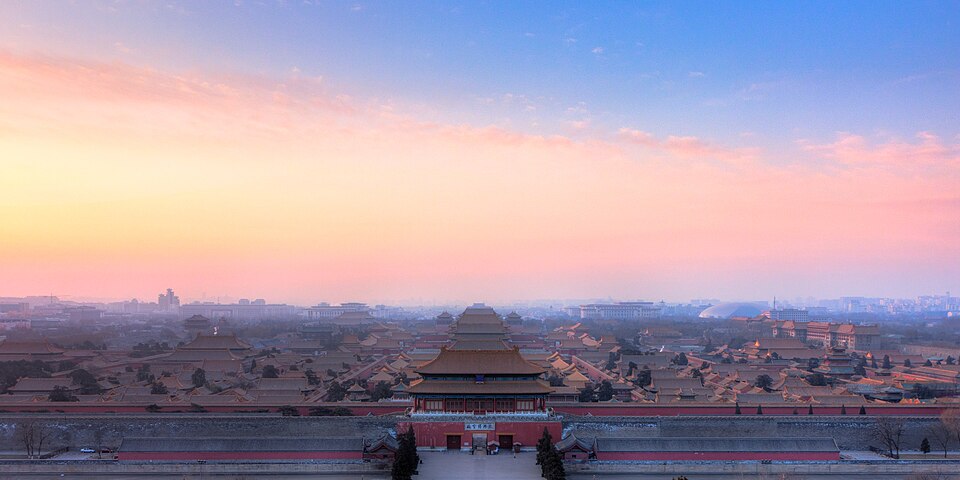
Enter the palace complex from the south through Tiananmen, at opening if you can manage it. The central axis is the busiest route; the eastern and western side halls are quieter and often more interesting. Allow three to four hours without rushing.
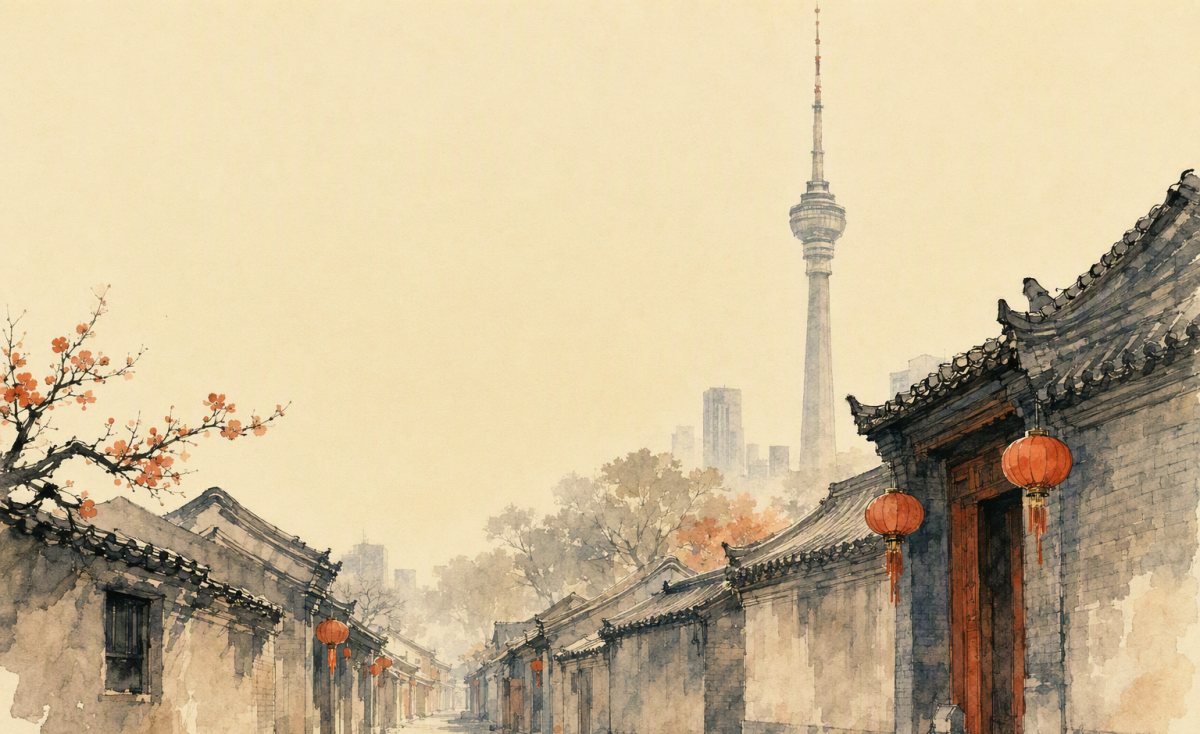
Exit at the north gate and cross into Jingshan Park, where a short climb gives you the classic view back over the palace roofs. From there, walk or take a pedicab west into the Shichahai and Nanluoguxiang area. The rickshaw tours are a commercial product with negotiable prices; if that does not appeal, the same lanes are perfectly walkable on foot. Finish with dinner in a courtyard restaurant around Houhai.
Day 2: The Great Wall at Mutianyu
Mutianyu is the practical choice for a first visit: restored enough to walk comfortably, but far less crowded than Badaling. It sits roughly 70km northeast of the city. Leaving central Beijing early in the morning is the single biggest factor in avoiding coach groups, which tend to arrive mid-morning.
Options to reach it include a private driver, a pre-booked small-group tour, or public buses to Huairou plus a local connection, which is cheaper but slower and harder to time. A cable car runs up to the wall and a toboggan runs down; check current operating status and prices at the ticket office or official site, as both are weather-dependent. Bring water, sun protection and shoes with grip, since the steps are steep and uneven. On the way back, farmhouse restaurants near the wall serve simple trout and mountain vegetables.
Day 3: Temple of Heaven, Qianmen and Peking duck
Start early at the Temple of Heaven, where the surrounding park fills with tai chi, dancing and card games well before the ticket halls open. The Hall of Prayer for Good Harvests is the building most people come for, but the park itself is the reason to arrive at dawn.
In the afternoon, walk south through Qianmen and the Dashilar lanes, a restored commercial quarter with older courtyard streets behind the main drag. If museums suit you better, the National Museum sits on the east side of Tiananmen Square and requires its own advance booking. For dinner, Peking duck is the obvious choice; the well-known restaurants take reservations and queue badly without one, so book through your hotel or the restaurant’s own channel.
Day 4: Summer Palace and 798 Art District
The Summer Palace is a half-day at minimum. Enter at the north gate if you want to climb Longevity Hill first, or the east gate to walk the Long Corridor along Kunming Lake. A boat across the lake is a pleasant way to link the two ends, subject to season and weather. The site is large, so pick two or three areas rather than trying to cover all of it.
In the afternoon, head northeast to the 798 Art District, a former factory complex now full of galleries and studios. Opening days vary by gallery and many close on Mondays, so check a few you actually want to see. Sanlitun, a short taxi ride away, has the densest concentration of restaurants and bars for dinner.
Day 5: Choose your final day
Three sensible options depending on energy and interest:
Temples and lakes. Lama Temple and the neighbouring Confucius Temple make a compact morning, followed by Beihai Park’s lake and the White Dagoba on the hill. This is the gentlest option and works well if you are flying out that evening.
A second wall section. Juyongguan, combined with the Ming Tombs, suits anyone who wants more wall and has already done Mutianyu. It is closer to the city but steeper and busier.
A slower city day. Yonghegong’s surrounding streets, the Drum and Bell Towers, and a long lunch. Not every day needs a headline sight.
Frequently asked questions
When is the best time to visit Beijing?
April to May and September to October generally give the most comfortable temperatures. Winter is cold but clear, with far fewer visitors and occasional snow on the palace roofs. Summer is hot, humid and busy, and late summer can bring heavy rain. If you are weighing months, China in October: Best Places & Travel Tips 2026 covers the autumn window in detail.
Do I need to book the Forbidden City in advance?
Yes, in practice. Tickets are released on a rolling advance window, sold against passport details, and peak dates sell out. The site also closes on certain days, typically Mondays, though you should confirm the current pattern on its official booking page rather than relying on second-hand information. Book as soon as your dates are fixed.
Should I take a tour to the Great Wall or go independently?
Either works. A private driver gives you the earliest start and the most flexibility; a small-group tour costs less and removes the logistics; public transport is cheapest but slowest. What matters most is arriving before the coach groups, whichever option you choose.
How do I get around Beijing?
The metro is fast, cheap and covers almost everything on this itinerary, with signage in English. Buy a single-journey ticket from the machines or use a transport card in your phone wallet if it supports one. For the Great Wall and outlying sites, a car is far more practical than public transport. See China Metro Guide: How to Ride in 2026 for how the systems work.
Is five days enough for Beijing?
It covers the essentials comfortably. If you want the Ming Tombs, a second wall section and more museum time, add a day or two. If you only have three days, cut Day 5 and choose between the Summer Palace and 798.
Treat the plan above as a frame rather than a schedule. Confirm reservation windows, opening days and transport options on official channels in the week before you travel, keep one afternoon deliberately unbooked, and Beijing will reward you with the parts you did not plan.