Posted on — Leave a comment

Beijing 5-Day Itinerary: The Perfect First Visit

Five days is a realistic first visit to Beijing. It is enough time to see the three headline UNESCO sites, walk a quieter stretch of the Great Wall, and spend an afternoon in the hutong lanes rather than only photographing them from a coach window. This plan is deliberately paced: two major sights a day, one long day trip, and evenings left loose. It assumes you are staying somewhere inside the Second Ring Road, near a metro line, which keeps travel time down.

Two things shape everything below. First, several major sites now require advance reservation, often with a passport number, and quotas do sell out in peak season. Second, distances are large: Beijing is a city of over 20 million people and a cross-town trip can easily take an hour. Verify all opening days, reservation windows and ticket rules on each site’s official channel before you travel, because they change by season and by policy.

Before you go: reservations, payments and connectivity

The Forbidden City is the one booking that genuinely needs planning. It releases tickets on a rolling advance window and closes on Mondays for most of the year, though this is worth confirming on its own official site rather than trusting any blog, including this one. You book with your passport details and enter through the Tiananmen gate side only. Read the specifics on Booking Attractions in China 2026: Reservations Foreigners Actually Need (Forbidden City & More) before you set dates.

For everything else, sort out mobile payment and internet access before you fly. A foreign card can often be linked to WeChat Pay or Alipay, but the setup works best when done in advance. See China Cashless Travel Guide: WeChat Pay & Alipay 2026 and Internet Access in China: Wi-Fi, eSIM and Roaming Explained. Which apps and services work, and how well, varies by network and by month, so test yours on arrival rather than assuming.

Day 1: Forbidden City, Jingshan and the hutongs

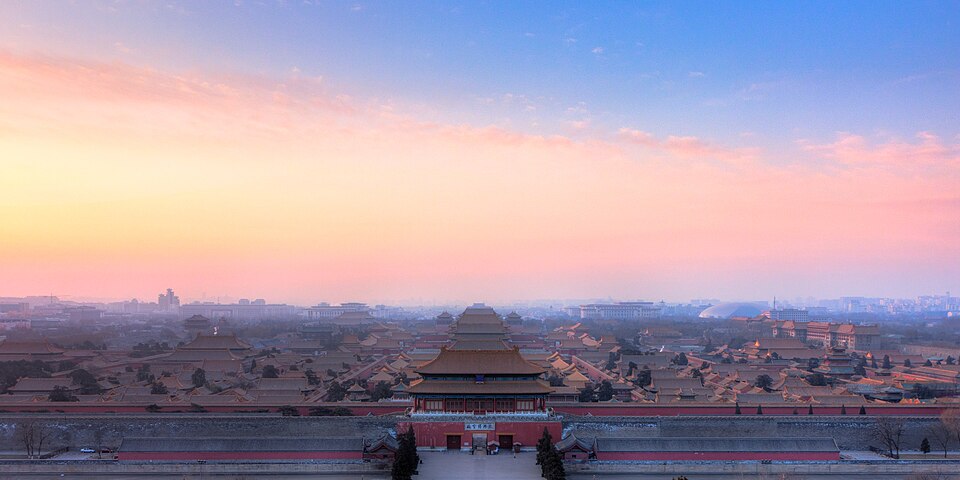
Enter the palace complex from the south through Tiananmen, at opening if you can manage it. The central axis is the busiest route; the eastern and western side halls are quieter and often more interesting. Allow three to four hours without rushing.

Exit at the north gate and cross into Jingshan Park, where a short climb gives you the classic view back over the palace roofs. From there, walk or take a pedicab west into the Shichahai and Nanluoguxiang area. The rickshaw tours are a commercial product with negotiable prices; if that does not appeal, the same lanes are perfectly walkable on foot. Finish with dinner in a courtyard restaurant around Houhai.

Day 2: The Great Wall at Mutianyu

Mutianyu is the practical choice for a first visit: restored enough to walk comfortably, but far less crowded than Badaling. It sits roughly 70km northeast of the city. Leaving central Beijing early in the morning is the single biggest factor in avoiding coach groups, which tend to arrive mid-morning.

Options to reach it include a private driver, a pre-booked small-group tour, or public buses to Huairou plus a local connection, which is cheaper but slower and harder to time. A cable car runs up to the wall and a toboggan runs down; check current operating status and prices at the ticket office or official site, as both are weather-dependent. Bring water, sun protection and shoes with grip, since the steps are steep and uneven. On the way back, farmhouse restaurants near the wall serve simple trout and mountain vegetables.

Day 3: Temple of Heaven, Qianmen and Peking duck

Start early at the Temple of Heaven, where the surrounding park fills with tai chi, dancing and card games well before the ticket halls open. The Hall of Prayer for Good Harvests is the building most people come for, but the park itself is the reason to arrive at dawn.

In the afternoon, walk south through Qianmen and the Dashilar lanes, a restored commercial quarter with older courtyard streets behind the main drag. If museums suit you better, the National Museum sits on the east side of Tiananmen Square and requires its own advance booking. For dinner, Peking duck is the obvious choice; the well-known restaurants take reservations and queue badly without one, so book through your hotel or the restaurant’s own channel.

Day 4: Summer Palace and 798 Art District

The Summer Palace is a half-day at minimum. Enter at the north gate if you want to climb Longevity Hill first, or the east gate to walk the Long Corridor along Kunming Lake. A boat across the lake is a pleasant way to link the two ends, subject to season and weather. The site is large, so pick two or three areas rather than trying to cover all of it.

In the afternoon, head northeast to the 798 Art District, a former factory complex now full of galleries and studios. Opening days vary by gallery and many close on Mondays, so check a few you actually want to see. Sanlitun, a short taxi ride away, has the densest concentration of restaurants and bars for dinner.

Day 5: Choose your final day

Three sensible options depending on energy and interest:

Temples and lakes. Lama Temple and the neighbouring Confucius Temple make a compact morning, followed by Beihai Park’s lake and the White Dagoba on the hill. This is the gentlest option and works well if you are flying out that evening.

A second wall section. Juyongguan, combined with the Ming Tombs, suits anyone who wants more wall and has already done Mutianyu. It is closer to the city but steeper and busier.

A slower city day. Yonghegong’s surrounding streets, the Drum and Bell Towers, and a long lunch. Not every day needs a headline sight.

Frequently asked questions

When is the best time to visit Beijing?

April to May and September to October generally give the most comfortable temperatures. Winter is cold but clear, with far fewer visitors and occasional snow on the palace roofs. Summer is hot, humid and busy, and late summer can bring heavy rain. If you are weighing months, China in October: Best Places & Travel Tips 2026 covers the autumn window in detail.

Do I need to book the Forbidden City in advance?

Yes, in practice. Tickets are released on a rolling advance window, sold against passport details, and peak dates sell out. The site also closes on certain days, typically Mondays, though you should confirm the current pattern on its official booking page rather than relying on second-hand information. Book as soon as your dates are fixed.

Should I take a tour to the Great Wall or go independently?

Either works. A private driver gives you the earliest start and the most flexibility; a small-group tour costs less and removes the logistics; public transport is cheapest but slowest. What matters most is arriving before the coach groups, whichever option you choose.

How do I get around Beijing?

The metro is fast, cheap and covers almost everything on this itinerary, with signage in English. Buy a single-journey ticket from the machines or use a transport card in your phone wallet if it supports one. For the Great Wall and outlying sites, a car is far more practical than public transport. See China Metro Guide: How to Ride in 2026 for how the systems work.

Is five days enough for Beijing?

It covers the essentials comfortably. If you want the Ming Tombs, a second wall section and more museum time, add a day or two. If you only have three days, cut Day 5 and choose between the Summer Palace and 798.

Treat the plan above as a frame rather than a schedule. Confirm reservation windows, opening days and transport options on official channels in the week before you travel, keep one afternoon deliberately unbooked, and Beijing will reward you with the parts you did not plan.
Posted on — Leave a comment

Beijing Travel Guide 2026: Hutongs, Museums & New City Sights

If you have already ticked off the Forbidden City and a Great Wall section, Beijing rewards a second visit far more than most capitals. This guide covers the city regulars return to: the north-south spine that became a UNESCO World Heritage Site in 2024, courtyard lanes where people still live rather than perform, and a museum scene that can absorb whole days. It also covers the practical side — payments, passports, airport transfers and how to check the details that change.

The Central Axis: Beijing’s New UNESCO Listing

Beijing’s Central Axis is the north-south line running from Yongdingmen in the south to the Bell and Drum Towers in the north. It was inscribed on the UNESCO World Heritage List in 2024, which surprised few residents but changed how the city talks about its own geography. The listing covers a sequence of gates, squares, bridges, temples and palace complexes rather than a single monument, so the sensible approach is to walk or ride it in stages.

A south-to-north route takes in Yongdingmen, then Qianmen with its restored archways and tram street, then Tiananmen Square, the Forbidden City, Jingshan Park for the view back down the line, and finally the Houhai lakes and the Drum Tower, where a drum performance is usually staged in the late afternoon. Check the Drum Tower’s official channels for current performance times and last admission, since these are adjusted seasonally.

Two notes for planning. Tiananmen Square and the Forbidden City require advance reservation and passport registration, and the square is sometimes closed at short notice for state events. Jingshan is the best single vantage point on the axis and needs no reservation beyond a normal park ticket. If you are building a longer route around the city’s sights, the metro is the most predictable way to move along the axis; see this China Metro Guide 2026 for ticketing and security-check basics.

Hutong Beijing: Where to Stay and What to Do

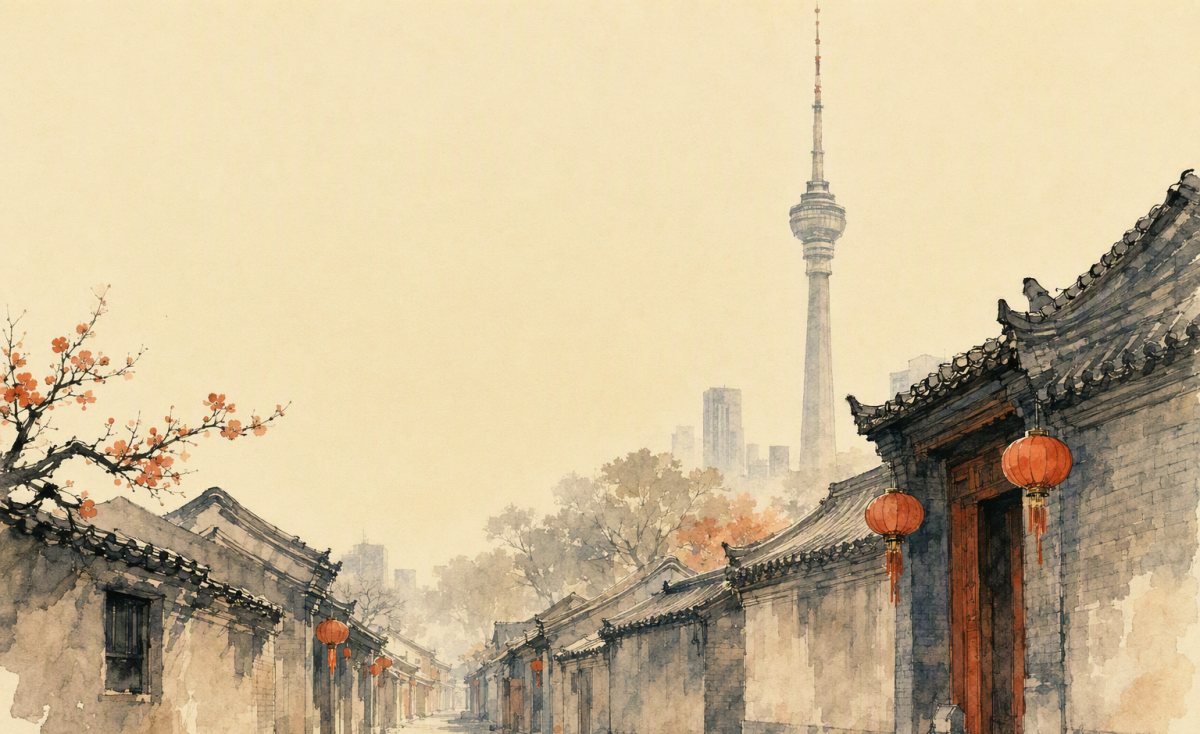
The lanes around Nanluoguxiang and Baochao Hutong remain the most convenient base for a courtyard hotel, though the trade-off is noise and narrow access for cars. Mornings are the reward: older residents walk caged birds, play chess on pavement tables and queue at breakfast counters. The same lanes now hold specialty coffee bars, small vinyl shops and dumpling counters with four seats, so a single street can cover both the old and new versions of the city.

Wudaoying Hutong near the Lama Temple and Yangmeizhu Xiejie south of Qianmen are the current favourites among people who live here, largely because they have kept a mix of residents and businesses. When choosing a courtyard hotel, ask directly about heating in winter, whether the room has a private bathroom, and how far a car can actually get to the door. Many courtyard properties are conversions with thin walls; reviews that mention noise are worth reading closely.

Museums Worth Flying For

The National Museum of China sits on the east side of Tiananmen Square and is free to enter, but requires a timed reservation made in advance with your passport. It is enormous; the ancient bronze galleries alone can take two hours, so pick two or three sections rather than attempting the whole building.

The Capital Museum, in the west of the city, is the better choice if you want a coherent narrative of Beijing’s own history, and it is generally quieter than the National Museum. UCCA in the 798 district anchors the contemporary art scene in decommissioned factory buildings, and 798 as a whole is worth half a day even if you skip the paid exhibitions. Opening days vary by venue and exhibitions change, so confirm current hours and any Monday closures on each institution’s own site before travelling across the city.

Getting In, Getting Around and Paying

Beijing Daxing International Airport’s terminal serves a large share of international routes, and the airport express links it to the city rail network. Beijing Capital Airport remains the main hub for many other carriers, so check which airport your flight uses before booking a hotel — they are on opposite sides of the city. For transfers generally, this China Airport Transfers guide covers taxis, metro links and eSIM setup.

Mobile payment is the default for almost everything, including small dumpling stalls. Foreign-issued cards can usually be linked to Alipay and WeChat Pay, but acceptance depends on your card issuer and the app’s current verification rules, so set it up and test it before you fly rather than at a till. The step-by-step process is covered in this China Cashless Travel Guide. Carry a small amount of cash as a backup.

Passports are still required for Forbidden City and Great Wall tickets, and your passport number must match the one used for the reservation. Visa and transit rules change; check the current requirements on the official Chinese embassy or consulate site for your nationality and confirm the wording of any transit exemption rather than relying on a summary.

Seasons and Timing

October brings ginkgo avenues and the most comfortable walking weather of the year. Winter freezes Houhai, where skate rental is available on the ice, and the crowds thin everywhere. Spring brings cherry blossom at Yuyuantan Park, usually late March into April, and early summer suits the ancient observatory and the temple courtyards. Air quality has improved markedly since 2017, though it still varies day to day; check a live air quality index during your stay and plan heavy walking days accordingly. Public holidays distort everything — book transport and major sights well ahead around those dates.

Frequently asked questions

Do I need to book the Forbidden City in advance?

Yes. Entry is by timed reservation made online with your passport, and tickets are released on a set schedule ahead of the visit date. Confirm the current release time and booking channel on the palace museum’s official site, and bring the same passport you used to book.

Is the Central Axis walkable in one day?

It is roughly 7.5 km end to end and technically walkable, but the Forbidden City crossing alone takes hours. Most people split it into a southern section around Qianmen and a northern section around Jingshan and the Drum Tower, using the metro to link them.

Can I use Alipay or WeChat Pay with a foreign card?

Usually yes, but support depends on your card issuer and the app’s verification requirements at the time. Set up and test both apps before departure, keep a physical card and some cash as backup, and check the app’s own help pages for the current limits.

Which airport should I fly into?

Both work. Daxing handles many international routes and has a fast rail link to the city; Capital Airport is closer to the north-east and the hutong areas. Check your flight’s actual airport before booking accommodation, as the transfer times differ significantly.

When is the best time to visit for weather?

Late September to October is generally the most comfortable, with clear skies and autumn foliage. Spring is pleasant but windy and dusty. Summer is hot and humid, and winter is cold but quiet, with ice skating on Houhai when conditions allow.

Treat this as a framework rather than a fixed plan: confirm reservations, opening days and payment settings on the relevant official pages close to your travel dates, then leave room in the schedule for the parts of Beijing that only reveal themselves on foot.

Posted on — Leave a comment

Xi’an Travel Guide 2026: Terracotta Warriors & Muslim Quarter

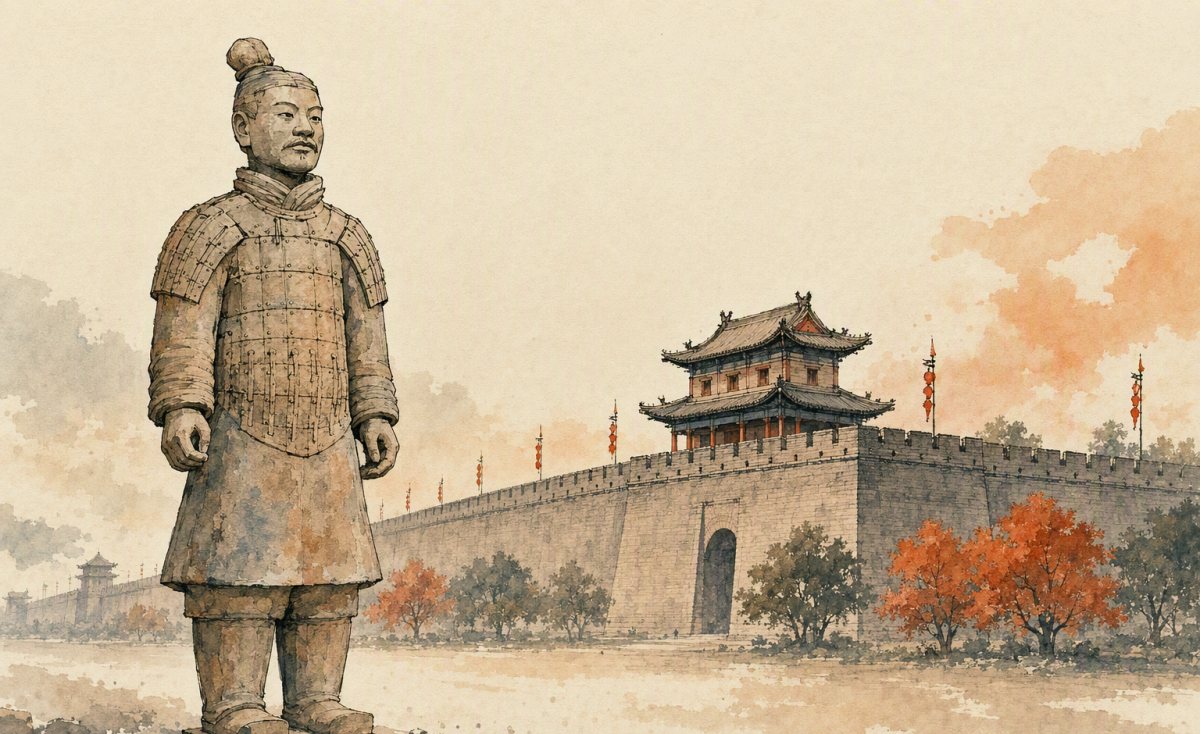
Xi’an served as the capital of China for more than a thousand years and sat at the eastern end of the Silk Road, which is why the city holds more excavated history per square kilometre than most countries manage in total. For a visitor, that translates into three things: the Terracotta Army, a complete Ming-era city wall you can ride around, and a food culture that many Chinese travellers rate as the country’s best. This guide covers what to see, how to move between the sights, when to come, and what to check before you book anything.

The Terracotta Warriors: planning the visit properly

The site sits roughly an hour east of the city, outside the metro network, so the trip needs planning rather than improvisation. Arrive for opening if you can — the halls fill quickly from mid-morning, and Pit 1, the largest and most photographed, is best seen before the tour groups arrive in force. The usual order is Pit 1, then Pit 3, then Pit 2, finishing at the bronze chariots, but any sequence works if you start early.

Hire a guide or use an audio guide. Without context the pits read as rows of clay figures; with it, you get the individual faces, the excavation history, the bronze chariots, and the story of the farmers who found the site in 1974 while digging a well. Opening hours, ticket prices and any seasonal closures change, so check the official site before you travel and look specifically for the current ticket release window — tickets are often sold in advance slots and can sell out on public holidays. For dates to avoid, see our guide to China public holidays 2026.

The city wall and the Muslim Quarter

The Ming wall is complete, roughly 14 kilometres around, and the South Gate is the main access point for bike rental. Sunset is the most comfortable time to ride: the light is good, the heat has gone, and the wall is lit afterwards. Rental terms, deposits and closing times vary by gate and season, so confirm on arrival rather than assuming a late finish.

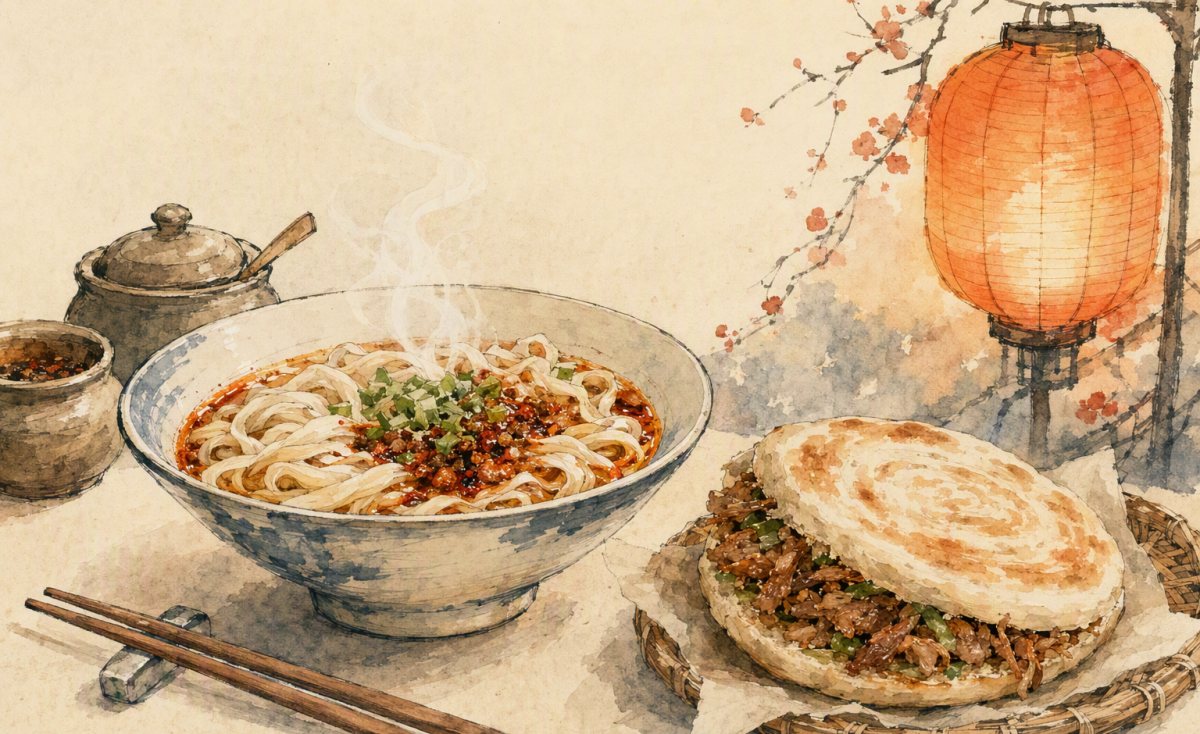
The Muslim Quarter, centred on Beiyuanmen Street near the Drum Tower, is the city’s densest eating district — lamb skewers, roujiamo, biangbiang noodles, cold liangpi and pomegranate juice, all cooked in front of you. It is busy, touristy and genuinely worth it. Go hungry, carry small change or a working payment app, and expect to eat standing up. Our Xi’an street food guide covers 18 specific dishes and where to find them.

Other essentials worth your time

The Big Wild Goose Pagoda’s north square hosts a fountain and music show, typically around midday and again in the evening — timings shift with season, so check locally. The Shaanxi History Museum holds the Tang gold and Silk Road material that gives the city its context; entry is free but requires advance booking through the official reservation channel, and slots disappear fast in peak season.

Tang Dynasty dinner shows pair a meal with court music and dance. They are staged and touristic, but they are also a straightforward way to see Tang-era performance without hunting for it. Book through your hotel or a reputable operator and confirm what the ticket actually includes before paying.

Getting around and getting there

The metro reaches the wall, the pagoda, the museum and the main food streets, and it is the simplest way to move around the centre. Fares are low and machines accept English; our China metro guide explains how to buy and use tickets.

The Terracotta Warriors are the exception. Public buses run from the main railway station area, and private cars or guided transfers remove the guesswork for an early start. If you are arriving by rail, read our China train travel guide for booking and passport rules — Xi’an is well connected to Beijing, Shanghai, Chengdu and Luoyang on high-speed lines.

When to go and what to sort in advance

March to May and September to November give the most comfortable temperatures. Summer is hot and crowded; winter is cold but quiet, and the Warriors site is far more pleasant without queues. Book the Warriors ticket, the Shaanxi History Museum slot and any dinner show before you arrive, especially around national holidays.

Set up a payment app before you fly. Mobile payment is near-universal, and a foreign card linked to the major apps usually works, but you should verify your specific card and app combination before relying on it — see our cashless travel guide. Carry a small amount of cash as backup.

Frequently asked questions

How many days do I need in Xi’an?

Two full days covers the Warriors, the wall and the Muslim Quarter without rushing. Three days lets you add the Shaanxi History Museum, the pagoda and a slower food crawl.

Can I visit the Terracotta Warriors independently?

Yes. Public buses and taxis both work. A guide adds a great deal, though, because the site’s value is in the detail rather than the visuals.

Is the Muslim Quarter suitable for vegetarians?

Options exist — liangpi, some noodle dishes and vegetable skewers — but the district is built around lamb and beef. Check ingredients rather than assuming.

Do I need to book the Shaanxi History Museum?

Yes, in practice. Entry is free but reserved in advance through the official channel, and popular slots fill quickly. Confirm the current booking process before your trip, as it changes.

Xi’an rewards preparation more than most Chinese cities: the headline sights are spread out, the best food is eaten standing in a crowd, and the tickets that matter are released in advance. Sort the Warriors slot, the museum booking and your payment setup before you arrive, then give the rest of the trip to the wall at sunset and the noodle stalls after dark.

Posted on — Leave a comment

Xi’an Food Guide: What to Eat in the Ancient Capital

Xi’an eats like a Silk Road caravan town: wheat instead of rice, lamb instead of pork, and chilli oil on almost everything. The city sits at the eastern end of the old trade routes, and its kitchen carries the memory of it — hand-pulled dough, cumin, vinegar, slow-braised meat and bread used as both plate and spoon. This guide covers the dishes worth planning a day around, the districts where they are actually eaten, and the practical details — payment, timing, transport — that decide whether a food crawl goes smoothly.

The five dishes to build a day around

Roujiamo. Slow-braised pork, chopped and packed into a toasted flatbread. The version worth queuing for comes from vendors who bake the bread to order in a clay oven — you want a crisp shell that shatters slightly, not a soft bun from a warming tray. Lamb versions exist and are common in Muslim-owned shops.

Biangbiang noodles. Belt-wide hand-pulled noodles named for the sound of dough hitting the board. They arrive dressed with chilli, vinegar and cumin, and the chilli is usually a slick of oil rather than a dry powder. Ask for less chilli if you need to; the vinegar and cumin carry the flavour anyway.

Yangrou paomo. Lamb soup with flatbread you tear yourself. The ritual matters: tear the bread into small pieces in your bowl, hand it to the kitchen, and it comes back flooded with broth. Tearing it too large is the classic beginner’s mistake — small pieces absorb better.

Lamb skewers. Cumin-heavy and charcoal-smoked, sold in clusters of ten or twenty. They are street food in the truest sense: eaten standing, one hand holding the skewer, the other holding a drink.

Liangpi. Cold wheat-noodle ribbons in chilli oil and vinegar. This is the cooling counterpart to everything above and the dish to order when the chilli has caught up with you.

For a longer list beyond these five, see this Xi’an street food guide.

Where to eat: three districts, three different evenings

The Muslim Quarter, centred on Beiyuanmen, is the lantern-lit spectacle: busy, photogenic, and priced for visitors. It is worth one evening for the atmosphere and the fresh pomegranate juice. Two blocks north, Sajinqiao is where locals actually eat — fewer lights, lower prices, and a more everyday rhythm. Yongxingfang is a food court covering Shaanxi specialities province by province, useful if you want to sample widely in one stop rather than walk between stalls.

Timing matters more than most guides admit. Stalls tend to be busiest from early evening; some close once they sell out rather than at a fixed hour, so a late arrival can mean a shortened menu. Verify current opening patterns locally or on the venue’s own page rather than trusting a printed schedule.

How to order, pay and eat without friction

Payment in Xi’an is overwhelmingly mobile. WeChat Pay and Alipay are the default at stalls and small restaurants, and cash is accepted but can slow things down. Setting either up before you travel is the single biggest quality-of-life improvement for a food trip — see this China cashless travel guide for how the setup works and what to check.

A few habits help. Point at what someone else is eating if the menu is only in Chinese. Confirm whether a dish is priced per skewer or per portion before ordering a round. And carry tissues: many small shops do not provide them.

Drinking alongside the food

Xifeng baijiu is the local spirit and it is strong; order it in small quantities and treat it as a sipping drink rather than a chaser. For everyone else, iced sour-plum drink is the standard pairing — sweet, sharp and effective against chilli. In winter, look for frozen persimmon cakes, which appear seasonally and are worth trying when you see them.

Combining eating with sightseeing

The classic Xi’an evening is a circuit of the city wall by bike at sunset, then straight down into the Muslim Quarter for dinner. It works because the wall and the food streets are close together, so you are not losing an hour to transport between the two.

If you want the Terracotta Warriors and the food in the same trip without improvising the logistics, a planned route helps — an AI travel planner for China is useful for sequencing days like this, provided you check anything it tells you about hours and tickets against the official source.

Practical notes before you go

Xi’an is well served by metro, and most food districts sit within walking distance of a station; the China metro guide covers how to buy and use tickets. Sort your phone data before you fly so maps, translation and payment apps work the moment you land. If your trip extends beyond Xi’an, the wider Xi’an city guide covers the non-food side of the city.

Frequently asked questions

Is Xi’an street food safe for visitors with sensitive stomachs?

Generally yes, with normal precautions. Eat at busy stalls where turnover is high, avoid anything that has been sitting out, and be cautious with cold dishes if you are prone to problems. Tap water is not for drinking; bottled water is widely available.

How much should I budget for a day of eating?

Costs change, so treat any figure you read online as indicative only. Street food is inexpensive relative to restaurant dining, and skewers, noodles and bread-based dishes are the cheapest way to eat well. Check current prices at the stall before ordering.

Do I need to speak Chinese to order?

Not fluently, but some Mandarin helps. Photos, pointing, and a translation app cover most situations. Learning the names of the five dishes above in Chinese will get you further than general phrases.

Can I eat well as a vegetarian in Xi’an?

It is harder than in China’s larger coastal cities because the signature dishes are meat-based. Liangpi, bread dishes and vegetable skewers are the reliable options; asking clearly and checking whether broth is meat-based is essential.

When is the best time of year for a food-focused visit?

Spring and autumn are the most comfortable for walking between stalls. Summer heat makes a cold liangpi lunch appealing but long evening crawls tiring. Winter brings frozen persimmon cakes and fewer crowds.

Xi’an rewards eating on its own terms: order the bread, tear it yourself, and let the chilli and cumin do the work. Plan the logistics — payment, data, transport — before you arrive, and the food becomes the easy part of the trip.

Posted on — Leave a comment

Hangzhou Weekend Guide: West Lake, Tea Fields & Modern Art

Marco Polo’s description of Hangzhou as the most beautiful and magnificent city in the world is often quoted, and the city still rewards the comparison — mist sitting on West Lake before the tour groups arrive, tea terraces cut into hillsides above Longjing village, temple courtyards tucked into forest a short bus ride from the centre. Two days is enough to see the essentials without rushing, provided you plan around the crowds and the weather rather than against them. This guide covers a realistic two-day route, how to get there from Shanghai, when to go, and what to check before you travel.

Getting to Hangzhou and Getting Around

Hangzhou is roughly 45 minutes from Shanghai by high-speed rail, which makes it one of the easiest weekend trips in the country. Services run frequently from Shanghai Hongqiao to Hangzhou East and Hangzhou West. Book through the official 12306 platform or a reputable agent, and check the seat class before you pay — the difference between second and first class on a short hop is small, but the booking process itself trips up many first-timers. Our 12306 step-by-step guide covers passport registration and collection, and the seat classes guide explains what you actually get on board.

Within the city, the metro is the fastest way to cross town, and West Lake itself is compact and bike-friendly. Shared bikes are widely used, though you will need a working payment app to unlock them. Hangzhou East station connects to the metro, so you rarely need a taxi unless you are carrying luggage to a hotel away from a station line.

Day 1: The West Lake Circuit

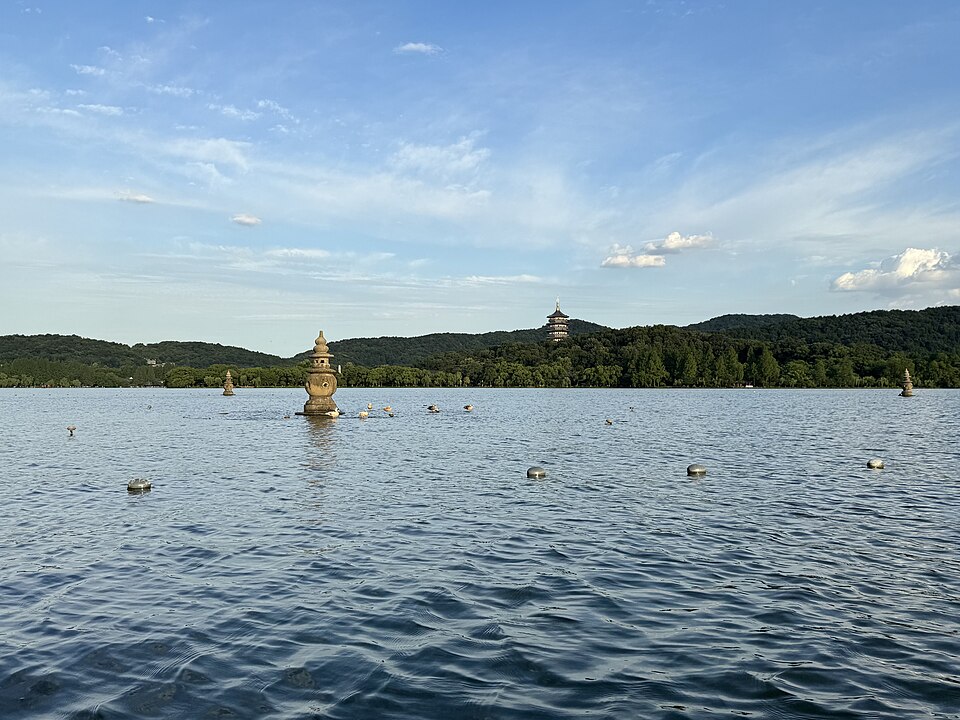
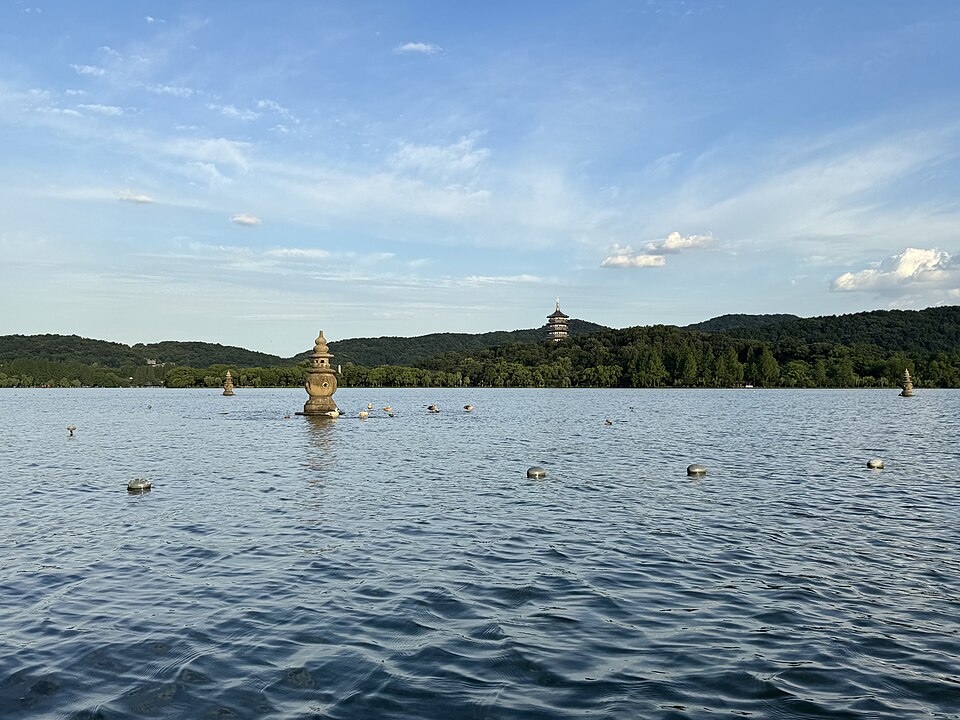
Start at dawn. The lake is at its most photogenic before 8am, when the light is soft and the causeways are still quiet. Walk the Broken Bridge along Bai Causeway, then take a boat to the Three Pools Mirroring the Moon island — the island itself is small, but the approach gives you the classic view back towards the hills. Continue south along the Su Causeway on foot or by bike.

For lunch, West Lake vinegar fish and Dongpo pork are the regional staples; both are rich, so order one main between two people if you are also having vegetables. In the afternoon, Leifeng Pagoda offers a wide view over the lake and is busiest around sunset, so arrive earlier if you want space at the railings. In the evening, the Impression West Lake performance takes place on the water itself. It is weather-dependent and sells out on peak weekends, so confirm the current schedule and buy through the official ticketing channel rather than a reseller.

Day 2: Tea, Temple and Art

Head out early to Meijiawu or Longjing tea village. The terraces are walkable, and several family-run operations let visitors watch or try pan-firing leaves by hand. First-flush Longjing is at its best in spring; outside that window you will still find good tea, but ask what you are being sold and at what grade. Prices vary enormously between a farm gate and a tourist-facing shop, so compare before committing.

In the afternoon, Lingyin Temple and the rock-carved Buddhas at Feilai Peak sit in the same wooded valley and are usually visited together. Allow more time than you think — the site is large and the walk between the carvings and the main halls is uphill in places. Afterwards, the China Academy of Art galleries or the Design Museum at Xiangshan make a quieter contrast. Note that museum opening days and reservation requirements change; check the venue’s own page or a current reservations guide before you go, because some sites in China now require advance booking even for foreign visitors.

Finish with Hefang Street for snacks and silk. It is touristy, but convenient if you are short on time. If food is a priority, our Hangzhou street food guide lists specific dishes worth seeking out beyond the main drag.

Best Time to Visit

Late March to April brings peach blossom and the new tea harvest; October fills the city with osmanthus scent. Both are genuinely pleasant and both are busy. Avoid Golden Week and other national public holidays, when transport and hotels tighten sharply. Summer is hot and humid, and winter is grey but quiet — West Lake in light rain has its own appeal if you pack accordingly. For month-by-month context, see the guides to China in October and China in November.

Practical Notes Before You Go

West Lake itself is free to walk around; individual attractions, boats and shows charge separately, and those prices change. Check the operator’s own page for current figures rather than relying on older blog posts. Mobile payment is the norm, so set up WeChat Pay or Alipay before arrival and keep a small cash backup. Confirm your hotel accepts foreign guests, as registration rules still cause problems at some smaller properties. If you are combining Hangzhou with other cities, the five-day Hangzhou itinerary and the Huangshan from Shanghai guide both extend the trip sensibly.

Frequently asked questions

Is one day in Hangzhou enough?

You can see West Lake in a day, but you will miss the tea villages and Lingyin Temple. Two days is the realistic minimum for the highlights without rushing.

Do I need to book West Lake attractions in advance?

Walking the lake requires no booking. Boats, pagodas, performances and museums may have separate ticketing or reservation systems, and these change often — check the venue’s official page in the days before you travel.

How do I get from Shanghai to Hangzhou?

High-speed rail from Shanghai Hongqiao takes around 45 minutes. Book on 12306 or an authorised agent, and bring the passport you used to book.

Can I pay by card in Hangzhou?

Larger hotels and some restaurants accept foreign cards, but everyday spending usually runs through WeChat Pay or Alipay. Set up a payment app before you arrive and keep some cash as a fallback.

Hangzhou works best when you treat it as a slow city rather than a checklist: one long walk around the lake, one morning in the tea hills, one temple afternoon. Verify the moving parts — train times, show schedules, museum closures and any reservation requirements — on official pages close to your travel date, and the rest of the weekend tends to look after itself.

Posted on — Leave a comment

Hangzhou Travel Guide: Beyond West Lake

West Lake is the photograph everyone takes, and it earns the attention. But Hangzhou’s geography rewards anyone who steps past the shoreline: a national wetland park threaded with punt channels, a working canal that still carries coal barges under Ming-era stone arches, and, two hours west, a reservoir scattered with forested islands. This guide covers those three, plus a few smaller West Lake-area alternatives, and explains how to check the details that change — timetables, reservations, boat schedules — rather than trusting a figure printed months ago.

Xixi National Wetland Park

Xixi is the closest of the three to central Hangzhou and the easiest to do as a half day. It is a water forest rather than a lake: narrow reed channels, low bridges, and a network of paths that only makes sense once you accept you will move partly by boat. The electric punts are the standard way in, and the experience changes sharply by season — spring is green and quiet, autumn brings the persimmon orchards into colour and the waterside farmhouses into their hairy crab period.

Two practical points. First, the park is large enough that walking the whole thing is a poor use of a day; pick either the boat route or the outer dikes, not both. Second, bicycle rental on the outer dikes is a genuinely good option if the weather is dry, but confirm the rental point and return time on arrival rather than assuming a fixed closing hour. Entry arrangements, boat ticket tiers and any advance reservation requirement should be checked on the park’s official channels or a current booking platform before you travel — look specifically for whether a timed reservation is required and whether the boat ticket is sold separately from admission.

The Grand Canal, Southern End

The Grand Canal runs from Beijing to Hangzhou, and the southern terminus is a UNESCO World Heritage site that is still doing its original job. At Gongchen Bridge you can watch working barges slide past stone arches, which is a rarer sight than any reconstructed old town. The bridge itself is the anchor; the surrounding streets are where you spend the time.

Xiaohe Old Street, a short distance away, is the canalside neighbourhood most visitors miss. Go at dusk, when the lanterns come on and the water reflects the whitewashed houses. It is a residential area as much as a sightseeing one, so keep noise down and treat the lanes as someone’s front yard. There is no ticket to walk the canal or the old street; individual museums and halls along the route may charge separately, and those hours shift seasonally, so verify on site or via the site’s official listing rather than planning around a number from a blog.

For getting around the city generally, the metro is the reliable backbone, and the canal area is reachable from central stations. If you are new to Chinese metro systems, the payment and entry mechanics are worth reading up on before you arrive — see this guide to riding China’s metro in 2026.

Qiandao Lake (Thousand Island Lake)

Qiandao Lake is a reservoir in Chun’an county, roughly two hours west of Hangzhou by road. It holds over a thousand forested islands, and the water colour — an improbable turquoise in good light — is the reason people make the trip. Meifeng Island has the cable car and the classic panorama; the lake’s organic fish-head soup is the local dish worth ordering at least once.

The 140km greenway around the lake is a serious cycling route, not a casual loop. If you intend to ride it, plan it as its own day or multi-day, arrange the bike in advance, and check the current state of the greenway and any bike-rental terms locally. Boat routes between islands change with season and demand; buy on the day or verify the current schedule at the pier rather than relying on a published itinerary. Cable car operating hours and any closure for maintenance should be confirmed at the ticket office.

Smaller West Lake-area alternatives

The China National Tea Museum sits in the Longjing tea plantations and, at the time of writing, has no admission charge — but free museums in China often still require a timed reservation, so check the museum’s official booking channel before you go. The Nine Creeks (Jiu Xi) walking trail runs through the tea hills and is the best half-day walk in the area if you want shade and running water rather than crowds. Qinghefang historic street is the more commercial option: a Song-dynasty-themed pedestrian lane with shops and snacks, useful on a wet afternoon.

For eating around the lake and the old streets, our Hangzhou street food guide covers the specific dishes and where to find them.

Getting there and getting around

Hangzhou East railway station is the main rail hub, with frequent high-speed services to Shanghai and connections onward to Huangshan and Ningbo. Journey times and departure frequencies change with each timetable revision, so check the current schedule when you book. Booking itself is the part most first-timers find awkward; if you are using the official 12306 system, this step-by-step 12306 booking guide covers passport registration and seat selection. Seat classes and onboard food differ more than people expect, which is explained in this piece on high-speed rail seat classes.

For Qiandao Lake and Xixi, a private vehicle with driver is the efficient choice if your group is three or more, because both involve a final leg that public transport handles slowly. For multi-stop Jiangnan routes, an AI planner can help with sequencing, but be careful: models frequently invent opening hours. This guide to using AI for a China itinerary without invented opening hours explains how to use one safely. Spring and autumn remain the best windows; if you are weighing exact months, the seasonal guides for October and November set out the trade-offs.

Frequently asked questions

Do I need to reserve Xixi Wetland Park in advance?

Often yes, particularly at weekends and during autumn. Check the park’s official booking channel or a current Chinese ticketing platform for a timed-entry requirement, and note whether the boat ticket is separate from admission. Do not rely on a figure or rule quoted in an older article.

Is the Grand Canal area free to visit?

Walking the canal, Gongchen Bridge and Xiaohe Old Street costs nothing. Individual museums and halls nearby may charge, and their hours change seasonally — verify on site or via the venue’s official listing.

Can I visit Qiandao Lake as a day trip from Hangzhou?

It is possible but rushed, given roughly two hours each way by road. Most visitors get more from it with an overnight stay, which also makes the lake’s boat routes and the greenway feasible without watching the clock.

How do I get to Hangzhou from Shanghai?

High-speed rail from Hangzhou East is the standard option and is quick, but frequencies and journey times change with each timetable. Check the current schedule when booking, and confirm whether your passport is registered correctly on 12306 before departure.

What should I check before trusting an itinerary I generated with AI?

Opening hours, closing days, reservation requirements and transport timings. Cross-check each against the operator’s own page. AI is useful for sequencing a route; it is unreliable for anything that changes.

Treat every specific figure in this guide as something to confirm at the source: park booking channels for Xixi, the pier ticket office for Qiandao Lake boat routes, the railway app for timetables, and each museum’s own page for hours and reservations. The scenery does not move; the logistics do.

Posted on — Leave a comment

Nanjing Travel Guide: City Wall, Lakes & Duck Blood Soup

Six dynasties made Nanjing their capital, and the city wears that history lightly. You can walk a Ming-era city wall above a lake, climb Purple Mountain through memorial forest, eat salted duck bought from a shop window, and cross the Qinhuai River at night under lanterns — all in a weekend. Nanjing sits about an hour from Shanghai by high-speed train, which makes it an easy addition to a Yangtze Delta route rather than a separate trip. What follows is a practical guide to the main sites, the food worth planning around, a two-day structure, and the booking details that actually trip people up.

The city wall and Xuanwu Lake

The Ming city wall is the reason to start here. Substantial stretches survive, and the section above Xuanwu Lake is the most rewarding: you walk or cycle on top of the ramparts with water on one side and city on the other. Go early. Sunrise light on the wall is the best of the day, and the plum blossom season in late winter and early spring draws crowds that make the same walk far slower by mid-morning.

Check the wall’s opening hours and whether cycle hire is running on the day you visit — both change seasonally, and sections occasionally close for maintenance. Look for the official Nanjing city wall or Xuanwu Lake scenic area page rather than relying on an old blog post.

Purple Mountain: Sun Yat-sen Mausoleum and Ming Xiaoling

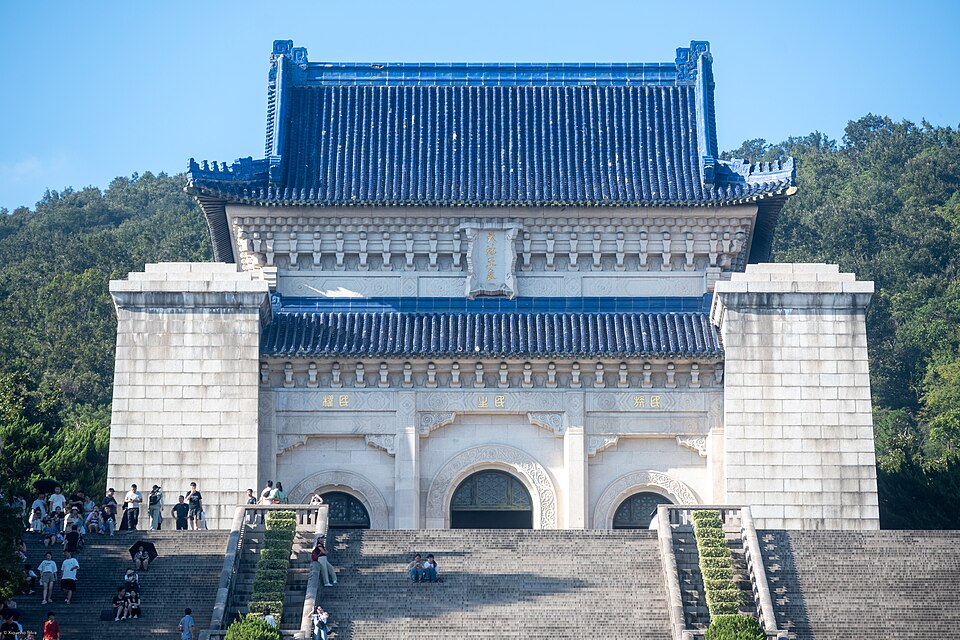
The Sun Yat-sen Mausoleum is the centrepiece of Purple Mountain. The approach is a long climb through monumental forest, ending at a broad flight of granite steps. It is a solemn site, not a theme park, and it is busy. Arrive at opening if you can.

Pair it with Ming Xiaoling, the tomb of the first Ming emperor, where the Sacred Way is lined with stone animals and officials. The two sites sit in the same wooded area, so a single half-day works if you are realistic about walking distances and use the internal shuttle where it runs.

Purple Mountain is where reservation rules matter most in Nanjing. Many major Chinese attractions now require advance booking through an official WeChat mini-programme or website, often with a passport number and sometimes with a daily quota. Requirements vary by site and change; check the official page for each attraction before you travel. Our guide to booking attractions in China as a foreign visitor explains what to look for and how to register without a Chinese ID.

Confucius Temple, the Qinhuai River and Laomendong

The Confucius Temple area and the Qinhuai River are the classic Nanjing evening. The lantern-lit boat cruise is the standard experience, and the surrounding lanes are dense with snack stalls and shops. It is touristy, and it is still worth doing once.

Laomendong, a restored quarter of Ming-style facades, is the better stop for eating and wandering. Come hungry and graze rather than committing to one restaurant. If you are travelling with dietary restrictions, read our guide to halal and vegetarian food in China before you go, since Nanjing’s signature dishes are not vegetarian by default.

Presidential Palace and the Massacre Memorial

The Presidential Palace compresses a great deal of Chinese political history into one compound, spanning the imperial, republican and modern eras. Allow more time than you expect; the grounds are extensive.

The Nanjing Massacre Memorial is sobering and essential. It is well presented, and it is not a light stop. Give it space in your schedule rather than slotting it between two cheerful activities. Both sites may require advance reservation or have restricted entry on certain days — verify on their official pages before setting out.

What to eat in Nanjing

Duck blood and vermicelli soup is the signature bowl, savoury and warming. Salted duck is the classic takeaway, sold by weight from specialist shops and often vacuum-packed for travel. Add tangbao (soup dumplings) and pan-fried beef dumplings from the old lanes near the Presidential Palace.

Nanjing food is not especially spicy, which makes it a comfortable stop for most palates. Payment is the bigger practical issue: many small vendors prefer mobile payment, so set up WeChat Pay or Alipay before you arrive. Our cashless travel guide covers the setup, and China Welcome by UnionPay explains the card-based alternative if you would rather not link a foreign card to an app.

A two-day plan, and getting there

Day one: Purple Mountain in the morning (Sun Yat-sen Mausoleum plus Ming Xiaoling), the city wall at Xuanwu Lake for late-afternoon light, then the Qinhuai River cruise after dark. Day two: the Presidential Palace, the Massacre Memorial, Xuanwu Lake at ground level, and Laomendong in the evening.

Nanjing is roughly an hour from Shanghai on the Beijing–Shanghai high-speed line. Book seats in advance, especially around weekends and public holidays. Our step-by-step guide to booking on 12306 covers passport registration and collection, and the seat class comparison helps you decide what to pay for on a short hop.

Scenically, late winter and early spring bring the plum blossom, and late autumn turns the Ming wall’s ginkgo trees gold. Summer is hot and humid; winter is cold and grey but quiet.

Frequently asked questions

How many days do I need in Nanjing?

Two full days cover the core: Purple Mountain, the city wall, the Qinhuai River area, the Presidential Palace and the Massacre Memorial. Three days lets you slow down, add a museum or a second wall section, and eat properly rather than grabbing snacks between sights.

Do I need to book Nanjing attractions in advance?

Often, yes — particularly Purple Mountain sites and the Massacre Memorial. Rules, quotas and opening days change, so check each attraction’s official page or mini-programme shortly before your visit and look specifically for whether foreign passports are accepted for booking and what identification is required at entry.

Is Nanjing worth visiting from Shanghai?

It is one of the easiest add-ons on the network: about an hour by high-speed train, with frequent departures. It works well as a two-night stop between Shanghai and Suzhou, or as a day trip if you accept that you will only see a fraction of the city.

What should I eat in Nanjing?

Salted duck, duck blood and vermicelli soup, tangbao and pan-fried beef dumplings. Salted duck travels well if you want to take some home, though check any food import rules for your destination before buying.

How do I pay for things in Nanjing?

Mobile payment dominates, including at small food stalls. Set up WeChat Pay or Alipay with a foreign card before you travel, and keep a small amount of cash as a backup. Verify current limits and supported cards on the app’s own help pages, since these change.

Nanjing rewards a little preparation more than most Chinese cities, because its best sites are spread across a mountain, a lake and a riverbank, and several of them now expect you to book ahead. Sort your reservations, your payment app and your train tickets first, then let the city itself be the easy part.

Posted on — 1 Comment

Macau Travel Guide 2026: Heritage Walks, Casinos & Egg Tarts

Macau packs a Portuguese old town, Cantonese street food and casino resorts into a single peninsula and two islands joined by bridges. It is small enough to cover properly in two days, and distinctive enough that it does not feel like anywhere else in the region. What follows is a workable structure: one day on the Macau peninsula for the heritage core, one day across the water for Taipa Village and Cotai, with eating treated as a main activity rather than an afterthought.

Before you go: entry, currency and connectivity

Macau has its own immigration and visa rules, separate from mainland China. Whether you need a visa, and for how long you may stay, depends on your nationality, so check the current requirements on the Macau SAR government’s immigration pages rather than relying on a blog. If you are combining Macau with a mainland trip, note that crossing into Zhuhai means entering mainland China and its own entry rules apply; our China visa rules guide covers the mainland side.

The currency is the pataca, but Hong Kong dollars circulate widely and are usually accepted at or near par. Change is often given in patacas, so keep small notes. Cards and mobile payment are common in hotels and larger restaurants; smaller food shops may prefer cash. Mobile data works normally for most visitors, but roaming rates vary by home operator, so compare a local prepaid SIM against an eSIM before you fly — our SIM and eSIM comparison explains the trade-offs.

The UNESCO heritage walk on the peninsula

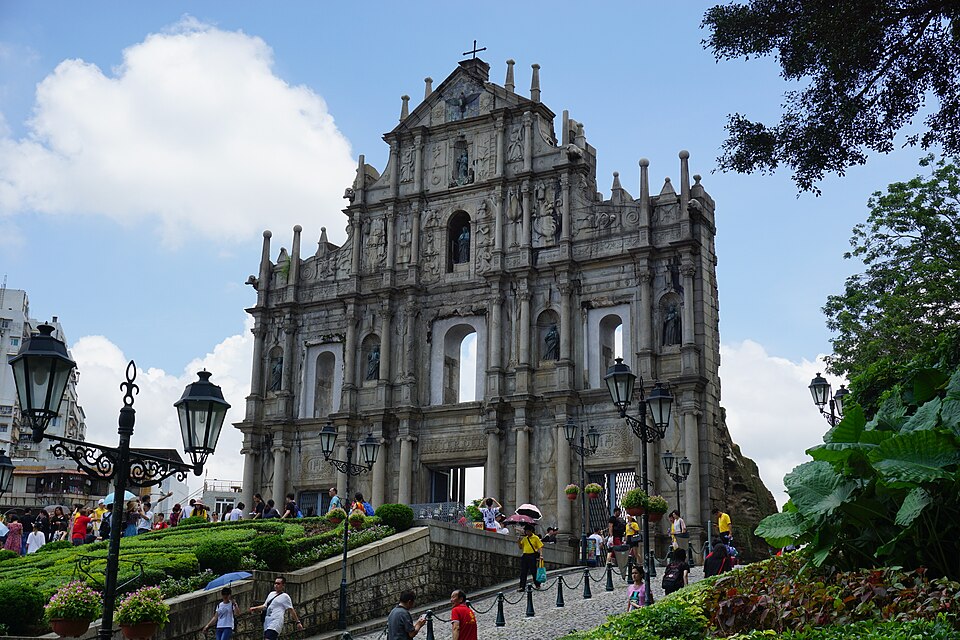
Begin at Senado Square, where the wave-patterned mosaic paving sets the tone, and follow the signposted historic centre route uphill. The Ruins of St Paul’s — the surviving facade of a 17th-century church — is the obvious focal point, and it is worth approaching from the side streets rather than the main crush. Continue to Monte Fort, whose cannons and small museum sit directly above the ruins, then walk down into the St Lazarus district, where pastel colonial houses now hold studios and cafés.

The whole route is walkable in a few hours at an unhurried pace. Several of the buildings along it are working churches, museums or government offices, so opening days vary and some close on particular weekdays. Check each site’s own listing before you set out rather than assuming everything is open; our notes on attraction reservations explain how to verify opening arrangements for ticketed sites.

Taipa Village and the Cotai Strip

Cross to Taipa for the second day. Taipa Village is a compact grid of lanes around Rua do Cunha, lined with shops selling almond cookies, pork chop buns and dried meat — buy small quantities as you go rather than committing to one shop. The A-Ma temple, from which Macau takes its name, sits on the peninsula’s southern tip rather than in Taipa, so plan it as a separate stop if it matters to you.

Immediately beside Taipa, Cotai is the resort strip: large integrated complexes with shopping malls, canals, gondolas and resident shows. These are privately run, and performance schedules, dark days and prices change frequently. If a specific show or attraction is the reason for your visit, check the operator’s own website for the current calendar and ticket terms before booking anything.

What to eat, and how to plan it

Macanese cooking is the result of centuries of Portuguese, Cantonese, African and Southeast Asian exchange. Look for Portuguese egg tarts, African chicken, salted cod dishes and minchi, and try the snack stalls around the old town and Taipa Village. Book one proper Portuguese dinner in advance — the better tables fill up, particularly at weekends.

If you keep halal, vegetarian or otherwise restricted diets, the picture is manageable but requires planning, since many classic dishes use pork, lard or shellfish. Our halal and vegetarian food guide covers how to ask and what to look for. Tipping is not expected in the way it is in North America; the etiquette guide sets out the norms.

Getting there and getting around

Macau is reachable from Hong Kong by ferry or via the HZM Bridge, and from Zhuhai on foot at the border crossing. Schedules, fares and bridge shuttle arrangements change, so confirm times and prices with the ferry operator or bridge shuttle service directly. Within Macau, casino shuttle buses are a well-known free option between the ferry terminal, border and Cotai, though routes and eligibility rules are set by each operator. Public buses and taxis cover the rest; taxis are metered but demand can spike at peak times.

October to March is the most comfortable season for walking. Summer is hot and wet, and typhoon season can disrupt ferries and flights, so build slack into any tight connection. If you are extending into the mainland afterwards, our ferry travel guide covers the wider network.

Combining Macau with the wider region

Two days in Macau slots neatly into a Greater Bay Area route: Zhuhai across the border, Hong Kong an hour or so away by sea or bridge, and Guangzhou a short high-speed rail hop beyond that. Multi-city planning is where an itinerary tool helps most, provided it does not invent opening hours — see our notes on using AI for a China itinerary for how to sanity-check what it produces.

Frequently asked questions

How many days do I need in Macau?

Two full days cover the peninsula heritage route and Taipa plus Cotai at a reasonable pace. One day is enough only if you stick to the historic centre and skip the islands.

Can I visit Macau without a Chinese visa?

Macau operates its own immigration regime, so mainland Chinese visa rules do not automatically apply. Check your nationality’s requirements on the Macau SAR government immigration website before booking, and check separately if you plan to cross into Zhuhai.

Is Macau expensive?

It spans a wide range: street food and public buses are inexpensive, while resort dining, shows and five-star hotels are not. Set a budget by deciding in advance whether you want the casino-resort experience or the old-town one.

Do I need cash?

Carry some patacas or Hong Kong dollars for small food shops and taxis, and use cards or mobile payment where accepted. Smaller vendors are the likeliest to be cash-only.

How do I get from Hong Kong to Macau?

By ferry from several Hong Kong piers, or by road over the HZM Bridge. Timetables and fares change, so confirm current details with the operator you intend to use.

Treat the two days as a framework rather than a fixed schedule: verify opening days and any ticketed show directly with the operator, keep some cash for small vendors, and leave room for an unplanned stop at a bakery counter, which is often the part people remember.

Posted on — Leave a comment

Guangzhou Food Guide: Where & What to Eat Like a Local

Guangzhou is the city where Cantonese cooking began, and it remains the most rewarding place in China to eat it. Morning tea is a daily habit rather than a tourist event, roast meats are chopped to order at street windows, and the range runs from a few yuan of noodles to formal banquet rooms. This guide covers the rituals worth learning, the dishes to prioritise, the districts to graze, and how to build the food into a wider trip. Prices shift, so treat any figure you see online — including on this page — as a starting point and confirm at the venue.

Morning tea: the ritual that structures the day

Yum cha translates roughly as “drink tea”, and the tea is the point as much as the food. Locals arrive mid-morning, order a pot, and work through steamed baskets over an hour or two. The classic repertoire: har gow (prawn dumplings with a translucent wrapper), siu mai (open-topped pork and prawn dumplings), cheung fun (silky rice rolls), chicken feet braised in black bean sauce, and char siu bao. Order tea by type — pu’er for something earthy that cuts through fried items, chrysanthemum for something light — and top up the pot with the kettle on the table.

Guangzhou Restaurant and Tao Tao Ju are the long-established teahouses; Panxi, by the lake in Liwan, is the scenic option. All three are busy at weekend brunch, so arrive early or expect a wait. Dim sum is usually priced per basket, and some houses charge a per-person tea fee, so check the menu rather than assuming a total.

The icon dishes and where they come from

Roast goose and char siu. Lacquered, smoky and chopped to order at takeaway windows across the city. Goose is the Guangzhou speciality; char siu (barbecued pork) is the everyday version. Buy by weight and eat it while it is still warm.

Wonton noodles. Springy noodles pressed with bamboo, served in a clear broth with prawn-and-pork wontons. It is the benchmark breakfast and the dish most likely to ruin you for the versions back home.

White-cut chicken. Poached, cooled, chopped, and served with ginger-scallion oil. The simplicity is the test: it depends entirely on the bird.

Claypot rice. Rice cooked over charcoal with lap cheong (cured sausage) and other toppings, scraped out with the crusty bottom layer intact. Best in cooler months.

Double-skin milk and ginger milk curd. Silky set desserts from Shunde tradition. Ginger milk curd is made by pouring hot milk onto ginger juice and letting it set at the table.

Where to graze, district by district

Shangxiajiu pedestrian street and Beijing Road cover the classics in a walkable strip, though they are also the most tourist-facing. Huifu East Road is where the wonton-noodle old guard sits. Panyu, out towards the south, does farm-to-table Cantonese in a more spread-out setting. Our Guangzhou street food guide lists specific bites to target, and the Guangzhou city guide covers metro access so you can link the districts without long taxi rides.

For the deep end, day-trip to Shunde, roughly half an hour away by rail and recognised by UNESCO as a City of Gastronomy. It is the source of much of what Guangzhou cooks, and the farm-to-table restaurants there are the reason people make the trip. Check current train times and fares on the official 12306 site or app rather than relying on a cached timetable — see our 12306 booking walkthrough if you have not used the system before.

Practical eating: payment, language and timing

Mobile payment dominates. Set up WeChat Pay or Alipay before you arrive and link an international card; our cashless travel guide covers the setup and the fallbacks. Small roast-meat windows and older teahouses may still prefer cash, so carry a little.

Menus in tourist areas often have photographs or English, but neighbourhood places frequently do not. A translation app with camera input solves most of it; our language barrier guide lists the phrases worth having offline. If you keep halal or vegetarian, plan ahead rather than improvising — the halal and vegetarian guide explains what to look for.

Timing matters. Morning tea runs from opening until roughly midday. Roast meat windows sell out by early evening. Claypot rice is a winter dish. Dessert shops stay open late.

Building food into a wider Guangzhou trip

Eating is not a separate activity here, but it helps to anchor the day. Pair a morning-tea session in Liwan with a walk through the old streets, then take the metro south for the Canton Tower area in the evening. The Pearl River night cruise runs from several piers; check current departure times and ticket prices at the pier or on the operator’s official page, since schedules change seasonally.

If you want a driver for the Shunde run, book through your hotel or a licensed operator and agree the waiting time in advance. For routing a food-focused stay — including which neighbourhood to base yourself in — an AI planner can handle the structure, but verify opening hours and reservation requirements yourself. Our notes on using AI for a China itinerary explain where these tools are reliable and where they invent details.

Frequently asked questions

Do I need to book teahouses in advance?

Usually not for weekday breakfast, but weekend brunch at well-known houses can involve a queue or a numbered ticket system. Large groups should call ahead. Reservation policies vary by venue, so confirm directly rather than assuming.

Is Guangzhou expensive to eat in?

It spans a very wide range. Street noodles and roast meat by weight are inexpensive; formal Cantonese restaurants and hotel dining rooms are not. Check menus at the door — most display prices — and confirm any service or tea charge before ordering.

Can I eat well without speaking Cantonese or Mandarin?

Yes in central districts and shopping streets, where photo menus and English are common. Elsewhere, a camera translation app and a few written phrases go a long way. Have both ready offline.

How do I get to Shunde?

By intercity rail from Guangzhou South, or by road. Confirm current departure times and fares on the official 12306 platform, and allow a full half-day for the round trip plus a meal.

What should I avoid?

Nothing in particular — the food is safe and the water in restaurants is treated. If you have allergies or dietary restrictions, carry a written card in Chinese explaining them, and check sauces and broths rather than assuming they are free of what you avoid.

Eat early, eat often, and let the tea set the pace. Confirm prices, hours and transport times on official pages before you go, and the rest of Guangzhou will look after itself.

Posted on — Leave a comment

Guangzhou Travel Guide: Canton Tower, Shamian & Day Trips

Guangzhou is China’s trading capital, a port city with roughly 2,200 years of recorded history. It is a place of banyan-lined boulevards, imperial academies, wholesale markets that never seem to close, and a skyline crowned by the Canton Tower. Most visitors pass through on the way to Hong Kong or Shenzhen; those who stay find a walkable historic core, one of the country’s best metro networks, and food that justifies a trip on its own. This guide covers the main sights, realistic day trips, timing, and how to get around without losing hours to guesswork.

The essential sights

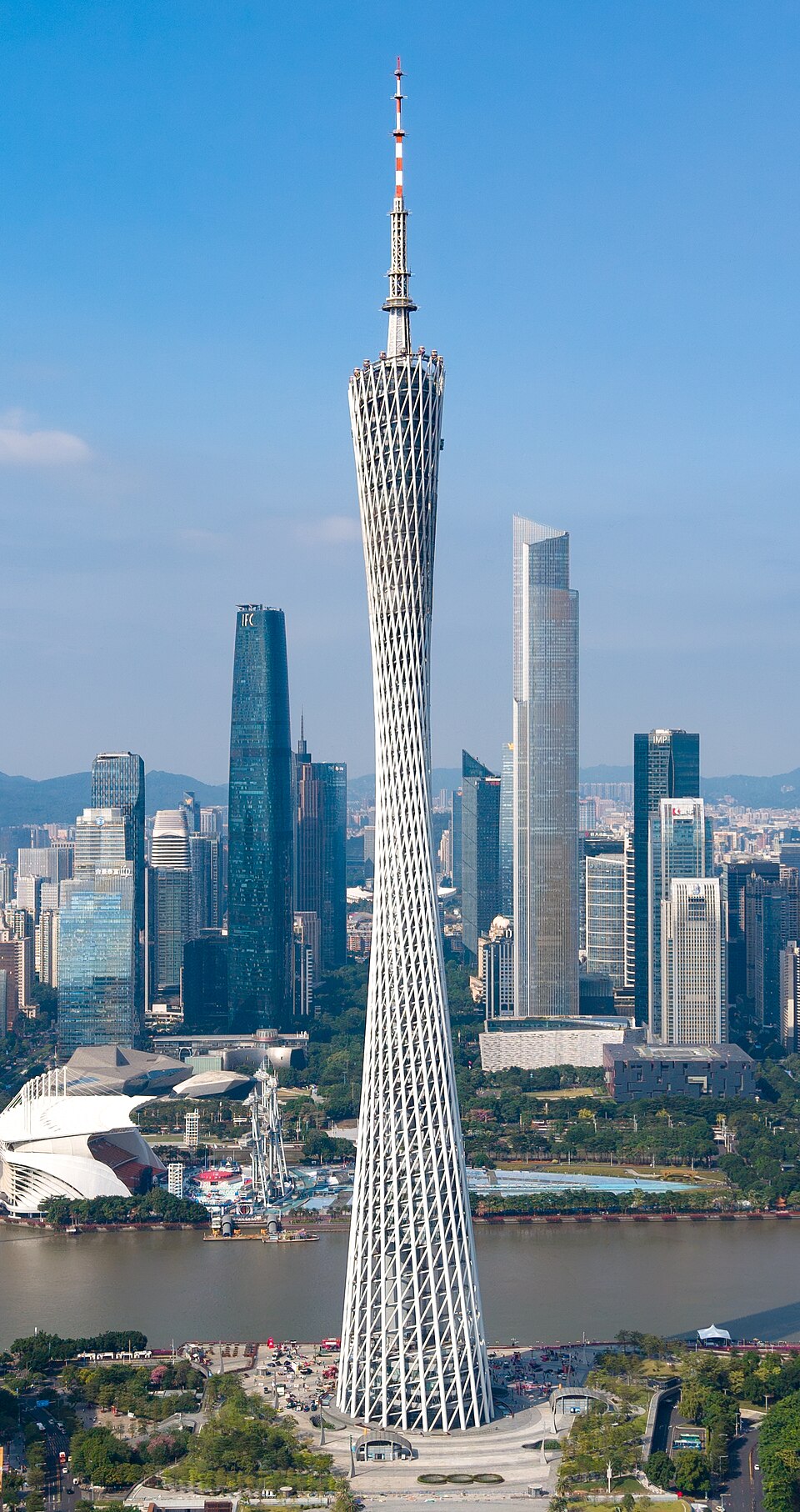
Canton Tower anchors the Zhujiang New Town skyline. The observation decks give the Pearl River panorama, and after dark the structure runs through a full lighting programme. Ticket tiers, deck heights and opening hours change with season and maintenance, so check the tower’s own booking page before you commit to a slot, and note whether your chosen tier includes the outdoor deck.

Shamian Island is the car-free colonial quarter, laid out with Victorian banks, consulates and churches along the river. It is the city’s most atmospheric stroll and works well in the late afternoon. Chen Clan Ancestral Hall is the most lavishly decorated building in South China, with roof sculpture, brick carving and ivory work; it now houses the Guangdong Folk Art Museum. Sacred Heart Cathedral in Yuexiu is a full-scale Gothic structure built entirely of granite, unusual in Asia and worth a short detour.

The Pearl River night cruise remains the classic way to see the illuminated bridges and towers from the water, with several piers and ticket classes. Baiyun Mountain offers a green escape north of the centre, with cable cars and walking trails; go early to avoid both heat and queues. Many Guangzhou attractions now use timed online reservations, particularly around public holidays, so read our guide to booking attractions in China before you build a fixed schedule.

Food: what to eat and where

Cantonese cooking is the reason many people come. Dim sum in the morning, roast goose, rice noodle rolls, claypot rice and late-night congee are all part of the routine, and the city’s food streets reward wandering more than planning. Our Guangzhou street food guide lists specific dishes and neighbourhoods. If you keep halal, vegetarian or both, check the practical notes in halal and vegetarian food in China before you rely on a restaurant being open or suitable.

Day trips from Guangzhou

Foshan, west of the city, is known for ancestral temples and its association with kung fu traditions; it is reachable by metro and intercity rail. Shunde, south of the centre, is widely regarded as a food destination in its own right and makes a long half-day or a full day. Further afield, the Hong Kong–Zhuhai–Macau Bridge connects the region by road, though coach and shuttle arrangements need checking in advance.

High-speed rail puts Shenzhen and Hong Kong within easy reach, and the timings are short enough for a day trip if you start early. Services, seat classes and departure stations vary, so confirm schedules and buy tickets through the official channels described in our 12306 booking walkthrough. Cross-border trips also raise passport and entry questions that differ by nationality; treat any visa or transit claim you read online as unverified until you check it on an official government page.

When to go

Autumn and winter, roughly November to March, bring the year’s most comfortable weather. The Canton Fair runs in phases during spring and autumn and fills hotels across the city, so if your dates overlap, book accommodation early and expect higher rates. Summer is hot and humid with heavy rain and typhoon risk along the coast. Our month-by-month notes for China in November and October help you weigh crowds against conditions.

Getting around

Guangzhou’s metro is one of the best in China and covers nearly everything a visitor wants, with English signage and app-based payment. Bikes fill the short gaps, and the BRT corridors serve some routes faster than the metro at peak times. Fares, first and last train times and line extensions change, so check the operator’s own page or a current metro map rather than relying on a screenshot. For broader context on payment and gates, see the China metro guide.

For day trips, a private driver saves hours where rail does not reach the door. As for planning tools, an AI itinerary can help you sequence a Guangzhou-centred route, but verify every opening time, price and booking requirement against the venue. Our notes on using AI for a China itinerary without invented opening hours explain where these tools tend to fail.

Practical preparation

Mobile payment is close to universal, but foreign cards do not always work in every wallet or terminal, so carry a backup. Read the cashless travel guide before you fly. Internet access, translation apps and pharmacy basics are worth sorting in advance rather than on arrival day.

Frequently asked questions

How many days do I need in Guangzhou?

Two full days cover the main sights comfortably; three or four allow a day trip to Foshan or Shunde and a slower food itinerary. Add a day if you plan to cross to Hong Kong or Macau.

Is Guangzhou worth visiting on a first China trip?

Yes, particularly if you want Cantonese food, colonial-era architecture and a working port city rather than a polished tourist centre. It also pairs well with Hong Kong, Shenzhen and Guilin by rail.

Do I need to book Canton Tower tickets in advance?

It is wise during holidays and weekends. Check the tower’s official booking page for current deck options, time slots and any closure notices, since these change and we do not publish figures that may be out of date.

Can I visit Guangzhou visa-free?

Some nationalities qualify for visa-free entry or 240-hour transit, but the rules are specific about ports, onward tickets and permitted regions. Confirm your own eligibility on an official immigration or embassy page before booking.

Is English widely spoken?

Less than in Shanghai or Beijing. Hotel desks usually manage, but taxis, markets and smaller restaurants often do not. A translation app and a few written Chinese phrases make a real difference.

Treat Guangzhou as a city to move through slowly: one long walk along the river, one morning of dim sum, one hill or one island, and a day trip by rail. Verify times, tickets and entry rules on official pages as your dates approach, and the rest tends to look after itself.