Four days is enough to see Shanghai properly rather than skim it: the colonial riverfront, the leafy former French Concession, the Pudong skyline and, if you want it, Disneyland or a canal town. The itinerary below keeps each day geographically tight so you spend time on foot rather than in transit. Two practical notes before you start: almost everything headline-level in Shanghai now expects an advance reservation, and the metro will handle nearly all of your movement. Both are covered below.
Before you go: reservations and practicalities
Shanghai’s major sights have moved to timed or advance booking, and this applies to foreign visitors as much as anyone. The Shanghai Museum, the Shanghai Tower observation deck, the Power Station of Art and Disneyland all use their own booking channels or mini-programs, and slots on weekends and public holidays go early. Rather than assume a walk-up ticket, check the official page for the site you want and look for the reservation or booking section, then confirm the current rule for foreign passports. Our guide to attraction reservations for foreigners explains which Shanghai venues actually require one.
Payments are the other thing to settle before arrival. Alipay and WeChat Pay both support foreign cards, but you should link and test your card while you still have reliable internet, not at a noodle counter. Cash is accepted in theory and awkward in practice. See the cashless travel guide for setup steps. For connectivity, an eSIM installed before you fly avoids the airport SIM queue entirely.
Day 1: The Bund and the old city
Start in the old city. Yu Garden’s Ming-era rockeries and pavilions are the anchor, and the surrounding bazaar is where you eat: soup dumplings and wontons are the local specialities, and the queues at the best-known stalls are part of the experience. Arrive early; the lanes are genuinely unpleasant by mid-morning on weekends.
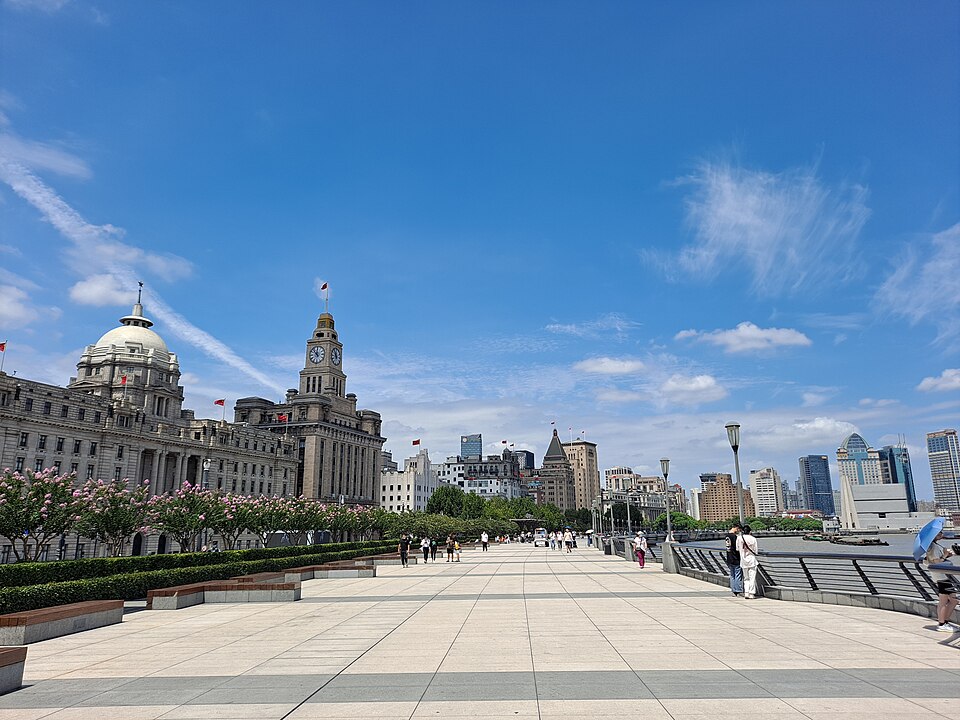
In the afternoon, walk the Bund promenade between the colonial bank buildings, then cross the river to Lujiazui. The Shanghai Tower observation deck gives the classic view back over the Huangpu, but check the official site for current opening hours and whether the day’s visibility justifies the ticket, since haze is common. In the evening, either take a Huangpu river cruise or find a rooftop bar on the Puxi side. Both are weather-dependent.
Day 2: The former French Concession
Give this district a full day and no fixed plan. The plane-tree streets around Wukang Road hold art-deco villas and apartment blocks; Tianzifang is a dense warren of lanes given over to small shops and studios; Fuxing Park fills with tai chi groups and card players in the morning. This is the part of Shanghai that rewards walking without a destination.
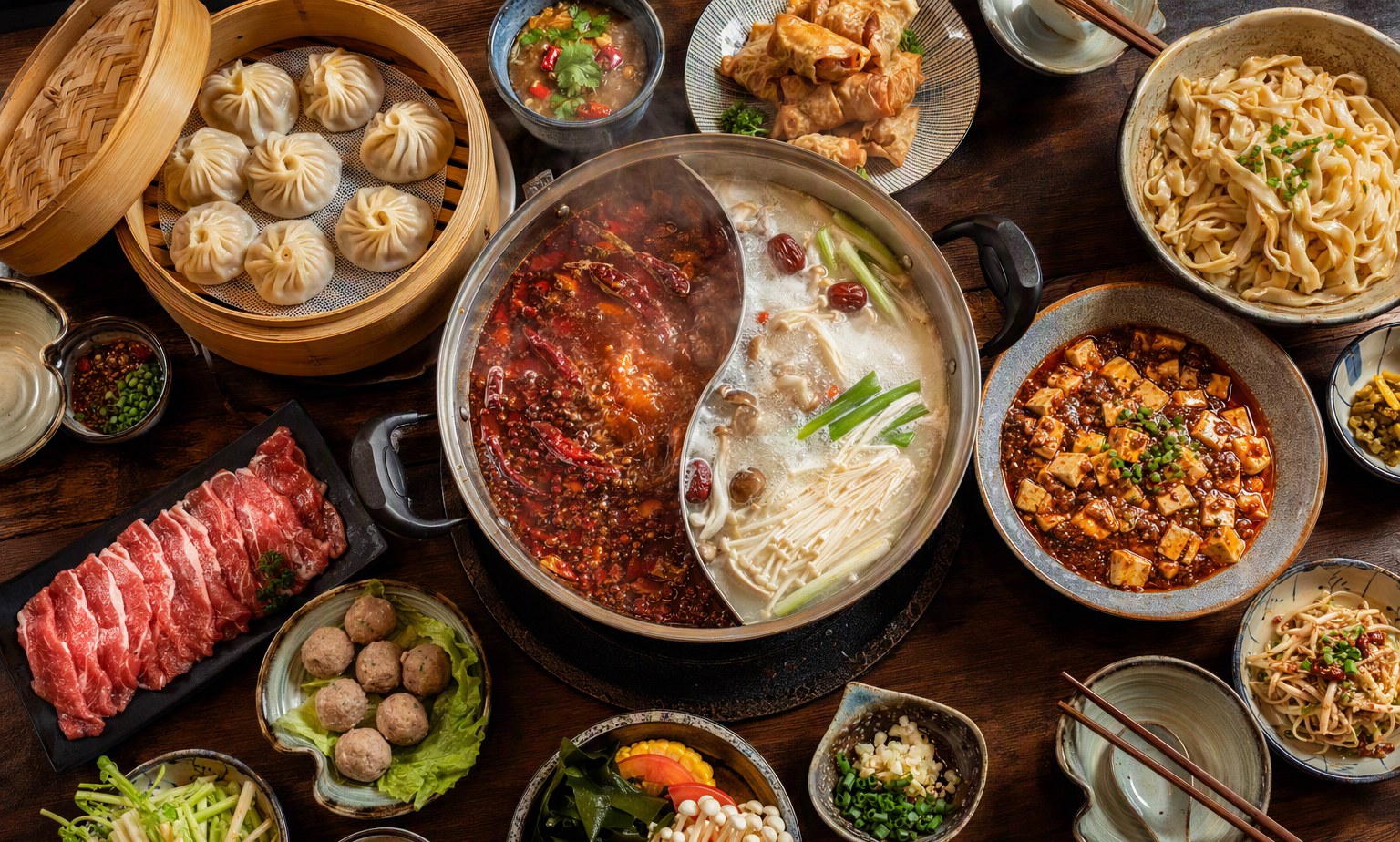
For lunch, look for a benbang (local Shanghainese) restaurant and order braised pork, drunken chicken and scallion-oil noodles. If you want a broader list of what to eat and where, our Shanghai street food guide covers the dishes worth seeking out. In the evening, live jazz in the historic hotel bars along the Bund makes a good close to the day; check the venue’s own schedule rather than relying on older listings.
Day 3: Museums and modern Shanghai
The Shanghai Museum holds genuinely first-rate collections of bronzes, ceramics and calligraphy, and admission has historically been free with advance booking. Confirm the current position and booking method on the museum’s official page before you go, as both have changed in recent years. Allow two to three hours.
In the afternoon, choose between the Power Station of Art, housed in a converted power plant on the Huangpu, and the West Bund gallery cluster a short ride south. Both mount rotating contemporary exhibitions, so check what is actually on rather than assuming a permanent collection. In the evening, Xintiandi’s restored shikumen lanes are convenient for dinner, or book an acrobatics show if you want something more theatrical.
Day 4: Disneyland or a water town
This day splits by interest. Families should go to Shanghai Disneyland, which has its own metro stop and its own booking system; buy dated tickets through the official channel and check the park calendar for opening hours, which vary substantially by season and day of week. The Tron coaster and the Pirates of the Caribbean ride are the versions worth prioritising.
Everyone else should take the half-day trip to Zhujiajiao, a canal town of stone bridges and boat rides within reach of central Shanghai. Getting there by metro and local bus is cheap but slow; a car charter or taxi is faster and easier to time. If you would rather go further, Hangzhou and Suzhou are both straightforward rail day trips, and the train travel guide covers booking, seat classes and station procedures.
Getting around and where to stay
The metro covers essentially everything on this itinerary, is signed in English, and is the fastest option at most hours. You can pay per journey with a QR code in Alipay or WeChat, or buy a stored-value card; the metro guide walks through both. Taxis and ride-hailing are inexpensive by European standards, but have your destination written in Chinese, since drivers rarely speak English.
For accommodation, People’s Square and the Bund put you within walking or one-stop metro distance of Days 1 and 2. Book a hotel that explicitly accepts foreign guests and confirm it in writing; this is still not universal, as explained in the foreign guest hotel guide. If Shanghai is one stop on a longer trip, pair it with Hangzhou or Suzhou by high-speed rail, both under an hour, and book those seats in advance through the official 12306 channel.
Frequently asked questions
Is four days enough for Shanghai?
Yes, for the core city. Four days covers the Bund, the old city, the French Concession, the main museums and one outlying day trip to Disneyland or a water town. Add a fifth day if you want both the theme park and a canal town, or if you plan to include Hangzhou or Suzhou.
Do I need to book Shanghai attractions in advance?
For most major sights, yes. The Shanghai Museum, the Shanghai Tower observation deck and Disneyland all use advance or timed booking, and slots fill on weekends and holidays. Check each venue’s official page for its current reservation process and whether a foreign passport creates any extra step, then book before you travel.
Can I pay for everything in Shanghai with a foreign card?
Not directly at most small vendors, but you can link a foreign card to Alipay or WeChat Pay and pay by QR code almost everywhere, including metro gates. Set this up and test it before you arrive. Carry a small amount of cash as a backup for the rare place that does not accept QR payment.
How do I get to Zhujiajiao or Suzhou from central Shanghai?
Zhujiajiao is reachable by metro plus a local bus, or much faster by taxi or car charter. Suzhou and Hangzhou are served by frequent high-speed trains from Shanghai’s main stations. For rail, verify schedules and book through the official 12306 platform rather than a third-party reseller.
What should I sort out before flying to Shanghai?
Three things: entry eligibility for your nationality, a payment app linked to a working card, and mobile data. Check the current visa or visa-free transit rules on an official source for your passport, install your eSIM or roaming plan before departure, and confirm your hotel accepts foreign guests.
Shanghai rewards a loose plan: fix the reservations that genuinely need fixing, then let the streets between them do the rest. Verify opening hours, ticket prices and booking rules on each venue’s official page close to your travel date, since these change more often than any itinerary can track.