Cuatro días bastan para conocer bien Shanghái, sin tener que apresurarse: el frente ribereño colonial, la frondosa antigua Concesión Francesa, el perfil del horizonte de Pudong y, si lo desea, Disneyland o una ciudad fluvial. Este itinerario organiza cada día de forma geográficamente compacta para maximizar el tiempo a pie y minimizar los traslados. Dos consejos prácticos antes de empezar: casi todos los principales atractivos de Shanghái exigen reserva anticipada, y el metro cubrirá casi todo su desplazamiento. Ambos puntos se explican más abajo.
Antes de viajar: reservas y aspectos prácticos
Shanghai’s major sights have moved to timed or advance booking, and this applies to foreign visitors as much as anyone. The Shanghai Museum, the Shanghai Tower observation deck, the Power Station of Art and Disneyland all use their own booking channels or mini-programs, and slots on weekends and public holidays go early. Rather than assume a walk-up ticket, check the official page for the site you want and look for the reservation or booking section, then confirm the current rule for foreign passports. Our guide to reservas de atracciones para extranjeros explica qué lugares de Shanghái exigen efectivamente reserva.
Los pagos son el otro tema clave para resolver antes de llegar. Alipay y WeChat Pay aceptan tarjetas extranjeras, pero debe vincular y probar su tarjeta mientras aún tenga acceso estable a internet, no frente a un puesto de fideos. El efectivo se acepta teóricamente, pero resulta incómodo en la práctica. Vea la guía de viaje sin efectivo para los pasos de configuración. Para conectividad, instalar un eSIM antes del vuelo evita completamente la cola de venta de SIM en el aeropuerto.
Día 1: El Bund y la ciudad antigua
Start in the old city. Yu Garden’s Ming-era rockeries and pavilions are the anchor, and the surrounding bazaar is where you eat: soup dumplings and wontons are the local specialities, and the queues at the best-known stalls are part of the experience. Arrive early; the lanes are genuinely unpleasant by mid-morning on weekends.
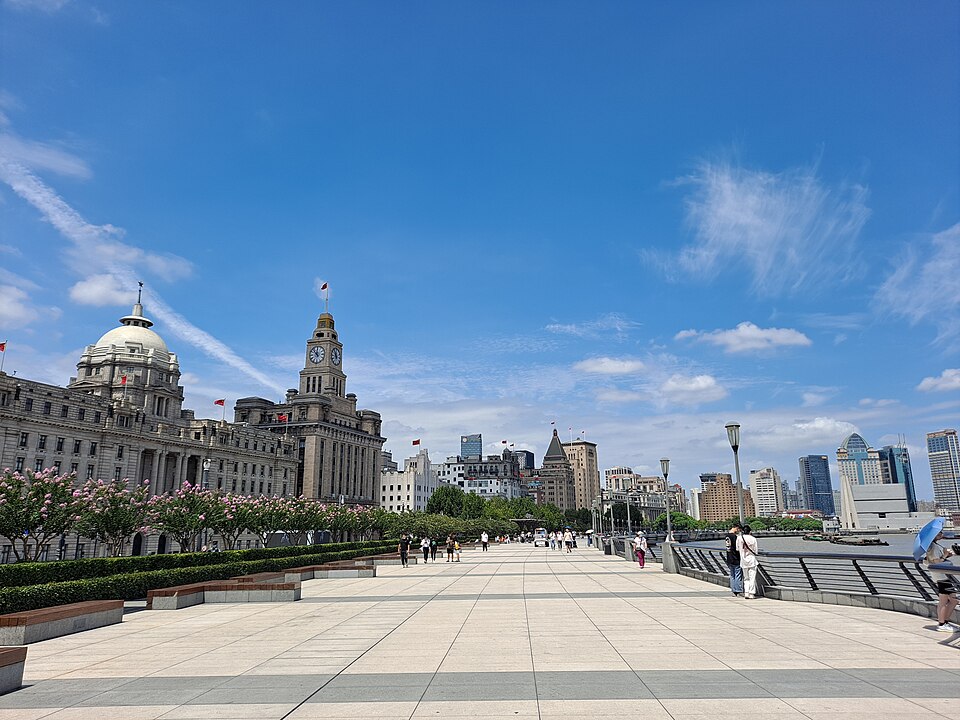
In the afternoon, walk the Bund promenade between the colonial bank buildings, then cross the river to Lujiazui. The Shanghai Tower observation deck gives the classic view back over the Huangpu, but check the official site for current opening hours and whether the day’s visibility justifies the ticket, since haze is common. In the evening, either take a Huangpu river cruise or find a rooftop bar on the Puxi side. Both are weather-dependent.
Día 2: La antigua Concesión Francesa
Dedique un día completo a este distrito, sin plan fijo. Las calles arboladas de Wukang Road albergan villas y bloques de apartamentos art déco; Tianzifang es un laberinto denso de callejuelas ocupado por pequeñas tiendas y estudios; el Parque Fuxing se llena por las mañanas de grupos de tai chi y jugadores de cartas. Esta es la parte de Shanghái que recompensa caminar sin destino.
Para el almuerzo, busque un restaurante benbang (shanghainés tradicional) y pida cerdo estofado, pollo marinado en vino y fideos con aceite de cebollino. Si desea una lista más amplia de qué comer y dónde, nuestra guía de comida callejera de Shanghái covers the dishes worth seeking out. In the evening, live jazz in the historic hotel bars along the Bund makes a good close to the day; check the venue’s own schedule rather than relying on older listings.
Día 3: Museos y la Shanghái moderna
The Shanghai Museum holds genuinely first-rate collections of bronzes, ceramics and calligraphy, and admission has historically been free with advance booking. Confirm the current position and booking method on the museum’s official page before you go, as both have changed in recent years. Allow two to three hours.
In the afternoon, choose between the Power Station of Art, housed in a converted power plant on the Huangpu, and the West Bund gallery cluster a short ride south. Both mount rotating contemporary exhibitions, so check what is actually on rather than assuming a permanent collection. In the evening, Xintiandi’s restored shikumen lanes are convenient for dinner, or book an acrobatics show if you want something more theatrical.
Día 4: Disneyland o una ciudad fluvial
Este día se divide según sus intereses. Las familias deben ir a Shanghai Disneyland, que cuenta con su propia estación de metro y su propio sistema de reservas; compre entradas con fecha específica mediante el canal oficial y consulte el calendario del parque para los horarios de apertura, que varían mucho según la temporada y el día de la semana. Las atracciones Tron y Piratas del Caribe son las versiones que merece priorizar.
Los demás pueden hacer una excursión de medio día a Zhujiajiao, una ciudad fluvial con puentes de piedra y paseos en barco, fácilmente accesible desde el centro de Shanghái. Llegar en metro y autobús local es económico pero lento; un coche privado o taxi es más rápido y sencillo de coordinar. Si prefiere ir más lejos, Hangzhou y Suzhou son excursiones fáciles en tren, y la guía de viajes en tren cubre reservas, clases de asiento y procedimientos en estaciones.
Cómo moverse y dónde alojarse
El metro cubre prácticamente todos los puntos de este itinerario, está señalizado en inglés y es la opción más rápida durante la mayor parte del día. Puede pagar cada viaje con un código QR en Alipay o WeChat, o comprar una tarjeta prepago; la guía del metro explica ambas opciones. Los taxis y servicios de transporte con aplicación son económicos comparados con los estándares europeos, pero lleve su destino escrito en chino, pues pocos conductores hablan inglés.
For accommodation, People’s Square and the Bund put you within walking or one-stop metro distance of Days 1 and 2. Book a hotel that explicitly accepts foreign guests and confirm it in writing; this is still not universal, as explained in the guía de hoteles para extranjeros. If Shanghai is one stop on a longer trip, pair it with Hangzhou or Suzhou by high-speed rail, both under an hour, and book those seats in advance through the official 12306 channel.
Preguntas frecuentes
¿Son suficientes cuatro días para Shanghái?
Sí, para la ciudad central. Cuatro días cubren el Bund, la ciudad antigua, la Concesión Francesa, los principales museos y una excursión diaria a Disneyland o una ciudad fluvial. Añada un quinto día si quiere visitar tanto el parque temático como una ciudad fluvial, o si planea incluir Hangzhou o Suzhou.
¿Debo reservar con anticipación las atracciones de Shanghái?
For most major sights, yes. The Shanghai Museum, the Shanghai Tower observation deck and Disneyland all use advance or timed booking, and slots fill on weekends and holidays. Check each venue’s official page for its current reservation process and whether a foreign passport creates any extra step, then book before you travel.
¿Puedo pagar todo en Shanghái con una tarjeta extranjera?
No directamente en la mayoría de los comercios pequeños, pero puede vincular su tarjeta extranjera a Alipay o WeChat Pay y pagar con código QR casi en todas partes, incluso en las puertas del metro. Configure y pruebe esto antes de llegar. Lleve una pequeña cantidad de efectivo como respaldo para los raros lugares que no aceptan pagos QR.
¿Cómo llego a Zhujiajiao o Suzhou desde el centro de Shanghái?
Zhujiajiao is reachable by metro plus a local bus, or much faster by taxi or car charter. Suzhou and Hangzhou are served by frequent high-speed trains from Shanghai’s main stations. For rail, verify schedules and book through the official 12306 platform rather than a third-party reseller.
¿Qué debo gestionar antes de volar a Shanghái?
Three things: entry eligibility for your nationality, a payment app linked to a working card, and mobile data. Check the current visa or visa-free transit rules on an official source for your passport, install your eSIM or roaming plan before departure, and confirm your hotel accepts foreign guests.
Shanghai rewards a loose plan: fix the reservations that genuinely need fixing, then let the streets between them do the rest. Verify opening hours, ticket prices and booking rules on each venue’s official page close to your travel date, since these change more often than any itinerary can track.